
Review · GERMANY
Stuttgart: Stuttgart Wine Museum Wine Tasting
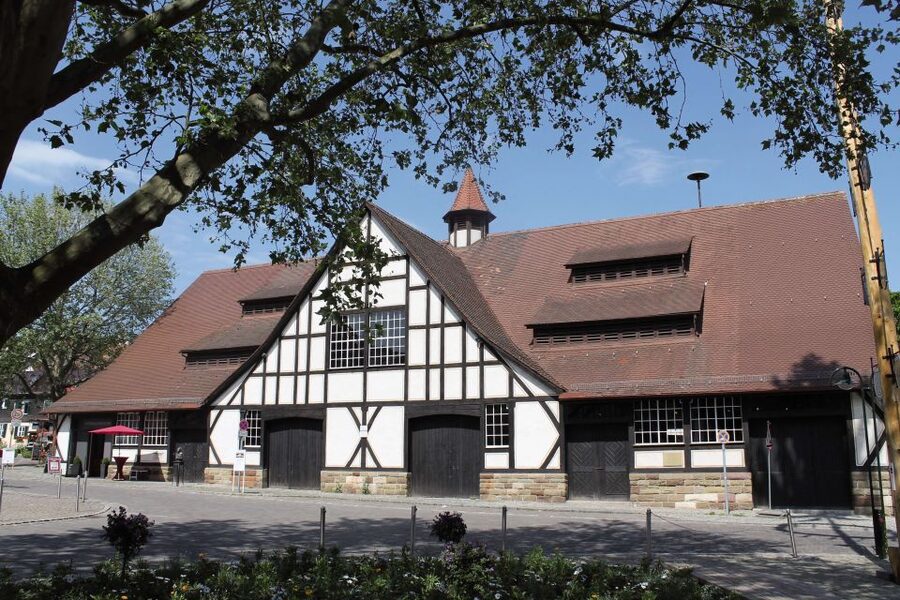
Stuttgart’s wine museum offers a tidy introduction to local wine without asking you to give up an entire afternoon. In one hour, a German-speaking wine expert presents three regional wines, one white, one red, and one rosé, alongside salami, olives, cheese, and bread.
I like the changing weekly selection, since repeat visits can bring new grape varieties and winery stories. I also like the museum setting, where the tasting includes background on Stuttgart’s viticulture rather than treating the wine as a series of anonymous pours.
The main drawback is simple: the tour is German only. If you do not understand German, much of the local context will pass you by, and three 0.1-liter glasses make this a short introduction rather than a full wine outing.
Key points to know before booking
- Three 0.1-liter pours: You taste one white, one red, and one rosé from the Stuttgart region.
- Weekly wine changes: The selection varies, giving the tasting a fresh angle from week to week.
- Local grape lessons: Expect discussion of Riesling, Pinot Gris, Lemberger, and other regional varieties.
- Simple wine snacks: Salami, olives, cheese cubes, and bread accompany the tasting.
- German-language guidance: The live guide speaks German only.
- Good pre-evening length: At one hour, the tasting fits neatly before dinner or a night out.
Three Stuttgart wines in one compact hour
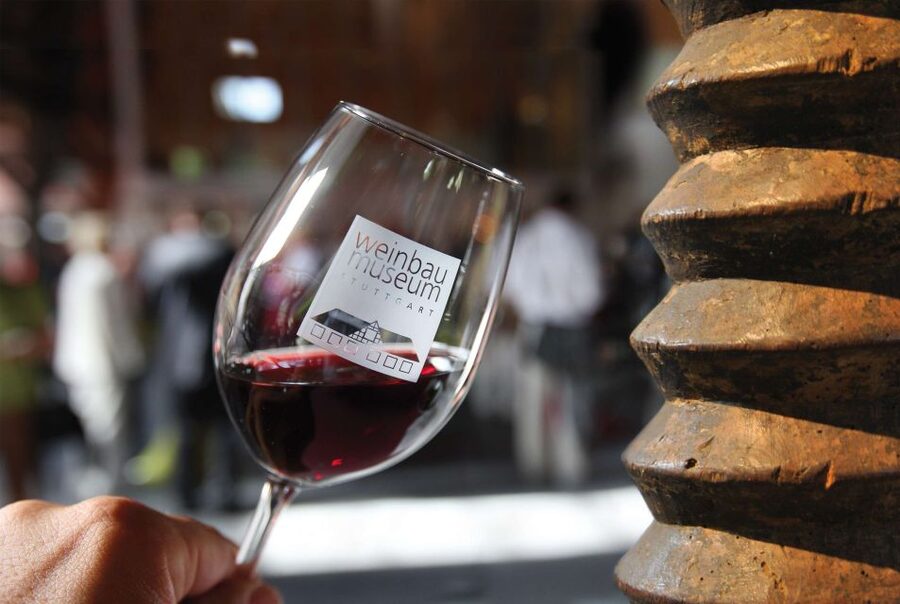
The basic plan is easy to understand. You arrive at the Stuttgart Wine Museum, meet the wine expert, and taste three wines from the local region. Each serving is 0.1 liter, so the total amount is modest and the focus stays on sampling rather than drinking heavily.
The tasting includes one white, one red, and one rosé. That range gives you a quick look at the different styles produced around Stuttgart. The precise bottles change each week, so the experience is not locked to one fixed menu.
I see this as a useful first taste of Stuttgart wine. You can compare color, aroma, and flavor across three styles, then ask questions while the glass is still in front of you. The format is friendly for beginners, but it also gives wine fans a reason to return if they want to see what has changed.
Do not expect a long cellar tour or a full meal. This is a short guided tasting with a small snack. The value comes from the explanation and the regional focus, not from the volume of wine or food.
A few more museum visits around Germany worth comparing
- Koblenz: Historical Sparkling Wine Museum Guided Tour
★ 4.6 · 28 reviews - Porto: Cálem Cellar Tour, Interactive Museum & Wine Tasting
★ 4.5 · 4,113 reviews - Porto: The Wine Experience, Best Wine Museum in the World
★ 4.7 · 621 reviews
Riesling, Pinot Gris, and Lemberger on the table
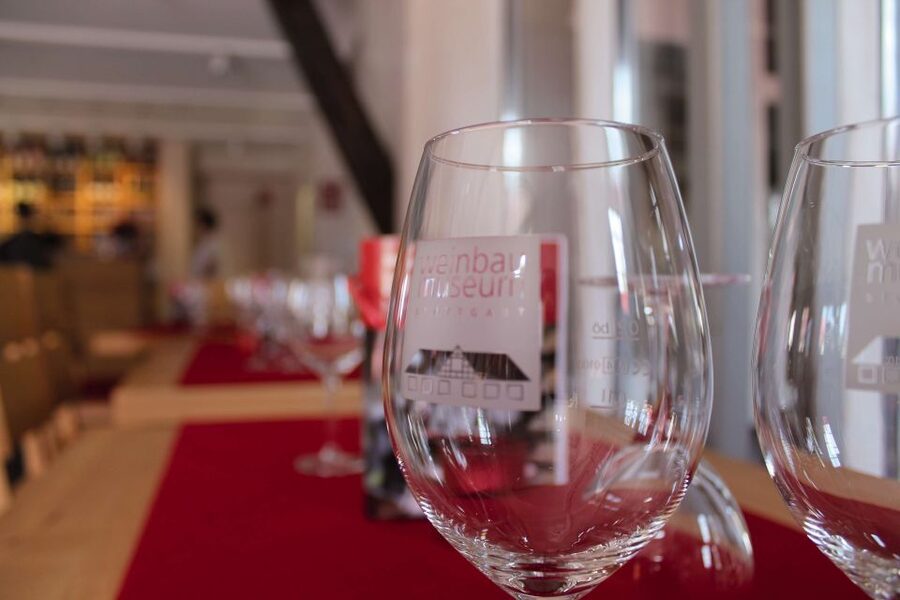
The grape varieties give the tasting its local character. Riesling may be familiar to many wine drinkers, but the point here is to understand how it fits into Stuttgart and Baden-Württemberg. You may also encounter Pinot Gris, known locally in Germany as Grauburgunder, and Lemberger, a red grape with a more savory, spicy profile.
The supplied information specifically highlights a path from tangy Riesling to Pinot Gris and spicy Lemberger. That is a helpful spread for comparison. The white wines can show freshness and acidity, while the red may bring more spice and weight. The rosé adds a lighter middle ground, though the exact style depends on the weekly selection.
Your guide also explains local grape varieties, viticulture, and the wineries behind the bottles. This matters because a wine tasting can otherwise become a parade of labels and adjectives. Here, the story connects the drink to the Stuttgart region.
I would keep your expectations flexible. The tour promises three regional wines, but it does not promise particular producers or grape varieties at every session. If you have your heart set on one specific bottle, this is not the right format. If you enjoy seeing what is poured on the day, the changing selection is a plus.
The museum setting adds useful context
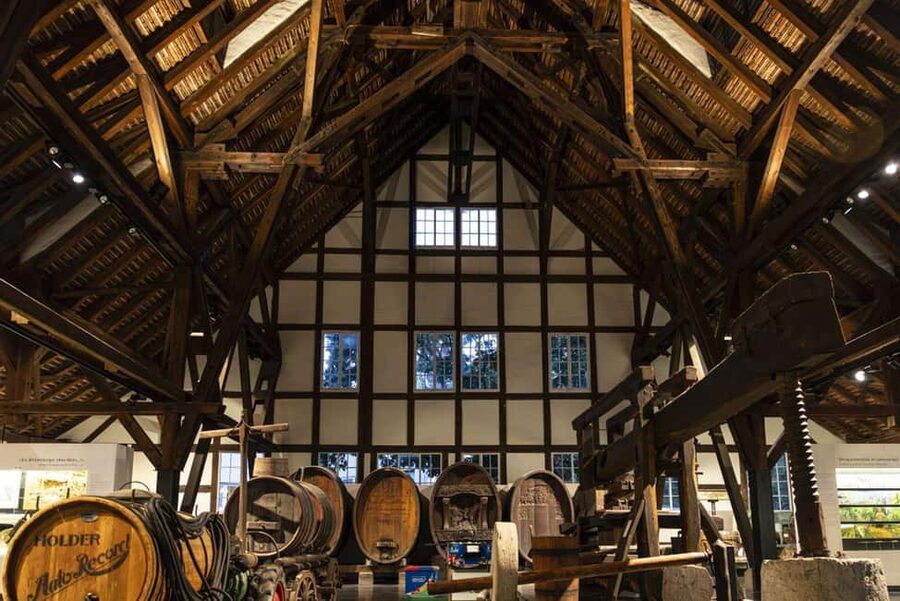
The Stuttgart Wine Museum gives the tasting a sense of place. You are not simply sitting down for three unrelated glasses. The guide introduces Stuttgart’s wine culture and explains the background of local production while you taste.
One of the strongest parts of the experience is the museum and area history woven into the presentation. A recent participant singled out the background on the museum and its surroundings as a favorite part of the visit, along with the wine itself. That tells you what to value here: the setting and explanation matter almost as much as the liquid in the glass.
The museum context should also help you understand why wine belongs in Stuttgart’s identity. The activity focuses on viticulture in the region, so you receive more than a general German wine lesson. The emphasis stays on local grapes, local wineries, and the place where the tasting happens.
Still, the available details do not promise a large museum tour, extensive exhibits, or free time to explore every room. Think of the museum as the home for the tasting and its local story. The one-hour schedule keeps the visit focused.
Salami, cheese, olives, and bread
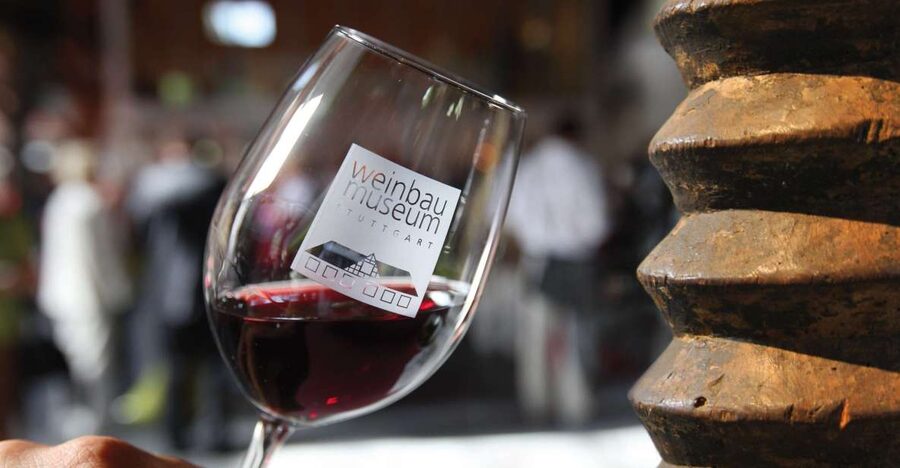
The food is small but well chosen for the format. You receive salami, olives, cheese cubes, and bread while tasting the wines. These snacks give you something to eat between sips and make the event feel more social than a formal lecture.
The snack also has a practical role. Bread and cheese can soften the effect of alcohol, while salty foods pair naturally with many wines. You should not treat it as dinner, though. If you are booking this as the start of an evening, plan another meal afterward.
I like that the food keeps the experience grounded and casual. A wine tasting with no food can feel a little stark, especially for first-time visitors. Here, the small plate gives you a reason to linger over each pour and discuss what you are tasting.
Dietary details are not provided, so you should ask the provider before booking if you have allergies or follow a special diet. The stated snack includes meat and dairy, and there is no promise of substitutions.
Same city, a completely different collection:
- Berlin: Jewish Museum Berlin Entrance Ticket
★ 4.5 · 8,393 reviews - Berlin: DDR Museum Tickets
★ 4.3 · 3,443 reviews - Berlin: Natural History Museum Entrance Ticket
★ 4.6 · 3,382 reviews - Berlin: Neues Museum Entry Ticket
★ 4.6 · 3,261 reviews
Why the $31 price can make sense
At $31 per person, the cost is reasonable if you want a guided introduction in a museum setting. You are paying for three regional wines, the snacks, the wine expert, and the local information. That is different from paying simply for three glasses at a bar.
The value depends on your goal. If you measure the price by wine quantity, it may feel high, since each pour is only 0.1 liter. If you want a short cultural activity with structured tasting and regional background, the price looks fairer.
The one-hour duration also affects the calculation. This is not a half-day commitment, so you can add it to a Stuttgart weekend without rearranging your whole schedule. It works particularly well before dinner or another evening activity.
The changing weekly selection improves the value for repeat visitors. You are not guaranteed a completely new experience, but the bottles can differ from one week to the next. That makes the tasting more than a one-time checklist item for people spending several days in Stuttgart.
The activity has a 4.7 rating from 55 ratings, while the written comments point to two useful strengths: solid information about wine growing and an enjoyable tasting, plus the museum’s history and local background. I would read that as encouragement for people who want context, not just alcohol.
The German-only format matters
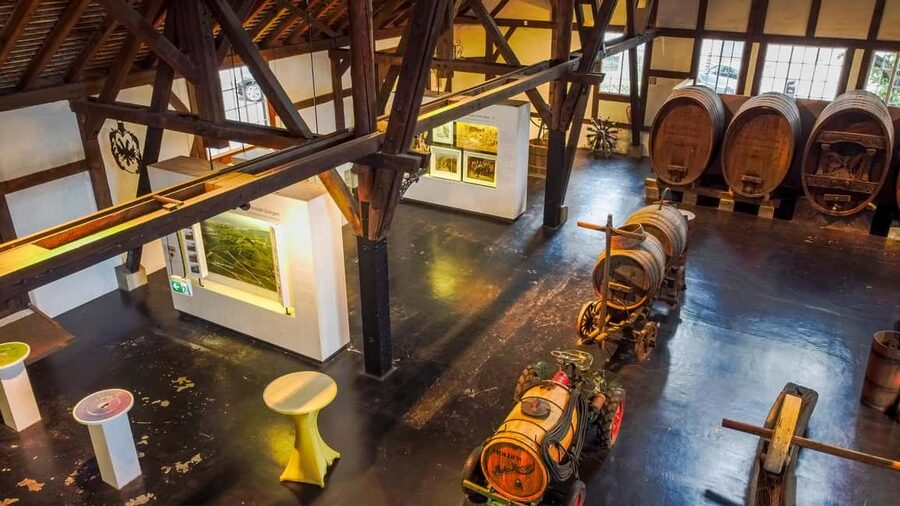
The guide speaks German, and the tour is conducted in German only. This is the most important booking point.
If you understand German well, the language adds no problem and may make the discussion feel natural. You can follow explanations about grape varieties, wineries, and local wine growing without needing translation. If your German is limited, you may still recognize some grape names, but the details will be difficult to follow.
This is not an activity I would choose for someone hoping for English commentary. The wine itself is not language-dependent, but the main value lies in the guide’s explanations. Without them, you would lose the museum background and the connection between the wines and Stuttgart’s viticulture.
You also need to bring a passport or ID card. Children under 18 cannot join, so the tasting is designed for adults. The activity is wheelchair accessible, which makes it a practical choice for visitors who need an accessible venue, though the information does not describe the exact route inside the museum.
Who will enjoy this tasting most?
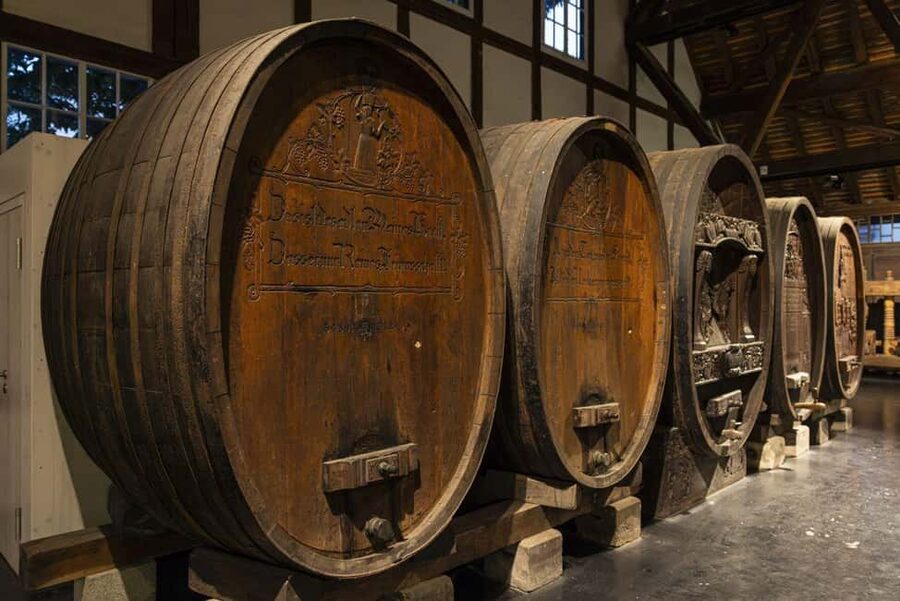
I would recommend it to adults who want a short, low-pressure introduction to Stuttgart’s wine culture. It suits couples, friends, and solo visitors who like food and drink with a bit of local explanation.
It is also useful for people planning an evening in Stuttgart. The one-hour schedule leaves plenty of room for dinner afterward, and the snack gives you a small bridge between sightseeing and a night out.
Wine beginners should feel comfortable here. You do not need to know the difference between every German grape before arriving. The guide explains the varieties as you taste them, and the white, red, and rosé structure gives you a clear way to compare styles.
Experienced wine drinkers may enjoy the changing weekly bottles and the local angle, but should keep the scale in mind. Three small glasses will not replace a serious winery visit or an extended tasting flight.
I would skip it if you want English commentary, a full meal, a long museum visit, or a large number of wines. The activity is focused, brief, and regional.
Practical details for planning your visit
The price is $31 per person, and the duration is one hour. Starting times vary, so check availability when selecting your date.
You can cancel up to 24 hours before the activity for a full refund. You can also reserve now and pay later, which helps if your Stuttgart schedule is still changing.
Bring your passport or ID card. The tasting is for people 18 and older, and the tour language is German. The provider is Stuttgart-Marketing GmbH.
The wines change weekly, so there is no fixed promise that every session will feature the same grapes. The stated examples include Riesling, Pinot Gris, and Lemberger, but the actual selection depends on the week.
Should you book the Stuttgart Wine Museum tasting?
Book it if you want a one-hour introduction to regional wine with a small snack and useful local background. The museum setting, changing selection, and mix of white, red, and rosé make it a neat addition to a Stuttgart weekend.
Skip it if you need English, want a full meal, or judge value mainly by the amount of wine in your glass. For German-speaking adults who enjoy a relaxed pre-dinner activity, the $31 price is fair, and the local focus gives the tasting more purpose than a standard bar flight.
FAQ
How long does the Stuttgart Wine Museum wine tasting last?
The tasting lasts one hour.
How many wines are included?
You receive three regional wines: one white, one red, and one rosé. Each serving is 0.1 liter.
Which grape varieties might be featured?
The tasting can include varieties such as Riesling, Pinot Gris, and Lemberger. The wine selection changes every week, so the exact wines are not fixed.
Is food included?
Yes. The tasting includes salami, olives, cheese cubes, and bread.
What language is the tour in?
The live tour guide speaks German, and the tour is conducted in German only.
Can children join the tasting?
No. The activity is not suitable for children under 18.
Is the activity wheelchair accessible?
Yes, the activity is listed as wheelchair accessible. You should still check the available starting time and any personal access needs when booking.
More Food & Drink in Germany
- Munich: Beer and Food Tour with Dinner & Oktoberfest Museum
★ 4.7 · 1,086 reviews - Berlin: Disgusting Food Museum Entry Ticket and Tasting
★ 4.4 · 204 reviews - Dubai: Old Town, Creek, Museums, Souks, & Street Food Tour
★ 4.8 · 10,816 reviews - Choco-Story Brussels: Chocolate Museum Entrance with Tasting
★ 4.3 · 4,883 reviews
Just added around Germany
- Stuttgart: Museum of Illusions Entry Ticket★ 4.2 · 507 reviews
- Stein: Public guided tour of the “Old Mine” museum★ 4.5 · 18 reviews
- Speyer: Technik Museum Speyer Ticket with an IMAX Dome Film★ 4.7 · 360 reviews
- Berlin: Bode Museum Ticket★ 4.5 · 214 reviews
- Munich Private Walking Tour with BMW Museum & Welt Entry★ 4.2 · 19 reviews
- Munich: Residenz Palace, Museum and Treasury Private Tour★ 4.9 · 15 reviews
- Munich: WOW Museum – Room for Illusions Ticket★ 3.5 · 14 reviews
- Munich Nymphenburg Palace & Carriage Museum Fast-Track Tour★ 4.9 · 57 reviews
Museum Tours in Germany, compared.




Dresden: Church of Our Lady Guided Tour of Gallery
Read our review →
Skip-the-Line: Berlin Wall Museum at Checkpoint Charlie
Read our review →Browse the lists this tour appears in