
Review · GERMANY
Berlin: DDR Museum Tickets
The DDR Museum turns East German history into something you can handle, open, smell, and sit inside. You can explore a reconstructed apartment, switch on the television, search the Karat wall unit, and climb into an original Trabant for a simulated drive through prefabricated housing districts.
I like the hands-on displays, which make daily life easier to understand than a row of glass cases. I also like the clear mix of home life, politics, work, leisure, and surveillance, so you see both ordinary routines and the limits placed on people under the communist regime.
The main drawback is space. The museum can feel crowded, especially on wet days and weekends, and reading every panel becomes hard when people gather around the most popular exhibits. It is also a standing-heavy visit, so go earlier in the day if your legs are already tired.
Key Points Before You Go
- Touch the past: Open cupboards, pull out drawers, inspect household goods, and explore a full DDR-era apartment.
- Drive a Trabant: Sit in an original Trabant and try the simulated ride through East German prefabricated districts.
- Expect a self-guided visit: A museum guide is not included, so you set your own pace and choose what to study.
- Allow 1.5 to 3 hours: A quick visit can take about 90 minutes, while careful reading and hands-on exploration can fill several hours.
- Plan around crowds: The open layout lets you move between sections, but busy periods make the exhibits and text panels harder to see.
- Best for mixed ages: Children and teenagers have plenty to operate, while adults can spend more time on the political and social material.
Finding the DDR Museum Beside Berlin Cathedral
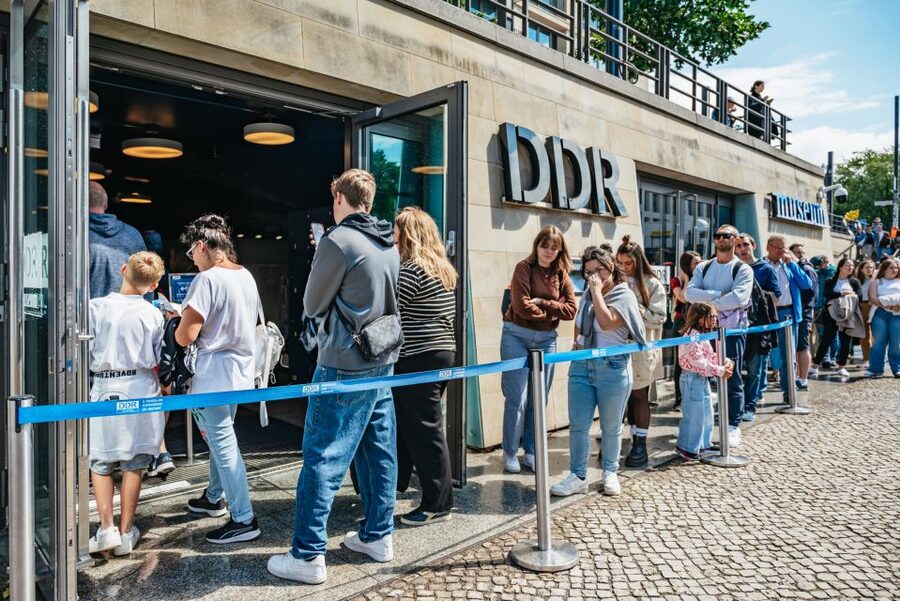
The museum entrance is on the bank of the Spree, directly opposite Berlin Cathedral. That location makes it easy to combine with a walk around Museum Island and the cathedral area, although the DDR Museum itself is a separate attraction with its own entry ticket.
This is not a grand, quiet museum building where you simply follow a line of display cases. The exhibition is compact and built around objects, rooms, screens, and controls. You move through the material at your own pace, often stopping because something invites you to open, press, turn, or inspect it.
The location is useful, but the central setting also helps explain the crowd problem. It is an easy stop to add to a full day in central Berlin, and many people arrive at the same time, particularly during poor weather. If you want time with the apartment or Trabant without waiting behind a group, an early visit is the sensible choice.
A few more museum visits around Germany worth comparing
- Berlin: Jewish Museum Berlin Entrance Ticket
★ 4.5 · 8,393 reviews - Berlin: Natural History Museum Entrance Ticket
★ 4.6 · 3,382 reviews - Berlin: Neues Museum Entry Ticket
★ 4.6 · 3,261 reviews
Reconstructing an East German Home
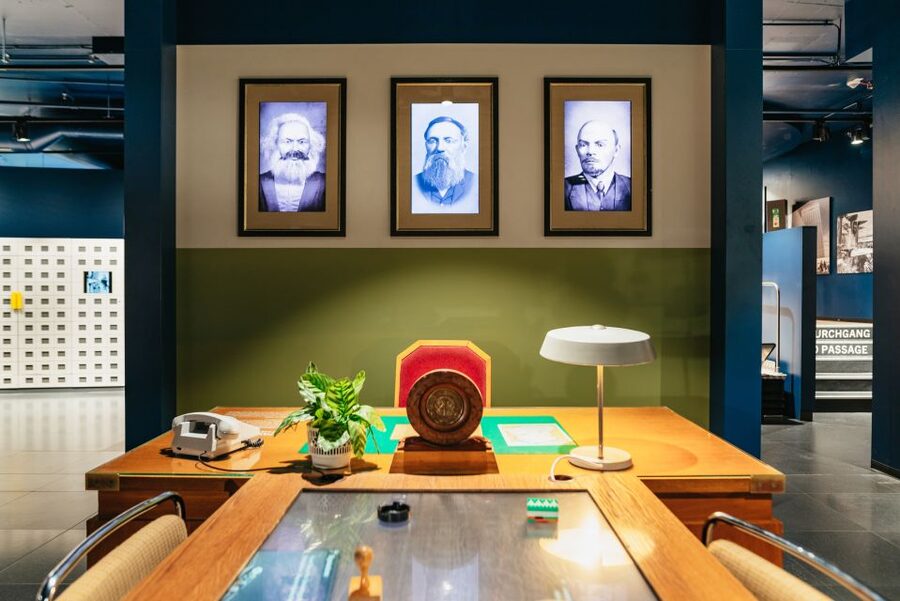
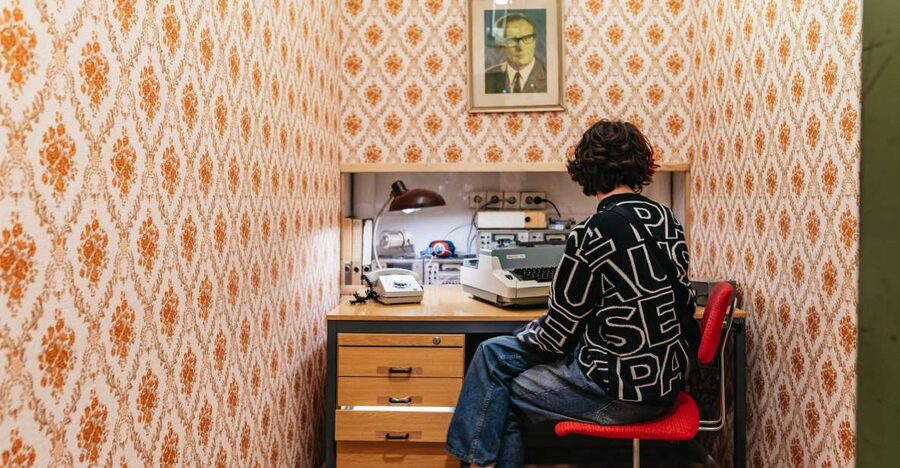
The apartment section is the museum’s strongest feature for many people. Instead of explaining domestic life only through text, it shows you rooms filled with period furniture and everyday products.
You can turn on a television in a typical living room and examine the Karat wall unit, a familiar piece of East German home furniture. You can open drawers and cupboards, look at the objects inside, and study the practical goods that shaped family life.
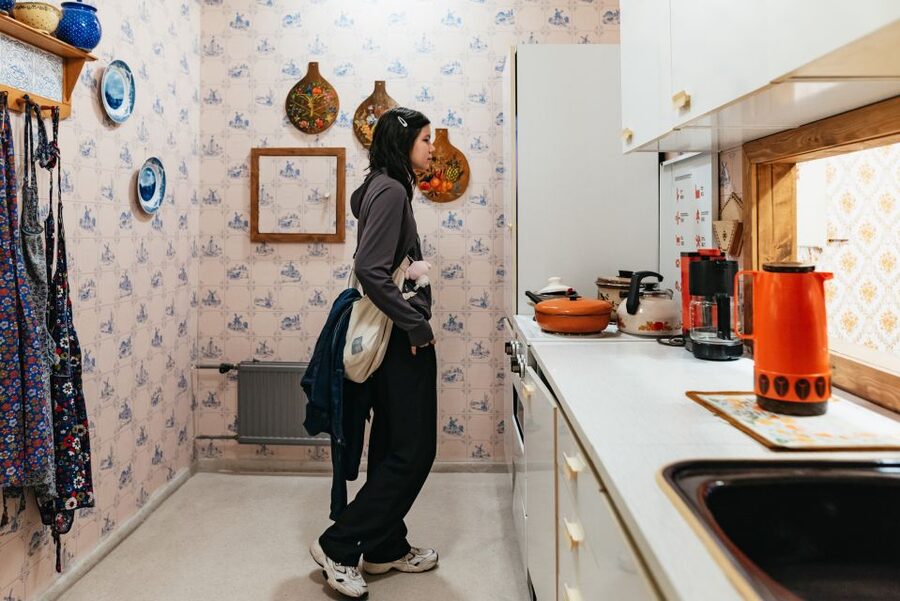
The kitchen has details that help the display feel lived in. You can see a pressure cooker on the stove and smell spices on a shelf. These small touches matter because they shift the focus from government slogans and Cold War headlines to the basic routines of cooking, storing food, watching television, and arranging a home.
The apartment is not presented as a simple nostalgia set. It can feel cramped and gloomy, which is part of the point. The furnishings show how people made use of what they had, but the display also leaves room to consider shortages, limited consumer choice, and the difference between a familiar home and a comfortable one.
I would give this section time rather than rushing through it. Look inside the furniture, check the labels, and notice how the objects relate to one another. The interactive design works best when you treat the room as a place to investigate, not just a backdrop for photographs.
The Trabant Simulator and Prefabricated Districts
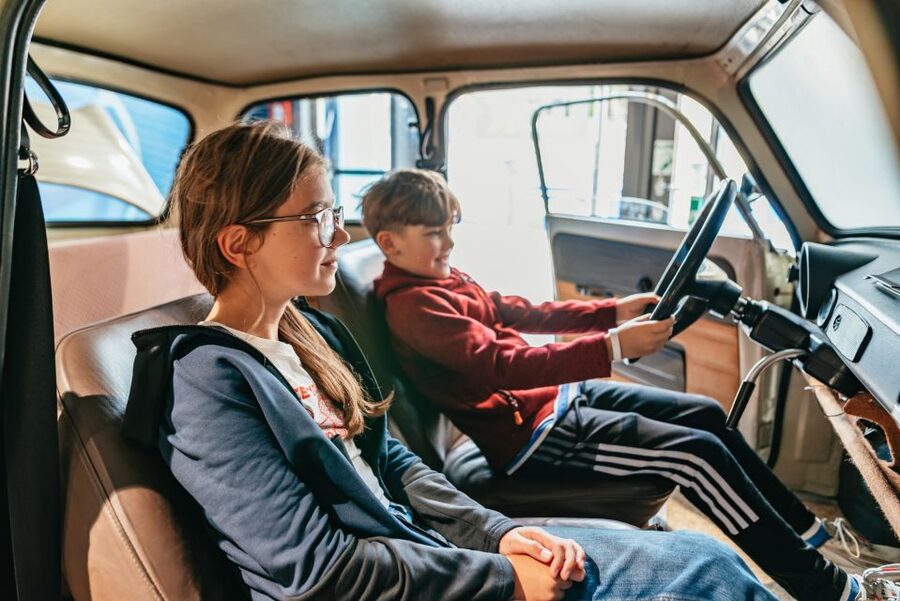
The original Trabant is one of the museum’s biggest draws. You can climb inside, turn the ignition, and take part in a simulated journey through East German housing districts.
The experience uses the car’s familiar sounds and gives you a more physical sense of transport in the DDR. It is not a long driving attraction, but it breaks up the reading and adds a playful moment to a serious subject. Children often head straight for it, while adults may recognize the car as one of the clearest symbols of East Germany.
Expect a queue when the museum is busy. The Trabant has limited space, so it can become a bottleneck. If you see an opening, use it, then return to the surrounding displays afterward.
The simulator is also useful because it connects private life to the built environment. The apartment shows how people lived inside their homes. The simulated trip shows the planned housing districts outside them. Together, they give you a more complete picture than either display could provide alone.
Politics, Surveillance, Prison, and Daily Limits
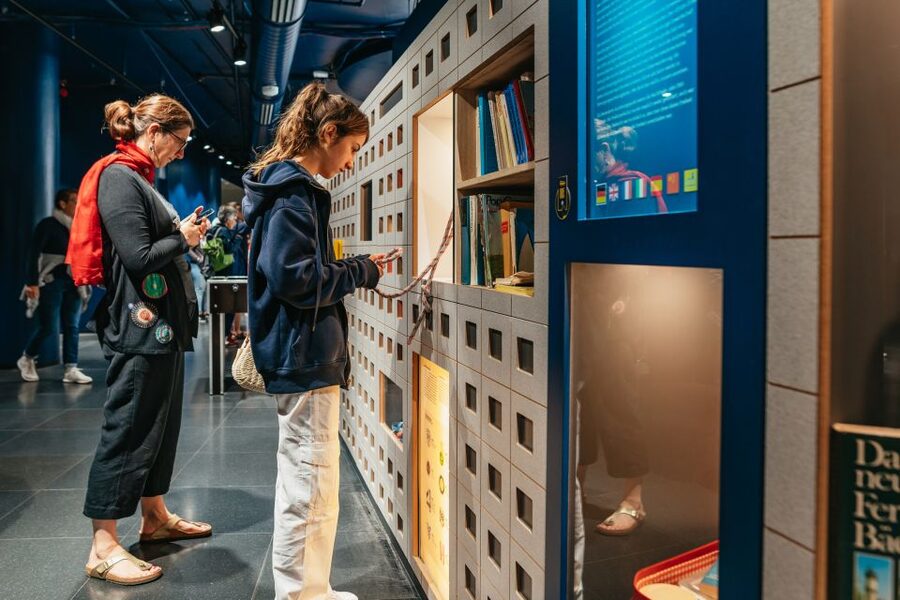
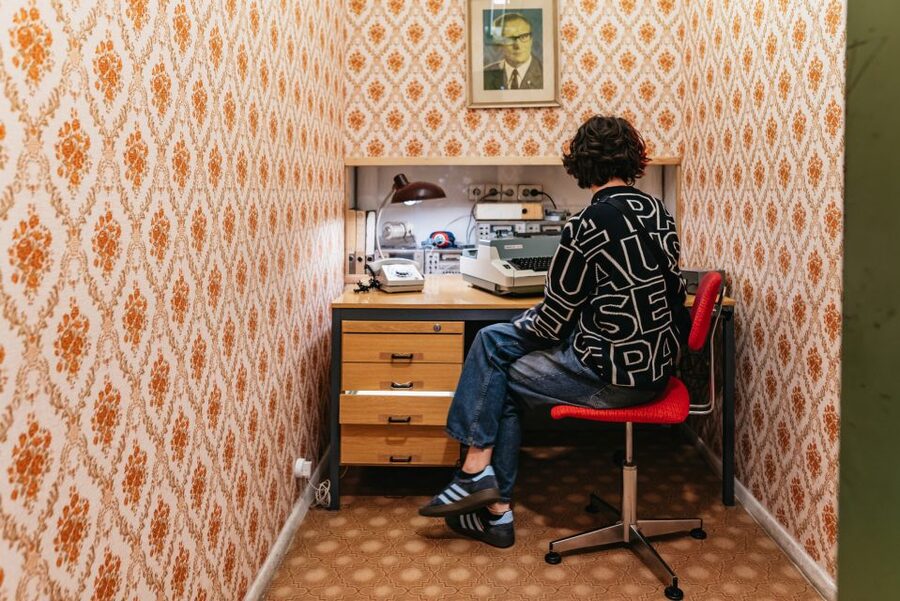
The museum does not stop at furniture and consumer goods. It also covers the political system and the restrictions that shaped life in East Germany.
You can sit in an original East German prison cell, an especially sobering part of the exhibition. The cell changes the mood from curiosity to reflection. It reminds you that the DDR was not simply an unusual version of everyday life, with distinctive cars and furniture. Personal freedom had limits, and disagreement with the state could carry serious consequences.
Other sections address political life and the system surrounding ordinary households. The information is presented through panels, objects, films, and interactive features rather than one long guided lecture. That gives you control, but it also means you need to read if you want the wider context.
Some sections are text-heavy. That is normal for a museum dealing with political history, but it can become tiring in a crowded room. You do not need to read every word to get value from the visit. I suggest choosing a few subjects that interest you, such as home life, the Berlin Wall, work, leisure, or state control, then following those threads carefully.
The material is presented from a Western perspective, but it is not simply a collection of slogans. You will find room to consider both ordinary people’s routines and the larger political structure. That balance makes the museum more useful than a display that treats East Germany only as a curiosity.
Same city, a completely different collection:
- Berlin: Museum Island Multiple Museum Entry Ticket
★ 4.4 · 2,861 reviews - Cologne: Chocolate Museum Entrance Ticket
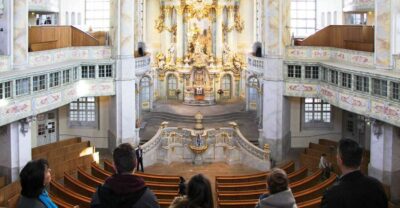
★ 4.4 · 2,790 reviews - Dresden: Church of Our Lady Guided Tour of Gallery
★ 4.7 · 2,421 reviews - Skip-the-Line: Berlin Wall Museum at Checkpoint Charlie
★ 4.1 · 2,041 reviews
Television, Cinema, Music, and the Texture of Ordinary Life
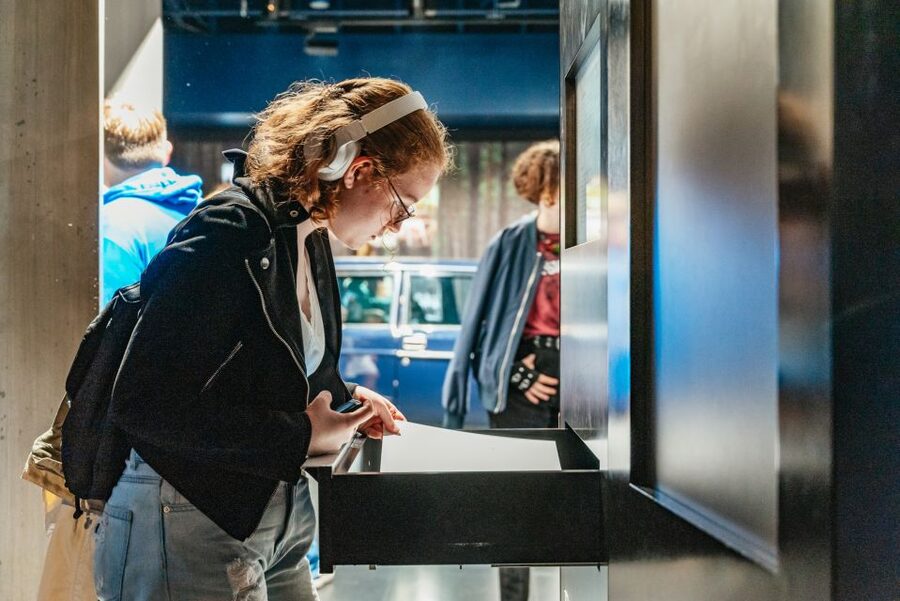
The DDR Museum gives attention to entertainment and popular culture as well as politics. You can switch on the period television, watch news reports from an original cinema stall, and learn about Lipsi, East Germany’s answer to rock and roll.
These details are valuable because history is not lived only through major events. People still watched television, listened to music, went to the cinema, furnished homes, and found ways to enjoy themselves. The museum shows how those activities fit within a controlled society.
The cinema stall is also a welcome place to pause. Much of the visit involves standing and moving around, so sitting for a short film gives you a break while adding another layer to the exhibition.
The music section may appeal most to younger visitors because it gives the subject a more familiar entry point. Instead of treating the DDR as a distant political story, it asks what people watched, heard, and did after work. That approach makes the social history easier to grasp.
How Long to Spend Inside
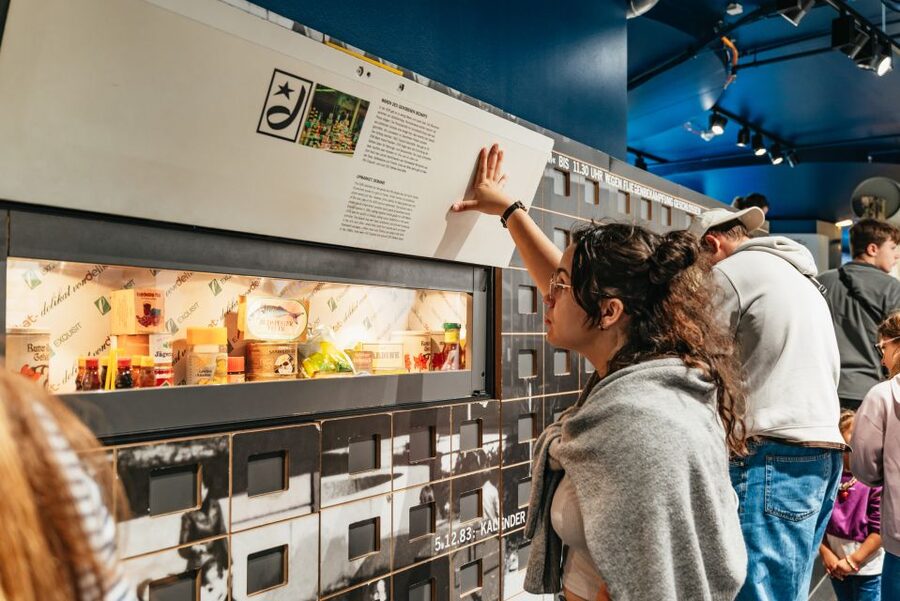
For a quick but worthwhile visit, allow about 90 minutes. That gives you time to see the apartment, try several interactive stations, look at the Trabant, and read selected panels.
If you enjoy museums and want to study the political material, plan closer to two hours. Three hours is possible if you move slowly, explore every drawer and cupboard, watch the films, and wait for popular exhibits.
The museum does not force you along one fixed route. That helps when one area is crowded. You can move to another section and come back later, rather than standing in a single line through the entire exhibition.
The lack of a fixed route can also make the visit feel less tidy. You may miss a display or circle back to the same section. I would accept that trade-off because it lets you avoid bottlenecks and build a visit around your own interests.
Crowds, Comfort, and Practical Timing
The museum is open daily from 9am to 9pm, except on December 24 and December 31, when it closes at 4pm. Those long hours give you useful flexibility, especially if you are fitting the museum between other central Berlin sights.
Earlier in the day is the best choice if you want to read comfortably or if standing for long periods is difficult. Busy Saturdays and rainy days can make the compact exhibition feel tight. The displays remain worthwhile, but you may need patience around the Trabant, apartment, and film areas.
There is no museum guide included. You explore independently, using the information panels and interactive stations. The material is available in German and English, which makes the visit practical for many international visitors.
Pets are not allowed. Children up to age five enter free. The museum is suitable for families, but younger children may focus on the controls and car rather than the historical meaning. That is not a problem, as long as an adult helps connect the objects to the story of East German life.
Is the 15 Dollar Ticket Good Value?
At about $15 per person, the ticket offers solid value if you give the museum at least 90 minutes. You are paying for more than a standard collection of objects. The price includes access to a carefully built environment where the objects can be handled and used.
The value is strongest for people who learn through physical examples. If you want to see how a home looked, what furniture people used, and how a Trabant felt from the driver’s seat, the museum gives you more than a traditional display case can.
It is less ideal if you want a quiet, deeply academic museum visit. Crowds can interrupt your reading, and there is no included guide to explain the political material as you go. You also need to accept that some rooms feel dusty or worn. That fits the period setting, but it may not suit anyone expecting a polished modern gallery.
The ticket is especially good for families and mixed-age groups. Children can operate displays while adults read about the political system and social limits. Couples and solo visitors can also get a lot from it, provided they are willing to move slowly and engage with the text.
Who Will Get the Most From This Museum?
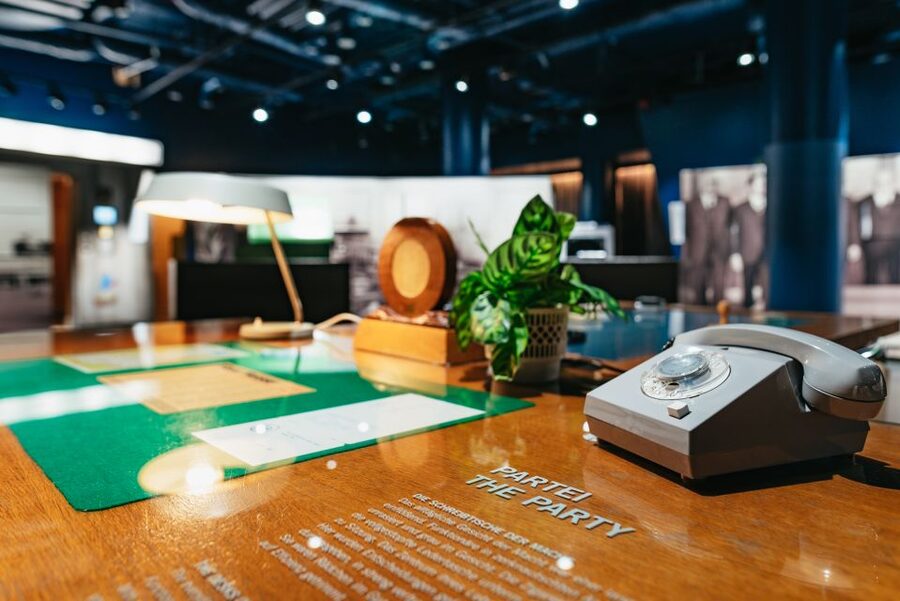
I would recommend the DDR Museum to anyone who wants a clearer sense of how East Germany functioned at home, at work, and in public life. It is a strong follow-up to seeing the Berlin Wall because it shows what daily life looked like on the eastern side of the divide.
It also suits people with a personal connection to the period. The furniture, television, kitchen equipment, and car can bring back memories for anyone who grew up with similar objects. For younger visitors, the same things can feel strange and unfamiliar, which creates a useful contrast between generations.
Families should enjoy the interactive design, but adults should plan to explain some of the heavier material. The prison cell and political displays deserve more respect than a quick photo stop.
If you dislike crowds, go early and avoid the busiest part of the day. If you dislike reading, you can still enjoy the rooms and machines, but you will miss much of the museum’s explanation.
Should You Book the DDR Museum?
Book it if you want history you can physically explore, especially if the idea of entering a DDR apartment and sitting in a Trabant appeals to you. The museum makes ordinary objects do serious historical work, and its mix of home life, entertainment, politics, and state control gives you a useful picture of East Germany.
I would skip it only if you want a quiet, guided museum with lots of open space. For everyone else, the $15 ticket is reasonable, the daily opening hours are convenient, and a 1.5 to 3 hour visit fits neatly into a central Berlin sightseeing day.
You can cancel up to 24 hours before the visit for a full refund, and reserve now while paying later. That flexibility is useful if your Berlin schedule is still changing.
FAQ
Where is the DDR Museum?
The entrance is on the bank of the Spree, opposite Berlin Cathedral in central Berlin.
How much does admission cost?
The listed price is $15 per person.
How long is the ticket valid?
The ticket is valid for one day.
How long should I plan for the visit?
Plan about 1.5 hours for a shorter visit. If you read more of the displays and spend time with the interactive exhibits, allow two to three hours.
Is a museum guide included?
No. Entry to the DDR Museum is included, but a museum guide is not.
Can I enter with a child under five?
Yes. Children up to age five receive free entry.
What are the opening hours?
The museum is open Monday through Sunday from 9am to 9pm. On December 24 and December 31, it is open from 9am to 4pm.
Are pets allowed inside?
No. Pets are not allowed.
Just added around Germany
- Stuttgart: Stuttgart Wine Museum Wine Tasting★ 4.7 · 55 reviews
- Stuttgart: Museum of Illusions Entry Ticket★ 4.2 · 507 reviews
- Stein: Public guided tour of the “Old Mine” museum★ 4.5 · 18 reviews
- Speyer: Technik Museum Speyer Ticket with an IMAX Dome Film★ 4.7 · 360 reviews
- Berlin: Bode Museum Ticket★ 4.5 · 214 reviews
- Munich Private Walking Tour with BMW Museum & Welt Entry★ 4.2 · 19 reviews
- Munich: Residenz Palace, Museum and Treasury Private Tour★ 4.9 · 15 reviews
- Munich: WOW Museum – Room for Illusions Ticket★ 3.5 · 14 reviews
Museum Tours in Germany, compared.


Dresden: Church of Our Lady Guided Tour of Gallery
Read our review →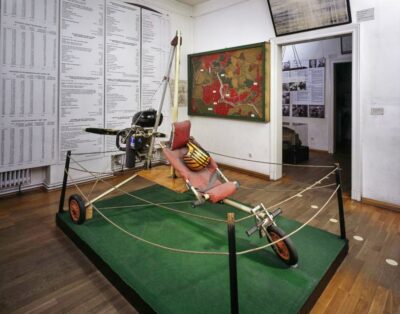
Skip-the-Line: Berlin Wall Museum at Checkpoint Charlie
Read our review →
Browse the lists this tour appears in