
Review · GERMANY
Koblenz: Historical Sparkling Wine Museum Guided Tour
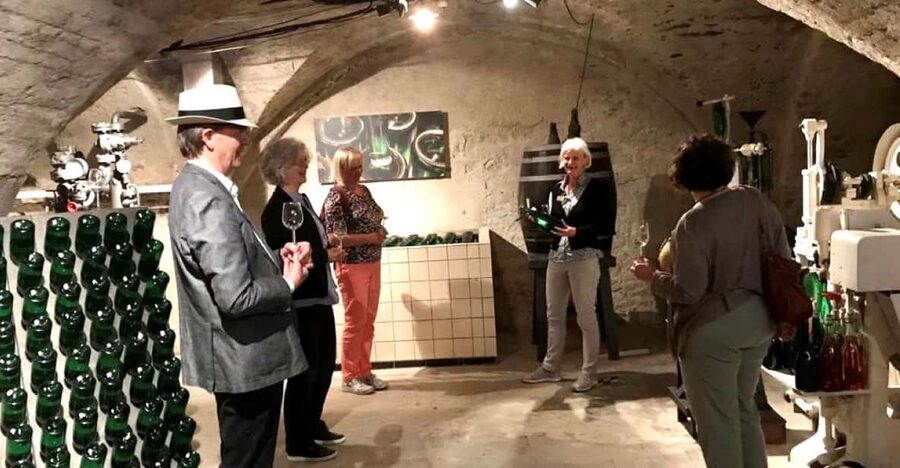
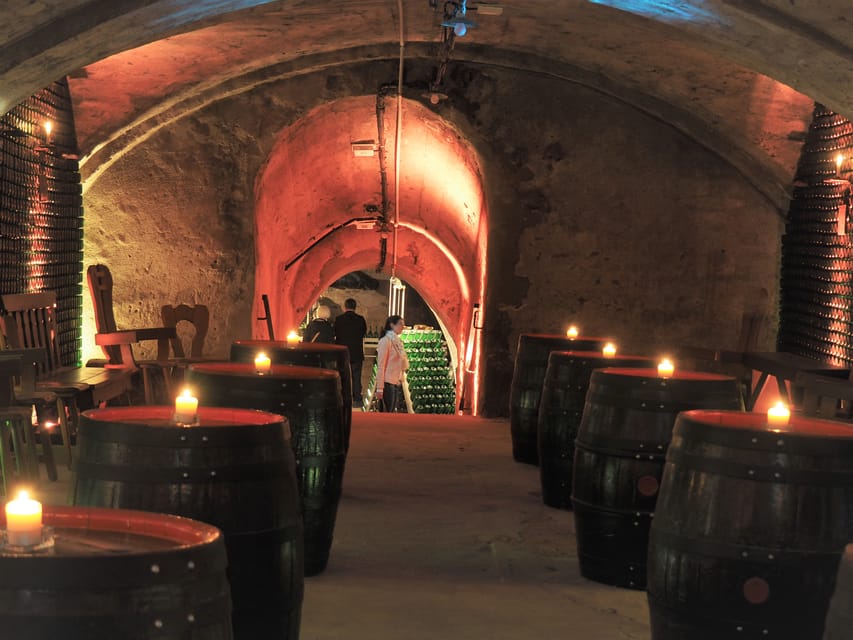
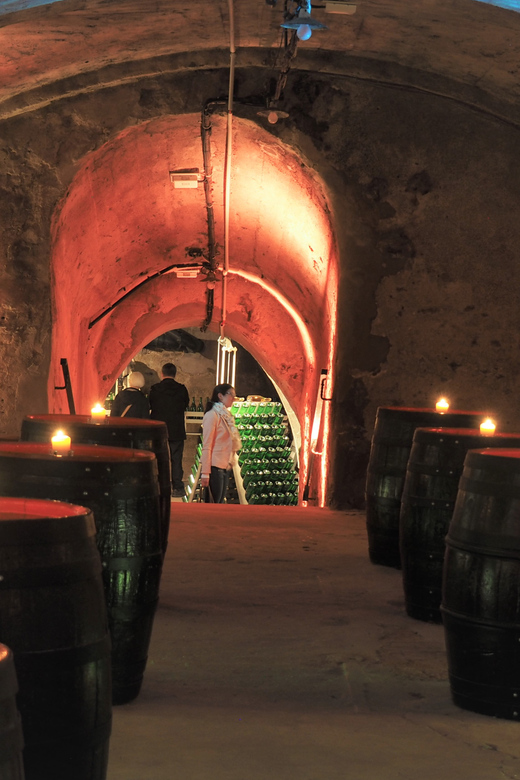
Koblenz’s historic sparkling wine cellar is the real attraction here. You descend into the former Deinhard cellars, where sparkling wine was made using traditional bottle fermentation from 1843 onward. The setting gives the tour more character than a standard tasting room, with vaulted rooms, old equipment, and a clear link between the city’s past and its wine trade.
I like two things in particular. First, the tour explains the full path from grape to wine to sparkling wine, so you are not just handed a glass with a few vague facts. Second, the final tasting gives the hour a pleasant finish. The main drawback is that the live tour is in German, so you will get less from the guide if you do not understand the language.
Key points to know before booking
- Former Deinhard cellars: Explore vaulted rooms connected to a company founded in 1794.
- Traditional bottle fermentation: Learn how sparkling wine was produced in Koblenz from 1843 onward.
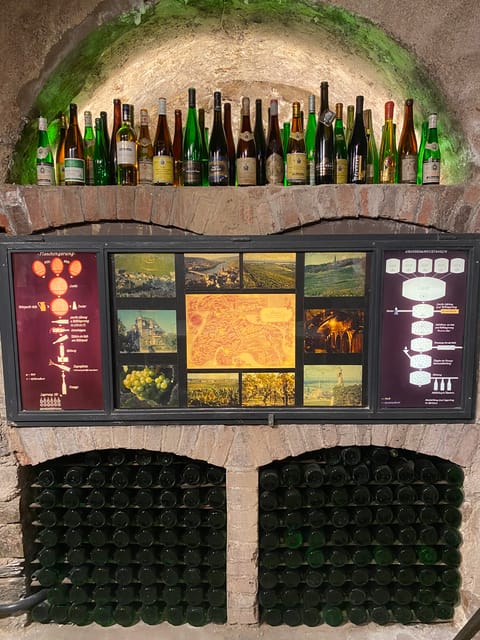
- Original equipment: See tools and objects connected with viticulture and sparkling wine production.
- One-hour format: The compact visit fits neatly into a day of sightseeing in Koblenz.
- One glass of sparkling wine: The tour ends with a tasting included in the $24 price.
- Useful in poor weather: The cellar offers a cool indoor stop on hot days and shelter when rain hits.
Entering the Former Deinhard Cellars
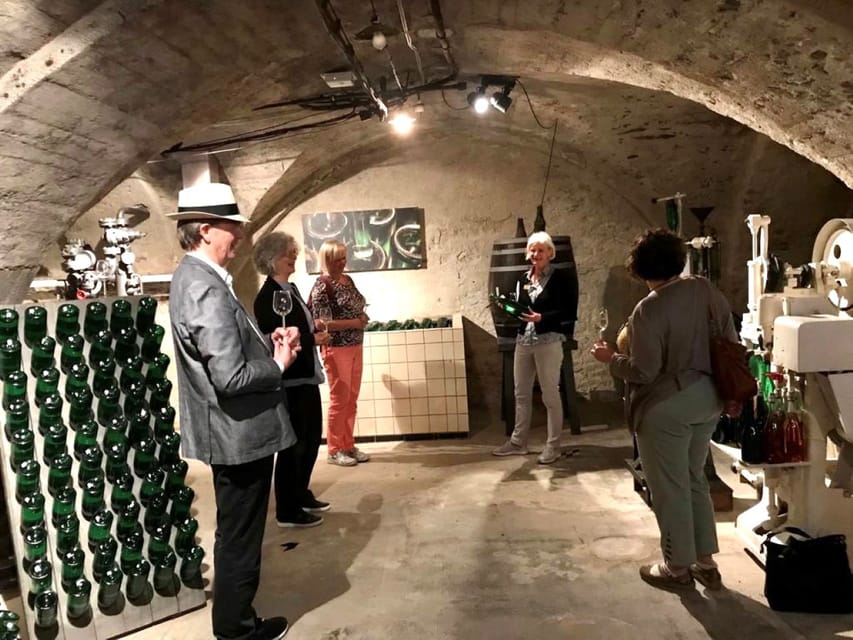
The tour begins at the entrance, then takes you below street level into the former sparkling wine cellars of the Deinhard company. Deinhard was founded in 1794, giving the place a long connection with Koblenz’s commercial and wine-making past.
You will find the cellar atmosphere more important than polished presentation here. Vaulted rooms create the mood, while the underground setting helps you picture how wine production once worked before modern visitor centers and stainless-steel tanks became common.
An elevator is available for the descent, which is useful if stairs are a concern. The tour ends back at the same meeting point, so you do not need to arrange a separate pickup or find your way across town afterward.
The cellar is also a practical choice on a hot or rainy day. It gives you a cool indoor hour during warm weather and a dry place to spend time when conditions outside are unpleasant. That makes it easy to add between other Koblenz sights.
A few more museum visits around Germany worth comparing
- Stuttgart: Stuttgart Wine Museum Wine Tasting
★ 4.7 · 55 reviews - Porto: Cálem Cellar Tour, Interactive Museum & Wine Tasting
★ 4.5 · 4,113 reviews - Porto: The Wine Experience, Best Wine Museum in the World
★ 4.7 · 621 reviews
A Short History From 1794 to 1843
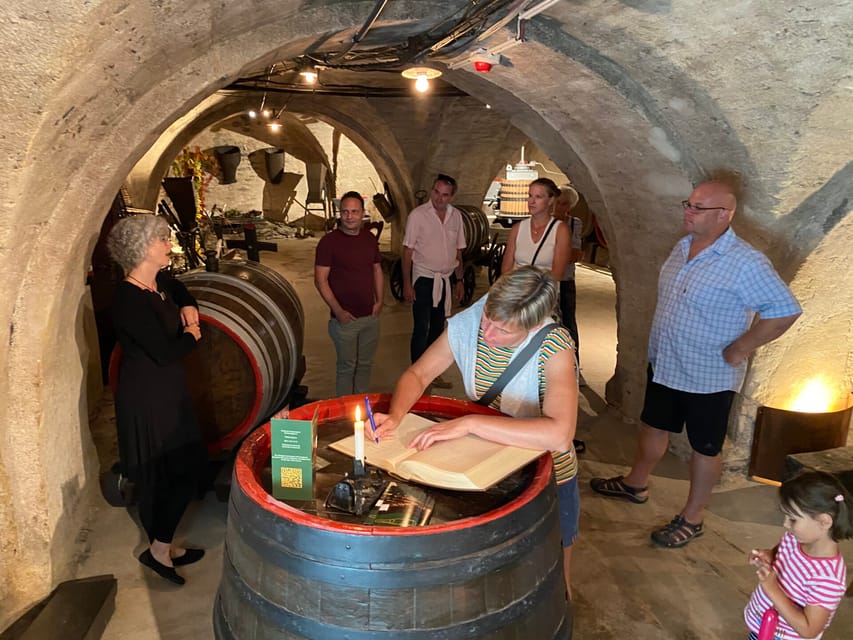
The guide places the cellar in the story of Deinhard, a company established in 1794. That date matters because it shows that sparkling wine production did not appear as a recent tourism project. The company’s work forms part of Koblenz’s older business and wine culture.
From 1843, sparkling wines were produced here using the traditional bottle fermentation process. This is the central technical idea of the tour. Instead of treating sparkling wine as a simple flavored drink, you learn how ordinary wine is transformed through a controlled production method.
The guide connects the company’s history with the work of viticulture. That means the story begins before the cellar, with grapes, harvesting, and the labor needed to turn fruit into wine. The tour then follows the product through later stages until it becomes sparkling wine.
I find that approach useful because it gives the tasting some context. You are not tasting an isolated product. You are tasting the final stage of a process that begins in the vineyard and continues through careful cellar work.
From Grape to Wine to Sparkling Wine
The main body of the hour follows the path from grape to finished sparkling wine. You learn about the work of viticulture and the steps involved in production, with the guide using original equipment to make the explanation more concrete.
The vineyard work is part of the appeal. The tour covers the demanding side of earlier wine production, including the difficult work of harvesting grapes in past times. A strong explanation of this stage helps you understand why sparkling wine is not simply wine with bubbles added at the end.
Next comes the transformation from grape to wine. The guide explains the production stages in an entertaining way, linking the practical work to the objects around you. Original equipment gives the discussion a physical reference, which is easier to follow than a talk based only on dates and technical terms.
The final part concerns the mysterious origin of sparkling wine. This adds a little drama to the presentation without taking the focus away from the process. You learn how the drink came to be associated with bubbles and how those bubbles fit into traditional production.
The tour is designed for a general audience, not only people who already know wine. You can enjoy it as a history visit, a production lesson, or a light tasting experience. If you already have technical wine knowledge, the one-hour format may feel introductory, but it still gives you a look at the cellar and its equipment.
Why the Vaulted Rooms Matter
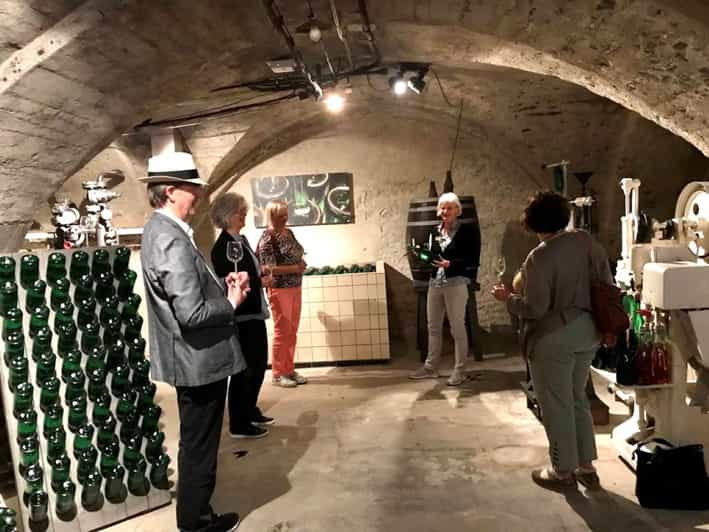
The cellar is not just a backdrop for the guide’s speech. Its vaulted form helps you understand how sparkling wine production was tied to underground storage and controlled cellar conditions.
You can expect a setting with more atmosphere than a modern tasting counter. The rooms carry the feel of a working cellar, and the low underground location separates the experience from the regular rhythm of the city above.
That setting also affects the pace. You move through a compact historic space rather than spending hours in a large museum. The visit stays focused, which suits you if you want a useful introduction without giving up half a day.
I like this kind of stop because it connects a familiar drink with a place. You see where production happened, learn why the work mattered, and then taste the result. The cellar gives the story a sense of location that a bottle shop or restaurant tasting cannot provide.
The experience is not built around a long list of exhibits. Its strength is the combination of the rooms, the equipment, and the guide’s explanation. You should book it for the cellar atmosphere and the production story, not for a large collection of displays.
Same city, a completely different collection:
- Berlin: Jewish Museum Berlin Entrance Ticket
★ 4.5 · 8,393 reviews - Berlin: DDR Museum Tickets
★ 4.3 · 3,443 reviews - Berlin: Natural History Museum Entrance Ticket
★ 4.6 · 3,382 reviews - Berlin: Neues Museum Entry Ticket
★ 4.6 · 3,261 reviews
The German-Language Guide
The tour includes a live guide, and the stated tour language is German. That is the most important practical point to consider before booking.
If you understand German, you can follow the full explanation of the house, viticulture, equipment, and sparkling wine production. The guided format also lets the presentation move beyond labels and display panels. One particularly strong part of the content is the account of the demanding grape harvest work in earlier times, followed by the changes that turn wine into sparkling wine.
If you do not speak German, the cellar and equipment may still interest you, but you should expect the spoken history and technical details to be difficult to follow. No other tour language is listed, and no written translation is specified.
The guide’s style is described as professional and entertaining. The presentation covers serious production details but does not appear to treat the visit like a formal lecture. That balance suits visitors who want facts without spending an entire afternoon on wine theory.
Because the tour lasts only one hour, the guide needs to keep the story moving. You will receive an overview rather than an extended study of viticulture or fermentation. For many people, that is the right amount of information during a city visit.
Finishing With a Glass of Sekt
The tour ends with one glass of sparkling wine, included in the admission price. This tasting is not a separate add-on, and it gives the visit a natural final step.
The glass matters because it connects the explanation to a physical experience. You have just heard about grapes, wine, traditional bottle fermentation, and the history of the cellar. The tasting lets you finish by trying the type of product the tour has been describing.
Do not book this expecting a full tasting flight or a meal. The included drink is one glass, so the experience is better understood as a guided cellar visit with a modest tasting than as a dedicated wine-tasting event.
I like that the tasting comes at the end rather than the start. You first learn what makes the production interesting, then enjoy the drink with some context. It is a small touch, but it makes the hour feel complete.
If you are looking for a longer tasting session, you may find the format limited. If you want a single glass after a focused historical visit, it is a sensible inclusion.
Is $24 a Fair Price?
At $24 per person, the price includes entrance, the guided tour, and one glass of sparkling wine. The value depends mainly on how much you want the cellar setting and the German-language explanation.
For a one-hour visit, this is not the cheapest possible way to spend time in Koblenz. You are paying for access to a historic private cellar, a live presentation, original production equipment, and a tasting. A single glass alone would not justify the price, but the cellar tour gives the admission its purpose.
The visit offers better value if you enjoy local industry, wine-making, and historic working spaces. It is also useful for a short break between larger sights because the duration is predictable and the activity returns you to the original meeting point.
It may be less appealing if you want a full winery day, several tastings, or a tour in English. The listed format is compact and German-only. You should make that language decision before considering the price.
The strong overall rating of 4.6 from 28 reviews fits the experience’s clearest strengths: the cellar atmosphere, the detailed production story, and the final glass. I would think of the $24 as payment for a compact cultural visit with a drink included, not simply for a beverage.
Who Will Enjoy This One-Hour Visit?
This tour fits you best if you like local history with a practical subject. You do not need to be a wine expert. The guide starts with grapes and viticulture, then explains the production process in a way that gives the equipment and cellar a role.
It also suits couples, small groups, and solo visitors who want an indoor activity with a clear start and finish. At one hour, it will not dominate your day, and the return to the entrance keeps the logistics simple.
The cellar is especially useful for a hot or wet day. You get shelter from rain and relief from heat without giving up a local cultural experience.
Families may appreciate the short length, though the German-only presentation is important. Children who do not understand German may enjoy the underground rooms and equipment more than the spoken explanation.
Wine enthusiasts should see this as a historical production visit rather than an advanced tasting. The traditional bottle fermentation story and original equipment provide substance, but the tour does not list multiple wines, food pairings, or an extended technical workshop.
Practical Details That Shape the Visit
Meet at the entrance. The activity ends back at that same meeting point, so you can plan your next stop without arranging transport.
The duration is one hour, but starting times vary. Check the available times before booking so the tour fits your Koblenz plans.
An elevator is available for going down into the cellars. The information provided does not give further details about the physical layout, so if you have specific mobility needs, confirm them before reserving.
The tour includes admission, the guide, and one glass of sparkling wine. It does not list food, additional drinks, or transportation.
You can cancel up to 24 hours before the activity for a full refund. The reserve-now-and-pay-later option also lets you hold a place without paying immediately, which is useful when your day in Koblenz is still changing.
Should You Book the Koblenz Sparkling Wine Museum Tour?
Book it if you want a short, atmospheric visit tied closely to Koblenz’s wine-making past. The vaulted Deinhard cellar, original equipment, traditional bottle fermentation story, and final glass make a well-shaped one-hour experience.
I would be cautious if you need an English-language tour, want several wines, or expect a large museum with many rooms and exhibits. The language is German, the tasting is limited to one glass, and the visit is designed as a focused introduction.
For German speakers, wine-curious visitors, and anyone seeking a cool indoor stop on a hot or rainy day, the $24 price is reasonable. It gives you a place, a story, a production lesson, and a drink to close the visit.
FAQ
Where does the sparkling wine tour take place?
The tour takes place in the former sparkling wine cellars of the Deinhard company in Koblenz, Rhineland-Palatinate, Germany.
How long does the tour last?
The guided visit lasts one hour.
What language is the tour in?
The live tour guide speaks German. German is the only language listed for the activity.
What is included in the price?
The price includes entrance fees, the guided tour, and one glass of sparkling wine.
How much does the tour cost?
The listed price is $24 per person.
Where do you meet the guide?
You meet at the entrance.
Where does the activity finish?
The activity ends back at the meeting point.
Is an elevator available?
Yes. An elevator is available for going down into the cellars.
Can you cancel the booking?
Yes. You can cancel up to 24 hours in advance for a full refund.
Can you reserve now and pay later?
Yes. The reserve-now-and-pay-later option allows you to book a spot without paying immediately.
More Historical Tours in Germany
- New York City: American Museum of Natural History Ticket
★ 4.5 · 15,447 reviews - Venice: St. Mark Basilica Ticket, Audioguide+History Gallery
★ 3.9 · 4,780 reviews - Paris: Louvre Museum Entry with History of Mona Lisa
★ 3.9 · 2,823 reviews - Venice’s Best: Basilica, Doge’s Palace, Gondola & History Gallery
★ 4.5 · 2,478 reviews
Just added around Germany
- Stuttgart: Stuttgart Wine Museum Wine Tasting★ 4.7 · 55 reviews
- Stuttgart: Museum of Illusions Entry Ticket★ 4.2 · 507 reviews
- Stein: Public guided tour of the “Old Mine” museum★ 4.5 · 18 reviews
- Speyer: Technik Museum Speyer Ticket with an IMAX Dome Film★ 4.7 · 360 reviews
- Berlin: Bode Museum Ticket★ 4.5 · 214 reviews
- Munich Private Walking Tour with BMW Museum & Welt Entry★ 4.2 · 19 reviews
- Munich: Residenz Palace, Museum and Treasury Private Tour★ 4.9 · 15 reviews
- Munich: WOW Museum – Room for Illusions Ticket★ 3.5 · 14 reviews
Museum Tours in Germany, compared.

Dresden: Church of Our Lady Guided Tour of Gallery
Read our review →
Skip-the-Line: Berlin Wall Museum at Checkpoint Charlie
Read our review →Browse the lists this tour appears in