
Review · PORTO
Porto: The Wine Experience, Best Wine Museum in the World
The cleverest thing about The Wine Experience is that it treats wine as both a drink and a place. You follow the path from soil and climate to grape and bottle, then connect that process to Portugal’s major wine regions. It is less about staring at old barrels and more about understanding why one wine tastes different from another.
I like the clear, hands-on displays, especially the aroma stations, short films, and visual models. I also like the tasting at the end, where you try a red, white, and port wine while learning how to describe what is in your glass. The main drawback is that the tasting itself is fairly simple, so serious wine fans may find the museum more rewarding than the three pours.
Key points to know before you go
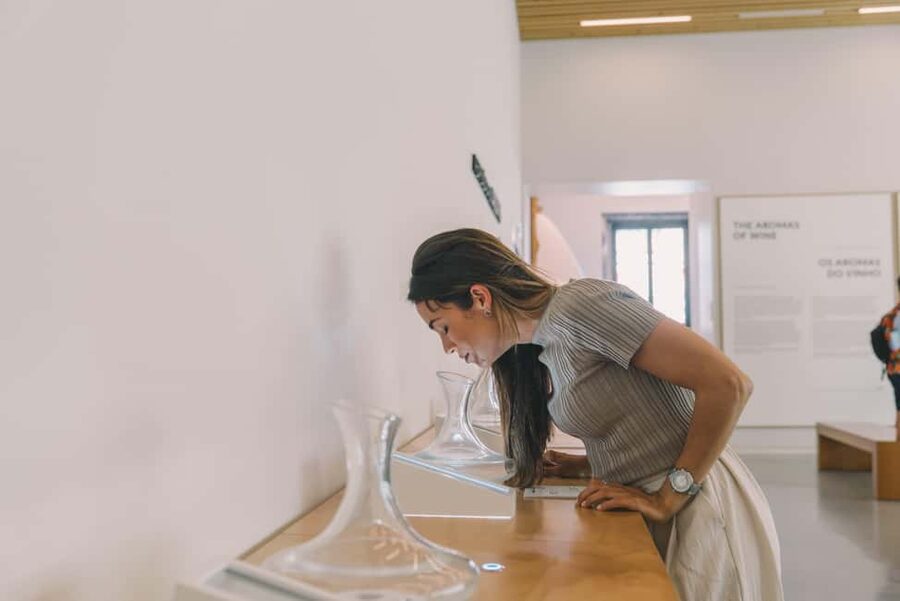
- Wine from root to bottle: Follow grape growing, fermentation, aging, bottling, and serving in an easy order.
- Portugal takes center stage: Learn about Vinho Verde, the Douro, Alentejo, the Azores, and Madeira.
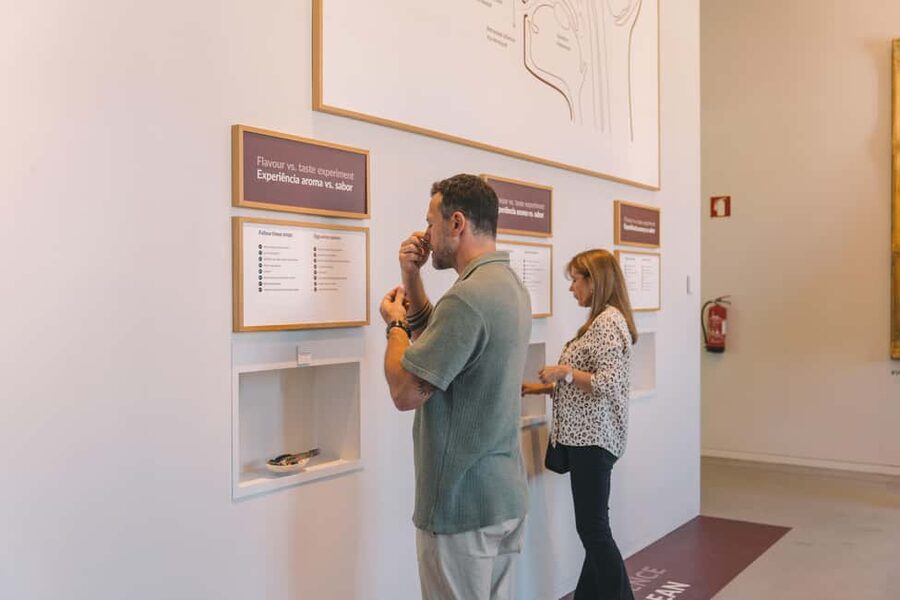
- Interactive rather than dusty: Use aroma displays, short films, visual props, and hands-on features as you move through the museum.
- Three wines at the finish: A guided tasting includes one red, one white, and one port, with a non-alcoholic option available.
- Plan longer than 90 minutes: The stated visit lasts 90 minutes, but many people spend about two to two and a half hours inside.
- Part of the larger WOW complex: You can add restaurants, shops, other museums, and outdoor spaces if you plan enough time.
What The Wine Experience is really about
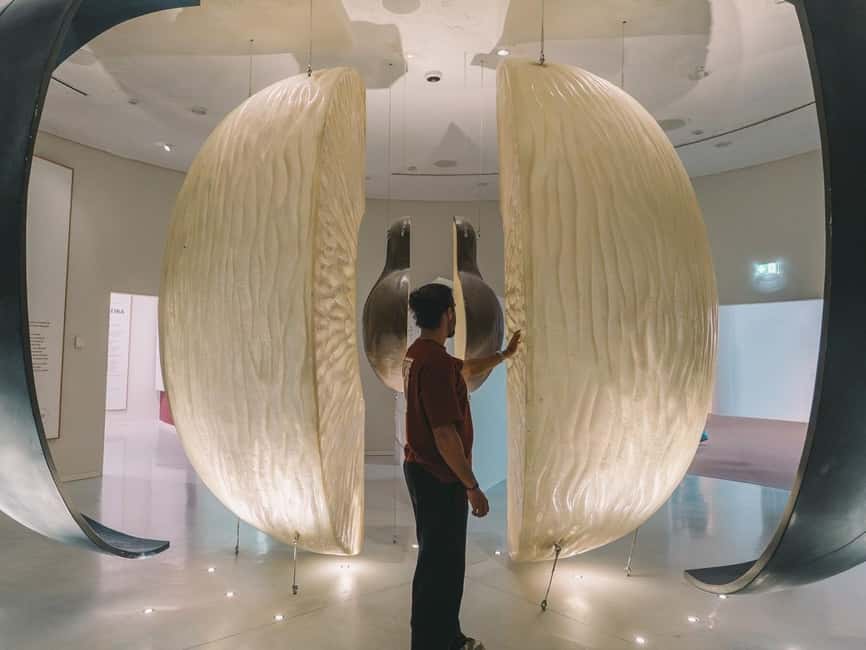
The Wine Experience is one of the museums at World of Wine, known as WOW, across the river from Porto in Vila Nova de Gaia. The museum focuses on how wine is made, how it varies from region to region, and how Portugal built a culture around the bottle.
The subject is broad, but the presentation is made for beginners. You do not need to know the difference between tannin and acidity before arriving. The displays introduce each idea in plain steps, then give you something visual or sensory to help it stick.
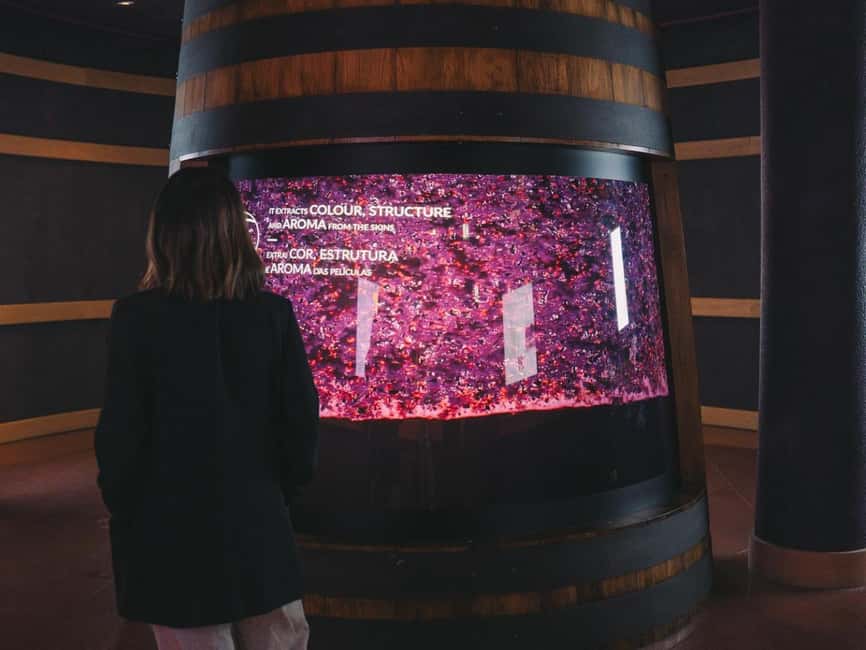
I think this matters because wine museums can easily become a wall of labels and dates. Here, you get a more physical explanation of the process. You can see how the vine develops, learn how grapes are handled, and follow the stages that lead to fermentation and bottling.
The museum also places Portuguese wine in a wider setting. Portugal has much more than port. The country’s wine regions vary in climate, soil, grape types, and tradition. That gives the visit a useful purpose if you are planning to order local wine during the rest of your time in Porto.
More Museum Tours in Porto
- FC Porto: Museum & Tour
★ 4.6 · 3,807 reviews - Porto: 3D Fun Art Museum Porto Entry Ticket
★ 4.6 · 302 reviews - Porto: Chocolate Museum – Unwrap the Secrets of Chocolate
★ 4.2 · 222 reviews
Entering WOW and finding the museum
The Wine Experience is inside the larger WOW complex, which contains several museums, restaurants, shops, and open-air areas. That creates plenty to do, but it can also make the first few minutes confusing. Give yourself time to find the correct entrance instead of arriving at the last minute.
Show your ticket directly at The Wine Experience. You can use it at any time on your selected date during opening hours, from 10:00 in the morning until 7:00 in the evening, with last admission at 7:00. Holiday hours can change, so check before setting out.
The museum is wheelchair accessible, and lifts help with access. Some shops elsewhere in the complex may not offer the same access, so keep that distinction in mind if you are planning a full WOW visit.
An audio guide is included in English, Spanish, Portuguese, French, German, and Korean. If you prefer to move at your own speed, it is useful. You can pause, replay, and spend more time with the sections that interest you most.
From soil and climate to the first grape
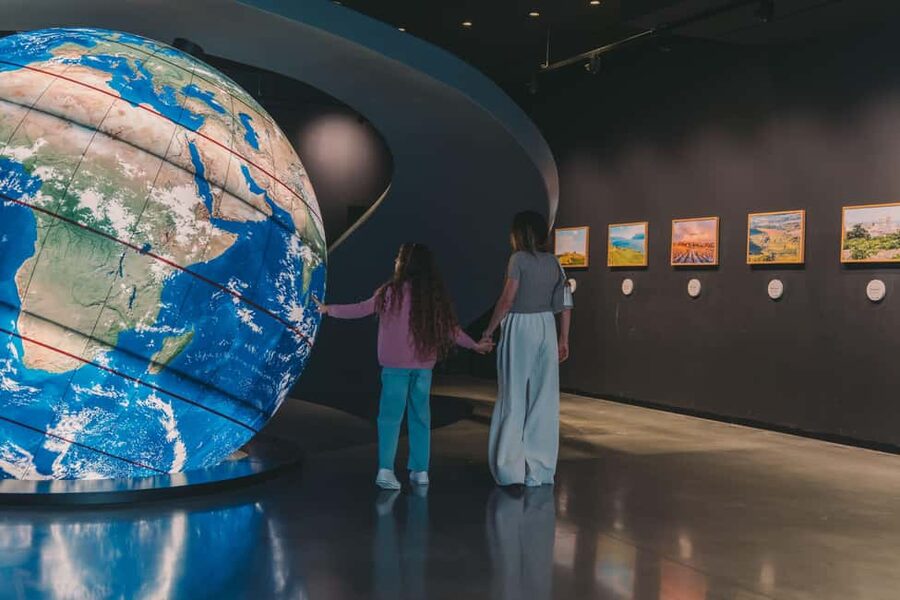
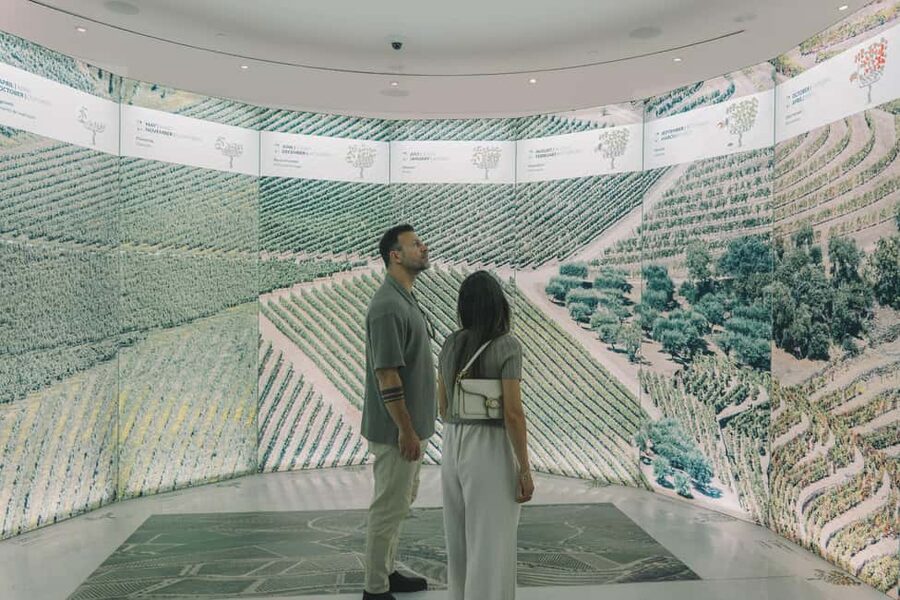
The first part explains why wine begins long before the bottle. Soil, rainfall, temperature, sun, grape variety, and geography all affect the final result. This is one of the strongest sections for beginners because it makes an abstract subject easier to grasp.
You will see how the same basic process can produce very different wines. A cool region and a hot region do not give grapes the same growing conditions. A vineyard’s soil and altitude also affect the fruit, while the grape variety sets another part of the wine’s character.
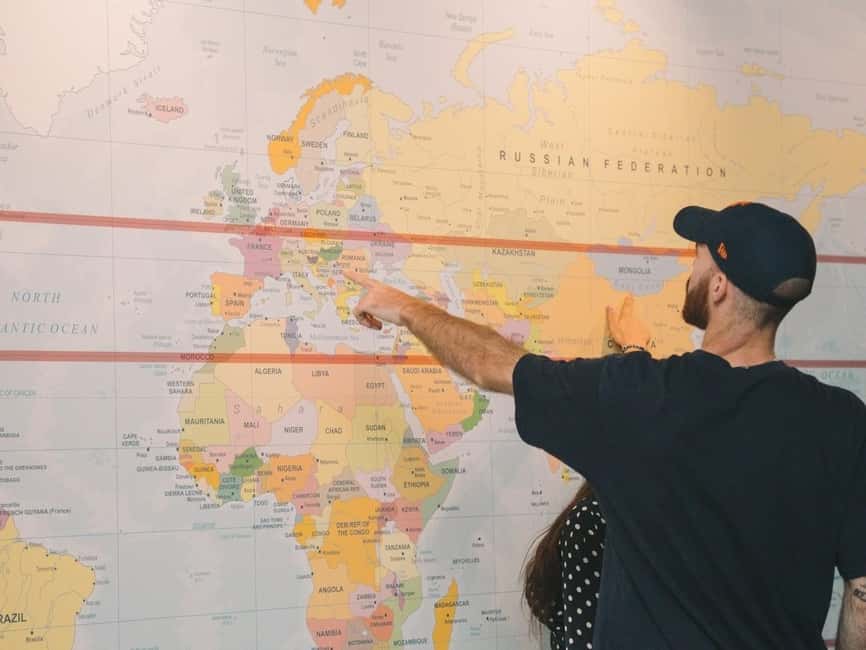
Portugal provides useful examples. The green northern region associated with Vinho Verde differs greatly from the hotter Alentejo. The Douro has its steep, terraced vineyards, while the Azores and Madeira bring volcanic soils and island growing conditions into the story.
I like this opening because it helps you understand the country before you taste it. Instead of simply hearing that a wine comes from the Douro, you begin to ask what the river valley, slopes, weather, and grape varieties contribute to the bottle.
Following the grape through production
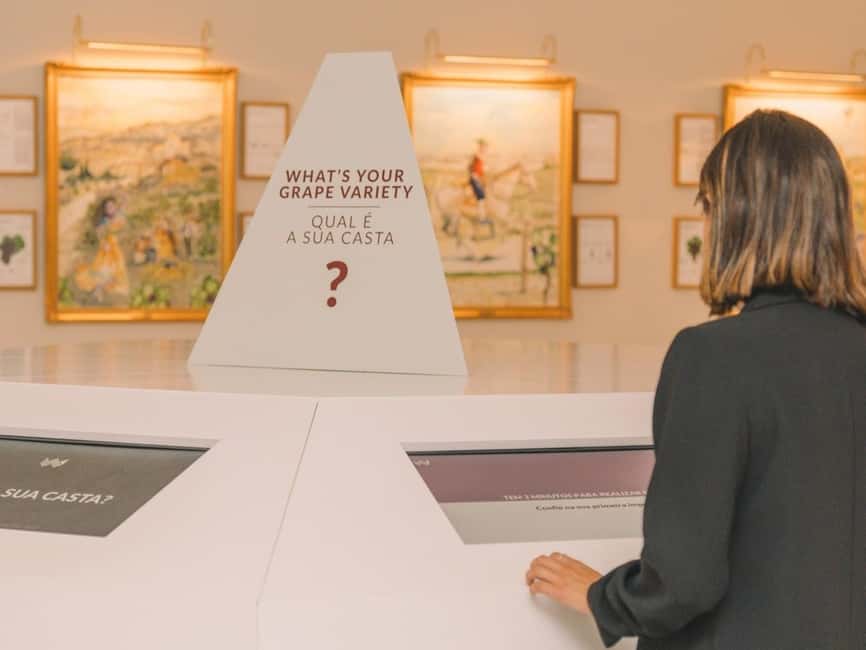
The museum then takes you through the working stages of winemaking. You follow the grape from vine growth to harvest, crushing, fermentation, aging, and final bottling. The displays also explain traditional methods that still shape wine production today.
The sequence is easy to follow. You move from the beginning of the vine’s life toward the finished drink, so each room answers the question raised by the one before it. That order is helpful if you have never visited a winery or found the production process hard to picture.
Interactive elements add energy to the subject. Short films explain technical points without asking you to read long blocks of text. Visual props make production easier to picture, and aroma features let you connect familiar smells with the way wine is assessed.
This is not a working vineyard or cellar tour. You will not be walking among active vines or watching a live harvest. Instead, you get a polished museum explanation of the entire chain. For some people, that may feel less personal than a small winery visit. For a first introduction, though, it gives you more range in less time.
A few more museum visits around Portugal worth comparing
- Porto: Cálem Cellar Tour, Interactive Museum & Wine Tasting
★ 4.5 · 4,113 reviews - Madeira: Signature Wine Tasting, Skywalk & Nature Expedition
★ 4.7 · 49 reviews - Bordeaux Wine and Trade Museum Admission Ticket with Wine Tasting
★ 4.5 · 599 reviews - Picasso Museum and Walking Tour Plus Optional Wine & Food Tasting
★ 5.0 · 596 reviews
Portugal’s wine regions in one visit
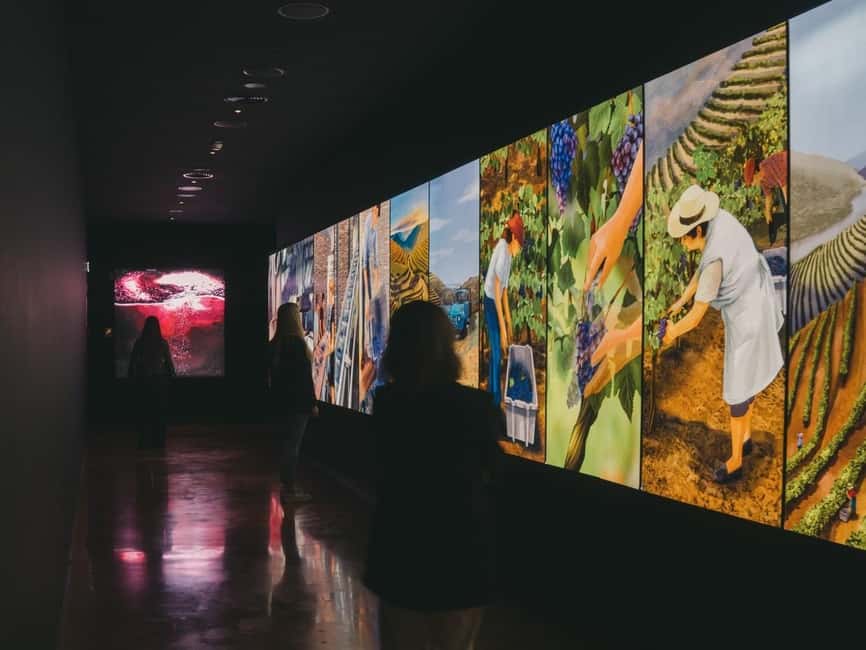
The regional section is especially useful if you are trying to make sense of Portuguese wine lists. The museum moves beyond the famous Douro and port and introduces the country’s wider range.
Vinho Verde comes from the cooler, greener north. Alentejo brings a warmer interior setting. The Douro is presented through its steep terraces and long connection with port production. Madeira and the Azores show how island conditions and volcanic ground create a different setting for vines.
You will not become an expert on every Portuguese appellation in one visit. What you will gain is a map in your head. That is valuable when you see unfamiliar labels later. Instead of treating every bottle as a mystery, you can connect its origin with the growing conditions explained in the museum.
The Portuguese focus also gives the visit more character than a general wine museum. The subject reaches back thousands of years, but the museum keeps returning to local places, customs, and production. It presents wine as part of Portugal’s geography and daily culture, not just as a luxury product.
The tasting: red, white, and port
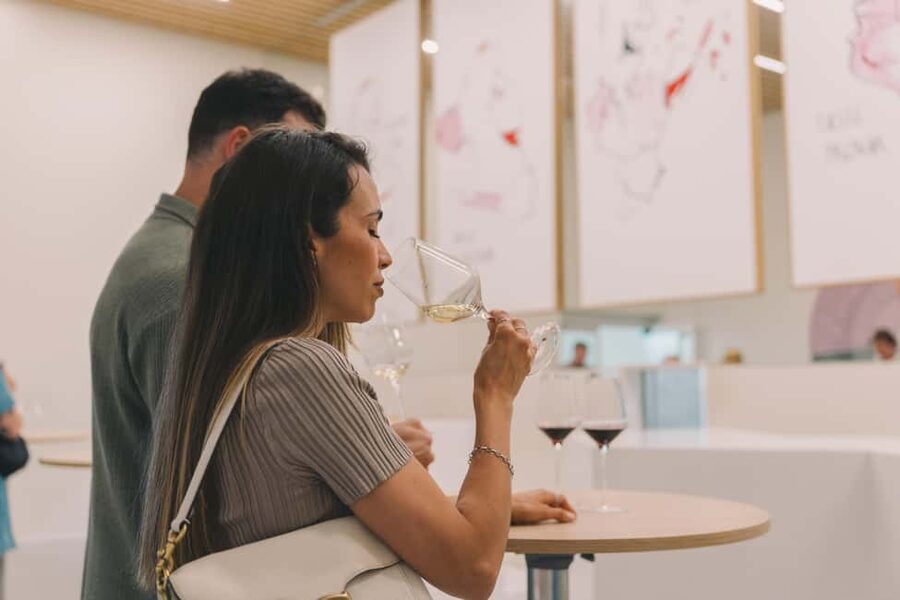
At the end, you sit down for a guided tasting of three wines: one red, one white, and one port. A wine expert explains how to look at, smell, and taste each pour, then helps you identify basic characteristics and preferences.
This is where the museum’s earlier sections become practical. You have just learned that climate, grape, and production methods affect wine. Now you can test those ideas with a glass in front of you.
The tasting is aimed at confidence, not ceremony. You learn how to notice color, aroma, body, sweetness, and other broad features. You do not need a refined palate. The point is to give you a better vocabulary for ordering wine and a clearer sense of what you like.
Several guides have been singled out for making this final portion friendly and clear, including João and Audrianna. Staff are generally welcoming and well informed, and the tasting is organized rather than rushed.
Keep your expectations sensible. The three wines are intended as teaching samples, not a premium flight of rare bottles. One person’s fair assessment was that the wines were simple, which is understandable at this price. If you want prestigious vintages or a long tasting with many labels, visit a port lodge or book a dedicated tasting instead.
The included non-alcoholic alternative makes the experience more flexible. It also means someone in your group can take part without drinking alcohol.
How long should you allow?
The advertised duration is 90 minutes, but I would not build your schedule around that exact figure. A focused visit can fit into that time, especially if you read selectively and move steadily toward the tasting.
Many people spend two hours or more. The interactive stations slow you down in a good way, and there is a lot to read if you want a fuller picture. One careful visit took about two and a half hours, including the tasting.
The final tasting has set timing, so do not leave it until the last few minutes of the museum’s opening day. If you arrive late or read every panel slowly, you might reach the tasting near closing. Arriving earlier gives you more breathing room.
I would allow two hours for The Wine Experience alone. Add extra time if you want to eat, browse shops, visit another WOW museum, or enjoy the outdoor areas and views.
Is the $29 price fair?
At $29 per person, the ticket includes museum entry, the three-wine tasting, and the multilingual audio guide. That makes the price reasonable for a substantial indoor activity, especially if you spend closer to two hours than 90 minutes.
The value is strongest for people who want both education and a drink at the end. A simple tasting alone would not justify the cost for everyone, and serious wine collectors may prefer a specialist appointment. But the museum gives you context that a quick tasting cannot provide.
It is also a useful choice on a hot day, when the indoor galleries offer shade and a break from walking. The WOW complex adds more options if you want to turn the visit into a half-day stop, though each additional museum or meal costs extra.
The tasting is a pleasant finish, not the entire reason to buy the ticket. If you care only about trying high-end port, look elsewhere. If you want to understand how wine is made and how Portuguese regions differ, the ticket earns its keep.
Who will enjoy this most?
I would recommend The Wine Experience to first-time wine drinkers, curious visitors, and anyone who wants a stronger introduction to Portuguese wine. You can arrive with almost no background and still follow the displays.
It also works well for wine lovers who enjoy production, geography, and culture as much as drinking. The museum gives you a broad base before you visit a port cellar or order wine with dinner.
Families can make good use of it, too. The interactive design keeps the visit from feeling like a long reading assignment, and a teenager can take part in the displays even if they do not join the alcoholic tasting. The subject is about farming, science, design, and history as well as wine.
I would be less enthusiastic for someone seeking a small, intimate cellar visit. WOW is a modern museum complex, not a rustic vineyard. The presentation is polished and designed for a broad audience, so it may feel less personal than meeting a producer at a family winery.
Practical tips for a better visit
- Arrive with time to find the museum inside WOW. Signage can be clearer, and several attractions share the same complex.
- Start early if you want a quiet visit. The museum can be especially calm near opening time.
- Allow two hours rather than relying on the listed 90 minutes.
- Do not skip the regional displays. They help make sense of the three wines at the end.
- Bring your audio guide language preference into your planning. English, Spanish, Portuguese, French, German, and Korean are available.
- If you are visiting with someone who does not drink, request the non-alcoholic option.
- Look for the aroma displays and short films. They add more than simply reading the information panels.
- Check bank-holiday hours before going, since the schedule can vary.
- If you have mobility needs, the museum is wheelchair accessible, with lifts available in the complex.
Should you book The Wine Experience?
I would book it if you want a well-organized introduction to wine, especially Portuguese wine, and you value interactive displays more than a formal cellar tour. The museum’s best feature is its clear journey from vine to bottle, followed by a guided red, white, and port tasting that puts the lessons to work.
I would skip it only if your main goal is rare wine, a long expert tasting, or a quiet visit to a traditional producer. For most visitors to Porto, the $29 ticket offers a useful mix of culture, science, regional context, and three drinks. Plan two hours, arrive before the end of the day, and treat the tasting as the finishing lesson rather than the whole show.
FAQ
Where is The Wine Experience located?
It is located at World of Wine, known as WOW, in the Norte Region of Portugal.
How much does The Wine Experience cost?
The listed price is $29 per person.
How long does the experience last?
The stated duration is 90 minutes, though you can spend about two to two and a half hours if you explore the displays carefully.
What wines are included in the tasting?
The tasting includes one red wine, one white wine, and one port wine.
Is a non-alcoholic option available?
Yes. A non-alcoholic alternative is available instead of the wine tasting.
What languages are available for the audio guide?
Audio guides are available in English, Spanish, Portuguese, French, German, and Korean.
What are the opening hours?
The museum is open daily from 10:00 AM until 7:00 PM, with last entrance at 7:00 PM.
Can I visit at any time on my selected date?
Yes. You can use the ticket at any time on the selected date during museum opening hours.
Is The Wine Experience wheelchair accessible?
Yes. The museum is wheelchair accessible, and lifts are available. Some shops in the wider complex may have different access arrangements.
Can I cancel the booking?
Yes. Cancellation up to 24 hours in advance qualifies for a full refund. A reserve-now, pay-later option is also available.
Just added around Portugal
- Museum Heist Escape Game★ 5.0 · 28 reviews
- Tavira Total Tuk Tuk Tour: Tavira Tour & Tuna Museum Visit★ 4.9 · 21 reviews
- Lisbon: Benfica Museum Tour with Souvenir Scarf★ 4.8 · 27 reviews
- Madeira: Signature Wine Tasting, Skywalk & Nature Expedition★ 4.7 · 49 reviews
- Porto: Cork Museum: Immersive and Perfect for Families★ 4.2 · 54 reviews
- Porto: Taylor’s Port Cellar Tour & WOW Museum Pack★ 4.7 · 24 reviews
- Porto: National Museum Soares dos Reis E-Ticket & City Tour★ 4.0 · 18 reviews
- Portimao: 3D Fun Art Museum Entry Ticket★ 4.7 · 106 reviews
Museum Tours in Porto, compared.


Chocolate Museum – Unwrap the Secrets of Chocolate
Read our review →
Porto Region Museum: a Thousand Years Of History
Read our review →
National Museum Soares dos Reis E-Ticket & City Tour
Read our review →Browse the lists this tour appears in