
Review · WORKSHOPS
Kyoto : Family-Friendly Sword Lesson at Samurai Ninja Museum
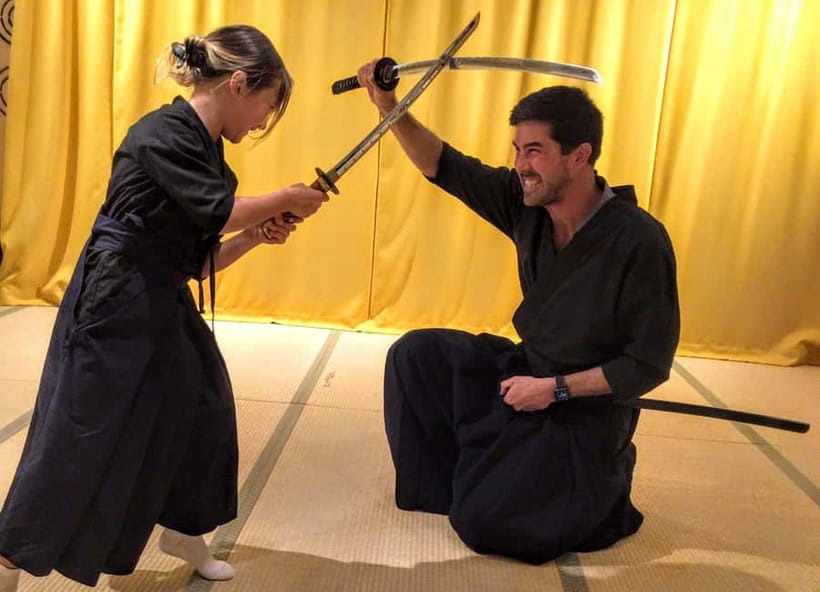
Kyoto’s family-friendly samurai lesson gives you more than a costume photo. You learn how to hold and swing a katana, watch a proper demonstration, try short movement sequences, and then visit the museum’s samurai and ninja displays. The hands-on sword lesson and the chance to try ninja weapons are the two strongest parts for me.
I also like the small-class format and the friendly English-speaking instructors. Ken has taught children two kata, or planned movement sequences, while Raito, Nobu, and Jukia have each received especially warm praise for making the session fun. The main consideration is that the activity is built around dressing up and controlled practice, not actual martial arts training, and the published group information gives both a limit of 10 and a maximum of 22, so check the exact size when booking.
Key points at a glance
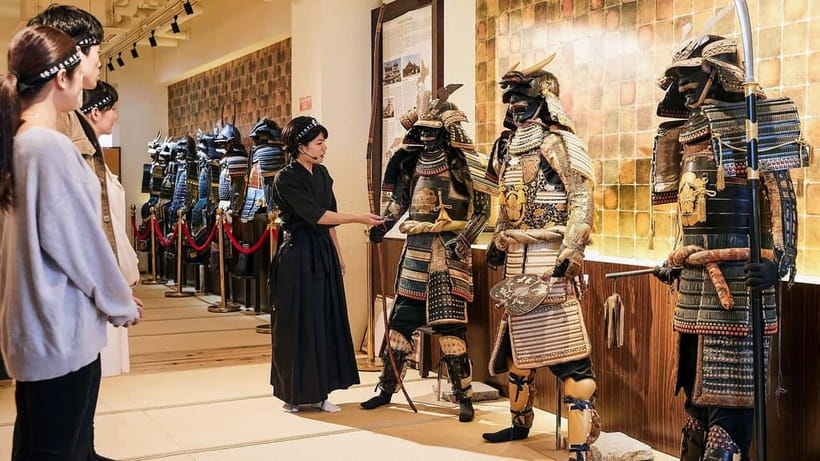
- Two hours of hands-on samurai activity: You watch a sword demonstration, learn basic katana movements, and practice them under instruction.
- Traditional clothing is supplied: Hakama, samurai armor, and a helmet are included, so you do not need to arrange a costume yourself.
- Ninja weapons add variety: After the sword work, you can try shuriken target throwing as part of the themed activity.
- English-speaking instruction: Guides including Ken, Nobu, Raito, and Jukia have led sessions, with particular praise for their clear, friendly teaching.
- Made with families in mind: Children under three cannot enter, but older children can take part alongside adults.
- Easy urban access: The venue is near public transportation and is listed as wheelchair and stroller accessible, though transport to the activity is not included.
What this Kyoto samurai lesson really offers
This is a staged cultural activity with a practical lesson at its center. You are not simply handed a costume and sent toward a camera. The session introduces samurai equipment, shows you how a sword should be handled, and gives you a controlled sequence to practice.
That distinction matters. If you want a serious study of Japanese sword schools, this two-hour visit will feel light. If you want a clear introduction that keeps children interested and gives adults something to do, it makes good sense.
The activity takes place at the Samurai Ninja Museum in Kyoto. The experience combines a museum visit, a sword lesson, costume use, themed photographs, and a ninja weapons trial. It is a compact way to add a playful cultural stop to a Kyoto day, especially when your family needs a break from temples and walking.
A few more museum visits around Japan worth comparing
- Samurai Ninja Museum Asakusa: Samurai Sword Lesson & Tour
★ 4.8 · 306 reviews - Itajime Shibori Scarf Class at Kyoto Shibori Museum
★ 4.9 · 24 reviews - Vienna: Chocolate Workshop in Chocolate Museum w/ Tasting
★ 4.5 · 1,802 reviews
Arriving at the museum and getting into costume
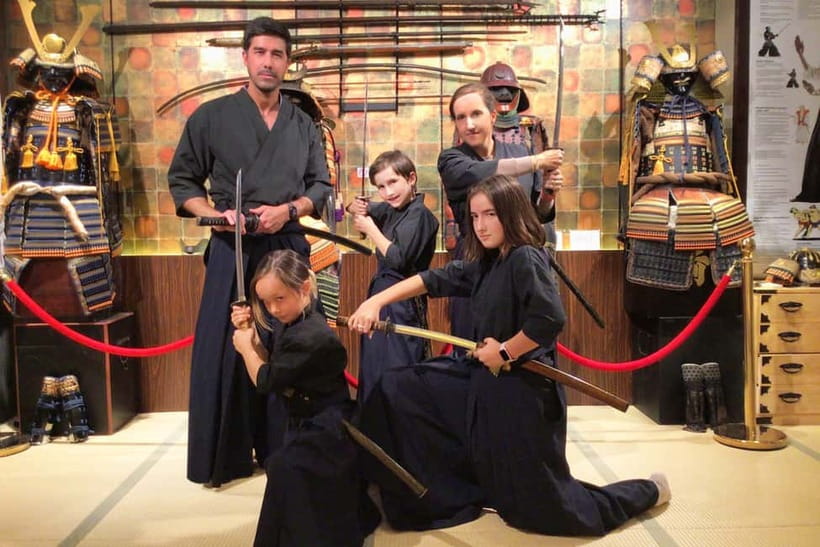
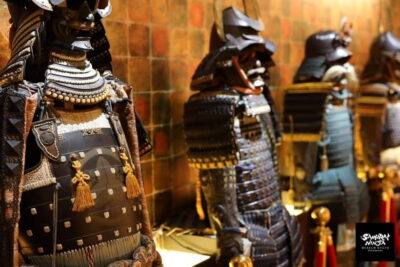
The first memorable step is putting on the clothing. Hakama are included, along with samurai armor and a helmet. These pieces change the mood quickly. A child who might lose interest during a display can suddenly focus on how the helmet sits, how the armor looks, and how to pose with a sword.
The clothing is part of the value, not just a side feature. At $66 per person, you are paying for instruction, equipment, costume use, museum access, and several photo settings. A simple photo stop would not justify that price for most families. The lesson and weapon trial are what make the cost easier to defend.
The available information does not specify how long changing takes or whether every participant wears the full set at once. Plan on following the staff’s directions and allow the activity to move at its own pace. The stated duration is two hours, so you should have enough time for more than a rushed photograph.
Learning to handle the katana
The sword lesson is the heart of the experience. Before you try the movements, an instructor demonstrates how to swing the sword properly. That order is useful for beginners. You see the shape of the motion first, then attempt it yourself with guidance.
The session teaches at least two kata, according to one family’s experience with instructor Ken. A kata is a set sequence rather than free-form swordplay. That gives children a simple goal and helps adults avoid flailing around with a prop sword.
Do not expect a full training course. The supplied details describe a demonstration and a lesson, not sparring, combat practice, or an advanced martial arts class. The value is in learning a few controlled movements and understanding that sword handling depends on form, posture, and discipline.
I would pay close attention to the instructor during the demonstration. With a short activity, you get more from it by copying the shape and rhythm of the movement than by trying to swing hard. The point is precision and presentation, not force.
English is the stated language of instruction. That makes the lesson easier for international families, and the named instructors have been praised for being clear and good with groups. Raito is noted as an experienced teacher, while Nobu and Jukia are also associated with especially enjoyable sessions.
The museum portion and the ninja weapons trial
The museum visit adds context to the costume and sword work. You can see samurai and ninja displays after taking part in the lesson, so the objects have a practical connection to what you have just handled.
The museum is not described as a long, scholarly collection, and you should not book this expecting hours of detailed historical interpretation. It works better as a focused introduction before or after the activity. A guided visit can help explain the difference between the samurai and ninja themes and give children something to look at between hands-on sections.
The ninja weapons trial is a useful change of pace. Shuriken, commonly called ninja throwing stars, are used for target practice. This is one of the more distinctive features because it lets you try a second type of activity rather than repeating the sword lesson from start to finish.
The information does not specify the exact throwing distance, number of throws, or target design. I would treat this as a supervised trial, not as a technical ninja course. It is best enjoyed as a short, playful challenge that gives the family another photo and story to take home.
Same city, a completely different collection:
- Tokyo: teamLab Planets TOKYO Digital Art Museum Entry Ticket
★ 4.6 · 9,779 reviews - Osaka Castle: Museum and Tower Entry Ticket
★ 4.5 · 2,380 reviews - Tokyo: Samurai Ninja Museum Guided tour and Experience
★ 4.6 · 1,010 reviews - Kyoto: Tea Museum Tickets and Matcha Grinding Experience
★ 4.9 · 739 reviews
Photos that feel more than a quick costume stop
The themed photo opportunities are built into the visit. You can pose with swords in front of a studio or samurai-style background, and the included armor, helmet, and hakama give the pictures a more complete look.
This is especially useful for families who want a shared souvenir. Everyone can take turns holding a sword, posing as a samurai, or trying the ninja theme. The photos also help younger children stay engaged when the museum explanation becomes less exciting.
The activity does not promise professional photography or a particular number of images. You should expect themed photo opportunities rather than a dedicated portrait session. If good pictures matter to you, be ready to follow the staff’s instructions and make use of the provided backgrounds.
The combination of photos and practice is stronger than either feature alone. A costume-only activity can feel thin. A lesson without a visual souvenir may be less memorable for children. Here, you get both.
Why the family angle works
The experience is best suited to families with children over three who enjoy role-play, costumes, and short active lessons. Children can take part in the same broad program as adults, and the lesson gives them a clear task rather than asking them to stand quietly in a museum.
The activity also works for adults who want a light cultural experience. You do not need prior sword knowledge. The instructor leads the movements, and the costume element keeps the tone relaxed.
Still, this is not ideal for every family. Children under three cannot enter the venue, so families with toddlers will need another plan. The activity may also disappoint anyone seeking a rigorous, historically detailed lecture or serious martial arts instruction.
The two-hour length is a good middle ground. It is long enough to feel like a proper activity but short enough to fit beside other Kyoto plans. I would avoid placing it immediately after an exhausting full-day walking route. Costumes and sword practice are more enjoyable when everyone still has some energy.
Group size, access, and getting there
The experience is advertised as a small group, with participation limited to 10 people. A separate operational note gives a maximum of 22 travelers, so the published figures are not perfectly aligned. That may reflect different booking arrangements or an overall venue limit. If a very small class is important to you, confirm the expected group size before paying.
A smaller class generally helps during a movement lesson. You have a better chance of seeing the demonstration clearly and receiving corrections. It also makes family photos less hurried. A larger group could make the museum and costume portions feel more crowded.
The venue is near public transportation, but transportation to and from the activity is not included. You need to arrange your own route and allow enough time to arrive. The precise meeting instructions and starting times depend on availability, so check those details for your chosen date.
The activity is listed as wheelchair accessible and stroller accessible. That is helpful for family planning, though the supplied information does not explain the exact costume-changing setup or how much space is available during the sword practice. If you need specific assistance, contact the provider before booking.
Is $66 per person a fair price?
The price sits in the moderate range for a two-hour themed activity in Kyoto. It is not the cheapest way to take a photograph in costume, but it includes considerably more than a photo booth: a guided sword lesson, hakama, armor, helmet, museum content, themed backgrounds, and a ninja weapons trial.
I see the best value for families and small groups who will use every part of the program. If two adults and children all dress up, practice, and take photographs, the shared memory helps justify the cost. A solo visitor interested only in a museum display may find it less compelling.
The price also covers the convenience of having equipment and clothing ready on site. You do not need to rent armor elsewhere or arrange a separate activity. The experience packages the cultural explanation, movement lesson, and photo time into one booking.
You should still compare it with your own priorities. If you want a quiet museum visit, spend your money elsewhere. If you want an active, family-friendly introduction to samurai and ninja themes, the price is easier to support.
The instructors make the difference
The named instructors give the experience a more personal feel. Ken has led a lesson that included two kata and helped children feel involved. Raito is described as an experienced teacher, while Nobu and Jukia have also been singled out for making the session enjoyable.
You may not be assigned one particular instructor, so do not book solely for a specific name unless the provider confirms it. The useful point is that the teaching style matters here. A sword lesson can become awkward if instructions are rushed or unclear. Friendly guidance keeps the activity safe, simple, and fun.
The English-speaking format is another practical strength. You can follow the basic explanations without needing a translator, and the activity is designed for international participants. The lesson still depends on watching the demonstration closely, so language support does not replace attention.
Booking flexibility and small practical notes
You can cancel up to 24 hours before the activity for a full refund. The reserve-now, pay-later option lets you hold a place without paying immediately, which is useful when you are building a Kyoto schedule around weather, children, and train plans.
Confirmation is provided at booking. Starting times vary, so check availability rather than assuming a morning or afternoon session.
Wear something that makes changing straightforward. The supplied information does not give clothing rules, so I would avoid an outfit that is difficult to move in or awkward beneath a costume. Since the program includes standing, sword movements, and posing, comfort matters more than dressing up for the occasion.
The activity does not include transportation. Build the trip to the museum into your day and leave room for finding the venue. Since it is near public transportation, you can plan around Kyoto’s wider transit network, but the exact route is not given here.
Who should book this experience?
Book it if you want an easy cultural activity that combines movement, costumes, museum displays, and photographs. It is particularly well suited to families with children over three, first-time visitors who want a samurai-themed introduction, and adults who enjoy playful experiences rather than formal lectures.
It is also a good choice when your group has mixed interests. One person can enjoy the historical setting, another can focus on photography, and the children can take part in the sword and ninja sections.
Think twice if you want advanced sword instruction, a long historical lecture, or a quiet museum visit. The format is short, guided, and theatrical. That is exactly why it works for families, but it may feel too light for a specialist.
Should you book it?
I would book this Kyoto samurai lesson if your group values participation over passive sightseeing. The strongest reasons are the guided katana practice, the use of real costume pieces such as hakama and armor, the ninja target activity, and the chance to take home themed photographs.
The $66 price is fair when several people in your group take part in every section. Check the group size, starting time, access details, and instructor assignment before booking, especially if those points matter to you. For families with children under three or anyone seeking serious martial arts training, choose another activity.
FAQ
How long does the samurai lesson last?
The activity lasts two hours.
How much does the experience cost?
The listed price is $66 per person.
Is the activity suitable for children?
Children over three can participate. Children under three cannot enter the samurai venue.
Is transportation included?
No. Transportation to and from the activity is not included.
What language is the lesson taught in?
The instructor-led activity is provided in English.
What clothing is included?
Use of hakama, a samurai helmet, and samurai armor is included.
Is the sword lesson included in the price?
Yes. A samurai sword lesson is included, along with a demonstration and practice.
Can you try ninja weapons?
Yes. The experience includes a ninja weapons trial.
Is the venue accessible for wheelchairs and strollers?
The activity is listed as wheelchair accessible and stroller accessible.
Can you cancel for a full refund?
Yes. You can cancel up to 24 hours in advance for a full refund.
Can you reserve now and pay later?
Yes. The reserve-now, pay-later option is available.
How large is the group?
The activity is described as a small group limited to 10 participants. A separate note gives a maximum of 22 travelers, so confirm the expected group size when booking.
Just added around Japan
- Skip the lines Basic Ticket at SAMURAI NINJA MUSEUM TOKYO★ 5.0 · 470 reviews
- Tokyo: Mt. Fuji, Owakudani, Hakone Shrine, & Open-Air Museum★ 4.7 · 25 reviews
- Private Tour Through the Tokyo National Museum & Ukiyo-e★ 4.7 · 17 reviews
- Samurai Ninja Museum Asakusa: Kid-Friendly Ninja Training★ 4.7 · 67 reviews
- Tokyo National Museum Private Tour★ 4.9 · 28 reviews
- Tokyo: Art Aquarium Museum GINZA Entry Ticket★ 4.5 · 278 reviews
- Tokyo: Kichijoji Gourmet Tour with Lunch★ 4.5 · 40 reviews
- Samurai Ninja Museum Asakusa: Samurai Sword Lesson & Tour★ 4.8 · 306 reviews
Workshops, compared.

Chocolate Workshop in Chocolate Museum w/ Tasting
Read our review →
Chocolate Making Workshop and Chocolate Museum Entry
Read our review →
Samurai Ninja Museum Asakusa: Samurai Sword Lesson & Tour
Read our review →
Savannah: Cocktail Class at American Prohibition Museum
Read our review →
Choco Art Museum Ticket with Chocolate Making Class
Read our review →
Browse the lists this tour appears in