
Review · JAPAN
Skip the lines Basic Ticket at SAMURAI NINJA MUSEUM TOKYO
The most fun part of this one-hour visit is that you do not just look at samurai armor behind glass. You can dress in samurai clothing, handle the idea of sword technique, and finish with a ninja star throwing competition. The museum also uses an English-speaking guide to explain how samurai and ninja differed, why samurai disappeared, and how their weapons and clothing were used.
I like the mix of real historical objects and hands-on activities. I also like the short format: one hour is enough to keep most children interested, and the museum sits near Asakusa’s Sensoji area, making it easy to pair with a major Tokyo sight. The main thing to keep in mind is that the exact program can vary. A samurai demonstration is advertised, but some sessions have not included every scheduled activity.
Key points to know before you book
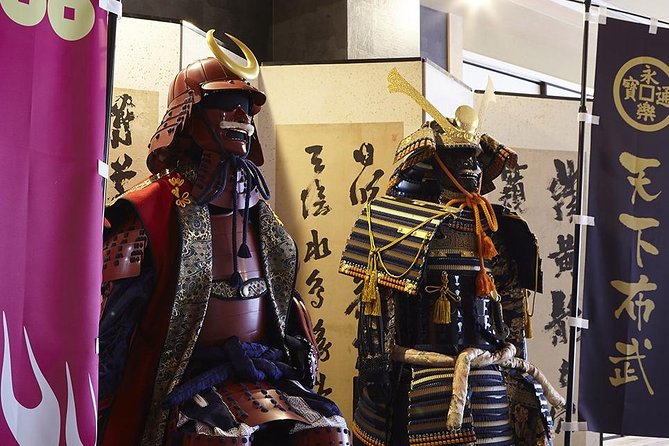
- Real armor, swords, and weapons: The displays give you more than a costume photo stop, with authentic samurai and ninja equipment to examine.
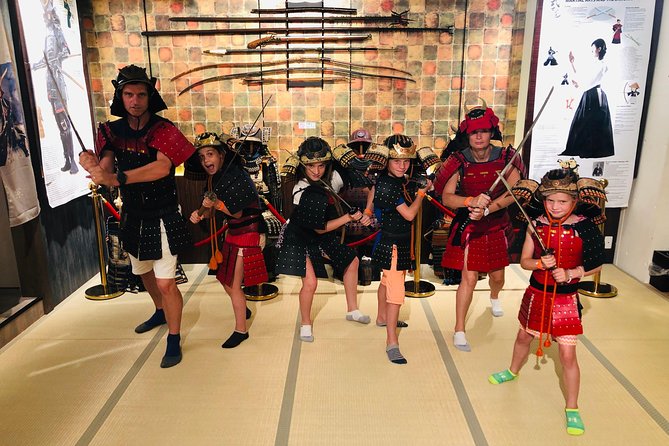
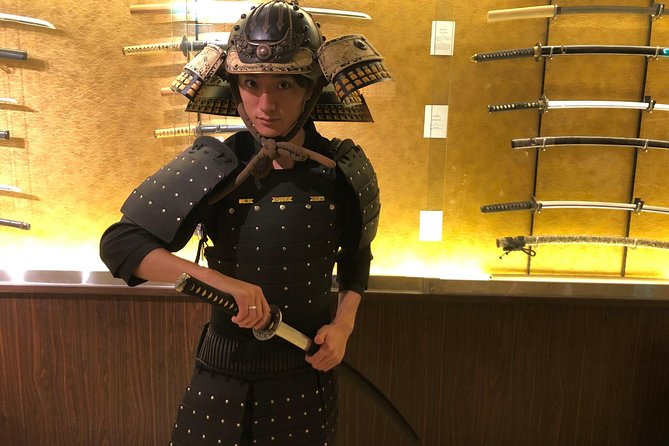
- Costumes are part of the visit: You can dress as a samurai, or choose typical women’s dress, then take photos.
- Shuriken throwing is the big finale: The ninja star competition is included and is often the most exciting part for children and adults.
- English guidance adds useful context: Guides explain the difference between samurai and ninja, the role of the shogun, and why samurai no longer exist.
- The visit lasts about one hour: That makes it easy to fit into an Asakusa sightseeing day, though some people may want more time for history.
- The schedule may not be identical every time: Sword demonstrations, sword practice, tea ceremony, and Zen meditation can depend on the session.
A lively introduction to samurai and ninja history
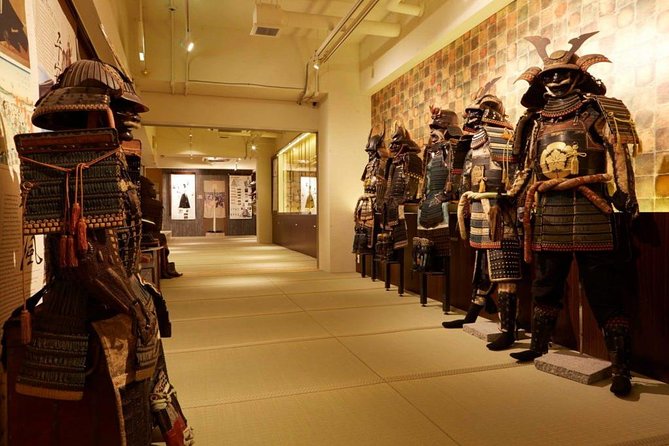
This is not a quiet museum where you read long panels on your own. It is a guided experience aimed at people who want a clear introduction to Japan’s warrior past, with enough activity to keep the visit moving.
The displays cover samurai and ninja clothing, armor, swords, and other weapons. An English-speaking guide walks you through the objects, so you are not left trying to make sense of short translated labels. Guides have included upbeat presenters such as Kenny, Akira, Hikaru, and Mimu, and the best guides use questions, demonstrations, and humor to keep the group involved.
The historical material is introductory rather than academic. That is a strength if you are visiting Tokyo with children or want a quick explanation before seeing castles, shrines, or period dramas. If you already know a great deal about feudal Japan, you may find the history familiar and the tour a little light.
You should also expect a tourist-friendly presentation. The goal is to make samurai and ninja understandable and entertaining, not to recreate a formal university lecture. I think that works well for a first visit, especially when the tour is shared with family members who may not normally choose a history museum.
A few more museum visits around Japan worth comparing
- Tokyo: teamLab Planets TOKYO Digital Art Museum Entry Ticket
★ 4.6 · 9,779 reviews - Osaka Castle: Museum and Tower Entry Ticket
★ 4.5 · 2,380 reviews - Kyoto: Tea Museum Tickets and Matcha Grinding Experience
★ 4.9 · 739 reviews
What happens during the one-hour visit
The visit begins at the Samurai Ninja Museum in Asakusa, at 1-chōme-8-13 Nishiasakusa. You meet at the museum and return there when the activity ends. Transportation is not included, but the location is near public transportation and close enough to fit with time around Sensoji Shrine.
From there, the guide introduces the museum’s collection and the people who used the equipment. You learn about the place of the samurai in Japanese society, the role of the shogun, and the ways samurai and ninja differed. One useful point covered during the tour is why samurai disappeared, which helps connect the displays to the end of Japan’s feudal period.
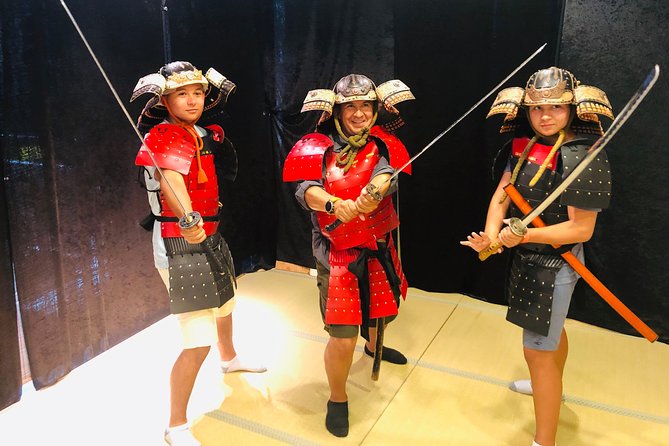
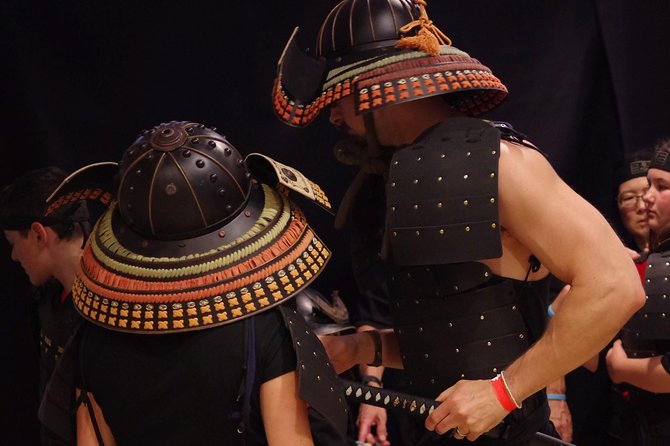
The tour then moves into the interactive portion. You may try on samurai armor or costume pieces and pose for photographs. Women can choose typical women’s dress if they prefer. This is especially appealing for children, but adults often join in too. The costume activity adds a personal touch to the visit, since you are not just looking at the clothes from a distance.
Sword-related activities may also be offered. The program describes a chance to learn how to use a samurai sword, and one guide may demonstrate basic sword technique. You should treat this as an introductory activity rather than formal martial arts training. The emphasis is on getting a feel for the tradition and seeing how the equipment relates to the history.
The final activity is usually the ninja star competition. You throw shuriken toward a target and compare results with the rest of your group. The stars used for the activity are intended for this supervised experience, and the competition gives the tour a playful finish. Even people who have no ninja skills can enjoy it, since the point is participation rather than accuracy.
The listed experience also includes a samurai show, and the broader program may include tea ceremony and Zen meditation. These are appealing additions, but the timing matters. Some scheduled activities have not taken place during every visit, so you should confirm the session details if one particular demonstration is the main reason you are booking.
The displays: more than a photo backdrop
The museum’s outside appearance may not prepare you for the displays inside. The collection is arranged across several floors, and you may find the interior more substantial than expected once the tour begins.
The armor, swords, and other weapons give the historical talk something real to focus on. Instead of hearing only general stories about warriors, you can look closely at the clothing and equipment connected with them. That makes the difference between samurai and ninja easier to understand, even if the visit does not attempt to cover every detail of Japanese military history.
I particularly like the way the displays support the guide’s explanations. Armor becomes easier to understand when you hear about its use. A sword is more interesting when the guide explains its place in samurai culture. Ninja weapons also make more sense when separated from the exaggerated image created by films and video games.
The museum is aimed at first-time learners, so the information should be accessible. The trade-off is that the tour may move quickly. One hour must cover history, costumes, weapons, and activities, and some people have felt that the star throwing took up a large part of the available time. If your priority is historical detail, listen closely during the first part and ask questions while the guide is with your group.
Costumes, sword practice, and family appeal
At about $28.52 per person, the ticket is not simply an admission fee. It covers a guided museum visit, costume use, and the ninja star competition. The value comes from the combination of instruction and participation.
For a family, this can be a sensible way to add history to a Tokyo day without asking children to spend hours reading signs. Dressing up gives them something immediate to do, while the guide supplies the background that turns the costume into more than a souvenir photo.
Younger children may still lose interest during the history portion. The information is presented in an engaging way, but it remains a museum tour, and some families may find the middle section a little slow. The one-hour length helps keep the activity manageable, especially when compared with a longer cultural workshop.
Adults can enjoy it too, particularly if you like Japanese history, weapons, or costume. The museum is not limited to children’s entertainment. The authentic objects and explanations about samurai society give the visit substance, even though the presentation remains light.
The optional sword lesson is another reason the experience appeals to mixed-age groups. It lets you connect an object on display with a physical demonstration. Do not book it expecting a full swordsmanship course, but it can make the museum feel more active than a standard exhibit.
Same city, a completely different collection:
- Tokyo: Samurai Ninja Museum Guided tour and Experience
★ 4.6 · 1,010 reviews - Skip the lines Basic Ticket at SAMURAI NINJA MUSEUM KYOTO
★ 4.5 · 632 reviews - Ninja Experience (Family Friendly) at Samurai Ninja Museum TOKYO
★ 5.0 · 441 reviews - Tokyo Studio Ghibli Museum and Ghibli Film Appreciation Tour
★ 4.5 · 421 reviews
The samurai show and changing session format

The advertised samurai show is a major part of the appeal. Seeing a live demonstration can help you understand how the sword was handled and gives the tour a strong performance element.
The important practical point is that the show does not appear to be equally consistent in every session. A later booking may normally include a sword performance, but at least some visits have not received the expected demonstration. The museum has acknowledged that timing and scheduling can affect what is presented.
I would not let this stop you from booking if the main draw is the guided history, costumes, and shuriken competition. I would be more cautious if the samurai show is your one essential activity. Ask the museum or booking provider about the exact session before paying, since the program can change.
Tea ceremony and Zen meditation are also listed among the possible traditional activities. These could add a calmer cultural element to a visit otherwise built around weapons and competition. Still, the available details do not guarantee that each activity appears in every one-hour tour, so consider them possible extras rather than the core promise.
Why the English guide matters
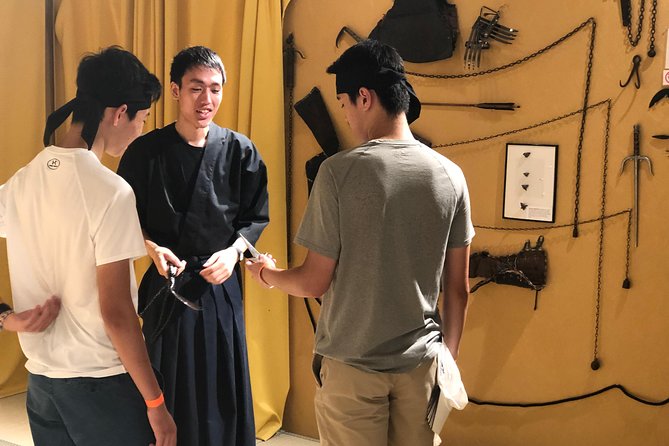
The guide is central to the experience. Without the explanation, the museum could become a quick look at costumes and weapons. With the guide, you get a basic framework for understanding who the samurai were, what made ninja different, and how both became part of popular culture.
The best presentations are energetic and clear. Kenny has been praised for combining historical detail with an upbeat manner. Akira has also been noted for being approachable with children, while Hikaru and Mimu have been described as engaging presenters who involve the group.
The tour is conducted in English, which makes it a practical choice if you want context without relying on translation apps. The quality of the visit still depends partly on the individual guide and the energy of the group. A lively guide can make the history memorable; a rushed session may leave you wishing for more time with the displays.
You should arrive on time. The tour follows a set schedule, and arriving late could mean missing the introduction or disrupting the group. The maximum group size is listed as 10 people, although bookings from different sources may be combined with other participants. That keeps the activity fairly small, but it is not necessarily a private tour.
Location and how to fit it into Asakusa
The museum is in Nishiasakusa, in the Taito area of Tokyo. Its position makes it useful as part of an Asakusa day rather than a separate trip across the city.
You can combine the visit with Sensoji Shrine, which is close enough to reach on foot according to the activity information. That pairing works well: the museum gives you a compact explanation of samurai and ninja culture, while Sensoji provides a large, active temple setting and a different view of traditional Japan.
The museum itself does not provide transportation, so you need to arrange your own route to the meeting point. Public transportation is nearby, but the activity information does not specify a single station or detailed walking route. Check your map before leaving and allow time to find the entrance.
There are steep steps inside or on the way to parts of the museum, so the visit may be less comfortable for anyone who has trouble with stairs. The general information says most people can participate, and children must be accompanied by an adult.
Who should book this experience
I would recommend it to families, first-time visitors to Tokyo, and anyone who wants a short introduction to samurai and ninja history without committing to a long museum visit.
It also suits adults who want a fun cultural activity between major sightseeing stops. The combination of real artifacts, costume photos, sword-related activities, and shuriken throwing gives the hour a good rhythm.
You may want to choose a different activity if you want detailed academic history, a long look at original objects, or guaranteed martial arts instruction. The presentation is built for broad appeal, and the interactive sections take time away from extended museum viewing.
It is also worth checking the schedule if you are set on the samurai performance, tea ceremony, or Zen meditation. Those elements are part of the advertised program, but the exact mix can differ.
Booking, timing, and cancellation
The experience lasts about one hour and ends back at the meeting point. Mobile tickets are accepted, and confirmation is provided when you book.
Children need to attend with an adult. The maximum booking size through one platform is 10 people, and the full group may include participants who booked elsewhere. That means the atmosphere can vary from a small family group to a mixed group of adults and children.
Free cancellation is available up to 24 hours before the start time for a full refund. Cancellations or changes made less than 24 hours before the start time are not accepted for a refund, and the cut-off uses Tokyo local time.
Should you book the Samurai Ninja Museum Tokyo?
Book it if you want a friendly, active introduction to samurai and ninja culture, especially if you are visiting with children. The English guide, authentic-looking displays, costume session, and shuriken competition offer more value than a simple skip-the-line museum ticket.
I would rate it as a good one-hour activity rather than a full study of Japanese history. Keep your expectations clear: the tour is designed to be fun and accessible, and the schedule can change. If you are happy with that balance, the museum fits neatly into an Asakusa sightseeing day and gives you a memorable way to connect with Japan’s warrior past.
FAQ
Where does the Samurai Ninja Museum Tokyo experience begin?
It begins at the Samurai Ninja Museum Asakusa Tokyo, located at 1-chōme-8-13 Nishiasakusa, Taito City, Tokyo 111-0035, Japan.
How long does the activity last?
The experience lasts approximately one hour and ends back at the meeting point.
Is an English-speaking guide included?
Yes. A professional guide leads the museum visit and explains the samurai and ninja displays in English.
Is the samurai costume included?
Yes. A samurai costume is included, and typical women’s dress may also be available as an option.
Can I throw ninja stars during the visit?
Yes. A ninja star throwing competition is included in the activity.
Is transportation included?
No. Transportation to and from the museum is not included, though the museum is near public transportation.
Can children participate?
Yes. Most people can participate, but children must be accompanied by an adult.
Can I cancel for a full refund?
Yes, if you cancel at least 24 hours before the experience start time. Changes or cancellations made less than 24 hours before the start time are not accepted for a refund.
Just added around Japan
- Tokyo: Mt. Fuji, Owakudani, Hakone Shrine, & Open-Air Museum★ 4.7 · 25 reviews
- Private Tour Through the Tokyo National Museum & Ukiyo-e★ 4.7 · 17 reviews
- Samurai Ninja Museum Asakusa: Kid-Friendly Ninja Training★ 4.7 · 67 reviews
- Tokyo National Museum Private Tour★ 4.9 · 28 reviews
- Tokyo: Kichijoji Gourmet Tour with Lunch★ 4.5 · 40 reviews
- Samurai Ninja Museum Asakusa: Samurai Sword Lesson & Tour★ 4.8 · 306 reviews
- Tokyo: Art Aquarium Museum GINZA Entry Ticket★ 4.5 · 278 reviews
- (Ticket Included) Explore Osaka Castle & Museum of History★ 4.8 · 21 reviews
Museum Tours in Japan, compared.

teamLab Planets TOKYO Digital Art Museum Entry Ticket
Read our review →
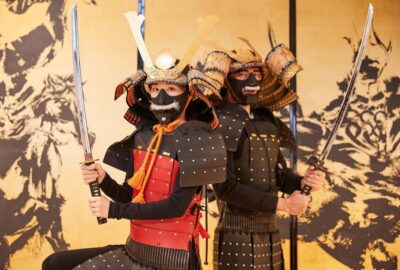
Samurai Ninja Museum Guided tour and Experience
Read our review →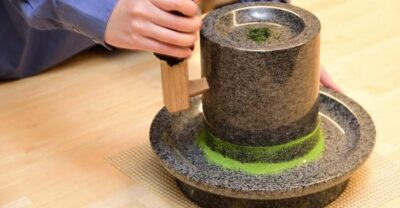
Tea Museum Tickets and Matcha Grinding Experience
Read our review →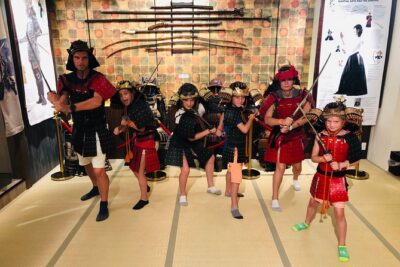
Skip the lines Basic Ticket at SAMURAI NINJA MUSEUM KYOTO
Read our review →
Ninja Experience (Family Friendly) at Samurai Ninja Museum TOKYO
Read our review →
Tokyo Studio Ghibli Museum and Ghibli Film Appreciation Tour
Read our review →
Geiko Maiko Dance of Kyoto & Visits of Gion Museum
Read our review →Browse the lists this tour appears in