
Review · THE USA
Savannah: Cocktail Class at American Prohibition Museum
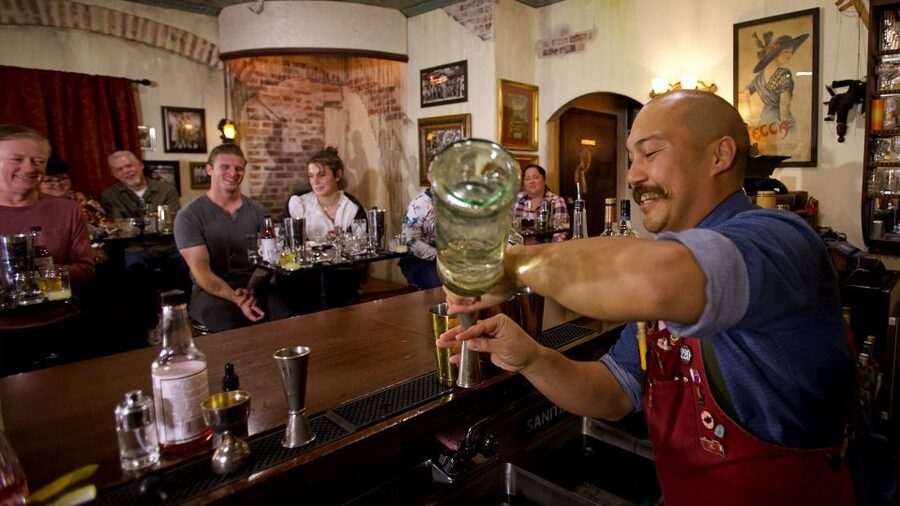
Savannah’s American Prohibition Museum hides a working cocktail class inside Congress Street Up, a 1920s-style speakeasy. You learn why mixers became important during Prohibition, then use bar tools and spirits to make drinks rather than simply ordering them. The hands-on format gives the evening a clear purpose.
I like the personalized drink-making and the strong teaching. Bartenders such as Leah, Eric, Val, Rebecca, and Blake have been praised for explaining spirits, bitters, sours, tools, and cocktail technique with humor. I also like the value: two full cocktails plus three samples can make the $87 price reasonable for Savannah.
The main drawback is that the first three samples may lean toward whiskey, which is not ideal if you avoid that spirit. You also need to find the entrance at 220 W Congress St, since a speakeasy-style venue may not be obvious from the street, and you must bring valid identification.
Key points at a glance
- Two full cocktails: Make two custom drinks using the liquor of your choosing, with guidance from an experienced bartender.
- Three classic samples: Taste a range of Prohibition-era drinks while learning how mixers, bitters, and spirits work together.
- A real speakeasy setting: Congress Street Up recreates a 1920s bar atmosphere inside the American Prohibition Museum.
- Strong instruction: Bartenders including Leah, Eric, Val, Rebecca, Blake, and Isabella have been praised for clear explanations and lively teaching.
- A two-hour evening activity: The class runs every night except Sunday and is conducted in English.
- Come prepared: Eat beforehand, bring a passport or ID card, and do not arrive already intoxicated.
A cocktail class inside Savannah’s Prohibition museum
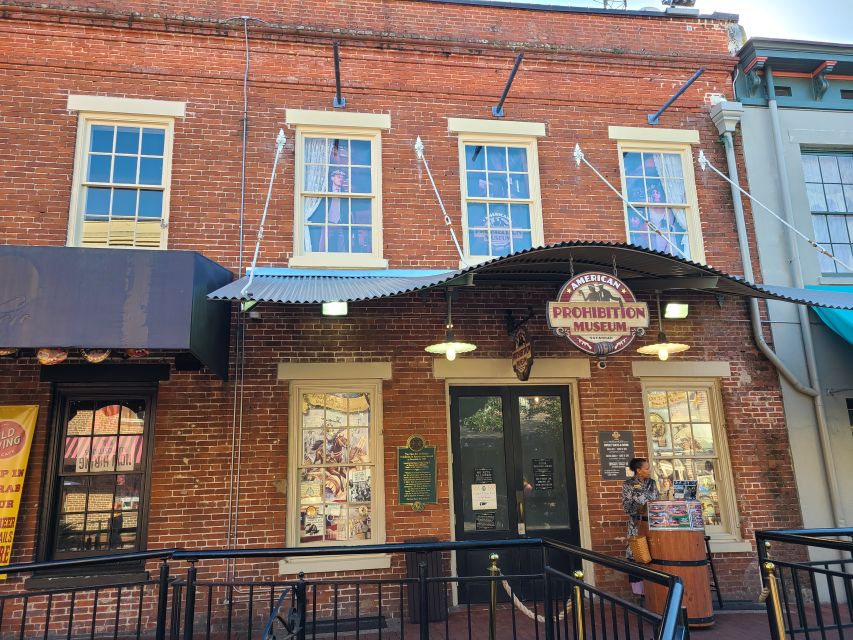
The setting does much of the early work. You meet at 220 W Congress St, in downtown Savannah, and enter Congress Street Up, the 1920s-style speakeasy connected with the American Prohibition Museum.
This is not simply a museum talk followed by a drink at the bar. The class uses the bar as a small working classroom. You handle the tools, learn how the ingredients fit together, and drink the results. That makes the subject easier to remember than a standard lecture about the 1920s.
The class explains how Prohibition changed American drinking culture. With legal alcohol restricted, bartenders began pairing strong spirits with mixers and other ingredients to make rough liquor easier to drink. The result helped shape the cocktail traditions still familiar today.
I like that the historical material is tied to something you can taste. When you learn about bitters, sours, mixers, and spirits, you are not just hearing definitions. You are likely to see how each part affects the drink in your glass.
The atmosphere is also useful rather than decorative. The speakeasy theme gives the session a sense of place, but the real value comes from the work at the bar. You leave with more than a period-style photo opportunity.
A few more museum visits around the USA worth comparing
- 9/11 Museum Workshop: 100 Images and Artifacts “Hands-On”
★ 4.8 · 25 reviews - Vienna: Chocolate Workshop in Chocolate Museum w/ Tasting
★ 4.5 · 1,802 reviews - Brussels: Chocolate Museum Visit with Workshop
★ 4.6 · 1,474 reviews
What happens during the two-hour class
The exact order of the drinks can vary, but the class centers on three parts: instruction, sampling, and making two full cocktails.
You begin with an introduction to Prohibition-era cocktail culture and the equipment behind the bar. The instructor explains the purpose of the tools and the role of different spirits and mixers. Several instructors have also added stories and small historical details as the class moved along, so the history is woven into the drink-making instead of delivered as one long speech.
Next come the classic cocktail samples. You receive three samples while the bartender explains what you are tasting. This is a smart part of the format because it lets you compare styles before making your own drinks.
The samples may not suit every palate. One attendee found the first three drinks were whiskey-based and wished there had been more variety. If you do not drink whiskey, mention that early and ask what options are available. The supplied information does not promise a different sample lineup, so you should not book expecting a fully customized tasting flight.
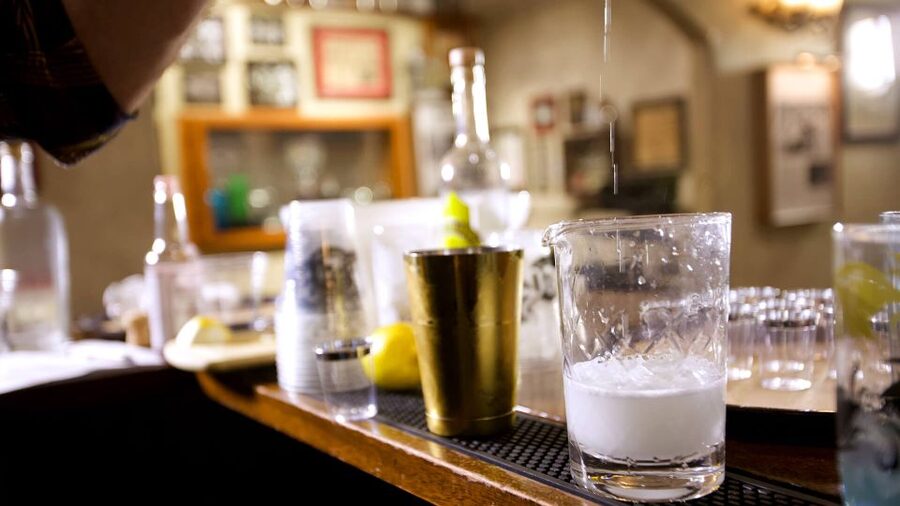
The central activity is making two full cocktails. You choose the liquor for your drinks, then work with the instructor to build them. The bartender guides you through the ingredients, proportions, tools, and technique. You are not left to guess how much spirit or mixer belongs in the glass.
The custom approach is especially helpful if you are new to cocktails. You can ask why a certain bitter, sour, or mixer is being used, and you can see how small changes affect the final drink. One instructor, Isabella, was praised for personalizing the experience, while Rebecca was noted for answering questions patiently. That kind of attention matters more here than a long list of recipes.
At the end, you have tasted three samples and made two full cocktails. Some sessions have also included a small snack plate and a recipe booklet for the drinks made in class. These extras are worth confirming when booking because they are not listed among the formal inclusions.
Why the teaching matters more than the setting
A themed bar can be fun for an hour, but the instructor determines if a cocktail class is worth its price. This class has received especially strong praise for its bartenders.
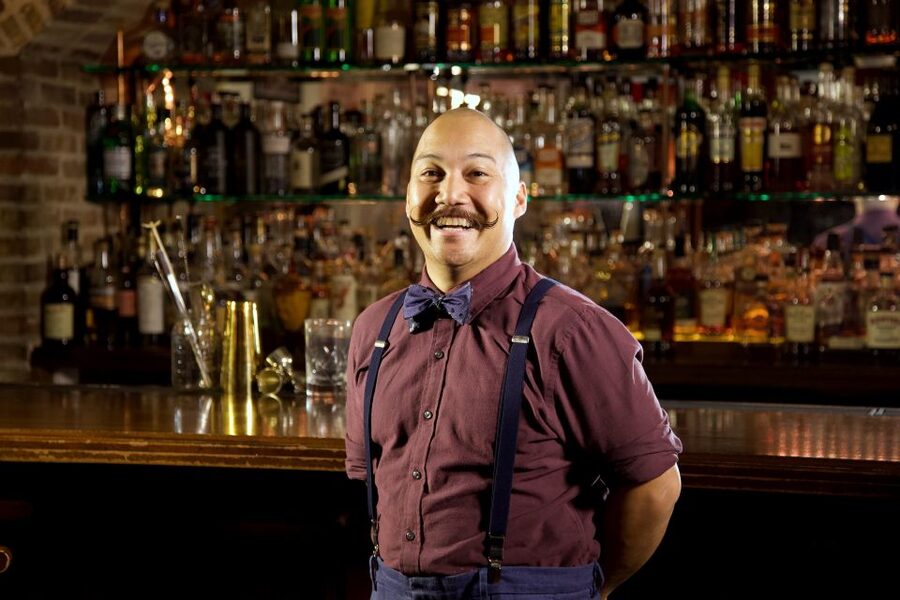
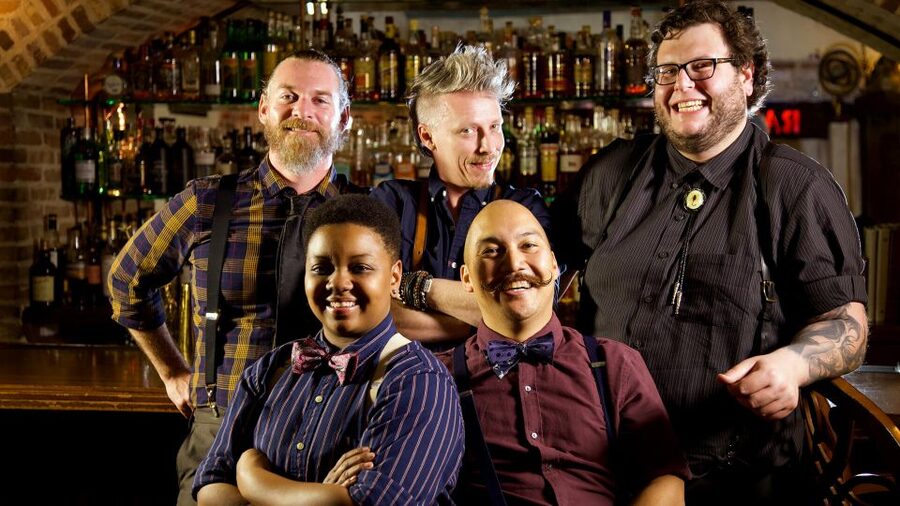
Leah has been described as energetic, funny, genuine, and clear when discussing spirits, tools, and history. Eric explained the material in an accessible way and kept the session personable. Val brought humor to the class, while Blake focused on practical tricks and cocktail background.
Other named instructors include Daphne, Karissa, Lizzie, Rebecca, Isabella, Jason, Christian, and Bobby. Their styles may differ, but the consistent strength is the combination of instruction and entertainment. You are learning from someone who works with the drinks, not just listening to a prerecorded presentation.
That difference is important if you already know a little about cocktails. A good instructor can answer questions about liqueurs, bitters, sours, and equipment without making a beginner feel out of place. If you are completely new to mixing drinks, you should find the class approachable. If you already make cocktails at home, you may pick up a new method or ingredient combination.
The class also appears to balance information with pace. The best comments describe it as both fun and full of useful material. One attendee even wanted an extra 30 minutes for a short museum walk-through, which points to a practical limitation: the cocktail session itself leaves little time for a broader look at the museum.
What you can learn about spirits and bar tools
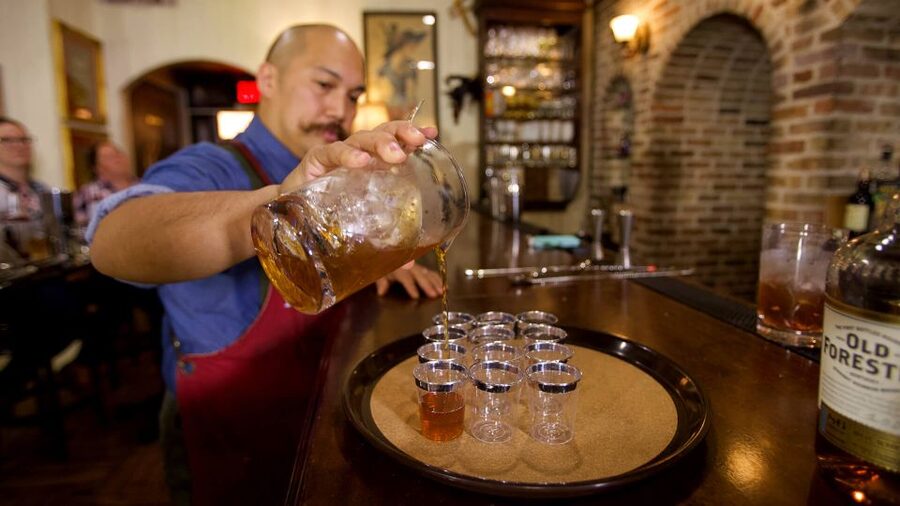
This experience is not a full bartending course. It does not promise professional certification or a complete survey of cocktail technique. It does give you a practical introduction to the building blocks of a well-made drink.
Expect attention to:
- The difference between base spirits and supporting liqueurs
- The role of bitters in adding aroma and balance
- How sour ingredients change a drink
- Why mixers make strong liquor easier to enjoy
- How bar tools help with measuring and preparation
- How a bartender adjusts a cocktail to suit an individual palate
The use of authentic bar equipment adds something useful. You are not merely watching a demonstration from several feet away. You work with the tools as the drink comes together. That hands-on step helps you remember the process when you return home.
A small recipe booklet, when provided, gives you a practical souvenir. You can use it to repeat the drinks later rather than relying on memory. For a person who wants a casual introduction to home cocktail making, that may be worth as much as the museum theme.
Keep your expectations sensible. Two hours is enough to learn the basics and make two drinks, but not enough to turn you into a professional bartender. Think of it as a guided introduction with a generous tasting component.
Same city, a completely different collection:
- NYC: 9/11 Memorial & Museum Timed-Entry Ticket
★ 4.8 · 31,428 reviews - NYC: Empire State Building Tickets – Observatory & Museum
★ 4.7 · 25,757 reviews - New York City: American Museum of Natural History Ticket
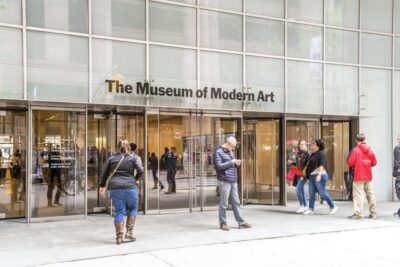
★ 4.5 · 15,447 reviews - NYC: Museum of Modern Art (MoMA) Entry Ticket
★ 4.6 · 12,540 reviews
Is $87 a good value?
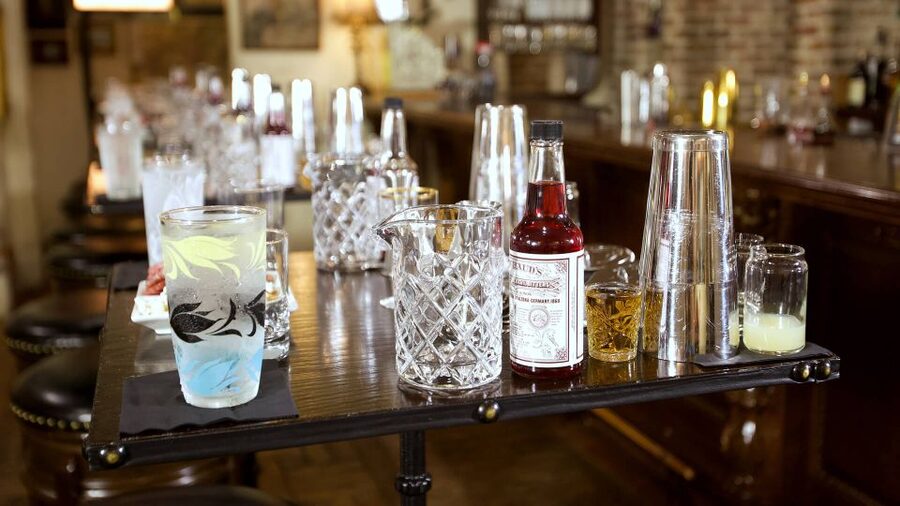
The price is $87 per person. That is not a cheap bar stop, but it includes two full cocktails and three sample cocktails, along with instruction and the themed setting.
The value improves if you would otherwise spend an evening buying several drinks in downtown Savannah. You are paying for alcohol, but also for a guided class, historical context, equipment, and the chance to choose the liquor in your own full cocktails. At local cocktail prices, the drinks alone account for a meaningful part of the cost.
I would not book this simply because you want the cheapest way to have a drink. A regular bar will cost less. I would book it if you want an organized evening activity and enjoy learning while you drink.
The class is also a better deal for people who will use the information afterward. If you like experimenting with bitters, syrups, sour ingredients, or different spirits at home, the techniques can keep paying off after the two hours end.
The value is weaker if you dislike whiskey, do not drink much, or have no interest in making cocktails. The three samples and two full drinks create a fair amount of alcohol, and the activity is built around tasting. It is not a good fit for someone looking for a light, nonalcoholic museum visit.
Practical details before you go
The class lasts two hours and runs every night except Sunday. Starting times can vary, so check availability before you commit to a particular evening.
Bring a passport or ID card. You must be at least 21, and valid identification is required. A driver’s license may be accepted in practice, but the stated requirement is a passport or ID card, so bring an accepted form of identification rather than assuming you can talk your way in.
Eat before class. This is not just general advice. You will be served two full cocktails along with three samples, and the venue can refuse service to anyone who appears overly intoxicated. Georgia law does not allow alcohol to be served to someone who is already intoxicated, and there is no refund if service is denied for that reason.
The meeting point is 220 W Congress St, Savannah, GA 31401. Allow a little extra time to identify the entrance. The speakeasy concept can create confusion, and one person had trouble finding anyone at the door near the stated arrival time. The activity is inside the building, so do not assume the correct entrance will look like a normal bar front.
The instructor speaks English. Hotel pickup and drop-off are not included, so you are responsible for getting to and from the venue. Because alcohol is served, plan your return transportation before class rather than improvising after your final drink.
You can cancel up to 24 hours in advance for a full refund. A reserve-now, pay-later option is also available, which helps if your Savannah schedule is still changing.
How this compares with a standard museum visit
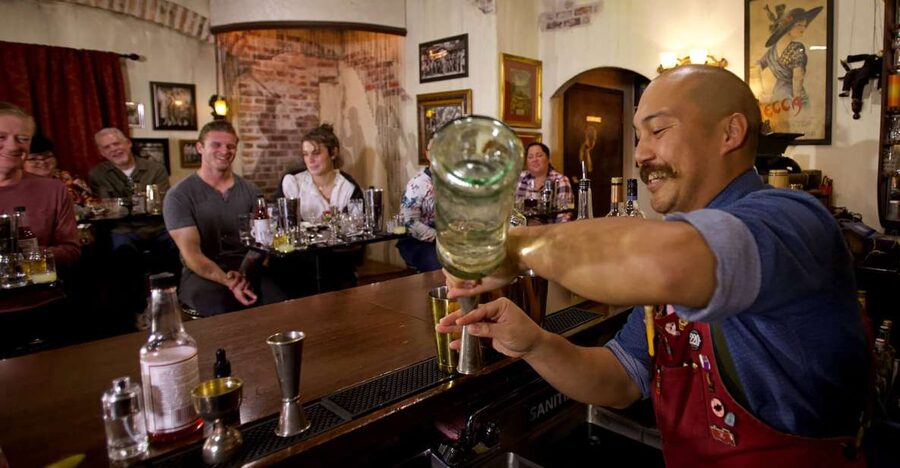
The cocktail class and the American Prohibition Museum are related, but they are not the same activity. The class takes place in the museum’s speakeasy setting and uses Prohibition as its subject. It does not promise a full museum tour.
That distinction matters if you want exhibits, displays, and a longer look at the wider story. One person specifically wished for an additional 30-minute museum walk-through. If the museum itself is a priority, plan a separate visit or check whether admission arrangements allow you to see more before or after the class.
For a visitor with limited time, the class offers a compact way to connect with the theme. You get historical context, drinks, and a social activity in one two-hour block. I like that efficiency, especially on an evening when you want something more structured than wandering from bar to bar.
Still, the experience is centered on cocktails. The history supports the lesson, but it does not replace a full museum visit. Choose the class for its mix of education and drinking, not as a complete substitute for the exhibits.
Who should book this experience
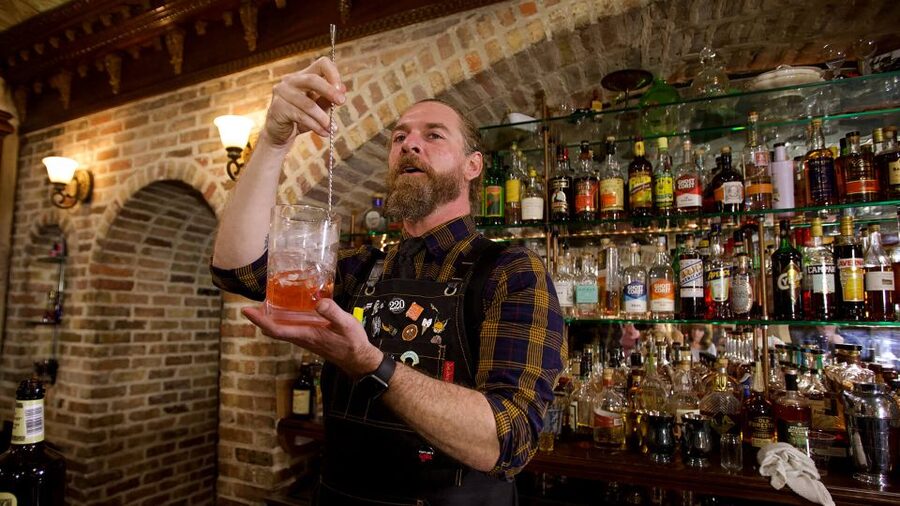
This class suits adults who enjoy food and drink experiences, especially people who want to learn a few basic cocktail techniques. It works well for couples, friends, and small groups looking for an evening activity with a clear start and finish.
It is also a good option if you have already seen Savannah’s main historic sights and want something different. The speakeasy atmosphere gives the night a period flavor, while the hands-on work keeps it from feeling like another passive tour.
Beginners should feel comfortable here. The instructors explain the tools and ingredients, and the class has been praised for being friendly, funny, and easy to follow. You do not need to arrive with a working knowledge of mixology.
You should think twice if you do not drink alcohol, dislike whiskey, or are uncomfortable with a fairly generous amount of tasting. The class does not list nonalcoholic alternatives, and the whiskey-heavy sample issue may matter to some people.
Should you book the Savannah cocktail class?
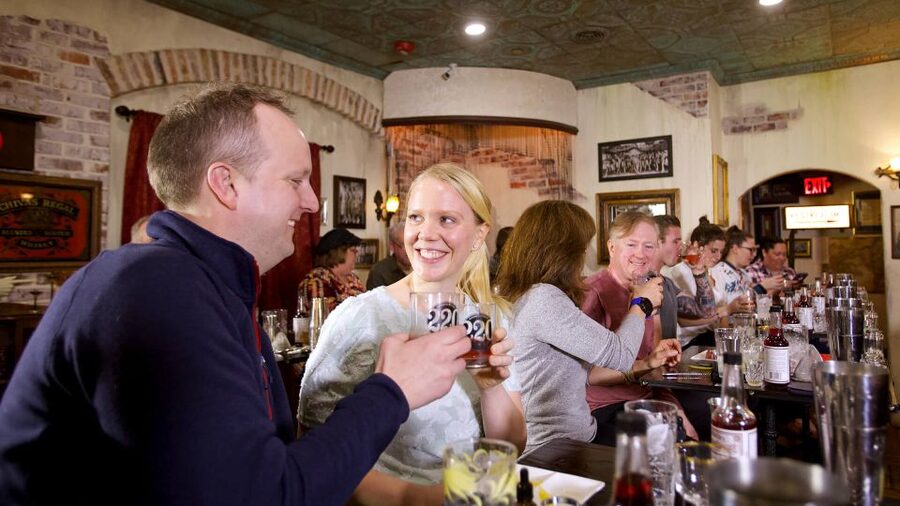
I would book it if you want an entertaining two-hour lesson rather than a simple drink at a bar. The strongest reasons are the five-drink format, the hands-on preparation of two full cocktails, and the bartenders’ ability to explain spirits and technique without making the session dry.
The $87 price is fair for someone who values the instruction and will enjoy the drinks. It is less appealing if you are counting every dollar, avoiding whiskey, or hoping for a full museum tour.
Eat first, bring identification, arrive early enough to find the entrance, and arrange your ride home. With those details handled, this is a smart Savannah evening choice for adults who want local atmosphere, cocktail skills, and a little Prohibition history in the same glass.
FAQ
How long does the cocktail class last?
The class lasts two hours.
Where does the class meet?
Meet at 220 W Congress St, Savannah, GA 31401, USA. The class takes place at Congress Street Up, the 1920s-style speakeasy inside the American Prohibition Museum.
How many drinks are included?
You receive two full cocktails and three sample cocktails.
Can I choose the liquor for my cocktails?
Yes. The activity includes two custom-made cocktails with the liquor of your choosing.
Is the class available every day?
The class runs every night except Sunday. Starting times vary, so check availability for the date you want.
What identification do I need?
You must bring a passport or ID card and present valid identification.
Is the class suitable for anyone under 21?
No. The class is not suitable for people under 21.
Should I eat before attending?
Yes. It is recommended that you eat before the class because several alcoholic drinks are included.
Can I cancel for a refund?
Yes. You can cancel up to 24 hours in advance for a full refund. A reserve-now, pay-later option is also available.
Just added around the USA
- Museum of Ice Cream Austin★ 3.5 · 85 reviews
- Admission to Richard Nixon Presidential Library and Museum Ticket★ 5.0 · 123 reviews
- The Turquoise Museum Curator’s Tour★ 5.0 · 12 reviews
- Turquoise Museum Visit★ 4.5 · 194 reviews
- Orlando: Titanic Artifact Exhibition Ticket★ 4.5 · 246 reviews
- The St. Augustine Old Jail Museum Guided Tour★ 4.6 · 68 reviews
- San Diego: San Diego Natural History Museum Ticket★ 4.7 · 33 reviews
- The Museum of Fine Arts, Houston Entry Ticket★ 4.6 · 82 reviews
Museum Tours in the USA, compared.
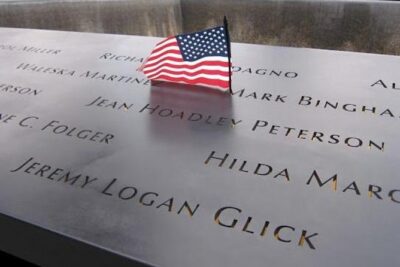
9/11 Memorial, Ground Zero Tour with Optional 9/11 Museum Ticket
Read our review →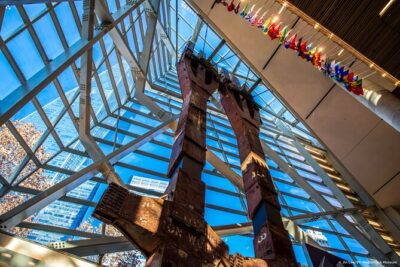
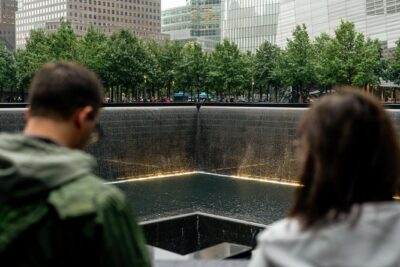
All-Access 9/11: Ground Zero Tour, Memorial and Museum, One World Observatory
Read our review →
Browse the lists this tour appears in