
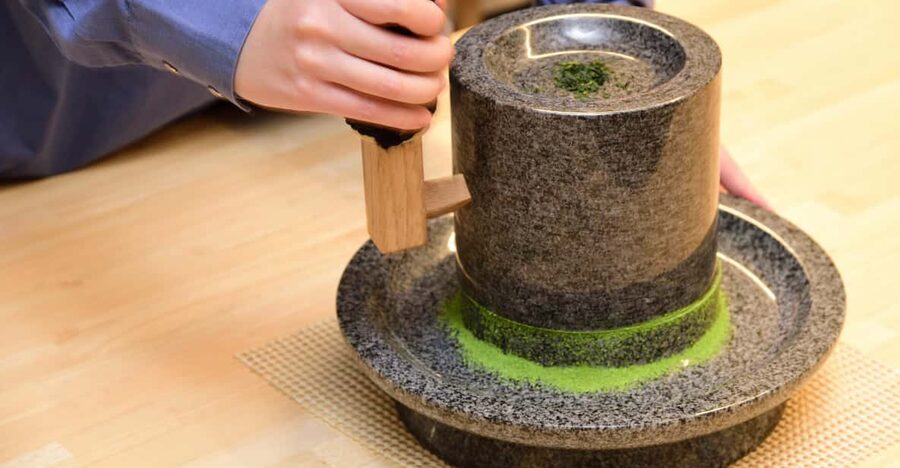
Review · JAPAN
Kyoto: Tea Museum Tickets and Matcha Grinding Experience
The best part of this Uji experience is that you do not simply drink matcha. You help turn tea leaves into powder, then whisk and taste the result under an instructor’s eye. Grinding the tea yourself makes the process feel real, not like a quick demonstration.
I especially like the included museum and the easy access from Uji Station. The digital displays explain tea production without burying you in technical detail, and the workshop adds a hands-on moment that suits families, solo visitors, and serious matcha fans alike. The main drawback is the strict arrival rule: come 15 minutes early, because entry can be refused 30 minutes after the start and the fee will not be refunded.
Key points to know before booking
- You grind tencha into matcha: Use a traditional tea mill, then whisk and drink what you have made.
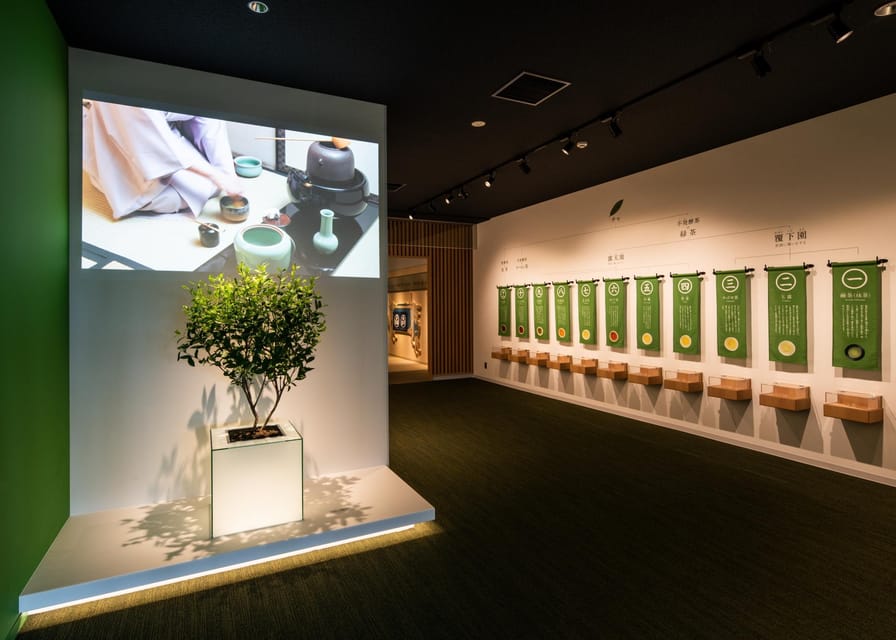
- The museum ticket is included: Chazuna covers Uji tea’s origins, cultivation, processing, and local history through touchable and digital exhibits.
- English instruction is available: Instructors such as Hideko, Keiko, and Yano-san have guided sessions, though English delivery can vary by instructor.
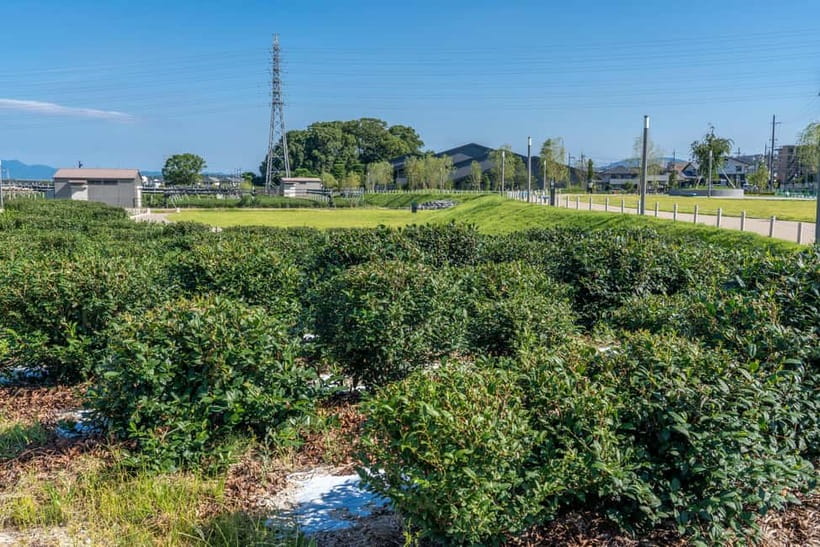
- The setting connects tea to Uji: You may see tea fields and gardens from the tea-making area.
- Summer adds a cool option: At 2:45 p.m. only, you can pour your freshly ground matcha over ice cream.
- Plan your arrival carefully: Chazuna is four minutes from Keihan Uji Station and about 12 minutes from JR Uji Station’s South Exit.
Why grinding matcha changes the usual tea tasting
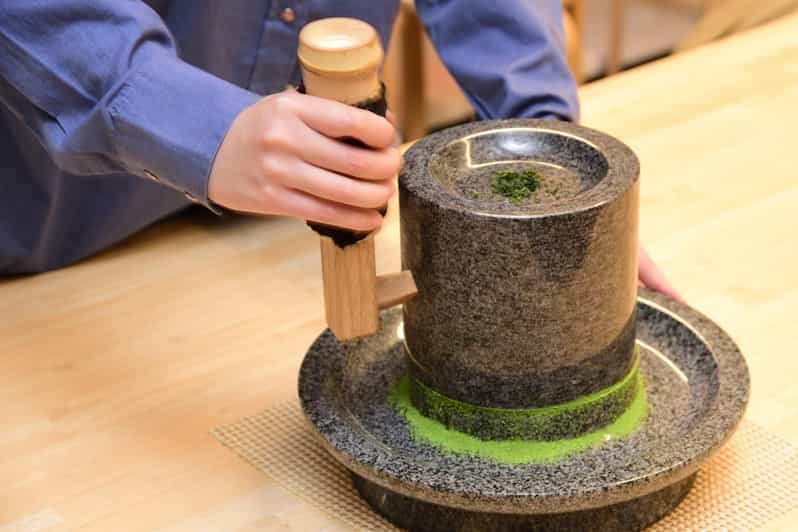
Matcha is often presented as a finished drink or a sweet dessert flavor. Here, you see the work behind it. The session begins with an explanation of tea and Uji’s place in Japanese tea culture, then moves to the tea mill, where you slowly grind leaves into a fine green powder.
That simple action gives you a better sense of why matcha is different from ordinary brewed green tea. You are not steeping the leaves and discarding them. You are preparing the leaf itself as powder, then drinking it after whisking.
The pace is gentle and hands-on. You do not need previous tea experience, and the instructors guide you through the steps. Past sessions have been led by instructors including Hideko, Keiko, Yano-san, and Sukimoto. Their styles vary, but the activity is built around clear demonstrations, help at the table, and time for questions.
I would not book this expecting a formal, full-length tea ceremony. It is a short educational workshop with traditional elements, focused on how matcha is made and prepared. That is part of its appeal: you get the ritual and care without committing half a day to a highly formal performance.
A few more museum visits around Japan worth comparing
- Tokyo: teamLab Planets TOKYO Digital Art Museum Entry Ticket
★ 4.6 · 9,779 reviews - Osaka Castle: Museum and Tower Entry Ticket
★ 4.5 · 2,380 reviews - Skip the lines Basic Ticket at SAMURAI NINJA MUSEUM KYOTO
★ 4.5 · 632 reviews
The Chazuna museum gives the workshop context
Your ticket includes the Chazuna Museum in the Historical Park of Tea and Uji Town. The museum is not huge, which works well if you are fitting it around Byodoin Temple, Uji’s market street, or a wider day trip from Kyoto.
The History Room begins with a large 10-yen coin featuring Byodoin Phoenix Hall. It is a playful local reference and a quick reminder that Uji’s tea story is tied to the town around you, not separated from it.
Digital displays show Uji’s development and tea production in an approachable way. One feature uses a large 4K screen to present modernized townscape drawings known as Meisho-zue. Touchable exhibits and interactive elements help explain the difference between types of Japanese tea and the stages from growing to processing.
I like this format for families and for anyone who finds a wall of written museum panels tiring. You can see how tea is cultivated and processed, then try one part of that process yourself. The museum also includes amusing photo opportunities, including a spot where you can appear to swim in matcha. It is a light finish after the more focused tea lesson.
The tradeoff is scale. If you want a large national museum devoted to every period of Japanese tea, this will feel brief. Give yourself enough time to explore it, but do not expect an all-day museum visit.
From tea leaf to powder at the mill
The central activity is grinding tea leaves in a tea mill. The point is not speed. You work the mill steadily and watch the leaves become matcha powder.
The process is satisfying because it is physical but not strenuous. You can see, smell, and handle the tea before you drink it. The aroma of freshly ground matcha is one of the most appealing parts of the session, especially if your previous experience has been limited to packaged drinks or matcha desserts.
The workshop shows how much care goes into a very small serving. One portion is prepared for you to whisk and taste. Do not count on taking the ground tea home. That is a minor limitation, but it matters if you were hoping to leave with the matcha you produced.
You may find tea and matcha products available nearby, and some participants have bought tea and matcha sets after the session. The activity itself, however, is about making and drinking one serving rather than producing a souvenir supply.
Whisking and tasting your own matcha
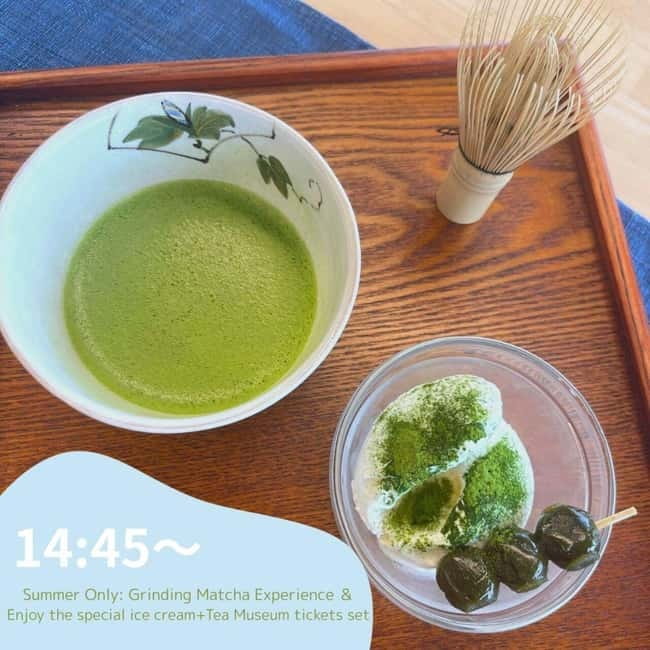
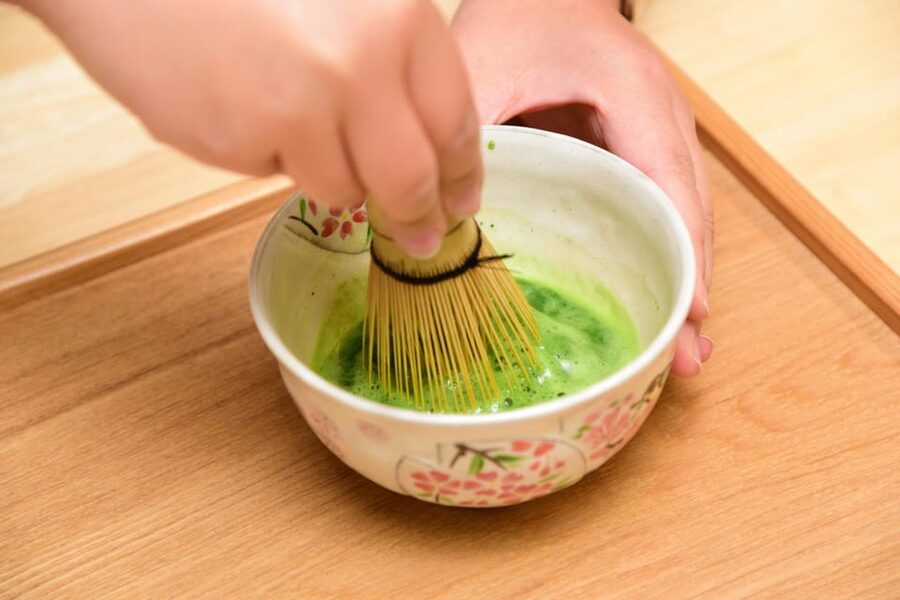
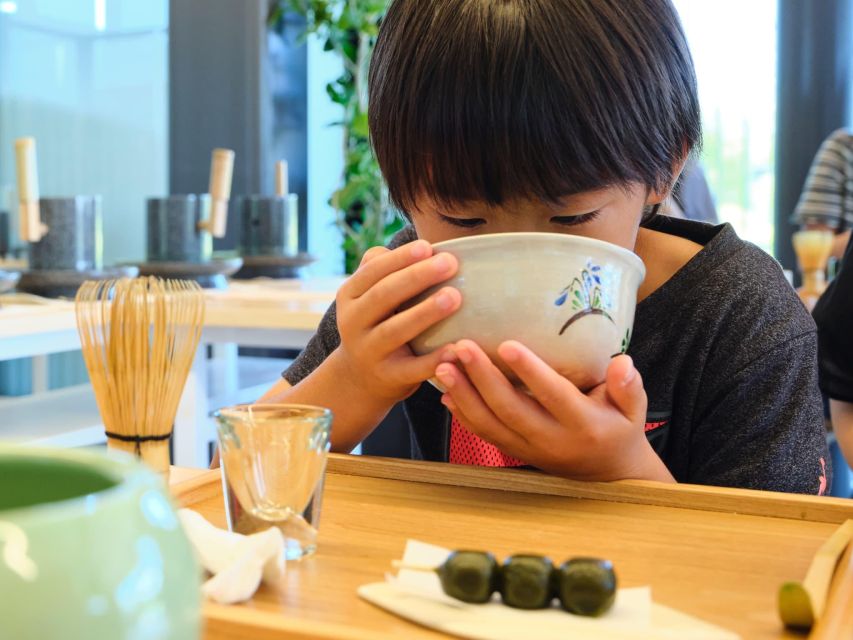
After grinding, the instructor explains how to brew the matcha. You whisk the powder and drink the cup you prepared. The instructors also help with technique, so you are not left guessing how much movement or effort is needed.
This is where the experience becomes more personal. A museum can tell you that matcha has a fine texture and a distinctive aroma. Making it yourself lets you notice the difference between tea that has just been prepared and a drink that has been sitting for a while.
The session generally pairs the tea with sweets, according to the activity experience and participant feedback. That small addition helps balance matcha’s strong, grassy taste. If you already drink matcha, you may enjoy comparing the fresh cup with the versions you know from cafés. If you are new to it, the sweet makes the first tasting easier.
The teaching style is warm and informal. Instructors are often praised for being funny and patient, which helps if you are attending alone or feel unsure about the steps. An English lesson is available, but the quality of spoken English may differ. One session relied closely on a prepared script, while other instructors gave freer explanations. The printed teaching material helps fill in the gaps.
Same city, a completely different collection:
- Tokyo: Samurai Ninja Museum Guided tour and Experience
★ 4.6 · 1,010 reviews - Skip the lines Basic Ticket at SAMURAI NINJA MUSEUM TOKYO
★ 5.0 · 470 reviews - Ninja Experience (Family Friendly) at Samurai Ninja Museum TOKYO
★ 5.0 · 441 reviews - Tokyo Studio Ghibli Museum and Ghibli Film Appreciation Tour
★ 4.5 · 421 reviews
The museum and workshop work best together

You can visit Chazuna’s displays on their own, but the ticket is more useful when you treat the museum and workshop as one experience. The museum explains Uji tea, and the workshop gives you a small part of the production process.
I would schedule the museum around the class rather than rush through it immediately before your start time. You need to report to the first-floor reception area 15 minutes before the reservation, so do not arrive at the building just as the class is due to begin.
The experience lasts one hour, but the museum may encourage you to linger. Plan extra time if you want to read the displays, use the photo area, or connect the tea lesson with the exhibits. You can also pair the visit with Uji’s nearby sights. The main market street and Byodoin Temple are both within walking distance, and the town is a pleasant place to continue looking at matcha foods and souvenirs.
A useful summer-only treat at 2:45 p.m.
During summer, the restaurant offers a special option at 2:45 p.m. You can pour your freshly ground matcha over ice cream and either drink the matcha or eat it with the ice cream.
This is not available at every session, so the timing matters. If you like matcha desserts, it may be worth choosing the 2:45 p.m. start. The cold ice cream also makes sense on a hot day after walking around Uji.
Do not book the experience solely for this feature if your schedule cannot accommodate 2:45 p.m. The main workshop remains the same basic attraction: grinding, whisking, and tasting your own tea.
Getting to Chazuna from Kyoto and Uji Station
Chazuna is in the Historical Park of Tea and Uji Town. From Keihan Uji Station, it is about a four-minute walk. From JR Uji Station’s South Exit, allow about 12 minutes.
The difference matters if you are traveling with children, carrying luggage, or cutting the timing close. The JR walk is still easy, but you should not confuse it with the shorter Keihan route. If you are coming from Osaka by car, the directions use the Keiji Bypass Uji Nishi IC and a side road toward Uji, with roughly 10 minutes of driving after the exit. From Tokyo or Nagoya, the route uses the Uji-higashi IC and takes about three minutes after turning at the exit.
Go directly to the first-floor reception area when you arrive. The location is wheelchair accessible, and the activity is offered in Japanese and English.
Why the $23 price is fair
At $23 per person, this is a good-value activity if you plan to spend time in Uji. You receive the Chazuna museum ticket, the matcha-making workshop, and instruction. Comparable value comes from the combination, not from the amount of tea you take home.
The workshop itself lasts one hour, so it is not a cheap substitute for a full-day cultural tour. But the price includes a real hands-on activity, not just a tasting. You also get a museum visit that helps explain what you are doing.
I would consider it especially worthwhile for matcha drinkers, families, and anyone already planning to visit Byodoin Temple or Uji’s shopping streets. If you have no interest in tea and have only a short afternoon in Kyoto, you may prefer to use that time for a major sight in the city.
The booking terms are flexible: you can reserve now and pay later, and cancellation is free up to 24 hours before the activity. Schedule changes must be made through the website rather than by phone, so make adjustments early if your Kyoto plans shift.
Who will enjoy this most

You should book this if you want a cultural activity that is active but not tiring. The workshop is family-friendly, and solo visitors can comfortably take part. One participant who arrived alone was seated with other solo women and found the shared table easy to enjoy.
It also suits couples and friends who want something more memorable than a standard café stop. You leave with a better idea of how matcha is produced and how to prepare it, even though you do not take the ground portion home.
Matcha fans will get the most from the aroma, texture, and fresh taste. Beginners will appreciate the patient instruction and the sweet served with the tea. English speakers should be prepared for some variation in how freely each instructor speaks, but the activity is designed to be understandable.
You may want to skip it if you dislike guided workshops, want a large museum, or need complete control over your schedule. The start time is fixed, and late arrival can end the experience before you have entered.
How to plan the visit without stress
Aim to reach Chazuna 15 minutes before your booked time. The organizers state that participation can be refused after 30 minutes from the start, with no refund, because late arrivals disrupt the class.
Wear something comfortable enough for sitting and working at the tea mill. No special equipment is listed as necessary. Keep your schedule loose enough to enjoy the museum rather than treating the one-hour class as a stop you must rush away from.
If you are using the JR line, add the longer walk from the South Exit. If you are visiting by car, allow time to follow the access roads after leaving the bypass. The easiest plan is to combine Chazuna with Uji’s central sights instead of making a special trip only for a one-hour class.
Should you book the Chazuna matcha experience?
Book it if you want to understand Uji tea by making it yourself. The museum, digital displays, tea mill, instructor-led whisking, and fresh tasting form a clear one-hour introduction. The $23 price is sensible because it covers both the workshop and museum admission.
I would choose the 2:45 p.m. summer session if the ice cream option appeals to you. Otherwise, pick the time that fits your Uji day and arrive early. The experience is not a full tea ceremony or a large museum visit, but it offers something better suited to many short itineraries: a direct, friendly look at how tea becomes matcha, followed by a cup you prepared with your own hands.
FAQ
Where does the matcha experience take place?
It takes place at Chazuna in the Historical Park of Tea and Uji Town. Meet at the first-floor reception area.
How long does the activity last?
The matcha museum and grinding experience lasts one hour.
What is included in the price?
The price includes the Chazuna Museum ticket, the matcha-making experience, and an instructor.
Is the activity available in English?
Yes. The activity is offered in Japanese and English.
How early should I arrive?
Arrive at the reception counter 15 minutes before your reservation.
What happens if I arrive late?
Entry or participation can be refused after 30 minutes from the scheduled start, and the participation fee will not be refunded.
How far is Chazuna from the train stations?
It is about a four-minute walk from Uji Station on the Keihan Uji Line and about a 12-minute walk from the South Exit of Uji Station on the JR Nara Line.
Is the venue wheelchair accessible?
Yes, the activity is wheelchair accessible.
Can I cancel the booking?
You can cancel up to 24 hours in advance for a full refund.
Is the summer ice cream option offered at every time?
No. The summer-only ice cream option is offered at 2:45 p.m. only.
Just added around Japan
- Skip the lines Basic Ticket at SAMURAI NINJA MUSEUM TOKYO★ 5.0 · 470 reviews
- Tokyo: Mt. Fuji, Owakudani, Hakone Shrine, & Open-Air Museum★ 4.7 · 25 reviews
- Private Tour Through the Tokyo National Museum & Ukiyo-e★ 4.7 · 17 reviews
- Samurai Ninja Museum Asakusa: Kid-Friendly Ninja Training★ 4.7 · 67 reviews
- Tokyo National Museum Private Tour★ 4.9 · 28 reviews
- Tokyo: Art Aquarium Museum GINZA Entry Ticket★ 4.5 · 278 reviews
- Tokyo: Kichijoji Gourmet Tour with Lunch★ 4.5 · 40 reviews
- Samurai Ninja Museum Asakusa: Samurai Sword Lesson & Tour★ 4.8 · 306 reviews
Museum Tours in Japan, compared.
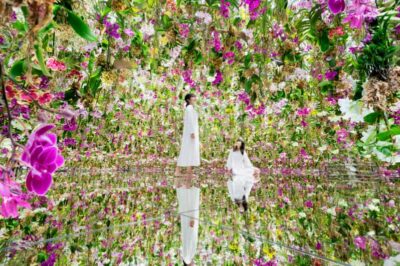
teamLab Planets TOKYO Digital Art Museum Entry Ticket
Read our review →

Samurai Ninja Museum Guided tour and Experience
Read our review →
Skip the lines Basic Ticket at SAMURAI NINJA MUSEUM KYOTO
Read our review →
Skip the lines Basic Ticket at SAMURAI NINJA MUSEUM TOKYO
Read our review →
Ninja Experience (Family Friendly) at Samurai Ninja Museum TOKYO
Read our review →
Tokyo Studio Ghibli Museum and Ghibli Film Appreciation Tour
Read our review →
Geiko Maiko Dance of Kyoto & Visits of Gion Museum
Read our review →Browse the lists this tour appears in