
Review · WORKSHOPS
Itajime Shibori Scarf Class at Kyoto Shibori Museum
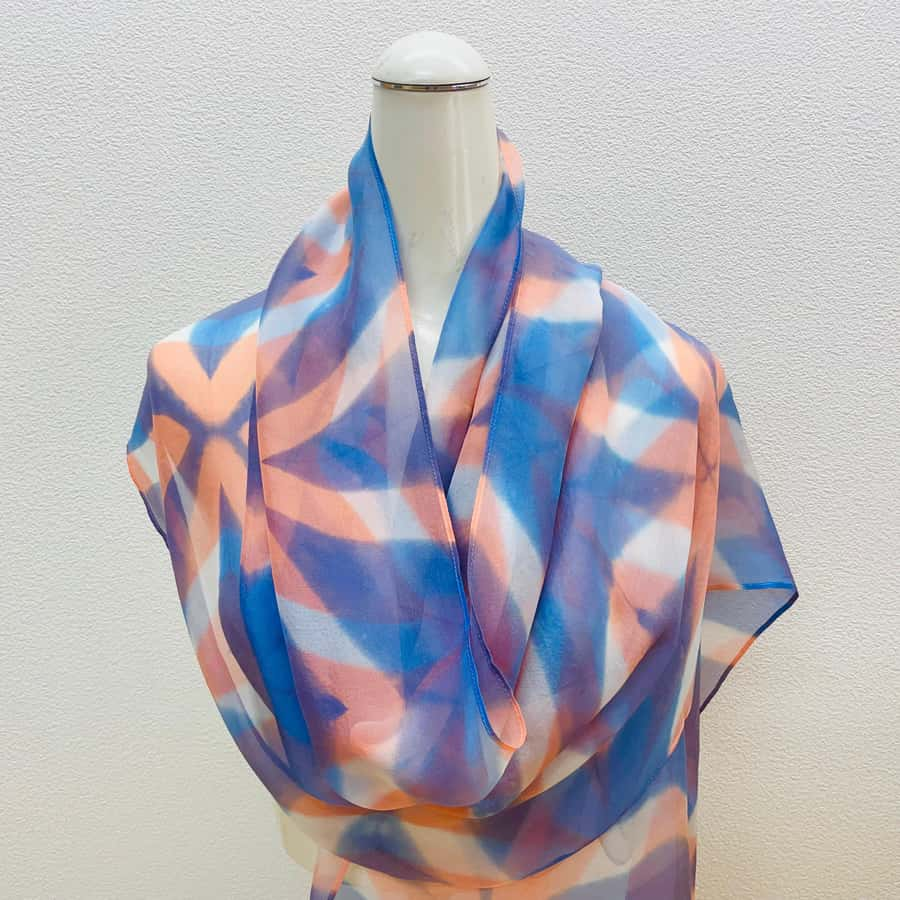
The clever part of this Kyoto workshop is the folding and board work. You sandwich fabric between shaped boards, then apply two dyes. When the boards come off, the covered sections reveal a crisp, repeating pattern that you could not predict completely in advance. I like the hands-on result: you leave with a scarf rather than just a few photos. I also like the museum visit built into the hour, so the drying time has a purpose.
The main thing to consider is the short class length. You get personal help, but this is an introduction rather than a long craft course. If you want time to study every display or make several pieces, you may find one hour moves quickly.
Key points
- Make a two-color scarf: The Itajime method uses fabric, boards, and dye to create symmetrical patterns.
- Work in a small group: The class is limited to eight people, with an instructor helping throughout the process.
- Visit near Nijo Castle: The museum is about a five-minute walk from Nijo Castle.
- Use drying time well: Explore shibori samples, art pieces, and a video presentation while your fabric dries.
- Take home a useful souvenir: The finished scarf is a handmade item, and the workshop uses the same traditional craft sold in the museum shop.
- Save on museum admission: Workshop participants receive admission that normally costs 1,000 yen.
Making a Pattern with Boards and Dye
Itajime shibori is a resist-dyeing method. The fabric is folded, placed between boards, and dyed so that some sections stay protected. The result is a pattern with repeated shapes and areas of contrast.
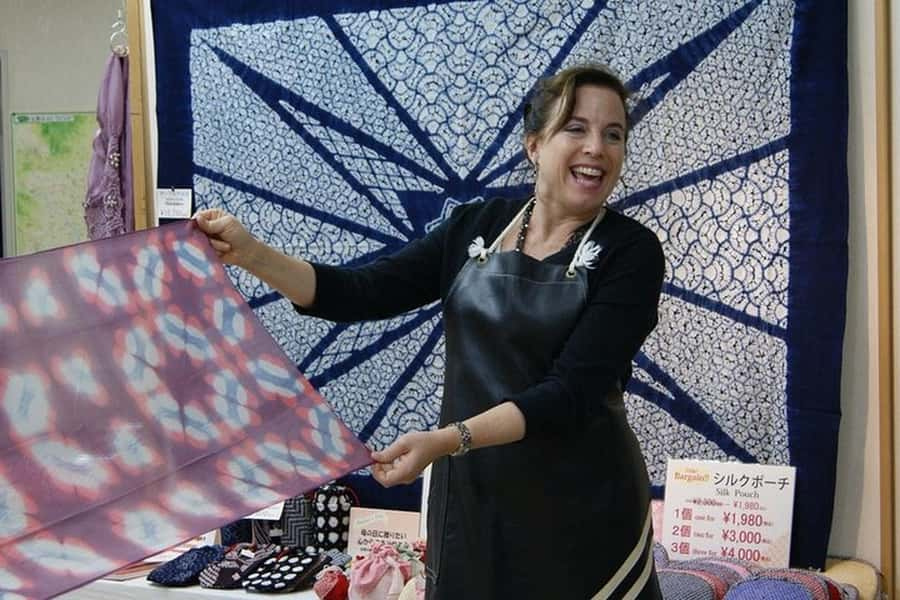
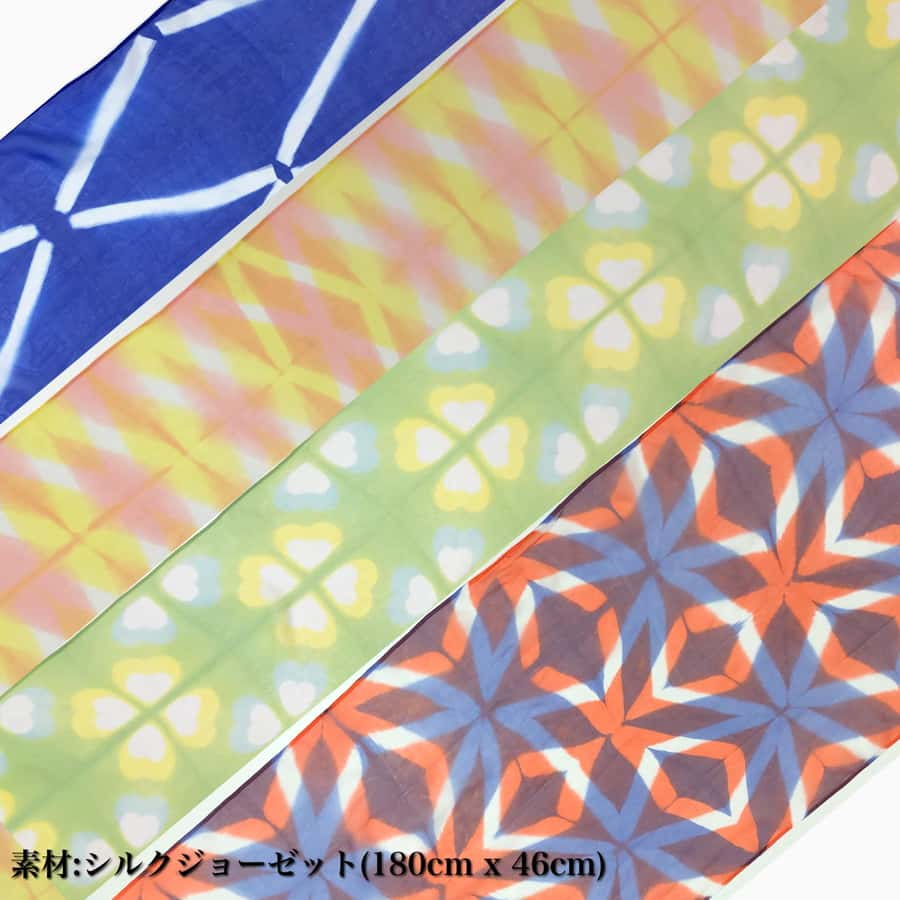
That sounds simple, but the charm comes from the small choices you make. Different boards produce different designs, and the use of two dye colors gives the scarf more visual variety than a single-color exercise. You can select from available pattern and color combinations, then follow the instructor’s guidance as the fabric is prepared.
This is not a class where you simply watch someone demonstrate. You handle the material and take part in the steps that determine the final pattern. At the same time, you are not left to guess your way through the process. An instructor assists throughout, checking your work and helping with quality control.
That balance suits first-time crafters. You get a real hand in the design, but the staff helps protect you from a disappointing result. The finished scarf may still have small variations, which is part of the point. Handmade shibori should not look like a factory print.
The class takes about 30 to 60 minutes within the one-hour experience. The exact pace depends on the group and the work involved. With a maximum of eight participants, the instructor can give more attention than you would receive in a large demonstration.
A few more museum visits around Japan worth comparing
- Samurai Ninja Museum Asakusa: Samurai Sword Lesson & Tour
★ 4.8 · 306 reviews - Kyoto : Family-Friendly Sword Lesson at Samurai Ninja Museum
★ 4.4 · 14 reviews - Vienna: Chocolate Workshop in Chocolate Museum w/ Tasting
★ 4.5 · 1,802 reviews
A Short Walk from Nijo Castle
The Kyoto Shibori Museum is about a five-minute walk from Nijo Castle, making the workshop easy to pair with one of Kyoto’s major sights. You can visit the castle before the class, make the scarf afterward, or reverse the order depending on the available starting time.
That location matters because the workshop does not require a separate trip across the city. If your day already includes central Kyoto, this is a practical way to add a craft activity without giving up half a day.
The museum opened in 2001 and focuses specifically on shibori. Its purpose is to help more people understand the craft through finished works, samples, and demonstrations of the techniques. You should not expect a large, all-day museum. It is a small, focused stop that works best when paired with the workshop.
The English and Japanese instruction also helps international visitors take part without needing prior craft experience. The supplied information does not identify every instructor, but one instructor named in the experience feedback is Akiko, praised for clear, efficient guidance. The teaching style is practical: you receive help as you work, rather than sitting through a long lecture before touching the fabric.
What Happens During the One-Hour Visit
The experience begins with the scarf-making process. You learn how the cloth is folded and positioned between boards, then how dye is applied to create the resist pattern.
The boards are the key tool. They press against selected sections of the fabric and keep dye from reaching them. When the material is opened, the design appears through the contrast between dyed and protected areas.
You use two colors of dye, which allows for more than a plain block of color. The available boards and patterns give you choices, while the instructor helps you understand how those choices affect the final scarf. The class is popular because it produces a finished object in a short time, but the method still shows the logic of traditional shibori.
Once the scarf has been dyed, it needs time to dry. This is when you can look around the museum. The experience is arranged well for that pause, since you do not have to stand around waiting for the fabric to be ready.
The final step is taking your work home. Several people specifically valued the quality of the scarf as a souvenir, including the fact that it is something they could wear rather than merely display. The exact final pattern will depend on your board arrangement and dye choices, so each scarf has its own look.
The Museum Displays Make the Waiting Time Useful
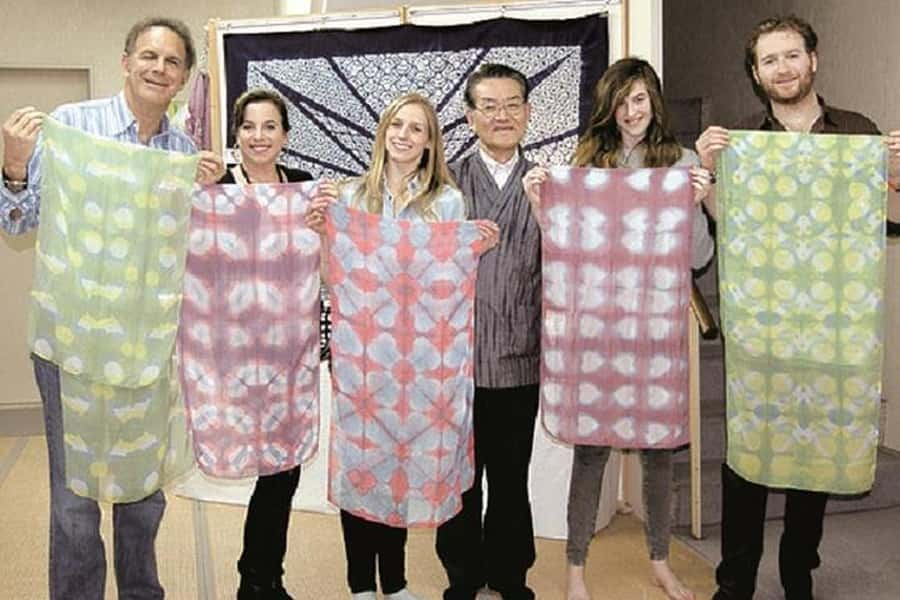
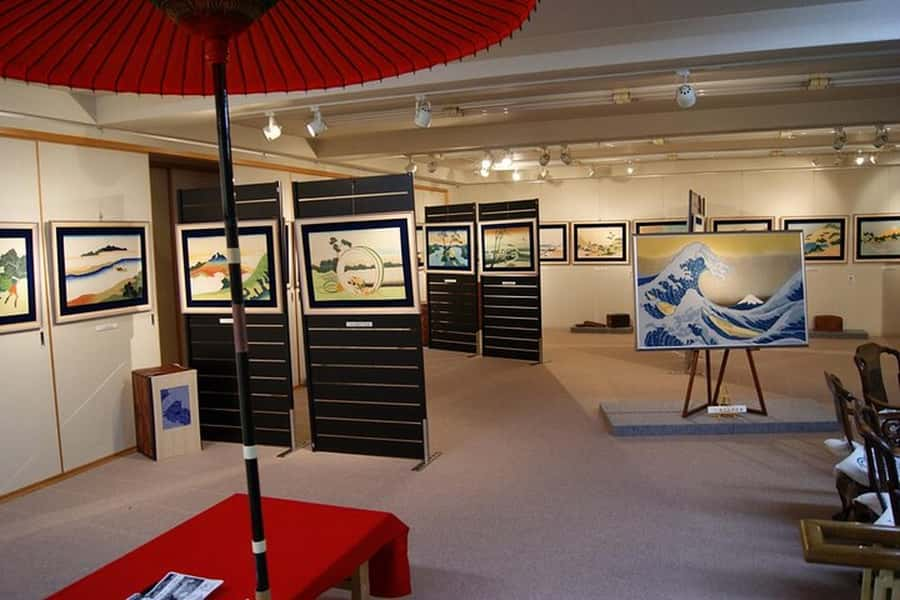
The museum contains shibori art pieces and samples that help place your small project in a wider setting. You can see how varied the craft becomes when different folding, stitching, tying, and board techniques are used.
A video presentation is also included in the exhibition area. This gives you another way to understand the process, especially if you are interested in how the craft has continued from earlier periods. The workshop information connects shibori with techniques practiced since the Nara period, giving the activity a clear place in Japanese craft history without turning the class into a formal history lesson.
I find this museum stop important because it changes how you look at your own scarf. Before the class, the boards and folded cloth may seem like simple tools. After seeing other pieces, you can recognize the control, patience, and planning behind more elaborate designs.
The exhibits are also useful if you are deciding whether to buy another item from the shop. You see finished work first, then can compare it with your own handmade piece. Since the museum is described as small and focused, it is better for a close look at shibori than for a long museum visit with many unrelated collections.
Same city, a completely different collection:
- Tokyo: teamLab Planets TOKYO Digital Art Museum Entry Ticket
★ 4.6 · 9,779 reviews - Osaka Castle: Museum and Tower Entry Ticket
★ 4.5 · 2,380 reviews - Tokyo: Samurai Ninja Museum Guided tour and Experience
★ 4.6 · 1,010 reviews - Kyoto: Tea Museum Tickets and Matcha Grinding Experience
★ 4.9 · 739 reviews
The Shop Offers Finished Work and Materials
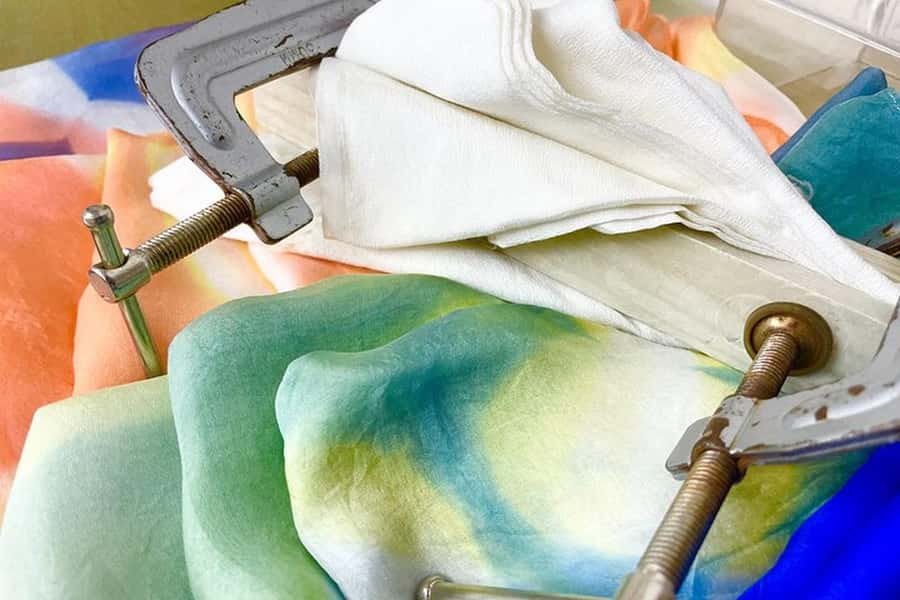
The museum shop carries original shibori items, fabrics, souvenirs, and completed works. You can also find equipment connected with the craft, which may interest you if the workshop leaves you wanting to try more at home.
The shop gives you two different buying options. You can purchase a finished piece made by experienced artisans, or choose something that relates to the process you just learned. That makes the stop more useful than a standard souvenir shop, especially if you want a gift with a clear connection to Kyoto.
Prices for shop items are not provided, so I would treat the workshop’s $42 price as the main value question. For that fee, you receive the class, a scarf to take home, instructor assistance, access to the museum, and a chance to see the shop. Museum admission alone normally costs 1,000 yen, and workshop participants receive it free.
The scarf is the strongest part of the value. A mass-produced souvenir may cost less, but it will not carry the same connection to your own choices and the local technique. If you prefer to collect objects that tell a story about what you did in Kyoto, the price is reasonable.
How Much Personal Help You Receive
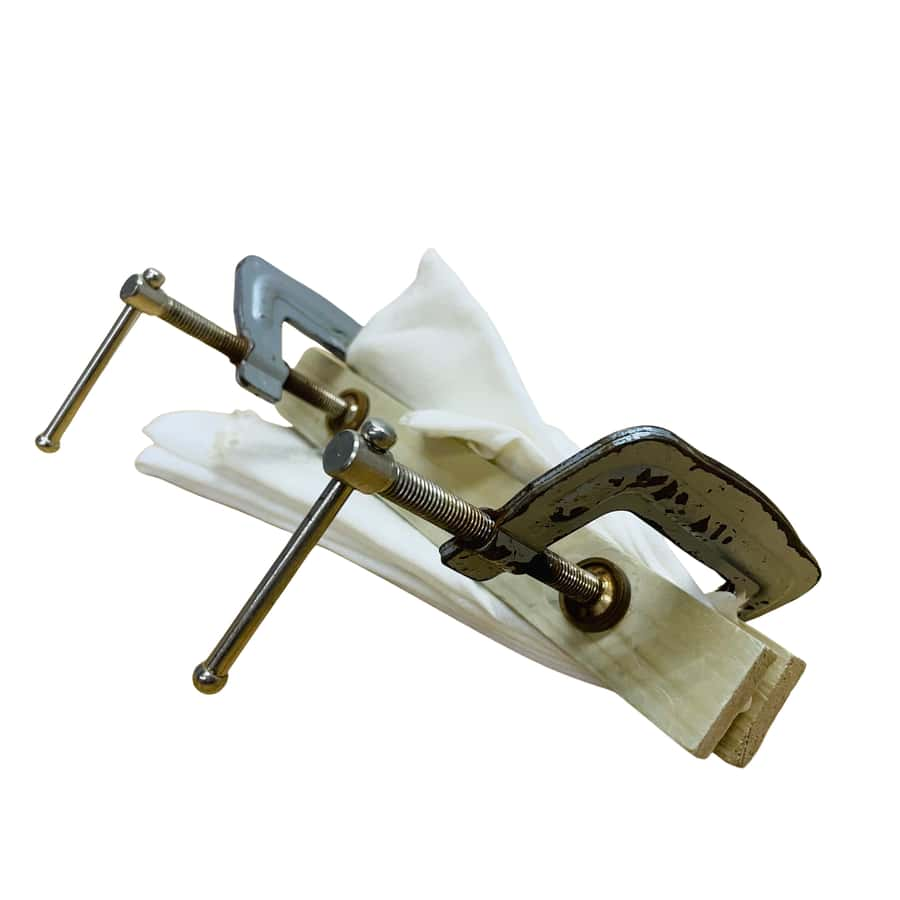
The group limit is eight people, which is small enough for the instructor to move around and check each participant’s work. This matters because board placement and dye application affect the pattern. A mistake at that stage could change the final look.
You should expect guidance rather than complete freedom. The class uses set materials and available designs, so you are not designing a full scarf from scratch. Still, you choose among patterns and color combinations, and the staff helps you achieve a clean result.
That makes the activity suitable for couples, friends, families with an interest in crafts, and solo visitors who want a quiet cultural experience. It also works for people who usually avoid workshops because they worry about lacking artistic skill. The emphasis is on learning a traditional process, not producing a perfect art piece.
The experience may be less satisfying if you want a detailed technical course. In one hour, you will learn the main idea and complete one scarf, but you will not master every shibori method. The museum and shop add context, yet the class remains a compact introduction.
Why the Nara-Period Connection Matters
Shibori is not just a decorative pattern added to fabric. It is a method based on controlling where dye can reach. That simple idea has produced many forms of Japanese textile art over centuries.
The workshop connects you with techniques that have continued since the Nara period. You do not need a long lecture to appreciate the point. Folding the cloth, protecting sections with boards, and opening the dyed material gives you a small sense of how a repeated craft process can create highly individual results.
This also makes the activity different from a general souvenir-making session. The object you take home is linked to a specific Japanese textile tradition. You learn enough to recognize the method, then see more advanced examples in the museum.
The museum’s family connection to shibori is another notable feature. The teaching team is described as coming from families that have made shibori for generations. That does not mean the class is formal or difficult. It means the instruction is tied to people who work within the craft rather than presenting a generic art project.
Who Will Enjoy This Workshop Most

I would choose this class if you want a Kyoto activity that is creative, short, and easy to fit into a sightseeing day. Its location near Nijo Castle is especially helpful when your schedule is already centered in that part of the city.
It is also a good pick if you prefer a useful souvenir. The scarf is light to pack, personal, and wearable. You can remember the class each time you use it, which gives it more staying power than a small decorative object.
Families and small groups should appreciate the eight-person limit. The activity offers structure without taking up an entire morning or afternoon. English and Japanese instruction make it accessible to international participants, and the staff provides hands-on help during the work.
Art and textile enthusiasts will get extra value from the museum displays and shop. You can compare your beginner’s scarf with more complex works and browse fabrics or tools after the class.
I would think twice if you dislike fixed activities or want to spend a long time experimenting. The class has a clear process, a set time, and a limited number of color and board choices. It is hands-on, but it is not an open studio.
Price, Timing, and Practical Value
The listed price is $42 per person. For one hour, that is more than a simple museum visit, but the comparison is not quite fair. Your fee includes instruction, materials for a scarf, the finished item, and free museum admission that normally costs 1,000 yen.
The value improves if you would buy a quality textile souvenir anyway. You are paying for the object and for the short lesson that explains how it was made. If you only want to see shibori, the museum admission may be enough, but the workshop gives you a much closer connection to the technique.
You can cancel up to 24 hours in advance for a full refund, and you can reserve now and pay later. Those terms are useful in Kyoto, where weather, temple visits, and transport delays can change your day. Check the available starting times before booking, since the activity lasts one hour and the class operates in small groups.
Plan around the class rather than assuming you can walk in at any moment. A five-minute walk from Nijo Castle makes it easy to connect with nearby sightseeing, but you still need to allow time to arrive for the chosen start.
Should You Book the Kyoto Shibori Museum Class?
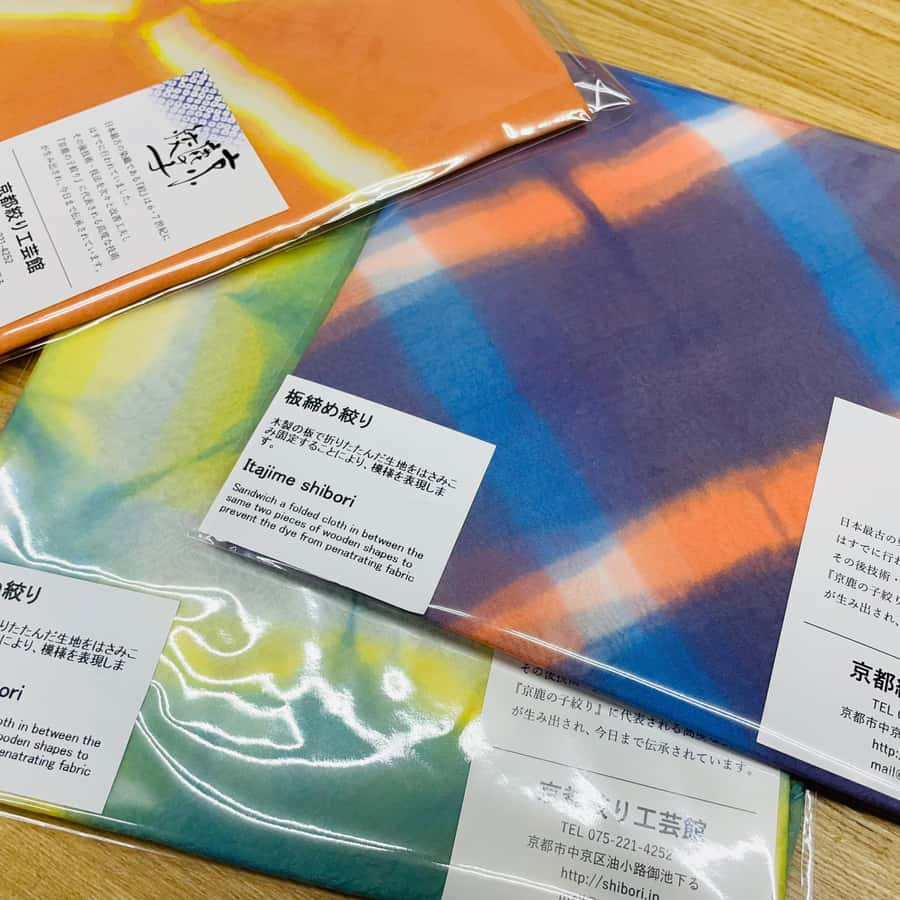
Book it if you want a small, personal craft activity with a real object to take home. The strongest reasons are the two-color Itajime method, close instructor help, the museum visit during drying time, and the convenient location near Nijo Castle.
The $42 fee makes the most sense when you value the handmade scarf and would enjoy learning how the pattern is made. You should skip it if you want a long, highly technical textile course or a large museum with many unrelated exhibits.
For most visitors with an interest in Japanese arts, this is a well-sized Kyoto experience. You learn one traditional method, see stronger examples in the museum, and leave with a scarf that carries your own choices in its pattern.
FAQ
How long does the Itajime shibori scarf class last?
The activity lasts one hour. The scarf-making portion takes about 30 to 60 minutes, with time to explore the museum while the fabric dries.
How much does the workshop cost?
The listed price is $42 per person.
Is museum admission included?
Yes. Workshop participants receive free admission to the Kyoto Shibori Museum. Regular admission is 1,000 yen.
How many people are in the class?
The class is limited to eight participants.
What languages are available?
Instruction is available in English and Japanese.
Can I cancel the booking?
You can cancel up to 24 hours in advance for a full refund. You can also reserve now and pay later.
Just added around Japan
- Skip the lines Basic Ticket at SAMURAI NINJA MUSEUM TOKYO★ 5.0 · 470 reviews
- Tokyo: Mt. Fuji, Owakudani, Hakone Shrine, & Open-Air Museum★ 4.7 · 25 reviews
- Private Tour Through the Tokyo National Museum & Ukiyo-e★ 4.7 · 17 reviews
- Samurai Ninja Museum Asakusa: Kid-Friendly Ninja Training★ 4.7 · 67 reviews
- Tokyo National Museum Private Tour★ 4.9 · 28 reviews
- Tokyo: Art Aquarium Museum GINZA Entry Ticket★ 4.5 · 278 reviews
- Tokyo: Kichijoji Gourmet Tour with Lunch★ 4.5 · 40 reviews
- Samurai Ninja Museum Asakusa: Samurai Sword Lesson & Tour★ 4.8 · 306 reviews
Workshops, compared.

Chocolate Workshop in Chocolate Museum w/ Tasting
Read our review →
Chocolate Making Workshop and Chocolate Museum Entry
Read our review →
Samurai Ninja Museum Asakusa: Samurai Sword Lesson & Tour
Read our review →
Savannah: Cocktail Class at American Prohibition Museum
Read our review →
Choco Art Museum Ticket with Chocolate Making Class
Read our review →
Browse the lists this tour appears in