
Review · WAR AND MEMORIAL MUSEUMS
Hiroshima; Hiroshima Peace Memorial Museum and Castle Tour
Hiroshima’s story is too important to rush past with a few photographs. This three-hour walking tour connects the Peace Memorial Museum, hypocenter, Atomic Bomb Dome, and Peace Park, then shifts to samurai-era Hiroshima at the castle. Guides such as Maria, Ihsan, Leo, Mehak, and Bilal are praised for explaining difficult subjects with care and adjusting the pace to the group.
I like two things here. First, the guide gives meaning to the memorials instead of leaving you to decode them alone. Second, the tour can include less obvious atomic-bombed buildings, such as a school, bank, or hospital, which helps you picture ordinary life before the blast. The main drawback is timing: one hour in the museum can feel short, and castle admission costs extra.
Key points to know before booking
- The Peace Memorial Museum ticket is included, so you can enter without buying that admission separately.
- The guide puts the bombing into human context, explaining memorial symbols, daily life, and Hiroshima’s recovery.
- The Atomic Bomb Dome and hypocenter are covered on foot, with a short walk onward to Hiroshima Castle.
- Guides can tailor the experience, with Maria, Ihsan, Leo, Mehak, Bilal, and others praised for clear English and thoughtful pacing.
- Traditional Hiroshima snacks are included, but other food, drinks, optional museum audio, and castle tickets are not.
- The subject matter is upsetting, with graphic exhibits that may be difficult for children or sensitive visitors.
Why this Hiroshima tour works
This is not simply a list of famous sights. It is a guided walk through the city’s wartime destruction, its memorial culture, and its return to everyday life.
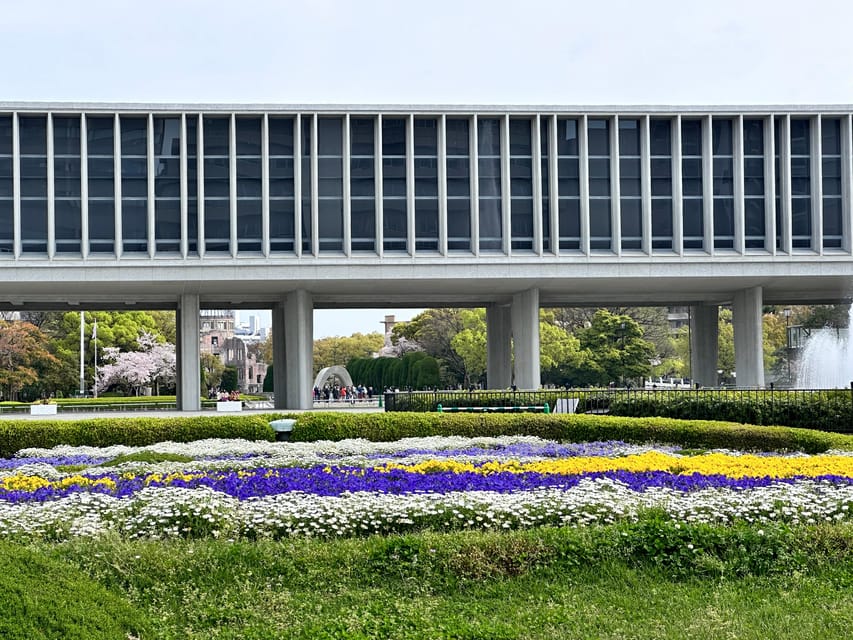
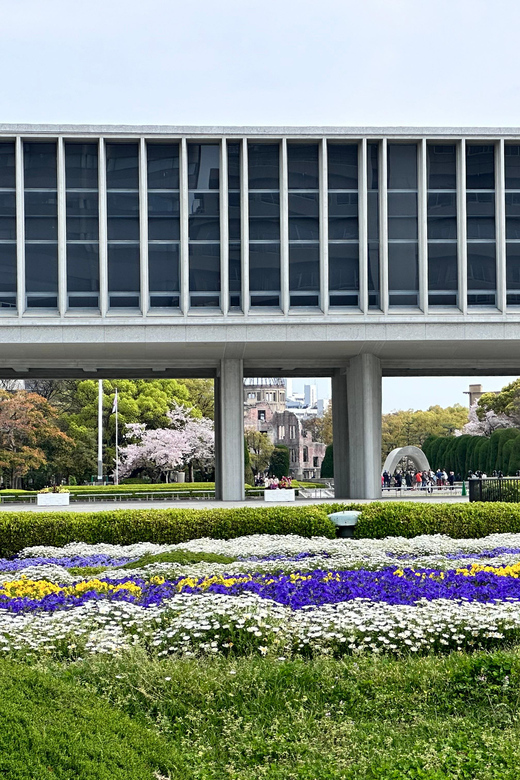
You begin near the Peace Memorial Museum at 1-2 Nakajimacho, close to the museum taxi stand. That location is practical because it puts you in the heart of the memorial district from the first minute. You do not spend the opening part of a short tour finding your way across the city.
The route then changes tone at Hiroshima Castle. After the sobering memorial district, the castle offers a look at another side of Hiroshima: samurai life, swords, helmets, and the city’s older culture. That contrast matters. Hiroshima is not only a place defined by 1945, and the final stop helps place the tragedy within a longer story.
The tour costs $67 per person. I consider that a fair price if you want interpretation and conversation rather than a self-guided visit. The museum ticket and guide are included, and traditional snacks add a small local touch. You still need to pay for castle admission, and the optional museum audio guide is also extra.
If you already plan to read every museum panel on your own, the price may feel less attractive. If you want someone to explain the symbolism in Peace Park, answer questions, point out overlooked buildings, and adjust the pace, the fee makes more sense.
More war and memorial museums in Japan:
- Hiroshima: Tour of Atomic Bomb Dome & Peace Memorial Museum
★ 5.0 · 20 reviews - 9/11 Memorial Museum Admission Ticket
★ 4.5 · 6,376 reviews - Caen: Guided D-Day Sites Tour & Caen Memorial Museum Ticket
★ 4.8 · 498 reviews
Inside the Peace Memorial Museum
The museum is the emotional center of the experience. You receive about one hour here, including the included admission ticket. That saves you a separate ticket purchase and, according to the activity details, lets you skip the ticket line.
Expect difficult material. The exhibits depict the suffering caused by the atomic bomb, including the destruction of the city and the effects on civilians. This is not a light sightseeing stop, and you should prepare yourself before entering. The activity specifically advises asking about the content beforehand if you are concerned about shocking images.
A guide can help you understand the exhibits without turning the visit into a lecture. Several guides are praised for explaining the history clearly, answering questions, and giving visitors time to read on their own. That balance is important. You should not be hurried through a subject that may require pauses.
The museum visit also benefits from the walking route around it. Inside, you learn about the bomb and its human cost. Outside, the guide can connect those displays to the actual ground around you. That movement from exhibit to street gives the information a physical scale.
One hour is useful, but it is not enough for every display at a slow pace. If you read every panel carefully, you may need to choose what matters most. One family noted that their guide allowed time to read and adjusted the pace, which is exactly what you should request if you need longer in the museum.
The optional audio guide is not included. In most cases, a live guide makes this tour’s audio add-on less necessary, since you can ask questions directly. Still, the museum audio may appeal to you if you want extra detail while exploring independently.
Walking through Peace Memorial Park
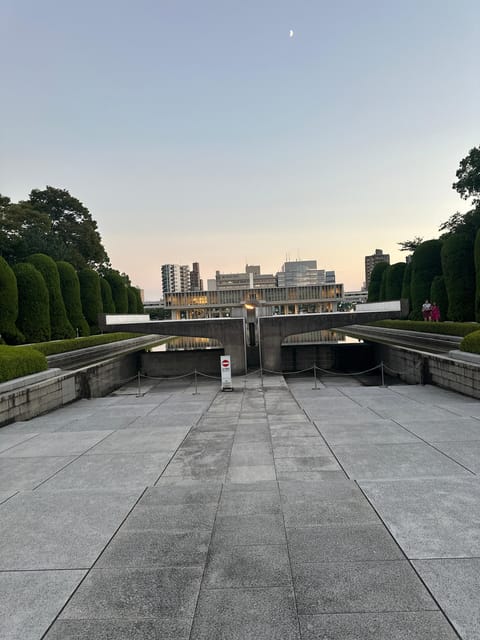
The Peace Memorial Park receives about an hour, with guided explanation and time for photographs. This is where the tour moves from the museum’s objects and personal accounts to the wider meaning of the memorial district.
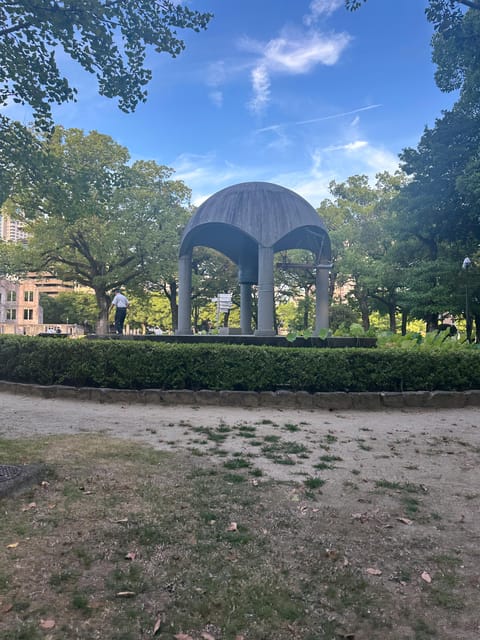
Your guide explains the thoughts behind the memorial monument and the significance of the park’s major sites. The goal is not just to identify each structure. You learn how the memorials express grief, remembrance, and a hope for peace.
This part is especially valuable if you are visiting Hiroshima for the first time. The park can feel simple at a glance: open paths, monuments, water, and broad views. A guide helps you understand why each place matters and how the memorial area relates to the bombing.
The strongest part of this stop is the chance to ask questions as they arise. Guides have explained the bombing, its aftermath, and the city’s recovery while walking, rather than treating the park as a silent photo stop. Maria, in particular, is praised for giving detailed explanations while also allowing visitors time to take in the site.
The pace can be adapted. Families with children have received explanations suited to different ages, while other groups have spent longer on historical details. If the subject feels heavy, tell your guide. A thoughtful guide can give you space instead of filling every quiet moment with facts.
Traditional Hiroshima snacks are included during the experience. The information does not specify the exact snack or when it is served, so do not treat it as a meal. You will need to cover your own food and drink bill.
The Atomic Bomb Dome and the hypocenter
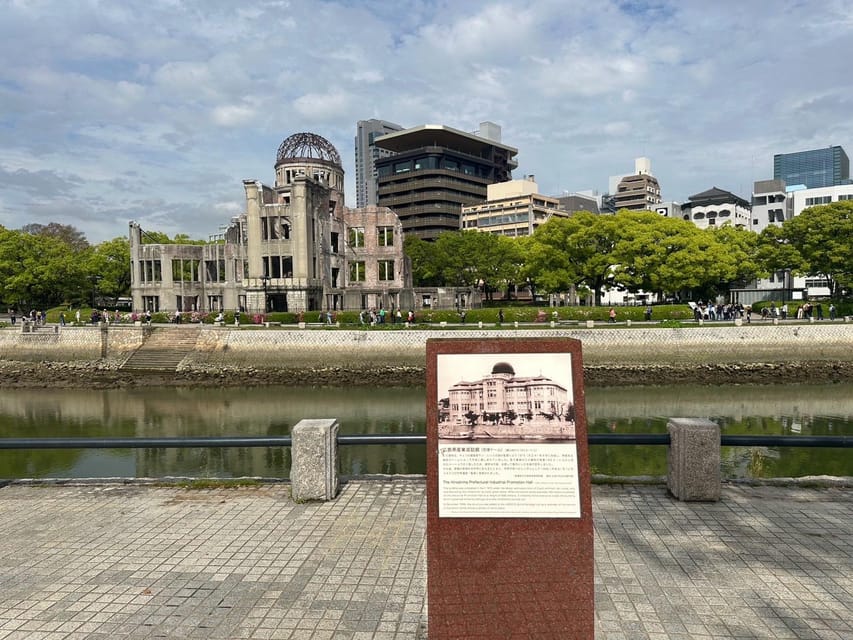
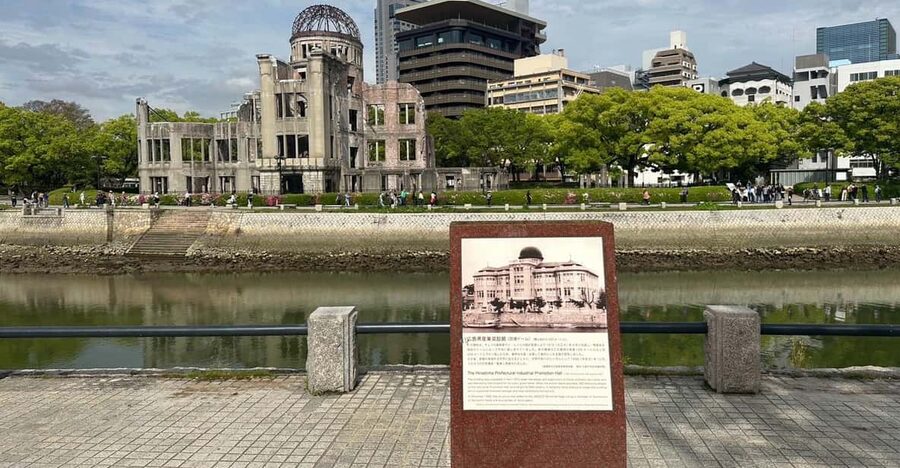
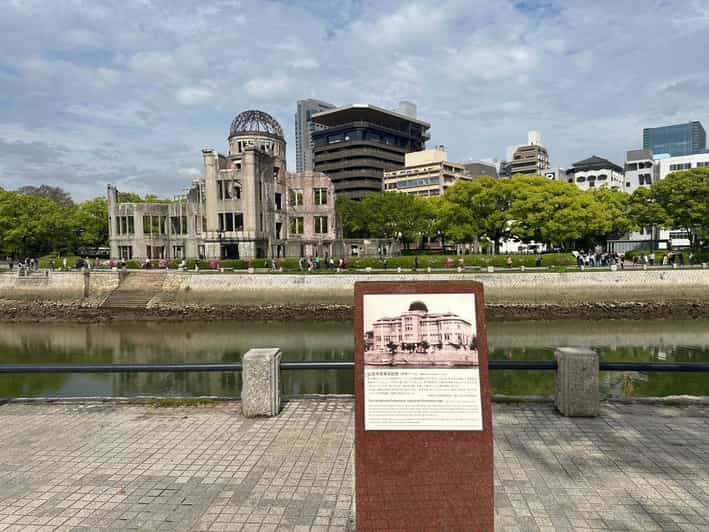
The Atomic Bomb Dome receives about ten minutes, with guided explanation and time for photographs. It is a short stop, but its role in the route is powerful. The damaged structure gives you a direct visual link to the blast and to the buildings that remained after the city was destroyed.
The tour also covers the hypocenter, the point directly below the atomic explosion. This is one of the most important parts of the walk because it shifts the story from a distant historical event to a specific place in the city.
Do not expect a long stop at the Dome. Ten minutes is enough for an explanation and photographs, but not for an extended study. The value comes from the guide’s context and from seeing the structure as part of the surrounding memorial district.
Some guides also take visitors to less familiar surviving or damaged buildings. Specific examples described during the experience include a school, a bank where only one employee survived, and a hospital. These stops may depend on your guide and the time available, so treat them as possible additions rather than guaranteed fixed points.
I find this aspect especially useful because it broadens the story. The Dome is famous, but a school or bank can make the bombing easier to picture as a disaster that struck workplaces, classrooms, and ordinary routines. It brings daily life into a history that can otherwise feel abstract.
A few more museum visits around Japan worth comparing
- Tokyo: teamLab Planets TOKYO Digital Art Museum Entry Ticket
★ 4.6 · 9,779 reviews - Osaka Castle: Museum and Tower Entry Ticket
★ 4.5 · 2,380 reviews - Tokyo: Samurai Ninja Museum Guided tour and Experience
★ 4.6 · 1,010 reviews - Kyoto: Tea Museum Tickets and Matcha Grinding Experience
★ 4.9 · 739 reviews
The short walk to Hiroshima Castle
After the Atomic Bomb Dome, you walk for about ten minutes toward Hiroshima Castle. Wear comfortable shoes, as the tour is entirely on foot and includes the museum, park, memorial sites, and castle grounds.
The castle segment lasts about forty minutes and includes guided sightseeing, photographs, and an explanation of samurai life. You can see items such as swords and helmets, along with displays connected to Hiroshima’s earlier history and culture.
This change of subject is one of the tour’s strengths, but it may not satisfy every castle enthusiast. One person felt that there was not much of interest at the castle itself, while other groups appreciated the chance to see a different side of the city. Your enjoyment will depend on what you want from the final forty minutes.
If your priority is strictly the atomic-bomb history, the castle may feel like a side trip. If you want a broader introduction to Hiroshima, it provides useful balance. The tour does not leave you with the impression that Hiroshima began and ended in 1945.
Castle tickets are not included, so factor that into the final cost. The museum ticket is covered, but the two admission arrangements are different. Ask your guide about the castle entrance during the tour if you are unsure how to proceed.
The guides make the difference
The guide is the main reason to book this rather than walk the same route alone. The strongest feedback consistently points to clear explanations, patience, warmth, and the ability to respond to different interests.
Maria is praised for detailed historical explanations, clear English, local food suggestions, and a flexible pace. She has also taken groups to less familiar places connected with the bombing, including a school, bank, and hospital. Families found that she could make the subject suitable for children of different ages.
Ihsan is described as friendly, engaging, and able to adjust his content to the conversation. Leo has been praised for answering questions about World War II, learning about the group’s interests, and shaping the tour around them. Mehak is noted for her lively manner and careful explanation of the bombing and aftermath.
Bilal and Ali have also been praised for strong historical knowledge and extra time in some cases. Do not assume that extra time is guaranteed, but these examples suggest that guides may show flexibility when circumstances allow.
The advertised languages are English, Hindi, Malay, and Urdu. You should select the language that suits your group when checking availability. English-language communication is frequently highlighted, but guide assignments can change.
The experience appears to work particularly well for families, older children, and people who want conversation. It is less suited to anyone seeking a silent, independent museum visit or a purely architectural castle tour.
Practical details that affect your day
The advertised duration is three hours. That is enough for a strong introduction, but not enough to inspect every museum display, memorial, and castle exhibit at length. Plan to return later if the museum becomes a major focus of your Hiroshima visit.
Wear comfortable clothes and shoes. The route is walked outdoors, and the experience includes several stops rather than one seated presentation. Summer heat, rain, or tired children could affect your pace, so keep your schedule after the tour reasonably open.
The meeting point is the taxi stand near the Peace Memorial Museum. Confirm the exact meeting instructions before setting out, especially if you are arriving by taxi or public transportation.
Free cancellation is available up to 24 hours before the start for a full refund. You can also reserve now and pay later, which is useful if your Japan itinerary is still changing.
There is conflicting accessibility information. The activity details describe the tour as wheelchair accessible, but the restrictions also say it is not suitable for wheelchair users. Contact the provider before booking if anyone in your group uses a wheelchair. Do not rely on the general accessibility label without confirming the exact route and castle access.
The experience is not suitable for people over 95 according to the stated restrictions. That rule is unusual, so confirm it directly if it affects someone in your party.
Who should book it
I would choose this tour if you have limited time in Hiroshima and want the major peace sites explained in a clear order. It is also a good fit if you worry that the museum and memorials may feel confusing or emotionally difficult to process alone.
Families can benefit from the guide’s ability to adjust language and pace. The same is true for mixed-age groups, since children may need simpler explanations while adults want more detail about World War II and the city’s recovery.
You should also consider it if you want more than the standard route. The possible visits to a school, bank, hospital, or other damaged buildings add a human scale that the best-known monuments cannot provide on their own.
I would skip it if you want several hours inside the museum, dislike guided conversation, or have little interest in Hiroshima Castle and samurai culture. The tour gives you an overview, not an exhaustive study of every stop.
Is the Hiroshima Castle and Peace Museum tour worth $67?
For most first-time visitors, yes. The included museum ticket, live guide, walking route, cultural context, and traditional snack make the price reasonable, especially when a guide helps you understand what you are seeing rather than simply pointing it out.
The value depends heavily on the guide and on your expectations. Maria, Ihsan, Leo, Mehak, Bilal, and Ali have all received strong praise for their explanations and personal attention, but you cannot request a particular guide unless the provider confirms that option.
Book it when you want a thoughtful introduction to Hiroshima’s past and present, with the flexibility to ask questions. Just allow for the extra castle ticket, prepare for disturbing museum exhibits, and remember that three hours will give you a meaningful overview rather than every detail.
FAQ
How long does the Hiroshima tour last?
The tour lasts three hours.
What sights are included?
The route includes the Hiroshima Peace Memorial Museum, Peace Memorial Park, the Atomic Bomb Dome, the hypocenter, and Hiroshima Castle.
Is the Peace Memorial Museum ticket included?
Yes. The Peace Memorial Museum admission is included, and the activity states that you can skip the ticket line.
Is Hiroshima Castle admission included?
No. Castle tickets are not included in the tour price.
Is the museum audio guide included?
No. The optional Peace Memorial Museum audio guide costs extra.
What languages are available?
Live guides are available in English, Hindi, Malay, and Urdu.
What should I wear?
Wear comfortable clothes and walking shoes, since the experience takes place on foot.
Can I cancel for a full refund?
Yes. You can cancel up to 24 hours before the activity for a full refund.
Just added around Japan
- Skip the lines Basic Ticket at SAMURAI NINJA MUSEUM TOKYO★ 5.0 · 470 reviews
- Tokyo: Mt. Fuji, Owakudani, Hakone Shrine, & Open-Air Museum★ 4.7 · 25 reviews
- Private Tour Through the Tokyo National Museum & Ukiyo-e★ 4.7 · 17 reviews
- Samurai Ninja Museum Asakusa: Kid-Friendly Ninja Training★ 4.7 · 67 reviews
- Tokyo National Museum Private Tour★ 4.9 · 28 reviews
- Tokyo: Art Aquarium Museum GINZA Entry Ticket★ 4.5 · 278 reviews
- Tokyo: Kichijoji Gourmet Tour with Lunch★ 4.5 · 40 reviews
- Samurai Ninja Museum Asakusa: Samurai Sword Lesson & Tour★ 4.8 · 306 reviews
War and Memorial Museums, compared.

Caen: Guided D-Day Sites Tour & Caen Memorial Museum Ticket
Read our review →

Caen: Memorial Museum Entry Ticket & Optional Audio App
Read our review →
Browse the lists this tour appears in