

Review · WAR AND MEMORIAL MUSEUMS
Ottawa: Canadian War Museum Admission
The Canadian War Museum is not simply a hall of tanks and uniforms. Its building is part of the story. Designed by Raymond Moriyama, the rough concrete, uneven floors, and windows spelling Lest We Forget / N’oublions jamais in Morse code acknowledge the damage caused by war while pointing toward renewal. I especially like the way the architecture prepares you for the exhibits, and the Memorial Hall gives the visit a quiet, human center.
I also like the museum’s balance of huge objects and small personal details. One room may hold armored vehicles and artillery, while the next brings you close to family photographs, letters, medals, or a veteran’s account. The main consideration is time: two hours gives you a worthwhile visit, but six to eight hours may be needed if you want to read and see nearly everything.
Key points to know before you go
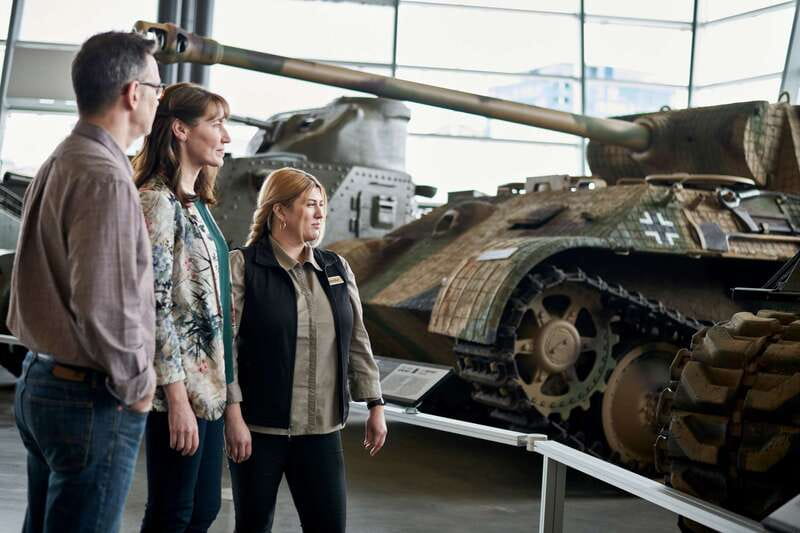
- The building tells its own story: Rough walls, sloping or uneven surfaces, and coded windows connect the structure to memory, loss, and hope.
- The galleries follow Canada through war: You can move from early conflicts in Canada through the First and Second World Wars to more recent military operations.
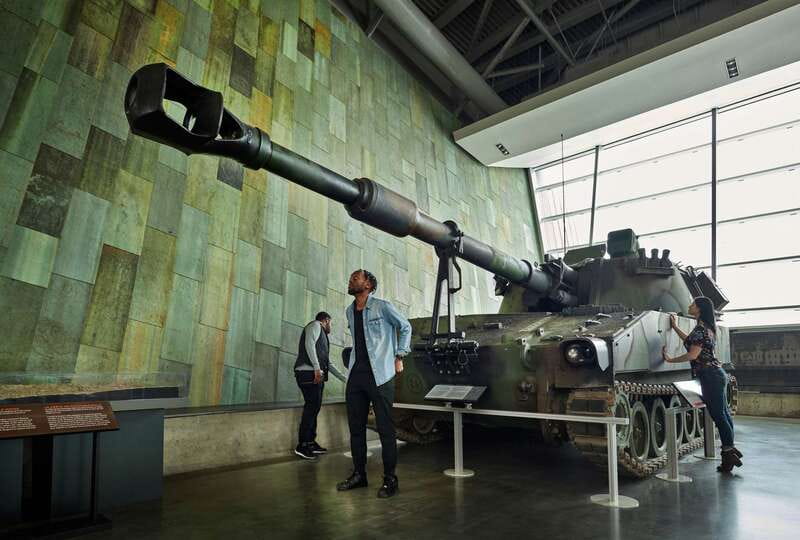
- The LeBreton Gallery is a major draw: Large tanks, artillery pieces, and military vehicles give the collection real scale.
- Memorial Hall encourages silence: The headstone of Canada’s Unknown Soldier creates one of the museum’s most affecting moments.
- Personal stories carry the history: Family accounts, service memories, photographs, art, and interactive displays keep the visit from becoming a list of dates.
- Plan more time than you expect: Two hours works for a brisk visit, but a full day is reasonable for close reading and special exhibitions.
A museum where the architecture starts the conversation
At 1 Vimy Place, the Canadian War Museum sits within easy reach of downtown Ottawa by foot, bicycle, public transit, or car. Once inside, go directly to the exhibition access point rather than waiting at the Museum Box Office.
Before you reach the first major gallery, notice the structure around you. Moriyama’s design does not treat the museum as a neutral container. Concrete surfaces feel unfinished and sturdy. Floors are not perfectly even. Light enters in controlled ways. The Morse code message in the windows is easy to miss if you hurry, but it is worth finding.
The theme is regeneration. That does not soften the subject of war. Instead, it places military history inside a wider question: how do people and societies recover after violence? You begin thinking about that question before you read a single label.
The design also gives the museum a serious mood without turning every room into a memorial. There is space for large displays, family activities, temporary exhibitions, and striking machines. The result is a place that can work for a first-time history student, a military enthusiast, or someone who simply wants to understand Canada’s past more clearly.
More war and memorial museums in Canada:
- 9/11 Memorial Museum Admission Ticket
★ 4.5 · 6,376 reviews - Caen: Guided D-Day Sites Tour & Caen Memorial Museum Ticket
★ 4.8 · 498 reviews - Amsterdam: National Holocaust Museum Entry Ticket
★ 4.7 · 413 reviews
Start with the galleries and follow the Canadian story
The permanent galleries are arranged around Canada’s military history, from early conflicts in Canada to contemporary conflicts. A logical route takes you through the chronology, though staff can help if you are unsure where to begin.
That order matters. Canada’s military story can be unfamiliar even to Canadians. The displays show how the country’s armed forces developed and how military events affected families, communities, politics, and national identity. You are not only looking at battles. You are seeing the human and material cost of decisions made far from home.
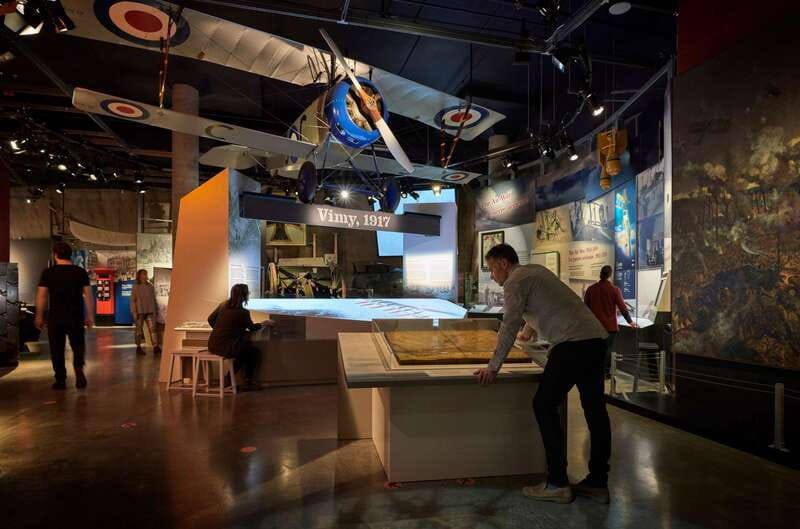
The museum uses thousands of objects, photographs, works of art, personal stories, and interactive presentations. This variety helps prevent the galleries from becoming a wall of text. A uniform shows what a person wore. A letter suggests what that person feared or missed. A vehicle reveals the size and force of modern warfare. A work of art can communicate something a formal report cannot.
You will find displays from major wars as well as more recent conflicts and service. The scale changes as you move through the rooms, and that change is useful. It helps you connect broad events with the people who lived through them.
If you have only two hours, choose the periods most important to you and accept that you will not see every label. A previous visitor found the four-part chronological arrangement easy to follow, but wished for more time. Starting with the Second World War is another practical option if that era matters most to you.
The LeBreton Gallery brings the machines into view
The LeBreton Gallery is the museum’s big physical payoff. It contains large artillery pieces, armored vehicles, tanks, and other military equipment. Even if you are not a military specialist, the size of these objects changes your understanding of the exhibits.
Photographs flatten machines. A tank in a photograph can seem like a simple shape. Standing near the real vehicle, you notice its height, weight, cramped openings, and heavy construction. The collection is particularly strong in armored vehicles and tanks, making this section a good reason to visit even if you plan only a short stop.
Families often find the gallery an easy place to keep younger visitors interested. The objects are immediately legible. You do not need to understand every technical detail to see how demanding it was to operate or maintain them.
Still, the machinery should not become the whole visit. The museum’s strongest moments come when you connect the vehicles with the people and events explained in the galleries. The tank is impressive, but the surrounding story tells you what it was built for, who used it, and what its presence meant.
One useful strategy is to see the LeBreton Gallery after you have visited at least part of the chronological galleries. The machines then carry more meaning. You recognize them as tools within a particular period rather than as isolated pieces of hardware.
Memorial Hall and the spaces built for reflection
War museums can easily become collections of equipment. The Canadian War Museum makes room for silence.
Memorial Hall contains the headstone of Canada’s Unknown Soldier. Standing there is a different experience from reading a panel or examining a weapon. The space asks you to pause and think about the many people represented by one unidentified individual.
The hall is especially effective because the visit has already given you names, dates, objects, and personal accounts. After the activity of the galleries, this small act of remembrance feels direct. You do not need a long explanation to understand the purpose.
The Moriyama Regeneration Hall adds another reflective space, and the Royal Canadian Legion Hall of Honour also honors service and sacrifice. These areas are not quick photo stops. Give yourself a few quiet minutes, particularly if you are visiting with children and want to explain why museums preserve difficult memories.
Some material here may be upsetting. The museum deals with loss, injury, fear, and the effects of service after a conflict ends. Parents can use the chronological displays and personal stories to guide the visit at a suitable pace. The museum is welcoming to all ages, but it is not a light entertainment attraction.
A few more museum visits around Canada worth comparing
- Toronto: Royal Ontario Museum Admission Ticket
★ 4.6 · 1,237 reviews - Royal Ontario Museum Admission
★ 4.5 · 411 reviews - Toronto: Art Gallery of Ontario General Admission Ticket
★ 4.6 · 251 reviews - Britannia Mine Museum General Admission
★ 5.0 · 233 reviews
Personal accounts make the history feel close
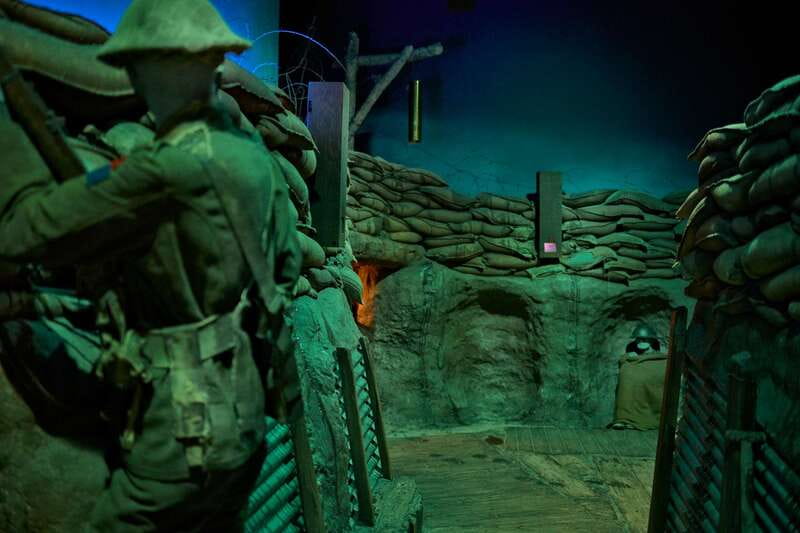
The museum’s most valuable feature is the connection between major events and individual lives. Personal objects, family stories, photographs, uniforms, medals, and recorded or written accounts show what military service meant beyond the battlefield.
A recent exhibition called In Their Own Voices focused attention on the struggles people faced after war and after military service. That subject is important because the end of a conflict does not necessarily end its effects. Recovery, family life, memory, and readjustment can last for decades.
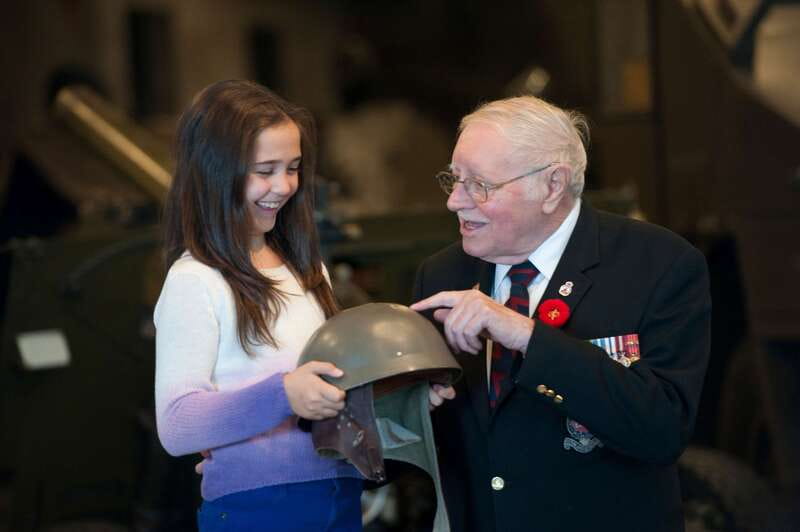
You may also have the chance to speak with a veteran, depending on the museum’s programming that day. The possibility is worth noting because a conversation with someone who served can change the tone of a visit. Instead of history feeling distant, it becomes something connected to a living person’s memory.
The Beaverbrook Collection of War Art adds another angle. Art can record atmosphere, fear, exhaustion, and daily life in ways that official military records cannot. The museum’s holdings also include uniforms, medals, small arms, rare books, archives, vehicles, and artillery, so you can approach the subject through both personal and institutional evidence.
The best approach is to slow down at items that catch your attention. Read the label beside the object, then look for the person or event behind it. You will remember a few individual stories more clearly than a long list of campaigns.
Special exhibitions and changing reasons to return
Along with the permanent galleries, the museum presents temporary exhibitions. These can focus on the First or Second World War, art made by women in conflict zones, personal testimony, or other subjects connected to military history.
This changing program gives repeat visitors a reason to return. It also means that the exact content of your visit may differ from someone else’s. If you have a particular interest, check the current exhibitions before setting aside your time.
Special exhibitions can also provide a useful break from the main chronology. After moving through large historical periods, a focused display lets you consider one theme in more detail. That may be a person’s experience, a type of artwork, or the impact of conflict on a specific group.
The admission includes access to the permanent galleries and special exhibitions, so you do not need to choose between the main collection and the temporary displays. With only two hours, you may need to make choices. With half a day or a full day, you can give both proper attention.
How long should you plan for?
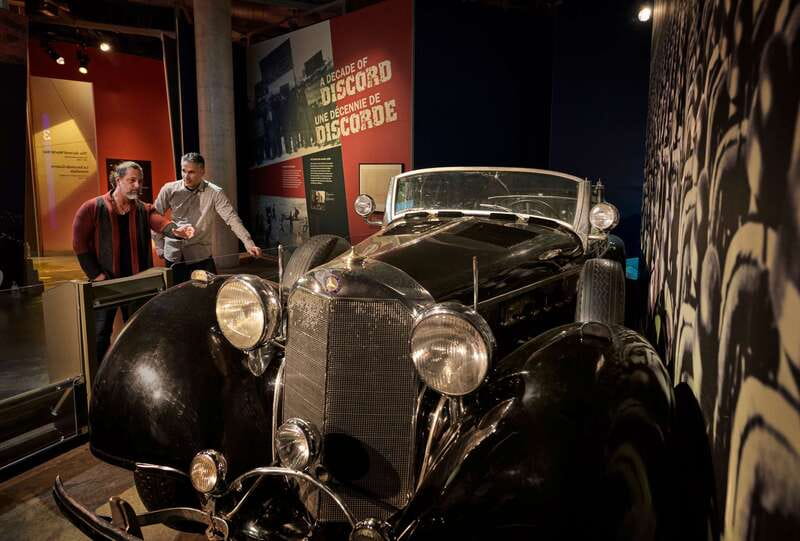
Treat the stated one-day validity as permission to take your time, not as a promise that you need to spend an entire day inside. Two hours is enough for a focused first visit. Three or four hours gives you a better chance to follow the galleries and see the major vehicles.
If you read carefully, watch interactive material, pause in the memorial spaces, and visit special exhibitions, six to eight hours is possible. That length suits serious history fans and returning visitors more than families with very young children.
Wear comfortable shoes. The museum is large, and the amount of standing and walking adds up. A self-serve coat check is included, which is handy if you arrive with outerwear. Food and drinks are not allowed in the museum areas, and they are not included with admission.
Allow extra time if you are visiting Ottawa during a busy sightseeing day. The museum is easy to reach from central Ottawa, but you will get more from it if you do not squeeze it between several rushed stops.
Price, access, and practical value
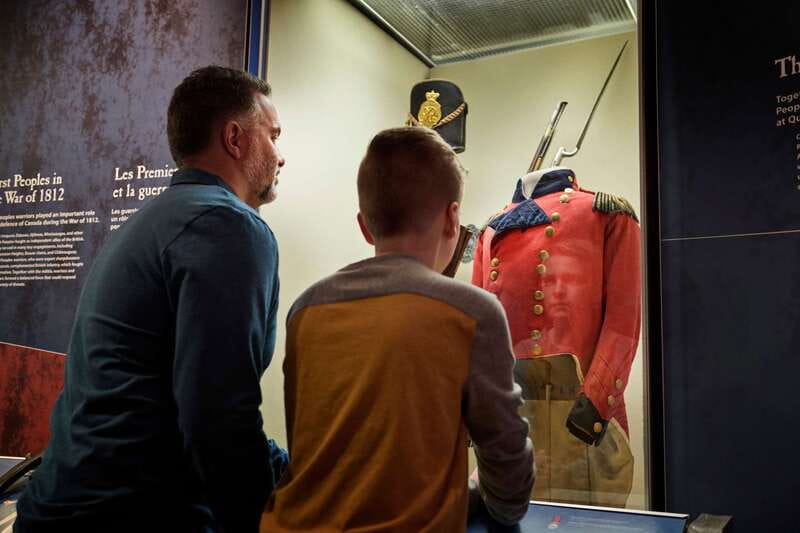
Admission is listed at $18 per person. For a national museum with permanent galleries, special exhibitions, large military vehicles, art, archives, and interactive presentations, that is a fair price if you can give the visit at least two or three hours.
The value improves if you stay longer. A quick walk through the tanks alone may not justify the cost for every person, but the full experience includes the architecture, the chronological galleries, personal stories, memorial spaces, and changing exhibitions.
It is worth comparing the current direct museum price with the price of any booking platform before you pay. One purchaser found that booking directly could have saved money on two tickets. The booking option does offer free cancellation up to 24 hours before the visit and lets you reserve now and pay later, so flexibility has value too.
The museum is wheelchair accessible. Children and youth aged 17 and under receive free general admission under the Canada Strong Pass dates listed for December 12, 2025 through January 15, 2026. Young adults aged 18 to 24 receive 50 percent off during that period, with proof of age possibly required. These discounts do not apply to group bookings, summer camps, or birthday parties.
Smoking, food, drinks, and pets are not allowed. Assistance dogs are permitted.
Who will get the most from this visit?
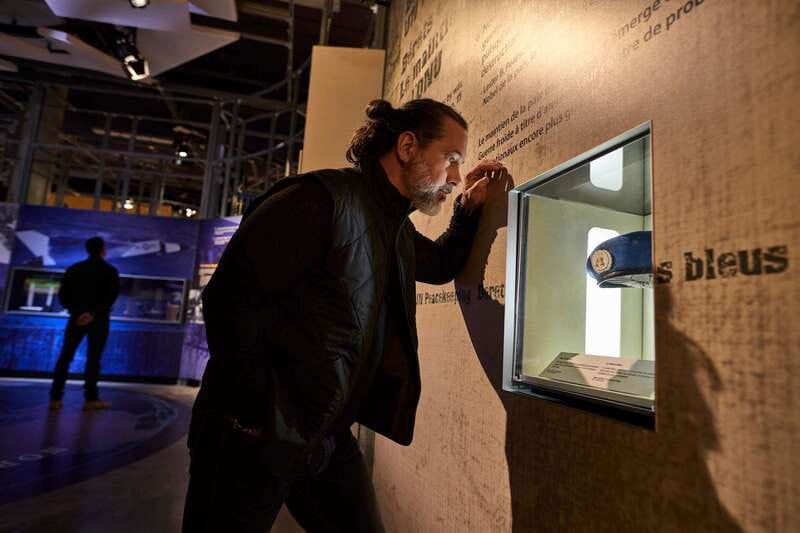
I would recommend the museum to anyone who wants more than a quick Ottawa attraction. It suits adults interested in Canadian history, families with school-age children, veterans and military families, art lovers, and visitors who want a thoughtful indoor activity.
It is also a strong choice if your knowledge of Canada’s military past is limited. The chronological layout and clear range of objects make the subject easier to follow. You can learn without arriving with specialist background.
Military enthusiasts may want to allow the full day, particularly for the armored vehicle collection, artillery, archives, art, and temporary exhibitions. Families should plan a shorter route with room for breaks. The large vehicles provide an immediate hook, while the personal stories offer a chance to talk about service, sacrifice, and memory.
I would not choose it for a rushed one-hour gap in your schedule. You could see a few highlights, but the museum rewards patience. The lighting in some exhibits has been found less than ideal, so readers may need to slow down to read certain labels.
Should you book the Canadian War Museum?
Yes, if you have at least two hours and want to understand Canada through the people, equipment, and conflicts that shaped its past. The tanks and artillery make an immediate impression, but the personal accounts and Memorial Hall give the visit its lasting weight.
Book it as a major Ottawa stop rather than a quick add-on. Compare direct admission prices, bring comfortable shoes, and give yourself extra time for the galleries and special exhibitions. If you prefer fast sightseeing, focus on the chronological route, LeBreton Gallery, and Memorial Hall. If you want a fuller visit, set aside half a day or more.
The museum is at its best when you allow the machines to attract you, then follow the stories that explain what they meant.
FAQ
Where is the Canadian War Museum?
The museum is at 1 Vimy Place in Ottawa, Ontario, Canada.
How much does admission cost?
Admission is listed at $18 per person.
How long is admission valid?
Admission is valid for one day.
How much time should I allow for a visit?
Allow at least two hours for a focused visit. Six to eight hours may be useful if you want to read and examine nearly everything.
What does admission include?
Admission includes access to the permanent galleries, special exhibitions, and a multilingual museum guide.
Is the museum wheelchair accessible?
Yes, the Canadian War Museum is wheelchair accessible.
Is parking included?
No. Parking is not included with admission.
Can I bring food or drinks inside?
No. Food and drinks are not allowed inside the museum.
Are children admitted for free?
Children and youth aged 17 and under receive free general admission during the Canada Strong Pass period listed from December 12, 2025 through January 15, 2026.
Can I cancel my booking?
Yes. You can cancel up to 24 hours in advance for a full refund. A reserve now and pay later option is also available.
Just added around Canada
- Toronto: Bata Shoe Museum Entrance Ticket★ 4.7 · 133 reviews
- Toronto: Museum of Illusions Entry Ticket★ 4.0 · 31 reviews
- Toronto: Royal Ontario Museum Special Exhibits Voucher★ 4.7 · 65 reviews
- Sydney: Highland Village & Bell Museum Cruise Excursion★ 4.7 · 20 reviews
- Royal B.C. Museum in Victoria: Full-Day Admission Ticket★ 4.3 · 17 reviews
- Quebec City: MNBAQ National Fine Arts Museum Entry Ticket★ 4.6 · 63 reviews
- Ottawa: Canadian Museum of Nature Admission★ 4.6 · 226 reviews
- Montreal: Museum of Illusions Entry Ticket★ 4.6 · 25 reviews
War and Memorial Museums, compared.


Caen: Guided D-Day Sites Tour & Caen Memorial Museum Ticket
Read our review →

Caen: Memorial Museum Entry Ticket & Optional Audio App
Read our review →
Hiroshima; Hiroshima Peace Memorial Museum and Castle Tour
Read our review →
Browse the lists this tour appears in