
Review · AMSTERDAM
Amsterdam: National Holocaust Museum Entry Ticket
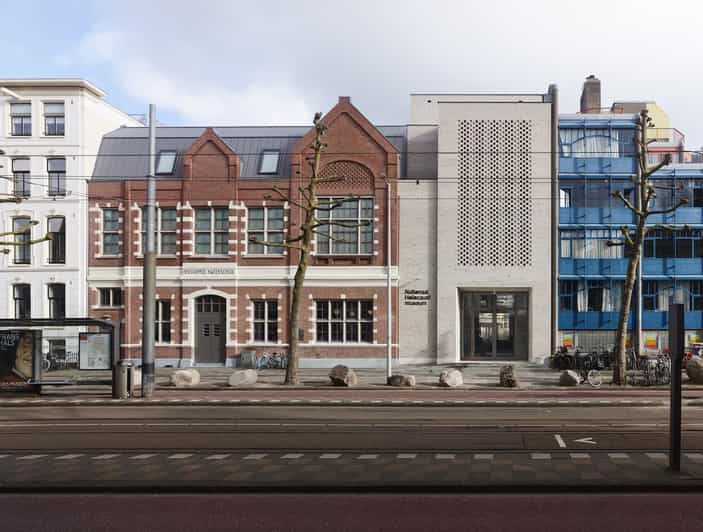
The most powerful part of this visit is the building itself. The former Hervormde Kweekschool once stood beside a daycare used by the Nazis as a holding point for Jewish children. From here, teacher and resistance worker Henriëtte Pimentel helped hundreds of children escape. I like the personal scale of the displays and the way the museum connects ordinary Dutch life with the machinery of persecution. I also like that your ticket includes Hollandsche Schouwburg, giving you a second place to think about this history.
This is not a quick stop between Amsterdam canals. The museum contains a great deal to read, hear, and watch, so I would allow at least several hours. Some displays can be crowded, the route is not always easy to follow, and reflective glass makes a few objects hard to see. Still, the subject is handled with care and directness.
Key points to know before you go
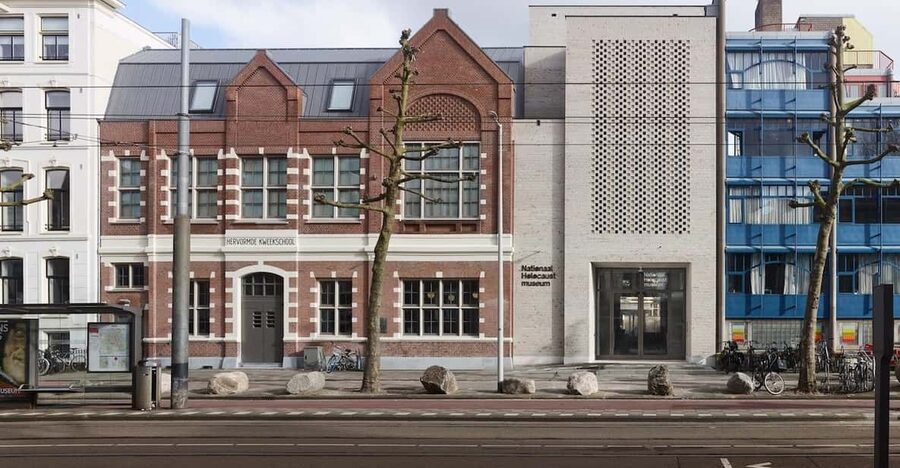
- The Hervormde Kweekschool is part of the story: This former school helped some Jewish children escape after the nearby daycare became a deportation point.
- Your ticket covers two sites: Entry includes both the National Holocaust Museum and Hollandsche Schouwburg National Holocaust Memorial.
- Plan a half-day visit: There is enough material to keep you reading and listening for hours.
- Expect a personal presentation: Portraits, testimonies, artifacts, audio material, and interactive holograms give victims recognizable faces.
- The Dutch story is central: The museum explains Jewish life before the war, Nazi persecution, liberation, and the place of the Holocaust in Dutch memory.
- The ticket remains valid for seven days: You do not have to force both sites into one rushed visit.
Entering a former school with a painful past
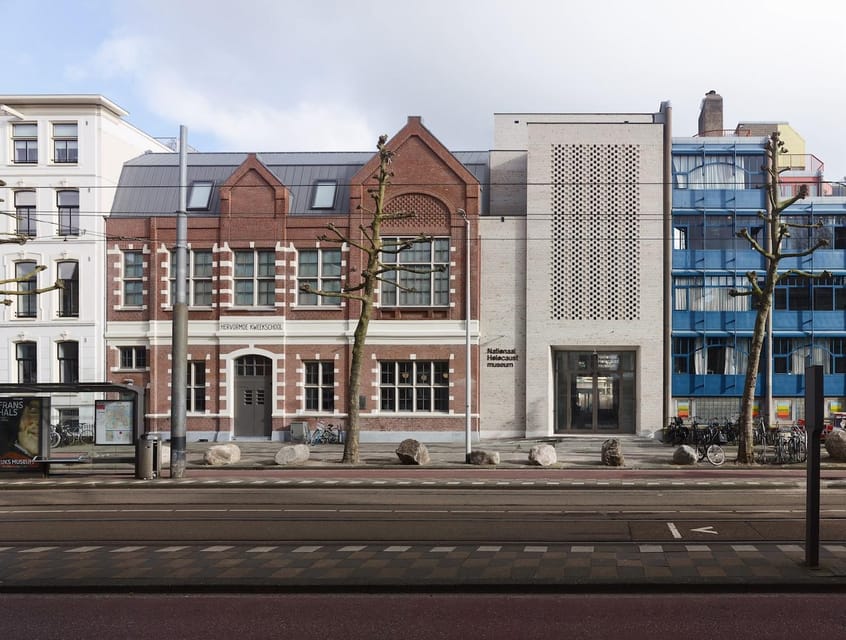
Amsterdam has many museums, but this one asks you to begin with a place that was once part of everyday civic life. The Hervormde Kweekschool was a school for teacher training. During the occupation, its location beside a Jewish daycare gave it an unexpected role in rescue efforts.
The nearby daycare became a gathering and deportation point for Jewish children. Henriëtte Pimentel, who directed the daycare, helped hundreds of children escape, including through the Kweekschool. That detail changes the way you read the rooms. You are not simply looking at an institution from the past. You are standing in a building tied to both danger and resistance.
I find this setting especially important because it keeps the history grounded. The Holocaust can seem so vast that it becomes hard to picture daily choices. Here, the story moves through schools, families, children, paperwork, fear, and acts of courage. The building gives the museum a human scale before you have even reached the displays.
The presentation does not soften the facts. Around six million Jews were murdered across Europe by the Nazis, and approximately three-quarters of the Jewish population in the Netherlands was killed. The museum makes that loss clear while also showing the lives that existed before the persecution began.
More Museum Tours in Amsterdam
- Amsterdam: The Upside Down Museum Entrance Ticket
★ 4.4 · 9,506 reviews - Amsterdam: Red Light Secrets Museum Entry Ticket
★ 4.2 · 5,722 reviews - Amsterdam’s Weirdest Museum: Ripley’s Believe It or Not!
★ 4.5 · 4,920 reviews
Jewish life in the Netherlands before the war
One of the museum’s useful choices is to begin before the occupation. You see Jewish life in the Netherlands not as a short preface to tragedy, but as a full part of Dutch society.
Before the Second World War, Jews and non-Jews lived alongside each other with the same legal rights. That context matters. It shows that the people later targeted by the Nazis were not outsiders appearing from nowhere. They were neighbors, classmates, workers, parents, children, and citizens.
I always appreciate museums that give you this ordinary setting first. It helps you understand what was destroyed. The story is not only about deportation camps and murder. It is also about homes, customs, education, work, friendships, and family routines that were broken apart.
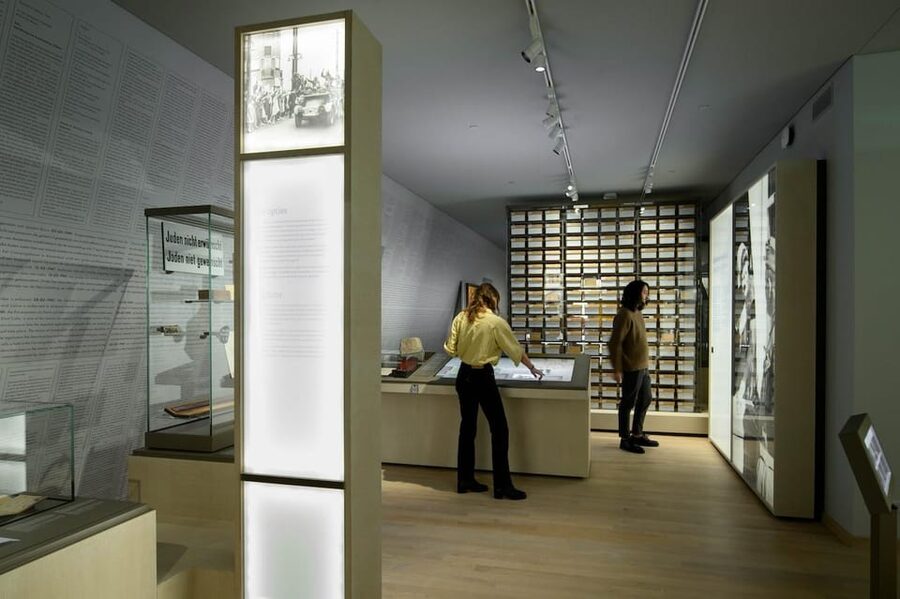
The displays use photographs, portraits, written explanations, and objects to make those lives more recognizable. You may find yourself spending longer with a single portrait or personal account than with a large wall of dates. That is part of the museum’s strength. The information is serious, but it is often carried by individual lives.
How persecution became a system
The museum also explains how persecution developed step by step. This is one of the most important parts of the visit, because the Holocaust did not begin with the final crime. It grew through rules, registration, exclusion, intimidation, removal, and deportation.
Clear explanations show how systems of control were put into place. That detail helps you see how a society can be pushed toward cruelty through repeated acts that may first appear administrative or limited. The museum does not treat Nazi policy as a sudden event detached from daily life.
You will encounter material about the persecution of Jews in the Netherlands during the occupation, along with evidence of the wider Nazi campaign. The tone is restrained rather than sensational. Photographs and text are used to explain what happened, not to turn suffering into spectacle.
This restraint makes the material harder, not easier, to dismiss. The museum gives victims names and faces where it can. Personal accounts bring you close to the effects of persecution without pretending that one story can represent everyone.
The rescued children and Henriëtte Pimentel
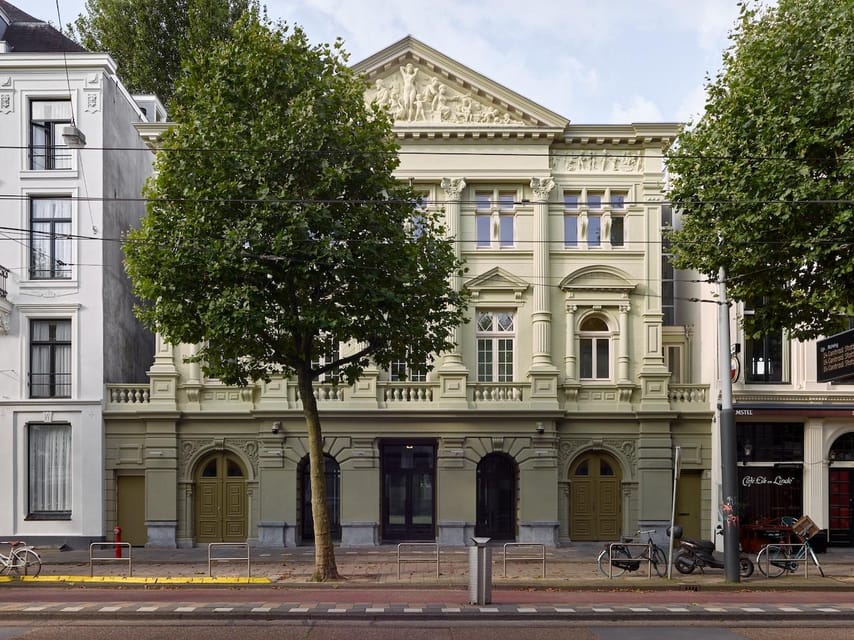
The story of the children held a special place in the former Hervormde Kweekschool. The adjacent daycare was used as a collection point before deportation, but the Kweekschool offered a route through which some children could be saved.
Henriëtte Pimentel’s work gives this section a clear human focus. Hundreds of children escaped through rescue efforts connected with the daycare and school. The museum does not use this story to cancel out the scale of the murder. Instead, it shows how individual choices mattered even within a system designed to remove hope.
You should give this section time. It is easy to move quickly through a museum when the subject is painful, but the children’s story benefits from patience. Read the accounts, look closely at the photographs and objects, and let the connection between the building and the events settle in.
The rescue story also avoids a simple version of history in which everyone was either heroic or cruel. The museum’s larger subject is how institutions and people behaved under occupation. That makes the story more useful, because it asks you to think about responsibility, fear, obedience, and courage.
More war and memorial museums in Amsterdam:
- Amsterdam National Holocaust Museum and Memorial Entry Ticket
★ 5.0 · 29 reviews - 9/11 Memorial Museum Admission Ticket
★ 4.5 · 6,376 reviews - Caen: Guided D-Day Sites Tour & Caen Memorial Museum Ticket
★ 4.8 · 498 reviews - Auckland War Memorial Museum Entry Ticket
★ 4.5 · 293 reviews
Audio material, holograms, and personal voices
The museum uses more than printed labels. Audio material adds personal accounts and explanations, and an audio guide can help you follow the displays at your own pace. The content is described as informative and well organized, though one visitor experienced some audio accounts switching from English to Dutch. If you rely on the audio guide, it is worth checking the language when an account begins.
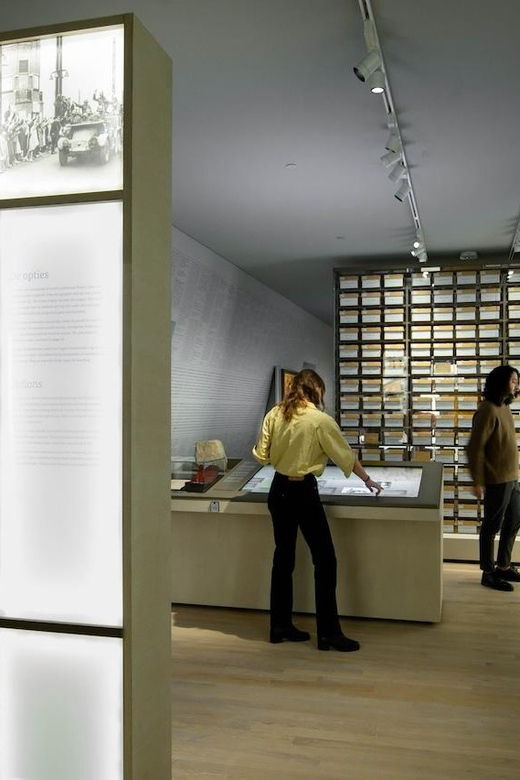
The interactive holograms are another memorable feature. They allow you to ask questions and receive answers from recorded figures. This can make the material feel direct, especially after you have spent time with dates and documents.
At the same time, interactive technology is not a replacement for the original objects and testimony. I would treat the holograms as one layer of the museum rather than the main reason to visit. The strongest effect comes from the combination of personal voices, historical explanation, and the actual setting.
The quantity of material is generous. You may leave feeling that you need another visit to absorb everything. That is not a flaw in the subject, but it does affect your planning. If you try to read every panel, hear every account, and study every object in one short stop, you may feel overloaded.
The objects and the way they are displayed
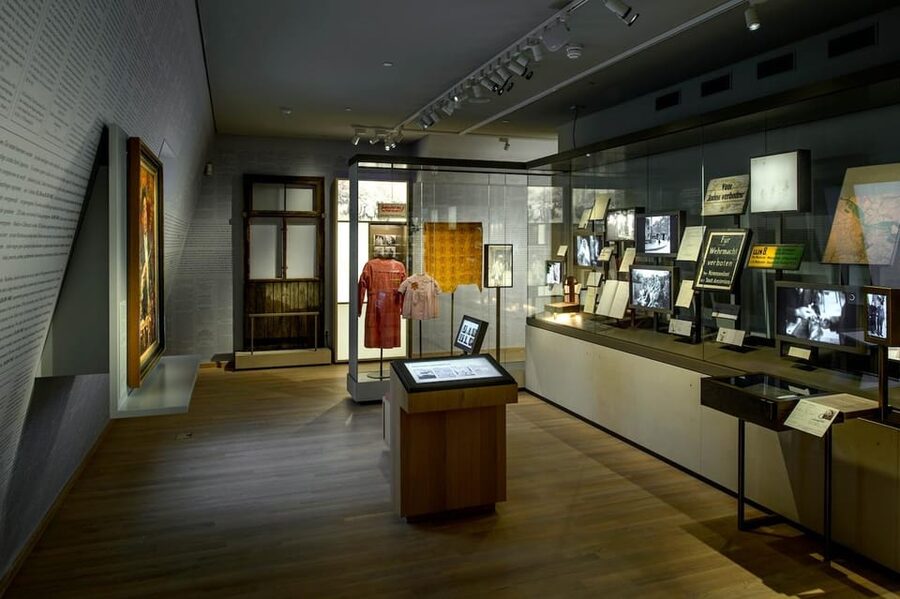
The exhibition includes artifacts, suitcases, portraits, photographs, and written accounts. Much of the display is clear and orderly, which helps when the subject is difficult and the information is dense.
There is one practical display issue to keep in mind. Reflective glass makes some objects difficult to see under the lighting. Suitcases and certain portraits can lose detail in the glare. This is a minor point beside the importance of the material, but it can be frustrating when you are trying to examine an object closely.
A few exhibits can also be viewed by only two people at a time. If the museum is busy, you may need to wait or move on and return later. Signage has also been described as less clear than it should be, so do not assume the route will always explain itself.
I would resist rushing because of these small problems. If a display is crowded, note its location and come back. The ticket remains valid for seven days from first activation, so you have some flexibility if your schedule allows a second visit.
Hollandsche Schouwburg adds another place to remember
Entry also includes Hollandsche Schouwburg National Holocaust Memorial. The two sites give you a wider view of the Dutch Jewish experience during the war.
The National Holocaust Museum focuses on persecution, Jewish life, rescue, and memory through its exhibitions in the former school. Hollandsche Schouwburg adds another memorial location connected with the deportation of Jews from Amsterdam. Visiting both helps you place the museum’s material within the city itself.
I like the fact that this is not sold as a single room with one viewpoint. The second site gives you another setting for reflection and makes the ticket more useful than a standard one-building admission.
You do need to manage your energy. A visit to two Holocaust sites can feel emotionally heavy, especially if you read and listen closely. I would not schedule this between several loud or crowded attractions. Give yourself quiet time afterward.
How long should you allow?
Although the ticket is valid for seven days, that does not mean the museum itself takes seven days to visit. It means you can use the admission during that period from your first activation, giving you the option to split the experience.
For one visit, I would set aside at least half a day. Several people have found there was so much to see and hear that a shorter visit felt incomplete. One person had to leave because the museum was closing, and another noted that the closing time arrived before they had finished the exhibition.
This is also a useful warning about late arrival. The ticket may be flexible across seven days, but a single afternoon visit still depends on the museum’s closing time. Do not arrive at the end of the day expecting to read everything.
The museum cafe is another practical plus. It gives you a place to pause after the galleries, though the supplied information does not specify its menu or prices. I would use the break to gather your thoughts rather than treating the museum as a quick stop.
Is the $24 price good value?
At $24 per person, the ticket costs more than many small Amsterdam attractions, but it covers two important sites and remains valid for seven days. The value is strongest if you plan to visit both places and allow enough time to use the audio material and exhibitions properly.
This is not a ticket to buy for a ten-minute look. You are paying for access to a substantial exhibition, a historically important building, personal accounts, artifacts, and the linked memorial at Hollandsche Schouwburg. If you spend several hours there, the price is reasonable for a major museum visit.
The value is also educational rather than entertaining. You are paying for context and careful presentation. That makes it a good choice for adults, older children, students, and anyone who wants to understand the Dutch experience of the Holocaust beyond a general outline.
It may not suit you if you want a light attraction or a fast introduction between other bookings. The subject demands attention, and the amount of material can be tiring. I would rather pay for this ticket and give the visit proper time than squeeze it into an already packed day.
Who will get the most from this visit?
I recommend the museum to anyone interested in Amsterdam’s wartime history, Jewish life in the Netherlands, or the way national memory is shaped after mass violence. It is also suitable for visitors who prefer a self-paced museum, since you can read, listen, and move through the displays without being tied to a fixed tour narrative.
Families should consider the age and temperament of their children. The story includes persecution, deportation, and murder, so it is not a casual family attraction. Older children who can engage with difficult history may find the material meaningful, but parents should decide how much detail is appropriate.
You should also visit if you value personal testimony. The museum repeatedly brings the story back to recognizable people rather than leaving it as a list of statistics. That approach can be emotionally demanding, but it is one of the reasons the visit stays with you.
The museum is wheelchair accessible. Photography is allowed, but use care and respect, especially around personal artifacts, portraits, and memorial spaces.
Should you book the National Holocaust Museum ticket?
Book it if you want a serious, well-presented account of Jewish life and persecution in the Netherlands, and if you can spare several hours. The former Hervormde Kweekschool, the story of Henriëtte Pimentel, the interactive holograms, and the included Hollandsche Schouwburg make this more than a routine museum admission.
Think twice only if your Amsterdam schedule is too tight or if you are looking for something light. The route can be unclear, some displays may be crowded, reflective glass affects a few objects, and the volume of material can overwhelm you.
For most visitors with the time and emotional space, I would book it. Use the seven-day validity to split the two sites if needed, arrive early enough to avoid a rushed ending, and treat the visit as a half-day appointment with an important part of Amsterdam’s past.
FAQ
What does the National Holocaust Museum ticket include?
The ticket includes entry to the National Holocaust Museum and Hollandsche Schouwburg National Holocaust Memorial.
How much does admission cost?
The listed price is $24 per person.
How long is the ticket valid?
The ticket is valid for seven days from first activation.
Can I cancel the booking?
Yes. You can cancel up to 24 hours in advance for a full refund.
Is the museum wheelchair accessible?
Yes, the activity is listed as wheelchair accessible.
Is photography allowed inside?
Yes, photography is allowed, but you should be respectful when photographing exhibits and memorial spaces.
Just added around Amsterdam
- Van Gogh Museum Tour excluding Entrance Tickets★ 5.0 · 16 reviews
- Van Gogh Museum Entry Ticket and Guided Tour★ 4.5 · 48 reviews
- Van Gogh Museum with Audio Guide★ 3.5 · 80 reviews
- Amsterdam: Explore the Van Gogh Museum & His Masterpieces★ 3.5 · 64 reviews
- Van Gogh Museum Skip the Queue with Audio Guide★ 4.0 · 261 reviews
- Amsterdam Van Gogh Museum with Audio or Guided Tour★ 4.0 · 266 reviews
- Van Gogh Museum, Rijks Museum & Walking Tour – Private Day Tour★ 5.0 · 17 reviews
- Van Gogh Museum Ticket with Audio Guide and Unlimited Access Time★ 5.0 · 25 reviews
Museum Tours in Amsterdam, compared.


Amsterdam’s Weirdest Museum: Ripley’s Believe It or Not!
Read our review →
Van Gogh Museum Amsterdam Exclusive Tour w/ Reserved Entry
Read our review →
Moco Museum Amsterdam Admission Ticket with Banksy and more
Read our review →Browse the lists this tour appears in