
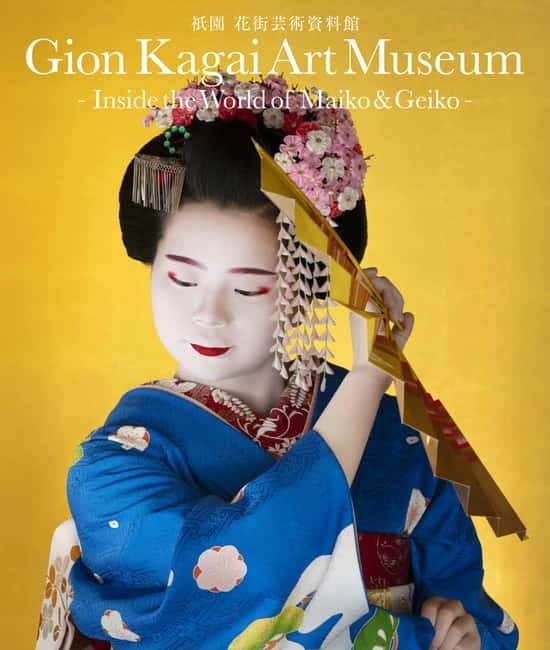
Review · JAPAN
Kyoto : Geiko Maiko Dance of Kyoto & Visits of Gion Museum
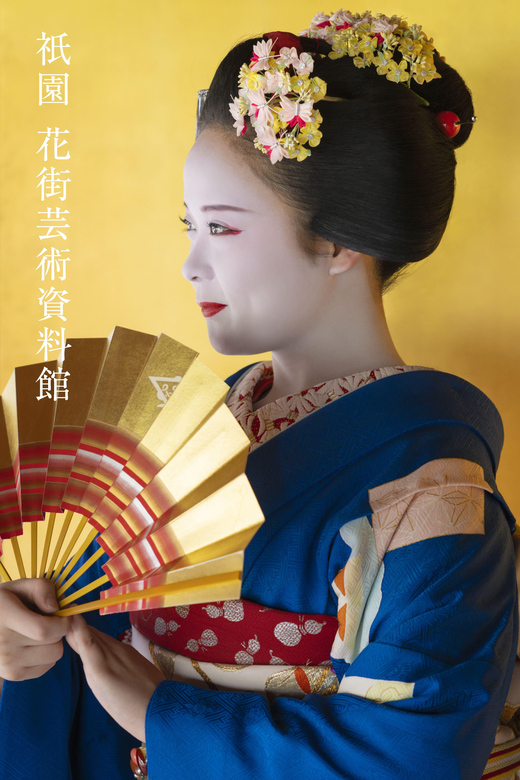
Kyoto’s Kyomai dance is the star here: two carefully controlled dances performed by a geiko or maiko, usually one artist, in a small museum setting. The movements are quiet, precise, and full of meaning, so this is a rare chance to see Kyoto’s traditional entertainment close up without committing to a long evening program.
I like the useful pairing of the live performance with the Gion Kagai Art Museum exhibits, and I like that the museum includes a Chisen Water Japanese Garden, art cafe, and shop. The main drawback is the short show: 15 minutes can feel brief for $25, especially if you expect a full theater production. Still, you can stay in the museum after the dances.
Key points to know before you go
- Two Kyomai songs in about 15 minutes: The performance gives you a focused introduction rather than a long stage show.
- Performed in the Inoue style: This is the dance tradition associated with Kyoto’s geiko and maiko culture.
- Geiko means Kyoto’s term for geisha: Maiko are women training to become geiko.
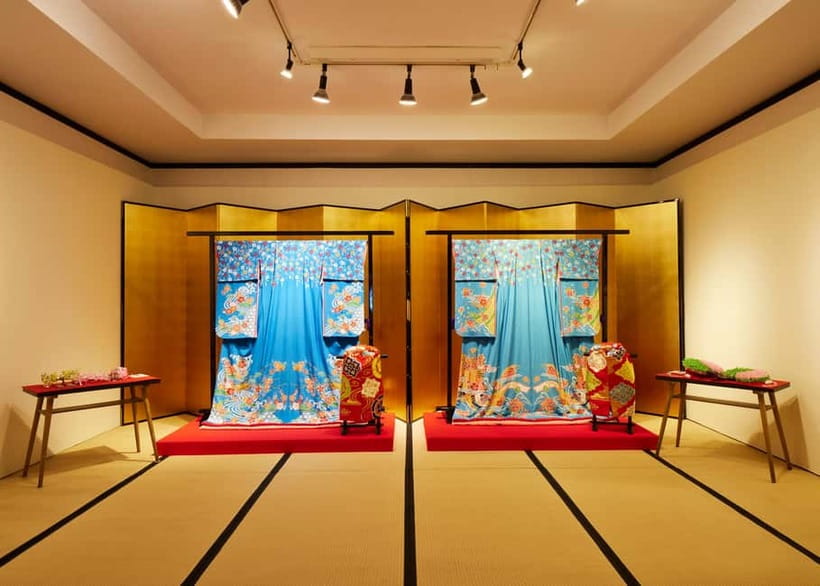
- Costumes and personal tools are part of the museum: Look for Yuzen kimono, Nishijin brocade obi, kanzashi hair ornaments, makeup, and formal black kimono.
- No photography during the dance: Photo sessions with a geiko or maiko can be arranged separately at the museum.
- Arrive 10 minutes early: Performance times include 13:30, 14:20, 15:00, 16:00, and 16:30.
A short performance with a very Kyoto accent
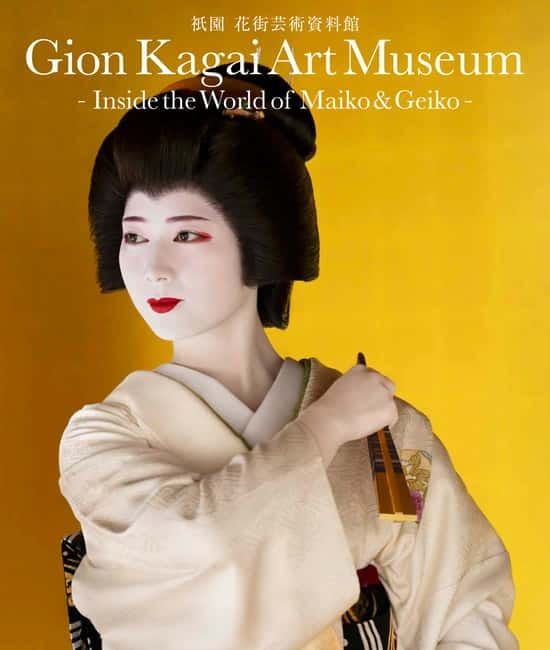
The first thing to understand is the scale. This is not a grand evening show with a large cast and a long explanation. It is a compact cultural visit built around two Kyomai songs.
A geiko or maiko generally performs alone. On some days, the third and fourth sessions may feature two performers, but that is not guaranteed. If you happen to see a geiko and maiko together, you get a useful visual contrast between an established performer and a woman still training in the tradition.
The dance is restrained. You will not see broad theatrical gestures or a fast-moving folk routine. Instead, you watch small hand movements, measured steps, controlled posture, and expressive changes in the face. That quiet precision is the point. The music, costume, and formal movement work together as one piece.
The performance uses the Inoue style, the Kyomai tradition associated with Kyoto. If you know little about Japanese dance, some of the gestures may be difficult to interpret at first. The lower-level film and museum material help, but a fuller introduction before the performance would make the two songs easier to follow.
That is the central limitation. The dance is beautiful, but the presentation is not designed as a long teaching session. One visitor wanted more explanation of the dances and a question-and-answer period. You should come ready to watch closely rather than expect an interactive lesson.
A few more museum visits around Japan worth comparing
- Tokyo: teamLab Planets TOKYO Digital Art Museum Entry Ticket
★ 4.6 · 9,779 reviews - Osaka Castle: Museum and Tower Entry Ticket
★ 4.5 · 2,380 reviews - Tokyo: Samurai Ninja Museum Guided tour and Experience
★ 4.6 · 1,010 reviews
What geiko and maiko mean in Kyoto
The language matters here. In Kyoto’s kagai districts, the women who perform traditional dance and music in ozashiki banquet rooms and on stage are called geiko, not geisha. Women who are training to become geiko are called maiko.
The museum helps put the appearance on a more human footing. The elaborate kimono and hair ornaments can seem like the entire story from a distance, but the exhibits show the work behind the image: clothing, makeup, accessories, photographs, and personal belongings connected with the profession.
That context makes the live dance more meaningful. You are not simply watching someone in an ornate costume. You are seeing a formal art that requires years of training and a strict visual tradition.
It is also worth keeping expectations sensible. The performance offers a glimpse into this world, not access to a private banquet or an ordinary Gion evening. The setting is a museum, and the show is arranged for public visitors. That makes it easier to fit into a Kyoto day, though less intimate than a private ozashiki experience.
The museum: costumes, ornaments, and everyday details
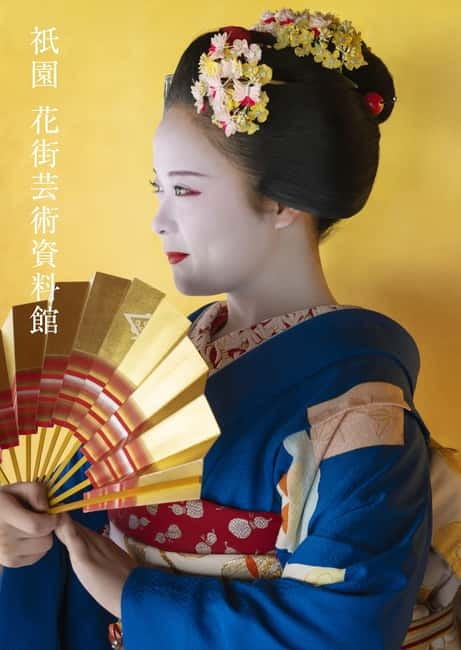
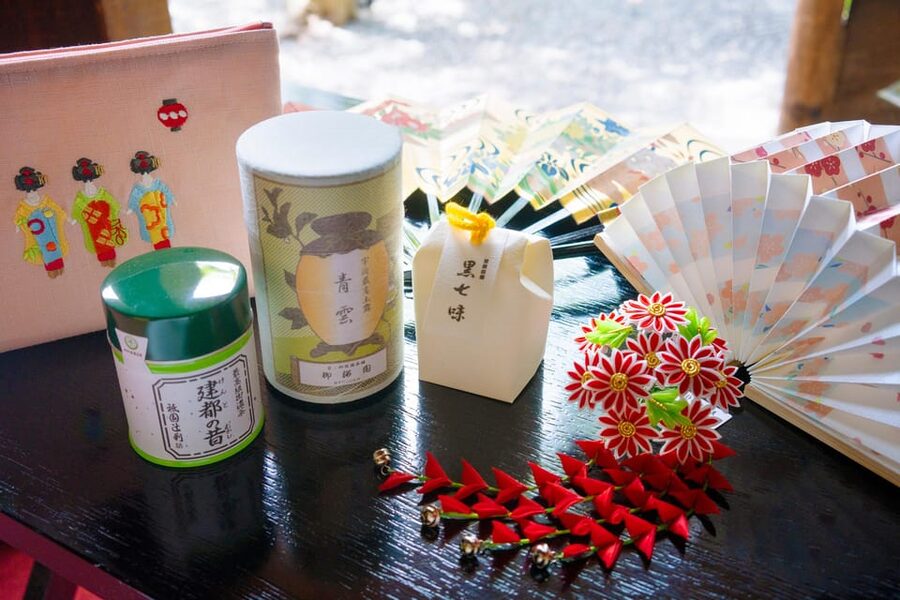
The permanent exhibition covers the art culture of the Gion kagai districts. Its strongest feature is the range of objects. You can see hand-painted Yuzen kimono, Nishijin brocade obi sashes, seasonal kanzashi hair ornaments, makeup, personal belongings, and black crested formal kimono.
These details give you a better sense of how carefully the visual code changes through the year. A hair ornament is not just decoration. Its seasonal design matters. The obi is not simply a belt. Its fabric and pattern help create the formal shape of the costume.
The formal black kimono is especially useful to see in a museum because such clothing is rarely displayed openly in the Gion quarter. On the street, you may catch a glimpse of a maiko or geiko moving between appointments, but you will not usually have time to examine the clothing closely.
Photographs add atmosphere and place the objects in the wider kagai setting. The museum is not large, so you can take your time without needing a full morning. That compact size works well before lunch, after a nearby visit, or between other Kyoto plans.
English information is available through QR codes. You will need your phone to scan the material, but this gives you more useful background than simply walking past labels in Japanese. A translated handout about maiko and geiko is also provided. The museum offers enough information for a first visit, though you should not expect every dance lyric or gesture to be translated.
Why the garden and lower-level film matter
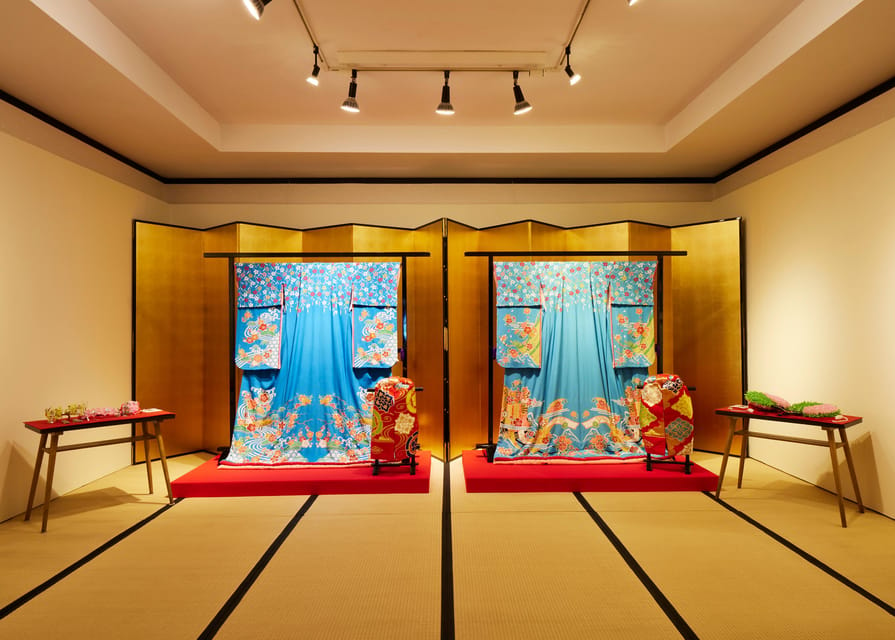
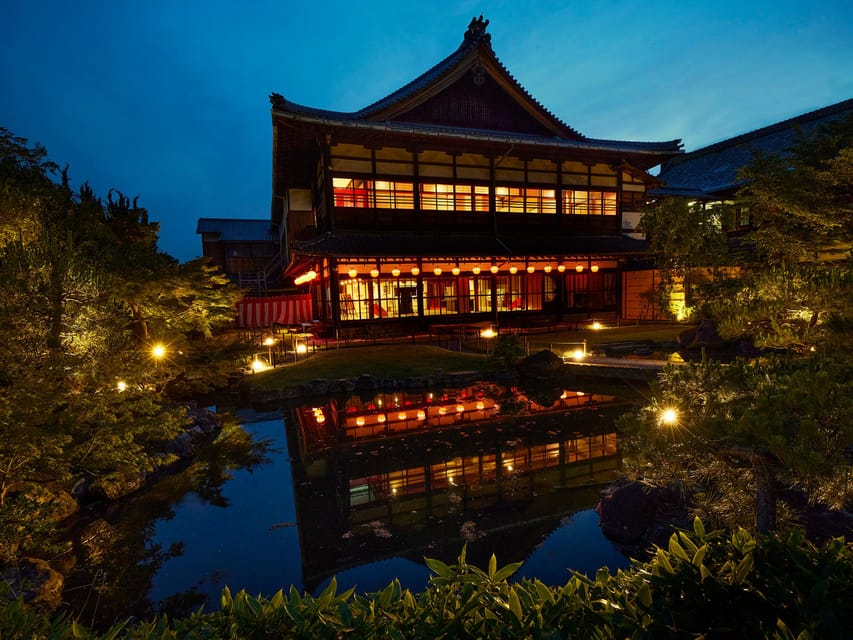
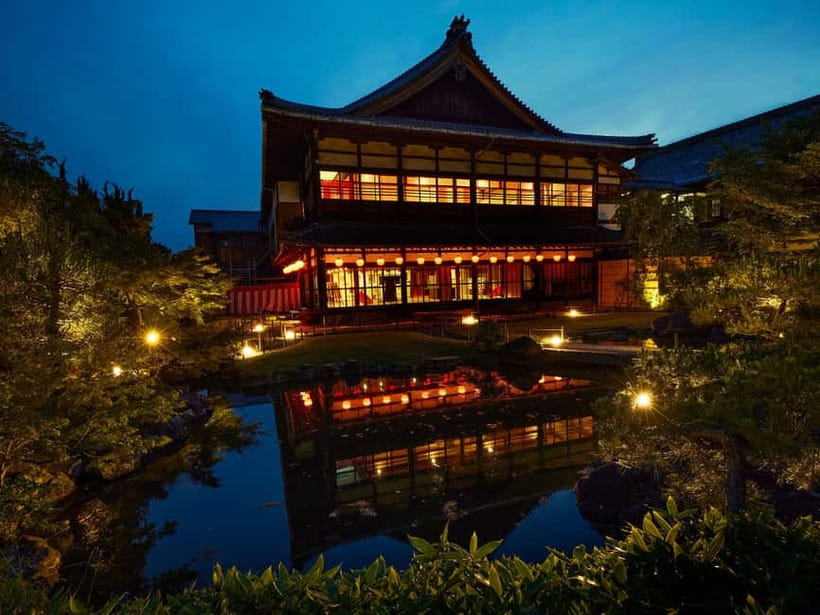
The Chisen Water Japanese Garden gives the visit a quieter pause. After the performance, it is easy to rush straight back into Gion’s streets, but the garden helps you slow down and absorb what you have seen.
The garden is not presented as a separate major attraction, and you should not plan the entire outing around it. Think of it as a graceful part of the museum visit, especially welcome after walking through Kyoto. It also gives you a change of pace from the cases, photographs, and costume displays.
A film on the lower level explains the dance unique to Kyoto. This is particularly helpful if you are unfamiliar with traditional Japanese performance. The film gives you a visual reference for the movements and helps explain why the dance may feel hypnotic even when very little appears to happen.
I would watch the film either before the performance, if timing allows, or immediately afterward. Since the live show is only two songs, even a modest amount of background information can change how you see it.
Same city, a completely different collection:
- Kyoto: Tea Museum Tickets and Matcha Grinding Experience
★ 4.9 · 739 reviews - Skip the lines Basic Ticket at SAMURAI NINJA MUSEUM KYOTO
★ 4.5 · 632 reviews - Skip the lines Basic Ticket at SAMURAI NINJA MUSEUM TOKYO
★ 5.0 · 470 reviews - Ninja Experience (Family Friendly) at Samurai Ninja Museum TOKYO
★ 5.0 · 441 reviews
Timing your visit around the five daily sessions
The listed performance times are:
- 13:30
- 14:20
- 15:00
- 16:00
- 16:30
You should arrive at the museum entrance at least 10 minutes before your chosen performance. The meeting point is simply the museum entrance, and staff can help direct you if you are unsure where to go.
The 13:30 and 14:20 sessions are useful if you want to build the museum into an afternoon around Gion. The later performances can work well after other sightseeing, though you should allow enough time to find the entrance and settle in.
The museum visit itself is longer than the dance. The performance takes approximately 15 minutes, but you may remain in the museum afterward. That makes the ticket more worthwhile than the headline duration suggests.
Do not treat the five times as a promise of five different productions. Each session centers on two songs, and the usual format is one geiko or maiko. The third and fourth sessions may have two performers, but that depends on the day.
The no-photo rule and optional portrait session
Photography is not allowed during the dance. This rule is important, since the performance is short and you may be tempted to reach for your phone. Put it away and watch the hands, posture, and facial expression instead.
If you want a picture with a geiko or maiko, ask about the separate photo session at the museum. These tickets are available only at the museum, not as part of the basic performance booking. The cost has been described as about 2,000 yen, with a Polaroid and phone pictures included according to the available visitor information.
The separate arrangement creates a practical choice. The live dance itself should be your priority, while the portrait is an optional extra. If having a picture matters to you, ask about it early rather than assuming it is included. One person arrived expecting a photo option and wished they had arranged it sooner.
Do not confuse a posed photograph with permission to photograph the performance. The stage rule remains no photos during the two songs.
Is $25 a fair price?
At $25 per person, the value depends on what you expect. If you judge it only as a 15-minute show, the price may seem high. A short performance cannot compete on duration with a full theater program.
The ticket also includes admission to the permanent museum exhibition and the dance performance fee. You can stay to examine the costumes, scan English information, watch the film, visit the garden, look around the art cafe, and browse the shop.
That makes the experience a better buy for someone who wants a clear introduction to geiko and maiko culture without spending an entire evening at a formal performance. It is also a sensible choice for a packed Kyoto schedule. You receive a live cultural experience, but you can fit it between other sights.
The price may feel less convincing if you have already attended a longer traditional dance show or expect an extensive lecture. The museum is compact, and the performance does not include a long explanation or question period. I would book it for the combination of museum and live dance, not for the length of the show alone.
Who will get the most from this visit?
This experience suits you if you want to understand Kyoto’s geiko and maiko traditions without making a large time commitment. It works especially well for first-time visitors who have seen photographs of Gion but want more context.
Families and mixed-interest groups may also find the format useful. A 15-minute performance is manageable, and the museum gives you something to explore before or afterward. The garden provides a calm break from crowded sightseeing streets.
It is also a good fit for anyone interested in costume, textile design, Japanese music, or dance. The Yuzen kimono, Nishijin obi, kanzashi, and formal black kimono offer more substance than a simple stage appearance.
You may want to skip it if your main goal is a long, highly explained cultural program. The presentation is brief, and some meaning remains unclear without Japanese language skills. English QR information helps with the museum, but the songs themselves are not described in detail.
Small practical details that improve the visit
Find the museum entrance before your session and give yourself the required 10 minutes. Staff have been helpful with directions, including when visitors were unsure about the entrance or payment arrangements.
Wear something that makes it easy to sit quietly and watch for the full performance. The show does not require special clothing, but the formal atmosphere rewards respectful behavior.
Leave room in your schedule after the dance. The best part of the museum is not something you can rush through in five minutes. Take time with the costume displays, seasonal hair ornaments, photographs, and lower-level film.
Keep audio recording devices off. Audio recording is not allowed, and the performance is intended to be watched rather than captured. Pets, oversized luggage, drones, alcohol, and drugs are also not permitted.
The experience is non-refundable, so choose your session carefully. Check the available starting time before committing, then arrive early enough to avoid turning a calm cultural visit into a dash through Gion.
Should you book the Gion Kagai Art Museum dance?
I would book this experience if you want a short, polished introduction to Kyoto’s geiko and maiko culture. The dance is graceful, the museum objects add context, and the garden gives you a quiet place to pause. The combination is more useful than a performance alone.
I would not book it expecting a full evening of theater, an extensive lecture, or guaranteed photographs. The show lasts only about 15 minutes, and the usual session features one performer. But if you value authentic traditional arts, have a busy itinerary, and want something more substantial than a quick street sighting, the $25 ticket is a reasonable choice.
FAQ
How long does the Kyomai performance last?
The performance lasts approximately 15 minutes and includes two Kyomai songs.
How many performers appear?
The performance is usually presented by one geiko or maiko. On some days, the third and fourth sessions may feature two performers.
What is Kyomai?
Kyomai is Kyoto’s traditional dance style. The performance at the museum is presented in the Inoue style.
What is the difference between a geiko and a maiko?
In Kyoto, women who perform traditional dance and music are called geiko. Maiko are women training to become geiko.
What time are the performances held?
The listed sessions begin at 13:30, 14:20, 15:00, 16:00, and 16:30.
How early should I arrive?
You should arrive at the museum 10 minutes before your performance starts.
Can I take photographs during the dance?
No. Photography is not allowed during the dance performance.
Can I take a photo with a geiko or maiko?
Photo-session tickets are available at the museum. The available information indicates a cost of about 2,000 yen, with a Polaroid and phone pictures included.
Is the museum included with the performance ticket?
Yes. Admission to the Gion Kagai Art Museum and the Kyoto Mai dance performance fee are included.
Can I stay in the museum after the performance?
Yes. You may remain in the museum after the approximately 15-minute performance and continue viewing the exhibits.
Just added around Japan
- Skip the lines Basic Ticket at SAMURAI NINJA MUSEUM TOKYO★ 5.0 · 470 reviews
- Tokyo: Mt. Fuji, Owakudani, Hakone Shrine, & Open-Air Museum★ 4.7 · 25 reviews
- Private Tour Through the Tokyo National Museum & Ukiyo-e★ 4.7 · 17 reviews
- Samurai Ninja Museum Asakusa: Kid-Friendly Ninja Training★ 4.7 · 67 reviews
- Tokyo National Museum Private Tour★ 4.9 · 28 reviews
- Samurai Ninja Museum Asakusa: Samurai Sword Lesson & Tour★ 4.8 · 306 reviews
- Tokyo: Art Aquarium Museum GINZA Entry Ticket★ 4.5 · 278 reviews
- Tokyo: Kichijoji Gourmet Tour with Lunch★ 4.5 · 40 reviews
Museum Tours in Japan, compared.
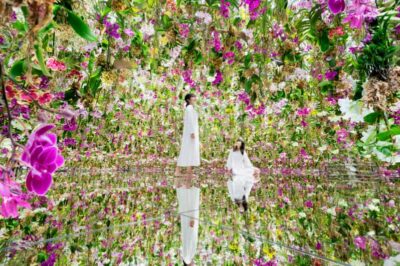
teamLab Planets TOKYO Digital Art Museum Entry Ticket
Read our review →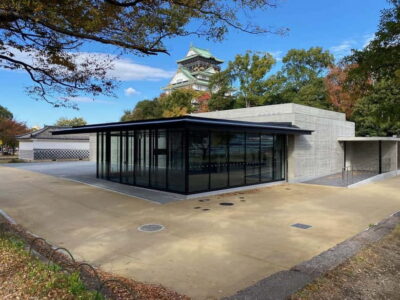
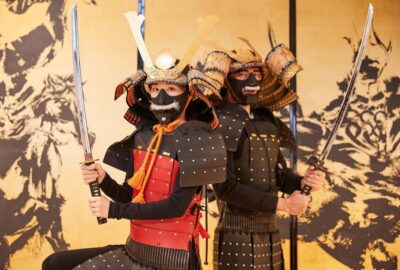
Samurai Ninja Museum Guided tour and Experience
Read our review →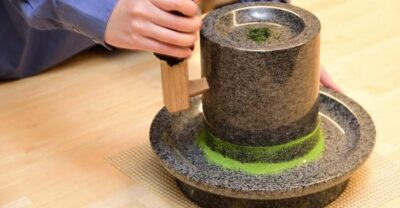
Tea Museum Tickets and Matcha Grinding Experience
Read our review →
Skip the lines Basic Ticket at SAMURAI NINJA MUSEUM KYOTO
Read our review →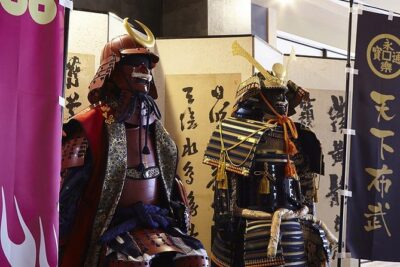
Skip the lines Basic Ticket at SAMURAI NINJA MUSEUM TOKYO
Read our review →
Ninja Experience (Family Friendly) at Samurai Ninja Museum TOKYO
Read our review →
Tokyo Studio Ghibli Museum and Ghibli Film Appreciation Tour
Read our review →Browse the lists this tour appears in