
Review · JAPAN
Skip the lines Basic Ticket at SAMURAI NINJA MUSEUM KYOTO
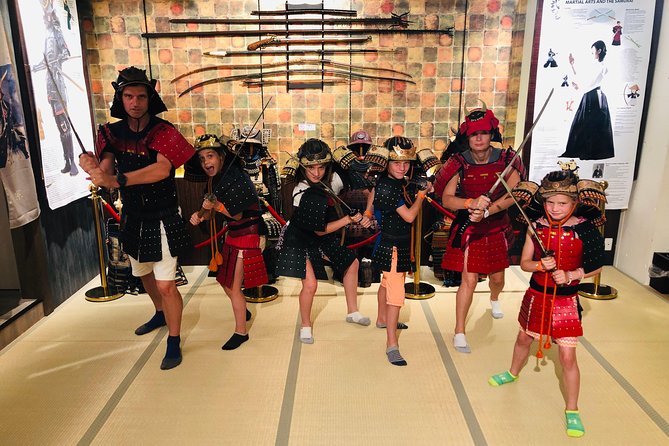
Kyoto’s Samurai Ninja Museum is less a quiet collection of antiques and more a short, hands-on history show. A guide leads you through samurai culture, feudal Japan, swords, armor, and ninja weapons, then brings the subject to life with costume photos and a ninja star throwing activity.
I like the way the tour combines useful background with things you can actually do. Trying on samurai armor and handling a replica sword gives children and adults a better feel for the subject than a row of glass cases. I also like the one-hour length, which fits neatly between temples, shopping, and dinner.
The main trade-off is scale. This is a small museum in a shopping-arcade setting, not a large national collection. At busy times, the room can feel crowded, and the costume selection and displays may be more limited than you expect from the word museum.
Key points to know before booking
- A guided introduction, not a full-day museum: Plan on roughly one hour for the main experience, though you may be able to continue looking around afterward.
- Hands-on activities are included: You can try samurai costume pieces, pose with replica swords, and take part in a ninja star throwing competition.
- Guides shape the experience: Guides including Nobu, Raito, Saku, and Naromi have been praised for clear explanations, energy, and humor.
- Best for families and first-time visitors: The format keeps younger children involved while giving adults a basic grounding in samurai and ninja culture.
- Expect a compact venue: The museum has been described as small, with limited space and a modest number of costumes.
- The $28.52 price pays for interaction: It is reasonable if you value a guide and activities, but less appealing if you want a large collection of original artifacts.
What the one-hour visit is really like
You make your own way to the Samurai Ninja Museum in central Kyoto, where you meet the guide and join the group. The visit follows a simple pattern: explanation first, then a few interactive activities and photo opportunities.
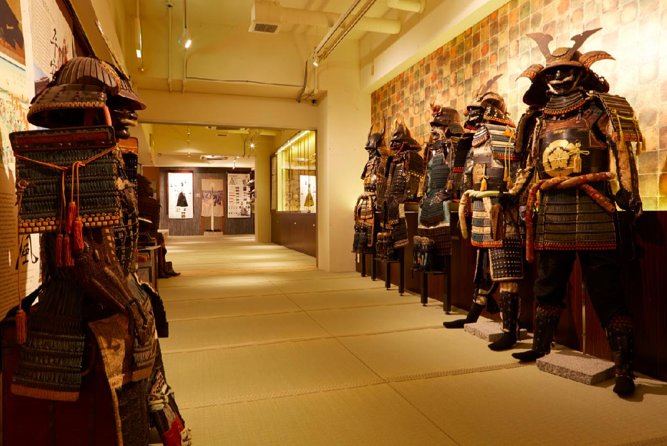
The historical section covers Japan’s feudal system and the place of samurai and ninja within it. You’ll see swords, armor, and other weapons, along with a recreation of a samurai house. The guide explains the objects and offers context about how samurai life is often portrayed compared with the historical reality.
This is introductory history rather than a university-level lecture. That is a strength if you want a clear explanation before visiting castles, gardens, or other sites connected with Japan’s past. It is a limitation if you already know a great deal about sword schools, military ranks, or the social structure of feudal Japan.
The pace tends to be quick. That works well for a family with a full Kyoto schedule, but you may want more time to study the displays. One useful point is that the guided portion does not necessarily mean you must leave as soon as the guide finishes. The museum has clarified that people can continue looking around at their own pace, although the amount of time available may depend on crowd levels and operating conditions.
A few more museum visits around Japan worth comparing
- Tokyo: teamLab Planets TOKYO Digital Art Museum Entry Ticket
★ 4.6 · 9,779 reviews - Osaka Castle: Museum and Tower Entry Ticket
★ 4.5 · 2,380 reviews - Kyoto: Tea Museum Tickets and Matcha Grinding Experience
★ 4.9 · 739 reviews
Samurai armor, swords, and the photo session
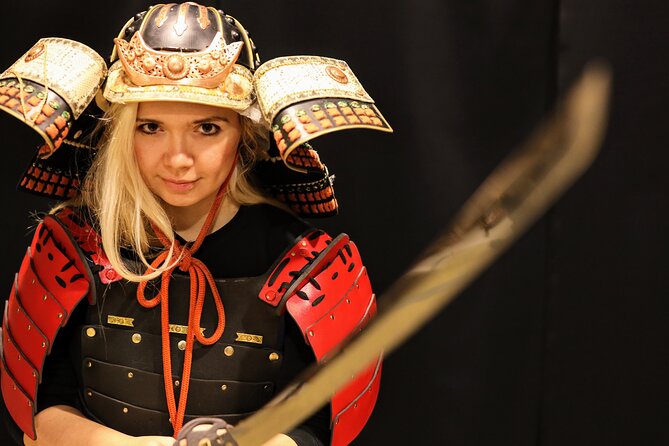
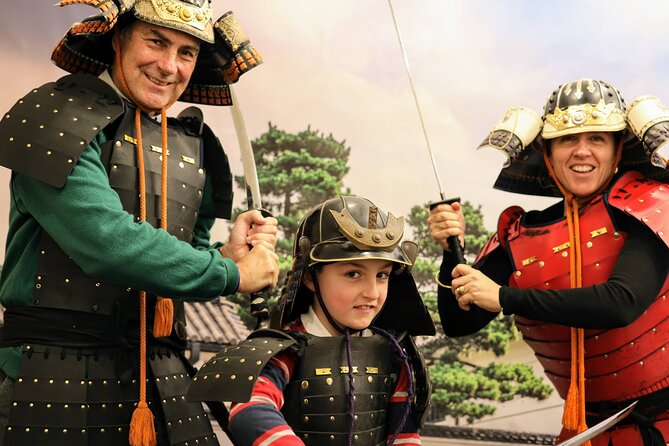
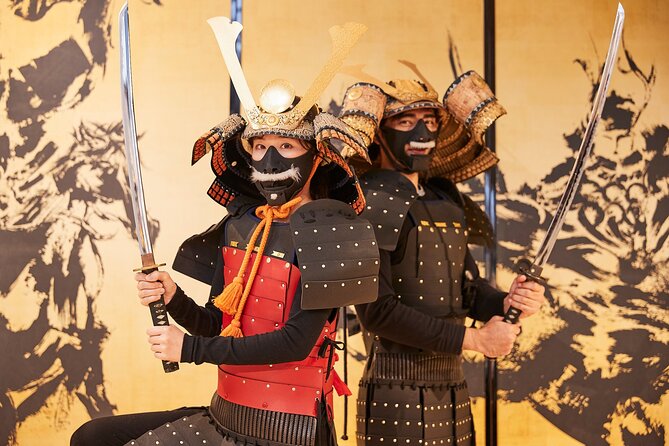
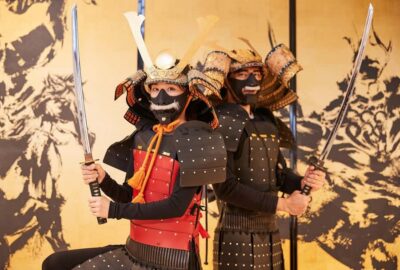
The most memorable part for many people is the chance to put on samurai costume pieces. You may wear armor or a helmet, hold a replica katana, and pose against a backdrop. This is not a full theatrical costume department, so keep your expectations practical. The selection can be limited, and some costumes or replica swords may show signs of wear.
Still, the activity has real value. A child who has just heard about samurai can connect the lesson with something physical and visual. Adults can also enjoy the photo opportunity, especially if you are traveling with family or friends and want something different from another temple photograph.
The sword handling is for photographs and demonstration, not combat practice. The experience includes replica items, and the appeal is the chance to pose and take part safely. If your main interest is Japanese craftsmanship, you should treat this as a viewing opportunity rather than a specialist sword exhibition.
The costume session can feel rushed when the group is large. If photos matter to you, listen closely for the guide’s instructions and be ready when your turn comes. You may not have a wide range of outfits to choose from, so the fun comes more from the activity than from creating a historically exact costume.
The ninja star throwing competition
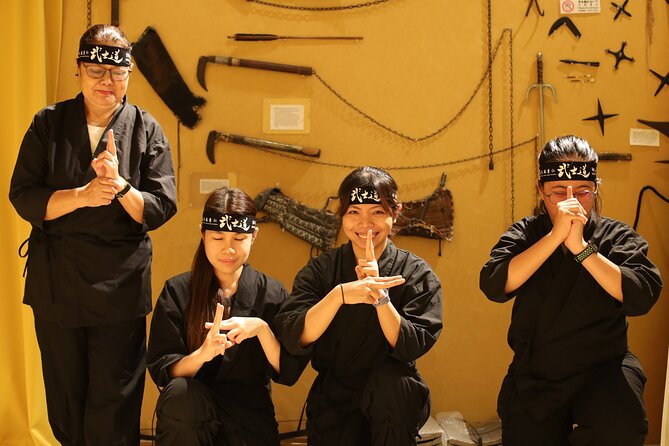
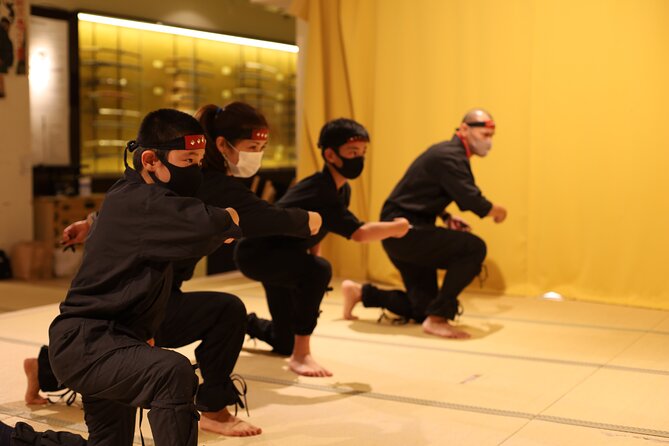
The ninja star activity, using replica shuriken, is the most playful part of the visit. You receive an introduction to the activity and take a turn throwing at a target. Some sessions include a friendly competition, and you may even receive a small prize or recognition for winning.
This is especially effective with children. A six-year-old, for example, can follow the basic history talk and then stay engaged because there is a clear activity ahead. Adults often enjoy it too, since it breaks up the information and gives the group something to laugh about together.
The star throwing should not be mistaken for formal martial arts training. It is a simple, supervised activity designed for fun and photographs. Its value is that it makes the visit active without requiring special fitness or prior knowledge.
The activity may change if conditions require it. The experience information notes that activities can be adjusted because of coronavirus-related operating concerns, so you should treat the exact order and format as flexible.
The guides make the difference
The guide has a large effect on how much you get from this visit. Strong guides keep the history clear, answer basic questions, and make the costume and shuriken sections feel connected to the subject rather than like unrelated games.
Nobu has been praised for combining facts with humor and keeping the hour moving. Raito has been described as an engaging guide who made the samurai and ninja material easy to enjoy. Saku has been noted for friendly energy, while Naromi has been praised for adding useful detail to the presentation.
Those names do not mean you can request a particular guide or that one of them will lead your session. They do show the type of presentation you should expect: lively, direct, and aimed at a broad audience.
One guide may spend more time on samurai life, while another may focus more on ninja legends and weapons. If you want a specialist lecture, this is not the safest choice. If you want a friendly introduction that keeps the whole group involved, the format works much better.
Same city, a completely different collection:
- Tokyo: Samurai Ninja Museum Guided tour and Experience
★ 4.6 · 1,010 reviews - Skip the lines Basic Ticket at SAMURAI NINJA MUSEUM TOKYO
★ 5.0 · 470 reviews - Ninja Experience (Family Friendly) at Samurai Ninja Museum TOKYO
★ 5.0 · 441 reviews - Tokyo Studio Ghibli Museum and Ghibli Film Appreciation Tour
★ 4.5 · 421 reviews
How authentic is the museum?
The word museum can create the wrong picture. Some visitors expect several large rooms, a major collection of original weapons, and quiet time with detailed labels. This venue is much smaller and focuses on guided interpretation, costumes, and activities.
You will see preserved swords, armor, and other weapons, plus displays about social and political life in samurai-era Japan. The material can give you a useful starting point, especially if this is your first exposure to the subject.
At the same time, the collection does not appear to be the main reason to book. The experience is built around the guide and the interactive elements. If you want an extensive selection of artifacts, you may find the rooms too small and the displays too limited.
The venue has also indicated plans to move to a larger facility with a substantially bigger area and more interactive exhibits. That may improve the experience in the future, but you should judge the current visit by the compact format described here rather than by plans for a new location.
Crowd levels and group size matter
The supplied information gives two different maximum group figures, 30 people in one place and 15 in another. That inconsistency is worth noting. Ask for the current group limit when booking if personal space is important to you.
Crowding has a direct effect on this type of activity. A small group makes it easier to hear the explanation, view the objects, and get a relaxed turn with the costumes. A larger group can make the museum feel cramped and make the photo session more hurried.
Multiple time slots are available, which helps you fit the visit into a Kyoto day. I would avoid treating the one-hour estimate as a precise promise if your schedule is tight. Meeting the guide, moving through the displays, and waiting for costume or throwing turns can affect the total time.
The museum is near public transportation, but transportation to and from the attraction is not included. You need to arrange your own route and allow time to find the entrance. One useful tip is to follow the directions in your booking app carefully, since the museum can be hard to spot in the shopping arcade.
Is $28.52 good value?
At $28.52 per person, the price is fair if you want a guided activity with participation. You are paying for the admission, a professional guide, costume use, and the ninja star competition. For a family, the interactive format can make the cost easier to justify than a short talk with no activities.
The value is weaker if your priority is a large, artifact-heavy museum. In that case, the limited size and short duration may leave you feeling that the admission is high for what you see.
Think of it as an entertainment-focused history stop, not a major cultural institution. The guide, the stories, the dress-up session, and the shuriken activity are the package. Remove those interactive pieces, and the visit becomes much less compelling.
The one-hour format also has value in Kyoto. You can fit it into a day that already includes temples and markets without giving up half a day. Families with children may find that a short activity helps everyone reset after several quiet sightseeing stops.
Who should book it?

I would recommend this experience to families, first-time Kyoto visitors, and anyone who wants a light introduction to samurai and ninja culture. It is also a good choice if you need a weather-friendly activity, though the cancellation terms say the experience requires good weather and may be rescheduled or refunded if poor weather causes cancellation.
Children must be accompanied by an adult, and most people can participate. Service animals are allowed. The experience is near public transportation, but no transfer is included.
You should be more cautious if you are a serious military-history enthusiast or if you want to spend hours examining original objects. The explanations may be too general, and the compact rooms may not provide the quiet or depth you want.
The visit is also not ideal for anyone who dislikes group activities. The star throwing, costume session, and guided format work best when you are willing to take part rather than simply observe.
Booking, cancellation, and practical planning
A mobile ticket is provided, and confirmation is received when you book. Free cancellation is available up to 24 hours before the scheduled start time for a full refund. Changes or cancellations made inside that 24-hour window are not accepted for a refund.
The cut-off follows local Kyoto time. If poor weather causes the operator to cancel the experience, you should be offered another date or a full refund.
An elevator outage is listed for January 24, 2026 through February 19, 2026. If you visit during that period, check the current access arrangements before booking, especially if elevator access matters to you.
Allow a little extra time to locate the entrance in the shopping arcade. Once inside, expect a guided session rather than a self-directed museum visit. Wear something comfortable enough for standing, costume handling, and the throwing activity.
My verdict: book it for participation, not scale
Book this tour if you want an easy, family-friendly hour that mixes samurai history with photos, costume pieces, and ninja star throwing. The guide is the heart of the experience, and a lively presenter such as Nobu, Raito, Saku, or Naromi can make the short format both informative and fun.
Skip it if you are expecting a grand museum with many rooms and a major collection. At $28.52, the price makes sense when you value the guided presentation and hands-on activities. It makes less sense if you only want to inspect artifacts.
For most first-time visitors, I would treat it as a lively introduction rather than the definitive word on samurai and ninja history. Keep your expectations to a compact, interactive museum hour, and the experience is much more likely to fit your Kyoto plans.
FAQ
How long does the Samurai Ninja Museum experience take?
The listed duration is approximately one hour. The actual time may vary with group size, the pace of the guide, and the costume and throwing activities.
What is included in the ticket?
Admission, a professional guide, samurai costume use, and a ninja star throwing competition are included.
Is the ninja star throwing included?
Yes. The experience includes a ninja star throwing activity, described as a competition using replica shuriken.
Can I wear samurai armor?
The experience includes a samurai costume opportunity. You can also pose with a replica sword, though costume choices may be limited.
Is transportation included?
No. You must make your own way to and from the Samurai Ninja Museum in Kyoto.
Is the ticket available on a mobile phone?
Yes. The experience includes a mobile ticket.
Is the museum suitable for children?
Yes, children can participate, but they must be accompanied by an adult. Most people can take part in the activities.
Are service animals allowed?
Yes. Service animals are allowed.
How far in advance can I cancel for a full refund?
You can cancel at least 24 hours before the scheduled start time for a full refund. Cancellations or changes made less than 24 hours in advance are not accepted for a refund.
What happens if the experience is canceled because of bad weather?
If poor weather causes the cancellation, you should be offered a different date or a full refund.
Just added around Japan
- Skip the lines Basic Ticket at SAMURAI NINJA MUSEUM TOKYO★ 5.0 · 470 reviews
- Tokyo: Mt. Fuji, Owakudani, Hakone Shrine, & Open-Air Museum★ 4.7 · 25 reviews
- Private Tour Through the Tokyo National Museum & Ukiyo-e★ 4.7 · 17 reviews
- Samurai Ninja Museum Asakusa: Kid-Friendly Ninja Training★ 4.7 · 67 reviews
- Tokyo National Museum Private Tour★ 4.9 · 28 reviews
- Tokyo: Art Aquarium Museum GINZA Entry Ticket★ 4.5 · 278 reviews
- Tokyo: Kichijoji Gourmet Tour with Lunch★ 4.5 · 40 reviews
- Samurai Ninja Museum Asakusa: Samurai Sword Lesson & Tour★ 4.8 · 306 reviews
Museum Tours in Japan, compared.

teamLab Planets TOKYO Digital Art Museum Entry Ticket
Read our review →
Samurai Ninja Museum Guided tour and Experience
Read our review →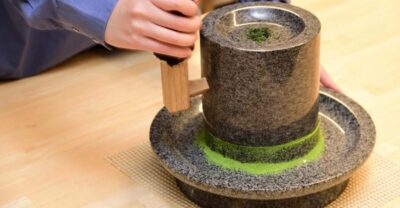
Tea Museum Tickets and Matcha Grinding Experience
Read our review →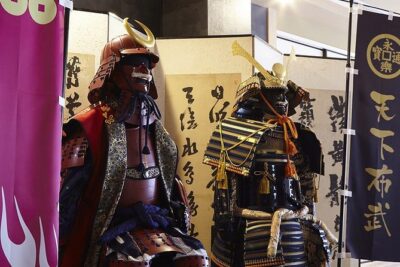
Skip the lines Basic Ticket at SAMURAI NINJA MUSEUM TOKYO
Read our review →
Ninja Experience (Family Friendly) at Samurai Ninja Museum TOKYO
Read our review →
Tokyo Studio Ghibli Museum and Ghibli Film Appreciation Tour
Read our review →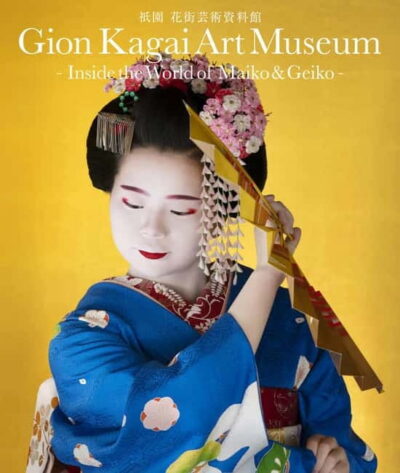
Geiko Maiko Dance of Kyoto & Visits of Gion Museum
Read our review →Browse the lists this tour appears in