
Review · FRANCE
Bordeaux: Wine and Trade Museum Entry Ticket & Wine Tasting
Bordeaux’s Wine and Trade Museum gives you a quick, affordable way to connect the city’s wine trade with the bottles poured around the world. You’ll explore vaulted cellars dating to about 1720, then finish with a vineyard presentation and a guided tasting of two local wines.
I like the choice of a paper guide or multilingual audio guide, and I like the small-group tasting, limited to nine people. At $14, this is strong value for a first look at Bordeaux wine. The main drawback is that this is not a full guided museum tour, so you need to read or listen as you go.
Key points to know before booking
- Historic cellars: Walk through two vaulted spaces linked to Bordeaux’s 18th and 19th-century wine trade.
- Two local wines: The tasting follows a short presentation on grapes, appellations, AOC rules, and terroir.
- Classic pairings: Chocolate-coated raisins and canelés de Bordeaux add a sweet local touch.
- Self-guided museum visit: Choose a paper guidebook or an audio guide in several languages.
- Small tasting group: The session is limited to nine participants, making it easier to follow the presentation.
- Low-cost introduction: The $14 price includes admission, the vineyard presentation, tasting, and raisins dorés.
Entering the Former Home of Bordeaux’s Wine Brokers
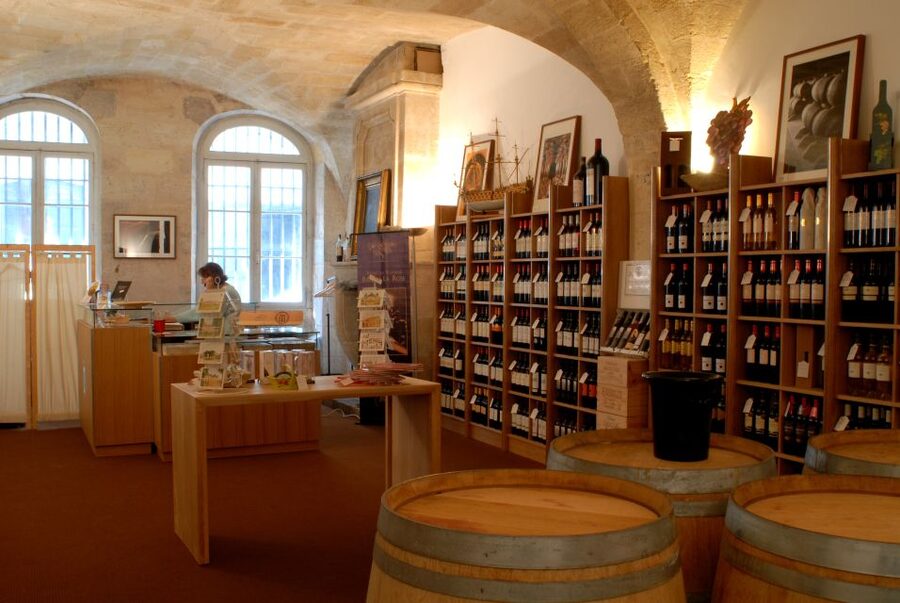
The museum occupies the former residence of Louis XV’s royal broker, a fitting address for a place devoted to Bordeaux’s merchants and wine trade. This is not a grand château visit. Instead, the setting brings you into the urban side of wine, where merchants, barrels, shipping, and commercial relationships helped Bordeaux become an international name.
I find that distinction useful. Bordeaux wine is often presented through vineyards and elegant estates, but the city itself played a major part in buying, storing, blending, selling, and sending wine abroad. The museum helps connect those pieces.
Your visit begins at the Wine and Trade Museum itself. There is no separate city transfer or countryside excursion included, so you can fit it into a day of sightseeing in Bordeaux. The activity is valid for one day, with starting times available according to the date you choose.
A few more museum visits around France worth comparing
- Bordeaux Wine and Trade Museum Admission Ticket with Wine Tasting
★ 4.5 · 599 reviews - Aÿ-Champagne: Pressoria Champagne Museum with Tasting
★ 4.7 · 239 reviews - Colmar: Alsace Wine Museum Entrance Ticket
★ 4.5 · 54 reviews
Two Cellars and Three Centuries of Wine Trade
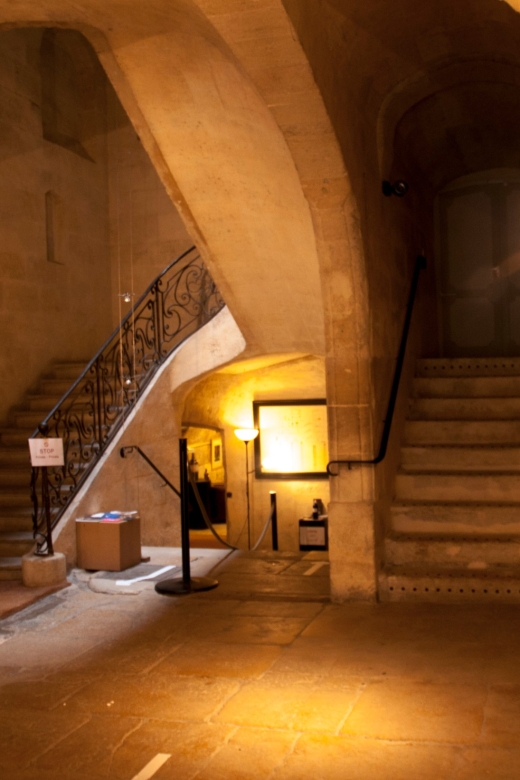
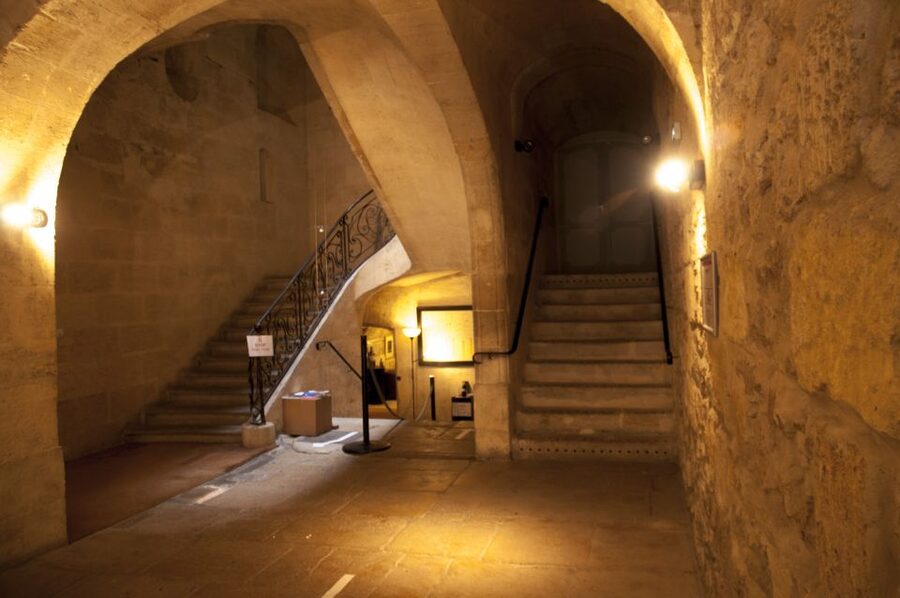
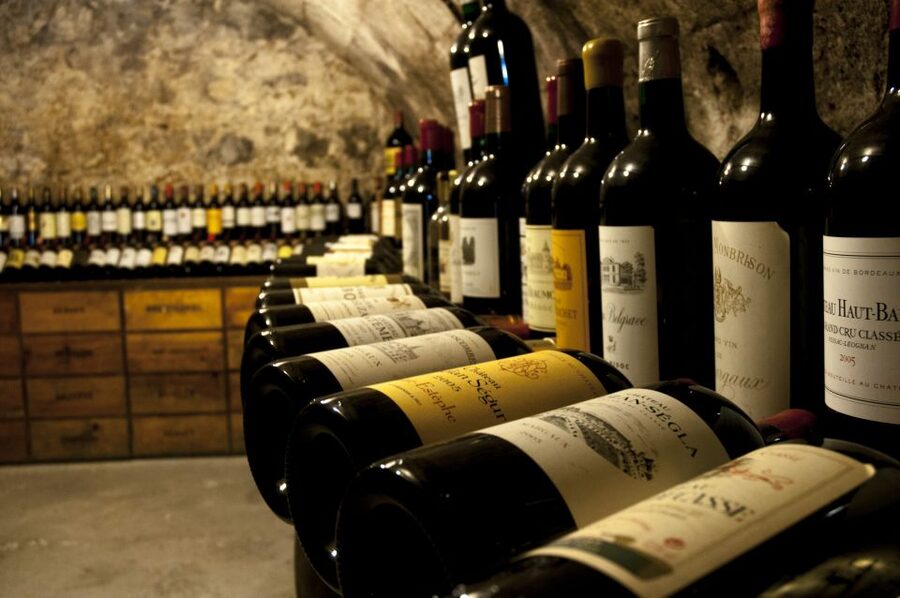
The museum visit takes you through two atmospheric historic cellars. Their vaulted ceilings and old stonework give you a better sense of how wine was handled before modern warehouses and temperature-controlled storage.
The cellars date from around 1720. They also reflect the work of 19th-century wine merchants, when barrels were central to the aging and movement of wine. You’ll see traditional barrels and learn about coopers, the craftsmen who made and repaired them.
This part is strongest for visitors who like physical settings as much as displays. The cellars show the working side of wine rather than presenting only polished bottles and famous labels. You can picture the practical jobs involved: making barrels, keeping wine in them, and preparing it for trade.
You explore the museum at your own speed with either a paper guidebook or an audio guide. The audio option is available in French, Portuguese, Spanish, Russian, Korean, Chinese, Japanese, Italian, English, German, and Dutch. That broad language choice is a real help if you want more than a quick walk through the rooms.
The trade-off is that the museum admission is not described as a fully guided museum tour. You are responsible for following the paper or audio material. If you prefer a guide speaking to you throughout the entire visit, this may feel less personal. If you like stopping when something catches your eye, the self-guided format gives you more control.
The Vineyard Presentation Explains Bordeaux’s Vocabulary
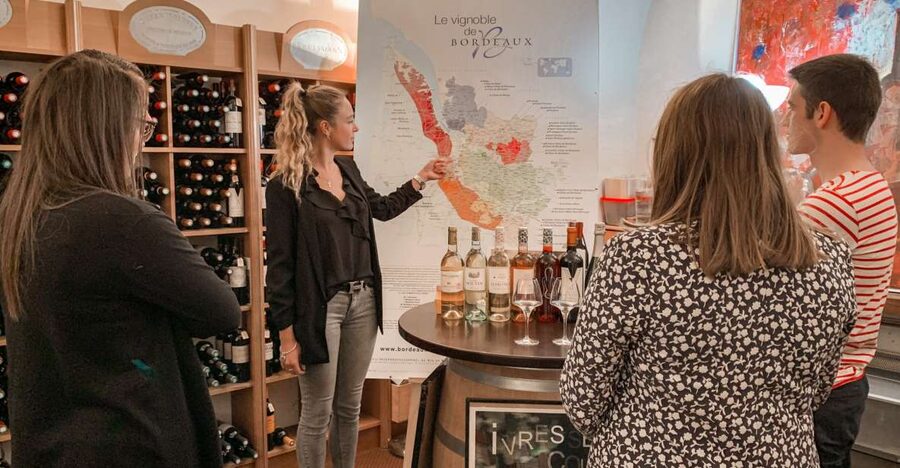
After the museum portion, you join a presentation about the Bordeaux vineyards. This is the bridge between history and tasting. Instead of simply handing you a glass, the staff introduces the basic terms that shape how Bordeaux wine is classified and understood.
You’ll hear about local grape varieties, appellations d’origine contrôlée, or AOC rules, terroir, and regional classifications. These ideas matter because Bordeaux wine is often identified as much by place and classification as by grape.
The explanation of terroir is especially useful for beginners. It covers the way the environment affects wine, including the conditions linked to a particular growing area. You should not expect a full wine course at this price, but you will leave with a clearer framework for understanding why two wines from the same broad region can taste different.
The presentation also gives you some useful language for future tastings. You’ll be better prepared to ask where a wine comes from, which grapes are used, and how an appellation fits into Bordeaux’s system.
I like this order. The museum first gives you the trade setting, then the vineyard presentation gives you the basics, and only then do you taste. That progression keeps the wine from feeling like an isolated drink at the end of a museum visit.
Tasting Two Wines With Raisins and Canelés
The tasting includes two local wines selected in-house. The tasting is guided, so you can expect commentary rather than simply receiving two glasses without explanation.
The selection can change, and the supplied details do not name the exact bottles or vintages. That is worth knowing if you are hoping to taste a particular château or appellation. You are booking an introduction to Bordeaux wine, not a guarantee of a famous label.
The small group helps here. With no more than nine participants, the tasting should be easier to follow than a large wine-room session. You can listen to the explanation and ask a question without competing with a crowd.
The food pairings are simple but distinctly local. Raisins dorés are chocolate-coated raisins, and the tasting also includes canelés de Bordeaux, the small French pastries associated with Bordeaux. The canelé is rum-soaked and has a dark, caramelized outside with a softer center.
These sweets give the tasting a pleasant regional touch, though they are not a substantial snack or meal. One account of the experience specifically wished for a small savory bite. Keep that in mind if you are arriving hungry. The tasting is designed for flavor pairing, not lunch.
The included items list guarantees raisins dorés, while the full description also names canelés. I would expect both as part of the tasting experience, but the confirmed inclusion is the raisins. Either way, eat beforehand if you need more than a light sweet pairing.
Same city, a completely different collection:
- Paris: Louvre Museum Timed-Entrance Ticket
★ 4.6 · 71,977 reviews - Paris: Orsay Museum Entry Ticket
★ 4.7 · 25,647 reviews - Louvre Museum Masterpieces Guided Tour with Access
★ 4.5 · 12,023 reviews - Paris: Louvre Museum Entry Ticket With Host and River Cruise
★ 4.6 · 9,926 reviews
What the $14 Price Really Buys You
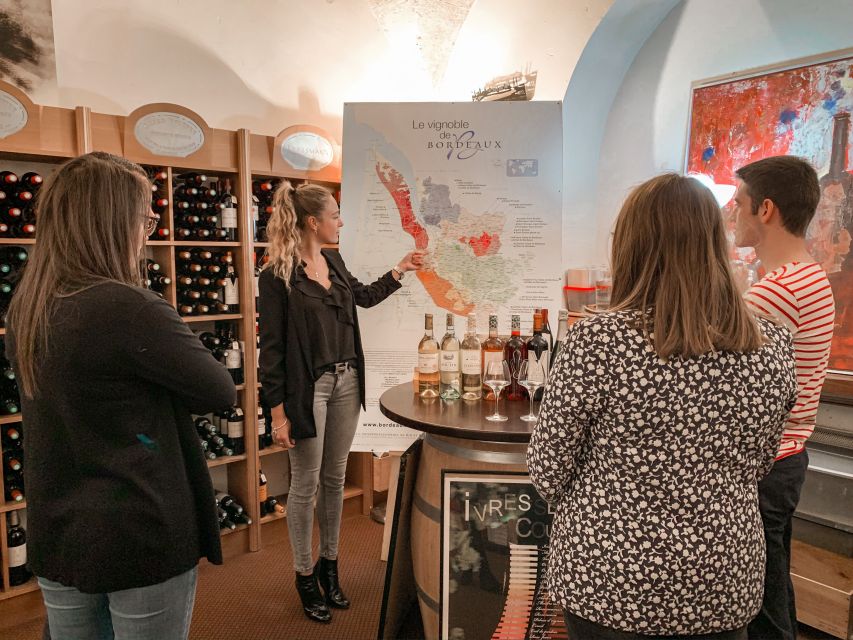
At $14 per person, this is one of the easier Bordeaux activities to recommend on value alone. The price includes museum admission, a paper guidebook, the vineyard presentation, a guided tasting of two local wines, and raisins dorés.
You are paying for more than a museum ticket, but less than a countryside wine excursion. There is no transport to vineyards, no château visit, and no full-day tour through the Bordeaux wine country. For a short city-based introduction, that keeps the cost sensible.
The strongest value comes from combining several small experiences in one visit. You get historic rooms, background on the wine trade, an explanation of Bordeaux terminology, and a tasting. Booking each element separately would be difficult, and the single price makes this a straightforward choice for a first visit.
The tasting itself is the part most likely to shape your impression. The museum can be explored at your own pace, but the final presentation gives the activity a shared focus. A recent account described the tasting as excellent and praised the guide, while other visitors singled out the staff’s professionalism and the free audio guide.
There is one point to watch. One account described receiving three wines rather than two. The stated experience includes two wines, so treat two as the dependable number. If a third is offered on your visit, consider it an extra rather than something to count on.
Who Will Get the Most From This Visit
I would choose this experience if you are staying in Bordeaux and want wine context without leaving the city. It suits first-time wine drinkers because the presentation explains the basic terms before the tasting begins.
It also works well for people who already know a little about wine but want to understand Bordeaux’s merchant tradition. The cellars add something a standard tasting room may not: a direct link to the way wine was stored and traded in earlier centuries.
Language access is another strong point. The paper and audio guides cover a wide range of languages, including English, French, Spanish, Italian, German, Dutch, Portuguese, Russian, Korean, Chinese, and Japanese. You can choose the format that lets you absorb the museum at your own speed.
Families and mixed-interest groups may also find the visit practical. Someone fascinated by wine can listen closely to the presentation, while someone less interested can keep the museum visit brief. The tasting gives everyone a common final activity.
I would be less likely to choose it if your main goal is a full day among vineyards. The activity takes place at the museum, and there is no countryside transport or estate visit. It is also not the right fit if you want a large meal with the tasting or a detailed, private wine lesson.
Timing, Group Size, and Planning Your Visit
The experience is described as lasting one day, but that refers to the ticket’s validity rather than a fixed all-day tour. You should check the available starting times when booking. The museum portion is self-guided, so the exact pace depends on how closely you follow the guide materials.
The tasting and vineyard presentation provide the scheduled part of the visit. Since the group is limited to nine people, you can expect a more contained session than at a large public tasting. Still, the experience provider does not list individual guide names, so you should not book expecting a named sommelier or a personal guide assigned in advance.
Start at the Wine and Trade Museum. There is no separate meeting point elsewhere in Bordeaux. Pre-booking is useful if you want to fit the tasting around other plans, and the reservation system allows you to reserve now and pay later. Cancellation is free up to 24 hours before the activity for a full refund.
I would avoid rushing straight from the museum to another fixed appointment. The self-guided section may be short for one person and longer for another, especially if you listen to the audio guide in detail. Leave enough room to enjoy the presentation and tasting without watching the clock.
What I Like, and What I Would Change
I like the balance between old cellars and clear wine instruction. The visit does not assume that you already know Bordeaux’s grape varieties, AOC system, or regional classifications. That makes the tasting more useful than a simple pour-and-smile stop.
I also like the price. At $14, the activity gives you a practical introduction without asking you to commit to an expensive château excursion. The multilingual guide choice adds value, especially if you want to learn rather than just look around.
The staff’s professionalism receives strong praise in the supplied comments, and the tasting guide was also singled out positively. Those details matter because the presentation and tasting are the parts that depend most on the people leading them.
The limits are clear. This is not a private lesson, not a full guided museum walk, and not a vineyard visit outside the city. The food is sweet and light, so you should not treat it as a replacement for a meal.
Should You Book the Bordeaux Wine and Trade Museum?
Book it if you want an affordable city-center introduction to Bordeaux wine, especially if you appreciate historic cellars, self-guided museums, and a short tasting with clear explanations. The $14 price is hard to fault for the amount included.
I would make it an early wine experience during your time in Bordeaux. The introduction to grapes, AOC rules, terroir, and classifications will help you understand later tastings and wine lists.
Skip it if you have limited time and only want a major château or vineyard visit, or if you need a full meal and a long, expert-led tasting. For everyone else, this is a sensible first step: modest in scale, easy to fit into a city day, and grounded in the real trade history behind Bordeaux’s famous name.
FAQ
Where does the experience begin?
You start at the Bordeaux Wine and Trade Museum.
How much does the activity cost?
The listed price is $14 per person.
How many wines are included?
The experience includes a guided tasting of two local wines selected in-house.
What food is served with the wine?
The tasting includes raisins dorés, which are chocolate-coated raisins. The description also includes traditional canelés de Bordeaux, a rum-soaked French pastry.
Is the museum visit guided?
The museum portion is self-guided. You can use a paper guidebook or an audio guide. The vineyard presentation and wine tasting are guided.
Which languages are available?
The paper or audio guide and host language options include French, Portuguese, Spanish, Russian, Korean, Chinese, Japanese, Italian, English, German, and Dutch.
How large is the group?
The activity is limited to nine participants.
Can I cancel the booking?
Yes. You can cancel up to 24 hours in advance for a full refund. You can also reserve now and pay later.
More Food & Drink in France
- Paris: Living Cheese Museum Guided Tour with Cheese Tasting
★ 4.8 · 182 reviews - Dubai: Old Town, Creek, Museums, Souks, & Street Food Tour
★ 4.8 · 10,816 reviews - Choco-Story Brussels: Chocolate Museum Entrance with Tasting
★ 4.3 · 4,883 reviews - Porto: Cálem Cellar Tour, Interactive Museum & Wine Tasting
★ 4.5 · 4,113 reviews
Just added around France
- Ticket to Musée National du Sport★ 4.4 · 32 reviews
- Rodin Museum Masterpieces – Guided Tour up to 8 guests★ 4.9 · 13 reviews
- Louvre Museum: Skip-the-Line Guided Tour★ 4.6 · 98 reviews
- Invalides Museum – WWI & WWII – Guided Tour up to 8 guests★ 5.0 · 32 reviews
- Skip the Line Guided Tour of Louvre Museum Highlights★ 5.0 · 49 reviews
- Rouen : Museum Immersive Viking Experience★ 4.2 · 47 reviews
- Paris: Louvre Museum Highlights Small-Group Guided Tour★ 4.8 · 157 reviews
- From Paris: Private Trip to Giverny, Monet’s House & Museum★ 4.5 · 13 reviews
Museum Tours in France, compared.
Louvre Museum Masterpieces Guided Tour with Access
Read our review →
Louvre Museum Entry Ticket With Host and River Cruise
Read our review →
Les Invalides: Napoleon’s Tomb & Army Museum Entry
Read our review →
Mona Lisa & Louvre Masterpieces Tour with Reserved Access
Read our review →
Musée de l’Orangerie Reserved Entrance Ticket
Read our review →
Louvre Museum – Exclusive Guided Tour (Entry Included)
Read our review →Browse the lists this tour appears in