
Review · FRANCE
Bordeaux Wine and Trade Museum Admission Ticket with Wine Tasting
Bordeaux’s Wine and Trade Museum offers something the city’s larger wine attractions cannot: an old working cellar tied to the city’s merchant past. You move through vaulted rooms dating from 1720, see tools and documents linked to the Bordeaux trade, and finish with two wines in the museum shop.
I like the intimate scale and the tasting, where staff explain Merlot, Cabernet Sauvignon, Bordeaux appellations, and the difference between merchant and château wine. The price, about $14.51, is another strong point. The main drawback is that this is a self-guided museum, not a fully led tour, and some visitors find the cellars musty or the written material dense.
Key points to know before you book
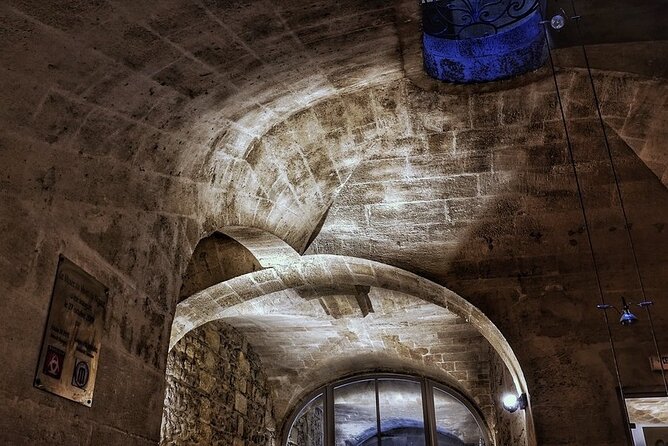
- The museum occupies two vaulted cellars from the 18th century, giving the visit a real connection to Bordeaux’s wine merchants.
- The tasting includes two wines, with attention to Merlot, Cabernet Sauvignon, Bordeaux regions, soil, climate, and wine commerce.
- You explore independently, using English notes, folders, displays, videos, or audio material rather than following a guide throughout.
- The museum is small, so you may finish the exhibition in about 45 minutes, though careful readers can spend closer to two hours.
- Staff make the tasting the high point, and names such as Cristina have been singled out for clear, engaging explanations.
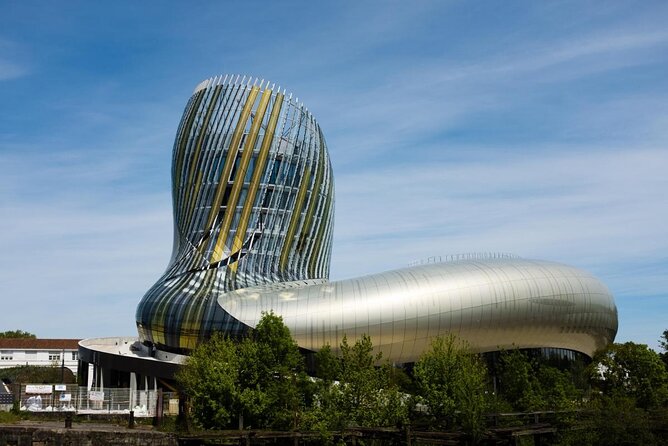
- Do not confuse this museum with Cité du Vin, Bordeaux’s much larger, high-tech wine museum.
Entering Bordeaux’s old wine-trade quarter
The Musée du Vin et du Négoce is about the history of Bordeaux as a commercial wine port, not simply the story of how grapes grow. That distinction matters. The city’s fame came from vineyards, but also from merchants who bought, blended, stored, shipped, and sold the wine.
The museum occupies the former building of Louis XV’s royal broker. Its semi-buried cellars were built around 1720, when Bordeaux’s Chartrons quarter was closely tied to international wine commerce. The rooms retain the feel of an old merchant cellar, with vaulted ceilings and stone surroundings rather than the polished design of a modern museum.
I like this setting because it gives the subject some weight. You are not looking at a display about old cellars while standing in a new gallery. You are standing in the kind of space where wine was actually aged and handled.
The trade also explains much of Bordeaux’s elegant architecture. Merchant families built impressive homes and offices, while the cellars below supported the less visible work of storage and shipping. The museum connects those two sides of the city: the grand façades above and the practical wine business below.
A few more museum visits around France worth comparing
- Aÿ-Champagne: Pressoria Champagne Museum with Tasting
★ 4.7 · 239 reviews - Bordeaux: Wine and Trade Museum Entry Ticket & Wine Tasting
★ 4.4 · 121 reviews - Colmar: Alsace Wine Museum Entrance Ticket
★ 4.5 · 54 reviews
What you see in the two historic cellars
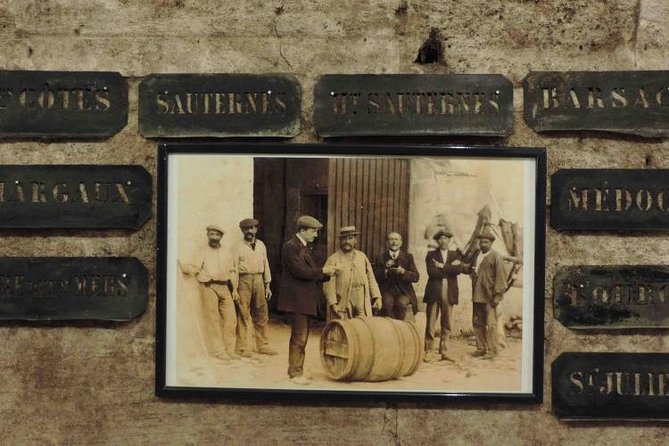
The museum’s exhibition is compact but packed with material. You will find objects, archival documents, tools, and explanations about wine production, storage, bottling, and trade. The display also follows the work of coopers and the traditional aging practices used by Bordeaux merchants in the 19th century.
The cooperage material is useful because barrels are often treated as a small part of the wine story. Here, you get a clearer sense of the craft behind them and the way wine was stored before modern facilities became common.
Documents trace the careers of important merchant families. They also show the role of cellar workers, whose practical skills supported the reputation of the wines sold under famous Bordeaux names. This gives the museum a broader angle than a simple guide to grape varieties.
You will also see how Bordeaux’s trade reached beyond the nearby vineyards. The phrase two seas refers to the wider maritime world connected to Bordeaux, and the displays place the wine business within that network of shipping and commerce.
The material is available through English notes and explanations. Some people find the written information very detailed, while others find the small type and folders less easy to follow. If you enjoy reading museum panels, take your time. If you prefer interactive exhibits, you may find the format old-fashioned.
There are some videos and audio elements, but the experience is still mainly self-guided. One practical benefit is flexibility. You can move at your own pace, pause over a document, or move quickly through material that does not interest you.
Why the self-guided format matters
This is not a scheduled walking tour through Bordeaux, and it is not a guide-led museum visit from start to finish. You receive material to help you explore on your own, then take part in the wine tasting at the end.
That arrangement works well if you want freedom. You can spend 45 minutes in the cellars or stay for close to two hours, depending on how much you read and watch. It also fits nicely into a morning or afternoon when you have other plans in Bordeaux.
The trade-off is that you need to take responsibility for getting the most from the exhibition. You may not receive a running explanation as you move between rooms. The staff are available to answer questions, but you should ask when something catches your interest.
I would treat the museum as a compact introduction rather than a complete study of Bordeaux wine. The exhibition gives you useful foundations, especially about commerce and aging, but its size limits how much it can show.
The included tasting of two Bordeaux wines
The tasting takes place in the museum boutique after you finish the exhibition. It is included in the admission price and is the part of the experience that gives the visit its clearest practical lesson.
You taste two wines, with Merlot and Cabernet Sauvignon used to explain how grape varieties differ. The staff also discuss the distinction between a merchant wine and a château wine, an important point in understanding how Bordeaux bottles are made and marketed.
The tasting can cover Bordeaux appellations, regional differences, soil, climate, and the way wine is traded. The exact level of detail depends partly on your questions and the staff member leading the session. I recommend asking directly about the differences you want to understand. The tasting is more useful when you treat it as a conversation, rather than simply waiting for two glasses to appear.
The portions are tasting-sized, not generous pours for a long evening. That is appropriate for the price and the format. You are paying for an introduction and explanation, not a full wine bar session.
The tasting is often praised for its clarity and warmth. Cristina has been noted for attentive explanations, and other staff members have been described as fluent in English and generous with their time. The quality of the experience depends heavily on this personal part of the visit, which is why the tasting can feel more engaging than the small exhibition.
A small chocolate or a complimentary bottle has occasionally been included, but these extras should not be treated as guaranteed features. The dependable part is the tasting of two wines.
Same city, a completely different collection:
- Paris: Louvre Museum Timed-Entrance Ticket
★ 4.6 · 71,977 reviews - Paris: Orsay Museum Entry Ticket
★ 4.7 · 25,647 reviews - Louvre Museum Masterpieces Guided Tour with Access
★ 4.5 · 12,023 reviews - Paris: Louvre Museum Entry Ticket With Host and River Cruise
★ 4.6 · 9,926 reviews
A useful lesson in Bordeaux labels
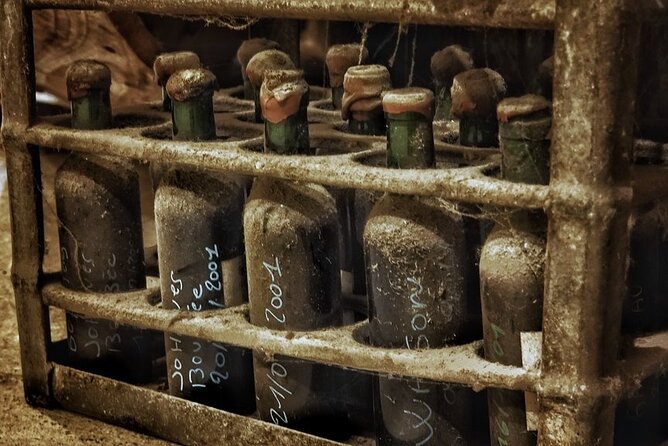
Bordeaux wine can seem confusing because the label often emphasizes the château or appellation more than the grape variety. The tasting helps you begin sorting out those terms.
Merlot and Cabernet Sauvignon are both major Bordeaux grapes, but they do not give exactly the same impression in the glass. The point here is not to turn you into a wine expert in one sitting. It is to help you notice how grape choice, regional conditions, blending, and merchant practices shape the bottle in front of you.
The explanation of merchant wine versus château wine is particularly useful. A château name may suggest a single estate, while négociants, or merchants, have long played a major role in buying, assembling, aging, and selling Bordeaux wine. The museum’s subject is therefore central to understanding the city’s wine identity.
If you are visiting vineyards later, this tasting gives you vocabulary to use during those visits. You can ask better questions about the blend, the appellation, the producer, and the role of the merchant.
How long the visit really takes
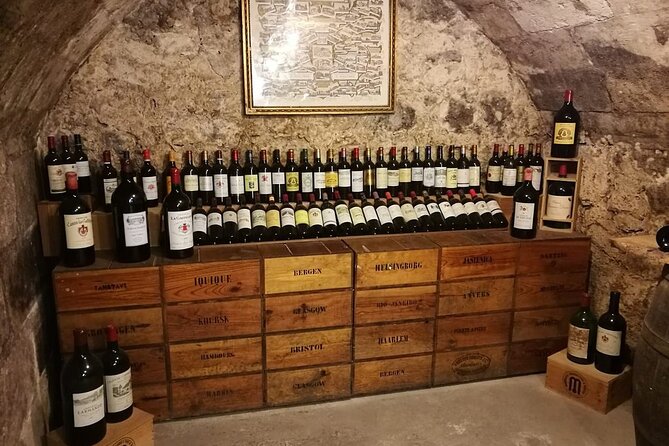
The advertised duration is about one to two hours. That is a fair range, but your pace will make a big difference.
A quick visit through the cellars may take around 45 minutes, followed by the tasting. A slower visit, with time spent reading folders, viewing videos, and studying the documents, can take close to two hours.
The tasting itself is not a long formal class. It is a focused session at the end of the visit, and the amount of discussion depends on how many questions you ask and how busy the staff are.
The daily opening hours are 10 a.m. to 6 p.m., Monday through Sunday, for the stated operating period from March 1, 2025, through February 16, 2027. Multiple admission times are offered during the day, so you can fit the museum around a larger Bordeaux itinerary.
The museum is near public transportation, and its location can work well for a short city visit. One person found it only a five-minute walk from a cruise boat, making it a practical stop for anyone spending limited time in the city center.
Price and value at about $14.51
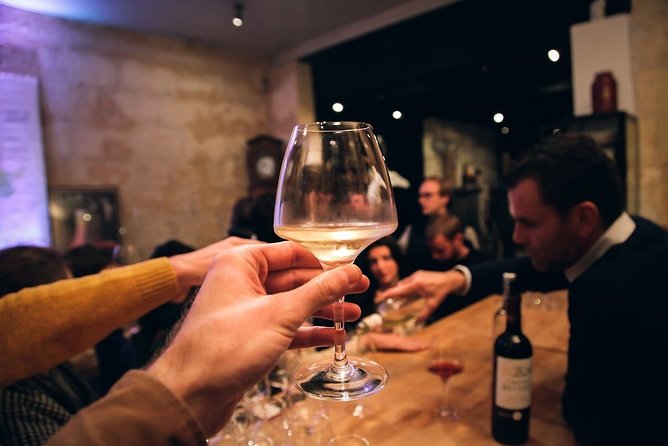
At roughly $14.51 per person, this is one of the easier Bordeaux wine experiences to justify. You get admission to a historic museum, English material, and two wine tastings, all without committing to a full-day vineyard excursion.
The value depends on what you want. If your goal is to taste several wines in large pours, this is not the right choice. A wine bar will better suit that plan. If you want context before drinking Bordeaux wine, the combination of cellar, trade history, and guided tasting makes the fee sensible.
The museum also works well as a short activity between larger sights. You can learn something specific, taste two wines, and continue with your day without losing half a day to transport.
The modest price does come with modest scale. This is a small museum with limited floor space, not a major national institution. The display has fewer objects than a large museum, and the design is more traditional than interactive.
How it compares with Cité du Vin
The most important booking tip is simple: this is not Cité du Vin. The two are separate attractions.
Cité du Vin is the large, modern Bordeaux wine museum, with a more polished and high-tech approach. The Wine and Trade Museum is smaller, older, and more focused on the city’s merchant history and cellar life.
I would not automatically choose one over the other. If you want broad coverage, modern presentation, and a major museum experience, Cité du Vin may suit you better. If you prefer a compact historical site with an included tasting and a direct focus on Bordeaux’s trade, this museum may be the better fit.
If time allows, visiting both gives you two different views of wine. One explains the subject on a large international scale. The other puts you in a small cellar where Bordeaux’s commercial past feels close at hand.
Things to consider before your visit
The cellars are part of the appeal, but they may not suit everyone. Their age and humidity can create a strong musty or mouldy smell. That atmosphere helps explain how historic wine storage worked, but it may make the visit uncomfortable if you are sensitive to damp spaces.
The toilets have also received criticism for their condition. That is a practical weakness worth knowing before you arrive.
The exhibition is not especially interactive. Much of the content appears in folders, printed notes, wall text, and traditional displays. Families can still find ways to make it engaging, including a scent game for children during the tasting, but you should not expect a hands-on museum designed around digital exhibits.
The museum is suitable for most people, and it is near public transportation. Since the visit involves cellars and written displays, you may prefer to allow extra time if you want to read everything carefully.
The tasting is not required to be an alcohol-only experience. A nonalcoholic visitor can receive grape juice instead, according to the information provided. That makes the visit more flexible for a mixed group.
Who will enjoy this museum most
I would recommend it to anyone who wants a practical introduction to Bordeaux wine without leaving the city. It is especially useful before a vineyard visit, because the tasting introduces basic terms and the museum explains the trade system behind the famous labels.
It also suits cruise passengers and anyone with a free morning. The short duration, central setting, and flexible opening hours make it easy to combine with other sights.
Wine beginners may appreciate the staff-led explanation more than experienced collectors. Still, experienced drinkers can enjoy the merchant history and the setting, particularly if they prefer social and commercial history over glossy presentation.
Families can make it work, especially if children enjoy objects, old cellars, or scent-based activities. The tasting itself will naturally appeal more to adults, though grape juice offers an alternative for anyone who does not drink alcohol.
I would be less enthusiastic if your main reason for booking is an elaborate, interactive museum. The small size and self-guided format may leave you wanting more.
Booking and cancellation details
Admission is offered in English, and confirmation is received at the time of booking. You can cancel for a full refund up to 24 hours before the scheduled start time.
Cancellations or changes made less than 24 hours before the start are not accepted for a refund. Since the museum offers several times during the day, choose a slot that fits your plans rather than booking too tightly around another activity.
Should you book the Wine and Trade Museum?
Book it if you want a reasonably priced Bordeaux introduction in an authentic old cellar, with two wines and staff who can explain what you are tasting. The tasting is the strongest reason to go, while the museum gives that tasting useful context.
Skip it if you expect a large, interactive attraction or a long, formal guided tour. The exhibition is small, the material can be text-heavy, and the cellar may smell damp.
For most people with an interest in Bordeaux wine, I think the visit is worth the modest cost. Go slowly enough to understand the merchant story, ask questions during the tasting, and keep your expectations focused: this is a compact historic museum with a worthwhile wine lesson, not a grand all-day spectacle.
FAQ
Where does the experience take place?
It takes place at the Musée du Vin et du Négoce in Bordeaux, France, in historic vaulted cellars connected with the city’s wine trade.
How long does the visit last?
The expected duration is about one to two hours. Some people move through the small museum in around 45 minutes, while reading the displays carefully can take longer.
Is the tour guided?
The museum portion is self-guided, with English notes, folders, displays, and other explanatory material. Staff lead or explain the included wine tasting at the end.
How many wines are included?
The admission includes a tasting of two wines.
Which wines are discussed during the tasting?
The tasting explains the differences between Merlot and Cabernet Sauvignon. Staff may also discuss Bordeaux appellations, soil, climate, and merchant versus château wine.
Is the museum the same as Cité du Vin?
No. The Wine and Trade Museum is a smaller museum in historic cellars. Cité du Vin is a separate, larger, high-tech wine museum.
What are the opening hours?
The museum is listed as open daily from 10 a.m. to 6 p.m. for the stated operating period from March 1, 2025, through February 16, 2027.
More Food & Drink in France
- Paris: Living Cheese Museum Guided Tour with Cheese Tasting
★ 4.8 · 182 reviews - Dubai: Old Town, Creek, Museums, Souks, & Street Food Tour
★ 4.8 · 10,816 reviews - Choco-Story Brussels: Chocolate Museum Entrance with Tasting
★ 4.3 · 4,883 reviews - Porto: Cálem Cellar Tour, Interactive Museum & Wine Tasting
★ 4.5 · 4,113 reviews
Just added around France
- Ticket to Musée National du Sport★ 4.4 · 32 reviews
- Rodin Museum Masterpieces – Guided Tour up to 8 guests★ 4.9 · 13 reviews
- Invalides Museum – WWI & WWII – Guided Tour up to 8 guests★ 5.0 · 32 reviews
- Louvre Museum: Skip-the-Line Guided Tour★ 4.6 · 98 reviews
- Skip the Line Guided Tour of Louvre Museum Highlights★ 5.0 · 49 reviews
- Rouen : Museum Immersive Viking Experience★ 4.2 · 47 reviews
- Paris: Louvre Museum Highlights Small-Group Guided Tour★ 4.8 · 157 reviews
- From Paris: Private Trip to Giverny, Monet’s House & Museum★ 4.5 · 13 reviews
Museum Tours in France, compared.
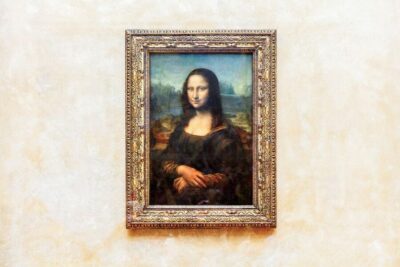
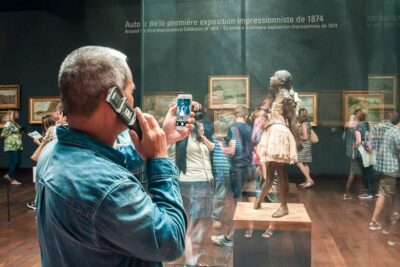
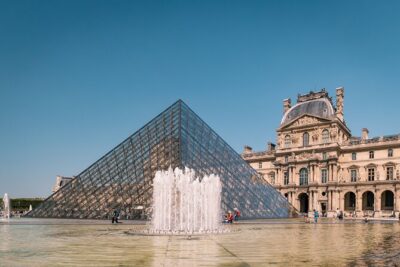
Louvre Museum Masterpieces Guided Tour with Access
Read our review →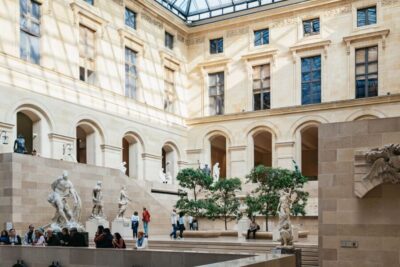
Louvre Museum Entry Ticket With Host and River Cruise
Read our review →
Les Invalides: Napoleon’s Tomb & Army Museum Entry
Read our review →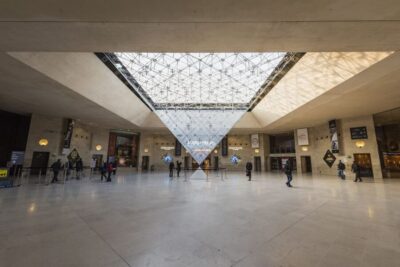
Mona Lisa & Louvre Masterpieces Tour with Reserved Access
Read our review →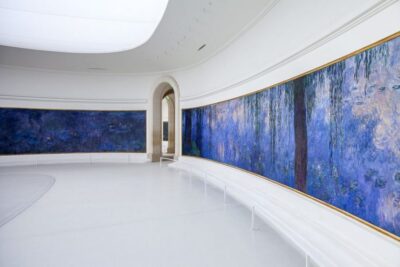
Musée de l’Orangerie Reserved Entrance Ticket
Read our review →
Louvre Museum – Exclusive Guided Tour (Entry Included)
Read our review →Browse the lists this tour appears in