
Review · PARIS
Mona Lisa & Louvre Masterpieces Tour with Reserved Access
The great trick here is simple: a guide gives the Louvre a shape. Instead of wandering through a palace-sized museum and hoping you find the famous works, you follow a planned route to the Mona Lisa, Venus de Milo, Winged Victory, Michelangelo, Canova, and other major pieces. Guides such as Summer, Omar, Anna, Saeed, and Natalia are especially good at explaining art in plain English and keeping groups together.
I like the reserved entry, which can save real time when the line stretches outside, and I like the personal headset, since a quiet explanation is far better than trying to hear over a packed gallery. The main drawback is the pace: you cover a lot of ground in about three hours, so some rooms receive only a short look. You can stay and explore afterward, but wear good shoes and expect plenty of standing.
Key points to know before booking
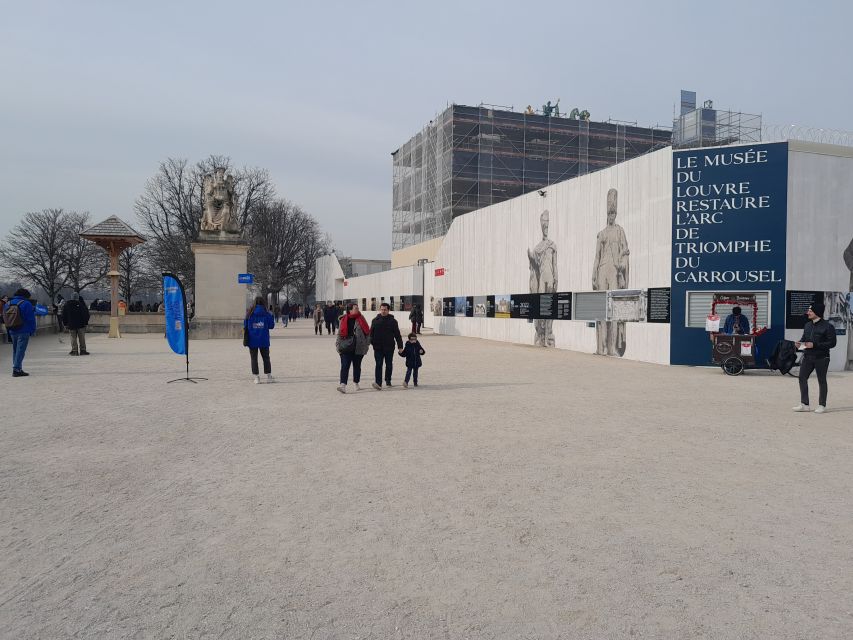
- The meeting point is outside the Louvre entrance: Find the blue-clad coordinators beside the Arc de Triomphe du Carrousel, not at the Pyramid doors.
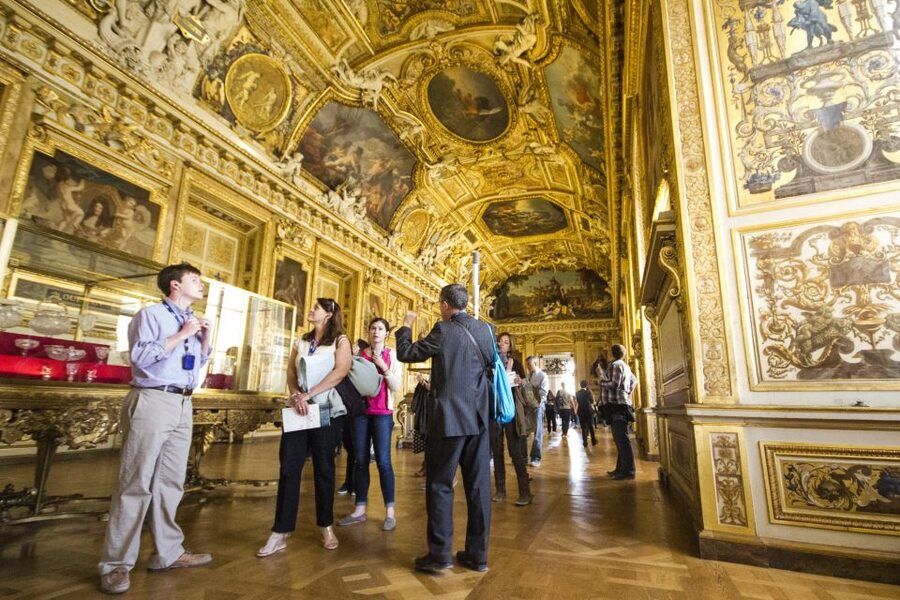
- The route covers the famous essentials: Expect the Mona Lisa, Venus de Milo, Winged Victory, Great Sphinx of Tanis, Michelangelo, Canova, Apollo Gallery, and Napoleon Apartments.
- The guide makes the difference: Summer, Omar, Anna, Saeed, Natalia, and several other guides receive praise for clear explanations, humor, patience, and crowd control.
- The Mona Lisa may be hard to view: The room can be crowded, and you may have only a brief look from behind the viewing barrier.
- You can keep exploring afterward: The guided portion ends at the Mona Lisa, with free time listed afterward for more of the museum.
- The optional finish adds French flavor: Choose the upgrade for wine with artisanal cheese and charcuterie at Ô Chateau in central Paris.
Why a guided Louvre visit makes sense
The Louvre is not simply a large museum. It is a former royal palace with layers of building work, grand staircases, long corridors, and thousands of objects spread across several departments. On a first visit, it is easy to spend an hour looking for one painting and still miss the major sculpture rooms.
This tour gives you a route and a story. You do not need to know the difference between Renaissance painting, Greek sculpture, and French Romantic art before you arrive. Your English-speaking guide supplies the basic context, points out useful details, and explains why certain works matter.
That last point is important. A famous title alone does not tell you much. A good guide helps you notice posture, symbols, facial expressions, materials, and the politics behind a work. Saeed, Omar, Summer, Anna, and others are praised for making the art understandable without turning the visit into a dry lecture.
The personal headset is a practical advantage. The Louvre can be loud, and groups often gather in rooms where several guides are speaking at once. With a headset, you can stand a few steps away, look at the artwork, and still follow the explanation. You need to pay attention to the guide, but you are less likely to miss key points.
More Museum Tours in Paris
- Paris: Louvre Museum Timed-Entrance Ticket
★ 4.6 · 71,977 reviews - Paris: Orsay Museum Entry Ticket
★ 4.7 · 25,647 reviews - Louvre Museum Masterpieces Guided Tour with Access
★ 4.5 · 12,023 reviews
Meeting the group at the Arc de Triomphe du Carrousel
The tour begins at the Arc de Triomphe du Carrousel, the smaller triumphal arch near the Louvre and the Tuileries Garden. This is not the entrance to the museum, so take the meeting instructions seriously.
Stand with your back to the Louvre Pyramid. The arch, topped by a horse-drawn chariot, is across the road near the Tuileries entrance. Coordinators in blue wait to the left of the arch along the wall railing.
This meeting point makes sense once you know the area, but it can be confusing if you walk straight toward the Pyramid and expect to find the group there. Allow enough time to identify the arch and locate the blue-clad team. The tour does not include hotel pickup or drop-off, so you handle your own way to the Carrousel.
Large bags, luggage, and baby strollers are not suitable for this visit. Anything larger than 55 by 35 by 20 centimeters is not permitted inside the museum. Everyone must also pass security, even with reserved entry. Reserved access helps with the ticket line, but it does not remove the security check.
The Pyramid and the Louvre’s first impression
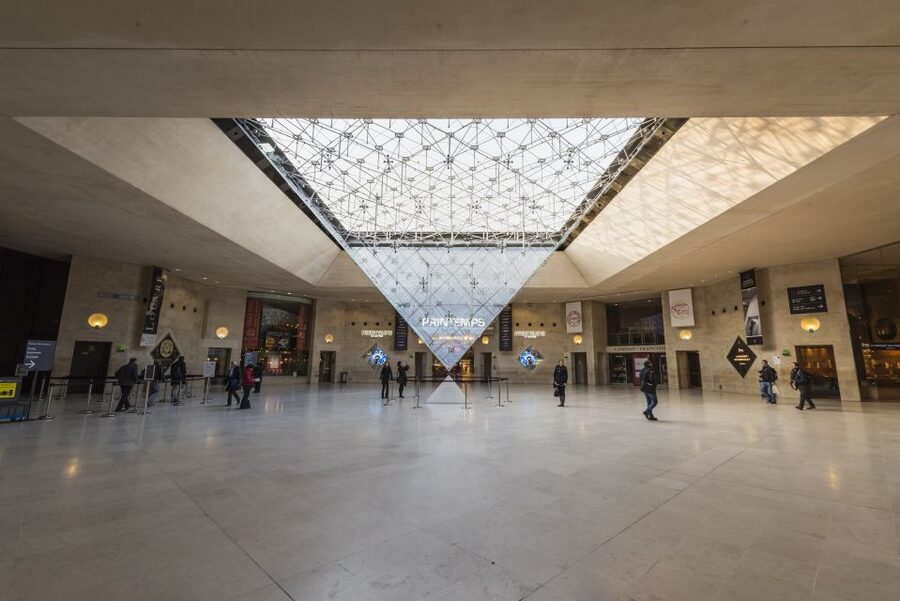
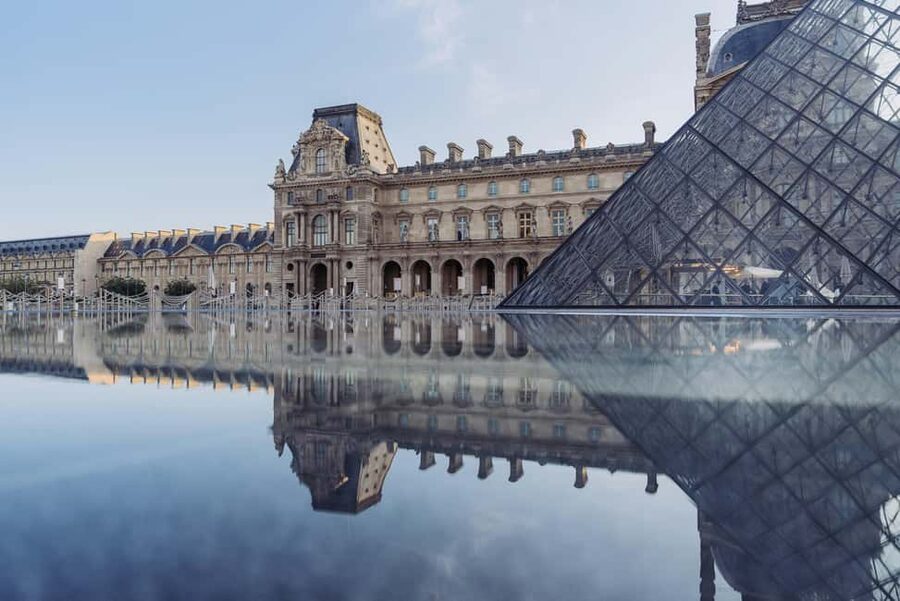
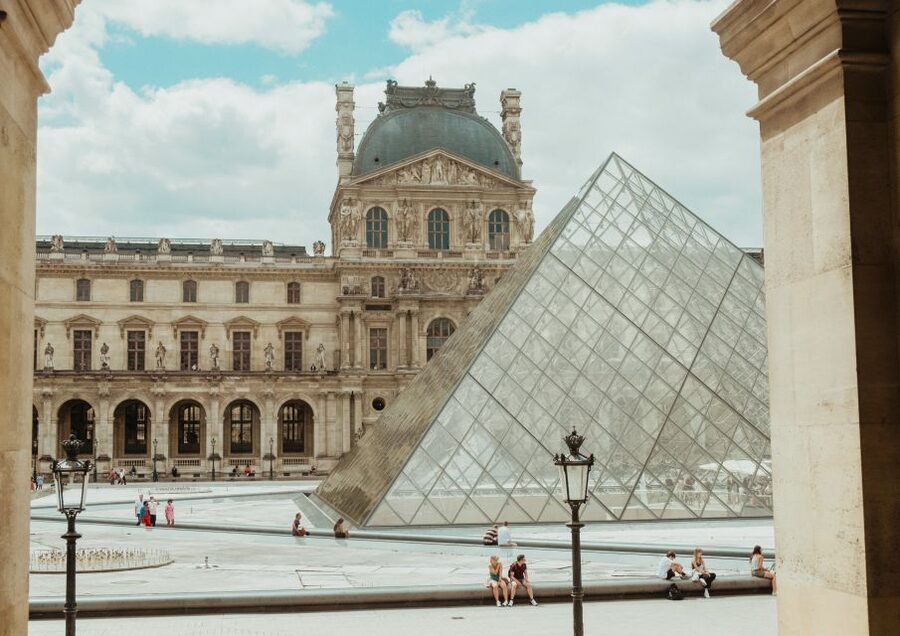
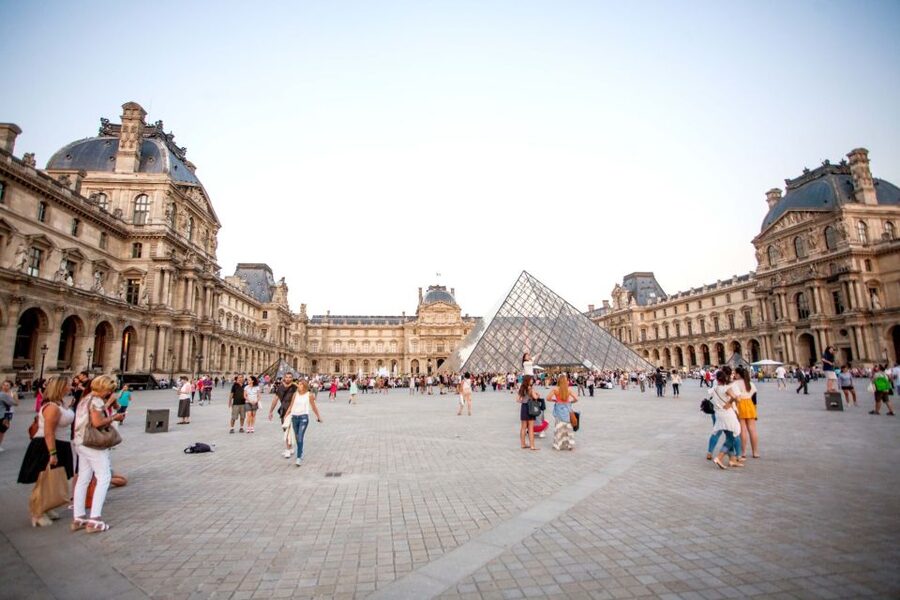
The tour includes about 30 minutes around the Louvre Pyramid, with time for photographs and an introduction from the guide. The glass pyramid is more than a useful landmark. It gives you a clear sense of the Louvre’s strange and impressive mix of old palace walls and modern museum design.
Your guide may use this opening to explain how the museum fits into the surrounding palace complex. The Louvre itself is part of the experience, not just a container for paintings. You will see evidence of its long development as you move through the building, including older foundations and grand rooms from its royal past.
This short introduction is valuable because it gives you a mental map before the galleries begin. Do not expect a long architectural tour here. The main event is still inside, and the group moves on after the photo stop.
Entering the galleries with reserved access
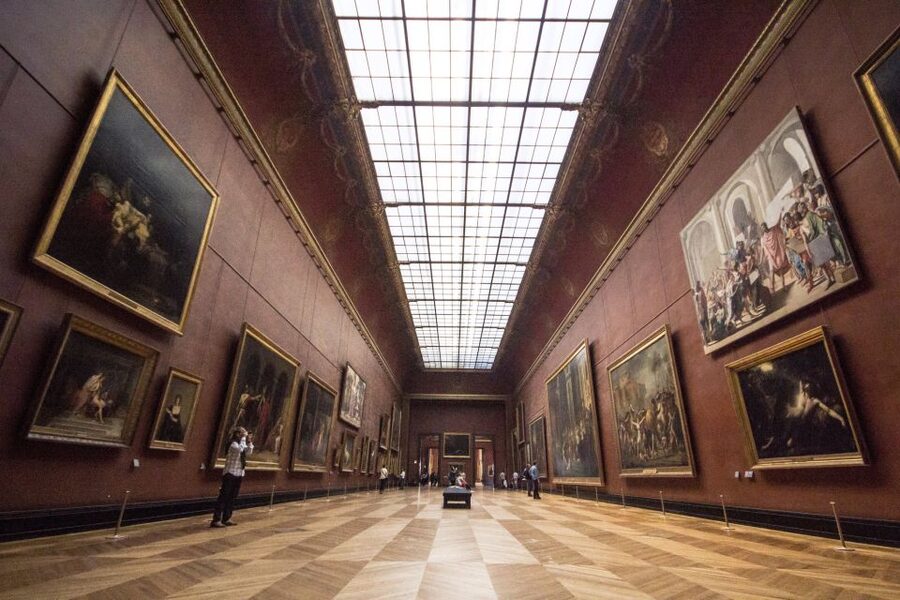
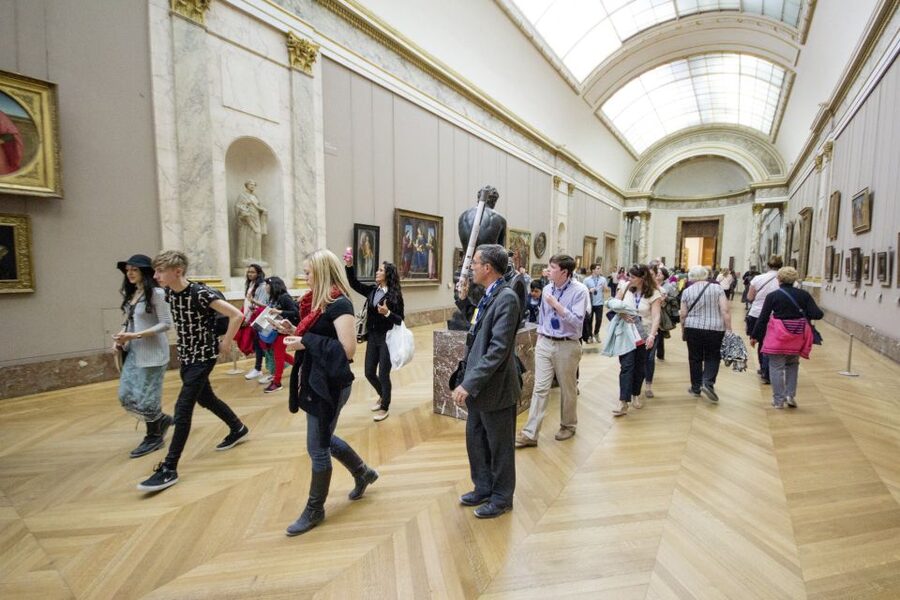
Once inside, the guided museum portion lasts about two and a half hours. The pace is purposeful. Your guide leads you toward the major works rather than trying to cover every wing.
That is the right approach for a first visit. You could spend several days in the Louvre and still leave rooms unseen. A planned route lets you experience the museum’s most important pieces without the frustration of constantly checking a map.
The drawback is that a planned route cannot match every interest. If you care most about Impressionist painting, for example, this particular experience may not satisfy you. One visitor specifically wished for more time with works by Monet and other masters not included in the main route. The tour focuses on the Louvre’s headline pieces, Renaissance art, classical antiquities, sculpture, French Romantic works, and royal interiors.
The group may be divided if it contains seven or more people. That is worth knowing if you are traveling with a large party and hoped to remain together. Smaller groups are easier to hear and move through crowded rooms, though group size can vary by departure.
More Louvre tours and timed tickets:
- Paris: Louvre Museum Entry Ticket With Host and River Cruise
★ 4.6 · 9,926 reviews - Louvre Museum – Exclusive Guided Tour (Entry Included)
★ 5.0 · 6,296 reviews - Paris: Louvre Museum Hosted Entry and Mona Lisa Audioguide
★ 4.6 · 5,235 reviews - Paris: Louvre Museum Tour Mona Lisa & Iconic Masterpieces
★ 4.7 · 4,536 reviews
Meeting the Mona Lisa face to face

The Mona Lisa is the tour’s main appointment, but it is also the stop that requires the most realistic expectations. The painting draws large crowds, and the viewing area can feel tightly controlled. You may not get a peaceful, private moment with Leonardo’s portrait.
A guide is useful here. Summer is praised for offering practical advice on seeing the painting in a crowded room, while other guides help their groups approach, look, and move on without losing people. You will probably have only limited time at the front, so take your look when the group reaches the viewing area.
The value of the stop is not only the painting itself. Your guide can explain the portrait’s details and its place in Renaissance art before or after you reach the room. That context helps you look beyond the familiar smile.
Still, if your top goal is to study the Mona Lisa slowly, this tour may leave you wanting more. The crowd is part of the reality, not a problem the guide can completely remove. Think of this as a well-managed introduction, not a long art session.
Greek and Roman sculpture, from Venus to Victory
The classical collection gives the tour some of its strongest visual moments. The Venus de Milo is one of the Louvre’s most famous sculptures, and the Winged Victory of Samothrace has a very different energy. You see how pose, movement, fabric, and missing elements can shape the way we respond to ancient sculpture.
The Winged Victory is especially striking because of its setting on the Daru staircase. The sculpture appears to move forward into the space, even though it has no head and no arms. Your guide can help you notice the sweep of the wings and the carved fabric that seems pressed by wind.
The Venus de Milo offers a quieter lesson in balance and idealized form. A brief stop with an expert explanation makes more sense than simply taking a photograph and walking away. You learn what to look at and why the work has remained so famous.
The route also includes the Great Sphinx of Tanis, an imposing Egyptian sculpture more than 4,000 years old. This stop broadens the visit beyond the usual Renaissance checklist. It reminds you that the Louvre covers vast stretches of time and several civilizations.
Renaissance art and Michelangelo’s Dying Slave
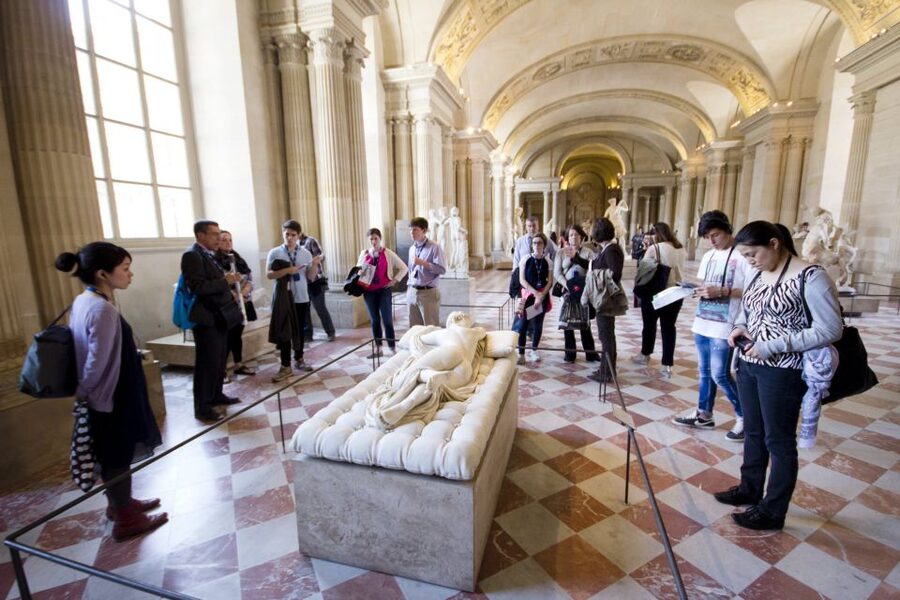
The Renaissance section brings you to major works by Leonardo da Vinci and Raphael. The tour does not treat the museum as a list of celebrity names. The guide explains the visual choices and historical setting that make the paintings worth your attention.
Michelangelo’s Dying Slave adds a powerful sculptural pause. The figure appears caught between strength and surrender, with the unfinished quality adding to its effect. A guide can point out the body’s twist and the way the stone still shows the artist’s process.
This is one of the places where the headset helps. You may be standing among many other people, but you can focus on the sculpture while listening to the interpretation. The explanation gives you something to carry into the next room instead of leaving you with only a photograph.
Canova’s Psyche Revived by Cupid’s Kiss provides a different mood. Its polished marble and tender pose offer a graceful contrast to Michelangelo’s tension. Seeing the two works during the same visit lets you compare how different artists use the human body to suggest emotion.
The Apollo Gallery and Napoleon Apartments
The Apollo Gallery is one of the Louvre’s most decorative interiors. It connects the museum to its royal past and offers a change from the more familiar painting galleries. Look upward as well as forward here. The room is meant to be seen as a whole, with its ornamental design and grand scale.
The Napoleon Apartments provide another shift in tone. The Second Empire décor remains lavish, formal, and almost theatrical. You are not just viewing individual objects. You are walking through rooms designed to show power, wealth, and ceremony.
These interiors are a strong reason to choose a guided tour rather than a quick run to the Mona Lisa. The building itself deserves attention, and a guide can connect the rooms to the Louvre’s development. The drawback is that the route gives only a taste of these spaces. If palace interiors are your main interest, you will want to use the free time afterward to return and look more closely.
What the three-hour pace feels like
The advertised experience lasts 210 minutes, or three and a half hours, while the guided portion is described as a 30-minute Pyramid stop followed by about two and a half hours inside. The schedule also lists up to two hours of free time at the Louvre afterward, so check the exact departure details when booking and plan for a substantial part of the day.
Expect a fair amount of walking and standing. The Louvre is large, and even a highlights route covers long corridors, stairs, and several rooms. Comfortable shoes are essential. This is not a good choice if you need a wheelchair-accessible route or have significant mobility limits, since the activity is not suitable for wheelchair users or people with mobility impairments.
The pace works best if you accept that this is an introduction. Some people find the route a little fast, especially when they want more time with a particular painting or sculpture. The advantage is that you see a broad range of major works, then use your remaining museum time to follow your own interests.
The tour may end at the Mona Lisa, after which you can continue independently. That arrangement is useful. You get the structure and background of a guided visit, then the freedom to revisit a room or find another collection without the group.
The optional wine, cheese, and charcuterie finish
The upgrade includes a wine tasting at Ô Chateau, a high-end wine bar in central Paris. The tasting is paired with artisanal cheese and charcuterie, making it a natural way to finish a museum morning or afternoon.
This option is best for you if you want the Louvre visit to lead into a relaxed food-and-wine experience. It is not included in the standard price, so check that you select the upgrade if you want it. The listed drop-off points are the Louvre Pyramid and Ô Chateau, giving you a choice between continuing your Paris day near the museum or heading to the wine bar.
The tasting does not add more museum time. It is a separate extra, and its value depends on your plans, appetite, and interest in French wine. If you already have a meal or tasting booked elsewhere, the standard tour may be the better buy.
Is $80 a fair price?
At $80 per person, the cost is higher than entering a museum alone, especially for eligible European Union visitors aged 18 to 26, who may receive free Louvre admission. But the comparison is not simply ticket price versus ticket price.
You are paying for reserved access, an English-speaking guide, a headset, and a route through difficult-to-navigate collections. If the regular line is long, the saved time can be worth a great deal during a short Paris visit. The guide also prevents the common first-visit problem of wandering without knowing what you are looking at.
The price is easiest to justify if this is your first Louvre visit, your time in Paris is limited, or you want the main works explained in clear English. It is less compelling if you enjoy spending hours alone with one painting, already know the Louvre well, or plan to explore only a small collection.
The optional wine tasting changes the total cost, so judge it separately. The basic museum tour is the part that delivers the main practical value.
Who should book this Louvre tour?
I would choose this experience for a first-time Louvre visitor who wants the famous works without trying to master the entire museum. Families with older children, couples on a short city break, and anyone uneasy about navigating a huge museum can benefit from the structure.
It also suits people who want art explained without academic language. Guides such as Omar, Summer, Anna, Saeed, Addie, Mo, and Natalia are praised for humor, patience, clear English, and the ability to adjust to crowds. Individual guide assignments can change, so you should not book on the assumption that one named guide is guaranteed.
I would be more cautious if you have limited mobility, dislike standing, or want a slow, detailed study of one department. The tour covers a lot of ground, and busy rooms can make the Mona Lisa stop feel brief.
Book it if you want a smart overview and the chance to keep exploring afterward. Skip it if you prefer an unhurried solo visit and have enough time to plan your own route.
FAQ
Where does the Louvre tour meet?
The meeting point is beside the Arc de Triomphe du Carrousel, not at the Louvre entrance. With your back to the Louvre Pyramid, look across the road toward the Tuileries Garden. The coordinators wear blue and wait to the left of the arch along the wall railing.
How long does the guided Louvre visit last?
The route includes a 30-minute guided stop at the Louvre Pyramid and about two and a half hours of guided touring inside the museum. The advertised activity duration is 210 minutes, and two hours of free time are also listed afterward.
Which Louvre artworks are included?
The route includes the Mona Lisa, Venus de Milo, Winged Victory of Samothrace, Great Sphinx of Tanis, works by Leonardo da Vinci and Raphael, Michelangelo’s Dying Slave, Canova’s Psyche Revived by Cupid’s Kiss, the Apollo Gallery, and the Napoleon Apartments.
Is the Louvre ticket included?
Yes. The experience includes a pre-reserved Louvre entrance ticket and reservation fee. Visitors from the European Union aged 18 to 26 may have free museum admission, but the reservation conditions still apply.
Is the wine tasting included?
Wine with artisanal cheese and charcuterie is included only when you choose the upgrade option. The standard museum tour does not include it.
Can I stay in the Louvre after the guided tour?
Yes. The itinerary lists free time at the Louvre after the guided portion, allowing you to continue exploring independently.
Do I need to pass security?
Yes. All visitors must pass through Louvre security before entering, even with reserved access. Large bags and luggage are not allowed, and items over 55 by 35 by 20 centimeters cannot enter.
Is this tour suitable for wheelchair users?
No. The experience is listed as unsuitable for wheelchair users and people with mobility impairments. It also involves considerable walking and standing, so comfortable shoes are important.
Just added around Paris
- Rodin Museum Masterpieces – Guided Tour up to 8 guests★ 4.9 · 13 reviews
- Invalides Museum – WWI & WWII – Guided Tour up to 8 guests★ 5.0 · 32 reviews
- Skip the Line Guided Tour of Louvre Museum Highlights★ 5.0 · 49 reviews
- Paris: Louvre Museum Highlights Small-Group Guided Tour★ 4.8 · 157 reviews
- From Paris: Private Trip to Giverny, Monet’s House & Museum★ 4.5 · 13 reviews
- Paris: Street Art Open-Air Museum Bike Tour★ 4.8 · 51 reviews
- Paris: The Rodin Museum and Seine River Cruise★ 4.6 · 45 reviews
- Paris: Rodin Museum Ticket & Optional Digital AudioGuide App★ 4.7 · 56 reviews
Museum Tours in Paris, compared.

Louvre Museum Masterpieces Guided Tour with Access
Read our review →
Louvre Museum Entry Ticket With Host and River Cruise
Read our review →
Les Invalides: Napoleon’s Tomb & Army Museum Entry
Read our review →
Louvre Museum – Exclusive Guided Tour (Entry Included)
Read our review →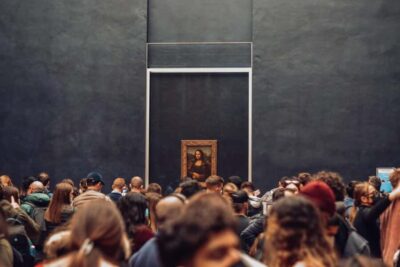
Louvre Museum Hosted Entry and Mona Lisa Audioguide
Read our review →
Browse the lists this tour appears in