
Review · TOKYO
Tokyo: Mt. Fuji, Owakudani, Hakone Shrine, & Open-Air Museum
Hakone packs art, volcanoes, mountain scenery, and lake views into one busy day. I especially like the Hakone Open-Air Museum, where major sculpture sits outdoors among gardens, and Owakudani, where steam vents and sulfur springs make the earth feel very much alive. The guide-led transport also saves you from sorting out Hakone’s many trains, buses, boats, and cable cars.
The main trade-off is time. You are covering a lot of ground in one day, and traffic or bad weather can change the order of stops. Mount Fuji may be hidden by clouds, and the optional Ropeway or Pirate Ship costs extra. Still, at $79, this is a strong value if you want a broad taste of Hakone without handling the connections yourself.
Key points to know before booking
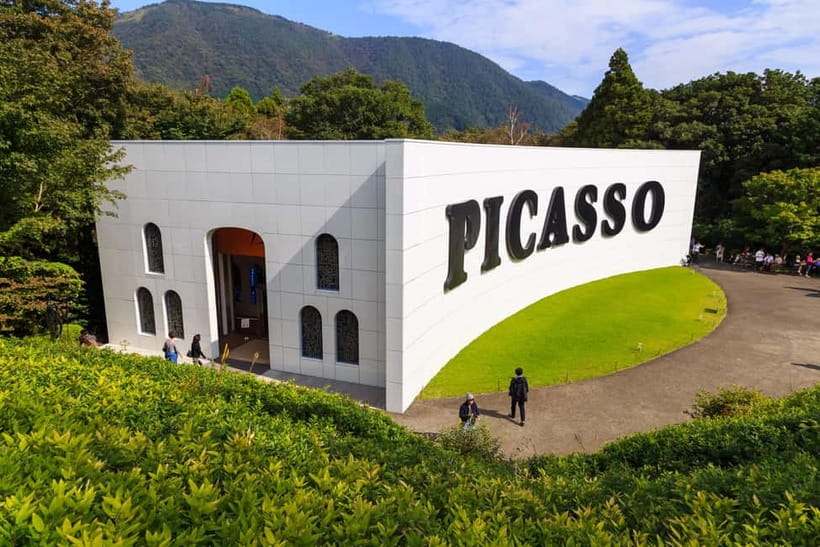
- Hakone Open-Air Museum: Walk through sculpture gardens with works by Henry Moore and Joan Miró, plus a Picasso gallery and interactive installations.
- Owakudani’s volcanic valley: See steam vents, sulfurous springs, and striking signs of active volcanic ground.
- Hakone Shrine by Lake Ashi: Visit the forested shrine and its famous torii gate in the water.
- Flexible routing: Guides may reverse the order or adjust the day for traffic, rain, crowds, and transport conditions.
- Optional scenic rides: The Hakone Ropeway and Pirate Ship may be available, but their tickets are not included.
- Practical value: Transportation, admission tickets, and an English or Korean-speaking guide are included for $79.
Why Hakone works as a day trip from Tokyo
Tokyo is thrilling, but its scale can wear you out. Hakone offers a sharp change of pace, with mountain roads, forest, hot-spring activity, and Lake Ashi replacing city blocks and train platforms.
The region is also hard to cover efficiently on your own in a single day. Hakone uses a network of local trains, buses, cable cars, boats, and the Ropeway. That network is scenic, but connections can be confusing, especially when rain, crowds, or peak-season traffic disrupt the plan.
This tour gives you a vehicle and a guide for the main route. You can look out the window instead of checking maps at every turn. The guide can also adjust the order of the stops. Yuichi, for example, changed the route so the group reached Hakone Shrine and Lake Ashi early, then used the Pirate Ship and cable car before visiting the museum.
That kind of adjustment matters. Hakone is not one fixed experience. Weather can hide Fuji, road traffic can eat up time, and popular sites can feel very different early in the day than later on.
More Museum Tours in Tokyo
- Tokyo: teamLab Planets TOKYO Digital Art Museum Entry Ticket
★ 4.6 · 9,779 reviews - Tokyo: Samurai Ninja Museum Guided tour and Experience
★ 4.6 · 1,010 reviews - Ninja Experience (Family Friendly) at Samurai Ninja Museum TOKYO
★ 5.0 · 441 reviews
Starting with sculpture at the Hakone Open-Air Museum
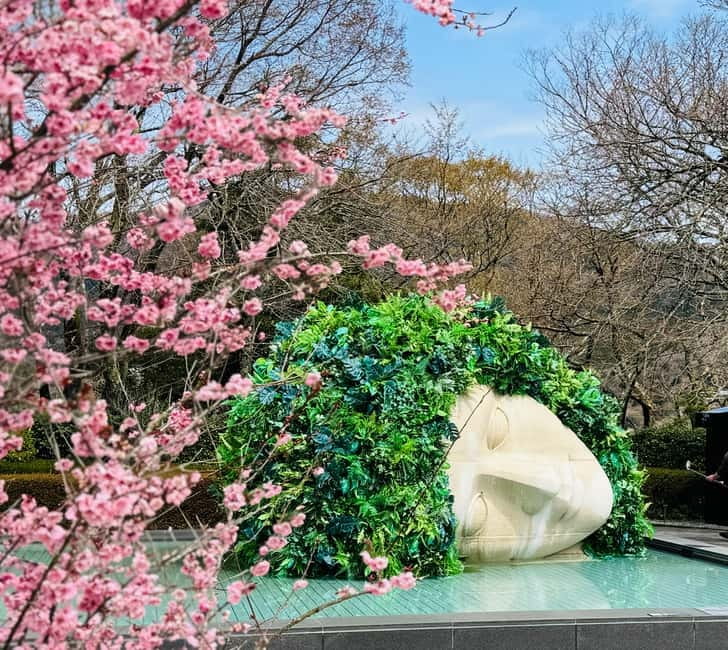
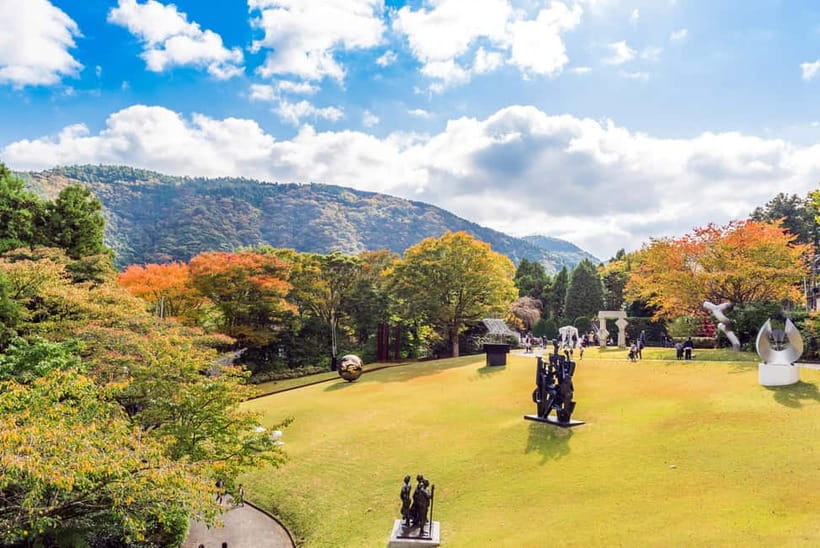
The Hakone Open-Air Museum is not a quick indoor gallery stop. It is a broad sculpture garden where art and mountain scenery share the same space.
You can expect outdoor works by artists including Henry Moore and Joan Miró. There is also a Picasso gallery for a more traditional museum visit, along with interactive installations that give the stop some variety. One minute you may be looking at a large modern sculpture against the hills, and the next you may be inside viewing Picasso works.
I like this first stop because it gives the day an artistic opening rather than rushing straight to the volcanic sites. The setting does much of the work. You are not moving through a plain exhibition hall, so the walk between pieces becomes part of the visit.
Give yourself time to wander. The museum is best enjoyed at a relaxed pace, with room to pause, take photographs, and compare the formal indoor collection with the open-air works. Comfortable shoes are important because the experience involves walking through gardens and outdoor paths.
The possible drawback is that art is personal. If modern sculpture is not your thing, this may feel like the least immediately exciting part of the day. Even then, the gardens and mountain setting make it more than a standard gallery visit.
The order may change in busy periods. You might visit the museum later if traffic or crowd levels make another sequence more sensible. The tour includes admission, so you do not need to arrange that separately.
Owakudani, where Hakone shows its volcanic side
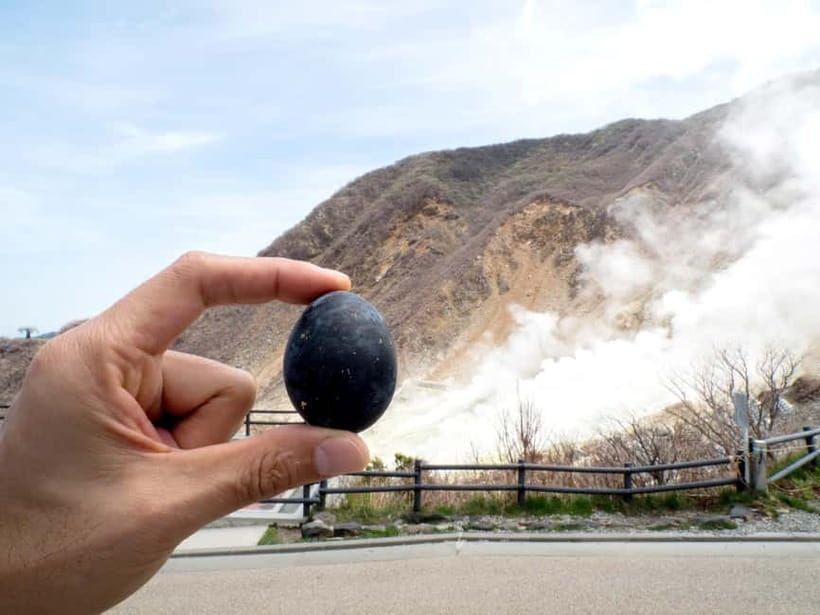
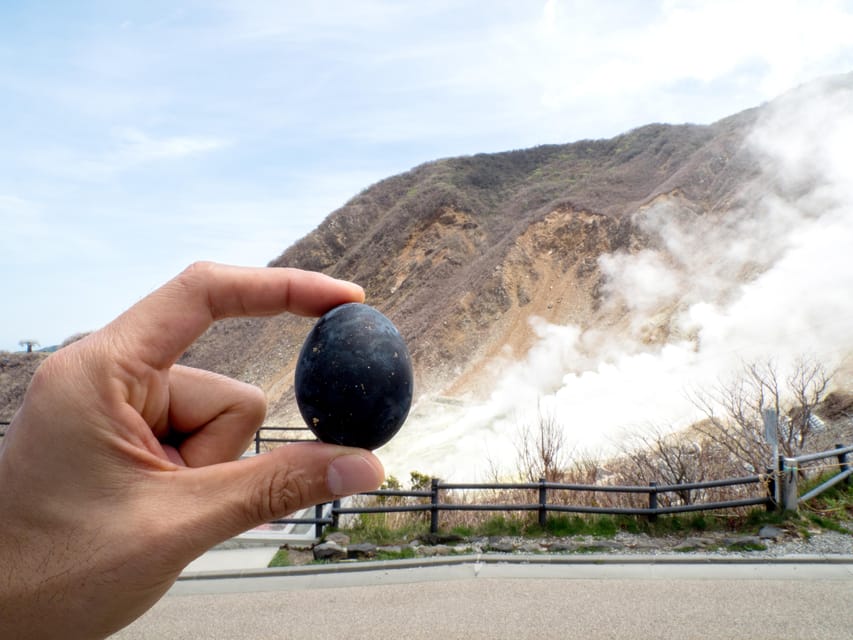
Owakudani is the most unusual stop on the route. This active volcanic valley has sulfurous springs, steaming vents, and ground shaped by volcanic activity.
The atmosphere is unlike the calm setting around Lake Ashi. Steam rises from the earth, and the sulfur smell can be strong. That is part of the point. Owakudani lets you see the force below Hakone’s peaceful hot-spring towns and wooded slopes.
I would make this a priority if you like geology, unusual natural sights, or places that feel different from the usual Japanese sightseeing route. It is also a good contrast with the museum. The day moves from human-made sculpture to raw volcanic activity.
Weather matters here. Rain, fog, and local conditions can limit what you see and may affect access or transport. The guide can adjust the itinerary when conditions change. Do not treat the exact order as fixed.
The Ropeway may be available as an optional add-on, depending on weather and local conditions. A ride can add another way to see Hakone’s volcanic area, but the ticket is not included in the $79 price. Your guide can help you decide and assist with the arrangements on the day.
Hakone Shrine and Lake Ashi
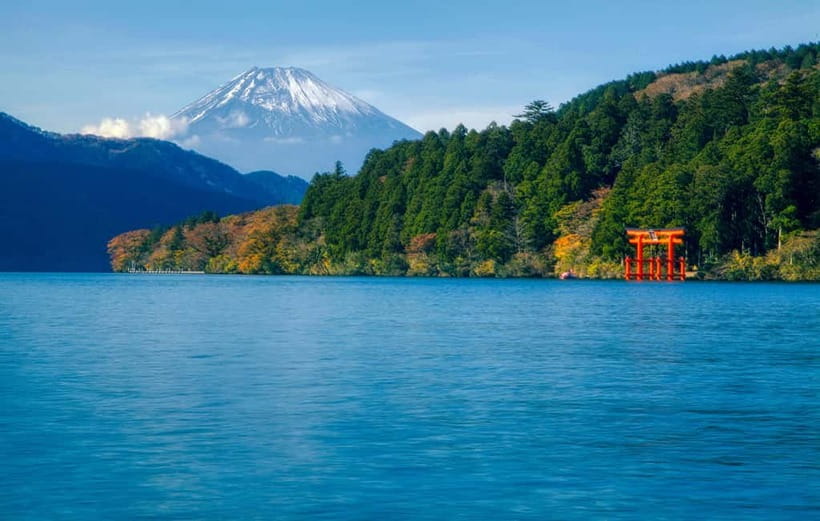
Hakone Shrine sits near Lake Ashi at the foot of Mount Hakone. Its forest setting gives the visit a quieter feel than Owakudani, while the lake and mountains create some of the day’s best photo opportunities.
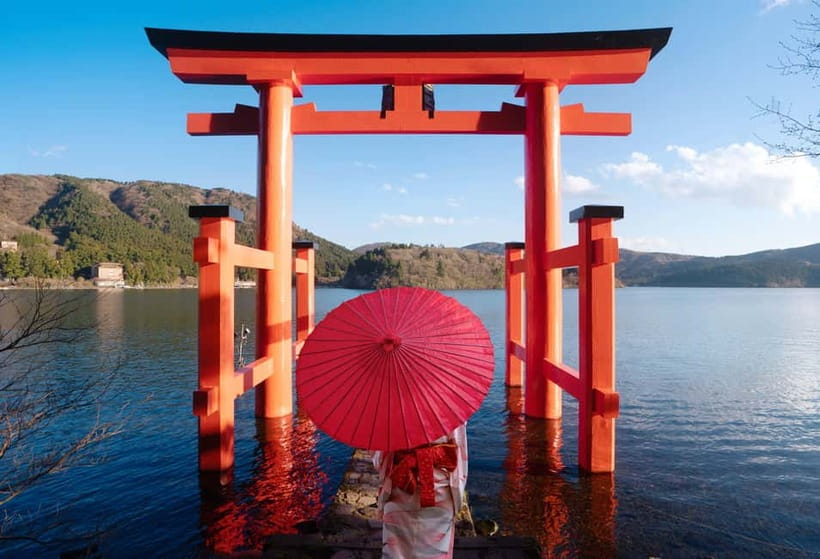
The shrine’s most recognizable feature is the torii gate standing in the waters of Lake Ashi. Depending on conditions and crowd levels, you may have to wait for a clear view or a good photo position. The setting is worth taking slowly. Look beyond the gate to the water, trees, and mountain slopes rather than treating it as a quick stop for one picture.
A useful tip from the day’s practical advice is to bring a small bottle if you want to fill it with mineral water at the shrine. You may also want a few five-yen coins for an offering. Five yen is considered a lucky offering in Japan because of its association with good connections.
The shrine can be especially rewarding early in the day. One guide changed the route to reach it before larger groups arrived, allowing more quiet time by the lake. That does not guarantee an empty visit, but it shows why a flexible guide can improve the experience.
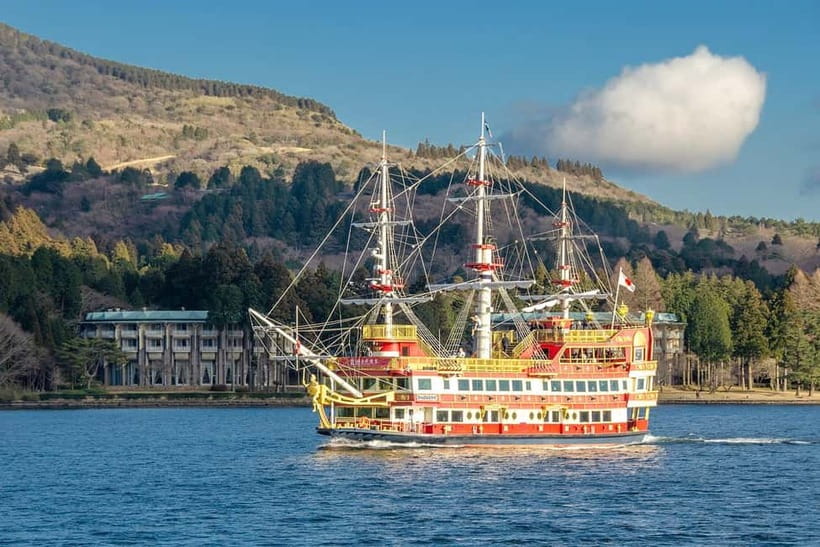
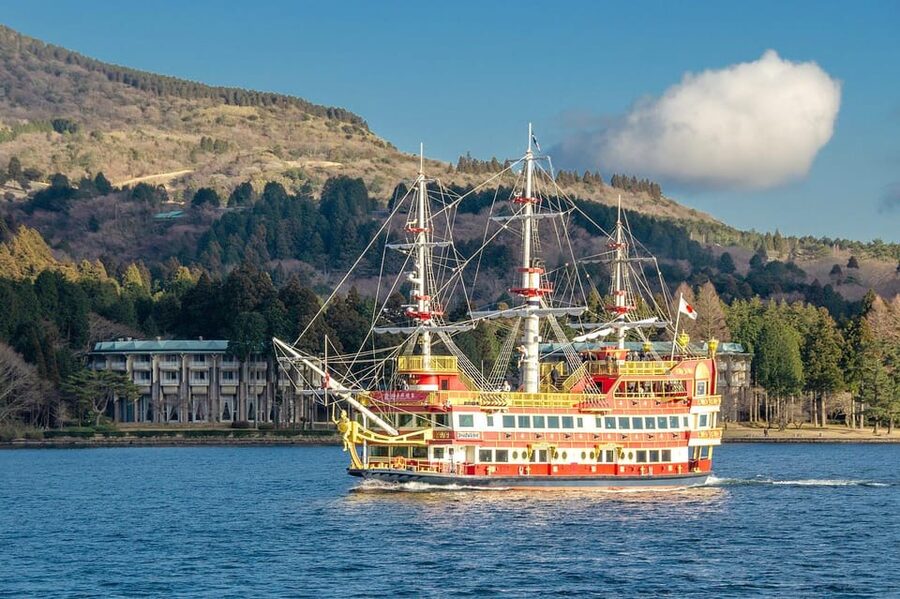
You may also have the chance to take the Hakone Pirate Ship across Lake Ashi. This ticket is optional and not included. A boat ride can make the lake portion more memorable, especially when Fuji is visible, but weather may affect whether it runs or fits the day’s timing.
A few more museum visits around Japan worth comparing
- Osaka Castle: Museum and Tower Entry Ticket
★ 4.5 · 2,380 reviews - Kyoto: Tea Museum Tickets and Matcha Grinding Experience
★ 4.9 · 739 reviews - Skip the lines Basic Ticket at SAMURAI NINJA MUSEUM KYOTO
★ 4.5 · 632 reviews - Skip the lines Basic Ticket at SAMURAI NINJA MUSEUM TOKYO
★ 5.0 · 470 reviews
Mount Fuji views depend on the sky
The title of the experience includes Mount Fuji, but you should understand that a clear Fuji view is not guaranteed. Clouds and rain can hide the mountain, even when the rest of Hakone is open and enjoyable.
Yuichi changed the route for one group to improve its chance of seeing Mount Fuji from Lake Ashi. That worked with the right weather conditions, but another day may offer only cloud. The tour can take you to scenic areas, yet no guide can control visibility.
I would book this for Hakone as a whole, not solely for Fuji. If the mountain appears, it is a welcome bonus. If it does not, you still have the museum, volcanic valley, shrine, and lake.
A small keepsake origami Mount Fuji has also been given at the end of the day. It is a thoughtful touch, especially when the real mountain stays hidden.
The value of transportation and a guide
At $79 per person, this tour includes transportation, admission tickets, and an English or Korean-speaking guide. That is a useful bundle for a full day outside Tokyo.
The strongest value comes from time saved. You avoid arranging separate transport to the museum, Owakudani, and the shrine. You also avoid the mental work of deciding which train, bus, cable car, or boat connects to the next stop.
The guide’s role is not only to provide facts. A good guide watches the clock, traffic, weather, and crowd levels. Juna was praised for taking care of practical needs, while Icchi was noted for safe driving through heavy rain and for adjusting the sequence. Yuichi also changed the route to improve access to Lake Ashi and Fuji views.
That does not mean every day will run perfectly. Japanese law limits vehicles to 10 hours of operation, and the guide may need to change the itinerary to comply. Heavy traffic can also reduce free time at a stop. The experience is best viewed as a guided overview of Hakone, not as a slow, private visit to each attraction.
Group size can vary. One particularly small group had six people, which made quick changes easier. You should not assume every departure will be that small, but the guide-led format still removes much of the transport hassle.
Optional Ropeway and Pirate Ship costs
The Ropeway and Pirate Ship are not part of the base price. You pay for either one separately if it is available and you choose to join.
The Ropeway is a natural fit with Owakudani because it adds a high viewpoint over Hakone’s volcanic area. The Pirate Ship suits the Lake Ashi portion and gives you time on the water. Both can make the route feel more varied, but both depend on weather, local conditions, and the day’s timing.
Ask the guide about the options before paying. Since the itinerary may be rearranged, the best choice can depend on which stop comes first and how much traffic has affected the schedule.
If you want a simple, controlled budget, skip the add-ons. The included museum, Owakudani visit, shrine, lake views, transport, and admission tickets already make a complete day.
Food, walking, and what to bring
Meals are not included. The practical advice is to bring snacks or a light lunch for the bus or attraction areas. This is especially useful if you prefer not to lose sightseeing time searching for food during a busy day.
Wear comfortable shoes. The museum involves outdoor walking, and the shrine area may require time on foot. You will also be moving between different settings, so shoes that handle uneven paths and wet weather are a sensible choice.
Rain can change the character of the trip. Bring weather protection and keep your expectations flexible. A rainy day may mean weaker Fuji views, but Owakudani can still feel dramatic in mist or cloud, and the forest around the shrine can feel especially quiet.
If you plan to bring a baby stroller, notify the operator in advance. Infants travel free but do not receive their own seat, so families should consider that carefully before booking.
Who will get the most from this tour
I would recommend this trip if you want a broad introduction to Hakone and prefer guided transport over a complicated self-guided route. It suits first-time visitors to the area, art lovers, photographers, families who want a structured day, and anyone with limited time in Tokyo.
It is also a good fit if you enjoy variety. The day moves between modern art, volcanic ground, a Shinto shrine, a mountain lake, and possible boat or cable-car rides.
You may want another plan if you prefer to linger for hours at one site, hike at your own pace, or build your entire day around a guaranteed Mount Fuji view. You should also think twice if a busy schedule or changing itinerary frustrates you.
The English and Korean language options make the tour practical for a wider range of visitors. The guide can offer help with the optional rides and explain how to make the most of each stop, but you still need to be ready for a full day shaped by traffic and weather.
Should you book this Hakone day trip?
Book it if you want the most efficient way to see several sides of Hakone from Tokyo. The $79 price covers transportation and admission, and the flexible routing is a real advantage when roads are crowded or rain changes the plan.
Do not book it only for Mount Fuji. Visibility is uncertain, and the optional Ropeway and Pirate Ship add extra cost. Book it for the complete mix: the Open-Air Museum’s sculpture gardens, Owakudani’s steam and sulfur, Hakone Shrine, and Lake Ashi.
For many visitors, that balance is the reason to go. You get art, nature, culture, and a break from Tokyo without having to solve Hakone’s transport puzzle on your own.
FAQ
How much does the Hakone tour cost?
The tour costs $79 per person.
What does the price include?
The price includes transportation, admission tickets, and an English or Korean-speaking guide.
Are meals included?
No. Meals are not included, so bring snacks or a light lunch if you want food during the day.
Is Mount Fuji guaranteed to be visible?
No. Mount Fuji views depend on weather and cloud conditions.
Are the Hakone Ropeway and Pirate Ship included?
No. Both are optional activities, and their tickets must be purchased separately on site if available.
What languages are offered?
The tour offers English and Korean-speaking guides.
Where does the tour start and finish?
The meeting point may vary according to the option booked. The tour ends back at the meeting point.
Can the itinerary change?
Yes. The guide may change the order or adjust the itinerary because of traffic, weather, crowds, local conditions, or the legal limit on vehicle operation.
What should I bring?
Bring comfortable shoes. Snacks or a light lunch are also recommended.
Do infants need a ticket?
Infants are free, but no separate seat is provided. If you bring a baby stroller, inform the operator in advance.
Just added around Japan
- Skip the lines Basic Ticket at SAMURAI NINJA MUSEUM TOKYO★ 5.0 · 470 reviews
- Private Tour Through the Tokyo National Museum & Ukiyo-e★ 4.7 · 17 reviews
- Samurai Ninja Museum Asakusa: Kid-Friendly Ninja Training★ 4.7 · 67 reviews
- Tokyo National Museum Private Tour★ 4.9 · 28 reviews
- Tokyo: Kichijoji Gourmet Tour with Lunch★ 4.5 · 40 reviews
- Samurai Ninja Museum Asakusa: Samurai Sword Lesson & Tour★ 4.8 · 306 reviews
- Tokyo: Art Aquarium Museum GINZA Entry Ticket★ 4.5 · 278 reviews
- (Ticket Included) Explore Osaka Castle & Museum of History★ 4.8 · 21 reviews
Museum Tours in Tokyo, compared.
teamLab Planets TOKYO Digital Art Museum Entry Ticket
Read our review →
Samurai Ninja Museum Guided tour and Experience
Read our review →
Ninja Experience (Family Friendly) at Samurai Ninja Museum TOKYO
Read our review →
Tokyo Studio Ghibli Museum and Ghibli Film Appreciation Tour
Read our review →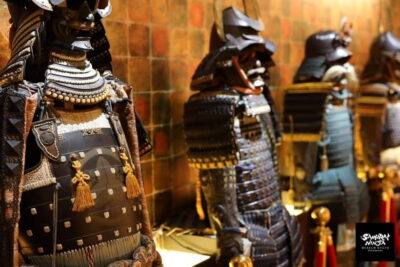
Samurai Ninja Museum Asakusa: Samurai Sword Lesson & Tour
Read our review →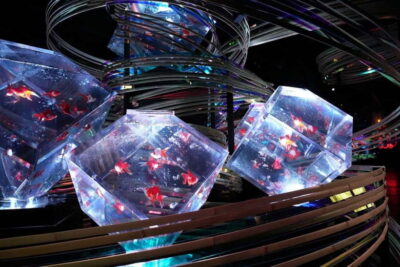
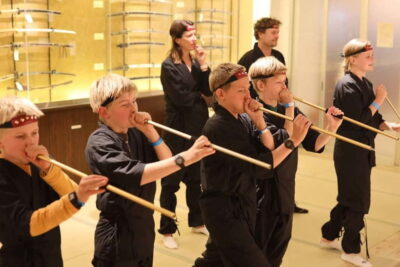
Samurai Ninja Museum Asakusa: Kid-Friendly Ninja Training
Read our review →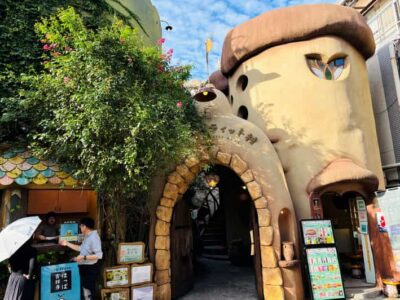
Browse the lists this tour appears in