
Review · JAPAN
Kamigata Ukiyoe Museum:Ukiyo-e Woodblock Printing Experience
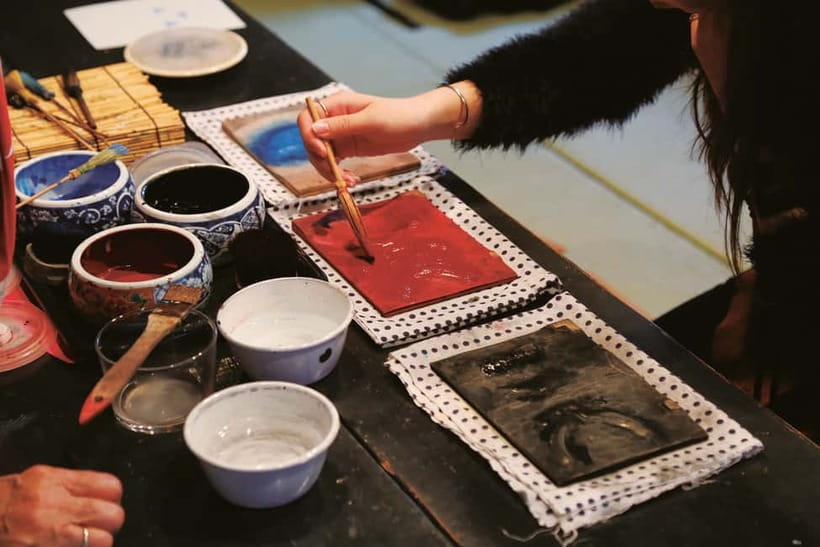
The most memorable part of this Osaka activity is that you do not simply look at ukiyo-e behind glass. You use original museum woodblocks to make a small multicolor print of your own. Painting the blocks, rubbing the paper with a baren, and controlling pressure show you the craft in a way a gallery label cannot.
I especially like the very low $5 price and the fact that you take home a finished print in a clear decorative file. I also like the private-group format, which gives the instructor time to correct your technique. The main catch is that the class is short and practical, so you should visit the museum collection if you want much background about ukiyo-e.
Key points at a glance
- Use original museum woodblocks: Print three to four colors onto good-quality Japanese paper.
- Choose your skill level: Beginner, intermediate, and advanced courses are available.
- Learn by doing: Painting, baren rubbing, and pressure control reveal how ukiyo-e was made.
- Expect a traditional setting: The class takes place in a tatami exhibition room on the fourth floor, with zabuton cushions and a few small stools.
- Take home a real souvenir: Your finished print goes into an original clear file for protection.
- Allow time for the museum: Admission is separate, but the collection helps explain the technique you have just tried.
Why this small Osaka workshop is worth your time
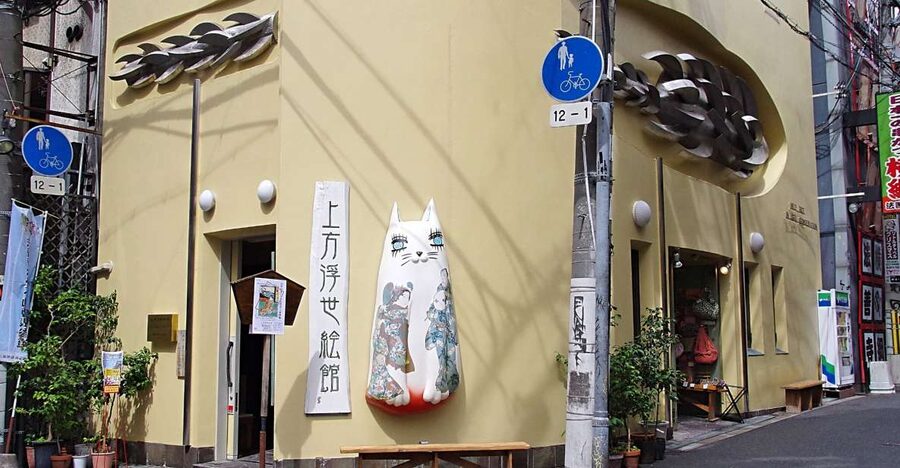
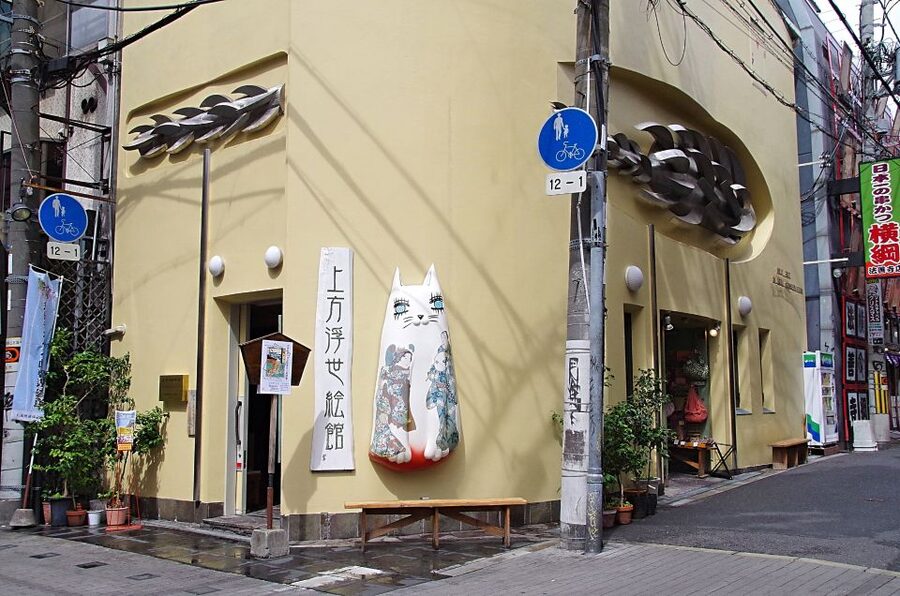
The Kamigata Ukiyo-e Museum sits in Osaka’s old district just behind Dotonbori, placing the activity in a part of the city known for food, signs, and evening energy. The workshop itself offers a quieter change of pace. You head upstairs to a Japanese-style exhibition room, sit on a cushion, and work through the same basic printing actions that give ukiyo-e its layered color.
At first, the process sounds simple: apply color, place paper, rub, and repeat. It is not difficult, but it does demand care. Too much pressure can affect the result. Too little may leave a pale or uneven section. The small decisions make you look at finished ukiyo-e differently, especially when you realize that a single image can require several blocks and several carefully aligned impressions.
The course takes from 30 minutes to one hour. That makes it easy to fit between sightseeing stops, but it also limits the amount of formal explanation you will receive. One participant found the session more practical than informational. I think that is the right way to view it: this is a hands-on introduction, not a full art lecture.
A few more museum visits around Japan worth comparing
- Tokyo: teamLab Planets TOKYO Digital Art Museum Entry Ticket
★ 4.6 · 9,779 reviews - Osaka Castle: Museum and Tower Entry Ticket
★ 4.5 · 2,380 reviews - Tokyo: Samurai Ninja Museum Guided tour and Experience
★ 4.6 · 1,010 reviews
Your first decision: beginner, intermediate, or advanced
You choose from three courses. The beginner class is the safest choice if you have never handled a woodblock or simply want a relaxed souvenir. It gives you a short, direct introduction to the main actions without demanding previous skill.
The intermediate course adds more steps, but you do not need to arrive as a trained printmaker. Clear instruction lets first-time participants follow along. One person who selected the intermediate option had no woodblock-painting experience and still completed a print with guidance from the instructor.
The advanced course uses more colors and requires more stages. It is not just a faster version of the beginner class. You need to pay closer attention to the sequence and the handling of the paper. Still, previous workshop experience is not required according to the information provided, and one participant found the advanced option challenging but enjoyable as a first course.
Here is my practical advice:
- Choose beginner if you want the easiest introduction or have a tight schedule.
- Choose intermediate if you want more involvement without making the process too demanding.
- Choose advanced if the extra colors and steps are part of the appeal, not a source of stress.
If you have time in Osaka for more than one visit, the three levels give you a reason to return. The same basic method remains in place, but additional colors make the work more involved.
What happens during the 30 to 60 minutes
The class begins with a choice of course and an explanation of the task. Your instructor speaks Japanese or English and guides you through the work. The instructor Saya has been especially praised for her patience, warmth, and attention to detail, and her gentle teaching style is useful when the process feels unfamiliar.
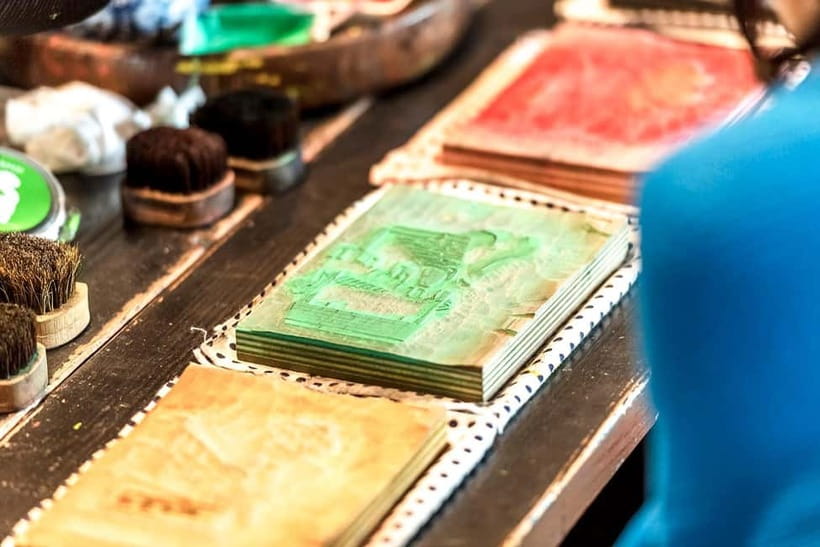
You work with three or four colors printed onto high-quality Japanese paper. The exact image and block arrangement are not specified in the activity details, so you should expect the museum to provide the prepared woodblocks and the chosen design for your course.
The first hands-on stage involves painting the block. This is where you begin to see that color application matters. You are not painting a blank picture in the usual sense. You are preparing a carved surface so it can transfer color to paper in the right place and amount.
Next comes the paper and the baren. A baren is the traditional hand tool used to rub the back of the paper against the inked block. Your pressure affects the transfer. The exercise is accessible, yet it rewards a steady touch rather than hurried effort.
The image develops in layers. After one color is printed, the next block or color adds another part of the design. That gradual build is the key lesson. A finished ukiyo-e can look effortless, but the printing stage requires order, alignment, and control.
At the end, you receive your completed artwork in an original clear file. It is a simple touch, but a useful one. The print is protected for the rest of your day in Osaka and is easier to pack than a loose sheet of paper.
The tatami room changes the feel of the class
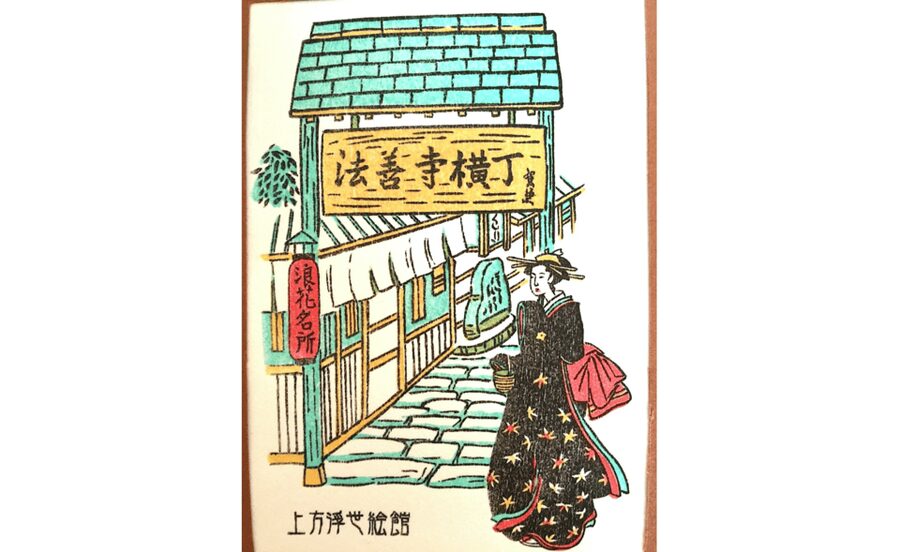
The printing takes place in a Japanese-style exhibition room on the fourth floor. You sit on a zabuton cushion in a tatami room, with a limited number of small stools available.
That setting adds a cultural element without turning the class into a staged performance. You are working at floor level, using traditional tools, in a room connected to the museum’s displays. It helps the activity feel like a craft lesson rather than a standard tourist art table.
The floor seating is also the main comfort point to consider. If sitting on a cushion is difficult, ask about a small stool when you arrive, but supplies are limited. The activity information does not give further accessibility details, so you should contact the provider if you need a specific seating arrangement.
Only one group is available in each class. This private-group setup matters more than the low price might suggest. You can ask questions, work at a sensible pace, and receive direct help instead of waiting behind a large group. For couples, families, or friends, it creates a more personal class.
Same city, a completely different collection:
- Kyoto: Tea Museum Tickets and Matcha Grinding Experience
★ 4.9 · 739 reviews - Skip the lines Basic Ticket at SAMURAI NINJA MUSEUM KYOTO
★ 4.5 · 632 reviews - Skip the lines Basic Ticket at SAMURAI NINJA MUSEUM TOKYO
★ 5.0 · 470 reviews - Ninja Experience (Family Friendly) at Samurai Ninja Museum TOKYO
★ 5.0 · 441 reviews
Why you should visit the museum before or after
The printing experience and the museum collection work best together. The workshop shows you the physical act of making a print. The exhibits then help you understand how much more complex a finished ukiyo-e can be.
Several people found that looking at the displays after printing gave them a better appreciation of the art. I agree with that order if your main goal is to understand the technique. After rubbing your own paper by hand, you notice the layered colors, fine details, and number of blocks used in the museum pieces.
You can also visit the museum before the class. That approach gives you a visual introduction before you sit down to work. You may pay closer attention to how colors are arranged and how separate impressions form one image.
The important point is that museum admission is not included in the workshop fee. You need a separate admission ticket if you want to see the collection. Since the class costs only $5, adding the museum makes financial sense for anyone interested in the art rather than only the souvenir.
The value of a $5 hands-on souvenir
At $5 per person, this is one of the least expensive creative activities available to a visitor in Osaka. The price covers the ukiyo-e printing experience and instructor support. It does not cover museum admission or personal expenses.
The value is not just the finished paper. You are paying for access to original woodblocks, Japanese paper, traditional tools, and a guided process that would be difficult to recreate on your own. The print gives you something physical to take home, while the technique gives you a better way to read ukiyo-e afterward.
There is one limit to keep in mind. A $5, 30-minute class cannot provide an exhaustive lesson in art history or professional printmaking. If you want a long demonstration, a detailed talk, or a large finished piece, this may feel brief.
For most people, the low cost makes that trade-off easy. You receive a genuine activity, a personal souvenir, and a new understanding of why printing is central to ukiyo-e production.
Who will enjoy this most
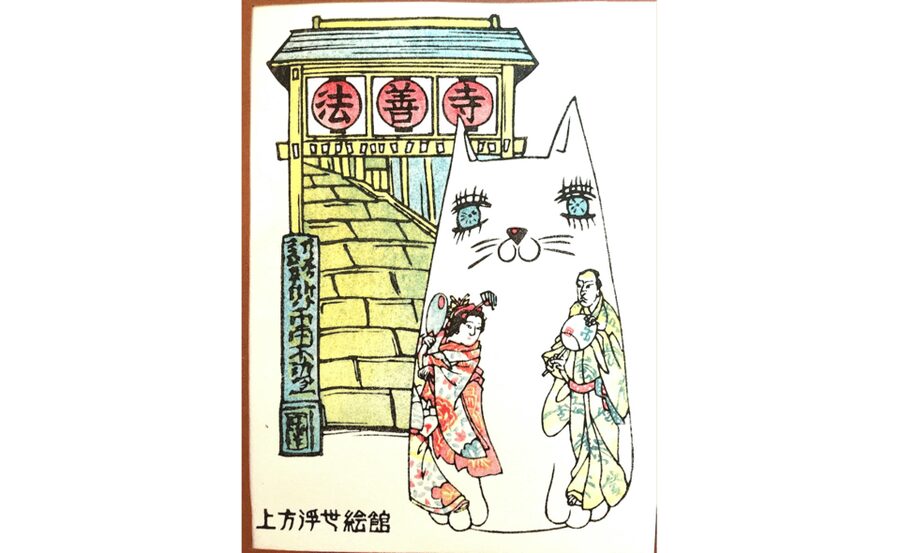
I would recommend the workshop to first-time visitors who want a small cultural activity between larger Osaka attractions. It is especially good for couples and families because the private format lets everyone work at the same table and ask for help.
It also suits art lovers who want to move beyond looking. The process gives you a physical sense of registration, pressure, and layering. Those ideas can seem abstract until you try to make even a simple print.
Children may enjoy the hands-on nature, but the supplied information does not specify a minimum age or child policy. If you are booking for young children, confirm those details before reserving.
The workshop is less suitable if you want a long, lecture-heavy program. The activity is practical. Your instructor answers questions, but the central purpose is to make the print.
Timing, cancellations, and small practical details
Check the available starting times when you book. The duration ranges from 30 minutes to one hour, depending on the course and pace.
Arrive on time. If you have not arrived within 30 minutes of your reserved time, the booking is treated as canceled without a refund. That rule is worth taking seriously, especially if you are coming through crowded central Osaka.
You can cancel up to 24 hours in advance for a full refund. A reserve-now, pay-later option is also available, which helps if your Osaka schedule is still changing.
The workshop is closed from December 29 through January 3 for the New Year holiday. Plan around those dates if you are visiting Japan at the end of December or during the first days of January.
How this fits into an Osaka day
The museum’s location just behind Dotonbori makes the class easy to pair with central Osaka sightseeing. You could schedule it before a meal in the area, or use it as a quieter stop after time among the bright signs and busy streets.
Give yourself enough time to find the museum and reach the fourth-floor room. The information provided does not specify transport directions or elevator access, so confirm the route if those details matter to you.
If you want the best learning sequence, visit the museum first, take the printing course, and then look at the collection once more. That is not required, but it turns a short craft lesson into a clearer art experience.
Final call: should you book it?
Book this workshop if you want an affordable, personal activity that leaves you with more than a photograph. The original woodblocks, private instruction, traditional room, and finished Japanese-paper print give the $5 fee excellent value.
Choose the beginner course for an easy introduction, or select intermediate or advanced for more colors and more steps. Add museum admission if you want the larger artistic context.
Skip it only if you need a long, detailed lecture or cannot sit on a zabuton cushion. For everyone else, this is a smart Osaka add-on, particularly before or after Dotonbori, and one of the simplest ways to understand how ukiyo-e becomes a printed image.
FAQ
How much does the ukiyo-e printing experience cost?
The experience costs $5 per person. Museum admission is separate, and personal expenses are not included.
How long does the activity take?
The activity lasts from 30 minutes to one hour. Starting times depend on availability.
Which courses can I choose from?
You can choose a beginner, intermediate, or advanced course. The advanced course uses more colors and includes more steps.
Do I need previous printing experience?
Previous experience is not required. The instructor guides you through the process, including the intermediate and advanced options.
What do I make during the workshop?
You print a three- or four-color ukiyo-e using original museum woodblocks and high-quality Japanese paper.
Can I take my artwork home?
Yes. You receive your finished print in an original clear file to take home as a souvenir.
Is museum admission included?
No. You need to pay a separate admission fee to enter the Kamigata Ukiyo-e Museum.
What languages are available?
The instructor can provide the activity in English or Japanese. One class is available for a single group, and the workshop takes place in a tatami room with zabuton cushions.
Just added around Japan
- Skip the lines Basic Ticket at SAMURAI NINJA MUSEUM TOKYO★ 5.0 · 470 reviews
- Tokyo: Mt. Fuji, Owakudani, Hakone Shrine, & Open-Air Museum★ 4.7 · 25 reviews
- Private Tour Through the Tokyo National Museum & Ukiyo-e★ 4.7 · 17 reviews
- Tokyo National Museum Private Tour★ 4.9 · 28 reviews
- Samurai Ninja Museum Asakusa: Kid-Friendly Ninja Training★ 4.7 · 67 reviews
- Tokyo: Art Aquarium Museum GINZA Entry Ticket★ 4.5 · 278 reviews
- Tokyo: Kichijoji Gourmet Tour with Lunch★ 4.5 · 40 reviews
- Samurai Ninja Museum Asakusa: Samurai Sword Lesson & Tour★ 4.8 · 306 reviews
Museum Tours in Japan, compared.
teamLab Planets TOKYO Digital Art Museum Entry Ticket
Read our review →
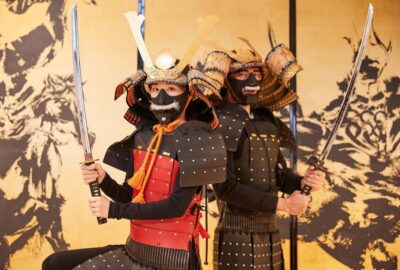
Samurai Ninja Museum Guided tour and Experience
Read our review →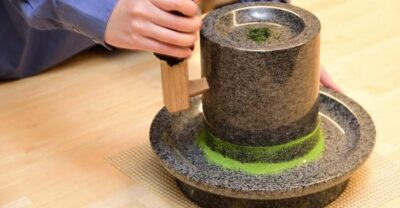
Tea Museum Tickets and Matcha Grinding Experience
Read our review →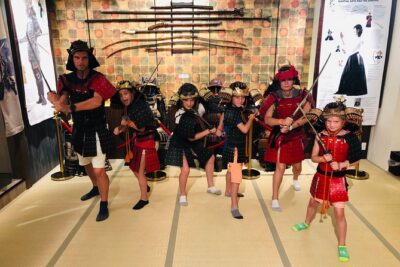
Skip the lines Basic Ticket at SAMURAI NINJA MUSEUM KYOTO
Read our review →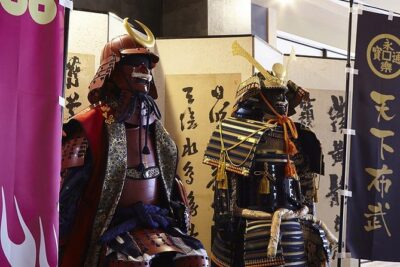
Skip the lines Basic Ticket at SAMURAI NINJA MUSEUM TOKYO
Read our review →
Ninja Experience (Family Friendly) at Samurai Ninja Museum TOKYO
Read our review →
Tokyo Studio Ghibli Museum and Ghibli Film Appreciation Tour
Read our review →Browse the lists this tour appears in