
Review · JAPAN
Osaka: Cup Noodles Museum Guided Tour (90 Minutes)
The best part of this Osaka-area outing is the mix of food history and hands-on fun. At the Cup Noodles Museum Osaka Ikeda, you learn how a simple instant noodle product grew from an idea into a global household name, then design a cup of your own to take home.
I like two things especially: the guide can explain displays that are not translated into English, and the custom cup gives you a souvenir you actually made. The main drawback is the price. At $43 per person, this costs much more than visiting independently, so the value depends on how much you want clear explanations and a small private-group experience.
Key points to know before you book
- Meet at Hankyu Ikeda Station: Find your guide in front of the ticket gates, holding a yellow DeepExperience sign.
- English guidance matters: Much of the museum information is in Japanese only, so translation adds real value.
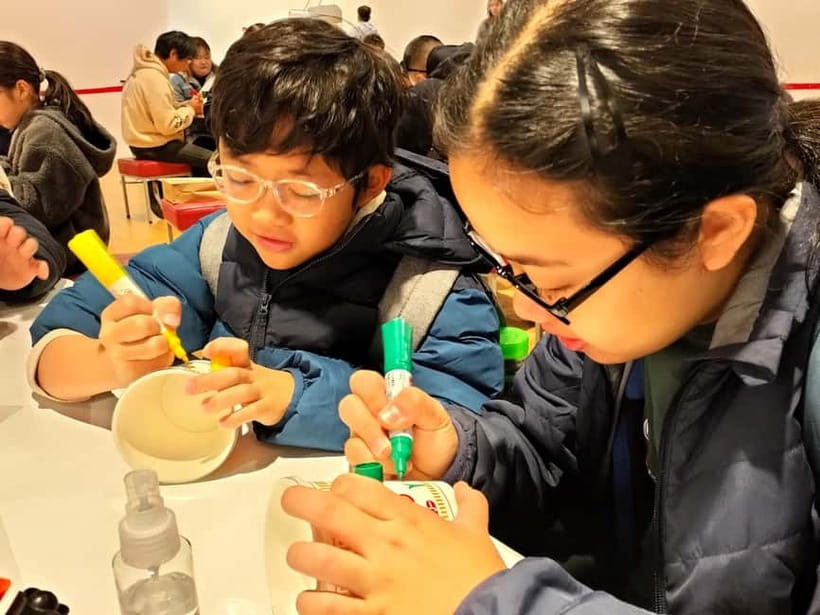
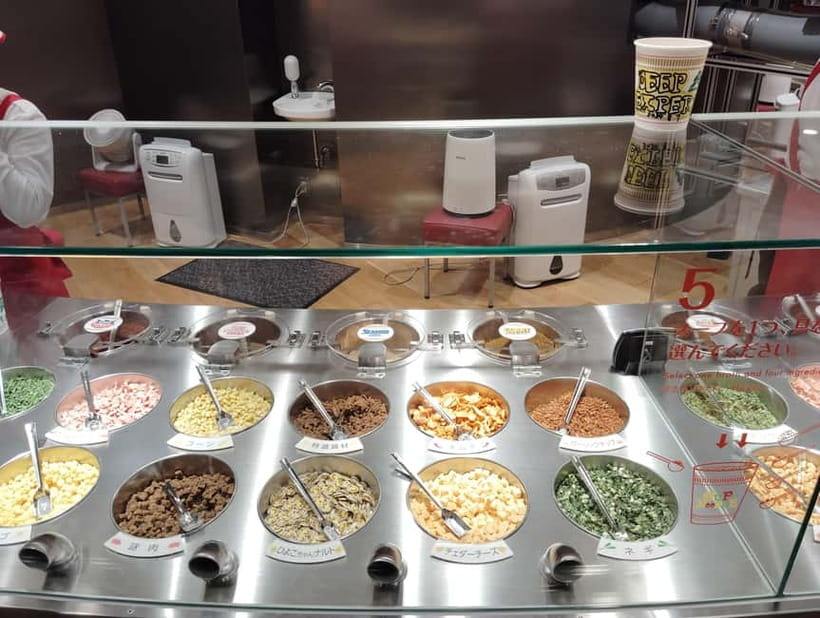
- Make a custom cup noodle: You decorate the cup and choose ingredients for a personal take-home souvenir.
- The tour lasts 90 minutes: The museum visit begins and ends at Ikeda Station, keeping the outing simple.
- Small and private groups are available: This suits families, couples, and visitors who prefer direct help.
- Dietary restrictions cannot be accommodated: Vegetarian and vegan options are not available for the products offered.
Meeting your guide at Ikeda Station
Your tour begins at Hankyu Ikeda Station, not at the museum entrance. Meet in front of the ticket gates, where the guide will hold a yellow sign marked with the DeepExperience logo.
That arrangement is useful in a foreign city. You do not need to guess which museum entrance is correct or find the right platform-side exit. The guide gets you started, then accompanies you to the Cup Noodles Museum Osaka Ikeda for the 90-minute visit.
The guide language is English or Japanese. For English speakers, this matters more than it might at first appear. The museum has limited English signage, and some displays have no English explanation at all. Guides including Julien, Yoshie, Naoko, Hiroko, Hina, and Atsuko have been praised for translating information, answering questions, and adding background beyond the printed displays.
I would arrive at the station a little early. The meeting point is specific, but a railway station can still be confusing if you are watching the clock, managing children, or carrying luggage.
A few more museum visits around Japan worth comparing
- Tokyo: Samurai Ninja Museum Guided tour and Experience
★ 4.6 · 1,010 reviews - Kyoto: Samurai Ninja Museum guided tour
★ 4.8 · 145 reviews - Osaka: Osaka Castle & Historical Museum Guided Tour
★ 4.8 · 28 reviews
Why the Ikeda museum is more than a noodle photo stop
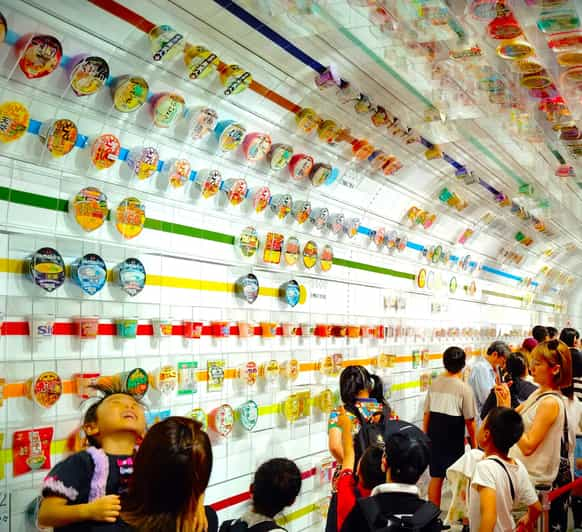
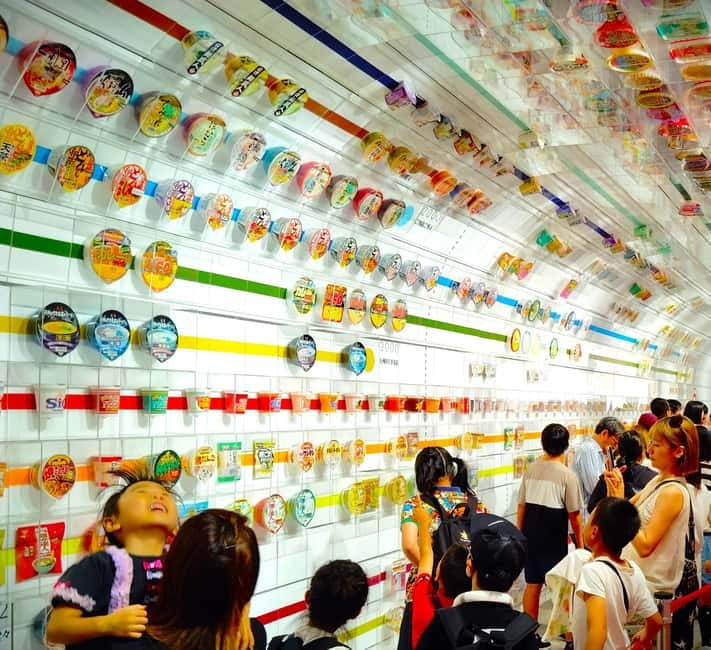
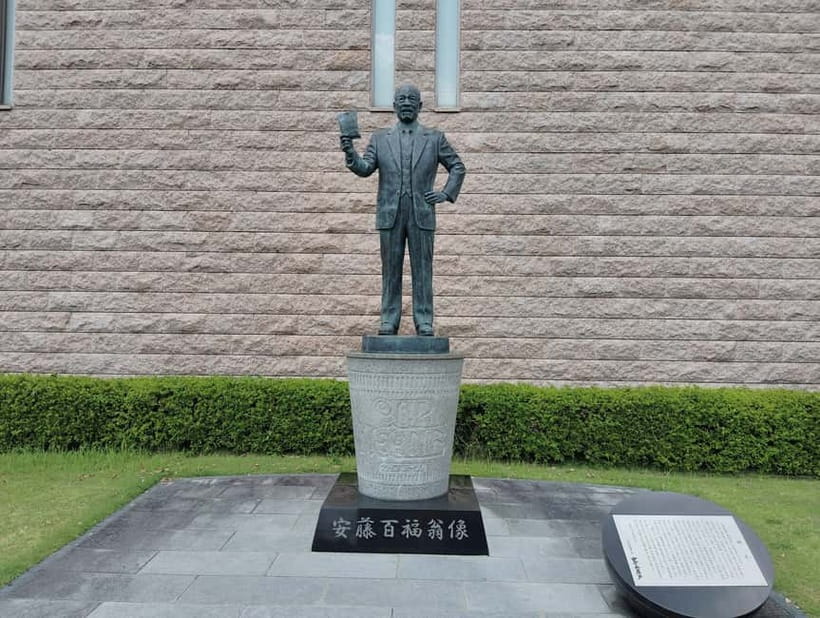
Cup Noodles can look like a lighthearted pop culture subject, and there is plenty of fun here. But the museum also presents the product as a story of problem-solving and product design.
You learn about the development of Cup Noodles and the thinking behind its creation. The displays show how an everyday food product moved from concept to finished item, with interactive sections that make the process easier to follow than a wall of text.
That context gives the visit more weight. Instead of simply decorating a cup, you see how packaging, preparation, ingredients, and convenience helped shape a product used around the world. The subject is familiar, but the behind-the-scenes story is less obvious.
The museum is particularly useful if you enjoy seeing how ordinary objects are made. It is not a traditional art museum, and you should not expect a long scholarly tour. The appeal is practical and visual: you learn through exhibits, displays, and the making activity.
Following the Cup Noodles story with a guide
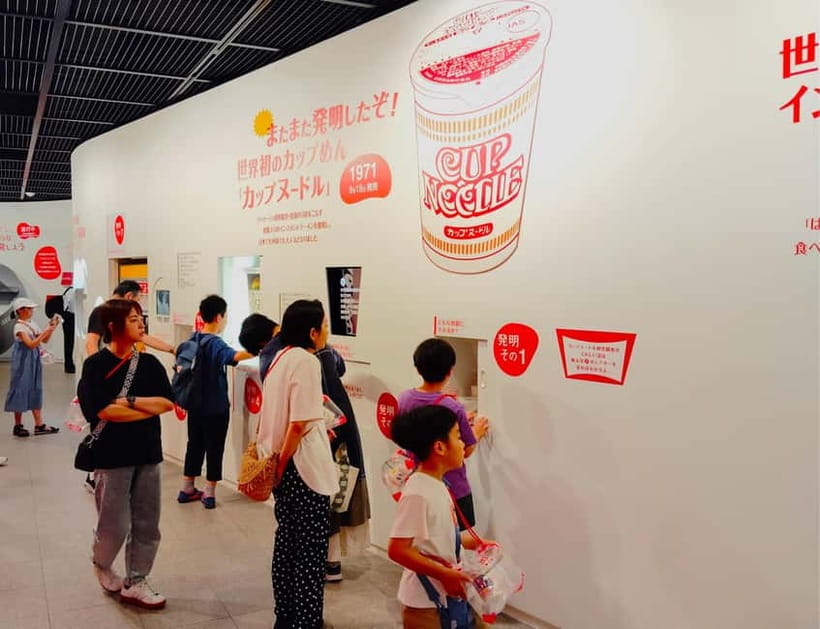
The guided portion is where this booking earns its keep. Without help, you can still walk through the museum, use a phone translation tool, and understand some of the visual material. One visitor specifically found that Google Translate could help when touring independently.
But phone translation is not the same as having a person explain the main ideas as you go. A good guide can tell you which displays matter, translate the Japanese text, and answer follow-up questions in plain English.
This is especially helpful because the information is not consistently available in English. The guide can connect separate exhibits into one story: the origin of Cup Noodles, the innovations behind the product, and the path from an early idea to a familiar packaged food.
The quality of the guide will shape the experience. Yoshie has been praised for clear information and a friendly manner. Julien has answered questions about the museum, town, Japanese language, restaurants, and other activities. Naoko has been noted for easy-to-follow English, while Atsuko brought humor to the explanation.
Those details matter because a 90-minute tour does not leave much spare time. A guide who can explain efficiently helps you spend less time puzzling over signs and more time looking at the displays.
Designing your own Cup Noodles souvenir
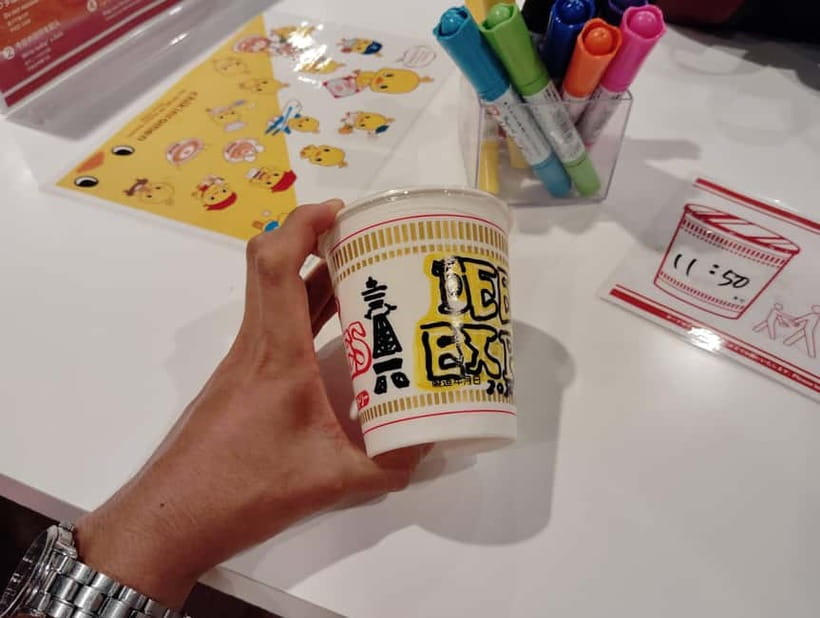
The hands-on activity is the tour’s most memorable finish. You create a personalized cup noodle by designing the outside of the cup and selecting ingredients.
The cup becomes both lunch-themed souvenir and proof that you took part. It is more personal than buying a standard item from a museum shop, and it gives children and adults a clear task to enjoy.
Be clear about what the activity involves. Decorating the cup is an important part of it, but it is not the same as making noodles from raw ingredients. A description of the related activities notes that the cup noodle experience focuses on designing the container, while ramen making is more hands-on. Do not book this tour expecting a full cooking class unless that is separately confirmed.
The ingredient choice adds a little decision-making to the activity. You are creating a custom version rather than simply receiving a prepared sample. The result is designed to be taken home, so think of it as a souvenir-making activity with a food theme.
The biggest limitation is dietary. The museum cannot accommodate dietary restrictions, including vegetarian or vegan diets, because of the nature of the products offered. If you avoid certain ingredients for medical, ethical, or religious reasons, this is not a flexible tasting experience.
Same city, a completely different collection:
- Tokyo: teamLab Planets TOKYO Digital Art Museum Entry Ticket
★ 4.6 · 9,779 reviews - Osaka Castle: Museum and Tower Entry Ticket
★ 4.5 · 2,380 reviews - Kyoto: Tea Museum Tickets and Matcha Grinding Experience
★ 4.9 · 739 reviews - Skip the lines Basic Ticket at SAMURAI NINJA MUSEUM KYOTO
★ 4.5 · 632 reviews
What the 90-minute schedule feels like
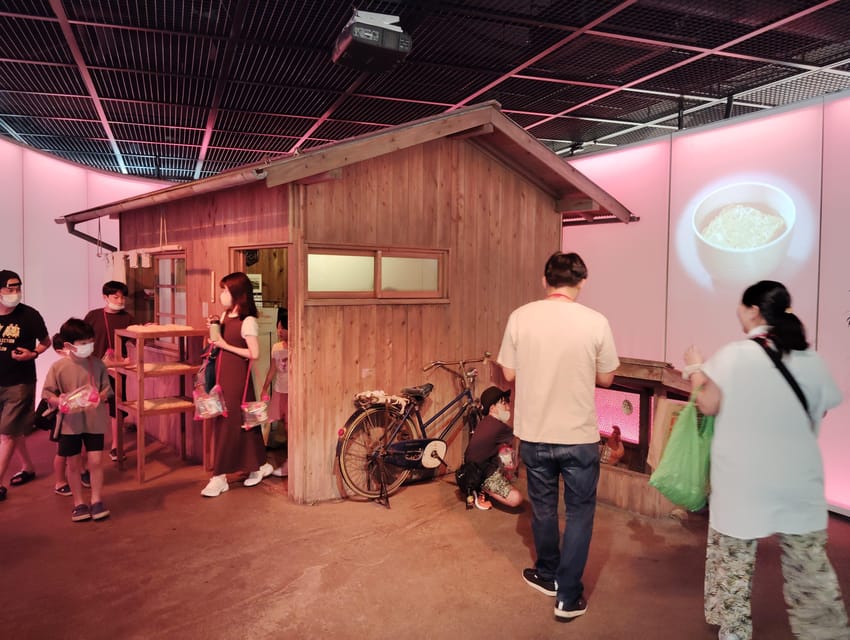
The timing is compact and easy to fit into a busy Osaka plan. You meet at Ikeda Station, visit the museum with the guide for about an hour and a half, then return to the station.
The first part centers on the museum’s history and development displays. Your guide explains the Japanese material and points out the ideas behind the product. The second part brings the story into your own hands as you design the cup and select ingredients.
The 90-minute length is a strength if you want a focused side outing rather than a full-day activity. It also means you should not expect to inspect every display at a slow pace or linger indefinitely over the making process.
The return to Ikeda Station keeps the plan tidy. You know where the outing ends, and the station makes it easier to continue to another activity. The supplied details do not specify the travel time between the station and museum, so allow some breathing room around the scheduled start and finish rather than arranging a tight connection immediately afterward.
Is $43 per person good value?
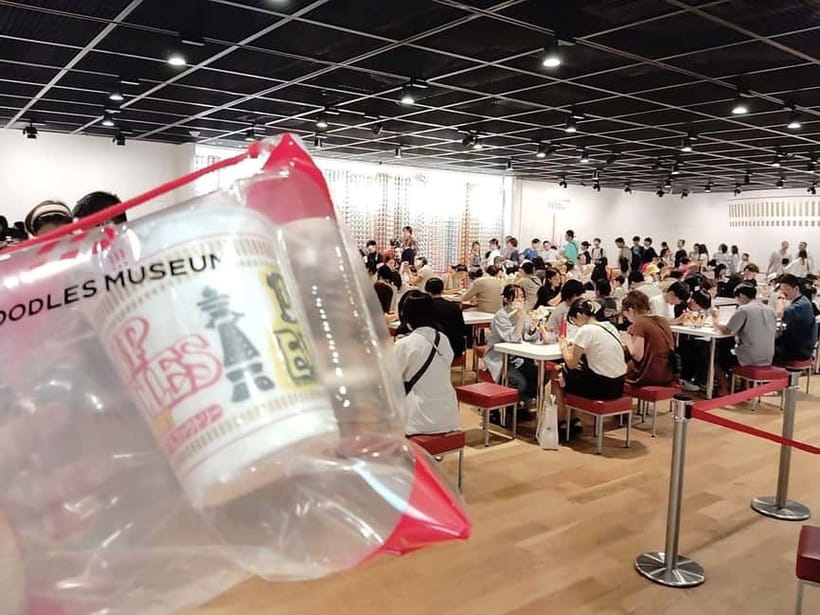
At $43 per person, this is not the cheapest way to visit the museum. If your main goal is simply to see the building and decorate a cup, an independent visit may cost less, depending on the museum’s own admission and activity availability.
The paid guide becomes more worthwhile in three cases. First, you need English explanations. Second, you want a private or small-group format. Third, you care about understanding the product’s development rather than treating the museum as a quick photo stop.
There is also a practical reason to consider the tour. One person used a guided booking after museum tickets were sold out. That does not guarantee availability on every date, but it shows that a guided reservation may solve a real planning problem when independent access is limited.
I would not call the price a bargain. I would call it a convenience and translation fee wrapped around a fun activity. If your group values clear explanations, a named guide, and help with the Japanese-only displays, the extra cost can make sense. If you are comfortable translating text yourself and mainly want the custom cup, the value is weaker.
Who will enjoy this experience most?
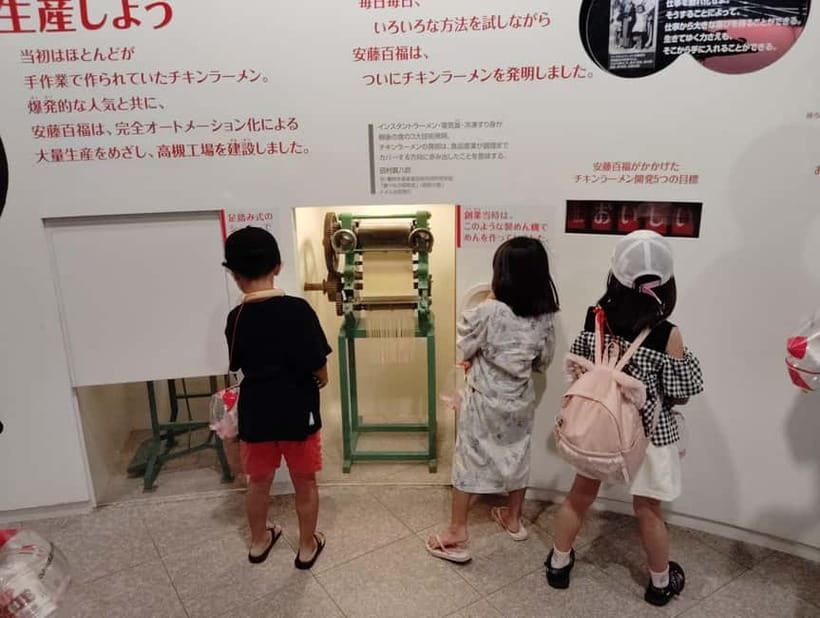
I would recommend it to families looking for a short activity with something tangible at the end. Children can engage with the design task, while adults get the product story and innovation angle.
It also suits couples and small groups who want a lighter stop between more traditional Osaka sights. The museum offers a change of pace from temples, shopping streets, and big city attractions.
English-speaking visitors gain the clearest benefit from booking a guide. The language support is not a minor extra here, since much of the museum is not translated. If you have an interest in Japanese language or food culture, you can also use the guide for questions beyond the basic tour.
Independent-minded visitors should weigh the cost carefully. You may be able to manage with translation software, though you will lose the ease of having someone select and explain the key information. The decision comes down to whether you want a self-guided museum visit or a short, organized experience with direct interpretation.
Practical details that affect your day
The activity offers live guiding in English and Japanese, with private or small-group options. That format should make it easier to ask questions and keep the pace suited to your group, though the exact group size is not stated.
Cancellation is flexible up to 24 hours before the activity for a full refund. You can also reserve now and pay later, which helps if you are still arranging a wider Japan itinerary. Starting times vary, so check availability for your chosen date.
Remember the food restriction before booking. Vegetarian and vegan diets cannot be accommodated, and the supplied information does not promise alternatives for other dietary needs.
The meeting point is at the station ticket gates, and the tour returns there after the museum visit. Wear something comfortable for a short walking outing, and keep your schedule open enough that a delayed train or slower museum visit does not create a problem.
My verdict: book it for translation, not just noodles
I would book this tour if you want the museum’s story explained in English and like the idea of making a personal cup noodle. The custom souvenir is fun, the 90-minute format is manageable, and a good guide can turn Japanese-only displays into a clear account of invention and design.
I would skip the guided option if you only want to decorate a cup or are happy using phone translation. The $43 price is much harder to justify in that case.
For most English-speaking visitors, the strongest reason to book is simple: the guide makes the museum understandable. The noodle cup is the playful reward. Together, they make a short and distinctive Osaka-area outing, as long as you accept the higher price and the lack of dietary flexibility.
FAQ
Where does the Cup Noodles Museum tour meet?
Meet your guide in front of the ticket gates at Hankyu Ikeda Station. The guide will hold a yellow sign with the DeepExperience logo.
How long does the experience last?
The tour lasts 90 minutes, including the guided visit to Cup Noodles Museum Osaka Ikeda.
Which languages are available?
Live guiding is available in English and Japanese.
Can I make my own Cup Noodles?
Yes. The experience includes the opportunity to design and make a custom cup noodle, including selecting ingredients, and take it home as a souvenir.
Are vegetarian or vegan options available?
No. The activity cannot accommodate dietary restrictions, including vegetarian and vegan diets.
Can I cancel for a full refund?
Yes. You can cancel up to 24 hours in advance for a full refund.
Just added around Japan
- Skip the lines Basic Ticket at SAMURAI NINJA MUSEUM TOKYO★ 5.0 · 470 reviews
- Tokyo: Mt. Fuji, Owakudani, Hakone Shrine, & Open-Air Museum★ 4.7 · 25 reviews
- Private Tour Through the Tokyo National Museum & Ukiyo-e★ 4.7 · 17 reviews
- Samurai Ninja Museum Asakusa: Kid-Friendly Ninja Training★ 4.7 · 67 reviews
- Tokyo National Museum Private Tour★ 4.9 · 28 reviews
- Tokyo: Kichijoji Gourmet Tour with Lunch★ 4.5 · 40 reviews
- Samurai Ninja Museum Asakusa: Samurai Sword Lesson & Tour★ 4.8 · 306 reviews
- Tokyo: Art Aquarium Museum GINZA Entry Ticket★ 4.5 · 278 reviews
Museum Tours in Japan, compared.
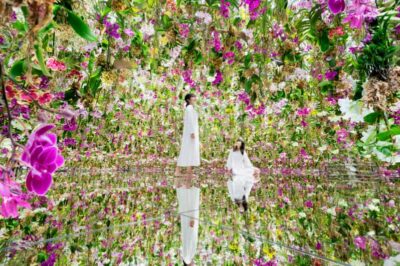
teamLab Planets TOKYO Digital Art Museum Entry Ticket
Read our review →

Samurai Ninja Museum Guided tour and Experience
Read our review →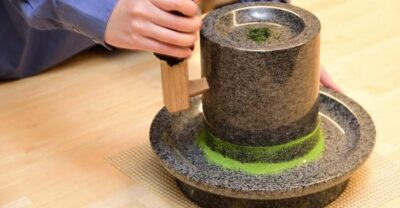
Tea Museum Tickets and Matcha Grinding Experience
Read our review →
Skip the lines Basic Ticket at SAMURAI NINJA MUSEUM KYOTO
Read our review →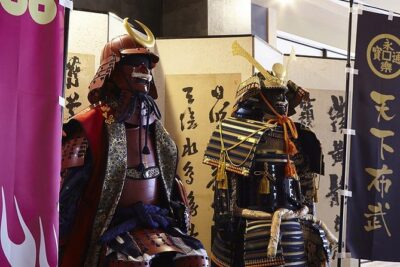
Skip the lines Basic Ticket at SAMURAI NINJA MUSEUM TOKYO
Read our review →
Ninja Experience (Family Friendly) at Samurai Ninja Museum TOKYO
Read our review →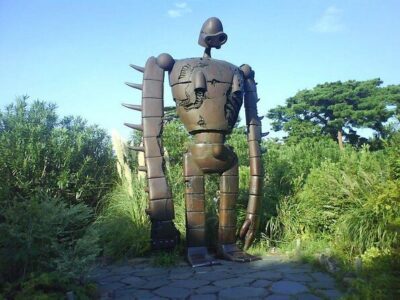
Tokyo Studio Ghibli Museum and Ghibli Film Appreciation Tour
Read our review →Browse the lists this tour appears in