
Review · SPAIN
Gran Canaria: Winery Tour, Wine Museum, and Tasting
Gran Canaria’s wine story comes alive at Bodega San Juan, a family winery dating back five generations. You’ll walk among organic vines, see a stone lagar where grapes were once crushed by foot, and enter a cellar scented with fermenting wine.
I like the mix of old tools and modern production, and I like that the tasting includes local cheese, toasted bread, and olives rather than treating the wine as a stand-alone drink. The 1.5-hour visit also fits neatly into a busy island day.
The main thing to consider is getting there. Hotel pickup is not included, and the meeting point is at Bodega San Juan, Finca El Mocanal. The exact starting instructions may need extra care, so confirm the location before setting out.
Key points at a glance
- A five-generation family winery: The estate has operated on Gran Canaria for more than a century, with family photographs and stories woven into the visit.
- The island’s only wine museum: Old machinery and traditional tools show how winemaking changed from hand labor to modern production.
- A 100-year-old stone lagar: This historic grape-crushing structure gives the tour a strong sense of place.
- Organic vineyards and volcanic soil: You’ll learn about local grape varieties, sun, soil, and the work needed to protect the crop.
- Two wines with island snacks: The tasting includes Gran Canaria cheese, toasted bread, and olives.
- English-language guiding: Maria is frequently named as the guide, praised for clear explanations, humor, and handling mixed-language groups.
Why this small winery visit is worth your time
Gran Canaria is better known for beaches, resort towns, and mountain roads than for wine. That is exactly why this outing makes a useful change of pace. Instead of seeing the island only from a viewpoint or hotel terrace, you get a close look at one working corner of its agricultural life.
The winery sits at Finca El Mocanal, where the visit moves between cultivated land, historic buildings, and wine-making spaces. You are not simply handed a glass and sent outside. The guide explains how grapes grow here, how the estate developed, and how a small family business keeps older traditions alongside newer equipment.
At $34 per person, the price is fair for the amount packed into 90 minutes. You receive a guided farm visit, museum access, a cellar look, two wines, and three simple local accompaniments: cheese, toast, and olives. A short winery visit can sometimes feel like an expensive tasting with a few facts attached. This one offers enough history and working detail to make the fee feel justified.
I would not book it as a full-day wine expedition. It is a compact introduction, not a broad tour of several bodegas. But if you want an accessible taste of Gran Canaria’s wine culture, the format is efficient and easy to fit around other plans.
A few more museum visits around Spain worth comparing
- Picasso Museum and Walking Tour Plus Optional Wine & Food Tasting
★ 5.0 · 596 reviews - Tenerife: Wine Museum Ticket with Local Wines & Food Tasting
★ 4.5 · 393 reviews - Picasso Museum and Walking Tour Plus Wine Tasting Upgrade
★ 4.3 · 111 reviews
Entering a five-generation family estate
The tour begins at Bodega San Juan, Finca El Mocanal. Once everyone is gathered, the guide sets the scene with the family story and old photographs. Those images help explain that this is not a recently created attraction designed only for visitors. The wine-making tradition reaches back five generations, with the estate dating to around 1912.
That family connection gives the visit a personal edge. You are looking at a place where buildings, machinery, and working methods have changed over time, while the family link has continued. The old photographs also give you something concrete to study before heading into the vineyards.
Maria is the guide most often associated with this experience. Her English is reported to be clear, and she has handled groups speaking more than one language by switching between them during the explanation. Her style is described as friendly, humorous, and willing to take photographs for visitors when the group is small.
Guiding quality matters here because the winery is modest in scale. There is no giant visitor complex to carry the experience. The guide’s storytelling connects the photographs, vines, cellar, and tasting into one coherent visit.
Walking through organic vines in Gran Canaria’s sun
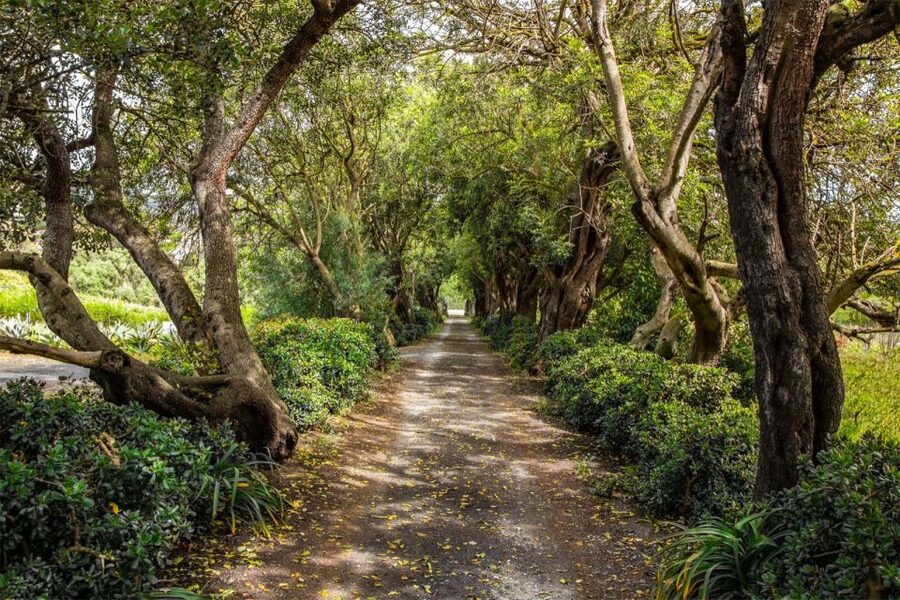
The farm walk introduces you to the growing side of the process. You’ll see the organic vineyards and hear about the island’s grape varieties, including endemic types that are closely tied to the Canary Islands.
The guide also explains the role of volcanic soil. Gran Canaria’s wine is shaped not only by grape variety, but by the island’s climate, sun, and ground. You’ll hear about the daily work required to keep the vines in good condition and protect the crop until harvest.
This part is valuable even if you are not a serious wine enthusiast. It shows why island wine cannot be judged only by comparing it with bottles from mainland Spain. The growing conditions are different, and the winery’s methods respond to those conditions.
Bring a phone or camera if you enjoy taking photographs. The vineyard, old buildings, and garden provide the strongest picture opportunities of the visit. The setting is described as especially attractive during the tasting, when butterflies may be present around the garden. That detail cannot be guaranteed, but the outdoor setting is an important part of the appeal.
The farm walk is not a long trek. The entire experience lasts about 1.5 hours, so you should expect a guided look rather than a strenuous countryside hike. Wear comfortable shoes, but you do not need specialist walking gear.
The old stone lagar and traditional wine work
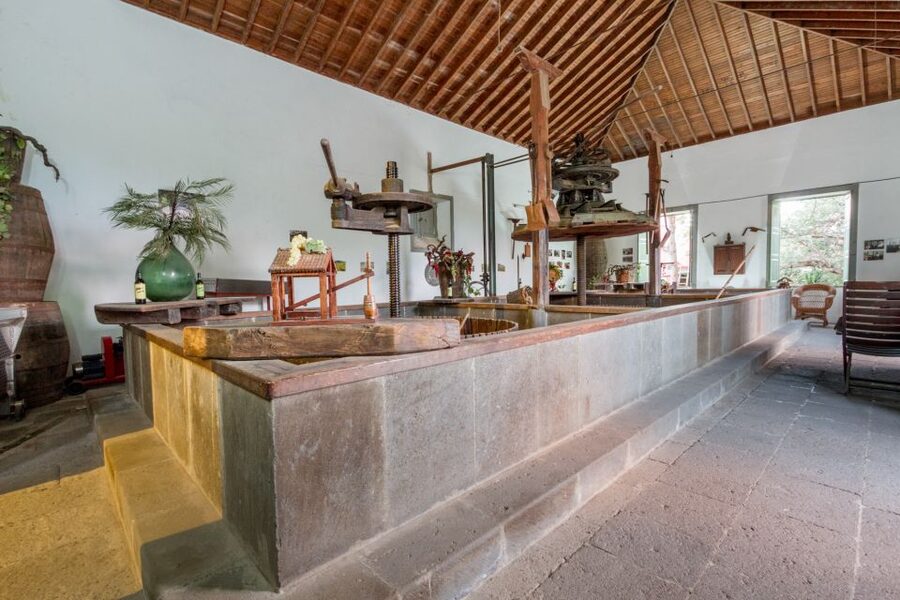
One of the most memorable objects is a stone lagar said to be about 100 years old. Grapes were once placed here and trodden by foot. It is a simple structure, but it makes the older stage of wine production easy to picture.
This is the sort of detail that gives the tour character. A modern stainless-steel tank can look much like one in another winery. A stone grape press, worn by generations of use, belongs specifically to this estate and its past.
The guide uses the lagar to explain how work was done before modern production equipment became common. You can then compare that method with the newer facility, where the winery continues its work today.
The contrast is clear: old stone, hand labor, and family memory on one side; updated equipment and current production on the other. You do not need technical wine knowledge to understand the point. The tour shows how a small producer can retain older practices as part of its identity while still making wine with modern tools.
Same city, a completely different collection:
- Madrid: Prado Museum Entry Ticket
★ 4.6 · 20,699 reviews - Barcelona: FC Barcelona Museum “Barça Immersive Tour” Ticket
★ 4.4 · 10,944 reviews - Madrid: Reina Sofía Museum Entrance Ticket
★ 4.5 · 8,788 reviews - Barcelona: Park Güell and Gaudí House Museum Entry Ticket
★ 4.5 · 6,326 reviews
Gran Canaria’s only wine museum
The small wine museum adds more context than a simple cellar visit. Here you’ll see old machinery and equipment that explain how grape processing and wine production changed over the years.
Calling it a small museum is important. You should not expect a large collection with hours of exhibits. Its value comes from the objects themselves and from the guide’s explanation of how they were used.
For me, the strongest part of a museum like this is the link between the tool and the place. You are not studying anonymous farm machinery. You are seeing objects connected to this estate and to the island’s wine-making past.
The museum also helps keep the pace varied. You move from the open vines to a more enclosed historical space, then toward the cellar and current production area. That change of setting makes the 90 minutes feel full without becoming rushed.
The cellar: aromas, casks, and old-to-new contrast
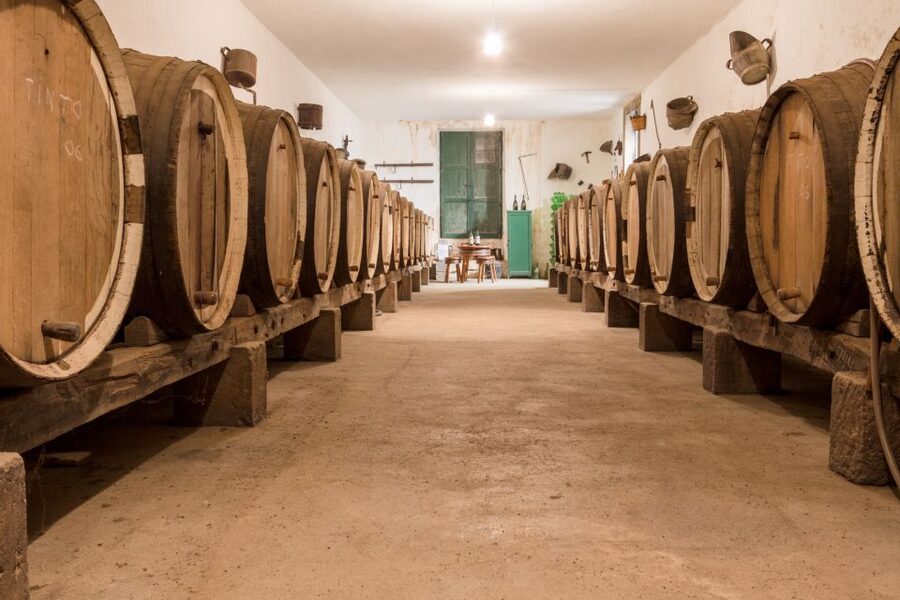
Entering the old wine cellar is one of the sensory highlights. You can smell wine fermenting in wooden casks, an experience that no photograph or explanation can reproduce.
The cellar gives you a better sense of wine as a working product. Before it reaches a bottle or tasting glass, it passes through a process involving time, storage, temperature, and care. The aromas make that process feel immediate.
The guide explains how wine moves from grape to bottle and how the winery maintains the crop and production. You’ll also compare the old cellar with the modern facility. That side-by-side look is more useful than hearing a long technical lecture because you can see the change for yourself.
Do not expect a large commercial operation. The family-run scale is central to the experience, but it also means availability can vary. One visitor wanted to buy the winery’s red wine and found it was not available at the time. If you hope to take home a particular bottle, ask about stock during the visit.
Tasting two wines with cheese, toast, and olives
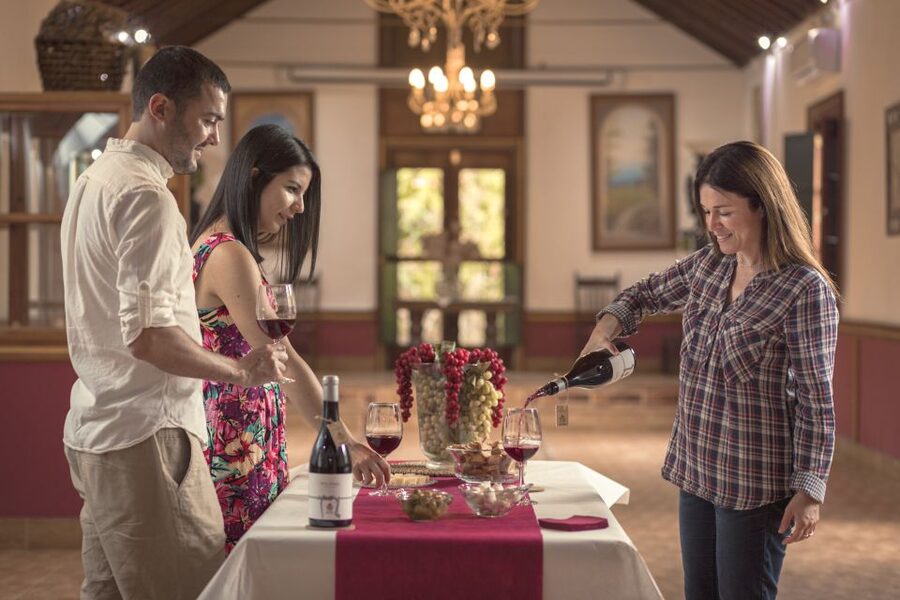
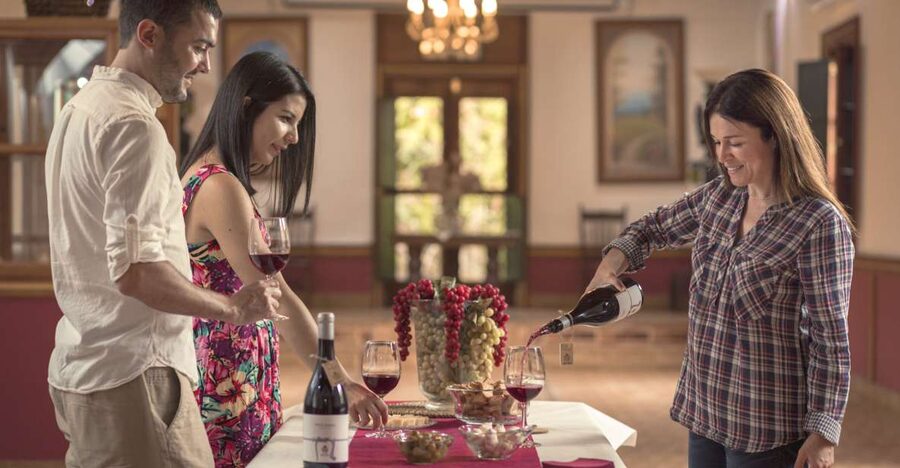
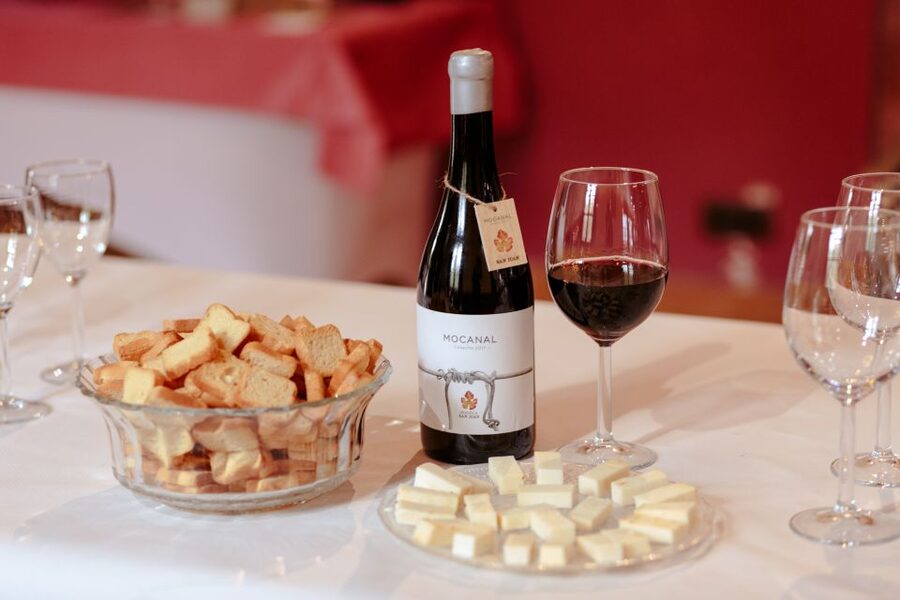
The final tasting takes place after the guided portion. You’ll try two wines with Gran Canaria cheese, toasted bread, and olives. The food is modest, but it is the right kind of modest: enough to support the tasting without turning the visit into a full meal.
The cheese and bread also give you a practical way to compare the wines. You can taste them with food, not just on their own, and consider how the flavors work together. If you are new to wine tasting, the guide can make the process less intimidating by explaining what you are drinking in plain language.
The setting adds to the finish. The tasting may take place in a garden area on the estate, surrounded by the historic buildings and vineyard setting. The atmosphere is described as calm and relaxed, which suits a winery visit far better than a hurried tasting at a crowded counter.
The two-wine format is enough for an introduction but not excessive. You leave with a sense of the bodega’s style without spending hours on a formal tasting program. Wine lovers may wish there were more pours, but that is not what this experience promises.
Some people have bought bottles to take home after the tasting. Exporting the wine is not available according to one account, so check what can be purchased locally if you want a souvenir. Availability may also change from day to day.
Price, timing, and the practical details
At $34 per person, this is good value if you want more than a drink and a view. The price covers the farm tour, wine tasting, and snacks. You are also paying for the guide’s explanation of the estate, access to the museum and cellar, and the chance to see a working family winery from inside.
The 1.5-hour duration is a practical strength. You can fit the visit into a morning or afternoon without giving up an entire day. It works well for couples, small groups, and anyone looking for a quieter activity between sightseeing stops.
There is no hotel pickup or drop-off. You must reach Bodega San Juan, Finca El Mocanal, on your own. Public transport is possible, but one account describes the bus journey as somewhat complicated, though manageable. If you are driving, confirm the exact meeting point before leaving. One person had trouble getting clear information about where the tour began.
The tour operates rain or shine. That matters because the visit includes outdoor areas, including the vineyard. Check the forecast and dress sensibly, but do not assume poor weather automatically cancels the activity.
You can cancel up to 24 hours in advance for a full refund, and the reserve-now, pay-later option keeps your plans flexible. Those policies are useful if your island schedule is still shifting.
Who will enjoy this winery tour most
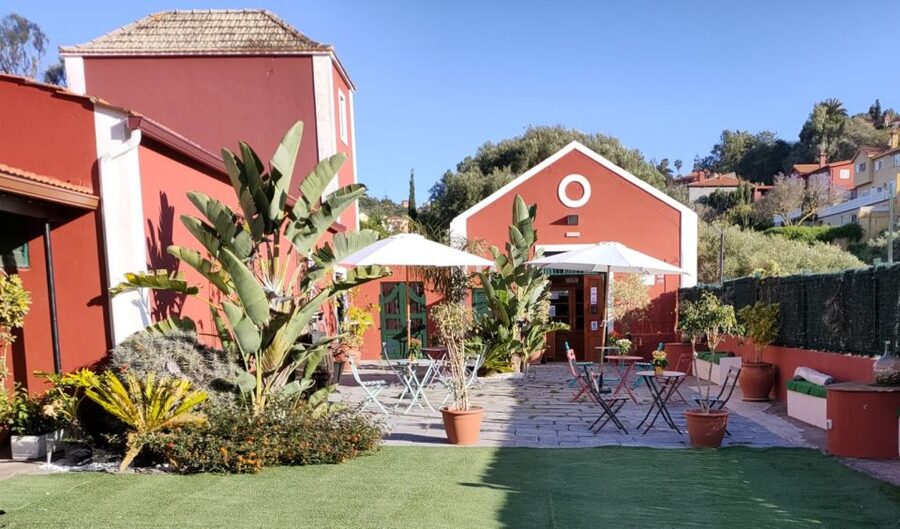
I would recommend this visit to anyone curious about local food and drink, especially if you prefer family-run places to large commercial attractions. It suits couples, birthday outings, and small groups looking for a relaxed afternoon.
You do not need to be a wine expert. The emphasis is on the estate, the family story, the vineyard, and the basic process from grape to bottle. The tasting is approachable, and the guide’s explanations help beginners follow along.
It also suits photographers. The historic buildings, old machinery, vineyard rows, stone lagar, cellar, and garden give you plenty to capture. If taking pictures of your own group matters, ask the guide. Maria has helped visitors with photos during quieter tours.
I would be less enthusiastic if your main goal is to sample many wines or visit several wineries in one day. Two wines and 90 minutes provide a focused introduction, not a serious regional tasting course. Transport is another consideration if you are staying far from Finca El Mocanal or dislike arranging your own route.
Should you book Bodega San Juan?
Book this tour if you want a compact, personal look at Gran Canaria’s wine culture, with enough history to make the tasting meaningful. The combination of a five-generation estate, organic vines, a 100-year-old lagar, the island’s only wine museum, and a fragrant old cellar gives the visit more substance than its short length suggests.
Before booking, check the meeting point carefully and plan your transport. If you want to buy a particular wine, ask about availability on the day. With those points in mind, $34 is a sensible price for a relaxed 1.5-hour outing that connects local wine, family history, and island agriculture.
FAQ
Where does the Gran Canaria winery tour meet?
The meeting point is Bodega San Juan at Finca El Mocanal.
How long does the winery experience last?
The tour lasts 1.5 hours.
What does the $34 price include?
The price includes the farm tour, wine tasting, cheese, toasted bread, and olives.
How many wines are included in the tasting?
You receive two wines at the end of the guided tour.
Is hotel pickup included?
No. Hotel pickup and drop-off are not included, so you must reach the winery yourself.
Is the tour offered in English?
Yes. English is listed as the tour language, and the host or greeter is English-speaking.
Can I cancel the booking?
Yes. You can cancel up to 24 hours in advance for a full refund. A reserve-now, pay-later option is also available.
More Food & Drink in Spain
- Ronda: LA Almazara LA Organic, Olive Oil Museum and Tasting
★ 4.6 · 435 reviews - Barcelona: Nougat and Chocolate Museum Tour with Tasting
★ 4.5 · 232 reviews - L’Escala: SOLÉS Anchovy Factory-Museum Admission and Tasting
★ 4.0 · 51 reviews - Guided tour of the Museum of Olive Culture Oil Tasting
★ 5.0 · 17 reviews
Just added around Spain
- Girona, Figueres, Dalí Museum and Cadaqués Tour from Barcelona★ 4.5 · 36 reviews
- Football Club Barcelona Museum Immersive Tour Guided Visit★ 3.5 · 52 reviews
- Erotic Museum Admission Ticket with Audioguide★ 5.0 · 527 reviews
- Dali Museum and Costa Brava Small Group Day Trip from Barcelona★ 5.0 · 77 reviews
- Guitar Legends Hall: Entrance to the Immersive Rock Museum★ 5.0 · 25 reviews
- White Rabbit Museum: The Best Immersive Experience in Catalonia★ 5.0 · 538 reviews
- Madrid by High-Speed Train with Prado Museum Private Tour★ 4.0 · 33 reviews
- Private Dali Museum, Besalú & Girona Tour from Barcelona★ 5.0 · 15 reviews
Museum Tours in Spain, compared.
Park Güell and Gaudí House Museum Entry Ticket
Read our review →
Puro Flamenco Show with Optional Museum Ticket
Read our review →
Moco Museum Barcelona: Modern & Contemporary Art
Read our review →
Girona & Dali Museum Small Group Tour with Pick-up from Barcelona
Read our review →
Valencia: Oceanogràfic, Hemisfèric & Science Museum Combo
Read our review →Browse the lists this tour appears in