
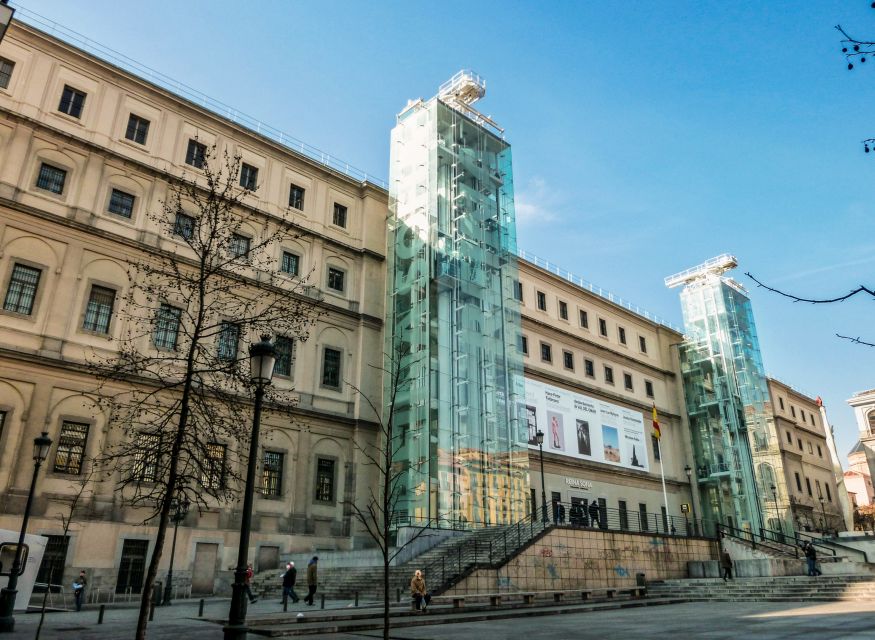
Review · MADRID
Madrid: Reina Sofía Museum Entrance Ticket
Picasso’s Guernica is the reason many people come to Madrid’s Reina Sofía Museum, and it is a powerful reason. The enormous anti-war painting is not tucked away in a grand old gallery. It occupies a room where you can study its fractured faces, screaming figures, and stark black-and-white drama at close range.
I like the museum’s strong focus on 20th-century Spanish art, especially the chance to see Picasso, Dalí, and Miró in the same visit. I also like the freedom of a full-day ticket, since the collection is large enough for a quick hour or a serious half-day visit. The main drawback is navigation: some floors or rooms may be closed, and the layout can feel confusing without a map or audio guide.
Key points to know before you go
- Guernica is the central stop: Allow time to look beyond the famous painting at Picasso’s related works and the surrounding political art.
- Dalí gets generous attention: You can see around 20 works, including El gran masturbador.
- Miró brings a different mood: His bright primary colors provide a sharp contrast to Picasso’s gray wartime imagery.
- The €14 ticket buys flexibility: You can return to galleries during the museum’s opening hours on the same day.
- The free hours are crowded: Entry is free Monday through Saturday from 7 PM to 9 PM, and Sundays and public holidays from 12:30 PM to 2:30 PM.
- A paid ticket can save time: Online ticket holders have often been able to avoid the longer ticket-buying line, especially near the free-entry periods.
Why Reina Sofía deserves a place on your Madrid list
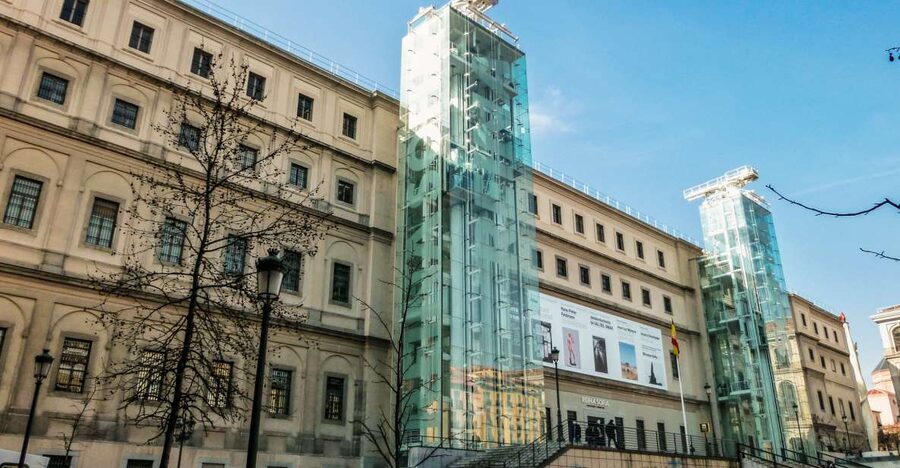
Madrid has several major art museums, but the Reina Sofía gives you a different experience from a museum devoted mainly to older European painting. Its subject is modern Spain and the wider art of the 20th century, with painting shown alongside photography, film, sound, and other forms.
That mix matters. You are not simply walking from one famous canvas to another. The museum often places art beside the political and social questions that shaped it. You might move from Cubist experiments to images of war, then from surrealist painting to film or documentary material.
The museum’s collection includes more than 21,000 works in the main building. You will not see all of them in one visit, and the exact rooms available can change. That is part of the practical issue here: the museum is large, but the experience depends on which galleries and temporary displays are open that day.
I would give the Reina Sofía at least two hours for the main highlights. If you read labels, use the audio guide, and explore beyond Guernica, plan on three to four hours. Some people spend seven hours here, but you do not need to copy that pace to have a worthwhile visit.
More Museum Tours in Madrid
- Madrid: Prado Museum Entry Ticket
★ 4.6 · 20,699 reviews - Madrid: Small Group of Prado Museum Tour & Optional Tapas
★ 4.6 · 2,437 reviews - Madrid: Prado Museum Guided Tour with Skip-the-Line Ticket
★ 4.5 · 2,018 reviews
Entering through the Nouvel courtyard
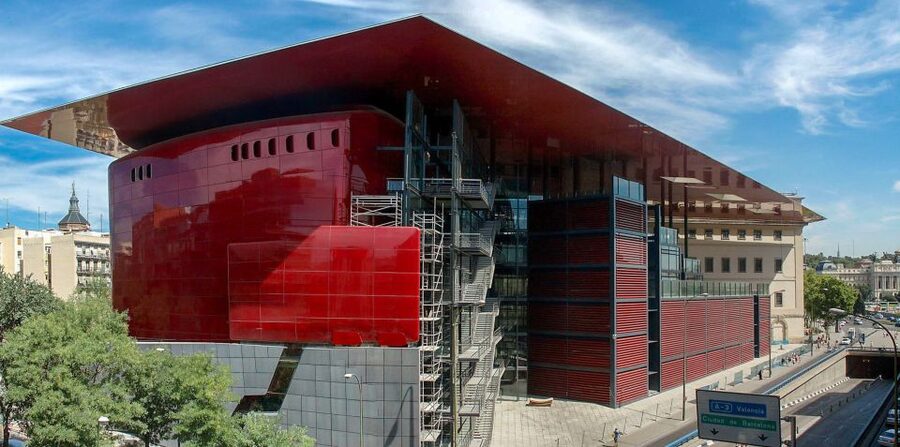
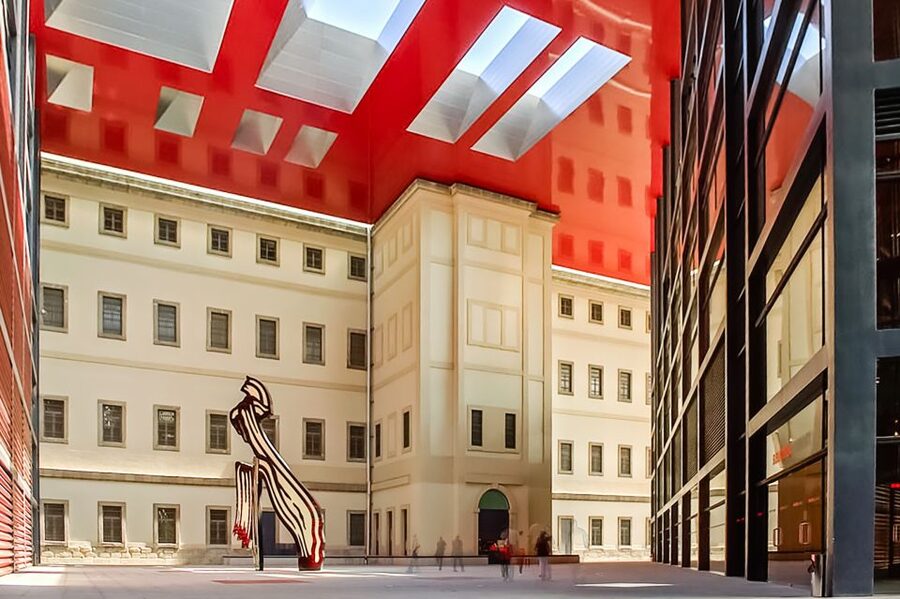
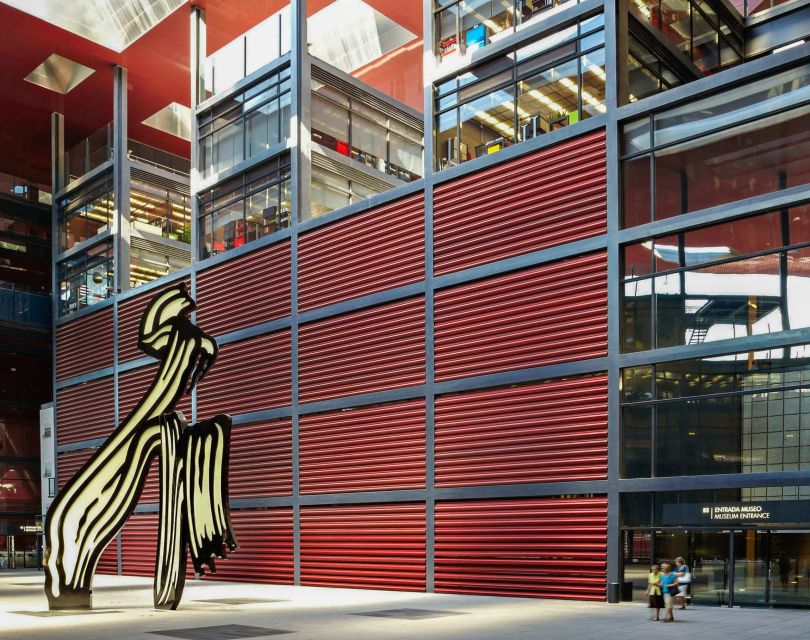
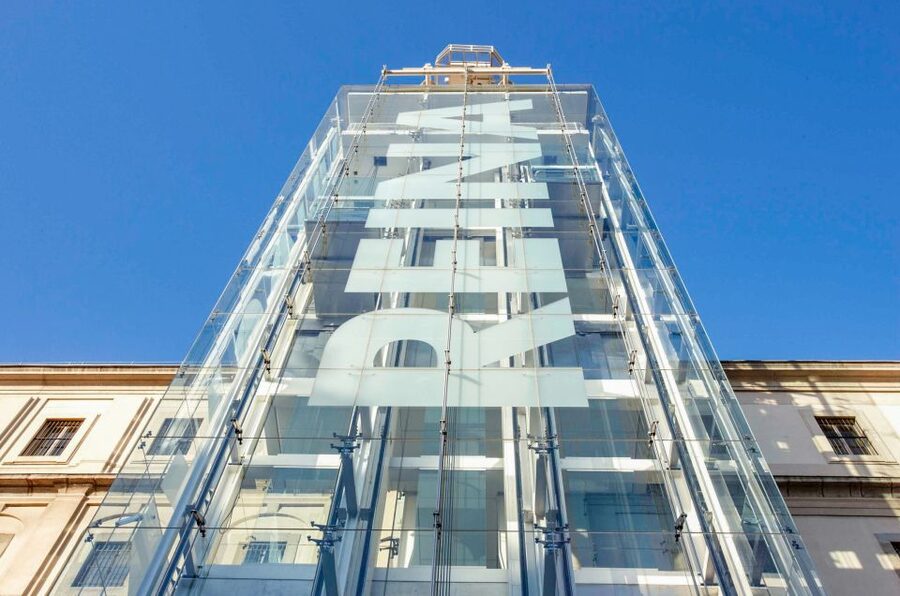
The entrance for this ticket is through the Nouvel courtyard at Ronda de Atocha nº2. Keep that address handy. The Reina Sofía occupies more than one architectural section, and arriving at the wrong side can cost you time before you even reach the galleries.
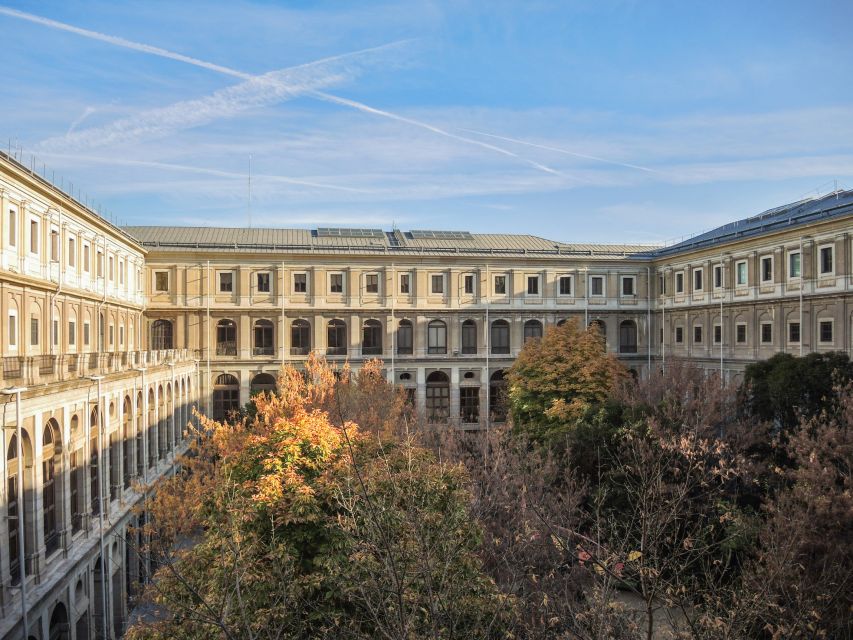
The Nouvel building gives the museum a modern feel, with open architectural spaces and a clear contrast between the newer addition and the older hospital building. Several people particularly enjoy the architecture, not just the art. The building itself helps explain why the museum feels less like a formal royal collection and more like a working center for modern culture.
At the entrance, your ticket includes access to the museum and temporary exhibitions. It does not include a museum guide. You will need to follow staff instructions, pass security, and leave prohibited items behind.
Large luggage is not permitted. Bags, purses, and backpacks should ideally stay within the recommended 40 by 30 by 10 centimeter size. Food and drinks are not allowed, and only closed folding umbrellas can be taken inside. Assistance dogs are permitted, as are properly justified emotional support dogs.
The museum is wheelchair accessible. Children should remain with an adult, particularly in crowded rooms and around major works.
Finding Picasso’s Guernica
The museum’s emotional center is Picasso’s Guernica, painted in response to the bombing of the Basque town of Guernica during the Spanish Civil War. Even if you know the image from books and posters, the original has a different force because of its scale and surface.
The painting is not a quiet decoration. Its horses, bull, broken body, anguished faces, and harsh light create a scene of confusion and pain. Picasso avoided color, using only black, white, and gray, which makes the painting feel both immediate and newspaper-like.
Give yourself time here. Do not simply take a quick photograph and move on. Look first at the whole composition, then follow the shapes from one figure to the next. The room can become crowded, especially when people stop for selfies, so arriving early is a smart choice if you want a calmer look.
The museum also displays Picasso works connected to the development of Guernica and to his wider response to politics and violence. These surrounding pieces help you understand the painting as part of a larger period of work rather than as an isolated masterpiece.
For many people, Guernica alone justifies the admission price. I agree, particularly if you have limited time in Madrid and want to make one focused museum visit.
Dalí’s surreal rooms
The Reina Sofía also gives Salvador Dalí a strong presence, with around 20 canvases in the collection. His surrealist painting El gran masturbador is one of the key works to look for.
Dalí’s art changes the mood after Picasso. Instead of the direct political shock of Guernica, you encounter distorted forms, strange combinations, and images that seem to follow dream logic rather than everyday logic. You may find the work funny, disturbing, or simply puzzling. That uncertainty is part of the point.
I recommend seeing the Picasso and Dalí rooms in the same visit because the contrast is useful. Picasso breaks forms apart to show a fractured world. Dalí turns inward, using fantasy and symbolism to explore the mind. The museum lets you compare these approaches without needing to cross Madrid.
The Dalí works are also a good reason to resist a Guernica-only visit. Several people arrive expecting one famous painting and leave with a new appreciation for Dalí. If you have never spent time with his work outside the most familiar images, the Reina Sofía offers a strong introduction.
A few more museum visits around Madrid worth comparing
- Prado Museum Small Group Tour with Skip the Line Ticket
★ 5.0 · 1,738 reviews - Madrid: Sweet Space Museum Entry Ticket
★ 3.9 · 1,227 reviews - Madrid: Prado Museum Ticket with In-App Audio Guide
★ 3.6 · 1,154 reviews - Prado Museum Guided Tour with Skip-the-Line Ticket
★ 4.5 · 1,146 reviews
Miró and the museum’s wider Spanish story
Joan Miró’s paintings bring another visual language. His bright primary colors, simplified shapes, and playful marks offer a lighter surface than the darker works around Guernica, but they are not merely cheerful decorations.
Miró’s art asks you to look at color, line, and shape before searching for a recognizable scene. His works can feel open and spontaneous, yet they come from a careful modern art tradition. They help show how Spanish artists moved away from traditional subject matter and toward abstraction and symbolism.
Beyond Picasso, Dalí, and Miró, the museum introduces many other 20th-century Spanish artists. The collection includes Cubism, Surrealism, political art, photography, film, and poster design. One exhibition of posters has been particularly engaging for some visitors, and the film section can be a welcome change after several rooms of paintings.
This is where the Reina Sofía earns its place as more than a stop for one famous canvas. You can trace changes in Spanish art through war, politics, social change, and new media. The displays do not always offer one fixed interpretation, so you should expect some rooms to raise questions rather than provide easy answers.
How to plan your route through the floors
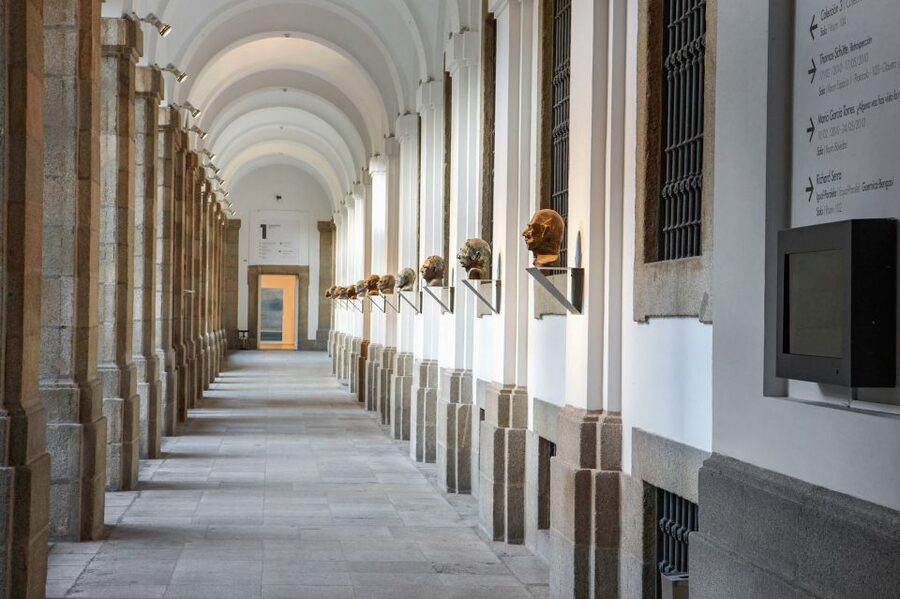
The museum can be hard to navigate. Some floors may have few displays, temporary closures, or exhibits that do not match the expectations created by the headline works. At times, the third or fourth floor may be closed, while another floor carries most of the famous Picasso and Dalí material.
That means you should check the current room layout when you enter. Do not assume every floor will be open or that each level will contain the same amount of art. The available collection changes, and works may be moved or temporarily absent.
A practical approach is:
- Start with the rooms containing Guernica and related Picasso material.
- Continue to the Dalí works, including El gran masturbador.
- Look for Miró and other Spanish artists before fatigue sets in.
- Add photography, film, posters, and temporary exhibitions if you have time.
- Use the final part of your visit for rooms that caught your attention earlier.
The museum experience is better when you choose a few themes instead of trying to inspect every label. A full day is available, but you do not need to treat the building like a test of endurance.
Should you pay €14 or use the free hours?
The ticket costs about $14 per person, and it includes the museum’s temporary exhibitions. That is reasonable if you value a set visit time and want to avoid spending part of your day in the ticket line.
The ticket is less attractive if you can easily visit during the free periods. Entry is free Monday through Saturday from 7 PM to 9 PM, and on Sundays and public holidays from 12:30 PM to 2:30 PM. Those periods can draw large crowds, with lines forming before free admission begins.
Free entry also gives you less time. Two evening hours may be enough for Guernica, Picasso, and selected Dalí works, but it is not ideal if you want to read labels or explore photography, film, and temporary displays.
Paying is especially useful on a busy day, in bad weather, or when your Madrid schedule is tight. Paid ticket holders have often been able to enter directly while the ticket-buying line grew outside. It is not a private tour and does not provide a guide, but it can protect your time.
If you are flexible, free admission is a real money-saving option. If you have only one chance to visit, the $14 cost is a fair exchange for more control over your day.
Adding the €4.50 audio guide
The audio guide costs €4.50 and is purchased inside the museum. I would consider it if you are not familiar with modern art or want more context for Guernica, Dalí, and the political works.
The guide can help you avoid wandering without a plan. It also lets you move at your own pace instead of joining a group. Some audio coverage may vary by floor or exhibit, so do not assume every room will have a detailed track.
You can visit without it, especially if you prefer to look first and read later. The museum’s labels provide some information, but navigation and interpretation can be uneven. A guide is most useful when you want to understand why a work matters, not just identify the artist.
There is no tour guide included with this ticket. That is a benefit if you want independence, but a limitation if you prefer a person to explain the collection and answer questions.
Timing, crowds, and comfort
The museum is open Monday from 10 AM to 9 PM, Wednesday through Saturday from 10 AM to 9 PM, and Sunday from 10 AM to 2:30 PM. It is closed every Tuesday and may occasionally close on Sundays. It also closes on January 1 and 6, May 1 and 15, November 9, and December 24, 25, and 31.
Arriving early is the safest way to reduce crowd pressure. Around noon, the building can become busier, and the free-entry periods are especially crowded. An early visit also helps you look at Guernica before the room becomes packed with people taking photographs.
You should expect security rules to be enforced. Sharp objects, tools, scissors, knives, toys, balls, and entertainment items are not allowed. Keep your belongings simple, and do not arrive with a large suitcase.
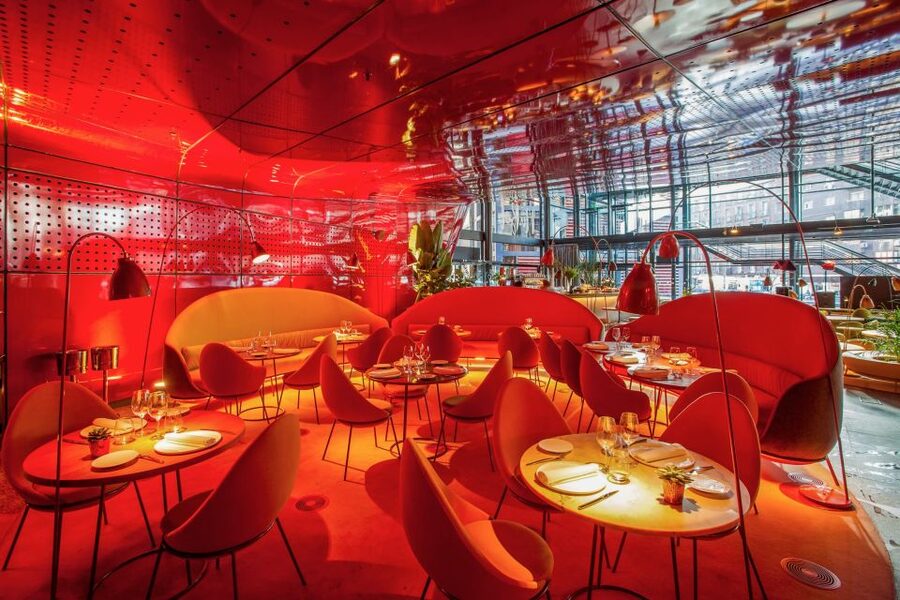
The facilities are not perfect. Toilet capacity can feel inadequate during busy periods, and the café downstairs may be disorganized even though the food can be good. Treat the café as a convenient option rather than the main reason to visit.
Who will enjoy this museum most?
You are a good match for this ticket if you enjoy modern art, Spanish culture, political painting, or major works by Picasso, Dalí, and Miró. It also suits you if you want to visit independently and set your own pace.
Families can visit, but adults should supervise children closely. Young visitors who enjoy bold shapes, film, and unusual images may find plenty to hold their attention, while those expecting traditional portraits and landscapes may need more guidance.
This is also a strong choice for a short Madrid visit. The museum is focused enough to make a two-hour stop possible, yet large enough to fill much of a day. You can choose the level of commitment.
You may prefer another museum if you want only classical European painting or a fully guided tour. The Reina Sofía asks you to interpret some works for yourself, and the building can take effort to navigate.
Should you book the Reina Sofía ticket?
Book it if Guernica is a priority, your Madrid schedule is fixed, or you want several hours for Picasso, Dalí, Miró, photography, film, and temporary exhibitions. The $14 price is sensible when it saves you from waiting during a busy period.
Skip the paid ticket if you can comfortably visit during the free hours and do not mind crowds or a shorter visit. Either way, arrive with a plan, use the Nouvel courtyard entrance at Ronda de Atocha nº2, and allow more time than a quick photo stop.
For most first-time visitors interested in modern Spanish art, I would pay for the ticket and arrive early. Guernica is the headline, but the surrounding collection is what turns the visit into a full picture of Spain’s 20th-century art.
FAQ
Where do I enter the Reina Sofía Museum?
Use the museum entrance through the Nouvel courtyard at Ronda de Atocha nº2.
What does the ticket include?
It includes entrance to the Reina Sofía Museum and its temporary exhibitions for one day. A booking and handling fee is included.
Is the audio guide included?
No. You can purchase the audio guide inside the museum for €4.50.
Is a tour guide included?
No. This is an independent museum visit without a guide inside the museum.
When is admission free?
Admission is free Monday through Saturday from 7 PM to 9 PM, and Sundays and public holidays from 12:30 PM to 2:30 PM. These periods can be crowded.
Is the museum open every day?
No. The museum is closed every Tuesday and may occasionally be closed on Sundays. It also closes on January 1 and 6, May 1 and 15, November 9, and December 24, 25, and 31.
Is the museum wheelchair accessible?
Yes, the activity is wheelchair accessible.
Just added around Madrid
- Madrid: Afternoon Prado Museum Tour with Skip-the-Line Entry★ 4.4 · 491 reviews
- Small Group Prado Museum Guided Tour with Skip the Line★ 4.2 · 106 reviews
- Madrid: Reina Sofía Museum Guided Tour, Small Group★ 4.9 · 67 reviews
- Reina Sofía Museum – Guided tour IN ITALIAN with family discount.★ 4.8 · 19 reviews
- Prado Museum Tour with ticket, small group & expert guide★ 5.0 · 13 reviews
- Madrid: Prado Museum Skip-the-Line Guided Tour★ 4.3 · 254 reviews
- Prado Museum for kids & families: Private fun tour★ 5.0 · 32 reviews
- Madrid: Prado Museum guided tour optional Reina Sofía Museum★ 4.8 · 38 reviews
Museum Tours in Madrid, compared.
Prado Museum Guided Tour with Skip-the-Line Ticket
Read our review →
Prado Museum Small Group Tour with Skip the Line Ticket
Read our review →
Royal Palace & Prado Museum Skip the Line Guided Tour
Read our review →

Prado Museum Guided Tour with Skip-the-Line Ticket
Read our review →Browse the lists this tour appears in