
Review · SPAIN
Guided tour of the Museum of Olive Culture Oil Tasting
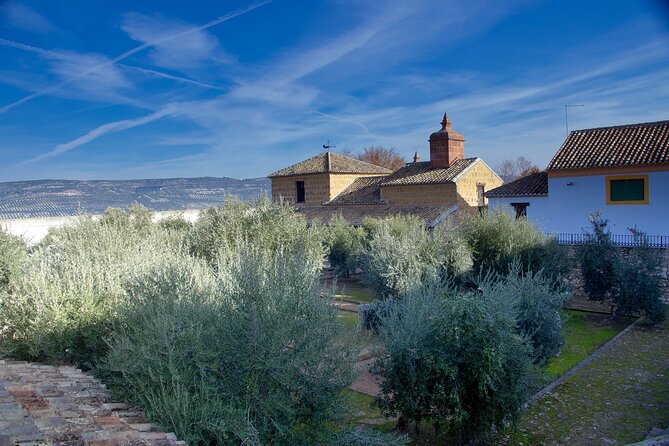
The best part of this two-hour experience is that it connects olive farming, old machinery, and tasting skills in one compact visit. At the Museo de la Cultura del Olivo, you walk through a garden with more than 30 olive varieties, see late-19th-century milling and pressing equipment, and enter the former mill winery known as the Cathedral of Oil.
I like the practical tasting workshop, where you learn to notice an oil’s main qualities instead of simply hearing that one bottle is better than another. I also like the small group limit of 20 people, which should make it easier to see the machinery and follow the guide. The main consideration is location: the meeting point is at Finca Hacienda La Laguna in Puente del Obispo, so you need to plan your own way there.
Key points at a glance
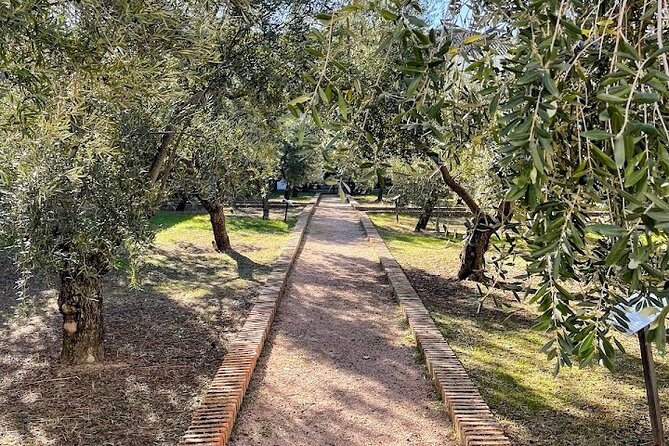
- More than 30 olive varieties: The museum garden gives you a clear look at how olive trees can differ.
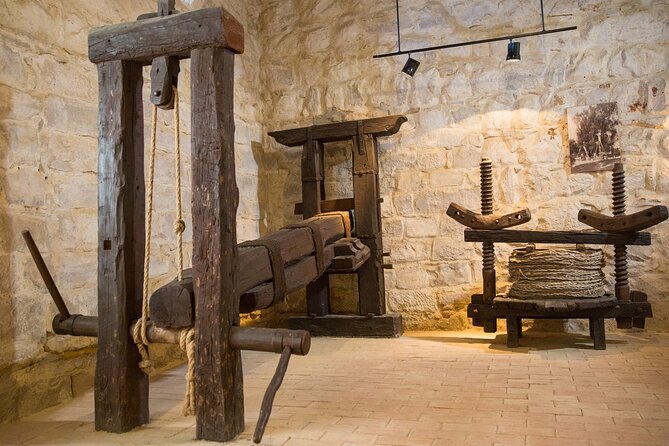
- Original 19th-century equipment: You see the old milling and pressing systems, along with traditional field tools.
- The Cathedral of Oil: The mill’s winery was declared a Cultural Interest site in 1992.
- Hands-on tasting lesson: Use tasting glasses, sheets, pencils, apple, and water to learn the basics of judging olive oil.
- Small maximum group: The activity accepts no more than 20 people.
- Two hours for $17.94: The price covers the museum admission and tasting workshop, making it a focused introduction to Jaén’s olive culture.
Why this museum matters in Jaén
Jaén is closely tied to olive growing, and this museum gives you a way to understand that connection through objects and working spaces rather than only through a bottle on a shop shelf. The visit places olive oil within the daily work of farmers and mill operators, showing how trees, tools, pressing, storage, and tasting fit together.
That matters because olive oil can seem simple until you try to compare several types. The workshop helps you put words to what you smell and taste. You are not expected to become a professional taster in two hours, but you can leave with a better sense of how quality is assessed and why oils do not all taste alike.
The setting also adds useful context. This is not just a tasting held in a modern room with a few display panels. The museum includes a garden, original milling and pressing systems from the late 19th century, field tools, and the old winery. You get both the agricultural side and the production side.
The experience is offered in English, and a specialized guide leads the museum portion. If you prefer another language, radio guides may be hired on arrival for €1.50, although the main tour is listed as being offered in English.
A few more museum visits around Spain worth comparing
- Picasso Museum and Walking Tour Plus Optional Wine & Food Tasting
★ 5.0 · 596 reviews - Ronda: LA Almazara LA Organic, Olive Oil Museum and Tasting
★ 4.6 · 435 reviews - Tenerife: Wine Museum Ticket with Local Wines & Food Tasting
★ 4.5 · 393 reviews
Walking through the olive-tree garden
Your visit begins at the Museo de la Cultura del Olivo, at Finca Hacienda La Laguna in Puente del Obispo. One of the first useful features is the outdoor garden, which contains more than 30 different olive-tree varieties.
That number gives the garden real purpose. Instead of treating an olive tree as one standard crop, you can look at the range of varieties grown for different qualities and conditions. The visit does not promise a technical botany lesson, but the garden gives you a visual starting point before you see how the fruit becomes oil.
I like this order. You first meet the tree, then the tools, then the finished product in the glass. It creates a simple chain that is easy to follow, especially if you know little about olive growing.
The garden may be most useful for visitors who have already spent time among Andalusia’s olive groves and want a closer look at the crop itself. It also works well for families and first-time visitors because the subject begins with something visible and concrete. You do not need specialist knowledge to appreciate differences between trees when a guide points them out.
Keep in mind that the activity lasts about two hours in total. The garden is one part of a larger visit, so this is not a long agricultural walk or a full day among the groves. Think of it as a compact introduction that prepares you for the museum’s machinery and tasting session.
Seeing the old mill and pressing systems
Inside, the guide explains the original milling and pressing systems used in the late 19th century. You also see other tools and implements from field work, which helps show how much labor once went into producing oil.
This is where the museum becomes more than a general agricultural display. The machines reveal the practical steps between harvest and bottle. You can look at the equipment and understand that olive oil came from a chain of physical tasks, not from a single press-button process.
The age of the machinery is also part of the appeal. Modern oil production can feel remote and technical, while old equipment makes the work easier to picture. The visit does not simply tell you that traditional methods existed. It puts the tools in front of you.
Your guide is important here. A machine can be hard to understand when viewed without explanation, particularly if parts are no longer in use. The guided format gives you a better chance of learning what each system did and how the pieces related to one another.
The group limit of 20 is a practical advantage. It is not a private tour, and the experience could still feel busy if everyone gathers around the same object. Still, a cap of 20 is more manageable than a large coach group, particularly in older indoor spaces where sightlines may be limited.
Entering the Cathedral of Oil
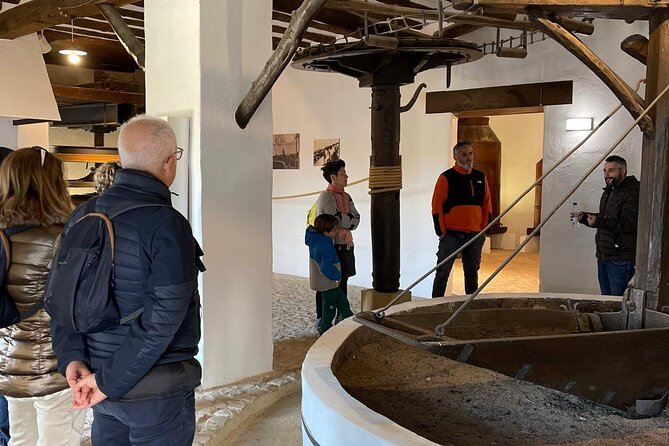
The visit ends its museum portion with the mill’s winery, known as the Cathedral of Oil. This space was declared a Cultural Interest site in 1992, giving it a formal place in the area’s cultural record.
The name may sound grand, but the important point is what the room represents: storage and production within the old mill. After seeing the trees and pressing equipment, you reach the place where oil was kept and handled. That makes the winery a useful final step before you taste the product.
I would pay attention to the sense of scale and layout here. An old winery can tell you how central olive oil was to the operation, even before you hear every detail from the guide. The space links the agricultural work outside with the finished oil inside.
This stop also gives the experience a stronger historical dimension than a standard food tasting. You are not tasting in isolation. You are tasting after seeing the setting where oil was once produced and stored.
The museum’s historic character may appeal most to people who enjoy traditional industries, working tools, and older buildings. If you mainly want to sample several oils and buy a bottle, part of the museum visit may feel slower than necessary. The value comes from the combination of place, explanation, and tasting.
Same city, a completely different collection:
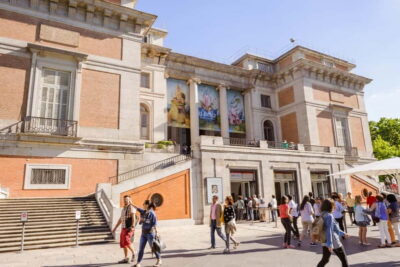
- Madrid: Prado Museum Entry Ticket
★ 4.6 · 20,699 reviews - Barcelona: FC Barcelona Museum “Barça Immersive Tour” Ticket
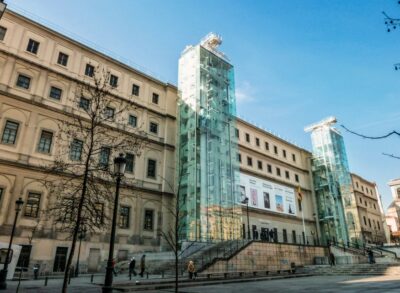
★ 4.4 · 10,944 reviews - Madrid: Reina Sofía Museum Entrance Ticket
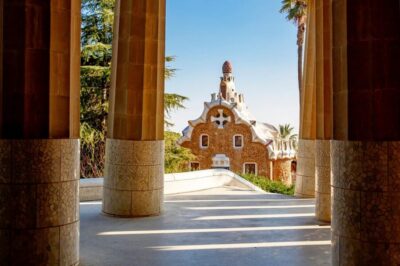
★ 4.5 · 8,788 reviews - Barcelona: Park Güell and Gaudí House Museum Entry Ticket
★ 4.5 · 6,326 reviews
Learning to judge olive oil in the workshop
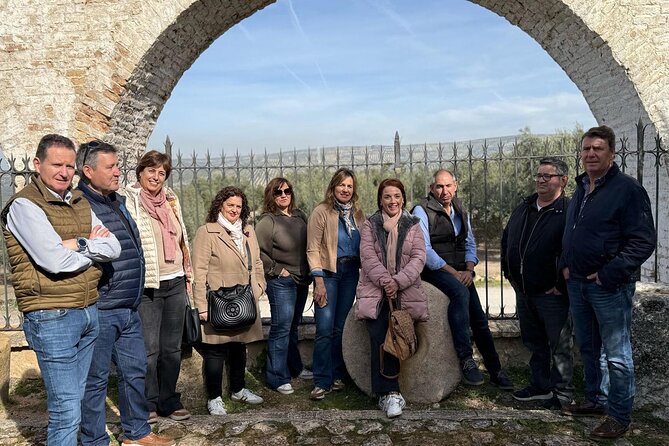
After the museum visit, you take part in an initiation workshop in olive-oil tasting. The goal is to recognize the main organoleptic characteristics of different oils, using some of the same basic habits as professional tasters.
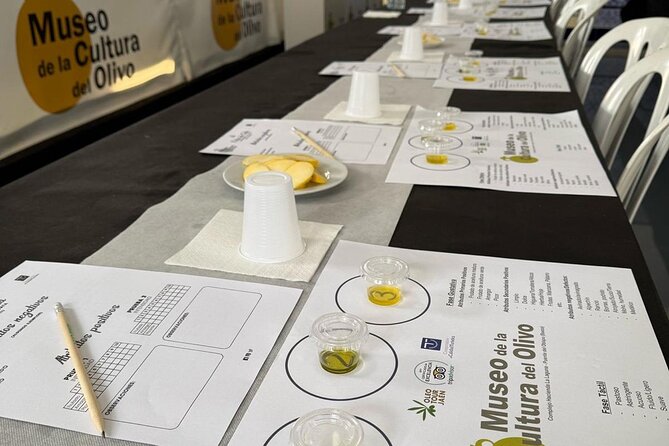
The supplied materials make the workshop more useful than a casual pour-and-sip session. You receive tasting sheets, pencils, tasting glasses, an apple, and water. The sheets and pencils let you record impressions, while the apple and water help clear your palate between samples.
The session is designed for beginners. You learn how to pay attention to qualities that can otherwise blur together, such as aroma, flavor, and overall character. The exact oils served are not specified, so you should not book expecting a particular number of samples or named producers.
I like the tasting because it gives you something to take home beyond a memory of the museum. Afterward, you can approach an olive-oil bottle with more curiosity. You may not identify every quality correctly, but you will have a better framework for comparing oils.
The workshop also balances the older parts of the visit. The museum explains how olive oil was made, while the tasting asks you to consider what ends up in the glass. One section looks backward at production; the other trains your senses in the present.
Do not expect a full certification course or advanced instruction for experienced tasters. The description makes clear that this is an initiation workshop. That is a strength for beginners, but a limitation if you already know how to assess oils professionally.
What the $17.94 price buys you
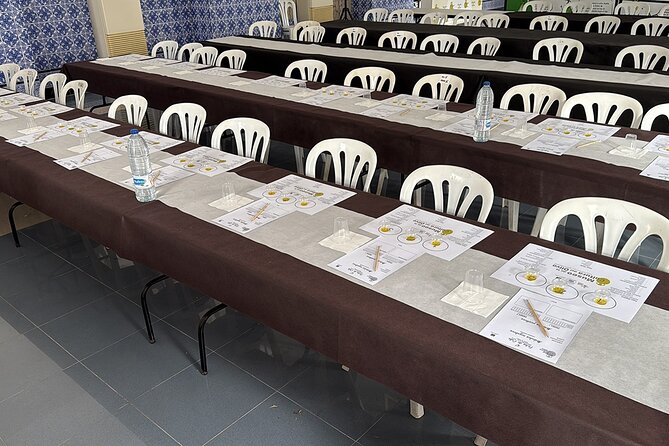
At $17.94 per person, the activity is priced as a modest cultural outing rather than a luxury food tour. Your payment covers the guided museum visit, admission, and the tasting workshop. For two hours, that is a reasonable package if you want both historical context and a hands-on food experience.
The value depends on what you want from a visit to Jaén. If your priority is the cheapest possible tasting, you may find the museum portion less important. If you want to understand the local olive-oil tradition, the price covers several connected elements that would be harder to arrange separately.
There is also value in the focused timing. A two-hour visit fits neatly into a day of sightseeing without taking over the entire schedule. The 11:00 a.m. start gives you a fixed morning activity, and the tour returns to the same meeting point when it ends.
Radio guides in different languages cost an additional €1.50, payable on arrival. The main offering is in English, so factor that small extra cost in only if you need another language.
The high rating of 4.8 from 17 ratings and the 94 percent recommendation figure suggest strong satisfaction, but the sample is small. I would treat those numbers as encouraging rather than decisive. The most praised qualities are the cozy setting, the history of olive-oil traditions, the variety of trees, and the simple explanation of how to taste and judge oil.
Planning your visit to Finca Hacienda La Laguna
The meeting point is Museo de la Cultura del Olivo, Oleoturismo, Cata de Aceites, at Finca Hacienda La Laguna, 23529 Puente del Obispo, Jaén, Spain. The activity begins at 11:00 a.m. and ends back at the same point.
Because no transportation is included in the details provided, you should arrange your own way to the finca and allow enough time to arrive before the start. The exact setting may be easy to miss if you are rushing, so having the full address available is sensible.
A mobile ticket is accepted, which keeps the booking simple. Confirmation arrives at the time of booking, and service animals are allowed. Most people can take part, so the activity is broadly accessible in terms of participation, although no detailed information is provided about surfaces, steps, or wheelchair access.
The tour is capped at 20 people. That does not guarantee a quiet visit, but it does put a reasonable limit on the group. A smaller group can help when the guide is explaining old machinery or guiding everyone through the tasting sequence.
Free cancellation is available if you cancel at least 24 hours before the start time. Changes or cancellations made less than 24 hours before the experience are not accepted for a refund, with cut-off times based on local time.
Who will enjoy this olive-oil tour
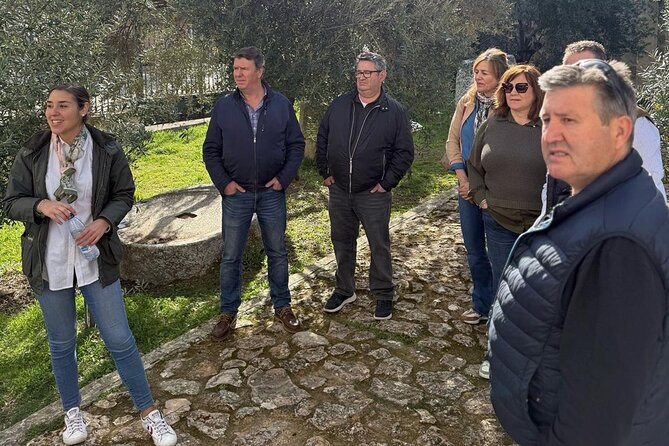
I would recommend this experience to anyone who wants a clear introduction to Jaén’s olive culture without committing to a full-day excursion. It suits food lovers, history fans, and people who enjoy seeing traditional tools in their original setting.
It is also a good match for visitors who want more than a standard museum visit. The tasting workshop gives you an active role, and the materials make it easier to follow along. You are not simply listening to a guide and moving from room to room.
Families may appreciate the mix of outdoor trees, large old equipment, and tasting. Children may not follow every production detail, but the visit includes enough visual variety to avoid being only a lecture. Adults who want technical information should remember that this is an introductory session, not an advanced course.
The tour may be less suitable if you want extensive time outdoors, a long olive-grove walk, or a large food spread. The garden is part of the museum visit, but the stated program focuses on the museum and tasting. Also, the experience does not list transportation from Jaén or elsewhere, so the location requires planning.
Should you book the Museum of Olive Culture tour?
Book it if you want to understand olive oil through its trees, tools, historic mill, and flavor. The strongest reason to go is the combination of the Cathedral of Oil and beginner tasting workshop. One shows you where the product was made and stored; the other helps you pay attention to what is in your glass.
At $17.94, the two-hour format offers good value for a focused cultural stop, especially if you are already planning to visit the Jaén area. I would choose it over a tasting with no local context, but I would skip it if your schedule is too tight to reach Puente del Obispo or if you want an advanced tasting class.
The experience is small enough to feel manageable, offered in English, and built around a subject that defines much of the area. Just plan your transport, arrive for the 11:00 a.m. start, and keep your expectations at the introductory level. For those conditions, this is a practical and worthwhile way to meet Andalusia through one of its most important foods.
FAQ
Where does the olive-oil tour begin?
It begins at Museo de la Cultura del Olivo, Oleoturismo, Cata de Aceites, Finca Hacienda La Laguna, 23529 Puente del Obispo, Jaén, Spain.
What time does the activity start?
The scheduled start time is 11:00 a.m.
How long does the experience last?
The visit lasts approximately two hours.
Is the tour offered in English?
Yes. The activity is offered in English. Radio guides in different languages may be hired on arrival for €1.50.
What is included in the tasting workshop?
The workshop provides tasting sheets, pencils, an apple, water, and tasting glasses.
Can I cancel for a full refund?
Yes, if you cancel at least 24 hours before the experience start time. Cancellations or changes made less than 24 hours before the start are not accepted for a refund.
Just added around Spain
- Girona, Figueres, Dalí Museum and Cadaqués Tour from Barcelona★ 4.5 · 36 reviews
- Football Club Barcelona Museum Immersive Tour Guided Visit★ 3.5 · 52 reviews
- Erotic Museum Admission Ticket with Audioguide★ 5.0 · 527 reviews
- Dali Museum and Costa Brava Small Group Day Trip from Barcelona★ 5.0 · 77 reviews
- Madrid by High-Speed Train with Prado Museum Private Tour★ 4.0 · 33 reviews
- Guitar Legends Hall: Entrance to the Immersive Rock Museum★ 5.0 · 25 reviews
- White Rabbit Museum: The Best Immersive Experience in Catalonia★ 5.0 · 538 reviews
- Private Dali Museum, Besalú & Girona Tour from Barcelona★ 5.0 · 15 reviews
Museum Tours in Spain, compared.
Park Güell and Gaudí House Museum Entry Ticket
Read our review →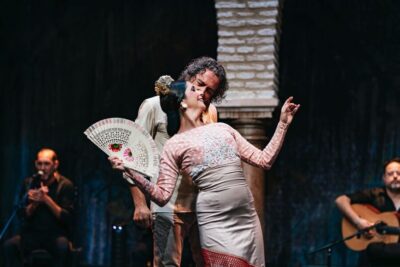
Puro Flamenco Show with Optional Museum Ticket
Read our review →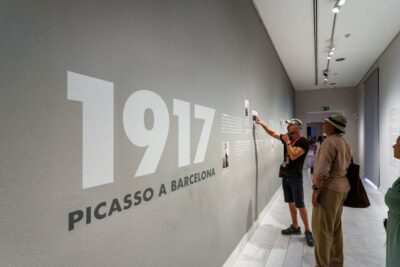
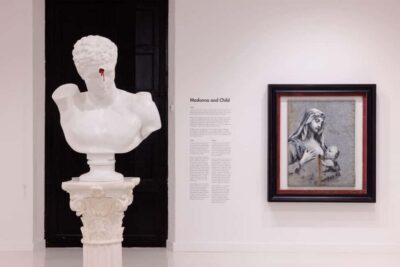
Moco Museum Barcelona: Modern & Contemporary Art
Read our review →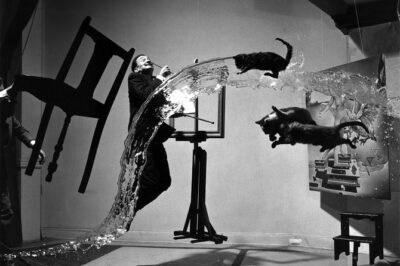
Girona & Dali Museum Small Group Tour with Pick-up from Barcelona
Read our review →
Valencia: Oceanogràfic, Hemisfèric & Science Museum Combo
Read our review →Browse the lists this tour appears in