
Review · SPAIN
L’Escala: SOLÉS Anchovy Factory-Museum Admission and Tasting
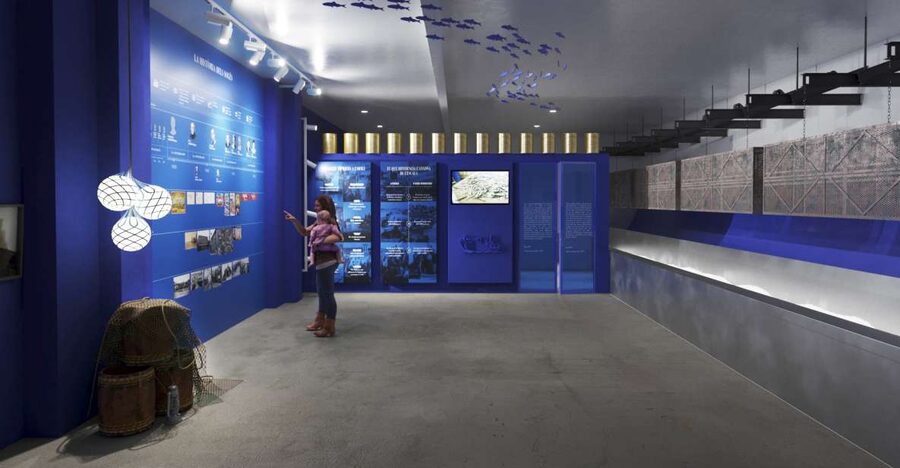
L’Escala’s anchovy trade is not a glossy museum subject. It is a working food tradition, tied to salt, fish, family skill, and the small coastal town itself. At Solés Anchovy Factory, you visit the oldest salting building among L’Escala’s factory sites and follow the story of five generations of anchovy makers.
I like two things here: the audio guide comes in seven languages, and the tasting gives you a direct way to judge the company’s products rather than simply looking at old tools. The price is also modest at $8, making this an easy add-on to a day in town.
The main caution is scale. This is a compact museum in one room, not a large industrial tour. Some visitors finish in about 15 minutes, and the tasting is small, so you should book it for local food history and a quick sample, not a full meal or a long guided outing.
Key points to know before you go
- The oldest salting building in L’Escala: You visit the oldest factory building among the village’s salting facilities, with modern adaptations inside.
- Five generations of anchovy making: The exhibition links Solés products to a family tradition reaching back 130 years.
- Audio guide in seven languages: Information is available in Catalan, Spanish, English, German, Italian, French, and Dutch.
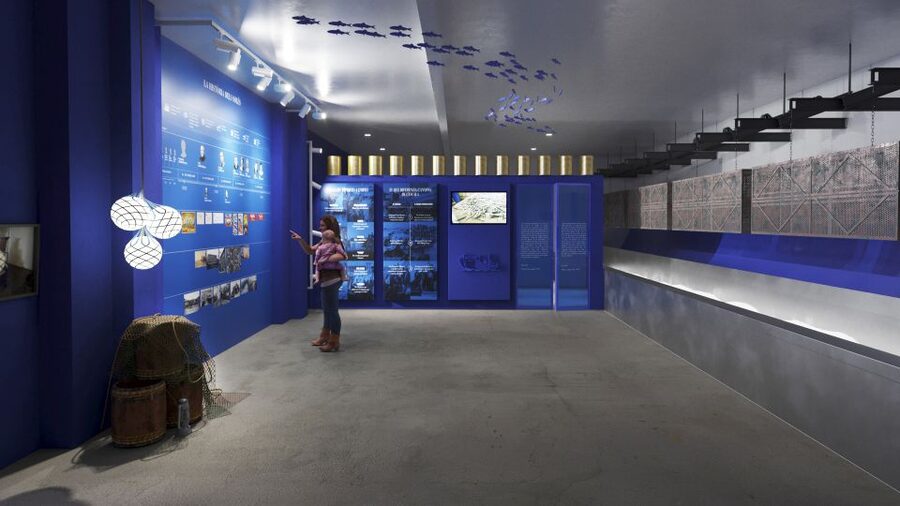
- A small, interactive museum: Expect photographs, tools, numbered displays, and models explaining the anchovy-making process.
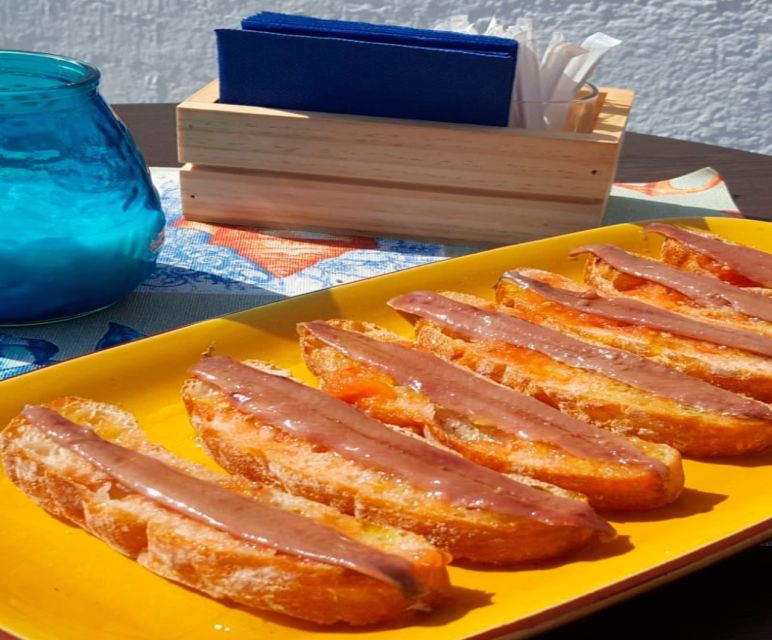
- Tasting included: Your admission includes a small sampling of Solés products on the outdoor chill-out terrace.
- A practical stop for food-minded visitors: The factory shop lets you buy the products you have just learned about and tasted.
Why L’Escala’s anchovies matter
L’Escala is closely linked with salted anchovies, and this visit gives that local specialty a physical setting. You are not simply hearing that the town has an old fishing tradition. You are entering a former salting facility where the business developed over generations.
The useful context is the contrast between old and new. The building has been adapted for modern visitors, but the factory keeps the character and working identity of the original place. That makes the visit more meaningful than a standard shop tasting, even though the museum portion is small.
Solés celebrates 130 years of anchovy production. The exhibition uses that anniversary to explain how the company developed and how its products are prepared. If you already enjoy preserved fish, this adds context to something you may otherwise treat as just another item on a tapas plate.
You may also find the visit helpful if you are unfamiliar with anchovies. The word can suggest a very strong, salty ingredient, but a tasting lets you form your own opinion. You can see how Solés presents its products and decide what suits your taste before buying anything at the shop.
A few more museum visits around Spain worth comparing
- Picasso Museum and Walking Tour Plus Optional Wine & Food Tasting
★ 5.0 · 596 reviews - Ronda: LA Almazara LA Organic, Olive Oil Museum and Tasting
★ 4.6 · 435 reviews - Tenerife: Wine Museum Ticket with Local Wines & Food Tasting
★ 4.5 · 393 reviews
Finding the white house with the painted sign
The meeting point is easy to identify once you are close: look for the white house with ANXOVES SOLÉS painted on it. That painted sign is the detail to keep in mind, especially if you are walking through L’Escala and expecting a grand museum entrance.
The experience is built around the factory itself rather than a separate visitor center. That is part of its appeal. You enter a real local food business, then move through the museum area before reaching the shop and tasting space.
The visit is valid for one day, and available starting times depend on the date you choose. Since the stated duration is one day rather than a fixed number of hours, check the available time when booking. The supplied information does not give a set tour length, and the compact exhibition means the actual visit can be quite brief.
Children under 10 must be accompanied by an adult. The building is adapted for people with reduced mobility and is described as wheelchair accessible, which makes it a practical choice for many families and mixed-age groups.
Inside the compact Solés museum
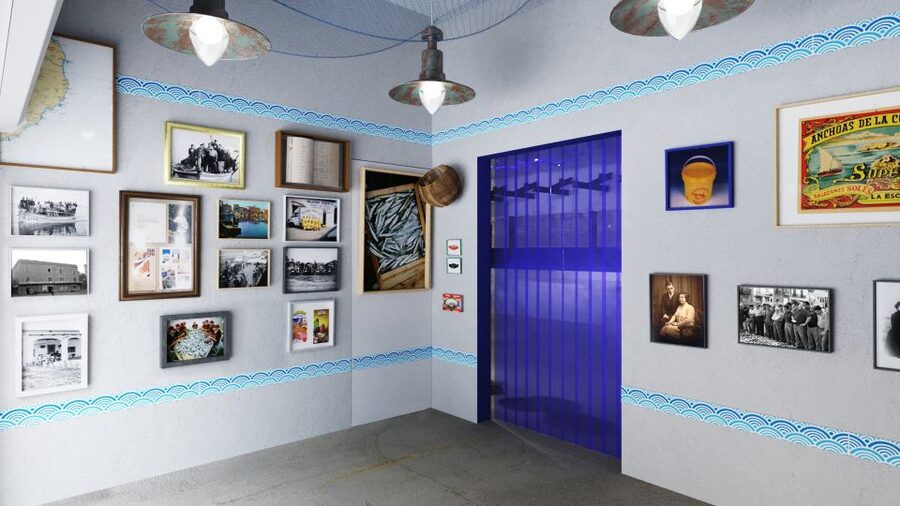
The museum explains both the company’s story and the stages involved in its different gastronomic preparations. The format is designed for all ages, with photographs, utensils, numbered exhibits, and interactive elements.
You use an audio guide rather than relying on a live guide. This is useful if you want to move at your own pace or need information in English or another supported language. The seven choices are Catalan, Spanish, English, German, Italian, French, and Dutch.
The audio format also means you should pay attention to the exhibit numbers. The display pieces are linked to audio explanations, so the experience works best when you match each item with its corresponding number. The information supplied does not identify a personal guide by name, and you should not expect a staff-led talk.
The exhibition includes models intended to show how parts of the process work. One display has been described as a set of cage-like structures with a model, but the explanation was not clear to every visitor. This is a useful warning: if a particular object interests you and its purpose is not obvious, the audio guide may not fully answer the question.
That limitation matters because the museum is small. In a large museum, one unclear display is easy to overlook. Here, each object makes up a noticeable part of the experience. I would treat the exhibition as a concise introduction, not a detailed technical study of salting, curing, or factory equipment.
How the anchovy-making story is presented
The visit aims to show the stages of the products Solés makes. You learn how the anchovies of L’Escala are currently prepared while also seeing references to older methods and family tradition.
This combination is the strongest part of the visit for me. It connects a familiar food to the work behind it: handling the fish, using salt, maintaining a consistent process, and carrying skills from one generation to the next. The factory’s age gives the story a setting that photographs alone could not provide.
At the same time, keep your expectations in check. The information does not describe a full production-floor walk, a working demonstration, or a long explanation from a factory employee. The focus is a visitable museum area with audio content, followed by a tasting.
That distinction is important when comparing this experience with larger food tours. You will not be spending half a day moving through several food producers. Instead, you get a short look at one specialist company and its products. For many people, that is exactly the right amount of time between a morning at the coast and an afternoon in town.
Same city, a completely different collection:
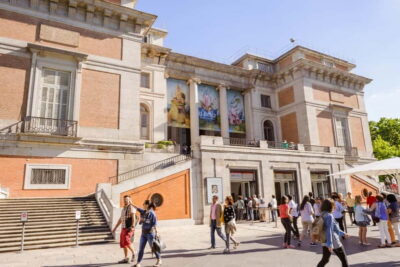
- Madrid: Prado Museum Entry Ticket
★ 4.6 · 20,699 reviews - Barcelona: FC Barcelona Museum “Barça Immersive Tour” Ticket
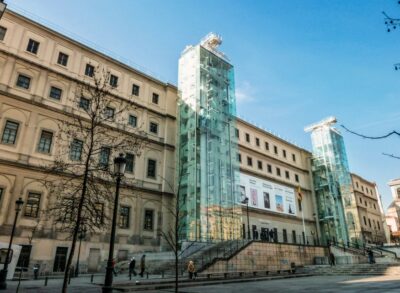
★ 4.4 · 10,944 reviews - Madrid: Reina Sofía Museum Entrance Ticket
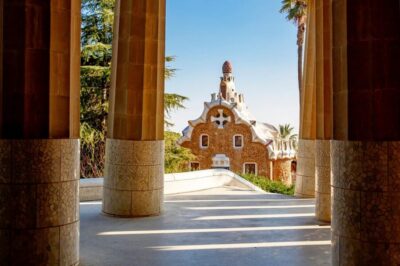
★ 4.5 · 8,788 reviews - Barcelona: Park Güell and Gaudí House Museum Entry Ticket
★ 4.5 · 6,326 reviews
The tasting on the Solés chill-out terrace
Admission includes a small tasting on the new Solés chill-out terrace outside the factory. The setting gives the visit a pleasant finish, and the tasting lets you move from explanation to flavor.
The samples are modest. One account describes two pieces of anchovy fillet, a slice of octopus, a small piece of squid, and two dry breadsticks. Another describes the tasting as correct, while several positive comments highlight it as a very good or excellent finish.
So, plan on a sample, not lunch. If you arrive hungry, you will need another meal afterward. The tasting works best as a quick introduction to the products, especially if you are considering something from the shop.
I like this part because it gives the museum a clear purpose. You see the story, hear about the process, then taste the result. But the value depends on your expectations. If you want several generous portions or a guided food pairing, $8 may feel less satisfying. If you want a small local-food stop with a product sample, the tasting adds real value.
The terrace also breaks up the indoor portion. After a short audio-guided visit, you have an outdoor place to sit briefly and try the samples. The supplied information does not promise a full meal, drinks, or a formal tasting lesson, so do not book it as a culinary workshop.
The factory shop and what you can buy
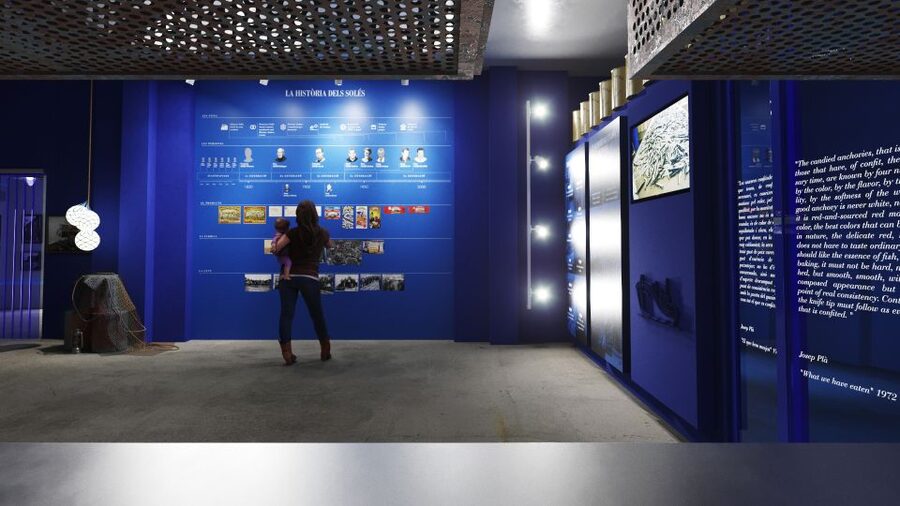
The visit ends with access to the anchovy shop and product sales. This is useful because you can buy the same type of food you have just seen explained and tasted.
A shop stop is not a reason by itself to pay admission, but it improves the overall structure. You are not left wondering where to find the products locally. If you like the sample, you can take Solés anchovies or other company products home, subject to what is available at the factory.
The shop also gives you a chance to compare the museum story with the packaging and finished goods. For a food-focused visit, that practical connection is more helpful than a display of old equipment with no way to continue the experience.
You do not need to buy anything, of course. The admission includes the museum and tasting, and the shop is an optional part of the stop. I would use the tasting to decide rather than making a purchase in advance.
Is $8 good value?
At $8 per person, this is a low-cost activity, but value depends on what you want from it. The admission includes the museum, the audio information, and the Solés product tasting. It also gives you a short indoor attraction for a day when you want a break from outdoor sightseeing.
For a food enthusiast, the price is reasonable. You get local history, a look at an old salting facility, multilingual interpretation, and something to taste at the end. Families may also appreciate that the subject is concrete and easy to understand, although children under 10 need an adult with them.
The price feels less attractive if you expect a large museum, a long factory route, or a generous tasting plate. The exhibition has been described as one small room with photographs and a handful of objects. Some visitors may feel finished after 15 minutes.
My advice is to judge the $8 alongside your plans. If you are already in L’Escala and can fit this in without a special journey, it is an inexpensive way to learn about a defining local product. If you would travel a long distance only for the museum, the limited size may not justify the effort.
Who will enjoy this most?
I would recommend Solés to visitors who like local food, traditional production, small museums, and short cultural stops. It is especially suitable for anyone who wants more context before buying anchovies as a souvenir or ordering them in Catalonia.
The audio guide makes the visit approachable for international visitors. English is included, along with six other languages, so you do not need to depend on Spanish or Catalan.
Families can manage the visit easily if an adult accompanies children under 10. The compact layout may suit people who do not want a long museum session, though children expecting lots of hands-on activities could find it limited.
The accessible building is another practical advantage. Since the factory has been adapted for people with reduced mobility and is wheelchair accessible, it can work for a broader range of visitors than an old industrial site might suggest.
I would be more cautious about recommending it to serious food professionals or anyone hoping to study the technical process in depth. The displays and audio guide introduce the subject, but the information available does not promise detailed instruction, a production-floor tour, or direct access to a factory master.
Timing, flexibility, and practical details
The activity is valid for one day, with starting times shown according to availability. You can reserve now and pay later, which helps if your route through Catalonia is still changing. Cancellation is free up to 24 hours in advance for a full refund.
Those policies are useful for a short stop because weather, beach plans, and day trips can shift quickly. Still, check the selected time carefully. The listing does not provide a fixed schedule in the information supplied here.
The visit is not described as a transport-inclusive tour. You should plan your own way to the white Solés building in L’Escala. Once there, the painted ANXOVES SOLÉS sign is the key landmark.
Allow room in your schedule for the museum, tasting, and shop, but do not build an entire day around the factory. The listed duration says one day for validity, not that you will spend a full day inside.
My verdict: a short, worthwhile taste of L’Escala
Book this if you want a compact look at one of L’Escala’s signature food traditions, especially if you are already in town. The five-generation story, seven-language audio guide, and tasting make the $8 fee sensible for most food-curious visitors.
Skip it if you need a large museum, a long guided tour, or a substantial meal. The small exhibition can feel thin, and the tasting is only a few bites. Go with modest expectations, listen carefully to the audio guide, and treat the visit as a brief local-food lesson followed by a sample and a shop stop.
FAQ
Where is the Solés Anchovy Factory-Museum?
It is in L’Escala, Catalonia, Spain. Look for the white house with ANXOVES SOLÉS painted on it.
How much does admission cost?
The stated price is $8 per person. It includes entrance to the museum and a tasting of Solés products.
What does the visit include?
You visit the Solés museum, use an audio guide to learn about the company and anchovy-making process, and receive a small product tasting on the outdoor Solés chill-out terrace.
Which languages are available for the audio guide?
Information is available in Catalan, Spanish, English, German, Italian, French, and Dutch.
Is the factory accessible to wheelchair users?
Yes. The building is adapted for people with reduced mobility and is described as wheelchair accessible.
Can children visit the museum?
Yes. Children under 10 must be accompanied by an adult.
Is the tasting a full meal?
No. It is a small tasting of Solés products. It is not presented as a full meal or extensive food tour.
Can I cancel the booking?
Yes. You can cancel up to 24 hours in advance for a full refund. You can also reserve now and pay later.
Just added around Spain
- Girona, Figueres, Dalí Museum and Cadaqués Tour from Barcelona★ 4.5 · 36 reviews
- Erotic Museum Admission Ticket with Audioguide★ 5.0 · 527 reviews
- Dali Museum and Costa Brava Small Group Day Trip from Barcelona★ 5.0 · 77 reviews
- Football Club Barcelona Museum Immersive Tour Guided Visit★ 3.5 · 52 reviews
- Madrid by High-Speed Train with Prado Museum Private Tour★ 4.0 · 33 reviews
- Guitar Legends Hall: Entrance to the Immersive Rock Museum★ 5.0 · 25 reviews
- White Rabbit Museum: The Best Immersive Experience in Catalonia★ 5.0 · 538 reviews
- Private Dali Museum, Besalú & Girona Tour from Barcelona★ 5.0 · 15 reviews
Museum Tours in Spain, compared.
Park Güell and Gaudí House Museum Entry Ticket
Read our review →
Puro Flamenco Show with Optional Museum Ticket
Read our review →
Moco Museum Barcelona: Modern & Contemporary Art
Read our review →
Girona & Dali Museum Small Group Tour with Pick-up from Barcelona
Read our review →
Valencia: Oceanogràfic, Hemisfèric & Science Museum Combo
Read our review →Browse the lists this tour appears in