
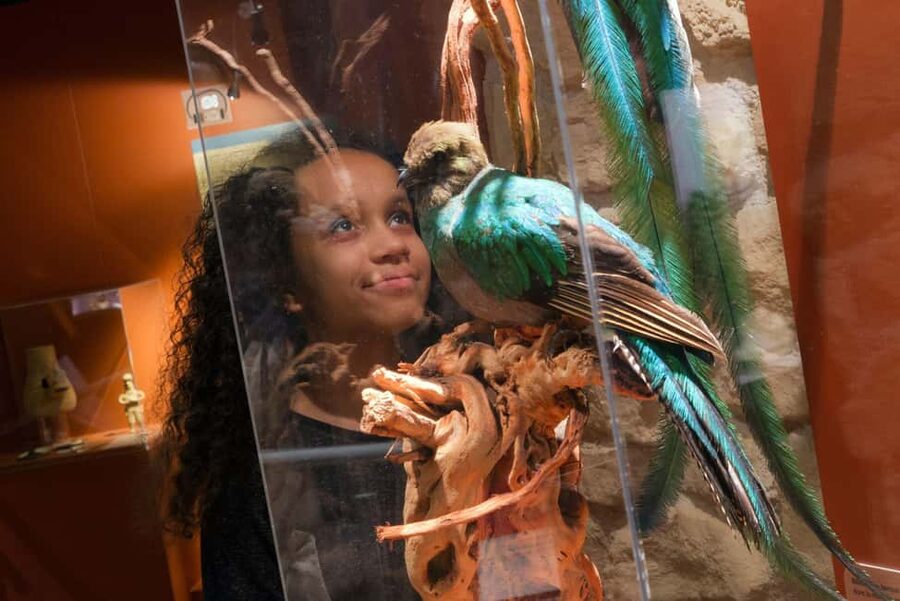
Review · PARIS
Paris: Entrance Ticket to the Chocolate Museum
Paris’s Chocolate Museum turns a familiar treat into a story about ancient rituals, trade, technology, and taste. You’ll move from the Olmecs, Mayas, and Aztecs to modern chocolate making, with more than 1,000 artifacts and samples along the way.
I like the tasting stops, especially the chance to compare chocolate from Costa Rica, Peru, and Vanuatu. I also like the children’s treasure hunt, which gives younger visitors a reason to read the displays instead of simply racing toward the next sample.
The main drawback is its size and format. This is a self-guided museum, not a full chocolate workshop, and some visitors finish in under 30 minutes. If you want the demonstrations, check the timing carefully, since a busy school group can make them difficult to see.
Key points to know before you go

- Four thousand years of cocoa history: Follow chocolate from ancient Mesoamerican cultures through European adoption and modern production.
- More than 1,000 objects: See chocolate molds, utensils, containers, artifacts, and displays across 850 square meters.
- Tastings are part of the visit: Sample chocolates, including praline and ganache, along with products made on-site.
- Two French master craftsmen on screen: Watch a virtual demonstration with two Meilleurs Ouvriers de France.
- Good for families: Children can use an activity booklet and complete a treasure hunt with stickers and a prize.
- A small time commitment: Allow anywhere from about 30 minutes to several hours, depending on how closely you read and how long you spend at the demonstrations.
Entering the Chocolate Museum on Boulevard de Bonne Nouvelle
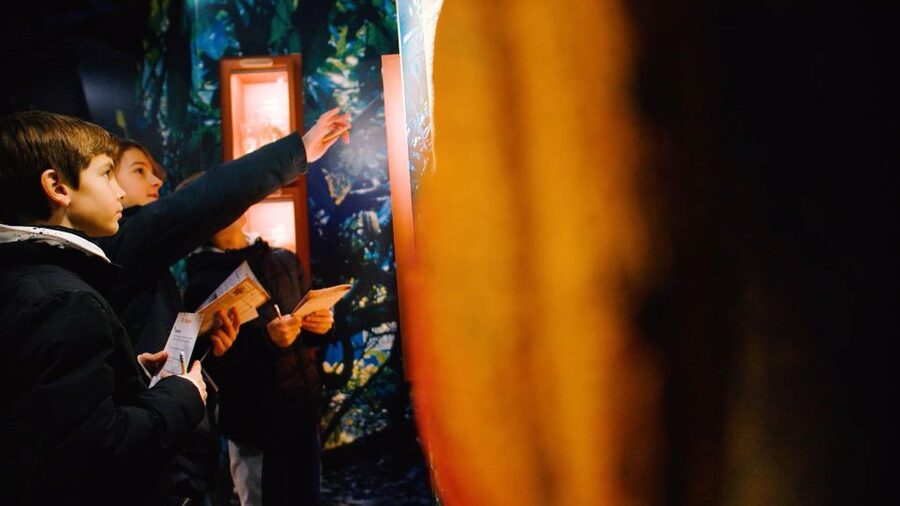
The museum, officially called Le Musee Gourmand du Chocolat, is at 28 Boulevard de Bonne Nouvelle in the 10th arrondissement. Your ticket is valid for one day, so you have flexibility around the visit, but the last admission is at 4:30 PM.
I would plan this as a pleasant indoor stop rather than the main event of an entire day. The museum covers about 850 square meters, or 2,789 square feet, which is enough room for a solid collection but not enough to feel like a huge national museum.
That modest scale is useful in Paris. You can fit the visit between other sights, use it as a rainy-day break, or bring children somewhere that does not demand hours of quiet attention. At the same time, I would not book it expecting a large hands-on factory tour.
The museum is wheelchair accessible. Large bags and luggage are not allowed, so arrive with only what you need for the visit.
More Museum Tours in Paris
- Paris: Louvre Museum Timed-Entrance Ticket
★ 4.6 · 71,977 reviews - Paris: Orsay Museum Entry Ticket
★ 4.7 · 25,647 reviews - Louvre Museum Masterpieces Guided Tour with Access
★ 4.5 · 12,023 reviews
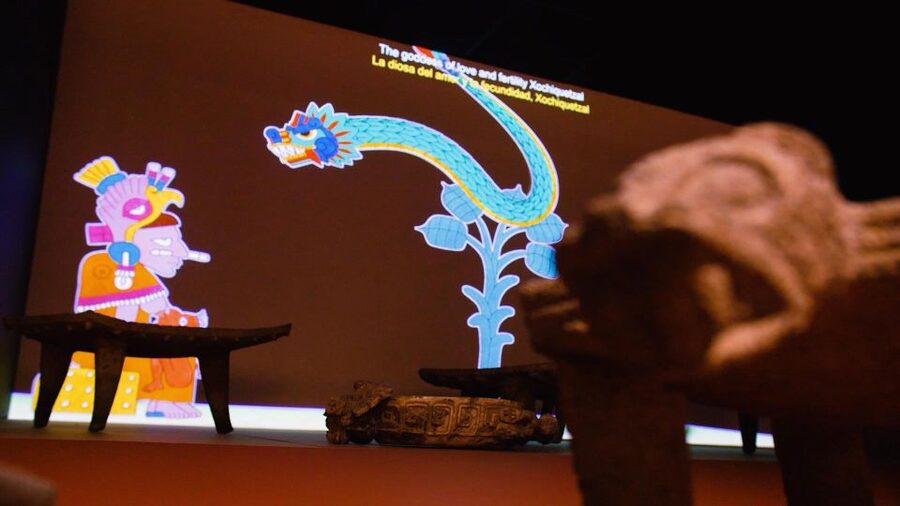
The Olmecs, Mayas, and Aztecs: chocolate before Europe
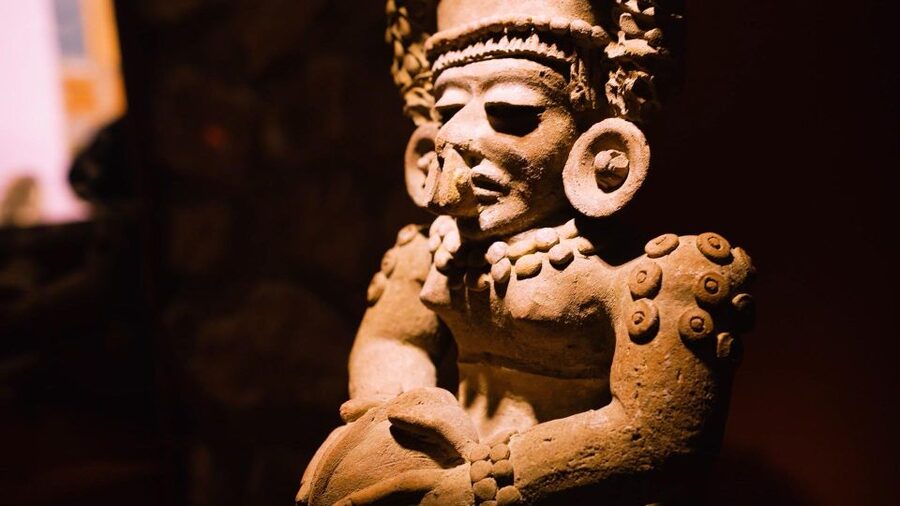
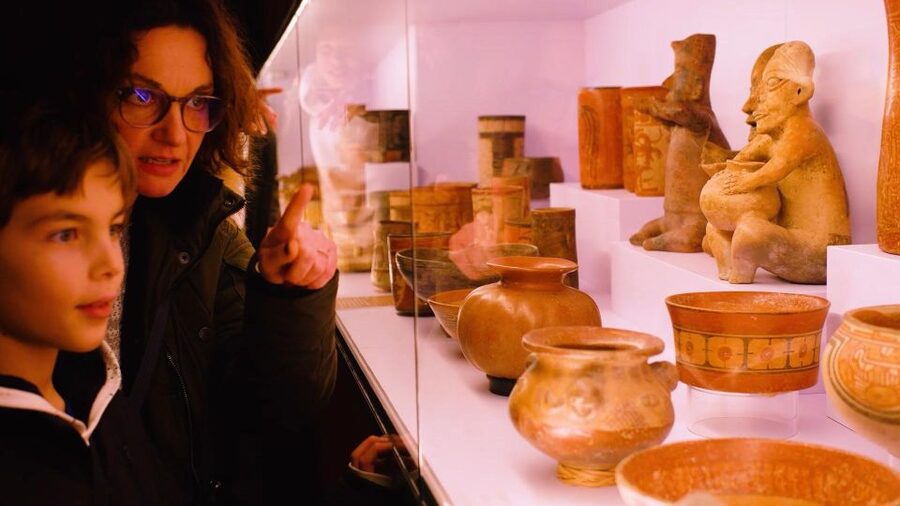
The first part of the museum explains that chocolate did not begin as a sweet bar. The story reaches back about 4,000 years and introduces the Olmecs, Mayas, and Aztecs, whose cultures gave cocoa a place in daily life, trade, and ritual.
This section adds value because it changes the way you think about the ingredient. Cocoa was connected to mystical ceremonies and ancient customs long before European confectioners added sugar and milk. The displays help explain why the bean mattered beyond its flavor.
You will also learn about the drink made from cocoa, including the Aztec term tchocoatl. The story includes Montezuma and the arrival of cocoa in Europe during the 1500s.
One amusing detail is that Christopher Columbus was the first European to taste the drink, but he disliked it and paid little attention to it. Chocolate needed another chance before Europe understood its appeal.
The museum’s panels are written in English, French, and Spanish. That makes the self-guided format manageable, especially if you are comfortable reading short explanatory signs. If you prefer to listen, an audio guide is available at the welcome desk for €3 per person in French, English, German, Dutch, Spanish, Italian, and Portuguese.
From bitter drink to modern chocolate
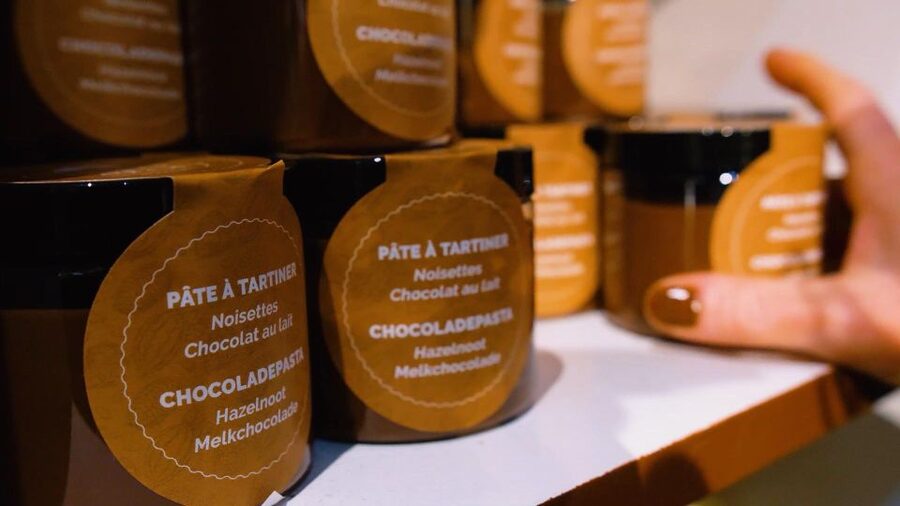
The next sections follow the changing chocolate trade and the improvements that made chocolate easier to produce and more pleasant to eat. This is where the visit connects old customs with the familiar chocolate bars and sweets you know today.
I like that the museum explains the process rather than treating chocolate as a magical finished product. You get a look at how cocoa changes form and how modern techniques helped create a smoother result.
A virtual demonstration shows the secret behind the shiny outer coating on chocolate treats. Two Meilleurs Ouvriers de France take part. This title recognizes highly skilled French craft workers, so the demonstration gives you a look at professional technique even though you are not standing in a working kitchen.
The demonstrations are important to the visit, but plan with some flexibility. The museum is self-guided, and a school group may make it hard to see or hear a presentation at the best moment. If the demonstration is your main reason for booking, ask at the entrance about the schedule and allow time to return to the presentation area.
Chocolate samples from Costa Rica, Peru, and Vanuatu
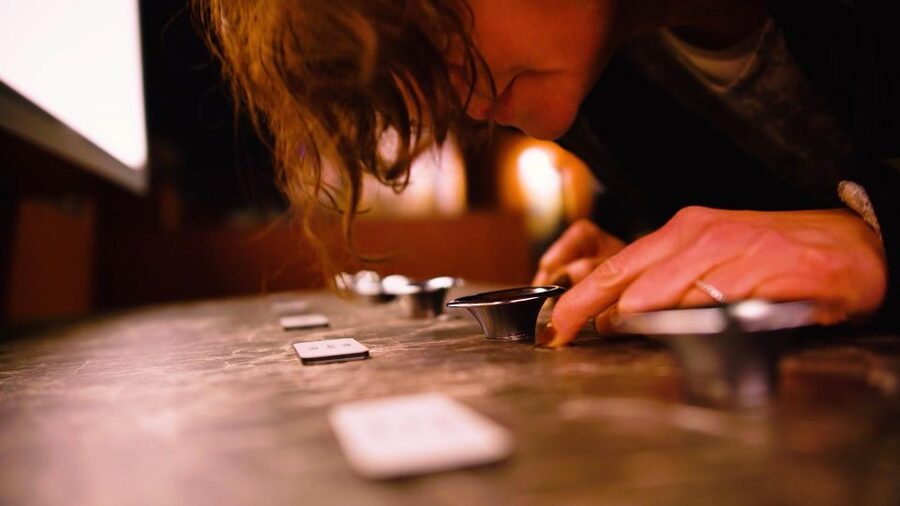
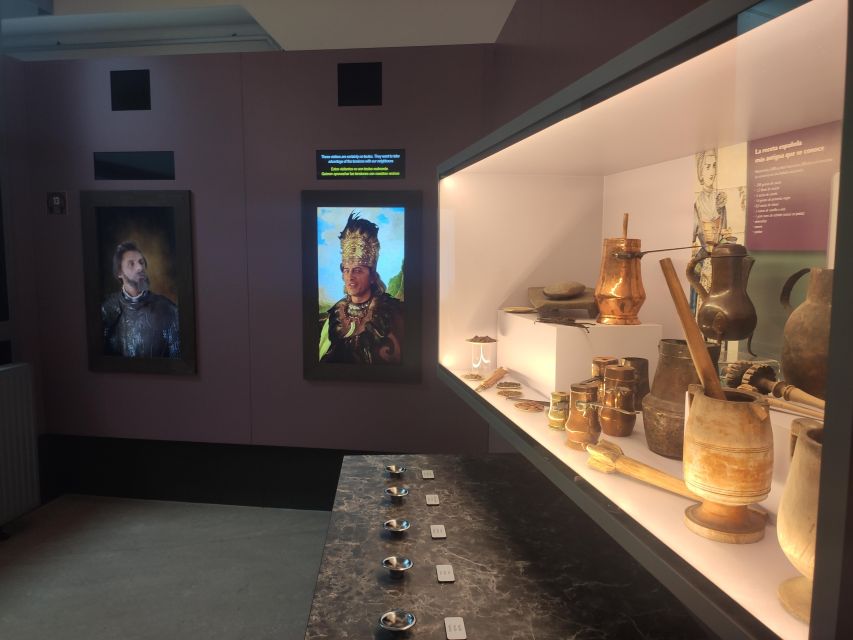
The tasting is the museum’s most obvious reward. Samples are included with admission, and the displays explain the differences between cocoa from various parts of the world.
You may taste the milky smoothness associated with Costa Rican chocolate, the fruity character of Peruvian chocolate, and the sweet aromas of cocoa beans from Vanuatu. The exact sampling setup can vary, but the point is comparison. You are not simply eating another small square. You are learning how origin affects flavor.
There are also tastings connected to the demonstrations, including a praline and a ganache chocolate. Those two examples are useful because they show different textures and fillings. Praline brings a nutty sweetness, while ganache gives you a softer, creamier style of chocolate preparation.
The museum says you can taste products made on-site. Several comments also point to generous sampling, so this is not a visit where you need to rush through one token taste and leave. Still, use some restraint if you plan to order hot chocolate at the end. It is possible to feel quite full before reaching the final room.
Hot chocolate receives especially strong praise, but it is not included in the entrance ticket. The additional cost is €3 per cup. That price is easy to miss in the activity description, so I would treat the drink as an optional extra, not part of the basic admission.
More chocolate museums in Paris:
- Lindt Home of Chocolate Museum Entry Ticket
★ 4.7 · 9,329 reviews - Choco-Story Brussels: Chocolate Museum Entrance with Tasting
★ 4.3 · 4,883 reviews - Cologne: Chocolate Museum Entrance Ticket
★ 4.4 · 2,790 reviews - Vienna: Chocolate Workshop in Chocolate Museum w/ Tasting
★ 4.5 · 1,802 reviews
More than 1,000 chocolate-related artifacts
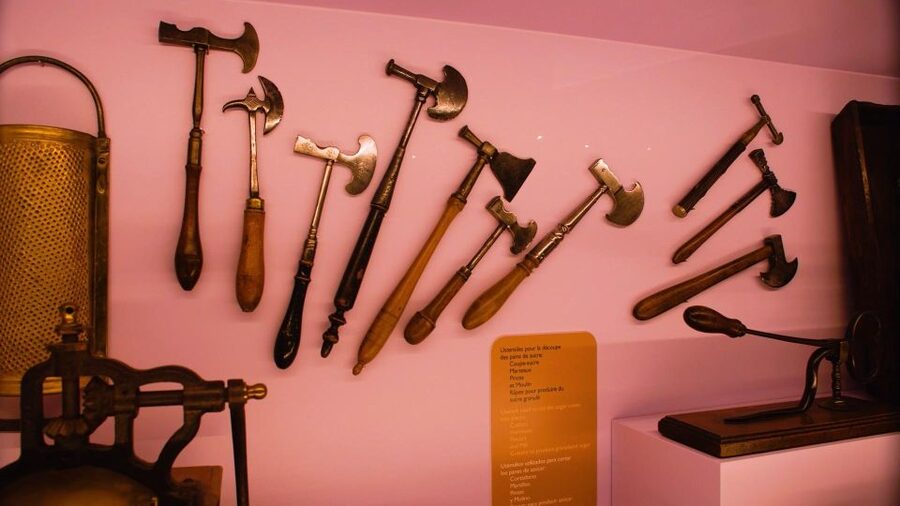
The museum displays more than 1,000 chocolate-related objects. These include attractive chocolate utensils, containers, molds, and other items tied to the preparation, serving, and presentation of chocolate.
This collection gives the museum more substance than a simple tasting room. The objects show how chocolate became part of social customs and domestic life, while the molds and tools connect the decorative side of confectionery with the practical work behind it.
The visual appeal is strong. Chocolate is often presented as a finished square in a wrapper, but the museum shows the equipment and traditions that surround it. Some objects are especially appealing if you enjoy food history, design, or old household items.
The amount of information also affects how long you stay. A quick reader can finish in less than an hour, while someone who reads every panel, watches the videos, and pauses at the displays may spend much longer. One past visit lasted about three hours, so the museum can fill a morning if you take your time.
A family visit with a real task for children
Children have their own activity booklet and treasure hunt. The hunt includes stickers and a prize, giving younger visitors a clear goal as they move through the museum.
I consider this one of the strongest reasons for families to book. Chocolate is already a reliable hook, but the booklet turns the visit into a search rather than a long series of adult explanations. Children aged around 5 to 11 are likely to get the most from it, though older children may enjoy the samples and unusual objects too.
The museum also includes chocolate-related activities and explanations that work for adults. Families can read at different speeds, and children have something to do while parents look at the historical material.
The visit is not only for families. Adults who dislike conventional museums may appreciate the short panels, videos, objects, and tastings. The food gives the history a clear focus, and you do not need a specialist background to follow the story.
How much time should you allow?
The official duration is one day because the ticket remains valid for that day, not because you need to spend a full day inside. For planning purposes, I would allow at least 45 minutes if you want to see the displays and sample the chocolate without hurrying.
Add more time if you plan to:
- Read the history panels closely
- Watch the virtual demonstration
- Use the audio guide
- Complete the children’s treasure hunt
- Spend time in the shop
- Have the optional hot chocolate
Some people will be finished in under 30 minutes, especially if a demonstration is unavailable or they move quickly through the displays. Others may stay two or three hours. This wide range is not a flaw by itself, but it means the value depends on your pace and interest.
If you need a guaranteed half-day program, this museum may feel too small. If you want a flexible stop that can last as long as your appetite and attention allow, its size works well.
Is the $21 admission good value?
At $21 per person, the museum is not a bargain if you think of it as a quick tasting. A short visit with only a few samples can feel expensive, especially when hot chocolate costs an additional €3.
The value improves if you use the museum as a full indoor activity. Read the historical displays, watch the demonstrations, compare regional chocolates, and take time with the artifact collection. Families also get more from the ticket because the treasure hunt and activity booklet keep children involved without a separate children’s admission being mentioned.
The admission includes the museum, chocolate samples, and the virtual demonstration with two Meilleurs Ouvriers de France. It does not include the audio guide, which costs €3, or the optional hot chocolate.
The rating of 4.1 from 1,105 reviews suggests a generally positive visit with some variation. The most consistent strengths are the friendly staff, the chocolate tastings, the child-friendly activities, and the clear presentation of chocolate’s past. The main concerns are the small size, the possibility of missing a demonstration, and the extra charge for hot chocolate.
Practical planning for your visit
Book only if you can arrive before the 4:30 PM last admission. I would avoid scheduling it at the end of a tightly packed afternoon, since arriving late could leave too little time for the displays and demonstration.
An audio guide may be worth the extra €3 if you enjoy listening rather than reading. It is offered in eight languages, while the printed panels are in English, French, and Spanish.
Keep your bags small. Luggage and large bags are not allowed, which matters if you are visiting between train connections or carrying shopping from elsewhere in Paris.
The self-guided format also gives you control. You do not need to keep pace with a group, and you can pause at the objects that interest you. The tradeoff is that you must organize your own visit and check how to catch the demonstration.
The museum shop is a natural final stop. It carries books, souvenirs, and chocolate-related products, including molds and other items that can make a more distinctive souvenir than a standard bar.
Who will enjoy the Chocolate Museum most?
I would recommend this museum most strongly to families with children, chocolate fans, and anyone looking for an indoor Paris activity with a light, playful tone.
It works particularly well for:
- Families with children who enjoy treasure hunts and activity booklets
- Adults interested in food history and old kitchen objects
- Visitors who want tastings built into a museum visit
- People looking for a flexible stop rather than a fixed-length tour
- Anyone curious about cocoa production and regional flavor differences
I would be more cautious if you want an extensive, hands-on chocolate class. The listed experience is self-guided and includes virtual demonstrations, not a guaranteed practical workshop where every visitor makes chocolate.
I would also think twice if your schedule allows only 20 minutes. You can see something in that time, but the price makes more sense when you stay long enough to read, taste, and watch the demonstrations.
Should you book this Paris chocolate visit?
Book it if you want history, objects, tastings, and a family activity in one compact stop. The strongest part is the mix of ancient cocoa traditions, modern production, regional samples, and child-friendly tasks.
Do not book it expecting a grand museum or a guaranteed hands-on class. Check the demonstration timing, remember that hot chocolate costs extra, and bring no large luggage.
For a family, the treasure hunt can turn a potentially dry subject into a fun morning. For an adult with a serious interest in chocolate, the tasting comparisons and production displays make the $21 easier to justify. For everyone else, it is best treated as a pleasant, flexible Paris add-on rather than a must-see sight.
FAQ
Where is the Chocolate Museum in Paris?
The museum is at 28 Boulevard de Bonne Nouvelle, 75010 Paris, in the Ile-de-France region.
How long is the Chocolate Museum ticket valid?
The ticket is valid for one day. Check the available starting times when booking, and remember that the last admission is at 4:30 PM.
Is the visit guided?
No. The visit is self-guided. An audio guide is available at the welcome desk for €3 per person.
Which languages are available for the audio guide?
The audio guide is available in French, English, German, Dutch, Spanish, Italian, and Portuguese.
What languages are used on the museum panels?
The descriptive panels are in English, French, and Spanish.
Are chocolate tastings included?
Yes. Chocolate samples are included with admission, including samples connected with the museum’s demonstrations.
Is hot chocolate included in the ticket?
No. Hot chocolate costs an additional €3 per cup.
Are there activities for children?
Yes. Children can take part in a treasure hunt and use an activity booklet. The hunt includes stickers and a prize.
Is the museum wheelchair accessible?
Yes, the Chocolate Museum is wheelchair accessible. Large bags and luggage are not allowed.
More Dessert Tours in Paris
- NYC: Museum of Ice Cream Entry Ticket
★ 4.3 · 2,619 reviews - Brussels: Chocolate Museum Visit with Workshop
★ 4.6 · 1,474 reviews - Museum of Ice Cream New York City Admission Ticket
★ 4.0 · 1,154 reviews - Dresden: Guided Walking Tour and Chocolate Museum Ticket
★ 4.5 · 479 reviews
Just added around Paris
- Rodin Museum Masterpieces – Guided Tour up to 8 guests★ 4.9 · 13 reviews
- Invalides Museum – WWI & WWII – Guided Tour up to 8 guests★ 5.0 · 32 reviews
- Skip the Line Guided Tour of Louvre Museum Highlights★ 5.0 · 49 reviews
- Paris: Louvre Museum Highlights Small-Group Guided Tour★ 4.8 · 157 reviews
- From Paris: Private Trip to Giverny, Monet’s House & Museum★ 4.5 · 13 reviews
- Paris: Street Art Open-Air Museum Bike Tour★ 4.8 · 51 reviews
- Paris: Rodin Museum Ticket & Optional Digital AudioGuide App★ 4.7 · 56 reviews
- Paris: The Rodin Museum and Seine River Cruise★ 4.6 · 45 reviews
Museum Tours in Paris, compared.
Louvre Museum Masterpieces Guided Tour with Access
Read our review →
Louvre Museum Entry Ticket With Host and River Cruise
Read our review →
Les Invalides: Napoleon’s Tomb & Army Museum Entry
Read our review →
Mona Lisa & Louvre Masterpieces Tour with Reserved Access
Read our review →
Louvre Museum – Exclusive Guided Tour (Entry Included)
Read our review →
Louvre Museum Hosted Entry and Mona Lisa Audioguide
Read our review →Browse the lists this tour appears in