
Review · NEW YORK CITY
Metropolitan Museum Guided Group Tour
The best thing about this Met tour is that it gives you a clear path through a museum that can otherwise feel like an art-filled maze. In two or three hours, you can see the Temple of Dendur, Henry VIII’s armor, Greek and Roman sculpture, and Madame X without spending your first hour simply figuring out where to go.
I especially like the small-group format, capped at 18 people, and the way strong guides such as Rob, Katie, Stephan, and Jett use stories, humor, and historical context instead of just naming paintings. I also like that you can continue exploring on your own after the guided portion ends.
The tradeoff is pace. This is a highlights tour, not a slow study of every room. Some sections may pass quickly, and you may want more time on the second floor or a rest on busy days. Think of it as a smart first visit, not a complete tour of a museum that could occupy several days.
Key points before you book
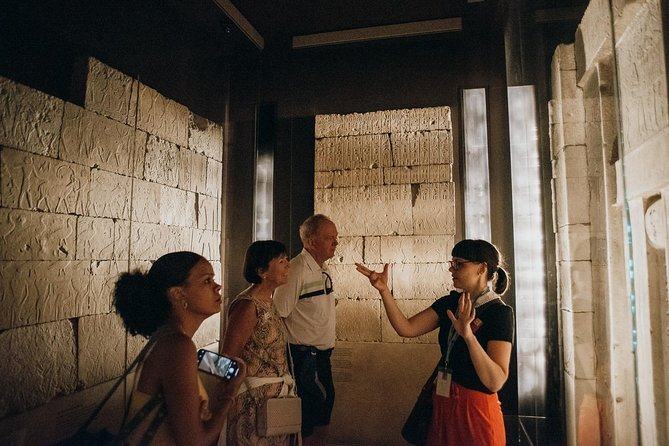
- See major Met highlights efficiently: The route can include the Temple of Dendur, ancient sculpture, Henry VIII’s armor, the Antioch Chalice, and Madame X.
- Choose your time commitment: The standard choices are approximately two hours or three hours, with the longer option allowing more room for stories and additional galleries.
- Expect an intimate walking group: The maximum group size is 18 people, though the pace remains active.
- Benefit from strong storytelling: Guides including Rob, Katie, Stephan, Phil, Cherie, Ryan, and Jett have been praised for bringing art and history together.
- Continue after the tour: Your museum visit does not have to end when the guide leaves. You can keep exploring the Met independently.
- Plan for security and punctuality: Arrive 15 minutes early, allow up to 15 minutes for security, and do not count on a refund if you arrive late.
Why a guide helps inside the Metropolitan Museum
The Metropolitan Museum of Art covers more than 6,000 years of human history and holds more than 2 million objects. That scale is thrilling, but it can also leave you wandering from room to room without a sense of how the pieces connect.
A guide gives your visit a spine. Instead of asking yourself which Egyptian room matters most or how to find the famous European paintings, you follow a route built around major works and the stories behind them. You still see only a fraction of the museum, but the fraction has shape and meaning.
That matters most if this is your first visit. The Met is not a museum you can casually finish in an afternoon. A guided introduction lets you learn how the collection is arranged, see several important departments, and leave with a better idea of where to return.
I also find a guide useful for making large works feel less remote. Dates, names, and artistic movements can blur together. A good explanation of why a painting caused a scandal, or why an ancient object still matters, gives you something to remember after you leave.
More Museum Tours in New York City
- NYC: Empire State Building Tickets – Observatory & Museum
★ 4.7 · 25,757 reviews - New York City: American Museum of Natural History Ticket
★ 4.5 · 15,447 reviews - NYC: Museum of Modern Art (MoMA) Entry Ticket
★ 4.6 · 12,540 reviews
Climbing the Met steps and meeting inside
The tour begins at the Metropolitan Museum of Art, 1000 Fifth Avenue, on the eastern edge of Central Park. You meet inside the lobby, so you should arrive early enough to find the entrance, pass security, and locate the group without rushing.
The meeting time is 15 minutes before the start. This is not a minor suggestion. Late arrivals and no-shows are not eligible for a refund, and the group is not meant to wait indefinitely for people who are missing.
Security can take up to 15 minutes. A bag check is available, but checking an item takes extra time, so keep your belongings simple if you can. Non-flash photography is allowed in the museum, but photography cannot be used inside the museum according to the tour information, and selfie sticks are prohibited. The supplied instructions use both statements, so it is wise to follow the staff’s directions on the day.
The tour ends back at the meeting point. Hotel pickup and drop-off are not included, so you handle your own way to Fifth Avenue. The museum is near public transportation, which helps, but you should still build in time for city traffic, security, and the size of the building itself.
The Temple of Dendur puts ancient Egypt in context
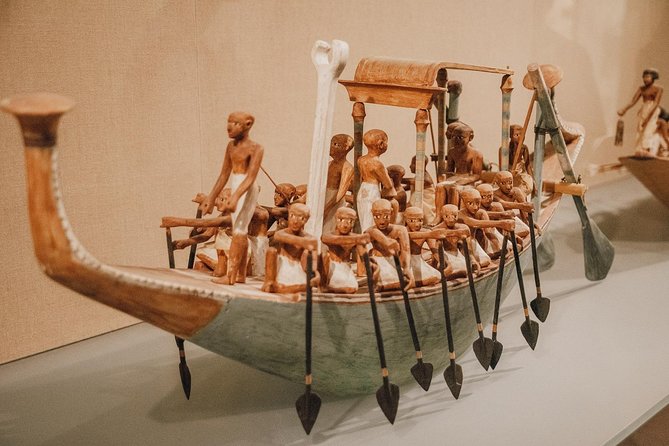
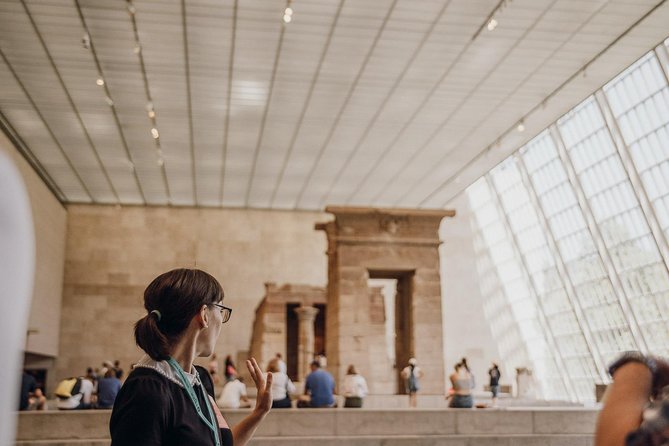
One of the most memorable stops is the Temple of Dendur, an Egyptian temple dating to 15 BC. It is displayed in a large gallery reached through rooms with models of Egyptian tombs, so the approach helps you understand the scale and setting of the objects around it.
The guide can explain what you are looking at and why the temple matters, rather than leaving you to read a wall label while a crowd moves around you. This is exactly the sort of stop that benefits from narration because the building is impressive, but its purpose and story are not always obvious at first glance.
The Egyptian galleries can easily consume an entire visit on their own. The tour does not attempt to cover every artifact. Instead, it uses the temple as one of the major anchors of the route, giving you a strong taste of the department while protecting time for other parts of the museum.
Armor, sacred objects, and stories from Europe
The route moves across centuries and regions, including Tudor-era England and the armor associated with King Henry VIII. Armor is visually easy to appreciate, but the guide’s historical framing gives it more weight. You can consider who wore it, what it communicated, and how objects like this fit into the world of royal power.
Another stop is the Antioch Chalice, surrounded by legends that connect it to the Holy Grail. The useful part here is the distinction between an object’s documented history and the stories later attached to it. A guide can keep the tale entertaining while helping you understand why people have cared about the chalice.
These stops also show the broad reach of the Met. You are not signing up for a tour limited to one artist or one period. The route moves from ancient Egypt to medieval and Tudor Europe, then onward to Greek and Roman art and 19th-century painting.
That variety is a strength if you want an introduction to the museum. It can be a weakness if you prefer a narrow, specialist tour. In a two-hour format, the transitions are part of the deal.
A few more museum visits around New York City worth comparing
- “The Met” Metropolitan Museum of Art Exclusive Guided Tour
★ 5.0 · 863 reviews - The Met Museum Guided Tour with Skip-the-Line Entry
★ 4.4 · 149 reviews - “The Met” Metropolitan Museum of Art Exclusive Guided Tour
★ 4.9 · 116 reviews - Self-Guided Tour of the Museum at Eldridge Street
★ 4.3 · 13 reviews
Greek and Roman sculpture gives the tour its long view

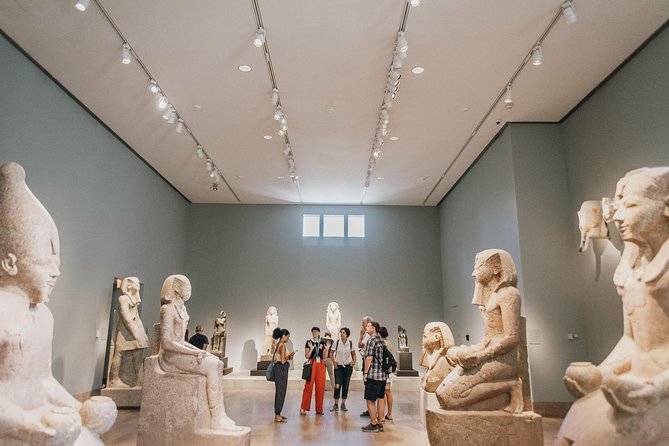
The Greek and Roman galleries bring together statuary, ancient frescoes, and busts of emperors. This section can be more rewarding with a guide because it is easy to look at a row of marble figures and see only a series of old faces.
Your guide helps you notice differences in pose, clothing, expression, and purpose. You begin to see how sculpture conveyed authority, memory, beauty, and public identity. Even a short explanation can turn a room of objects into a record of changing ideas.
This is also where the walking pace becomes important. You will stop often, but you are still moving through a large building with a group. If you want to spend ten minutes studying one statue from several angles, you may need to return after the tour.
People who have taken the tour with young family members found the storytelling engaging for children around ages 8 and 10. That does not mean every child will enjoy two or three hours of art, but the mix of legends, emperors, armor, and dramatic paintings gives families more hooks than a lecture built only around dates.
Madame X adds a memorable modern scandal

John Singer Sargent’s Madame X is one of the tour’s strongest painting stops. The portrait is famous not only for its style but also for the scandal surrounding its original presentation.
This is a good example of why a guide can add value. You see the painting, then learn how social expectations, presentation, and reputation shaped its reception. The story gives you a reason to look closely at the pose and details rather than simply checking another famous work off your list.
The tour may include other major paintings and a few less obvious works, depending on the day and which galleries are open. Artworks and rooms can be closed or absent without notice, so the exact path may change. A flexible guide can adjust the route, but no tour can guarantee every named object.
Two hours or three hours?
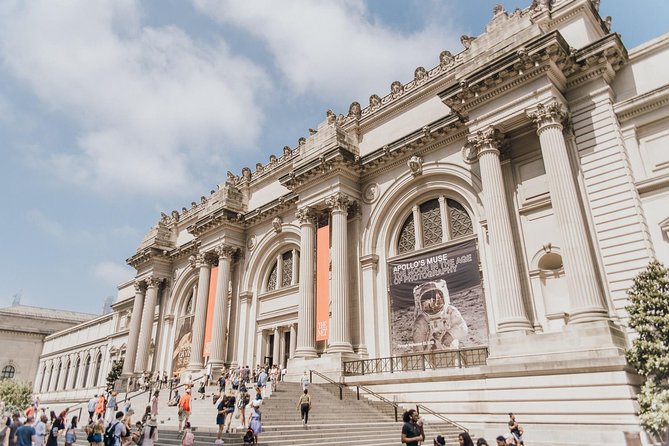
The two-hour option works best if you want an efficient orientation and have other New York plans. It can take you through several key departments and give you enough context to make a later solo visit more rewarding.
The pace is active. One person described the two-hour experience as fast, with little time to study individual works. That is a fair expectation. You will see a lot, but you will not linger over everything.
The three-hour choice is the better fit if the Met is a central part of your day. It gives the guide more time to answer questions, explain connections, and adjust to the group’s interests. Several people found that the time passed quickly, which is usually a good sign inside a museum of this size.
Still, three hours does not turn the tour into a complete Met visit. You may see many famous works and several departments, then realize you have barely touched the museum’s full collection. Leave room afterward if you want to revisit a favorite gallery or explore another floor.
If you have limited stamina, think carefully about the longer option. This is a walking tour, and you should be able to walk at a moderate pace without difficulty. One person wished for a chance to sit and rest during a fast overview. Wheelchair access may also affect the route, though guides can take access needs into account.
The guides make the biggest difference
The most praised part of this experience is the guide. Rob has been recognized for mixing art and history with lively anecdotes. Katie is known for storytelling, humor, heart, and an obvious affection for the museum. Stephan has been praised for answering questions with dates and comparisons to other artists and periods.
Jett has been singled out for adapting quickly to the interests of the group. Ryan has been praised for keeping a pace that worked for both younger and older people. Phil, Cherie, and Kevin have also been noted for friendly, clear introductions to the collection.
Of course, you cannot select a particular guide unless the booking allows it. That makes the experience somewhat variable. A strong guide can turn a crowded room into a conversation, while a less engaging guide may leave you wishing for more detail.
The overall rating is 4.8 from 1,013 ratings, with 95 percent recommending the experience. That is a strong signal, but it should not erase the practical limits. One person found the tour underwhelming compared with a previous Met experience, and another disliked waiting in the lobby for late arrivals. The guide may be excellent, yet organization and group timing can still affect the day.
Is $65 a fair price?
At $65 per person, the tour is not the cheapest way to enter the Met. You are paying for the admission, a local English-speaking guide, a guided walking route, and a skip-the-line ticket rather than simply paying to enter and exploring alone.
The value depends on how you use your time. If you have only one visit and would otherwise spend much of it trying to find the major galleries, the fee can make sense. The guide helps you reach the important areas quickly and gives you context that labels alone may not provide.
If you already know the Met well, or you enjoy wandering without a plan, the price may feel less worthwhile. You might prefer to enter independently and spend an hour with only the artists or departments that interest you.
I see the tour as a starting point. You pay for direction and interpretation, then use the remaining museum time to follow your own interests. That approach makes the admission feel more useful than treating the guided portion as the entire experience.
The tour is offered in English and uses a mobile ticket. Free cancellation is available up to 24 hours before the start time. Inside 24 hours, cancellations and changes are not accepted, so check your schedule before booking.
Who should book this Met tour?
This tour suits first-time Met visitors, people with limited time in New York, and families who want a route through the museum rather than a day of guesswork. It also works well for solo visitors who want company and a clear explanation of what they are seeing.
Art lovers who already have a short list of specific galleries should check the route with the guide at the start. The tour focuses on major highlights, and the exact galleries can change because of closures or absent works.
You should be comfortable walking at a moderate pace and standing for parts of the visit. If you need frequent breaks, have mobility concerns, or want to study each work at length, the tour may feel rushed. You can still use it as an orientation, then return to selected rooms at your own speed.
FAQ
How long does the Metropolitan Museum guided tour last?
You can choose an approximately two-hour or three-hour tour. The three-hour option gives you more time for additional galleries, questions, and explanations.
What is included in the $65 price?
The price includes a local English-speaking guide, a guided walking tour, and a skip-the-line ticket to the Metropolitan Museum of Art.
Where does the tour begin and end?
The tour begins inside the Metropolitan Museum of Art at 1000 Fifth Avenue, New York, NY 10028. It ends back at the meeting point.
How early should I arrive?
The meeting time is 15 minutes before the scheduled start. Security can take up to 15 minutes, and late arrivals or no-shows do not receive a refund.
Can I keep exploring the museum after the tour?
Yes. You can continue exploring the Metropolitan Museum independently after the guided portion ends.
What happens if I need to cancel?
You can receive a full refund if you cancel at least 24 hours before the experience begins. Cancellations or changes made less than 24 hours before the start time are not refunded or accepted.
Should you book it?
Book this tour if you want a well-planned first look at the Met, especially if you have only two or three hours and want to see major works without wandering aimlessly. The Temple of Dendur, Greek and Roman sculpture, Henry VIII’s armor, the Antioch Chalice, and Madame X give you a satisfying sweep through the collection.
Choose the three-hour option if the museum matters to you and you can spare the time. Choose two hours if you mainly want an introduction before moving on to other New York sights.
I would skip it only if you already know the Met well, dislike group pacing, or want long stretches of quiet time with individual works. For most first-time visitors, $65 is a reasonable price for a focused route, useful context, and a better chance of leaving the Met inspired rather than simply overwhelmed.
Just added around New York City
- The Met Museum Guided Tour with Skip-the-Line Entry★ 4.4 · 149 reviews
- New York City: The Banksy Museum Entry Ticket★ 4.6 · 51 reviews
- NYC: Entry Ticket To The Banksy Museum★ 4.5 · 89 reviews
- Self-Guided Tour of the Museum at Eldridge Street★ 4.3 · 13 reviews
- New York: Private Tour of The Metropolitan Museum of Art★ 4.9 · 39 reviews
- NYC: Museum of Sex Entry Ticket★ 4.2 · 179 reviews
- NYC: Museum of the Moving Image Flexible Ticket★ 4.6 · 95 reviews
- NYC: Whitney Museum Ticket★ 4.2 · 315 reviews
Museum Tours in New York City, compared.


9/11 Memorial, Ground Zero Tour with Optional 9/11 Museum Ticket
Read our review →

All-Access 9/11: Ground Zero Tour, Memorial and Museum, One World Observatory
Read our review →


Browse the lists this tour appears in