
Review · FRANCE
Colmar: Chocolate Museum Entrance Ticket
Chocolate here is not just something to eat at the end of a museum visit. It is the subject, the setting, and often the activity itself. At Choco-Story Colmar, you follow cocoa from tropical forests and Aztec legend to Spanish ships, royal courts, medicine cabinets, and Alsace factories.
I like two things in particular: the 30 interactive experiences keep the visit moving, and the mix of tastings, films, sound effects, and 3D projections gives the story more life than a row of glass cases. The audio guide also comes in six languages, which makes the museum easier to follow for international visitors.
The main consideration is that this is a self-guided museum with a virtual demonstration, not a live chocolate-making class or a tour led by a personal guide. The final hot chocolate could also use some improvement, so keep your expectations focused on the full museum experience rather than one closing drink.
Key points to know before you go
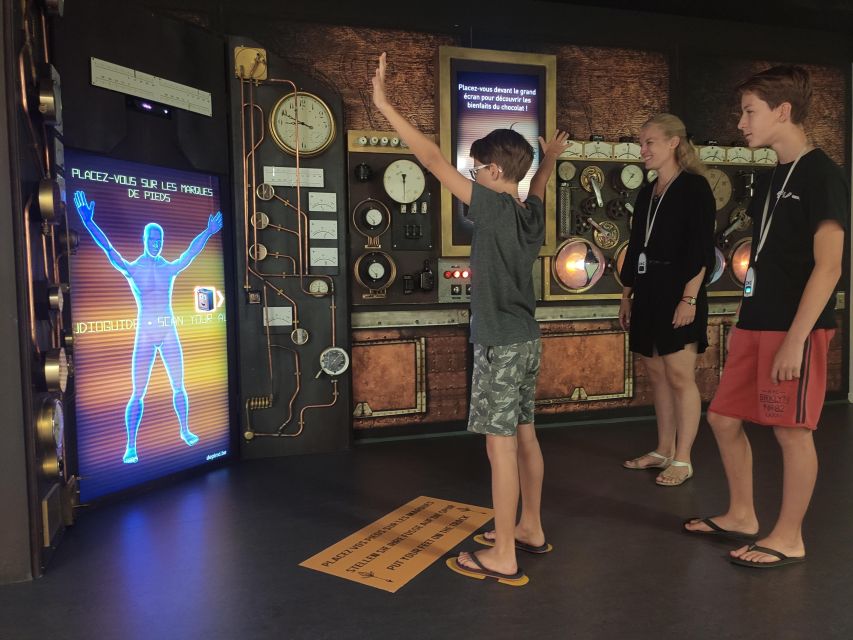
- Cocoa begins in a tropical forest: The first section uses an animated monkey, cocoa pods, and environmental scenes to explain how cocoa is harvested.
- Aztec legend gets its own temple: You meet Quetzalcoatl, the serpent god linked to the arrival of cocoa on earth.
- A Spanish ship carries cocoa to Europe: The museum turns this part of the story into a room with creaking floors, moving lamps, and a sea view.
- Royal chocolate comes with tastings: You learn how European courts drank cocoa and can try flavors linked to earlier recipes.
- Three chocolatiers teach by video: The virtual demonstration covers recipes and techniques used to make chocolates.
- The $14 price includes samples: You also get the museum entrance, virtual presentation, and multilingual audio guide.
Starting with cocoa in the tropical forest
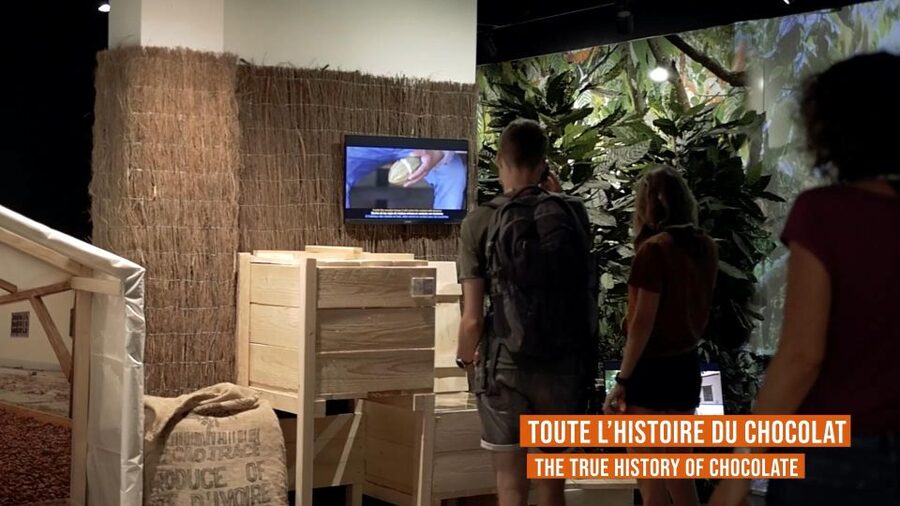
The museum opens far from Colmar, in a tropical forest where cocoa trees grow. A small monkey eating cocoa pods helps introduce the basic agricultural side of chocolate, including how cocoa is harvested.
That opening matters because it puts the bean before the bar. You see chocolate as a crop first, not as a finished confection sitting in a shop window. The presentation is designed to be accessible to children, but adults who already know the basics should still appreciate the clear starting point.
The setting is theatrical rather than technical. You will get an introduction to the cocoa tree and harvesting through an arranged environment, rather than a detailed agricultural lesson. If you want a serious account of farming, labor, or modern cocoa production, this museum may not go far enough. For a family visit or a first look at the subject, it gives you a useful foundation without asking you to read long panels.
The interactive format is one of the museum’s better choices. You move through scenes and experiences rather than simply stopping at numbered displays. That helps younger visitors stay involved, while the tastings give adults a pleasant reason to keep pace with the story.
More chocolate museums in France:
- Paris: Entrance Ticket to the Chocolate Museum
★ 4.1 · 1,105 reviews - Lindt Home of Chocolate Museum Entry Ticket
★ 4.7 · 9,329 reviews - Choco-Story Brussels: Chocolate Museum Entrance with Tasting
★ 4.3 · 4,883 reviews
Meeting Quetzalcoatl in the Aztec temple
From the forest, the route moves into an Aztec temple. Here you meet Quetzalcoatl, the serpent god who, according to legend, introduced cocoa to the earth.
This section adds a cultural and mythical layer to the story. Cocoa was not simply a European invention waiting to be commercialized. It had meaning and status in the Americas long before it crossed the Atlantic.
The temple setting is likely to be one of the more memorable stops for children, since it turns a historical account into a physical scene. You are not only reading about an old belief. You are placed inside a stylized version of the world in which the legend belongs.
It is useful to keep the wording in mind: this is presented as legend. The museum connects the myth to the wider story of cocoa, but it does not mean you should treat the tale as a literal account of chocolate’s origin. The attraction works best when you let history, religion, and storytelling sit together.
Crossing the Atlantic on a sixteenth-century ship
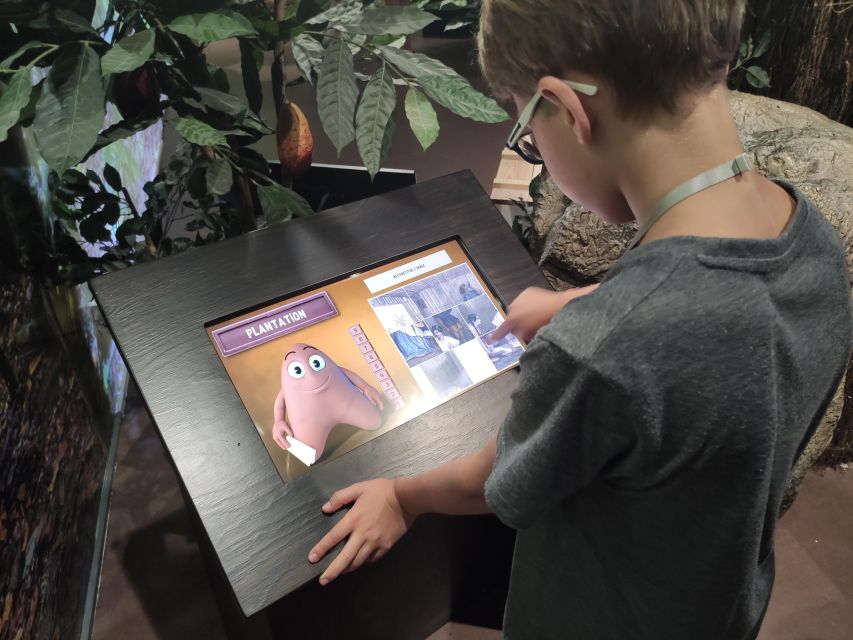
The next setting takes you to the sixteenth century, aboard a Spanish ship. The room uses creaking floors, moving lamps, and a view of the sea to suggest the journey cocoa made to Europe.
This is a good example of how the museum favors atmosphere and sensory cues. A written account of cocoa crossing the Atlantic is easy to skim. A floor that creaks beneath you and lamps that shift overhead make the journey easier to picture.
The display also helps explain why chocolate became a European luxury. Cocoa had to travel a long way before it reached royal kitchens and wealthy households. That journey is part of the reason early chocolate was treated as a special spice rather than an everyday snack.
You should not expect a maritime museum or a full account of Spanish trade. The ship is one stage in the chocolate story, not a separate exhibit about exploration. Still, it gives the museum a strong change of pace after the forest and temple scenes.
Seeing chocolate at European courts
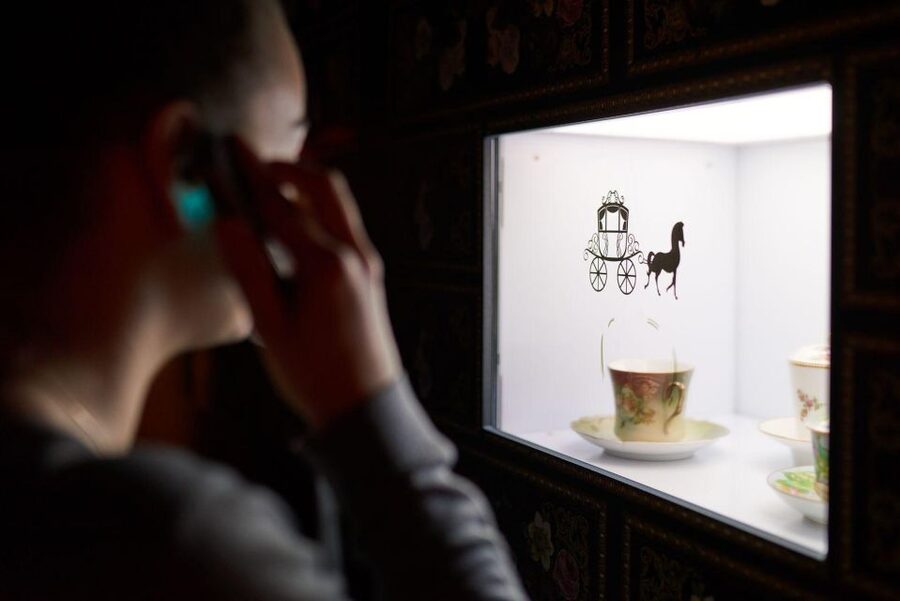
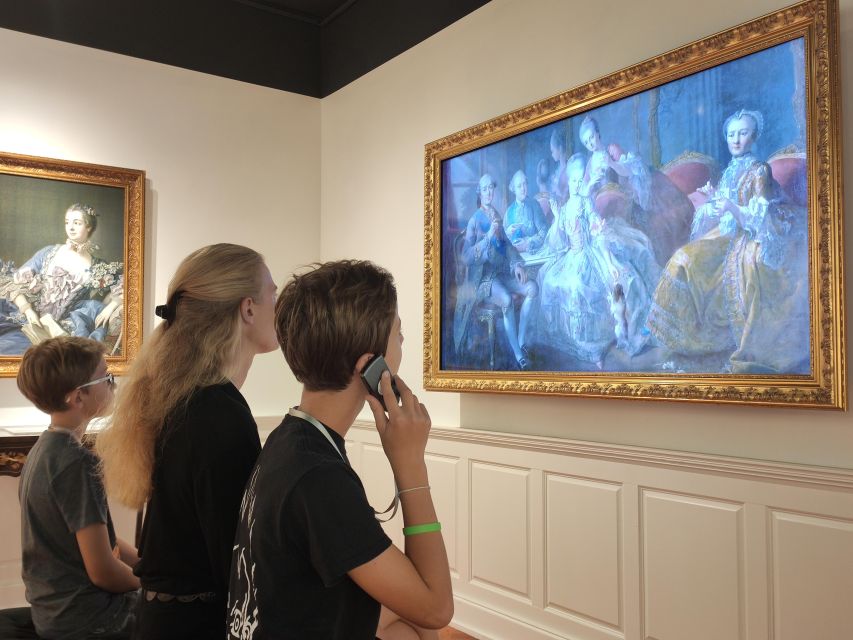
A century later, chocolate enters the European courts. This section focuses on the luxury equipment used to prepare and drink cocoa, along with flavors that were offered at the time.
I like this part because it explains how the social role of chocolate changed. The cocoa drink was not only consumed for flavor. The way it was prepared, served, and displayed helped mark it as a costly and fashionable product.
The equipment gives you something concrete to look at. Cups, serving objects, and preparation tools can tell you as much about a food as the recipe itself. They show how people built rituals around drinking chocolate and how the drink belonged to a particular social setting.
The tastings are especially useful here. You can connect the historical discussion to your own palate instead of simply imagining what an earlier chocolate drink might have been like. Do not expect every flavor to resemble a modern candy bar. Part of the point is to show that chocolate has not always meant the same thing in taste or texture.
This is also one of the sections where the museum’s family appeal becomes clear. Children can focus on the unusual flavors and objects, while adults can follow the shift from cocoa as a New World ingredient to chocolate as a European court indulgence.
A few more museum visits around France worth comparing
- Cologne: Chocolate Museum Entrance Ticket
★ 4.4 · 2,790 reviews - NYC: Museum of Ice Cream Entry Ticket
★ 4.3 · 2,619 reviews - Vienna: Chocolate Workshop in Chocolate Museum w/ Tasting
★ 4.5 · 1,802 reviews - Brussels: Chocolate Museum Visit with Workshop
★ 4.6 · 1,474 reviews
Sorting fact from old chocolate medicine
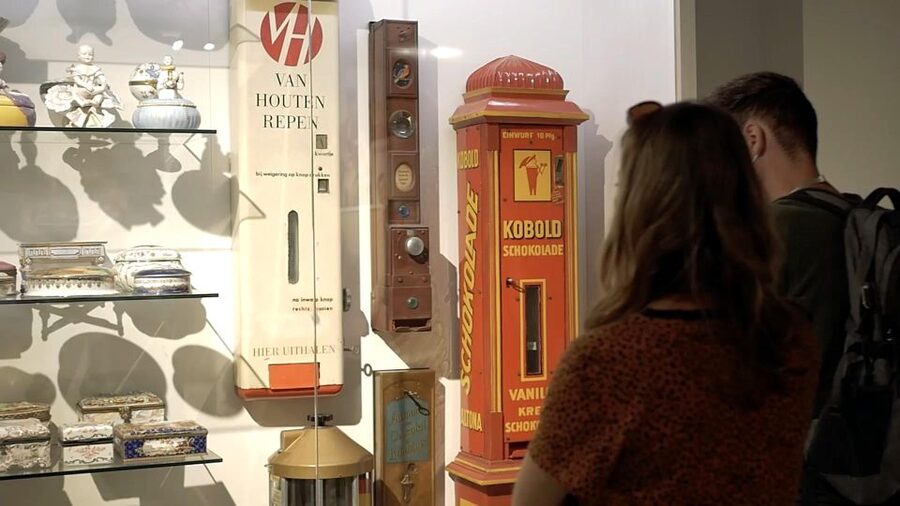
Chocolate was once considered a medicine, and the museum examines beliefs about the supposed benefits of cocoa. This gives the visit a welcome dose of skepticism.
Food history is full of confident claims about what a particular ingredient can cure or improve. The museum presents both beliefs and truths, helping you see how chocolate gained a medical reputation and how those ideas changed over time.
This section is valuable because it stops the visit from becoming a simple celebration of chocolate. The attraction is designed to be enjoyable, but it also asks where popular claims came from. You can enjoy the tasting without treating every historical health claim as sound medical advice.
The presentation is likely to work best for older children and adults who can compare past beliefs with present knowledge. Younger children may simply remember that chocolate was once viewed as medicine, which is a memorable fact even if the wider explanation goes over their heads.
Moving upstairs into Alsace’s chocolate industry
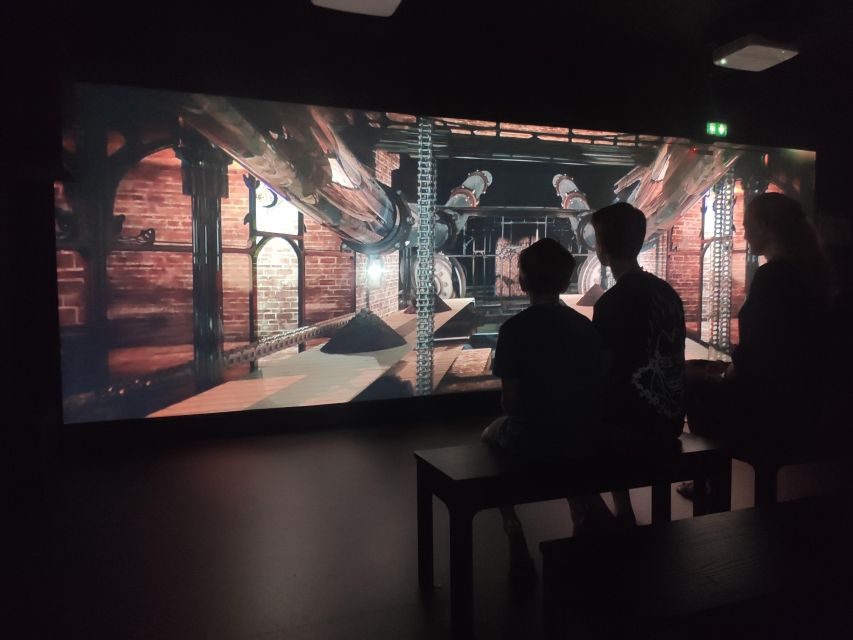
The second floor turns to industrialization and the chocolatiers who helped make Alsace France’s largest chocolate-producing area.
This part brings the story closer to Colmar and the surrounding region. The earlier rooms explain where cocoa came from and how it spread. The upper floor shows how chocolate became an industry, with machines, production methods, and local makers shaping the product into something made on a larger scale.
The change from luxury to industry is one of the most important turns in the museum. Chocolate did not remain a rare drink for courts. Industrial methods made it possible to produce and distribute chocolate more widely.
The museum’s focus on Alsace also gives the experience a local reason for being in Colmar. You are not simply visiting a general chocolate attraction that could be placed anywhere. The upper floor connects the international story of cocoa to the region’s role in French chocolate production.
The industrial section may appeal most to visitors interested in manufacturing and local history. If your main goal is to taste as much chocolate as possible, this part is less immediately playful than the opening rooms. It still gives the tastings and demonstrations a useful context.
Watching three chocolatiers explain their craft
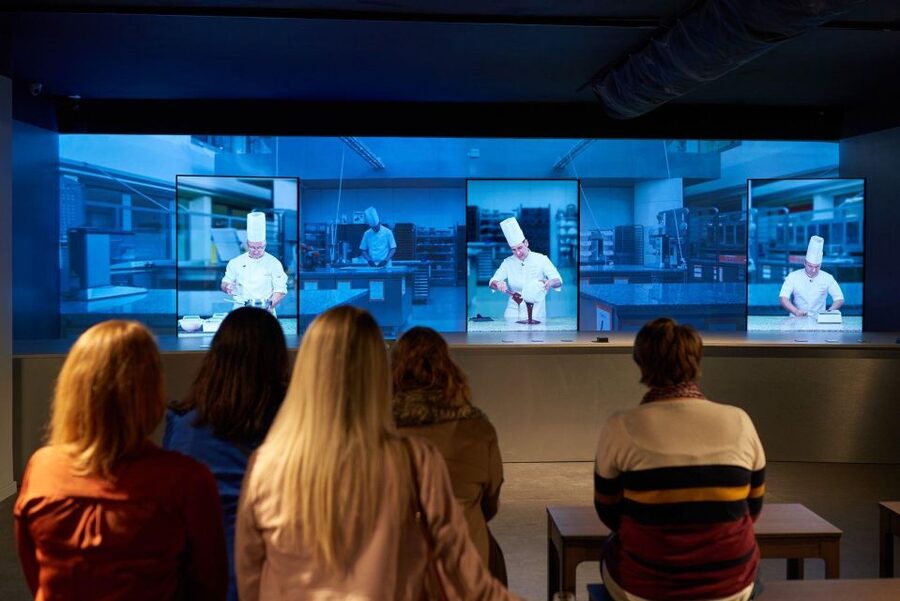
The virtual demonstration brings three master chocolatiers onto the screen. They present recipes and explain some of the tricks used to make chocolates successfully.
This is not a live workshop, so you are watching rather than making the chocolate yourself. That distinction matters if you are hoping to temper chocolate, shape bonbons, or leave with a recipe you prepared on site.
Still, the demonstration adds practical detail to the museum’s historical story. You see the subject move from cocoa cultivation and royal ceremony to the actual craft of turning chocolate into finished products. The recipes and techniques give you a better sense of the care involved in professional chocolate-making.
The three presenters also offer more variety than a single demonstration would. You get different recipes and tips instead of one narrow presentation. Since the experience is virtual, the museum can show the chocolatiers clearly and keep the content available to visitors using different languages.
The guides are not named in the available information, so you should not expect a personal introduction from a specific local chocolatier. The attraction includes the virtual presentation as part of admission, but there is no live guide included.
Tasting your way through the museum
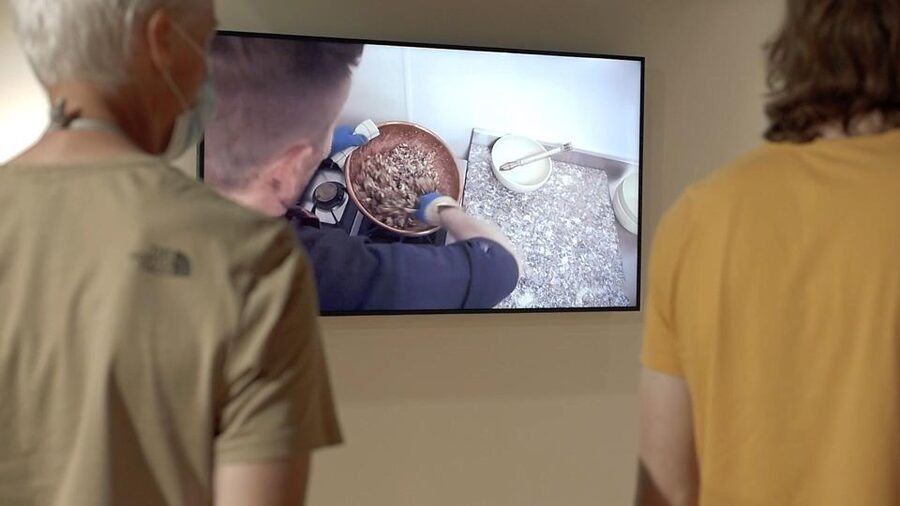
Chocolate samples are included with admission, and tastings appear throughout the route. They are not just an extra treat. They help mark the changes in the story.
You might taste flavors connected with earlier forms of chocolate, then move toward products that feel more familiar today. That contrast helps you understand the difference between cocoa as a spiced drink, chocolate as a court luxury, and chocolate as a modern confection.
The samples also break up the information. Thirty experiences can sound like a lot of screens and displays, but tasting gives you a physical reason to pause. It is one of the details that makes the museum suitable for mixed-age groups. Small children can enjoy the samples, adults can pay attention to the historical context, and older visitors can use the audio guide at their own pace.
One small caution: do not treat the tasting route as a full chocolate tasting workshop. The available details confirm samples, but not a formal tasting led by a specialist or a set number of individual products. You are getting tasters as part of the museum visit, not a separate professional tasting course.
A visitor also found the hot chocolate at the end less successful than the rest of the visit. I would treat that as a minor issue, but it is useful to know. The museum’s strongest food element is the series of samples along the route, not necessarily the final cup.
Audio guides, languages, and access
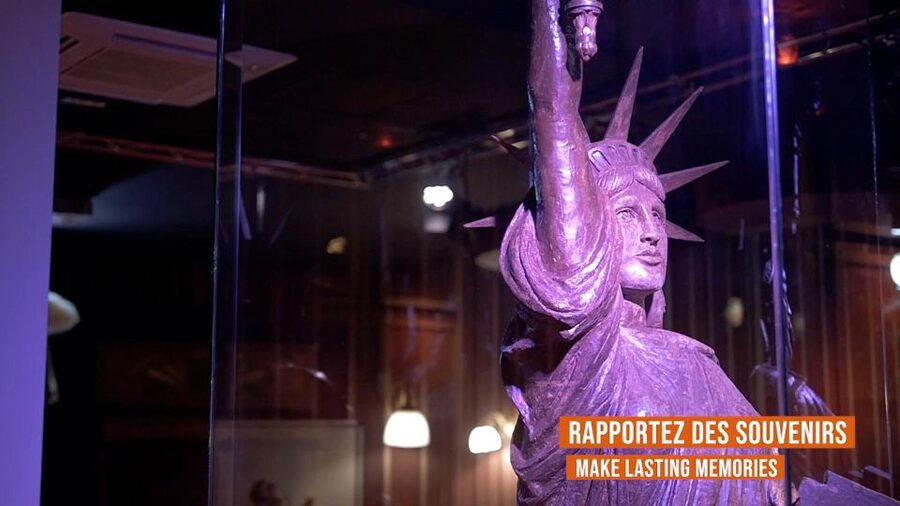
An audio guide app is included in Chinese, English, French, German, Dutch, and Spanish. That is a practical benefit for an attraction built around historical explanation, since the films and theatrical rooms alone cannot carry every detail.
The host or greeter support is listed in Chinese, English, French, German, Spanish, and Dutch. You should still remember that the experience is self-guided. There is no live guide included to lead your group from room to room or answer questions as you go.
The museum is wheelchair accessible. That makes the attraction easier to consider for visitors who need step-free access, although the supplied information does not provide detailed notes about every display, restroom, or route width.
The ticket is valid for one day, with the starting time dependent on availability. That gives you flexibility when building a Colmar sightseeing plan, but it does not mean the museum itself requires a full day. The ticket’s one-day validity is best understood as access on your chosen date, not a promise of a day-long program.
Is $14 good value in Colmar?
At $14 per person, the ticket includes entrance, chocolate samples, the virtual demonstration, and the audio guide. That is a fair price if you will use the interactive displays and take time with the historical sections.
The value is strongest for families and mixed groups. One person can focus on chocolate tasting, another on local industry, and a child can follow the theatrical scenes and interactive elements. The museum does not depend on one narrow interest.
It is also a sensible rainy-day choice. The attraction offers indoor entertainment with enough variety to keep the visit from feeling like a single long lecture. Films, 3D projections, staged rooms, and tastings create a changing rhythm.
The value is weaker if you want a live chocolate class. The admission does not include hands-on production, a named guide, or a personal lesson from a chocolatier. If making chocolate is your priority, you may prefer a dedicated workshop elsewhere.
Free cancellation up to 24 hours before the visit and the option to reserve now and pay later make the ticket easier to fit into a changing itinerary. These booking terms are useful, but they do not change the basic question: you should book because you want the museum’s mix of history and tasting, not simply because chocolate is available at the end.
Who will enjoy Choco-Story Colmar most?
I would recommend this experience to families, first-time chocolate enthusiasts, and visitors who want a clear indoor activity in Colmar. The interactive design gives children something to do, while the historical route gives adults more than a series of sweets.
It also suits visitors who enjoy food history. The museum connects cocoa to myth, trade, court culture, medicine, industrial production, and modern technique. You leave with a broader idea of how chocolate changed over 5,000 years.
It may be less satisfying for serious confectioners looking for detailed instruction. The virtual demonstration is useful, but it is not a replacement for live practice. It may also feel light for visitors who want a scholarly museum with extensive written research.
The rating of 4.5 from 187 reviews fits the experience described here: the museum offers many different formats, covers a broad story, and keeps the subject pleasantly edible. The main limits are the lack of a live guide and the uneven final hot chocolate.
Should you book this chocolate museum visit?
Book it if you want a lively, family-friendly museum that combines cocoa history with samples, films, 3D scenes, and a virtual demonstration. The $14 ticket covers the main elements, and the six-language audio guide makes it practical for international visitors.
Skip it if you are looking only for a hands-on workshop or a long, specialist lecture. For most people spending time in Colmar, though, Choco-Story offers a good indoor break and a tasty way to understand why chocolate became such a major part of European and Alsatian culture.
FAQ
Where is the Chocolate Museum experience located?
It is located in Colmar, in France’s Grand Est region.
How much does admission cost?
The listed price is $14 per person.
How long is the ticket valid?
The ticket is valid for one day.
Is a live guide included?
No. A live guide is not included. An audio guide app is included instead.
Which languages are available for the audio guide?
The audio guide is available in Chinese, English, French, German, Dutch, and Spanish.
Which languages are available from the host or greeter?
Host or greeter support is listed in Chinese, English, French, German, Spanish, and Dutch.
Are chocolate tastings included?
Yes. Chocolate samples are included with admission.
Is the virtual chocolatier demonstration included?
Yes. The virtual demonstration is included in the entrance ticket and features three master chocolatiers presenting recipes and techniques.
Is the museum wheelchair accessible?
Yes. The experience is listed as wheelchair accessible.
Can I cancel my booking for a refund?
Yes. You can cancel up to 24 hours in advance for a full refund.
Just added around France
- Ticket to Musée National du Sport★ 4.4 · 32 reviews
- Rodin Museum Masterpieces – Guided Tour up to 8 guests★ 4.9 · 13 reviews
- Louvre Museum: Skip-the-Line Guided Tour★ 4.6 · 98 reviews
- Invalides Museum – WWI & WWII – Guided Tour up to 8 guests★ 5.0 · 32 reviews
- Skip the Line Guided Tour of Louvre Museum Highlights★ 5.0 · 49 reviews
- Rouen : Museum Immersive Viking Experience★ 4.2 · 47 reviews
- Paris: Louvre Museum Highlights Small-Group Guided Tour★ 4.8 · 157 reviews
- From Paris: Private Trip to Giverny, Monet’s House & Museum★ 4.5 · 13 reviews
Museum Tours in France, compared.
Louvre Museum Masterpieces Guided Tour with Access
Read our review →
Louvre Museum Entry Ticket With Host and River Cruise
Read our review →
Les Invalides: Napoleon’s Tomb & Army Museum Entry
Read our review →
Mona Lisa & Louvre Masterpieces Tour with Reserved Access
Read our review →
Musée de l’Orangerie Reserved Entrance Ticket
Read our review →
Louvre Museum – Exclusive Guided Tour (Entry Included)
Read our review →Browse the lists this tour appears in