
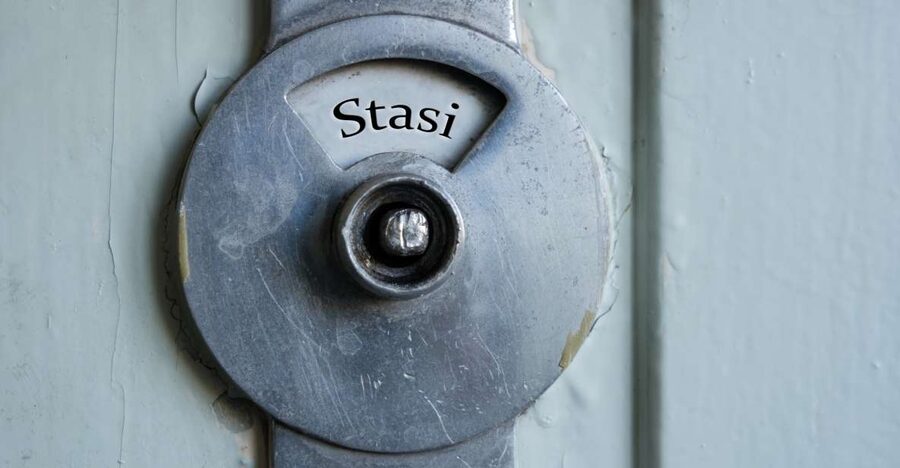
Review · BERLIN
Berlin: Stasi Museum Private Guided Tour with Entry Ticket
The most revealing part of this three-hour private tour is that the Stasi Museum occupies the former headquarters of East Germany’s secret police. You are not just looking at Cold War displays in a modern gallery. You are walking through the rooms where surveillance plans were made and where the state tried to control ordinary citizens.
I like the efficient start at Alexanderplatz, the old center of East Berlin, and the included public transport tickets. I also like the close look at real spy equipment, hidden cameras, bugs, and Erich Mielke’s office with its famous red briefcase. The main drawback is price: at $257 per person, this is a costly museum visit, especially if you already know the subject or prefer to explore at your own pace.
Key points
- Original Stasi headquarters: Visit the actual Ministry of State Security building on Normannenstraße.
- Alexanderplatz context: Begin at the square linked to the largest demonstration in GDR history in 1989.
- Private commentary: Ask questions and focus on the parts of Cold War history that interest you most.
- Spy technology: See hidden cameras, listening devices, and other tools used by the Stasi.
- Mielke’s office: View the office of the former state security minister and his red briefcase.
- Useful transport plan: Round-trip public transport tickets are included for the trip outside central Berlin.
Why the Stasi Museum feels different from a regular history stop
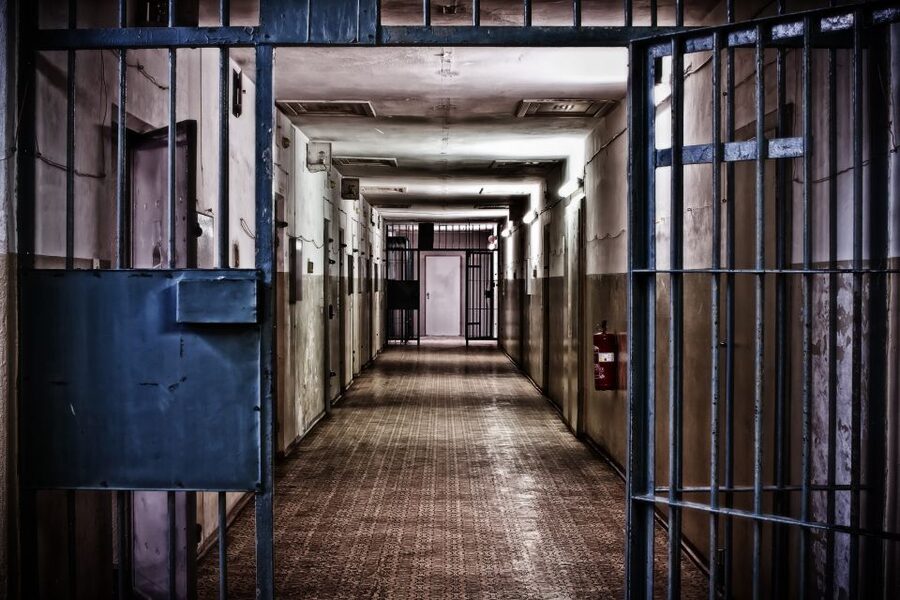
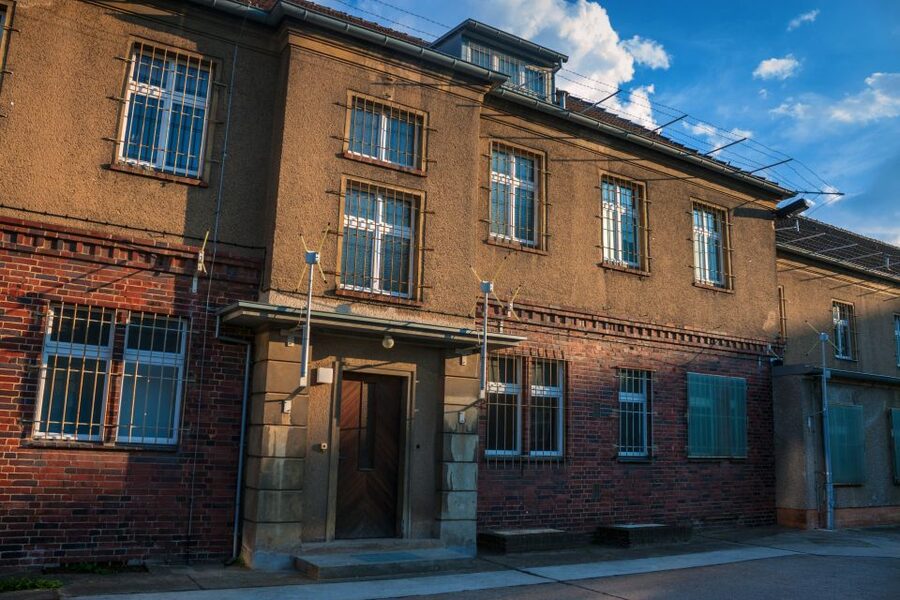
The Stasi Museum, officially the Forschungs- und Gedenkstätte Normannenstraße, is housed in the former headquarters of East Germany’s Ministry of State Security. That setting gives the visit a hard edge. You are examining the machinery of surveillance in the place where it operated.
The museum focuses on the politics, propaganda, and control system of the German Democratic Republic. You learn how informants were recruited, how citizens were watched, and how fear worked in daily life. The subject is political, but the tour also asks a personal question: what did it mean to live in a society where a neighbor, workmate, or friend might report to the secret police?
I find that a private guide is useful here because the museum material can be dense. The guide can explain the difference between the government, the ruling Communist Party, and the State Security Ministry. You can also stop to ask how surveillance affected travel, work, friendships, and public speech.
The tour is not limited to dramatic spy gadgets. Those objects catch your eye, but the bigger lesson is how ordinary systems of control operated over time. The museum helps connect the devices to the wider GDR system of propaganda and dictatorship.
More Museum Tours in Berlin
- Berlin: Natural History Museum Entrance Ticket
★ 4.6 · 3,382 reviews - Berlin: Museum Island Multiple Museum Entry Ticket
★ 4.4 · 2,861 reviews - Skip-the-Line: Berlin Wall Museum at Checkpoint Charlie
★ 4.1 · 2,041 reviews
Starting at Alexanderplatz, the public face of East Berlin

You meet your guide in front of the dm drugstore at Alexanderplatz, 1, 10178 Berlin. This is a practical meeting point in a central part of the city, but it is also an important place to begin a Cold War tour.
Alexanderplatz was one of the main public squares of East Berlin. In 1989, it became the site of the largest demonstration in the history of the German Democratic Republic. That protest helped show how quickly public pressure against the regime was growing in the final months before the Berlin Wall fell.
Your guide uses the square to set the political scene before you head to the museum. This makes the later visit easier to follow. You first see the public world of state ceremonies, urban planning, and official messaging. Then you travel to the building where the state watched its own citizens.
I like this structure because it avoids treating the Stasi as an isolated police force. The ministry was part of a wider system. The square, the transport ride, and the headquarters together give you a short lesson in how East Berlin presented itself and how it controlled dissent.
Arrive on time. The museum entry is tied to a pre-booked time slot, so the tour cannot be treated as a loose meeting followed by a casual visit whenever you arrive.
The public transport ride to Normannenstraße
The Stasi Museum is outside central Berlin, so the group travels from Alexanderplatz by public transport. Two-way transport tickets are included, which saves you from having to work out the fare or buy the wrong ticket on a busy tour day.
The ride also helps mark the change from central Berlin to the former administrative world of East Germany. The tour does not simply drop you at a museum without context. Your guide can continue explaining the division of Germany, East Berlin, and the role of state surveillance as you make the trip.
Keep your schedule fairly clear around the three-hour duration. The total time includes the meeting, transport, and museum visit, not just time spent inside the exhibits. The exact starting time varies, so you need to check availability when booking.
This arrangement is most useful if you are new to Berlin or want someone else to handle the route. If you already know the public transport system well, the included tickets may feel less valuable, but they still keep the group moving together.
Inside the former Ministry of State Security

The museum’s strongest feature is the building itself. You are seeing the original headquarters of the East German State Security service rather than a reconstructed set.
That setting gives the rooms a plain, official feel. The impact comes from knowing that the offices were used for real work: collecting information, managing informants, assessing threats, and controlling people considered politically unreliable.
Your guide explains how the Stasi operated and why citizens feared it. The organization did not rely only on visible arrests or dramatic interrogations. Surveillance also worked through files, reports, pressure, and the constant possibility of being observed.
The museum visit can be especially useful for people who know the Berlin Wall mainly as a physical structure. The Wall divided a city, but the Stasi helped maintain the political system behind it. The tour connects the border, the government, the Communist Party, propaganda, and the internal surveillance network.
You should expect a serious visit rather than a light sightseeing stop. The subject includes dictatorship, pressure on citizens, and the loss of privacy. The guide’s role is important because the objects make more sense when linked to real policies and daily life.
A few more museum visits around Berlin worth comparing
- Berlin: Interactive DeJa Vu Museum Entrance Ticket
★ 4.1 · 1,338 reviews - Berlin: “Pergamonmuseum. The Panorama” Exhibition Tickets
★ 4.6 · 1,245 reviews - Berlin: German Spy Museum Flexible Entry Ticket
★ 4.4 · 472 reviews - Berlin: Museum of Communication Entrance Ticket
★ 4.5 · 452 reviews
Bugs, hidden cameras, and the tools of surveillance
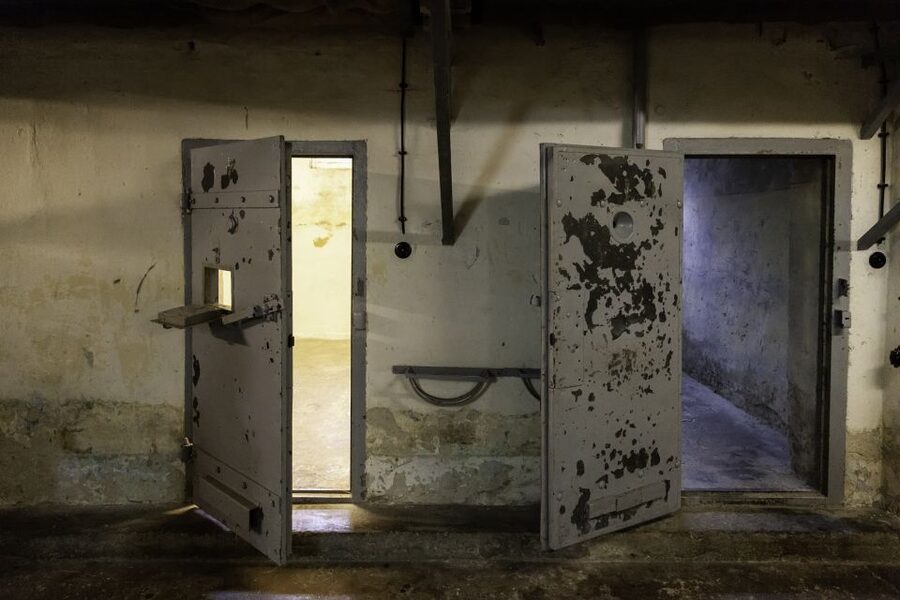
The spy technology is one of the most immediate parts of the tour. You see original equipment such as bugs and hidden cameras used by the Stasi.
These objects are interesting, but the tour is not a gadget showcase. Their real value is that they show how surveillance reached into ordinary spaces. A hidden camera or listening device only mattered when connected to a system that stored reports, compared information, and acted on suspicion.
I like this section because it gives you something concrete to examine. Cold War politics can feel abstract when presented only through dates and speeches. A small surveillance device makes the system easier to picture.
At the same time, the equipment should not become the whole point of the visit. If you come expecting a spy museum packed with dramatic tricks, you may find the experience more administrative and political than thrilling. The strongest moments come from understanding how these tools supported a much larger network of informants and records.
Ask questions as you go. A private group gives you more room to focus on technical details, recruitment methods, or the effect of surveillance on people who were not political leaders.
Erich Mielke’s office and the red briefcase
The tour includes the ministerial offices and the office of Erich Mielke, the longtime head of the Ministry of State Security. His office displays the famous red briefcase used to keep sensitive information.
This is a memorable stop because it brings the system back to the people who directed it. You are not only looking at equipment used by agents. You are seeing the working environment of the official who led the ministry.
The office also helps show how power operated at the top. The contrast is striking: millions of people could be watched and assessed, while a small number of officials controlled the files and decisions. The red briefcase is a simple object, but it gives the history a human scale.
I would pay attention to the guide’s explanation here rather than rushing toward the next display. The office is valuable because it connects the museum’s broad political story to one recognizable figure and one specific room.
Daily life behind the Berlin Wall

The tour is designed for more than Cold War specialists. It is also aimed at people who want to understand daily life in East Berlin before the Wall fell.
The guide discusses how citizens were spied on and controlled, along with the ways informants were recruited. That can help you understand why the Stasi remained feared even when an agent was not visible. A person’s work, education, travel options, and personal relationships could all be affected by political suspicion.
This part is where the private format earns its keep. You can ask how surveillance shaped ordinary behavior instead of hearing only a fixed timeline. If you are traveling with family or friends, you can also discuss how the system differed from the open political life you know at home.
Several guides have been praised for adding personal stories and extra material. One guide named Silvia was specifically noted for using personal experiences to make the visit more vivid, and another guide was able to switch into Danish even though the booking was in English. You should not assume every tour will be led by Silvia or offer Danish, but these details show the benefit of confirming your preferred language and guide arrangements when possible.
The official tour languages are English and German. The guide is a licensed five-star guide in the language selected at booking.
What the private format adds
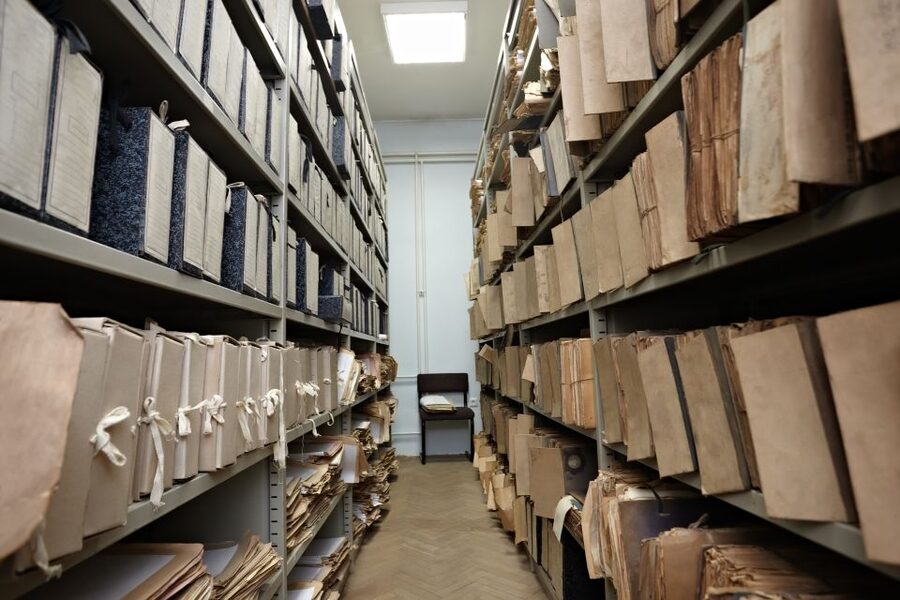
A private group changes the pace and tone of the visit. You are not sharing the guide with a large crowd, so questions can shape the discussion.
That matters at a museum where the meaning is not always obvious from the object labels. You can ask for more background on propaganda, the East German political system, or the difference between the Stasi Museum and other Berlin Cold War sites.
The private setting is also helpful for families with older children, couples with a strong interest in twentieth-century history, and visitors who want a focused introduction before exploring more sites on their own.
The tradeoff is cost. At $257 per person, you are paying mainly for private guiding, specialist explanation, timed entry, and transport support. You are not paying for a full day of sightseeing or a long list of attractions.
A past booking recorded a total cost of $435 and called the experience too expensive, even while praising the guide. That is a fair warning. The price may make sense for a small private group that values personal commentary, but it is harder to justify for one person who only wants museum admission.
Comparing the Stasi Museum with Hohenschönhausen
Pay attention to the name of the site when you book. This tour visits the Stasi Museum at Normannenstraße.
It does not visit the former Stasi prison known as the Berlin-Hohenschönhausen Memorial. These are separate places with different subjects and settings.
The Normannenstraße museum focuses on the Ministry of State Security, its offices, surveillance tools, and internal operations. The Hohenschönhausen site is associated with the former prison. Confusing the two could lead to the wrong expectations, especially if you have read about prison cells and detention history elsewhere.
If your main goal is to see the Stasi headquarters and the minister’s office, this is the right experience. If you specifically want a former detention site, check the destination carefully before paying.
Who should book this three-hour tour?
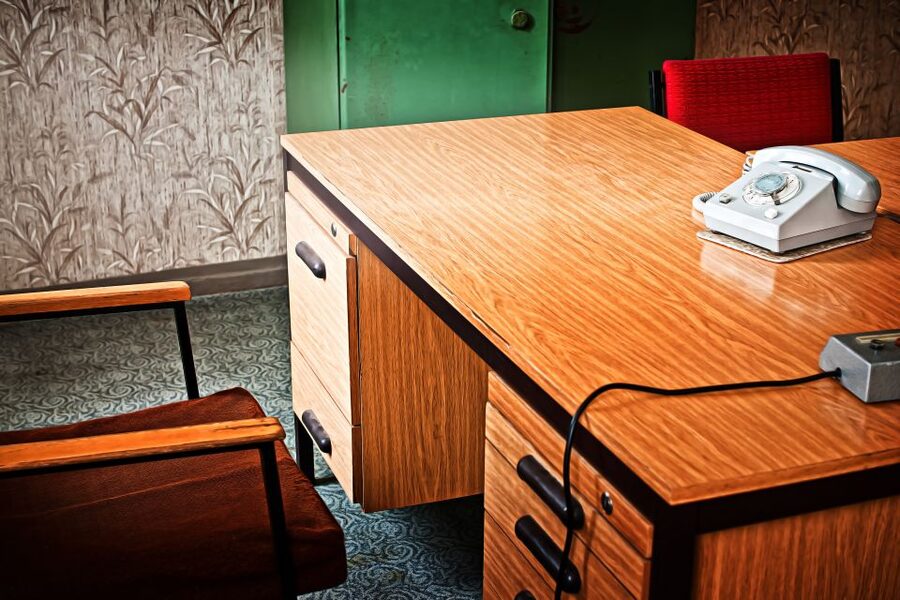
I would recommend this tour most strongly to:
- People with a serious interest in the Cold War or twentieth-century European politics
- First-time Berlin visitors who want help understanding East Germany
- Couples or families who prefer a private guide to a large group
- Visitors who want original offices and equipment rather than a general city overview
- Anyone who wants a guided explanation in English or German
You may want a cheaper or more independent option if you mainly want to browse exhibits, already understand GDR history, or are watching your budget closely.
The tour is wheelchair accessible, which is useful practical information when planning your day. Free cancellation is available up to 24 hours before the tour, and you can reserve now and pay later, giving you some flexibility when your Berlin plans are still changing.
Is the $257 price worth it?
The value depends on how much help you want inside the museum. The entry ticket alone is not the main reason to pay this amount. The stronger value comes from the private guide, the historical framing, the included transport, and the ability to ask questions.
For a small group sharing the cost, the price becomes easier to assess. A private tour can also save you time by using a reserved entry slot and taking care of the journey from Alexanderplatz.
Still, this is not a bargain. A single visitor who reads Cold War history in advance and is comfortable using public transport may prefer a self-guided visit. The tour earns its price only if personal explanation is important to you.
The high score of 4.8 from 13 ratings supports the view that the guides are usually the strongest part of the experience. The written feedback repeatedly points to punctuality, strong subject knowledge, enthusiasm, personal stories, and extra material. Those are exactly the qualities that can turn a serious museum into a clear and memorable lesson.
Should you book the Stasi Museum private tour?
Book it if you want the former Stasi headquarters explained by a guide who can connect spy equipment, ministerial offices, propaganda, and daily life under the GDR. The Alexanderplatz start and included transport make the three-hour plan easy to fit into a Berlin sightseeing day.
Think twice if $257 per person feels high for one museum. You will get the most from this tour if you value private discussion and historical context more than low cost. For the right audience, the office of Erich Mielke, the original surveillance tools, and the story of how citizens were monitored make this one of Berlin’s more serious and useful Cold War visits.
FAQ
Where does the tour meet?
Meet your guide in front of the dm drugstore at Alexanderplatz, 1, 10178 Berlin.
How long does the tour last?
The tour lasts three hours, including the meeting, public transport, and museum visit.
Which museum does this tour visit?
It visits the Stasi Museum, also called Forschungs- und Gedenkstätte Normannenstraße, located in the former headquarters of the Ministry of State Security.
Does the tour visit Hohenschönhausen Memorial?
No. The Stasi Museum is a different site from the former Stasi prison known as the Berlin-Hohenschönhausen Memorial.
Are public transport tickets included?
Yes. Two-way public transport tickets from Alexanderplatz to the Stasi Museum are included.
What languages are available?
The live tour guide is available in English or German. You select the language when booking.
Is the tour private and wheelchair accessible?
Yes. It is a private group tour and is listed as wheelchair accessible.
Can I cancel or pay later?
You can cancel up to 24 hours in advance for a full refund. Reserve now and pay later is also available.
Just added around Berlin
- From Berlin: Sachsenhausen Concentration Camp Museum Tour★ 4.8 · 514 reviews
- Cold War, Berlin Wall, Spies and the East Side Gallery★ 4.8 · 254 reviews
- Bubble Planet Berlin: An Experience Museum for All Your Senses★ 4.1 · 38 reviews
- Berlin Trabi Museum: Day Ticket★ 4.1 · 63 reviews
- Berlin: The Wall Museum East Side Gallery Ticket★ 4.1 · 292 reviews
- Berlin: Tickets to the Computer Games Museum★ 4.5 · 363 reviews
- Berlin: Ticket for Photography Exhibitions at C/O Berlin★ 4.5 · 39 reviews
- Berlin: Museum of Communication Entrance Ticket★ 4.5 · 452 reviews
Museum Tours in Berlin, compared.
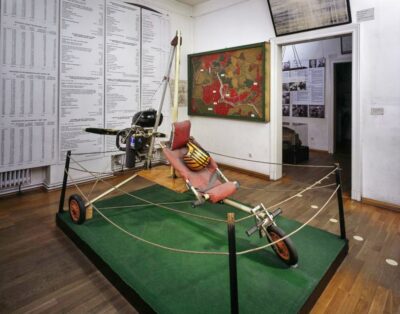
Skip-the-Line: Berlin Wall Museum at Checkpoint Charlie
Read our review →
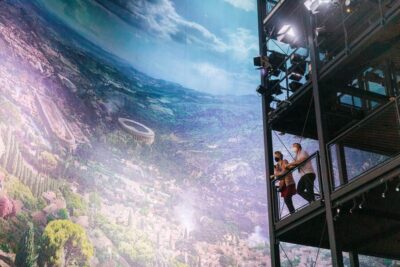
“Pergamonmuseum. The Panorama” Exhibition Tickets
Read our review →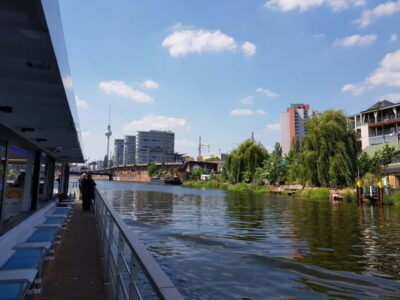
East Side Gallery Spree Cruise in a Solar Catamaran
Read our review →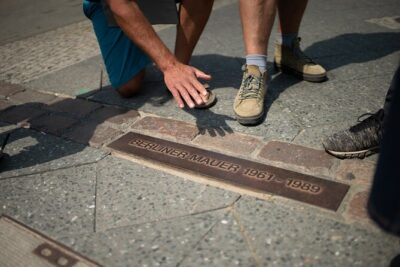
Cold War, Berlin Wall, Spies and the East Side Gallery
Read our review →
Berlin WelcomeCard: Museum Island & Public Transport
Read our review →Browse the lists this tour appears in