
Review · BERLIN
Berlin Trabi Museum: Day Ticket
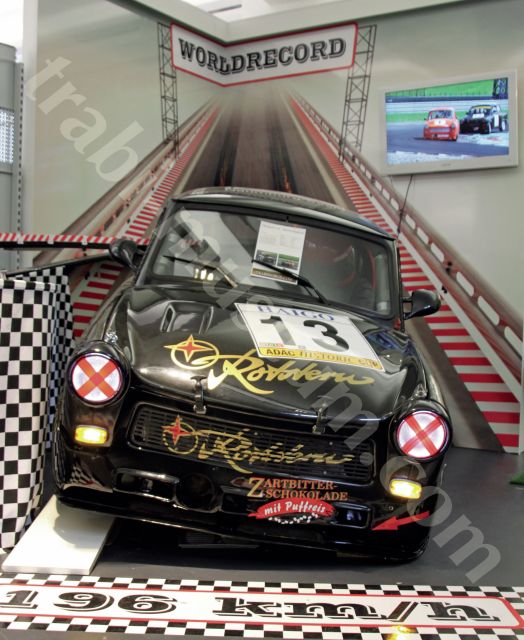
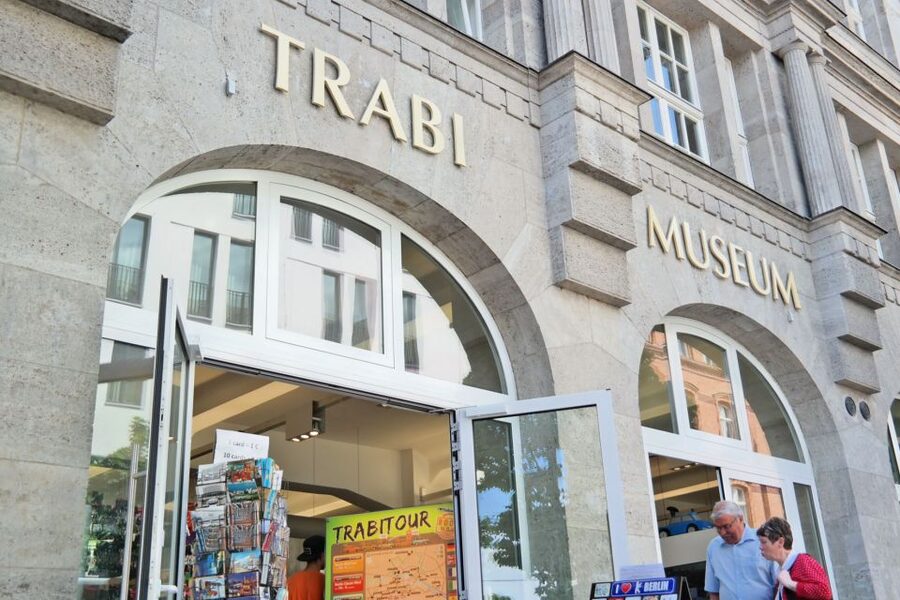
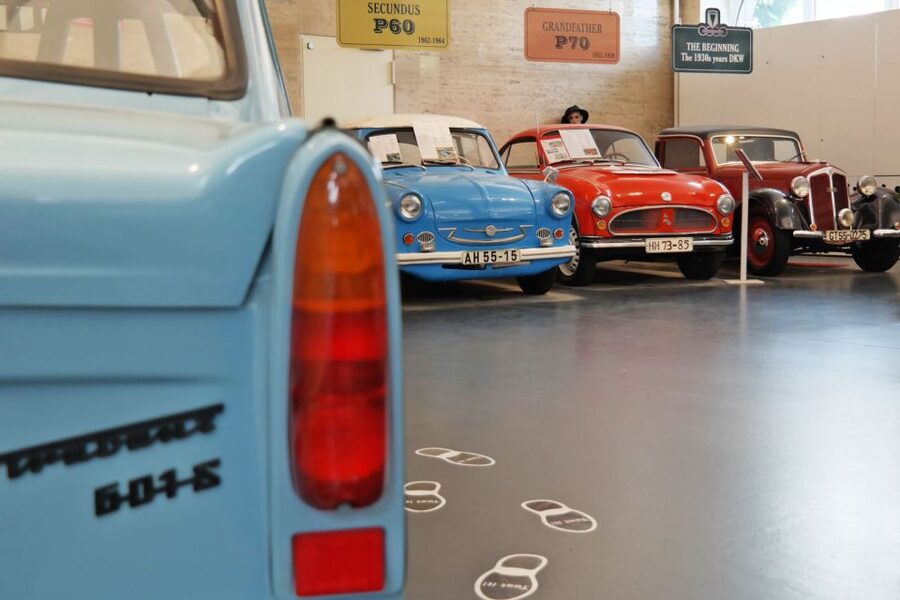
Berlin’s Trabi Museum puts the former East Germany’s famous little car under the spotlight. At Checkpoint Charlie, you’ll see 14 Trabants in different forms, from everyday family cars to camping models, military vehicles, racing machines, and unusual early designs.
I like the mix of cars and short films, which gives the museum more life than a simple row of vehicles. I also like the chance to see oddities such as the Trabant P70 with its wooden undercarriage and the car described as the fastest Trabi. The main drawback is size: at just $10, it is fairly priced, but the museum is small and may not fill a major part of your day.
Key points at a glance
- Fourteen Trabants in one compact museum: See the famous two-stroke car in civilian, military, camping, racing, and rare early versions.
- A clear look at development: Follow the car from its production beginnings in 1958 through later forms and special uses.
- A lightshow theater: Sit down for short films about the Trabant and its place in former East Germany.
- A miniature GDR world: Add visual context to the cars with a small-scale look at life in the German Democratic Republic.
- A central Checkpoint Charlie location: Pair the museum with one of Berlin’s best-known Cold War sites.
- Trabi Safari option nearby: If seeing the cars is not enough, you can arrange to drive one through Berlin, though that is a separate experience.
Why the Trabant matters in Berlin
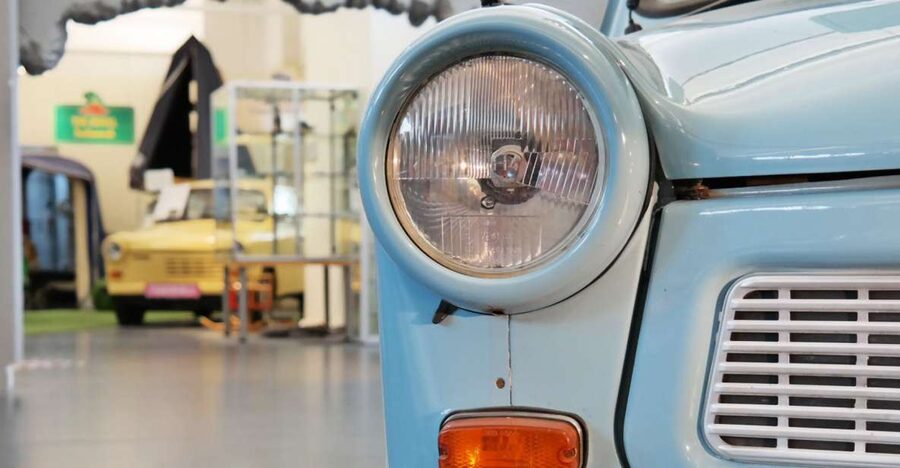
The Trabant, often called a Trabi, was more than a small car. It was the best-known vehicle of the former GDR and a familiar part of daily life behind the Iron Curtain.
Production of the Rennpappe began in 1958 at the VEB Automobilwerk Zwickau. The nickname refers to the car’s lightweight body material, while the two-stroke engine gave it a distinctive sound and personality.
The museum helps you see the Trabi as a product of its time. It was not built to compete with luxury cars or modern family vehicles. It was a practical people’s car made in a state-run system, and its long production life reflected both its usefulness and the limits of the East German automobile industry.
That context makes the collection more interesting than the cars’ comic shape might suggest. You are looking at transportation, technology, politics, and everyday life all at once.
More Museum Tours in Berlin
- Berlin: Natural History Museum Entrance Ticket
★ 4.6 · 3,382 reviews - Berlin: Museum Island Multiple Museum Entry Ticket
★ 4.4 · 2,861 reviews - Skip-the-Line: Berlin Wall Museum at Checkpoint Charlie
★ 4.1 · 2,041 reviews
Starting at Zimmerstrasse near Checkpoint Charlie
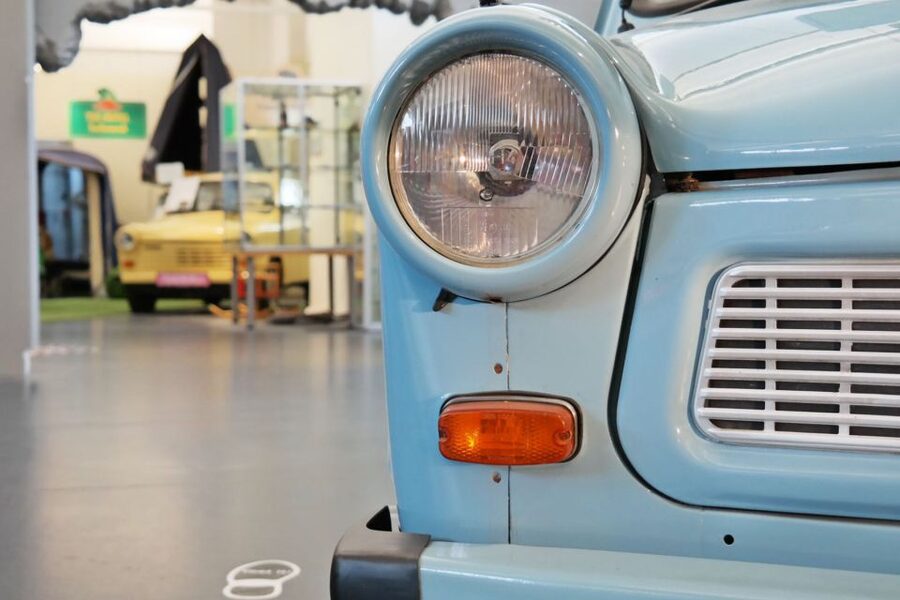
The museum is at Zimmerstraße 14-15, a short walk from Checkpoint Charlie. That location matters. The cars make more sense when seen in the same central Berlin area associated with the former Wall, border crossings, and the divided city.
Look for the entrance at the stated address. If the door is closed, cross the street and find TrabiWorld at Zimmerstrasse 97-100. This is a useful detail, especially if you arrive and wonder if you have come to the wrong place.
The central setting makes the museum easy to add to a Cold War-focused morning or afternoon. You can visit Checkpoint Charlie, see the Trabis, and continue toward other nearby sights without setting aside a full day just for the museum.
The ticket is valid for one day, and the activity information says you can skip the ticket line. English and German assistance is available from a host or greeter.
Fourteen cars showing the Trabi’s many jobs
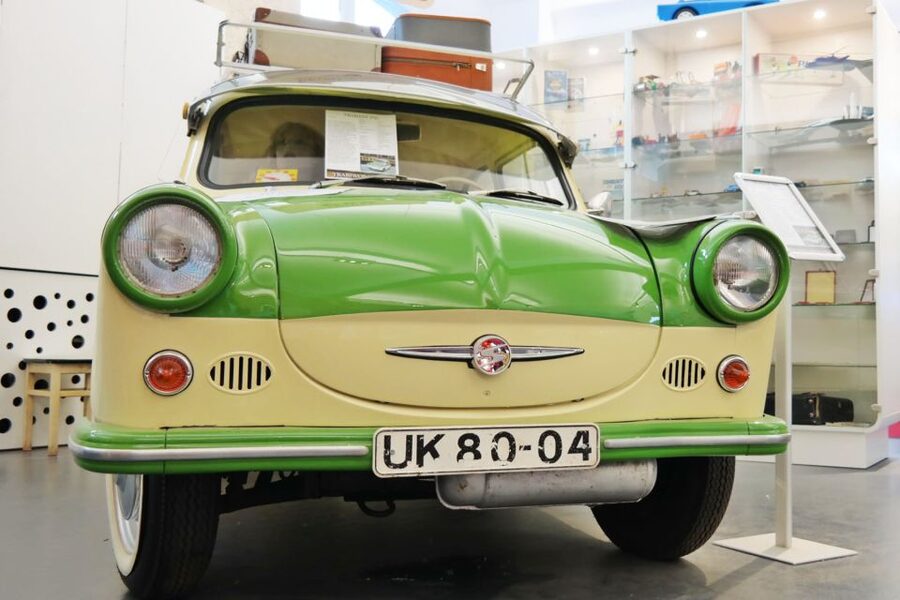
The collection’s strongest feature is its variety. You will not see 14 identical small cars lined up in different colors. The display covers different stages of development and different roles.
The standard civilian Trabant gives you the basic shape most people recognize. From there, the collection expands into camping versions and military vehicles. These examples show how a modest family car could be adapted for holidays, work, or official service.
The rarest display pieces deserve extra time. The Trabant P70 has a wooden undercarriage, an unusual construction detail that makes it quite different from the better-known later models. You can also see the car presented as the fastest Trabi, adding a touch of speed and humor to a vehicle better known for patience than performance.
I would pay attention to how each car changes the story. A camping Trabi says something about leisure and limited choices. A military model points to the state system around it. A racing car shows how owners and enthusiasts pushed the basic design beyond its ordinary purpose.
Because the museum is compact, you can study the vehicles without committing to a long guided tour. That works well for families, car fans, and anyone fitting several central Berlin sights into one day.
The theater adds sound and movement
Cars can tell only part of the story. The lightshow theater gives you a chance to sit down and watch short films about the Trabant.
The films are useful because they put the vehicles in motion. You see the car as something driven, used, and remembered, rather than only as an object behind a display barrier. The theater also breaks up the visit, which is helpful if you are touring with children or need a quiet pause.
Do not expect a long cinema presentation to fill the afternoon. The description calls the films short, so treat this as a compact part of the museum rather than a full documentary program.
The lightshow format gives the museum a playful edge. That tone fits the Trabi itself. The car has a serious place in East German history, but its small size, simple design, and unmistakable engine have also made it an enduring pop-culture symbol.
A few more museum visits around Berlin worth comparing
- Berlin: Interactive DeJa Vu Museum Entrance Ticket
★ 4.1 · 1,338 reviews - Berlin: “Pergamonmuseum. The Panorama” Exhibition Tickets
★ 4.6 · 1,245 reviews - Berlin: German Spy Museum Flexible Entry Ticket
★ 4.4 · 472 reviews - Berlin: Museum of Communication Entrance Ticket
★ 4.5 · 452 reviews
The miniature GDR world
The miniature GDR display adds a second way to understand the collection. Instead of focusing only on engines and bodywork, it gives you a small-scale setting for the society in which the Trabi was used.
This is valuable if you know little about former East Germany. A miniature scene can provide quick visual context without asking you to read long panels. It also gives younger visitors something immediate to examine.
The supplied information does not describe the exact scenes or scale, so I would keep expectations sensible. Think of it as a supporting display, not a full museum devoted to GDR daily life.
Still, the combination works. The vehicles show the practical side of the system. The theater and miniature display help explain the world around them.
How long the visit deserves
The ticket is valid for one day, but the museum itself is small. That is the key planning point.
You can take your time with the 14 vehicles, watch the short film, and inspect the miniature GDR world. The experience is best treated as a focused stop near Checkpoint Charlie, not as a major half-day institution.
A compact visit is a benefit if your Berlin schedule is tight. You can add it between larger attractions and still get a clear introduction to the Trabant.
If you are a serious car enthusiast, you may wish the collection were larger or the technical information more extensive. The 4.1 rating from 63 reviews suggests a generally positive experience, but not universal enthusiasm. A very brief comment describing the museum as very small points directly to the main limitation.
Is the $10 price fair?
At $10 per person, the museum offers reasonable value for a central Berlin stop. You are paying for entry to a specialized collection, a short film presentation, and the miniature display.
The value depends on your interest. If the history of divided Germany, unusual cars, or Cold War culture appeals to you, the ticket is easy to justify. The museum gives you something specific that larger Berlin museums may not cover.
If you are looking for a large collection with extensive galleries, workshops, or hours of technical material, the price will not change the museum’s compact scale. You should book it for the subject and location, not because you expect a full-day attraction.
The day ticket is most useful when you combine it with nearby sightseeing. Since the museum is at Checkpoint Charlie, you do not need to make a special cross-town trip just to see it.
The optional Trabi Safari
The museum also points you toward Trabi Safari tours. These let you get behind the wheel and drive a Trabi through Berlin.
The safari is separate from museum admission, so do not assume the $10 ticket includes driving. The available routes can take you through East or West Berlin, along the former Wall, or on a route you choose.
That option changes the experience from looking at the car to handling it. If you want more than a museum display, ask about the safari at TrabiWorld. The museum visit can serve as a useful introduction before you decide if driving one is worth adding.
Keep your plans clear: the information provided does not give the safari price, duration, departure schedule, or driving requirements. Those details need to be checked separately.
Who will enjoy this most
I would recommend the museum to several kinds of visitors:
- Cold War history fans: The Checkpoint Charlie setting and former GDR focus make the cars part of a larger Berlin story.
- Car enthusiasts: The rare P70, racing example, camping vehicles, and military versions provide more variety than a basic display of standard Trabants.
- Families: The compact layout, unusual cars, films, and miniature world can work well for a shorter attention span.
- First-time Berlin visitors: You can pair the museum with nearby Cold War sights without losing much time.
- Anyone curious about everyday East Germany: The Trabi was a people’s car, so the collection offers a simple way into the subject.
I would be less likely to recommend it to someone who has little interest in cars and has only a few hours in Berlin. The museum is small, and its value comes from the subject rather than the size of the building.
Practical details before you go
The museum is wheelchair accessible. English and German are the listed languages, and a host or greeter is available in those languages.
The meeting point is Zimmerstraße 14-15, 10969 Berlin. If the entrance is closed, cross the street and look for TrabiWorld at Zimmerstrasse 97-100.
You can cancel up to 24 hours before the activity for a full refund. The reserve-now, pay-later option lets you hold a place without paying at once, which can help if your Berlin schedule is still shifting.
Starting times depend on availability, so check the current schedule before planning the rest of your day. The booking information also says you can skip the ticket line.
Should you book the Berlin Trabi Museum?
Book it if you want a short, affordable stop with a strong Berlin connection. The 14 vehicles, rare P70, fastest Trabi, camping and military models, films, and miniature GDR world give the visit more variety than the low price suggests.
Just keep the scale in mind. This is a small specialty museum, not an all-day attraction. I would combine it with Checkpoint Charlie and other nearby Cold War sights, then consider the separate Trabi Safari if you want to drive one yourself.
For $10, it is a sensible choice for car fans, families, and anyone curious about daily life in former East Germany. If your schedule is packed and the Trabant does not interest you, you can skip it without missing one of Berlin’s essential museums.
FAQ
Where is the Berlin Trabi Museum?
The museum is at Zimmerstraße 14-15, 10969 Berlin, near Checkpoint Charlie. If the door is closed, cross the street and find TrabiWorld at Zimmerstrasse 97-100.
How much does admission cost?
The listed price is $10 per person.
How long is the ticket valid?
The ticket is valid for one day.
What can I see inside the museum?
You can see 14 Trabants, including different development stages, camping cars, military vehicles, a Trabant P70 with a wooden undercarriage, and the fastest Trabi. The visit also includes a lightshow theater with short films and a miniature GDR world.
Is the museum wheelchair accessible?
Yes. The activity is listed as wheelchair accessible.
Does the museum ticket include a Trabi Safari?
No. The museum admission includes entry to the Trabi Museum. A separate Trabi Safari lets you drive a Trabi through Berlin, along the former Wall, through East or West Berlin, or on another chosen route.
Just added around Berlin
- From Berlin: Sachsenhausen Concentration Camp Museum Tour★ 4.8 · 514 reviews
- Cold War, Berlin Wall, Spies and the East Side Gallery★ 4.8 · 254 reviews
- Bubble Planet Berlin: An Experience Museum for All Your Senses★ 4.1 · 38 reviews
- Berlin: The Wall Museum East Side Gallery Ticket★ 4.1 · 292 reviews
- Berlin: Tickets to the Computer Games Museum★ 4.5 · 363 reviews
- Berlin: Stasi Museum Private Guided Tour with Entry Ticket★ 4.8 · 13 reviews
- Berlin: Ticket for Photography Exhibitions at C/O Berlin★ 4.5 · 39 reviews
- Berlin: Museum of Communication Entrance Ticket★ 4.5 · 452 reviews
Museum Tours in Berlin, compared.

Skip-the-Line: Berlin Wall Museum at Checkpoint Charlie
Read our review →
“Pergamonmuseum. The Panorama” Exhibition Tickets
Read our review →
East Side Gallery Spree Cruise in a Solar Catamaran
Read our review →
Cold War, Berlin Wall, Spies and the East Side Gallery
Read our review →
Berlin WelcomeCard: Museum Island & Public Transport
Read our review →Browse the lists this tour appears in