
Review · GERMANY
Stein: Public guided tour of the “Old Mine” museum
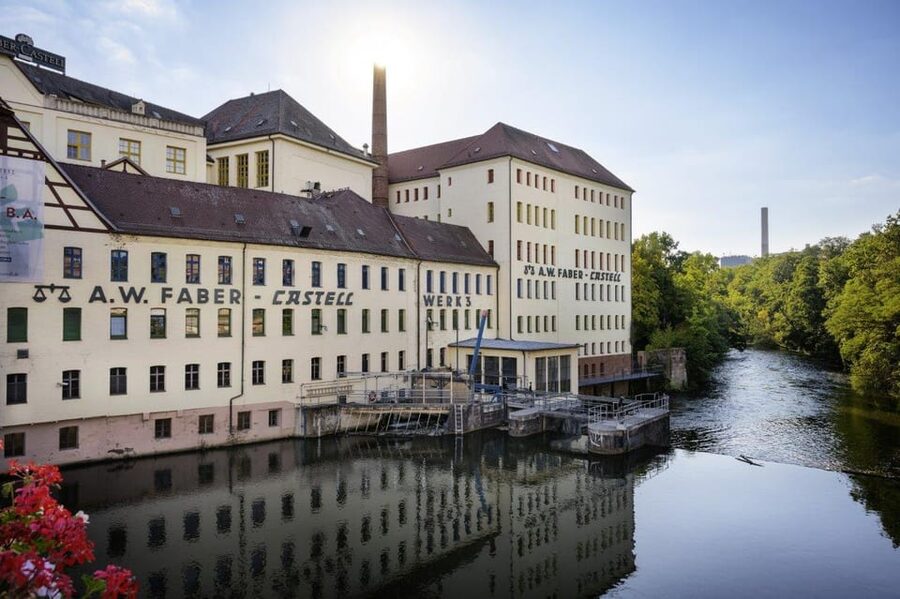
The most unusual part of this Faber-Castell visit is not the famous pencil brand. It is the chance to enter a listed 1848 industrial building and walk through the old production rooms where pencil leads were made. The rooms spread across two floors, with different levels and periods tucked together in an appealingly odd layout.
I like two things here: the tour explains how pencil and colored-pencil leads were produced, and it uses old equipment and displays to connect that work with present-day manufacturing. I also like the practical extras: a souvenir is included, and you get 15% off at the castle store from Monday through Friday. The main consideration is pace. There is a lot to see, and one hour and 30 minutes may not leave enough time to read every panel or study every historic photograph.
Key points
- Old production rooms: Explore a listed building from 1848, arranged across two floors and several changing levels.
- Pencil-making focus: Learn how graphite and colored-pencil leads were produced, with older methods linked to modern manufacturing.
- German or English tour: A live guide leads the visit in either language, though some material remains in its original language.
- Short, focused visit: The guided portion lasts about 1.5 hours and returns to the Faber-Castell Visitor Center.
- Useful extras: Your ticket includes a souvenir and a 15% castle-store discount on weekdays.
- Wear sturdy shoes: Parts of the historic site are not barrier-free, and the visit involves walking longer distances.
Entering Faber-Castell’s 1848 Old Mine building
Faber-Castell’s headquarters in Stein, near Nuremberg, offers more than a brand-store stop. The Old Mine museum occupies historic production rooms on the west bank of the Rednitz, in a building dating from 1848. The structure is protected as a historic site, so the setting is part of the experience.
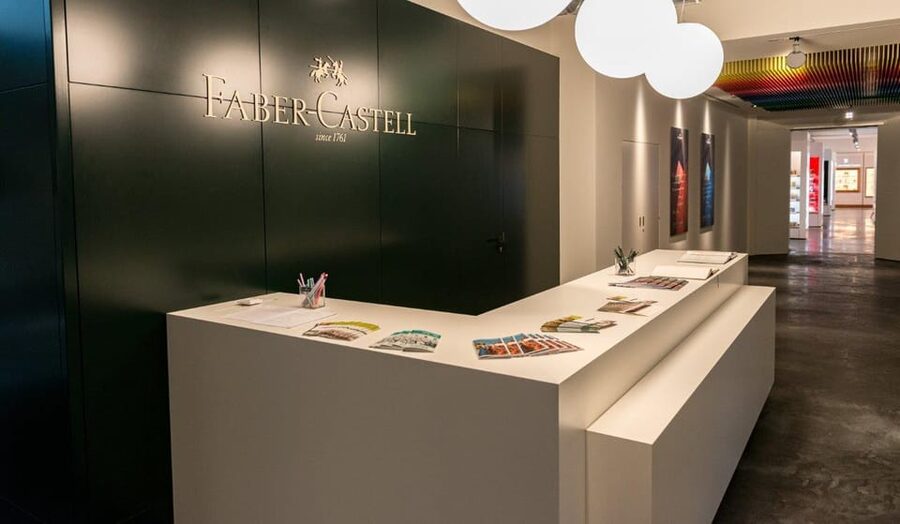
You begin at the Faber-Castell Visitor Center, listed locally as Faber-Castell Erleben. Booking is required. From there, the guide takes you to the Old Mine for the main visit, then brings you back to the same starting area.
The name Old Mine can sound as if you are heading underground into a mining tunnel. The supplied details point instead to historic mine production rooms, where the focus is the manufacture of pencil leads. Expect a building with rooms and levels from different eras rather than a conventional museum hall.
That uneven arrangement is one of the site’s charms. It gives you a sense of a working industrial place that changed over time. It also means you should not expect the smooth, spacious route of a new museum. Some areas are not barrier-free, and you should plan for longer walks on sturdy shoes.
A few more museum visits around Germany worth comparing
- Dresden: Church of Our Lady Guided Tour of Gallery
★ 4.7 · 2,421 reviews - Dresden: Guided Walking Tour and Chocolate Museum Ticket
★ 4.5 · 479 reviews - Munich: Residenz Museum Tickets and 2,5-hour Guided Tour
★ 4.9 · 81 reviews
How pencil leads were made before modern factory methods
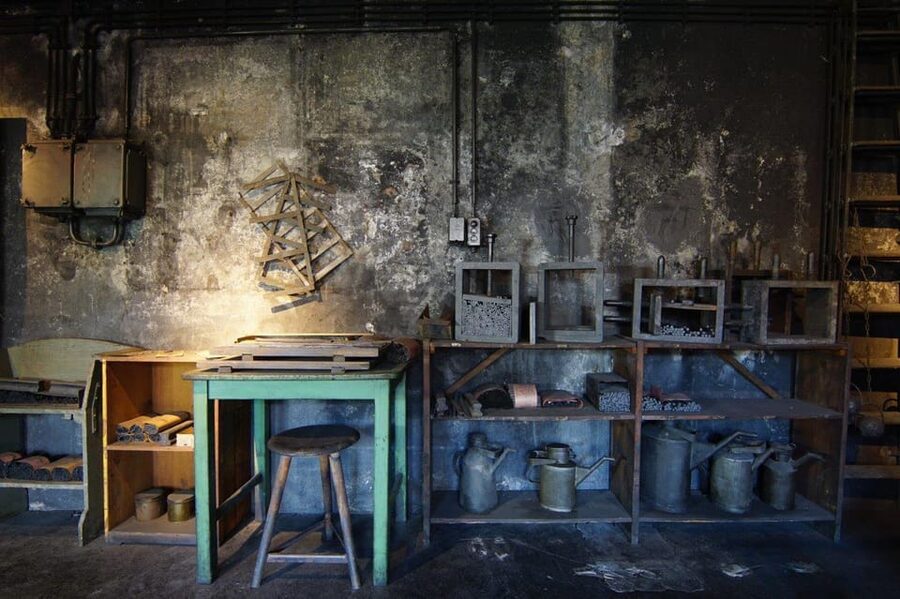
The tour’s main subject is the production of lead and colored-pencil leads. The old exhibits help explain a process that can otherwise seem simple from the outside. A pencil is a small object, but producing its central core requires careful work with materials, shaping, and firing or other treatment.
The visit gives you a way to follow that process through the tools and objects preserved in the rooms. The historical method is presented as demanding and labor-intensive, particularly around the end of the 19th century. You can see how much effort went into producing something as ordinary as a pencil lead.
This is where the tour earns its price. You are not just looking at branded merchandise. You are learning why pencil production became a serious industrial craft and how older methods relate to the work done today.
The experience also covers colored pencils, not only standard graphite pencils. That wider focus makes the visit more useful for families, design-minded visitors, and anyone curious about how different pencil types are made. The subject is narrow, but it has enough technical detail to keep the tour from becoming a simple company history presentation.
Two floors of machines, images, and changing rooms
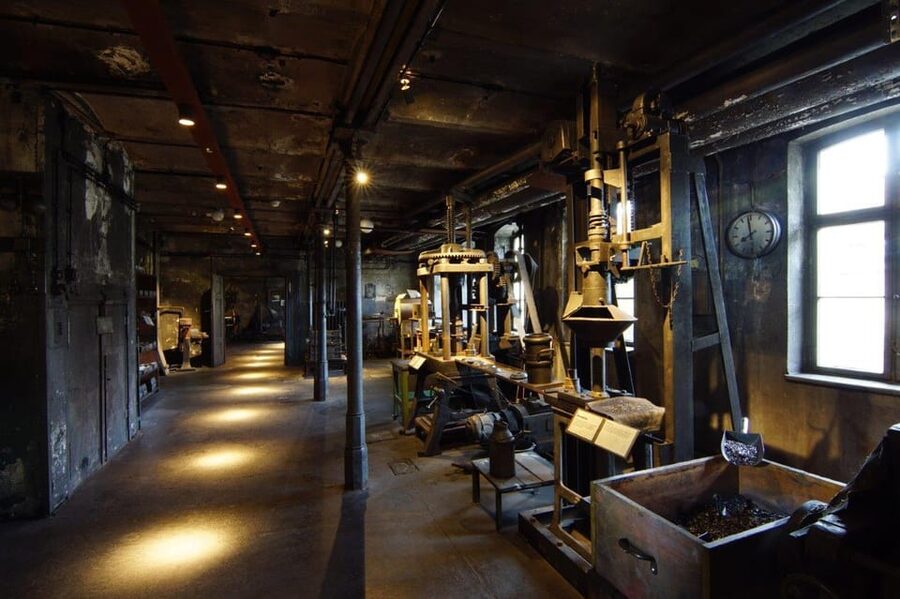
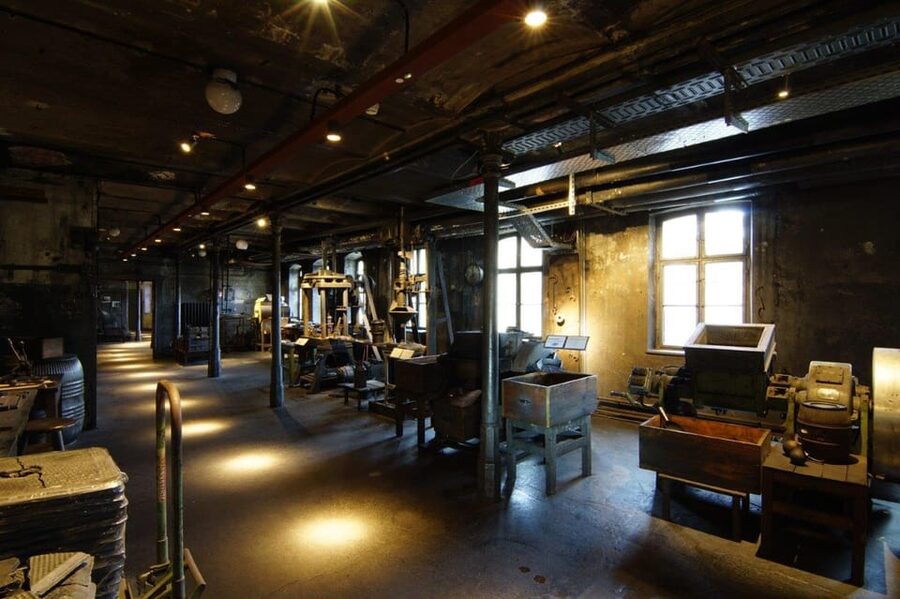
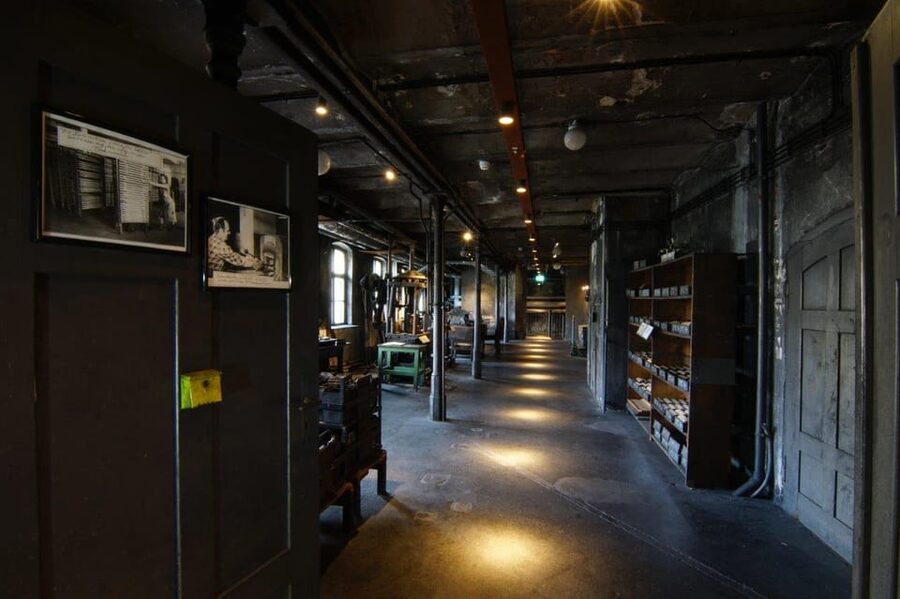
The Old Mine is arranged over two floors. The building contains a series of rooms, levels, and sections from different periods, creating a route that feels more like an old workplace than a formal exhibition center.
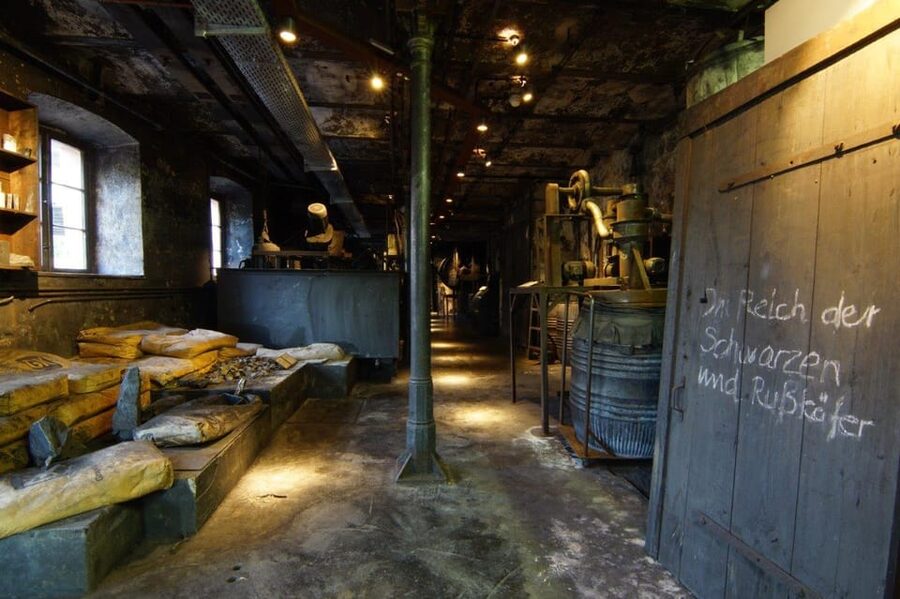
You might find historic machines, production equipment, display objects, explanatory panels, and photographs of earlier working life. The exact balance of material depends on the room and the guide’s presentation, but the purpose is clear: show the conditions and effort involved in lead production during the 19th and 20th centuries.
The old equipment matters because it gives scale to the process. A finished pencil fits easily in your hand. The machinery and workrooms make clear that its production once required a much larger operation, with repeated manual and mechanical steps.
The historic photographs add another layer. They show the people and working environment behind the products. If you enjoy taking time with old images, plan to arrive ready to listen and look closely. The tour moves at a guided pace, and one German visitor specifically noted that there was not always enough time to take in all the photographs and read every information panel.
That is a fair warning. The tour is designed to explain the site as a whole, not to give you unlimited time at each display. If a particular photograph or panel catches your attention, you may need to remember it and return to it later, if the route allows.
A guide-led visit rather than a self-guided museum walk
The live guide is central to this experience. Tours are offered in German and English, and some material is shown in its original language. That makes the spoken explanation especially useful, since it can give context that is not immediately clear from a German-language panel.
The strongest comments about the tour focus on the quality of the presentation. The guide is described as pleasant, well informed, and able to make the subject both informative and easy to follow. The explanation covers general pencil manufacturing as well as the specific role of the lead inside a pencil.
That balance matters. A factory museum can become dry if it lists dates, machines, and materials without explaining why they mattered. Here, the guide connects the old displays to the basic process still used today. You come away with a better sense of how a pencil is made, not just when the company operated in a particular room.
The pace also seems designed to keep the 1.5-hour visit moving. The tour has enough time for a proper explanation, but it is not a full-day industrial archaeology visit. I would choose it if you like guided interpretation and want the building to make sense. If you prefer to read every label at your own speed, the set schedule may feel brisk.
Same city, a completely different collection:
- Berlin: Jewish Museum Berlin Entrance Ticket
★ 4.5 · 8,393 reviews - Berlin: DDR Museum Tickets
★ 4.3 · 3,443 reviews - Berlin: Natural History Museum Entrance Ticket
★ 4.6 · 3,382 reviews - Berlin: Neues Museum Entry Ticket
★ 4.6 · 3,261 reviews
What makes the historic building worth seeing
The Old Mine’s value is not limited to the objects inside it. The building itself is part of the story. Its protected status, age, and mix of rooms from different periods give you a direct connection to the company’s industrial past.
The layout can help you picture how production spaces developed. Rather than presenting one polished room, the site shows a layered workplace. Different heights, rooms, and eras are joined together, so the route has more character than a modern replica.
You should also keep your expectations in check. The information supplied does not promise an active production line or a complete tour of all Faber-Castell operations. This is a museum visit centered on historic lead production. The company also offers other experiences at its Stein headquarters, including the castle, wood-cased pencil production, and a tour about the castle’s use as a press camp, but those are separate activities.
That distinction helps when planning your day. Book the Old Mine tour because you want industrial history and pencil-making details. Do not assume the ticket automatically includes the castle or a working factory tour.
Price, extras, and the value of 1.5 hours
At $14 per person, this is a reasonably priced specialist museum tour. The ticket covers the guided visit, which lasts approximately 1.5 hours, and includes a souvenir. You also receive 15% off in the store at the castle on the day of the tour from Monday through Friday.
The discount improves the value if you already plan to shop at the castle. It is less important if your visit falls on a weekend or if you are not interested in buying anything. The souvenir is a pleasant extra, but the main reason to book should be the guided access to the historic rooms and the explanation of pencil production.
For a short visit, $14 is easier to justify than the price of a large museum admission because the tour gives you a clear subject and a live explanation. It also fits neatly into a wider visit to Faber-Castell’s headquarters.
I would allow extra time around the tour, even though the listed activity itself lasts 1.5 hours. You need time to reach the Visitor Center, check in, and handle the walk through the historic premises. The tour returns to the Visitor Center, so you do not need to arrange a separate end point.
Who will enjoy this Faber-Castell experience
This tour suits anyone who likes seeing how familiar objects are made. You do not need to be a pencil collector. The subject works because pencils are so ordinary, and the old equipment shows the amount of work hidden inside a simple item.
Families may find the manufacturing theme easier to follow than a museum focused only on dates and company founders. Older children who enjoy machines, drawing, or practical science could get a lot from the visit, though the building’s uneven access and longer walks are worth considering.
It also suits design students, artists, teachers, stationery fans, and visitors interested in German industrial history. The inclusion of colored-pencil production makes it broader than a basic graphite-pencil display.
I would be less likely to recommend it to someone who wants a large, fully accessible museum with lots of time for quiet reading. The historic layout is part of its appeal, but it also creates the practical drawbacks. Some rooms are not barrier-free, and the route can involve long distances.
Practical planning for your visit
Book ahead, since the visit requires a reservation. Check the available starting times when choosing your date, and select German or English according to your needs.
Wear sturdy shoes. The site includes historic premises and is not fully barrier-free. The supplied information specifically advises planning for longer walks, so comfortable footwear is not a minor detail here.
If you speak English, remember that some content remains in its original language. The live tour is available in English, but not every written or displayed element is necessarily translated. If photographs and written panels matter as much to you as the guide’s explanation, allow for a quicker first pass and listen carefully for the spoken context.
Weekday visitors should keep the castle-store discount in mind. The 15% saving applies on the day of the tour from Monday through Friday. It does not replace the museum ticket, and the information provided does not extend the offer to weekends.
The activity allows cancellation up to 24 hours in advance for a full refund. You can also reserve now and pay later, which is useful if your schedule around Nuremberg is still changing.
Should you book the Old Mine tour?
Book this tour if you want a focused, well-explained look at historic pencil production in an authentic industrial setting. The protected 1848 building, two-floor route, old production equipment, and clear link between past and present manufacturing give the 1.5-hour visit real substance.
I especially recommend it for people who value guided explanation over a quick look at displays. The guide helps turn a small everyday object into a lesson in materials, labor, and industrial change. At $14, the souvenir and weekday store discount add value, though the tour earns its cost through the access and interpretation rather than the extras.
Skip it if you need fully barrier-free access, dislike scheduled group tours, or expect to see every Faber-Castell attraction under one ticket. For the right visitor, this is a compact and distinctive stop near Nuremberg, with enough practical detail to make you look at a pencil differently.
FAQ
Where does the Old Mine tour begin?
The tour begins at the Faber-Castell Visitor Center, also identified as Faber-Castell Erleben. Booking is required.
How long does the guided tour last?
The guided tour lasts approximately 1.5 hours and returns to the Faber-Castell Visitor Center.
What languages are available?
A live guide is available in German or English. Some content is shown in its original language.
What does the ticket include?
The ticket includes the guided Old Mine museum tour, a souvenir, and a 15% discount in the castle store on the day of the tour from Monday through Friday.
Is the historic site barrier-free?
Some of the premises are not barrier-free. You should plan to walk longer distances and wear sturdy shoes.
Can I cancel or pay later?
You can cancel up to 24 hours in advance for a full refund. You can also reserve your place and pay later.
Just added around Germany
- Stuttgart: Stuttgart Wine Museum Wine Tasting★ 4.7 · 55 reviews
- Stuttgart: Museum of Illusions Entry Ticket★ 4.2 · 507 reviews
- Speyer: Technik Museum Speyer Ticket with an IMAX Dome Film★ 4.7 · 360 reviews
- Berlin: Bode Museum Ticket★ 4.5 · 214 reviews
- Munich Private Walking Tour with BMW Museum & Welt Entry★ 4.2 · 19 reviews
- Munich: Residenz Palace, Museum and Treasury Private Tour★ 4.9 · 15 reviews
- Munich: WOW Museum – Room for Illusions Ticket★ 3.5 · 14 reviews
- Munich Nymphenburg Palace & Carriage Museum Fast-Track Tour★ 4.9 · 57 reviews
Museum Tours in Germany, compared.




Dresden: Church of Our Lady Guided Tour of Gallery
Read our review →
Skip-the-Line: Berlin Wall Museum at Checkpoint Charlie
Read our review →Browse the lists this tour appears in