
Review · THE UK
Sheffield: National Emergency Services Museum Entry Ticket
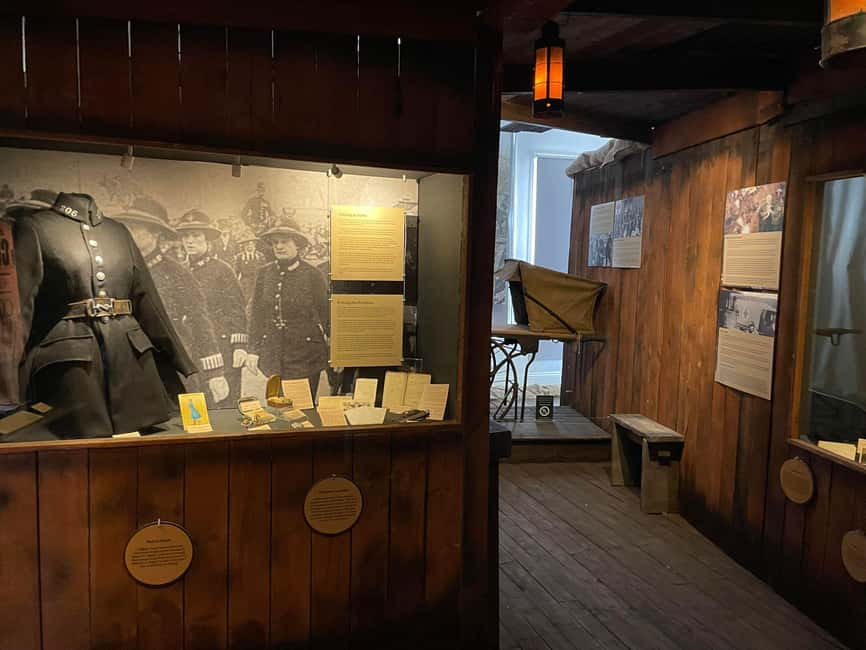
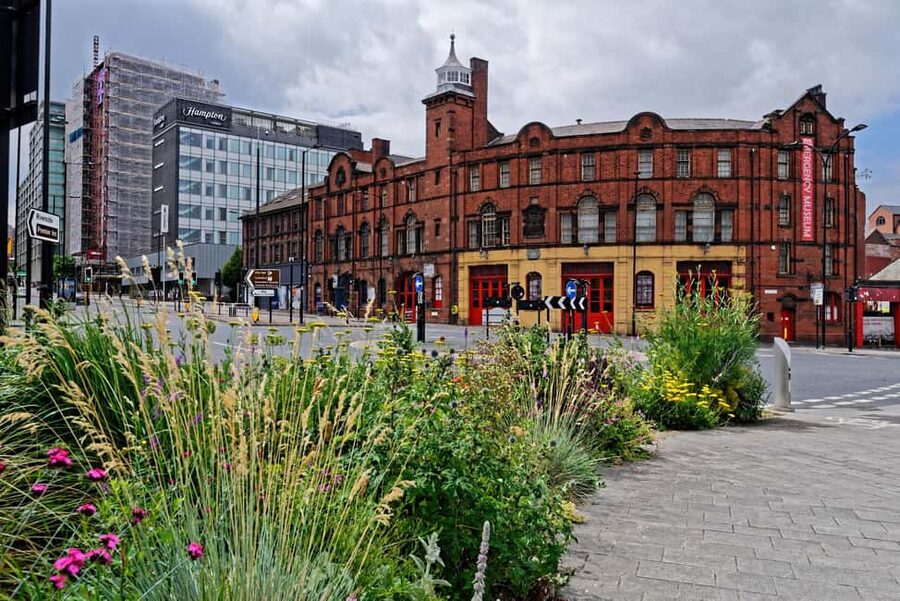
The most memorable part of Sheffield’s National Emergency Services Museum is the building itself. You are not walking through a modern gallery. You are exploring a Victorian police, fire, and ambulance station, complete with original police cells and an engine house. That gives the visit a genuine sense of place before you even reach the exhibits.
I like the mix of serious social history and hands-on fun. You can study life-saving medical equipment, then let children try interactive displays that turn the visit into an active learning session. I also like the museum’s scale: three floors of exhibits give you enough to see without making the day feel like hard work.
The main consideration is the old building. It can be cool inside, so bring warm clothing, and access may be limited for wheelchair users and people with mobility impairments. Parking in central Sheffield also needs some care, since directions to nearby car parks can be unclear and an NCP car park may cost more without its app.
Key points
- Original working spaces: See Victorian police cells and the historic fire engine house within the building where emergency services operated.
- Three floors to explore: The museum offers a full day ticket, though many people find a focused visit of a couple of hours works well.
- Hands-on family exhibits: Children can learn through interactive games and displays rather than simply reading labels.
- Unusual large-scale objects: The collection includes vintage police cars and a 47-foot lifeboat.
- Useful for mixed-age groups: Informative display boards suit adults, while activity-based exhibits keep younger visitors involved.
- Plan for the old building: Wear warm clothing and check your mobility needs before arriving.
Sheffield’s Victorian emergency-services station
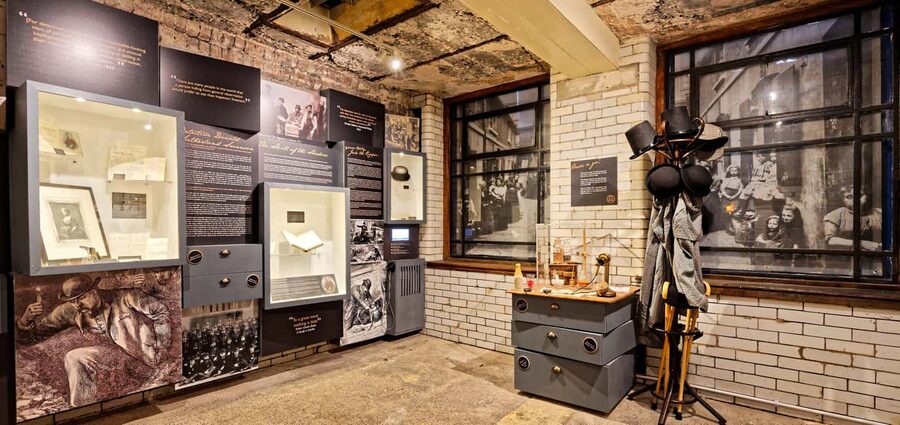
I find the setting here more interesting than a standard museum shell. The National Emergency Services Museum occupies a Victorian building that once brought police, fire, and ambulance work together. The walls, rooms, and original spaces help you picture the practical world behind the uniforms and equipment.
The original police cells are an obvious place to begin. They offer a direct connection to the working life of the building, and they give younger visitors something concrete to see rather than a long row of objects behind glass. The engine house provides the same effect from the firefighting side.
This setting also shapes the pace of the visit. You move through rooms and floors rather than following one enormous open gallery. That makes the museum easier to tackle in short sections, especially if you are visiting with children who need a change of focus every few minutes.
The building’s age has a downside. Floors, doorways, and other features may not offer the same ease of movement as a purpose-built modern museum. The museum is described as wheelchair accessible, but access can be limited for wheelchair users and people with mobility impairments. If that affects your party, check the details before booking.
A few more museum visits around the UK worth comparing
- London: Tower of London and Crown Jewels Exhibition Ticket
★ 4.6 · 28,769 reviews - Tower of London and Crown Jewels Exhibition Ticket
★ 4.5 · 6,677 reviews - London Transport Museum Entrance Ticket
★ 4.5 · 1,323 reviews
Police cells, fire engines, and working lives
The displays cover the main emergency services, so you get more than a police collection. The police side includes original cells and vintage police cars, giving you a look at both the places where officers worked and the vehicles they used.
The fire service material includes the historic engine house, firefighting archives, and equipment linked to the practical work of tackling emergencies. I like this combination because it connects photographs and documents with the physical tools that made the work possible.
The ambulance and medical displays shift the mood. Life-saving medical equipment shows how emergency care has changed over time, and it brings the human side of the museum into sharper focus. These objects are not just old technology. They point to the decisions, training, and courage needed when someone’s life is at risk.
Display boards are a strength here. You can read the background at your own pace, which suits adults who want more context while children move ahead to the next activity. The information is useful without forcing everyone to follow the same speed.
You will not get the structure of a guided tour with a named guide. The visit is self-directed, with English as the stated language. That gives you freedom to linger over the exhibits that catch your attention and move quickly past displays that do not suit your group.
Three floors with a different rhythm
The museum spreads across three floors, including two additional floors beyond the original station areas. This gives the collection a sense of discovery. You are not finished after seeing the first few rooms, and each level can offer a fresh type of object or activity.
I recommend allowing at least a couple of hours if you want a satisfying visit. That is enough time to read selected display boards, see the main vehicles and equipment, and let children try the interactive exhibits without rushing. Your ticket is valid for one day, so you have more flexibility than with a timed tour.
A full-day visit is possible if you enjoy museums and want to examine the displays carefully. Still, the museum’s strongest use may be as a compact Sheffield attraction. You can combine it with other city plans instead of treating it as an all-day commitment.
The layout may make the visit feel less predictable than a simple straight-line gallery. That is part of the fun, but it can also make it harder to judge how much remains. If you have young children, set a loose plan: start with the original spaces, find the large objects, then use the interactive displays as a reward or change of pace.
Hands-on exhibits that work for families
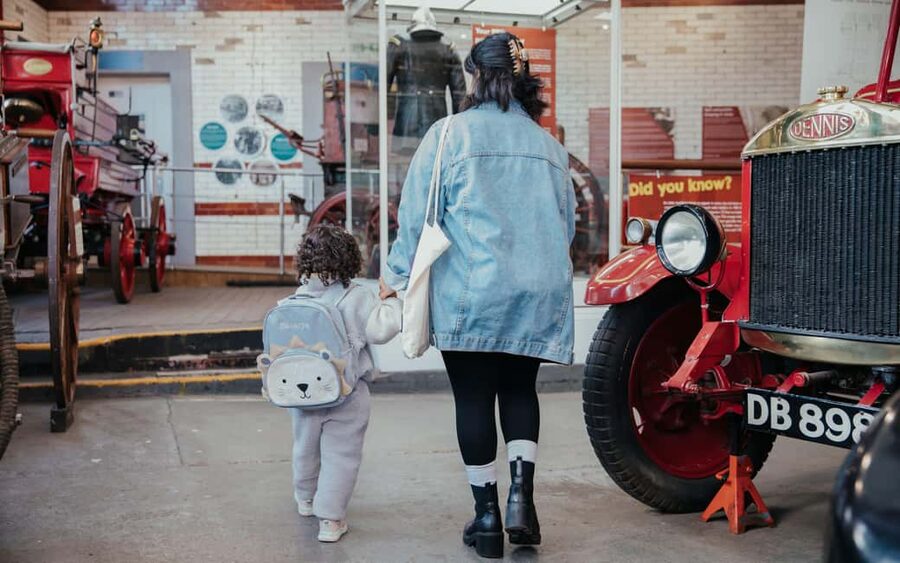
The museum puts real effort into learning through action. Interactive exhibitions and games give children something to do while adults read about emergency-service work. That matters because a display about equipment can lose a young visitor quickly if there is no physical or visual hook.
The hands-on approach also makes the museum suitable for mixed-age groups. A 13-year-old may want more information, while a 10-year-old may prefer a game or practical exhibit. Adults can move between both levels without needing to split up.
I would not treat the interactive side as a separate children’s corner. It is part of the main visit. The best moments should come when an object, a story, and an activity work together, helping you understand not only what emergency workers used but why it mattered.
The museum aims to welcome both young visitors and adults. That does not mean every display will suit every person, but it does mean the visit has several entry points. You can focus on police work, firefighting, ambulance care, vehicles, equipment, or the building itself.
For families, this is the main value of the ticket. You are paying for a shared outing rather than a quiet collection that only one member of the group enjoys. The award-winning family focus is reflected in the practical, action-based design of the exhibits.
Same city, a completely different collection:
- Liverpool: Liverpool Football Club Museum and Stadium Tour
★ 4.8 · 10,764 reviews - London: Chelsea Football Club Stadium and Museum Tour
★ 4.8 · 4,576 reviews - Chelsea FC Stadium Tours and Museum
★ 5.0 · 1,908 reviews - Manchester: National Football Museum Admission Ticket
★ 4.4 · 1,243 reviews
The 47-foot lifeboat and other big objects
One of the most unusual objects is a 47-foot lifeboat. Its size gives the museum a dramatic focal point and broadens the story beyond Sheffield’s streets. Emergency work is not limited to police stations, fire engines, or ambulances. Rescue can take place in difficult conditions far from town.
The lifeboat also helps explain why scale matters in a museum. A photograph or small model can tell you what an object looked like, but standing near something this large gives you a better sense of the equipment, space, and effort involved.
Vintage police cars provide another strong visual attraction. They are easy for children to recognise as vehicles, while adults may be more interested in how police transport and equipment have changed. You do not need specialist knowledge to enjoy them.
Medical equipment and firefighting archives fill in the less theatrical side of the story. These displays may reward slower reading, particularly if you want to understand how emergency work developed over time. I would give yourself room to stop at the objects that prompt questions instead of trying to read every panel.
What the $12 ticket is really worth
At about $12 per person, the entry price is reasonable for a family attraction with access to all exhibitions. The value is strongest when you make use of the three floors and interactive areas, not when you rush through in 30 minutes.
For one adult, the price buys access to a specialist museum in a building with original emergency-service spaces. For a family, it creates a shared activity where adults can read and children can play. That combination is more useful than a low-cost ticket to a collection that only appeals to one age group.
The ticket is valid for one day, and food and drinks are not included. You should plan to eat elsewhere rather than expecting a café visit to form part of the ticket. The lack of refreshments is not a major problem, but it affects how you plan a longer stay.
There is also an upgrade to a year ticket, but it is not included in the standard admission. If you live nearby or expect to return, ask about the annual option before assuming the day ticket covers it. For a one-off Sheffield visit, the standard ticket should be the straightforward choice.
A rating of 4.8 from 13 bookings points to strong satisfaction, especially around the friendly staff, informative displays, and family activities. I would still judge the value against your interests. If you dislike interactive museums or have serious mobility concerns, the price may feel less attractive.
Getting there and handling the parking issue
The museum is in Sheffield, in a central urban setting. That makes it a practical stop during a city visit, but parking needs planning.
Do not rely on vague car park signs once you are close. Directions can be misleading, and finding one named car park after another may be difficult. An NCP car park is available in the area, but it can be expensive if you do not use the app.
I would check your parking choice before leaving and allow extra time to find a space. This is especially useful for families, since arriving stressed over parking can take the shine off a short museum visit. The ticket itself is flexible for one day, but that does not solve the problem of getting to the door.
The supplied information does not give a detailed public transport plan, so I would not assume a specific bus, tram, or walking route without checking current Sheffield directions. The useful point is that the museum is in the city, not a remote day-trip site, so you can fit it around other plans.
Comfort, access, and the right length of visit
Bring warm clothing. The Victorian building may feel chilly, and this is one of those simple details that can affect how long you enjoy the museum. A coat is more useful than arriving prepared only for the weather outside.
The museum is listed as wheelchair accessible, but its Victorian structure may limit access in some areas. If you use a wheelchair or have difficulty with stairs, narrow spaces, or uneven movement, contact the museum ahead of time to ask which floors and exhibits are practical for you.
For families, two to three hours is a sensible starting point. That gives you time for the police cells, engine house, key vehicle displays, the lifeboat, and several hands-on activities. You can stay longer if the information boards catch your interest.
For adults without children, the museum still has enough material to justify a visit. The best approach is to treat the interactive displays as part of the story rather than as children’s entertainment only. They show how the museum wants people to learn by doing.
Who will enjoy this Sheffield museum most?
I would recommend this museum to families with school-age children, grandparents looking for a shared outing, and anyone interested in police, fire, ambulance, rescue, or medical history. The variety keeps the visit moving, and the original station gives it more character than a collection displayed in a generic building.
It also suits visitors who prefer a self-guided museum. You can read deeply, skim quickly, or follow a child’s curiosity. Since there is no named guide or fixed tour structure in the provided information, you control the pace.
It may be less suitable if you need a fully modern, step-free venue or want a polished, quiet gallery. The Victorian building has genuine character, but that can also create limits. Bring warm clothing and check access details before you commit.
The museum works particularly well on a mixed-interest day. One person can focus on vehicles, another on medical equipment, another on the police cells, and everyone can meet again at the larger displays and interactive sections.
Should you book the National Emergency Services Museum?
Book it if you want an affordable Sheffield attraction with real building history, hands-on exhibits, and enough variety for adults and children. The original cells, engine house, vintage police cars, medical equipment, archives, and 47-foot lifeboat give the visit a clear identity.
Allow a couple of hours, or more if you read carefully. Wear warm clothing, sort out parking before arrival, and check access requirements if anyone in your group has limited mobility.
I would skip it only if your group wants a sleek, modern museum or if the old building creates too many access concerns. For most families and emergency-service enthusiasts, the $12 ticket offers a useful, active, and memorable way to spend part of a day in Sheffield.
FAQ
How long is the National Emergency Services Museum ticket valid?
The entry ticket is valid for one day. You can check availability for the available starting times when booking.
What does the admission ticket include?
The ticket includes entry to the National Emergency Services Museum and access to all exhibitions.
Are food and drinks included?
No. Food and drinks are not included in the admission ticket.
Is the museum suitable for children?
Yes. The museum includes interactive exhibitions, games, and hands-on learning designed to give children an active way to explore the displays.
Is the museum wheelchair accessible?
The museum is listed as wheelchair accessible, but the Victorian building may limit access for wheelchair users and people with mobility impairments.
What should I bring?
Bring warm clothing, since the Victorian building may be cold.
Can I cancel the booking?
You can cancel up to 24 hours in advance for a full refund. A reserve now and pay later option is also available.
Just added around the UK
- Westminster and National Gallery 3.5-Hour Tour in Italian★ 4.9 · 28 reviews
- British Museum & Camden Town – Private Tour in Italian★ 4.8 · 26 reviews
- Glasgow: Rangers Football Club Museum★ 4.6 · 103 reviews
- Edinburgh The King’s Gallery Entrance Ticket★ 4.3 · 54 reviews
- The Royal Mint Experience: Ticket, Guided Tour & Exhibition★ 4.6 · 57 reviews
- London: National Gallery of London Masterpieces Guided Tour★ 4.9 · 78 reviews
- London: British Museum Highlights Guided Small Group Tour★ 4.9 · 113 reviews
- Stratford-upon-Avon: Tudor World Museum Entrance Ticket★ 4.4 · 34 reviews
Museum Tours in the UK, compared.
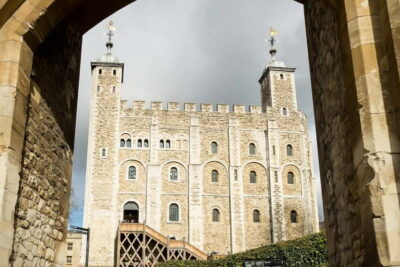
Tower of London and Crown Jewels Exhibition Ticket
Read our review →
Liverpool Football Club Museum and Stadium Tour
Read our review →
Tower of London and Crown Jewels Exhibition Ticket
Read our review →
Chelsea Football Club Stadium and Museum Tour
Read our review →


Browse the lists this tour appears in