
Review · THE UK
The Royal Mint Experience: Ticket, Guided Tour & Exhibition
The most surprising part of The Royal Mint Experience is not the old coins or royal stories. It is the mint’s new gold recovery plant, where precious metals are taken from discarded electronics such as phones and laptops. I like that the visit connects 1,100 years of coin-making with a very modern effort to reuse valuable materials. I also like the chance to strike your own sterling coin, a hands-on souvenir you cannot make at an ordinary museum.
The main drawback is the amount of walking. The site is flat and wheelchair accessible, but you will spend much of the three-hour visit on your feet. The coin-striking activity also costs extra, so the advertised ticket price is not the final cost if you want the full experience.
Key points to know before you go
- See a working mint’s change of direction: The Royal Mint stopped making overseas circulating coins in December 2024 and is now putting more energy into precious metals, jewellery, and new technology.
- Watch gold return from old electronics: The new recovery process gives the tour a clear environmental and industrial focus.
- Strike a UK coin yourself: This optional activity is the most memorable part for many families, but it carries an extra fee.
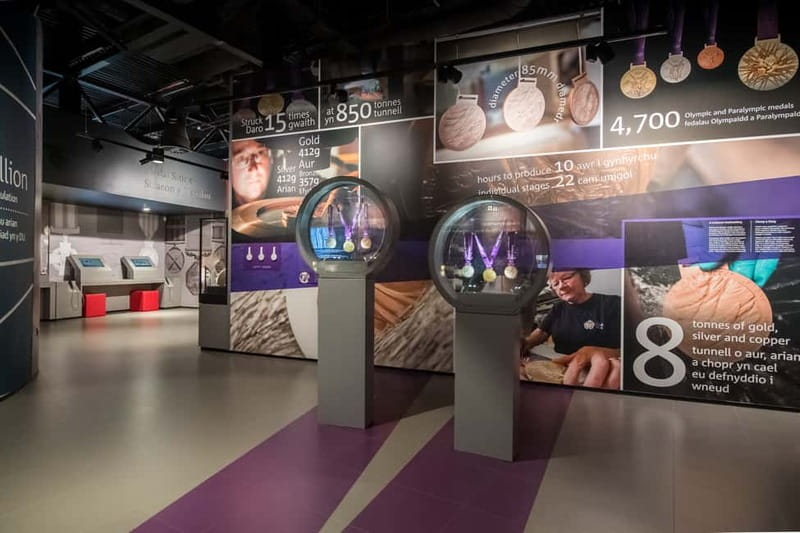
- Meet the past through unusual objects: Expect Edward VIII coinage, Olympic medals, Sir Isaac Newton’s notes, and coins more than 1,000 years old.
- Allow three hours: The guided tour takes you through the mint’s story, while the exhibition, cafe, and shop give you time to explore afterward.
- Start near Cardiff: The Royal Mint Experience is about a 25-minute drive from Cardiff city centre and has free on-site parking.
Why the new gold recovery plant changes the visit

The Royal Mint is an old institution with a surprisingly current problem to solve: how to remain useful when the way money is made is changing. The 2025 tour addresses that question directly.
The mint now uses a world-first process to recover precious metals from electronic waste. Old mobile phones, laptops, and similar devices contain small amounts of gold and other valuable materials. The new plant aims to reclaim those metals instead of leaving them in discarded electronics.
For you, this gives the tour a stronger purpose than simply watching machines press metal. You see how a historic manufacturer is trying to build a future around recycling, precious metals, luxury jewellery, and investment products. The change is especially interesting because the mint stopped producing overseas circulating coins in December 2024.
More than £17 million has gone into new ventures. That investment helps explain why the current experience is not only about royal portraits and old currency. You get a look at a company moving from traditional coin production toward a wider role in precious metals and manufacturing.
The gold recovery section is also useful for children and teenagers. Coin production can sound remote until you connect it with something familiar, such as an old phone sitting in a drawer. The process turns an abstract idea about sustainability into something you can discuss together after the tour.
A few more museum visits around the UK worth comparing
- London: Tower of London and Crown Jewels Exhibition Ticket
★ 4.6 · 28,769 reviews - Tower of London and Crown Jewels Exhibition Ticket
★ 4.5 · 6,677 reviews - London Transport Museum Entrance Ticket
★ 4.5 · 1,323 reviews
Beginning at the Llantrisant factory
You check in at the entrance and ticket desk of The Royal Mint Experience. The site is in Llantrisant, Rhondda Cynon Taff, around 25 minutes by car from Cardiff city centre. Free parking is included, which makes this an easy half-day outing if you are staying in Cardiff or exploring South Wales by car.
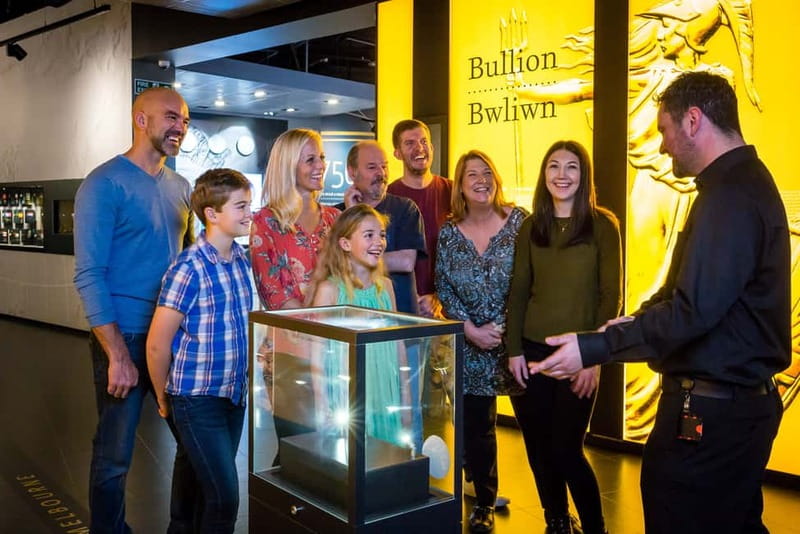
The guided portion is in English. Your guide leads you through the story of the mint and explains how coins are designed and made. The experience has a good balance of history and practical detail, rather than treating coinage as a long list of dates.
That balance matters. A good mint tour should explain both the finished object in your pocket and the work behind it. You learn about the history of striking coins in Britain, the changing methods used to make them, and the complications involved in producing an everyday object to exact standards.
The guide can make a real difference here. Janet, one long-serving guide, has worked at the mint for many years and brings first-hand familiarity with its processes and history. You should expect the tone to be friendly and accessible, with enough detail for adults but a format that also works well for families.
Group size and exact tour times can vary, so check the available start time when booking. The full visit lasts about three hours, but that does not mean every minute is spent walking with the guide. You also receive free time to explore the exhibition.
From the Tower of London to modern coin production
The Royal Mint’s story reaches back more than 1,100 years. The exhibition connects that long past with the mint’s former home at the Tower of London and its later work in South Wales.
This broad timeline is one of the best reasons to visit. You are not simply looking at coins behind glass. You are following the changing role of money, the people who controlled its production, and the technical work needed to create reliable currency.
One especially unusual story concerns Edward VIII. His short reign produced an unconventional coinage story, and the exhibits use it to show how royal portraits and political events can affect the objects people carry every day. It is a small detail, but it gives the history a human edge.
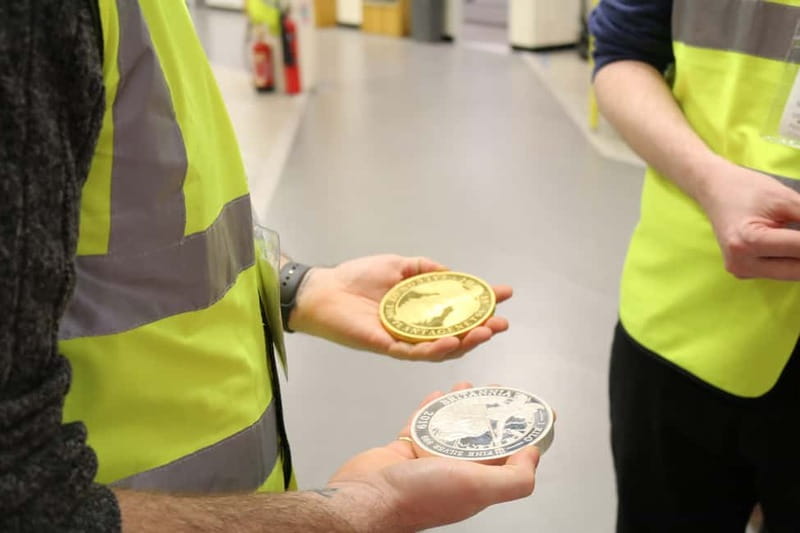
You can also see coins more than 1,000 years old. These early examples help put modern money in perspective. A current coin may seem plain and familiar, but it belongs to a much longer tradition of rulers using images, lettering, and precious metals to communicate authority.
The exhibition also includes Sir Isaac Newton’s notes. Newton is best known for science, but his connection with the mint adds another unexpected layer to the visit. Objects such as these stop the tour from feeling like a narrow industrial display.
What you see in the exhibition
After the guided tour, set aside time to look around at your own pace. The exhibition includes rare objects, Olympic medals, historic notes, and commemorative coins linked to royal milestones and cultural figures.
The commemorative section is likely to appeal to visitors who enjoy design as much as history. These coins show how the mint uses small metal surfaces to mark public events, famous people, and national occasions. You get a sense of the artistic decisions behind a product that many people treat as ordinary change.
The exhibition is also where you can slow down. The guided tour gives structure and momentum, but you may want more time with certain objects. Families can split their attention here, with children looking for unusual designs while adults read the background material.
Temporary exhibitions change from year to year. That means the exact display can vary, so do not plan the visit around one particular temporary item unless you confirm it before going.
The attraction is all on one level, which makes movement straightforward. It is still a walking-heavy visit, however. If you have limited stamina, use one of the small selection of wheelchairs available at the site or ask staff for help when you arrive.
Same city, a completely different collection:
- Liverpool: Liverpool Football Club Museum and Stadium Tour
★ 4.8 · 10,764 reviews - London: Chelsea Football Club Stadium and Museum Tour
★ 4.8 · 4,576 reviews - Chelsea FC Stadium Tours and Museum
★ 5.0 · 1,908 reviews - Manchester: National Football Museum Admission Ticket
★ 4.4 · 1,243 reviews
Striking your own sterling coin
The optional coin-striking activity is the most direct way to take part in the mint’s work. At the end of the tour, you can strike your own United Kingdom sterling coin and take it home.
The activity costs extra, so decide before you arrive if the souvenir matters to you. For families, it can be worth the added fee because it gives children a clear memory of how pressure turns a blank piece of metal into a finished coin.
It also helps make sense of the tour. You have just heard about designs, metals, machines, and production standards. Striking a coin gives you a small physical connection to that process.
Do not confuse this with buying a commemorative coin in the shop. The appeal is that you take part in making this one. It is an optional extra rather than part of the basic ticket, so budget accordingly.
The official shop and cafe
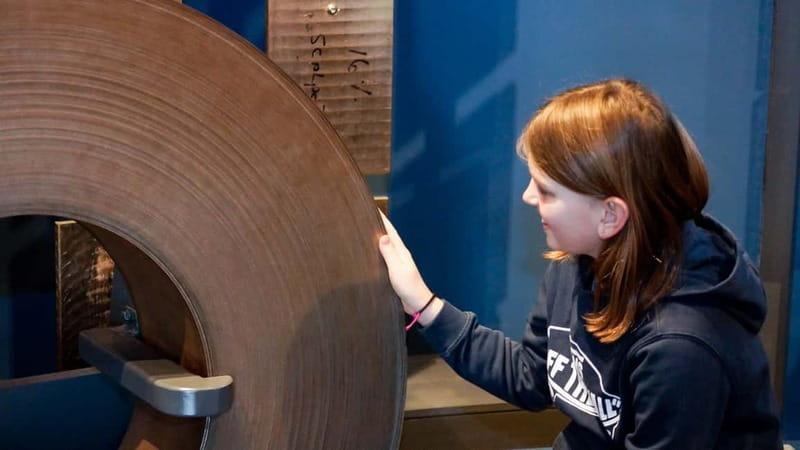
The Royal Mint has the only official Royal Mint store. It carries one-of-a-kind gifts and merchandise, including items connected with the mint’s coin designs and precious metal work.
You do not need to buy anything to enjoy the visit, but the shop is useful if you want a more substantial memento than the coin you strike yourself. Staff are available to help with purchases, which is helpful if you are comparing commemorative pieces or gifts.
The on-site cafe provides a convenient place for lunch or a drink before leaving. Since the visit lasts around three hours, this is more than a quick stop. Food and drinks are not included in the ticket price, so plan to pay separately.
The cafe also makes the site easier for families. You can build in a break after the tour before tackling the exhibition or shop. If you prefer a full meal elsewhere, the visit still works well as a morning or afternoon activity from Cardiff.
Is the $24 ticket good value?

At about $24 per person, the ticket is fairly priced for a three-hour visit that includes a guided tour, exhibition entry, parking, and access to a rare working-mint story. The value is strongest if you enjoy history, manufacturing, design, or practical science.
You are paying for more than a museum display. The tour explains a real industrial operation and its current transformation. The gold recovery plant gives the experience a subject that feels relevant now, while the older coins and notes provide the historical depth.
The price becomes less attractive if you only want to strike a coin. Since that activity costs extra, the final spend rises for anyone who wants the complete visit. Even so, the added activity may be worthwhile for children or collectors.
I would also factor in your pace. If you rush through the exhibition and skip the cafe or shop, you may not use the full value of the three-hour format. Plan to stay for the guided tour and then take your time with the displays.
A strong guide improves the value. Janet’s long service at the mint is a good example of what can make the visit feel personal rather than scripted. The tour is at its best when the guide explains not only what an object is, but why the mint made it and what changed over time.
Who will enjoy The Royal Mint Experience?
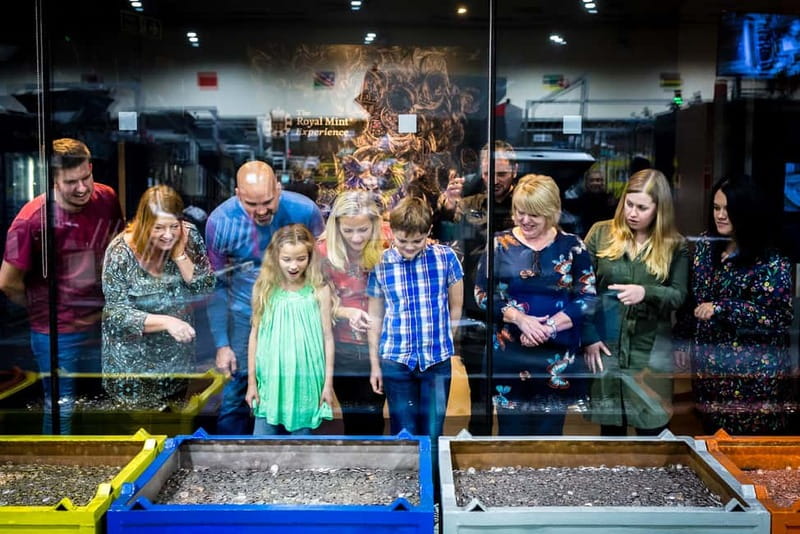
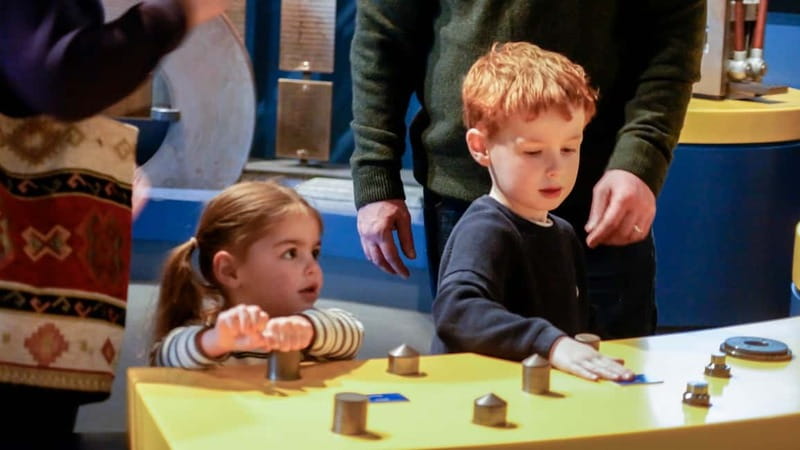
Families have plenty to see and do, especially if they add the coin-striking activity. The combination of machines, royal stories, old coins, and recycling technology gives children several ways into the subject.
History fans will appreciate the long timeline from the Tower of London to modern Llantrisant. You will also find enough unusual material, including Edward VIII coinage and Newton’s notes, to keep the visit from feeling predictable.
The experience suits anyone curious about how everyday products are made. Coins are familiar, but their production involves design, metalwork, precision, quality control, and public trust. The tour makes those hidden steps easier to understand.
It is less suitable if you dislike guided visits or have difficulty walking for extended periods. The attraction is flat, but there is a lot of walking, and the main tour is built around a guide rather than a quick self-guided browse.
The English-only format also matters. The live tour and available information are in English, so you will get the most from the visit if you are comfortable following an English-speaking guide.
Practical details for planning your visit

Book a time that gives you room to stay for the full three hours. Opening hours can change, so check them before setting out, especially around holidays.
The entrance is the meeting point. Go to the ticket desk to check in. If you are driving from Cardiff, allow about 25 minutes for the journey, then use the free on-site parking.
Bring comfortable shoes. The site is flat, but the amount of walking is the main physical consideration. A small number of wheelchairs are available if needed, and the attraction is wheelchair accessible.
Do not bring weapons or sharp objects. Video recording is not allowed, so expect to watch and listen rather than film the production areas.
The booking terms are flexible: you can cancel up to 24 hours in advance for a full refund, and a reserve-now, pay-later option is available. These policies are useful if your South Wales plans are still changing.
Should you book The Royal Mint Experience?
I would book it if you want a practical, family-friendly attraction near Cardiff that mixes old objects with current technology. The strongest parts are the guide-led explanation of coin production, the unusual historical material, and the gold recovery project using old electronics.
Add the coin strike if you want a tangible souvenir or are visiting with children. Skip it if you are watching the budget, since it is not included.
This is not a quick photo stop. Allow the full three hours, wear sensible shoes, and give yourself time for the exhibition. If that sounds like too much time for coins, the new recycling work and the mint’s changing role may still surprise you. If you enjoy seeing how familiar objects are designed and made, the $24 ticket offers solid value.
FAQ
Where is The Royal Mint Experience?
It is in Llantrisant, in Rhondda Cynon Taff, United Kingdom. The site is about a 25-minute drive from Cardiff city centre.
How long does the visit last?
The stated duration is about three hours. This includes the guided tour and time to explore the exhibition.
What does the ticket include?
The ticket includes the guided tour, exhibition entrance, and on-site car parking. Wheelchairs are available if needed.
Can I strike my own coin?
Yes. You can strike your own United Kingdom sterling coin at the end of the tour. This activity is optional and costs extra.
Is the coin-striking activity included in the ticket price?
No. The coin-striking activity is not included and must be paid for separately.
Is The Royal Mint Experience wheelchair accessible?
Yes. The attraction is wheelchair accessible and all areas are flat. There is a lot of walking, and only a small selection of wheelchairs is available.
What language is the tour in?
The live guided tour is in English.
Is food available at The Royal Mint?
Yes. The on-site cafe sells food and drinks, but these are not included in the ticket price.
Can I cancel my booking?
You can cancel up to 24 hours in advance for a full refund. A reserve-now, pay-later option is also available.
Just added around the UK
- British Museum & Camden Town – Private Tour in Italian★ 4.8 · 26 reviews
- Westminster and National Gallery 3.5-Hour Tour in Italian★ 4.9 · 28 reviews
- Glasgow: Rangers Football Club Museum★ 4.6 · 103 reviews
- Edinburgh The King’s Gallery Entrance Ticket★ 4.3 · 54 reviews
- London: National Gallery of London Masterpieces Guided Tour★ 4.9 · 78 reviews
- London: British Museum Highlights Guided Small Group Tour★ 4.9 · 113 reviews
- Stratford-upon-Avon: Tudor World Museum Entrance Ticket★ 4.4 · 34 reviews
- London: Westminster Abbey & Jubilee Galleries Guided Tour★ 4.9 · 56 reviews
Museum Tours in the UK, compared.

Tower of London and Crown Jewels Exhibition Ticket
Read our review →
Liverpool Football Club Museum and Stadium Tour
Read our review →
Tower of London and Crown Jewels Exhibition Ticket
Read our review →
Chelsea Football Club Stadium and Museum Tour
Read our review →


Browse the lists this tour appears in