
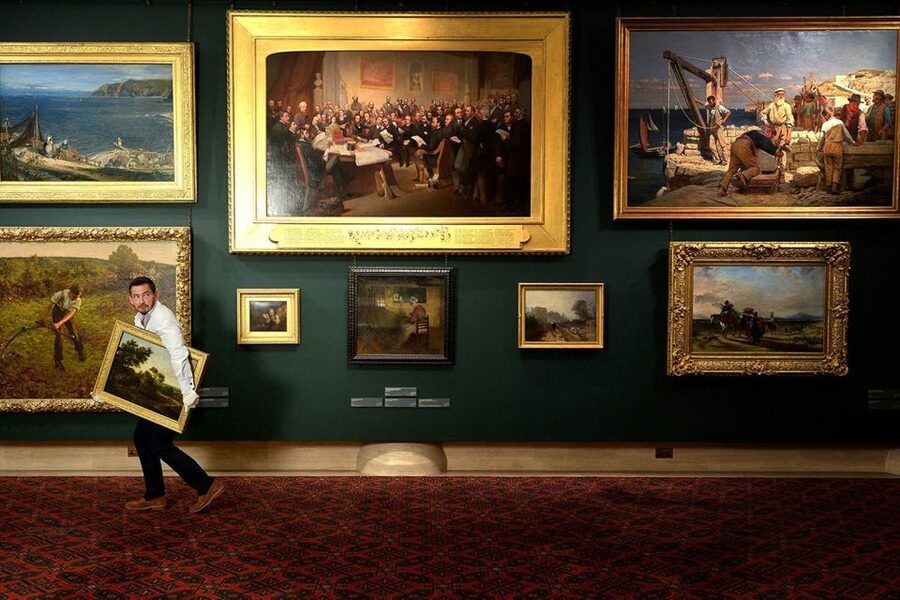
Review · LONDON
London: British Museum Highlights Guided Small Group Tour
The British Museum is too large for a casual wander if you have only a few hours. This 2 to 2.5 hour highlights tour gives you a clear path through its greatest objects, linking the Rosetta Stone, Parthenon sculptures, Assyrian reliefs, Lewis Chessmen, and Egyptian treasures into one understandable story about human achievement.
I like the way the guides mix solid scholarship with humor, and I like the small-group format, which makes it easier to ask questions and see the objects without being lost in a crowd. The only real drawback is time: you will see a carefully chosen selection, not the whole museum, and some stops may be unavailable if an object is on loan or being restored.
Key points to know before booking
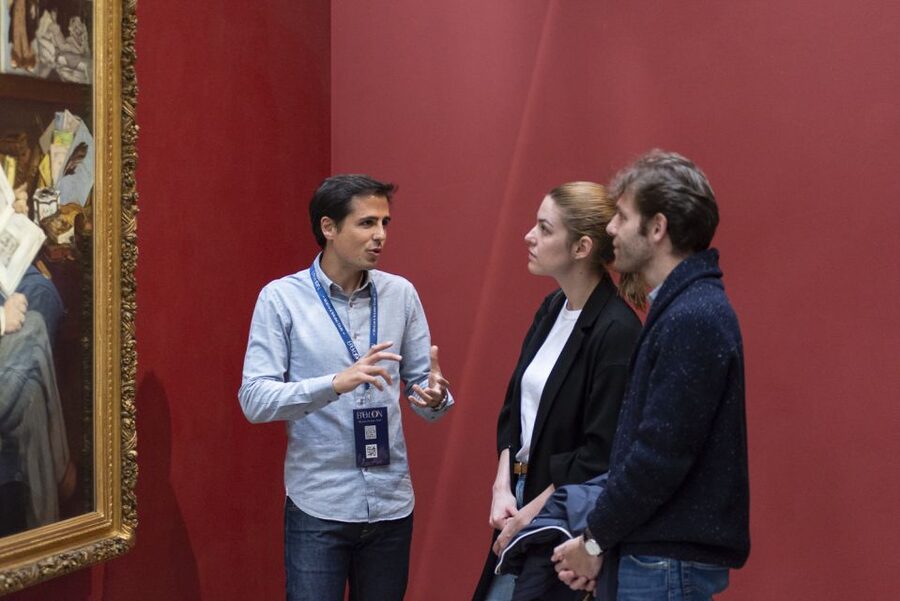
- The tour turns a huge museum into a clear 2.5-hour route, ideal if you want context instead of wandering room by room.
- The Rosetta Stone is the real ancient inscription, not the language software with the similar name.
- Assyrian lion hunt reliefs offer some of the tour’s strongest storytelling, with vivid scenes of royal power, animals, and warfare.
- Guides such as Andy, James, Sasha, Stef, and Luis are praised for mixing facts, stories, and humor, including ways to keep teenagers interested.
- Semi-private groups are limited to eight people, while private tours give you more control over the pace and focus.
- The $112 price is easiest to justify if you value expert interpretation, especially on a first visit or when your time in London is tight.
Why a British Museum guide helps so much

The British Museum holds objects spanning 6,000 years and cultures from around the world. That scale is thrilling, but it can also leave you staring at one beautiful object after another without knowing why it matters.
I find a guide especially useful here because the museum is not arranged as one simple chronological story. Egyptian mummies, Greek sculpture, Mesopotamian reliefs, medieval games, Asian armor, and Persian gold all occupy different galleries. You need someone to make connections between them.
This tour does that through a limited number of major objects. Instead of racing past dozens of displays, you stop long enough to understand what you are seeing, where it came from, and what it tells you about the people who made or used it.
The strongest guides also adjust their style to the group. Andy has been praised for turning museum objects into vivid stories, while Stef has been particularly good at adding humor and drawing younger people into the subject. Luis is known for keeping a group moving through crowded galleries while still allowing time with each object.
That matters more than a long list of credentials. A guide can recite dates, or a guide can make you care about why a carved lion, a board game, or a fragment of stone changed what we know about the past. This experience aims for the second approach.
More Museum Tours in London
- Tower of London and Crown Jewels Exhibition Ticket
★ 4.5 · 6,677 reviews - London: Chelsea Football Club Stadium and Museum Tour
★ 4.8 · 4,576 reviews - Chelsea FC Stadium Tours and Museum
★ 5.0 · 1,908 reviews
The Rosetta Stone and the power of one famous object
The Rosetta Stone is an obvious first highlight, but it earns its fame. The stone carries the same decree in three scripts, allowing scholars to compare the known Greek text with Egyptian writing. That breakthrough helped open the door to reading hieroglyphs.
You will not simply be shown a black stone behind glass and sent onward. The useful part is the explanation of why the inscriptions mattered and how a single object helped connect modern scholars with ancient Egypt.
The guide also clears up a small modern confusion: this is the actual ancient rock, not the language-learning software. It is a quick joke, but it helps make the stop feel less like a school lecture.
The main limitation is that the Rosetta Stone is one of the museum’s most popular objects. Crowds can gather around it, so your guide’s ability to position the group and explain the details clearly becomes important. You may not have a quiet, empty room, but a good explanation can make the object feel far more accessible.
Assyrian lion hunts and royal power

The Assyrian lion hunt reliefs are among the most dramatic objects on the route. These carved panels show royal hunts with remarkable detail, including wounded animals, tense movement, and the controlled power of the king.
I think this is one of the places where a guide adds real value. At first glance, you may see a sequence of ancient hunting scenes. With context, the reliefs become political theater. The hunt presented the ruler as brave, strong, and capable of controlling both nature and his kingdom.
Look closely at the animals. Their bodies and injuries are not casual decoration. The sculptors paid close attention to muscles, movement, and expression, creating scenes that can feel surprisingly immediate despite their age.
This stop also helps you read museum art as communication. The reliefs were not made simply to record a day outdoors. They sent a message about authority. That kind of framing is difficult to get from a floor plan or a short gallery label.
Parthenon sculpture and the questions behind the beauty
The Parthenon sculptures are another major stop, and they offer more than formal beauty. Their carved bodies, drapery, and movement show the skill of ancient Greek sculptors, while their presence in London raises questions about ownership, removal, and the way museums acquired objects.
A strong guide will explain both sides without pretending the subject is simple. Emily, for example, was praised for speaking frankly about the less flattering parts of British history and the way objects came to the museum. That candor can make the visit more useful, not less enjoyable.
You can admire the craftsmanship while also asking who had the right to remove the sculptures and where they belong today. I appreciate that this kind of tour does not require you to ignore the difficult parts of museum history.
The amount of time here may vary. If your guide spends longer explaining the artistic details or the controversy, another object might receive a shorter treatment. That is part of the tradeoff in a highlights tour. You gain meaning, but you cannot stop everywhere.
More British Museum tours:
- London: British Museum Guided Tour
★ 4.3 · 1,182 reviews - British Museum London Guided Tour Semi-Private 8ppl Max
★ 5.0 · 984 reviews - London: British Museum Guided Tour with Entrance Tickets
★ 4.9 · 748 reviews - London: Tour of the British Museum
★ 4.1 · 678 reviews
The Lewis Chessmen and everyday medieval life
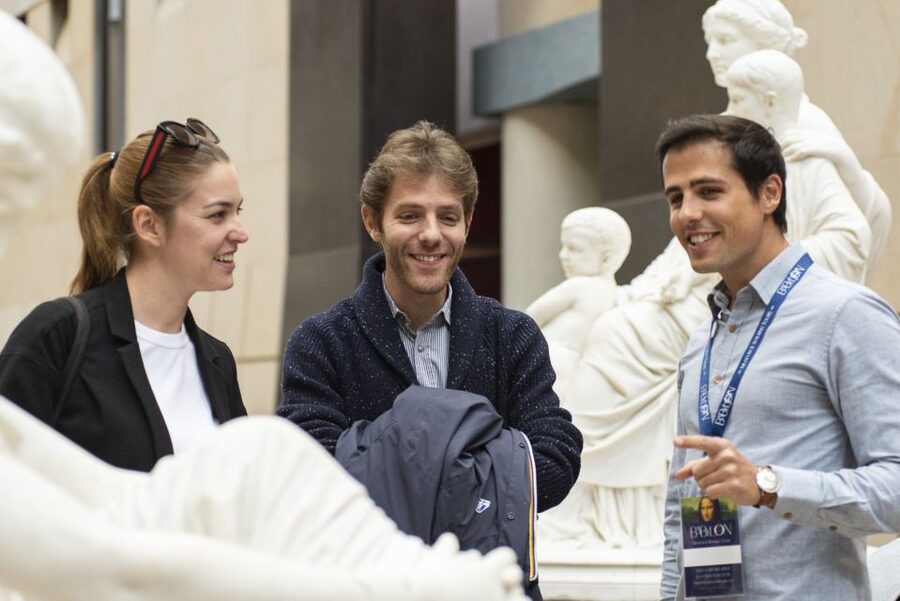
The Lewis Chessmen provide a welcome change of mood after the grand scale of royal monuments. These small medieval figures, carved from walrus ivory, include kings, queens, bishops, knights, and other playing pieces.
They are visually appealing, but they also offer a glimpse into leisure, craftsmanship, trade, and social structure. A chess set can reveal how people imagined power and hierarchy, while the individual expressions give the pieces an unusual personality.
This is the kind of object I might have missed on my own. The British Museum contains millions of items, and the most famous monumental works naturally pull attention away from smaller displays. A guide helps you notice why a compact set of game pieces deserves a place among the museum’s major attractions.
The Lewis Chessmen are also a useful stop for families. They are easier for children to connect with than a long inscription or a damaged architectural fragment. Guides such as Luis, Alex, and Ivo have been especially effective at making the visit work for children and teenagers as well as adults.
The Oxus Treasure and the reach of ancient empires
The Oxus Treasure brings the tour into the world of Persian art and ancient trade. This collection of gold objects shows the technical skill and wealth of the Achaemenid Persian Empire, while also suggesting how goods, ideas, and artistic styles moved across wide regions.
You may find small gold figures, vessels, and decorative pieces more difficult to interpret without help. A guide can explain what the objects were made from, what they may have been used for, and why the find matters beyond its precious material.
This is a good example of the tour’s wider purpose. The museum is not only about Britain, Egypt, Greece, or Rome. Its collection reaches across Central Asia, the Middle East, Europe, Africa, and Asia. The Oxus Treasure helps correct the idea that ancient history developed in isolated pockets.
The stop may be less instantly familiar than the Rosetta Stone, but that is part of its appeal. You leave with a better sense of how many major cultures and artistic traditions sit within the same building.
Mummies, samurai armor, and the Royal Game of Ur
The Mummy of Katebet gives the Egyptian section a more personal focus. Rather than treating mummification as a vague ancient custom, the object allows the guide to discuss an individual person and the beliefs, rituals, and hopes connected with death.
Samurai armor shifts the subject to Japan and shows how protection, status, and visual design could meet in one object. Armor is practical, but it also communicates rank and identity. You may find it easier to understand the past when the object has a clear physical purpose.
The Royal Game of Ur offers another small but revealing link to daily life. It is an ancient board game, yet it also tells you about leisure, craftsmanship, and the kinds of objects people valued thousands of years ago.
These stops may not all receive the same amount of time. The exact route depends on the guide, crowd levels, and what is accessible on the day. The tour’s purpose is not to guarantee every object in a fixed order, but to give you a strong sample of the museum’s range.
What the guides do best
The most consistent strength is the quality of the guiding. Names that have received especially warm praise include Andy, James, Sasha, Stef, Luis, Sheldon, Becks, Ivo, Matilda, Tony, and Emily.
That does not mean every guide uses the same script. Some focus more on storytelling, some on historical detail, and some on keeping children involved. Stef and Sacha are noted for energy and humor, while Sheldon is praised for explaining the museum clearly and efficiently. Matilda’s enthusiasm has even helped people continue talking about the visit after leaving.
The best guiding also involves knowing when not to overload you. One useful approach is to spend serious time on a smaller number of objects that represent the collection as a whole. That gives you something to remember instead of a blur of names and dates.
A few people have wanted more objects or another half hour. That is a fair criticism. If you like to cover ground quickly, you may wish the tour moved faster. If you prefer a deeper explanation, the 2.5-hour limit may feel short. The private option gives you a better chance to shape the emphasis.
Small group, private tour, and family fit
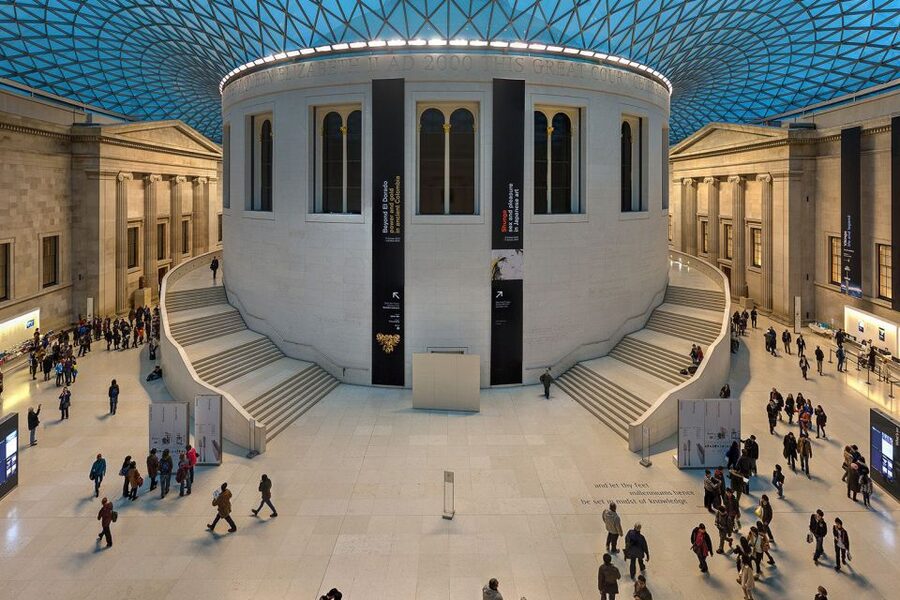
The semi-private version allows up to eight people, with at least two required for the tour to run. That is a useful middle ground: you get a more personal experience than a large group, without paying for a completely private booking.
Choose private if you have strong interests, need a slower pace, or want a wheelchair-accessible route. Wheelchair tours are available on request, but only as private tours. The general information also lists the experience as unsuitable for wheelchair users, so you should confirm the private arrangement before booking.
The tour involves a small amount of walking. Large bags and luggage are not allowed, and you should bring a passport or other identification. Hotel pickup and drop-off are not included, and temporary exhibitions cost extra if you want to see them.
Families can do very well on this tour, especially with a guide who keeps the discussion lively. The combination of mummies, armor, games, animals, and gold gives younger visitors several ways into the subject. Still, two and a half hours of museum viewing is a long stretch for a very young child.
Is $112 a fair price?
At $112 per person, this is not the budget way to enter the British Museum. The value depends on what you want from the visit.
If you are content to wander, read labels, and return for a second visit, you may prefer to explore independently. The museum’s enormous collection rewards slow browsing, and a self-guided visit gives you complete freedom.
I think the price makes more sense when your London schedule is tight or when the museum feels intimidating. You are paying for direction, interpretation, crowd navigation, and the chance to ask questions. A guide can help you understand in 2.5 hours what might otherwise take much longer to organize.
It is also good value for a first-time visitor who wants a framework for coming back later. After the tour, you can revisit galleries with a better sense of what interests you. The experience works best as an introduction, not as a replacement for a full day at the museum.
Free cancellation up to 24 hours before the start and a reserve-now, pay-later option reduce some booking risk. Daily availability gives you useful flexibility, though you still need to check the meeting point for the option you choose.
Who should book this British Museum tour?
Book it if you want the museum’s major stories explained clearly and you prefer a human guide to an audio device or printed map. It is particularly suitable for first visits, short stays in London, families with older children, and anyone who feels overwhelmed by a collection of this size.
History lovers will appreciate the detail, while casual museumgoers can rely on the guide to make the objects approachable. The tour also suits people who want honest discussion of empire, collecting, and disputed ownership rather than a polished version of British history.
Skip it if you want to spend an entire day examining one section at your own speed, or if $112 is more than you want to spend on a museum visit. You should also avoid assuming that every advertised object will be visible, since loans, restoration, and gallery conditions can change the route.
For most first-time visitors with limited time, I would book the semi-private option if available. Pick private if you want a customized focus, need wheelchair access, or are traveling with a group that wants to move at its own pace. This is a smart way to get your bearings fast, then return to the museum on your own terms.
FAQ
How long does the British Museum highlights tour last?
The tour lasts between 2 and 2.5 hours. Starting times vary, so you need to check availability for your chosen date.
Which objects are included?
Highlights generally include the Rosetta Stone, Assyrian Lion Hunt reliefs, Parthenon sculptures, Lewis Chessmen, Oxus Treasure, Royal Game of Ur, Mummy of Katebet, and samurai armor. Objects can be unavailable if they are on loan or being restored.
Is the tour private or shared?
You can choose a private tour or a semi-private tour. Semi-private groups have a maximum of eight people, and at least two people must book for the tour to operate.
What language is the tour offered in?
The live tour guide speaks English.
Is the tour suitable for wheelchair users?
Wheelchair tours are available on request as private tours only. The guide cannot provide a semi-private small-group tour for visitors who require wheelchair access.
Can I cancel or pay later?
You can cancel up to 24 hours before the tour for a full refund. You can also reserve your place and pay later, keeping your plans flexible.
Just added around London
- Westminster and National Gallery 3.5-Hour Tour in Italian★ 4.9 · 28 reviews
- British Museum & Camden Town – Private Tour in Italian★ 4.8 · 26 reviews
- London: Westminster Abbey & Jubilee Galleries Guided Tour★ 4.9 · 56 reviews
- London: Sherlock Holmes Museum & Westminster Walking Tour★ 4.4 · 13 reviews
- London: Royal Museums Greenwich Day Pass★ 4.5 · 309 reviews
- London: Tickets for Moco Modern & Contemporary Art Museum★ 4.7 · 391 reviews
- London: The Courtauld Gallery at Somerset House Entry Ticket★ 4.6 · 126 reviews
- London: Twist Museum Ticket★ 4.4 · 66 reviews
Museum Tours in London, compared.
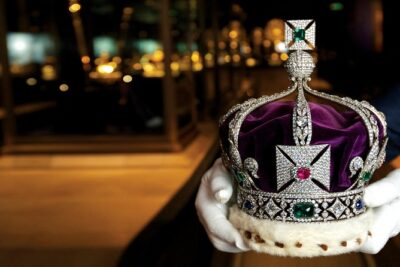
Tower of London and Crown Jewels Exhibition Ticket
Read our review →
Chelsea Football Club Stadium and Museum Tour
Read our review →


Official tickets: Moco Modern & Contemporary Art Museum
Read our review →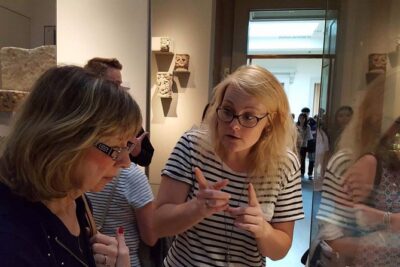
British Museum London Guided Tour Semi-Private 8ppl Max
Read our review →
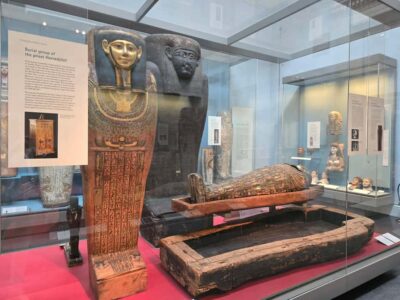
British Museum Guided Tour with Entrance Tickets
Read our review →Browse the lists this tour appears in