
Review · THE UK
Barbara Hepworth Museum & Sculpture Garden: entry to site.
Barbara Hepworth’s former home gives you something a standard gallery cannot: her sculptures remain in the rooms and garden where she lived and worked. You move from career photographs and artefacts to smaller works indoors, then outside among larger pieces and dense planting.
I like the personal sense of place and the way the sub-tropical garden changes how you see the sculpture. I also like the modest scale, which lets you spend time with each work instead of racing through a huge collection. The drawback is that the site is small, with only one toilet and no café or refreshment facilities.
Key points
- See Hepworth’s original home and garden, kept close to how they were during her time in St Ives.
- Follow her career through archive photographs and artefacts before reaching the museum rooms.
- View paintings, drawings, and abstract sculptures in her former living area.
- Walk among larger sculptures in a sub-tropical garden, where the planting forms part of the experience.
- Look toward the work studios and gain a better sense of the place as a working home, not only an exhibition.
- Plan for a simple, compact visit, with no café, limited souvenirs, and one toilet on site.
Why Barbara Hepworth’s home feels different from a regular museum
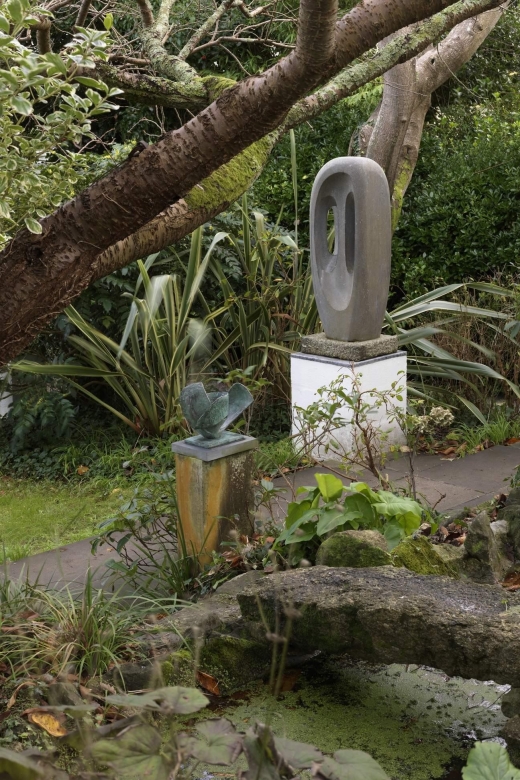
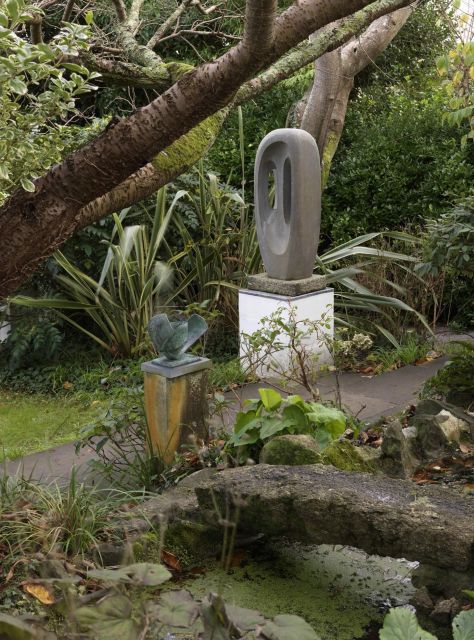
At a conventional art museum, you see the finished object in a carefully controlled room. Here, the setting carries much of the meaning. Hepworth’s work is presented in her former home and garden, and the site has been kept largely as it was when she lived and worked in St Ives.
That matters because her sculptures often depend on space, light, shadow, and the relationship between solid form and open air. A sculpture in a white gallery can look measured and distant. The same sort of work outdoors, surrounded by planting, can feel more physical and immediate.
I would not treat this as a large museum with room after room of objects. It is a compact visit with a clear route. You begin in the admission area, see material from Hepworth’s career, go upstairs to the museum rooms, and then head outside into the garden.
The appeal is not quantity. It is the connection between the art and the place. You are seeing selected works in a setting that formed part of Hepworth’s everyday life.
A few more museum visits around the UK worth comparing
- London: Tower of London and Crown Jewels Exhibition Ticket
★ 4.6 · 28,769 reviews - Liverpool: Liverpool Football Club Museum and Stadium Tour
★ 4.8 · 10,764 reviews - Tower of London and Crown Jewels Exhibition Ticket
★ 4.5 · 6,677 reviews
Starting with photographs, archives, and career details
Your visit begins in the admission area, where chronological photographs and artefacts introduce Hepworth’s career. This is a useful first stop, particularly if you know her name but not much about her working life.
The chronological arrangement gives you a basic framework before you see the sculptures. Rather than meeting the work without context, you can first get a sense of Hepworth’s development and the stages of her career.
This section also helps put the home into perspective. You are not simply entering an attractive old property with art added later. The photographs and archive material establish the site as part of Hepworth’s professional and personal story.
I recommend taking a few minutes here instead of hurrying upstairs. The display is not described as a large archive, but it gives the visit a useful beginning. It also makes the later sculptures easier to consider, especially if modern art is not usually your first choice.
Upstairs among paintings, drawings, and abstract sculpture
From the admission area, you go upstairs into the museum rooms in Hepworth’s former living area. This is where you see a selection of her paintings, drawings, and abstract sculptures.
The indoor collection gives you a close look at the range of her work. Paintings and drawings provide a different way into her ideas, while the sculptures show how she worked with shape, balance, openings, and volume.
Because the collection is presented in her former living space, the mood is more domestic than formal. You are not walking through a vast series of galleries. Instead, you are seeing selected pieces in rooms connected to the artist’s daily life.
That compact scale can work in your favor. I find that a smaller selection gives me time to look properly. You can notice how each work occupies the room and how the setting changes your response to it.
The visit is likely to be especially rewarding if you already enjoy modern art, but you do not need specialist training to appreciate the setting. The archive display gives you a starting point, and the garden offers a more direct, physical encounter with the larger works.
The sculpture garden and its sub-tropical planting
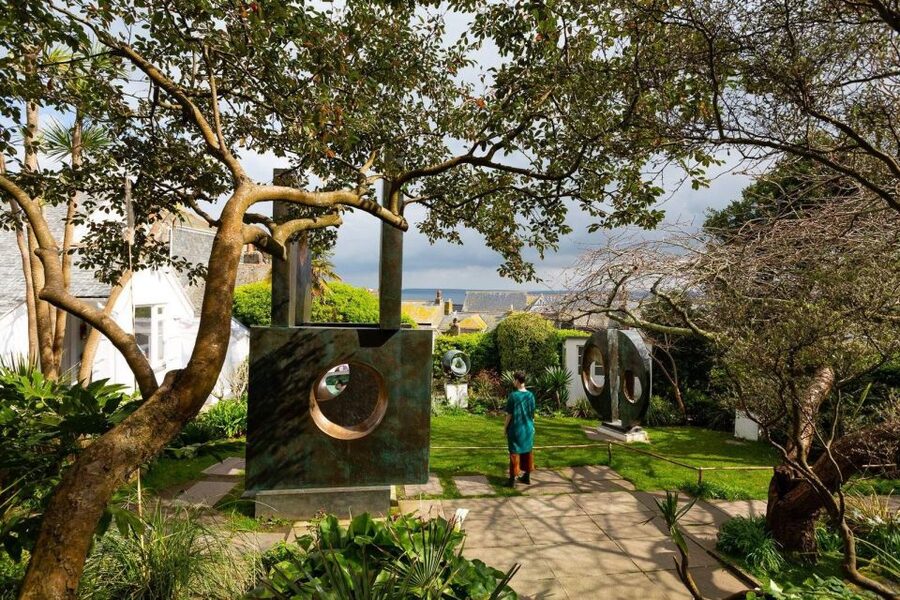
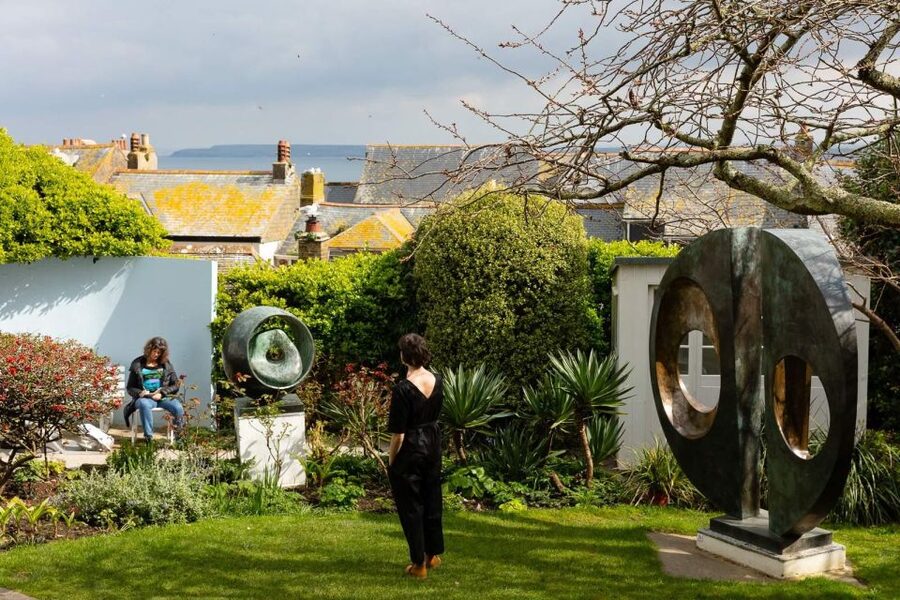
The garden is the heart of the visit for many people. Outside, larger-scale sculptures are set among sub-tropical planting, creating a meeting point between art and garden design.
This is not just a patch of greenery beside the museum. The garden changes the way you experience the sculptures. Planting, open space, and outdoor light give the works room to breathe, while the sculptures provide structure and focus among the plants.
I like that the garden is part of the original character of the place. It does not feel like a separate attraction added to increase the ticket value. The home, studios, sculptures, and planting belong to the same story.
One particularly useful way to approach the garden is to slow down. Look at a sculpture from more than one angle. Notice how the surrounding leaves and branches frame it. Then step back and see how the whole arrangement works together.
The garden also makes this visit appealing to people who are not committed modern-art fans. You can come for Hepworth’s work and enjoy the planting, or arrive as a garden lover and find a manageable introduction to her sculpture.
Do not expect a formal garden tour or detailed horticultural explanation. The information provided focuses on Hepworth, her work, and the site. The garden’s value comes from its atmosphere and its relationship with the sculpture.
Same city, a completely different collection:
- London: Chelsea Football Club Stadium and Museum Tour
★ 4.8 · 4,576 reviews - Chelsea FC Stadium Tours and Museum
★ 5.0 · 1,908 reviews - London Transport Museum Entrance Ticket
★ 4.5 · 1,323 reviews - Manchester: National Football Museum Admission Ticket
★ 4.4 · 1,243 reviews
Seeing the studios and the working side of the property
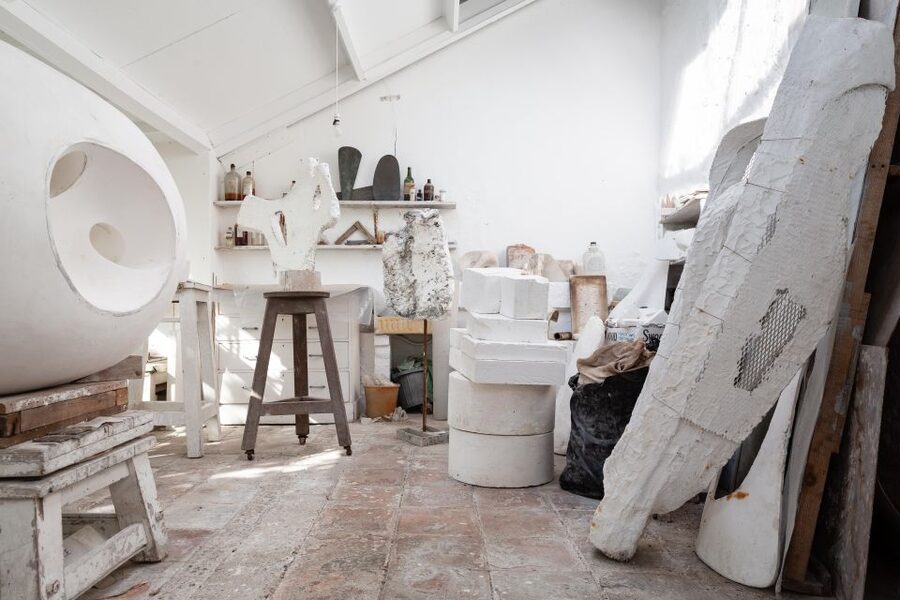
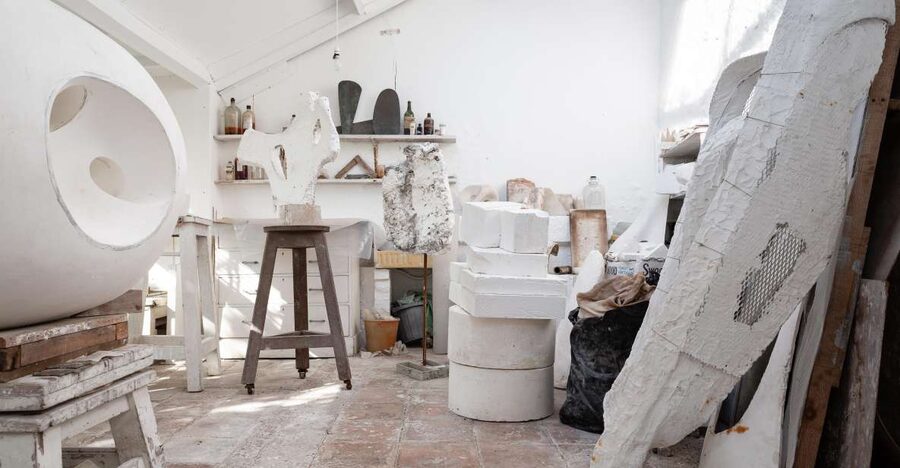
The ticket includes views of Hepworth’s work studios. This is an important part of the experience because it shifts your attention from finished works to the place where artistic work happened.
A studio view can tell you things that a display label cannot. It helps you picture the practical side of sculpture, including the space needed to make and handle larger pieces. Even without a full studio demonstration, seeing the working spaces adds weight to the garden sculptures outside.
The studios also help connect the archive material with the physical site. The photographs show Hepworth’s career, the indoor rooms show selected pieces, and the studio views point back toward the process of making them.
The information does not promise access to every working area or a live demonstration, so I would treat this as a visual part of the visit rather than a workshop. Still, it is valuable for anyone interested in how an artist’s home and workplace can overlap.
How long should you allow?
The ticket is valid for one day, and the published duration is listed as one day rather than a fixed guided-tour length. That gives you flexibility in planning your visit, but it does not mean the site is a full-day attraction.
One visitor described spending a magical and inspirational hour there. That is a useful guide to the likely scale of the experience, though your timing will depend on how closely you read the archive displays and how long you spend in the garden.
I would think of it as a focused museum and garden visit rather than a day-long activity. Art lovers may want more time with the indoor works and studios. Garden fans may linger outside. Someone making a quick stop in St Ives can keep it shorter.
The small scale is part of the charm, but it also sets a limit. If you want a large collection covering every phase of Hepworth’s career, this will feel selective. If you prefer a concentrated visit with a strong connection to place, the size works well.
Is the $13 admission good value?
At about $13 per person, the ticket is reasonably priced for access to a former home, garden, archive material, indoor artwork, studio views, and outdoor sculpture.
The value comes from the combination. You are not paying only to see a few sculptures, and you are not paying only for entry to a garden. The ticket joins the two, with Hepworth’s living and working spaces providing the link.
The collection is selective, so value depends on your interests. If you are mainly looking for a broad survey of modern art, a larger art museum may offer more works and more context. If you want to understand how Hepworth’s sculpture relates to her home and garden, this ticket gives you something more specific.
The absence of a café or refreshment service is worth noting. It keeps the site close to its original character, but you should eat and drink before or after your visit. Food and drinks are not allowed on site, and the souvenir range is limited.
Practical points before you go
There is no meeting point because this is a direct admission visit. The experience provider is Tate St Ives, and the activity is listed as a small-group experience with a limit of nine participants.
The site is wheelchair accessible, but wheelchair access uses a side-street entrance and needs to be arranged ahead of your visit. Mobility scooters are not allowed. If you need the accessible entrance, make that request before arriving rather than assuming the main route will work for you.
There is only one toilet on site. That is a small detail, but it matters at a compact property with no café or public refreshment facilities.
Large bags, oversize luggage, bikes, skateboards, skates, surfboards, tripods, drones, and professional cameras are not allowed. Flash photography is also prohibited, as are food, drinks, alcohol, vaping, and smoking.
You cannot touch the exhibits, climb, feed animals, or bring pets. Assistance dogs are allowed. Unaccompanied minors and party groups are not permitted, so this is best approached as a quiet cultural visit rather than a group social activity.
The booking terms allow free cancellation up to 24 hours before the visit, and you can reserve now and pay later. That is useful if your St Ives plans may change, but check the available starting times before booking because the ticket has a one-day validity rather than unlimited open access.
Who will enjoy this visit most?
I would recommend it first to people who already like Barbara Hepworth, modern sculpture, or artist homes. The chance to see selected works in her former living area and garden gives the visit a strong sense of connection.
It also suits anyone who likes gardens with a story. The sub-tropical planting is not an extra feature to rush past. It shapes the outdoor experience and provides the setting for the larger sculptures.
Art newcomers can enjoy it too. The archive photographs and artefacts provide an introduction, while the small scale avoids the fatigue that can come with a huge museum.
Families should check the restrictions and think about the pace of the visit. Touching, climbing, food, drinks, and unaccompanied minors are not allowed. The site is better suited to children who can enjoy a calm museum and garden visit.
I would be less keen to recommend it to someone seeking a full-day attraction, extensive shopping, café time, or a large souvenir selection. The property is intentionally modest, and that is both its strength and its limitation.
Should you book the Barbara Hepworth Museum and Sculpture Garden?
Book it if you want to see Hepworth’s work in the setting where she lived and worked, rather than only in a standard gallery. The garden, studio views, archive material, and former home make the $13 admission feel well judged for the right visitor.
I especially like the pairing of sculpture and planting. The indoor collection gives you context, while the garden lets you see how large works change when placed outdoors. The site’s preserved character adds something that a newly arranged exhibition cannot easily reproduce.
Skip it if you need a café, extensive facilities, a large collection, or a fixed full-day schedule. For most art lovers visiting St Ives, though, this is a focused and worthwhile stop. Allow enough time to read the archive material, look closely at the indoor works, and walk the garden without rushing.
FAQ
Where is the Barbara Hepworth Museum and Sculpture Garden?
It is in St Ives, in South West England, United Kingdom.
What does the admission ticket include?
The ticket includes entry to Barbara Hepworth’s original home and garden, archive information and images, abstract sculptures, paintings, drawings, the sub-tropical garden, and views of the work studios.
How much does admission cost?
The listed price is $13 per person.
Is the ticket valid for a full day?
The ticket is valid for one day. Starting times depend on availability, so check the available options when booking.
Is the site wheelchair accessible?
Yes. Wheelchair access is available through a side-street entrance, but you need to arrange this ahead of your visit.
Is there a café at the museum?
No. The site has no café or refreshment facilities. Food and drinks are not allowed, so plan refreshments outside the property.
Are pets allowed?
Pets are not allowed. Assistance dogs are permitted.
Can I take photographs?
Photography is subject to restrictions. Flash photography, tripods, and professional cameras are not allowed, and you may not touch the exhibits.
Just added around the UK
- Westminster and National Gallery 3.5-Hour Tour in Italian★ 4.9 · 28 reviews
- British Museum & Camden Town – Private Tour in Italian★ 4.8 · 26 reviews
- Glasgow: Rangers Football Club Museum★ 4.6 · 103 reviews
- Edinburgh The King’s Gallery Entrance Ticket★ 4.3 · 54 reviews
- The Royal Mint Experience: Ticket, Guided Tour & Exhibition★ 4.6 · 57 reviews
- London: National Gallery of London Masterpieces Guided Tour★ 4.9 · 78 reviews
- London: British Museum Highlights Guided Small Group Tour★ 4.9 · 113 reviews
- Stratford-upon-Avon: Tudor World Museum Entrance Ticket★ 4.4 · 34 reviews
Museum Tours in the UK, compared.
Tower of London and Crown Jewels Exhibition Ticket
Read our review →
Liverpool Football Club Museum and Stadium Tour
Read our review →
Tower of London and Crown Jewels Exhibition Ticket
Read our review →
Chelsea Football Club Stadium and Museum Tour
Read our review →


Browse the lists this tour appears in