
Review · CROATIA
Dubrovnik: Red History Museum Regular Ticket
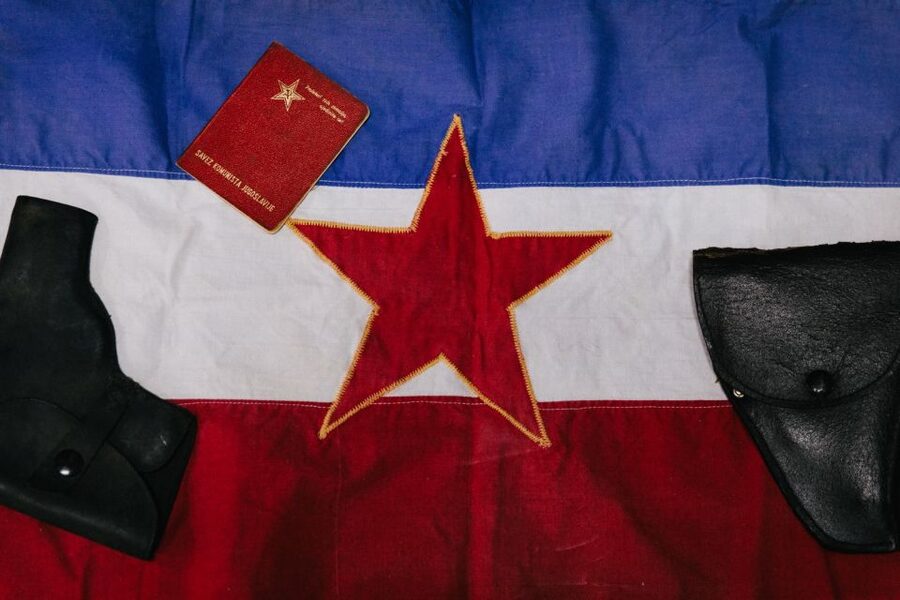
Dubrovnik’s Red History Museum does something the city’s medieval walls cannot: it explains the recent past that shaped modern Croatia. Inside a former 1953 factory complex, you move through rooms filled with Yugoslav design, politics, music, household objects, and stories from daily life under Communist rule.
I like the hands-on displays, especially the Yugo 45 and the chance to handle or examine period products. I also like the way the museum joins politics with pop culture, so the past feels like real life rather than a list of dates. The main drawback is its small size, and some digital features may need clearer instructions.
Key points
- A former 1953 factory gives the museum an authentic setting in Dubrovnik’s port area.
- The Yugo 45 makes an easy photo stop and adds a touch of humor to serious history.
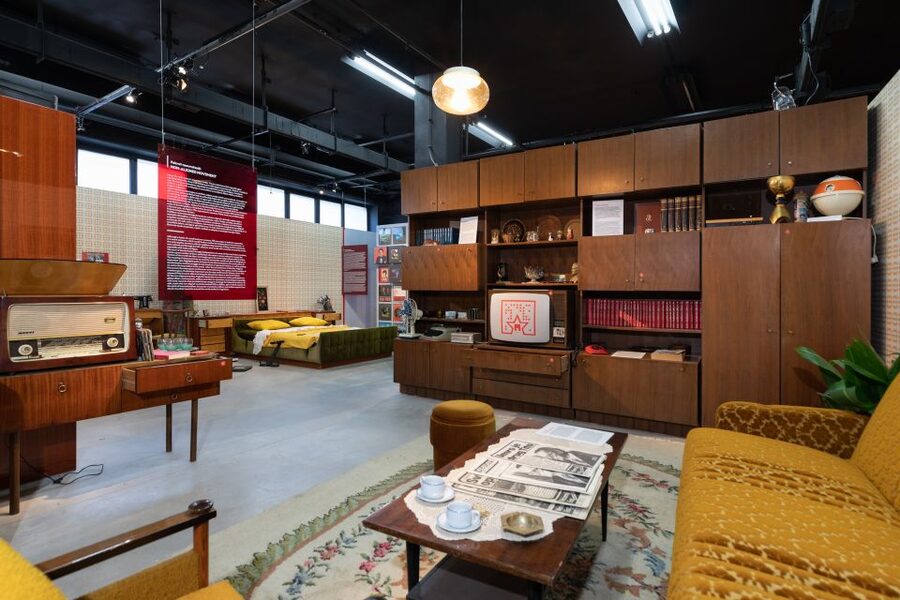
- Reconstructed home interiors show how people lived in Yugoslavia during the 1970s and 1980s.
- Displays cover politics, art, design, music, secret agencies, and the Non-Aligned movement.
- Communist-era versions of Coca Cola and Fanta give you an unusual taste of the period.
- The $11 ticket is good value if you want context for Croatia beyond the Old Town.
Why Dubrovnik’s communist past matters
Most of Dubrovnik’s famous sights point backward to the Republic of Ragusa, the Venetian world, or the city’s medieval defenses. The Red History Museum looks at a much closer period, one that still affects family memories, political views, products, and national identity.
Croatia was part of Yugoslavia under Communist rule until the country’s break-up in the early 1990s. That history is not ancient background. It is part of the lives of parents, grandparents, and many adults you may meet in Croatia today.
I find this recent focus useful because it gives you a better sense of present-day Croatia. The museum does not only ask what the political system looked like. It asks how that system shaped homes, jobs, holidays, advertising, entertainment, consumer goods, and private behavior.
That makes the visit worthwhile even if you know very little about Yugoslavia. You can follow the story through objects and images, rather than relying on a long lecture.
A few more museum visits around Croatia worth comparing
- New York City: American Museum of Natural History Ticket
★ 4.5 · 15,447 reviews - Venice: St. Mark Basilica Ticket, Audioguide+History Gallery
★ 3.9 · 4,780 reviews - Berlin: Natural History Museum Entrance Ticket
★ 4.6 · 3,382 reviews
Entering the T.U.P. factory complex
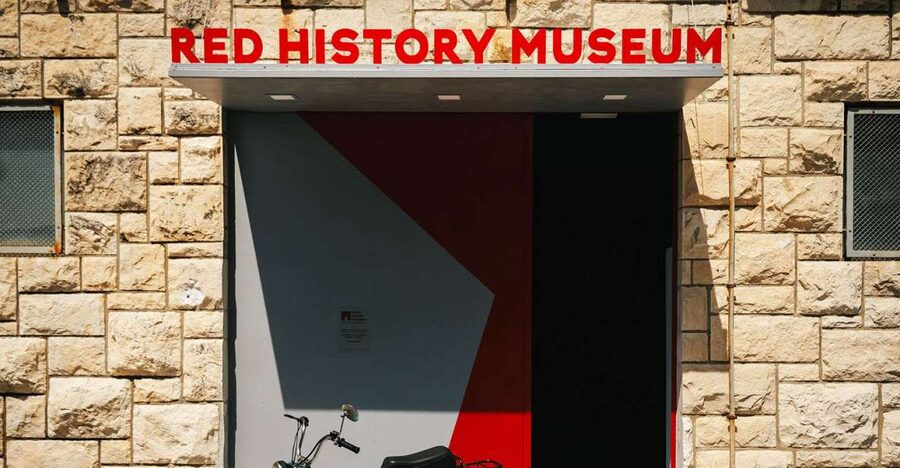
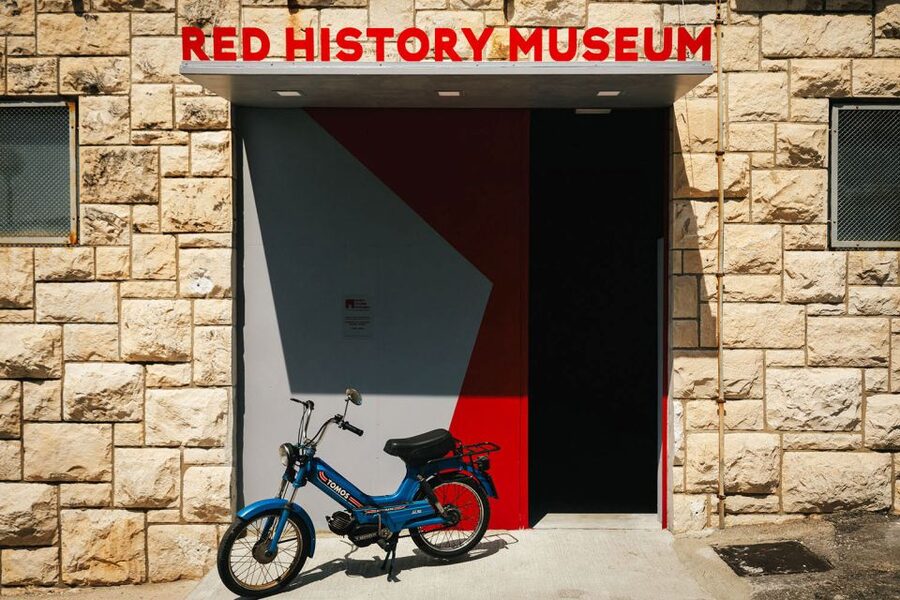
The museum occupies the last factory complex in Dubrovnik, a site built in 1953 in the port area. The setting is important. This is not a modern gallery removed from the subject. The building connects the museum to the industrial world that helped support Yugoslav life.
The former T.U.P. complex also gives the museum a different feel from the polished stone streets of the Old Town. You are stepping into a part of Dubrovnik that many short city visits miss, with a focus on work, production, and ordinary urban life.
The museum is described as a small attraction, so plan your expectations accordingly. You are not signing up for a half-day institution with endless galleries. Instead, you get a compact visit with many subjects packed into a manageable space.
That size can work in your favor. You can spend time with the displays that interest you most without feeling buried under information. If you are visiting Dubrovnik in hot weather or between other activities, the museum fits more easily into your day than a major historical complex.
A walk through Yugoslav everyday life
The strongest part of the museum is its attempt to show how Communism felt in daily life. Politics matters here, but you also see the furniture, household objects, images, and design choices that made up ordinary homes.
A reconstructed house gives you a useful frame of reference. Old furniture from the 1970s and 1980s helps turn an abstract period into something physical. You can picture the rooms, colors, objects, and habits of a Yugoslav household instead of treating the era as a story about leaders alone.
I especially value this approach because political history can become too distant. A home reconstruction shows what an ideology looked like after it entered the living room.
The museum also presents both sides of socialist life. It does not reduce the period to a single joke or a single condemnation. You may see the appeal of a society that promised security and shared purpose, along with the limits imposed by the Communist Party and the pressure to conform.
That balance is one reason the museum works well for visitors with different backgrounds. If you remember Yugoslavia, it can refresh personal memories. If you do not, it offers a starting point for understanding family stories and current debates.
Politics, secret agencies, and the Non-Aligned world
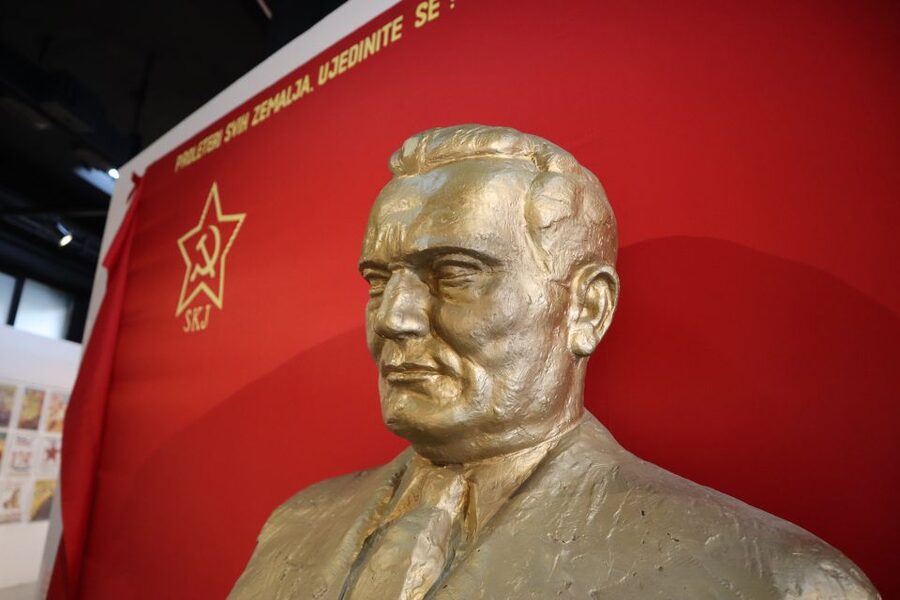
The displays move beyond home life into the political structure of Yugoslavia. You learn about the Communist Party, state power, secret agencies, and the way people lived under official scrutiny.
The phrase under the watchful eye is not just a dramatic idea here. The museum uses personal stories to show how political control could affect ordinary people. These stories add a human scale to subjects that might otherwise feel dry.
Another important topic is Yugoslavia’s role in the Non-Aligned movement. This helps explain why the country followed a path different from the Soviet Union and many other Communist states. The subject can be unfamiliar to visitors, but it is central to understanding Yugoslavia’s place in the Cold War world.
You should not expect a full university course on the period. The museum gives you an accessible introduction, with enough material to make you curious about the larger story. If you already have detailed knowledge of Yugoslav politics, you may find the treatment brief, but the combination of objects, images, and visual displays still gives the visit a clear structure.
Same city, a completely different collection:
- Blue Lagoon & Underwater Museum from Split with Lunch & Drinks
★ 4.5 · 1,122 reviews - Zagreb: Skip-the-Ticket-Line Museum of Broken Relationships
★ 4.5 · 847 reviews - Zagreb: Nikola Tesla Technical Museum Ticket
★ 4.5 · 520 reviews - SPLIT-PRIVATE Walking Tour of Diocletian’s Palace & Old Town
★ 5.0 · 467 reviews
Art, design, music, and pop culture
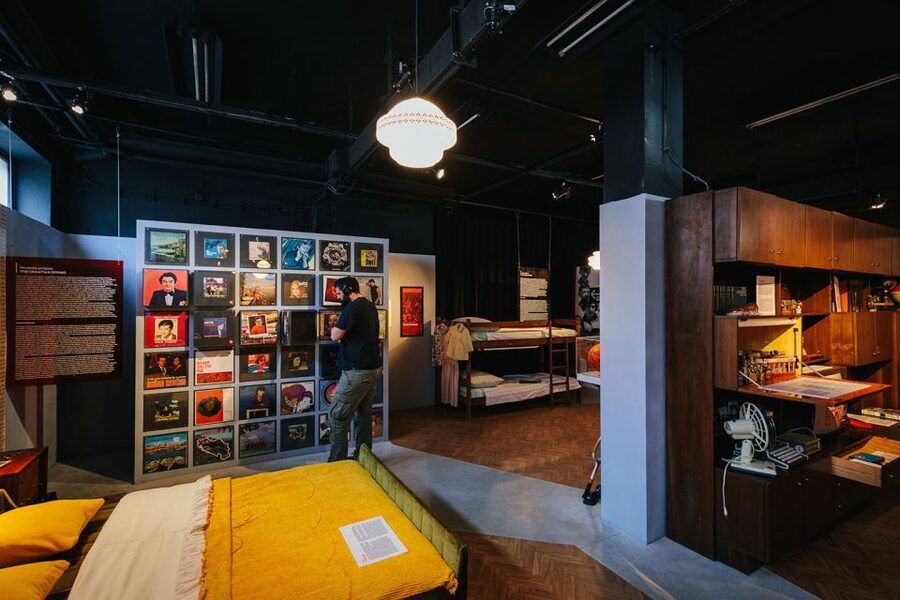
I like that this museum does not treat history as only speeches, borders, and political events. Art and design help explain how a society presented itself, both at home and abroad.
The museum also uses music from the period. Hearing the era’s greatest hits gives the displays an extra layer, especially when you are looking at furniture, advertising, clothing, or household products from the same years. Music can make a period feel familiar even when the politics are new to you.
Pop culture is another helpful entry point. Products and packaging show how Yugoslavia developed its own consumer culture while operating under a socialist system. This is where the museum’s parallel universe idea becomes especially clear.
You can see communist versions of familiar drinks such as Coca Cola or Fanta. These are not merely novelty objects. They show how local production and political conditions affected what people could buy, recognize, and desire.
The displays make room for contradiction. Yugoslav citizens were not living in a sealed world with no contact with the West. The country had its own identity and products, yet Western brands and cultural influences still mattered.
The Yugo 45 and the lighter side of the museum
The Yugo 45 is one of the museum’s most memorable objects. Often mocked as the worst car ever, it gives you an easy way into the practical side of Yugoslav life.
You can take a photo in the car, which adds a welcome bit of fun to a museum dealing with surveillance, political control, and difficult memories. The car also shows how an everyday product can become a symbol of a whole system.
For some visitors, this will be the highlight. It is visual, physical, and easy to understand, even if you arrive with no background in Yugoslav history. For others, it may feel like a quick novelty beside the more serious material.
I see it as a useful balance. A museum about Communism should not become grim from start to finish. The Yugo 45 gives you a laugh, but it also links the political story to transport, manufacturing, family life, and consumer ambition.
Goli Otok behind the curtains
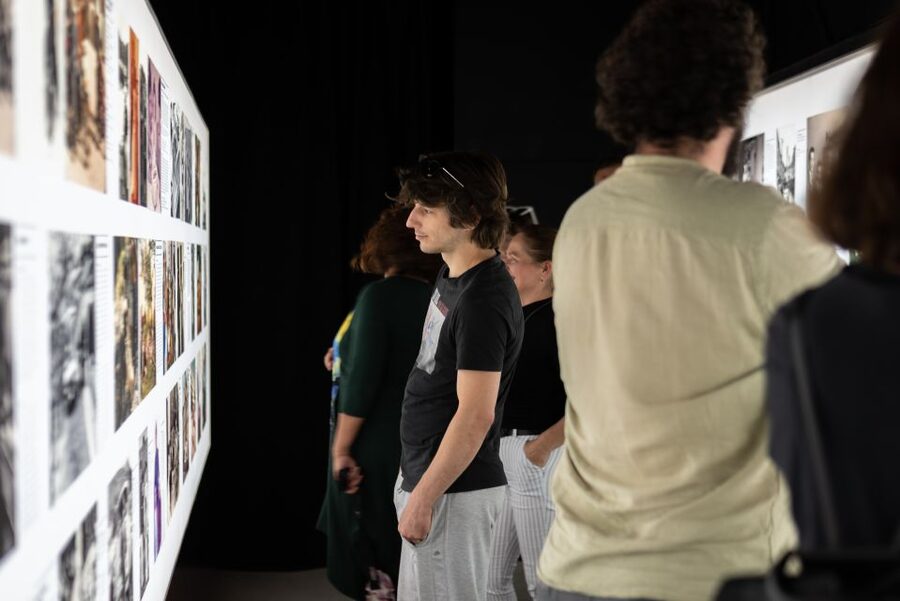
The museum includes material about Goli Otok, a former prison island associated with political prisoners in Yugoslavia. This is one of the more serious parts of the visit.
The material is placed behind curtains, which creates a small physical pause before you see it. That arrangement signals a change in tone without turning the subject into a theatrical show. You can approach the material with more care and attention.
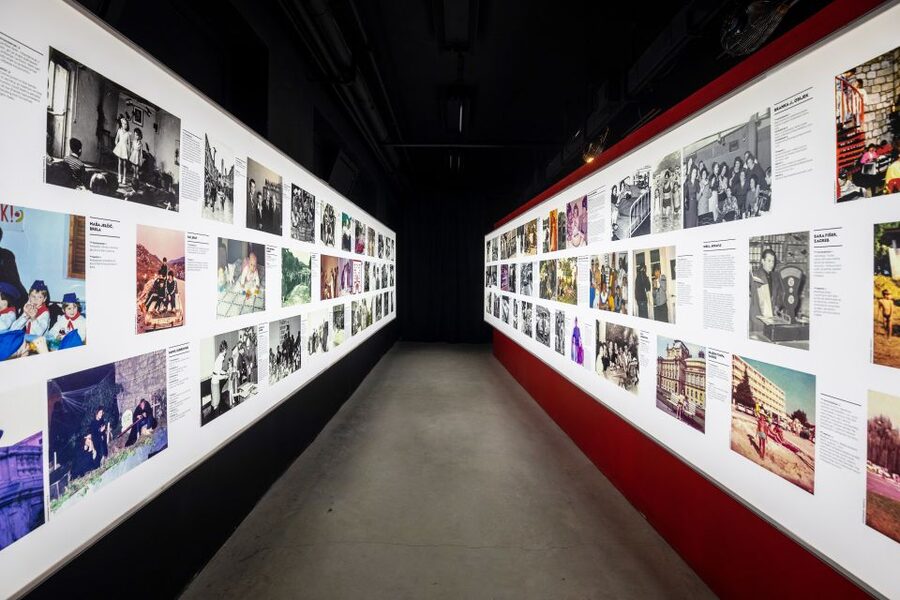
The museum also includes a collection of photographs that follows this section. These images help connect the island and its history to real people and real consequences.
You should give this area time. The museum is small, but not every display deserves the same quick glance. The Goli Otok section carries more weight than the product displays or the Yugo, and rushing through it would weaken the visit.
At the same time, the museum cannot cover every detail of the prison system, political repression, or the break-up of Yugoslavia in one compact attraction. Think of this as an introduction and a prompt for further reading, not the final word on the subject.
Interactive features and digital material
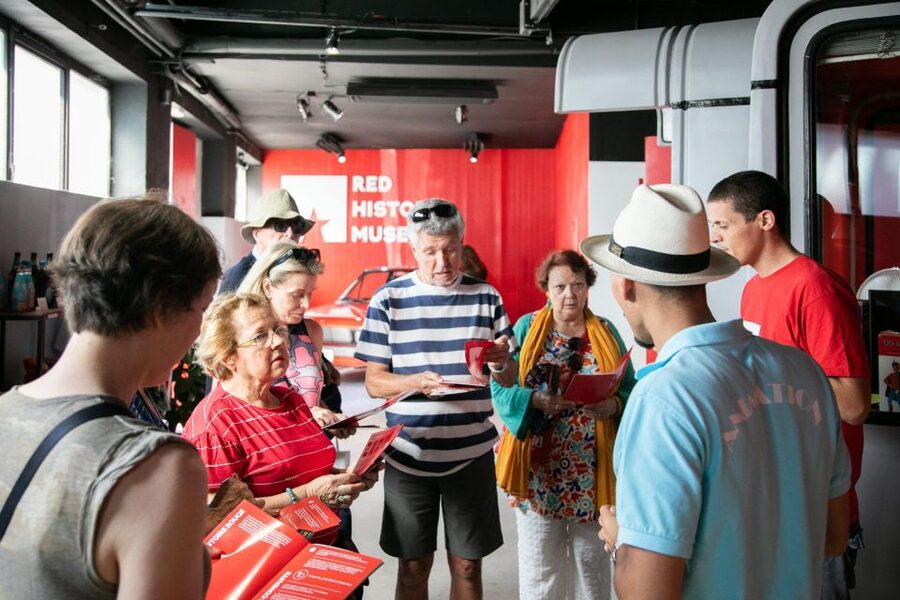
The museum mixes older objects with newer technology. You may encounter digital displays, scanned images, and interactive elements that let you approach the material in more than one way.
This mix helps keep the information from feeling like a wall of text. One display may ask you to look at an object, another may use sound, and another may offer a digital image or political context. The changes in format are especially useful for families and for anyone who loses focus in traditional museums.
One practical point: some of the scanned-image features may not be immediately clear. Instructions on how to use them could be better, and a digital element may not respond as expected. If a screen or scan seems inactive, ask a staff member rather than assuming you have missed something.
Viktor has been particularly helpful with explanations during visits. Since the ticket is for regular entry, I would not assume that a dedicated guide is included or that Viktor will be available every time. Still, staff assistance can add useful context when a political reference or digital display leaves you unsure.
How much time should you allow?
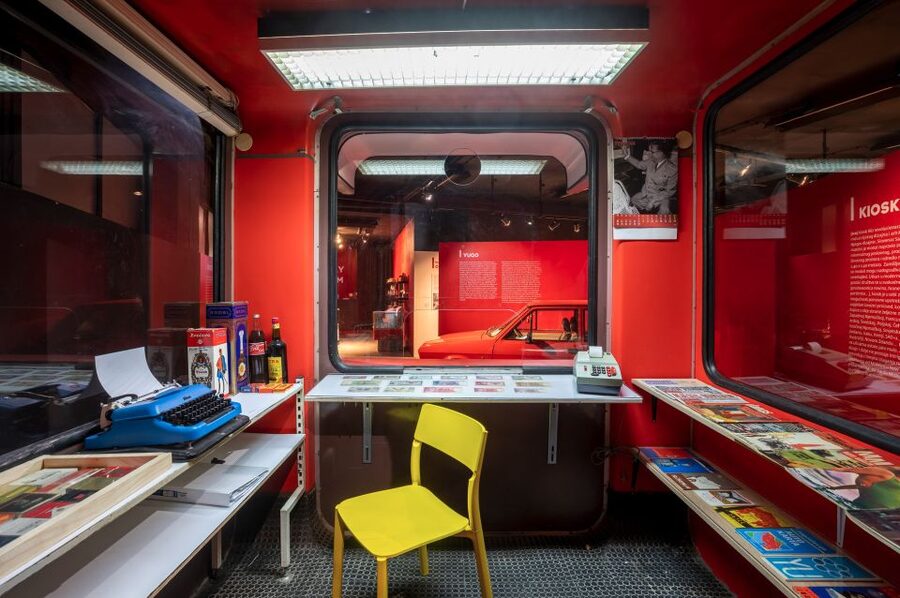
No visit length is provided, so I would avoid building a rigid schedule around it. The museum is small, but its subject matter rewards a slower pace than its size might suggest.
If you simply want to see the main objects, take the Yugo photo, sample the product displays, and move on, you can make it a short stop. If you read the political material, listen to the music, examine the household reconstruction, and spend time with Goli Otok photographs, you will get more from your $11 ticket.
This is also a good attraction to pair with other Dubrovnik plans. It gives you a break from the Old Town’s stone streets and adds modern historical context to a city often presented only through its medieval and maritime past.
Is the $11 ticket good value?
At $11 per person, the museum is reasonably priced for a focused cultural attraction. The value depends on what you want from Dubrovnik.
If your main goal is panoramic scenery, beaches, or famous filming locations, this may not be your priority. If you want to understand Croatia through the twentieth century, the ticket buys a useful amount of context for a modest cost.
The museum offers more than a display of old objects. You get an interactive presentation, music, household scenes, political material, digital elements, a Yugo 45 photo opportunity, and period drinks and candies. That variety makes the admission feel stronger than a simple collection of memorabilia.
You can also reserve now and pay later, which helps if you are arranging several activities before your travel plans settle. Cancellation is allowed up to 24 hours in advance for a full refund, giving you some flexibility if your Dubrovnik schedule changes.
Who will enjoy this museum most?
I would recommend the Red History Museum to anyone interested in modern European history, especially the Cold War, socialism, nationalism, or the break-up of Yugoslavia.
It also suits visitors who prefer objects and experiences to long formal lectures. The mix of furniture, products, music, photos, political displays, and interactive features lets you learn in short sections.
Families may find the Yugo 45, old products, and visual displays easier to engage with than a traditional history museum. Younger visitors may not understand every political reference, but the museum provides concrete things to look at and discuss.
If you have family ties to the former Yugoslavia, the museum may feel personal. It can refresh memories of a different time, though personal memories may not match every interpretation on display. That is not a weakness. It gives you something to think about and discuss.
You may find it less satisfying if you want a large museum, a fully guided experience, or a highly detailed academic account. The compact format favors clarity and variety over exhaustive coverage.
Should you book the Red History Museum?
Book it if you want to understand the Croatia behind the postcard views. The museum connects modern politics with homes, cars, music, shopping, and personal stories, which makes recent history easier to grasp.
I especially recommend it for a first visit to Croatia, for anyone curious about Yugoslavia, and for families who want a museum with visual and interactive touches. The $11 price is fair, and the former factory setting adds a useful sense of place.
Skip it only if your Dubrovnik schedule is already packed and your interests are limited to the Old Town’s older history. Otherwise, this is a smart short stop, with enough humor, seriousness, and everyday detail to stay with you after you leave.
FAQ
What is the Red History Museum?
It is a museum in Dubrovnik focused on Croatia’s communist past and life under the Yugoslav regime. It covers politics, art, design, music, secret agencies, the Non-Aligned movement, and everyday life.
Where is the museum located?
The museum is in the T.U.P. factory complex in Dubrovnik’s port area. The complex was built in 1953 and is described as the last factory complex in Dubrovnik.
How much does regular entry cost?
The regular entry ticket costs $11 per person.
What does the regular ticket include?
The ticket includes regular entry to the Red History Museum. It does not list transport, food, or a dedicated guided tour as included.
Can I see a Yugo 45?
Yes. The museum displays a Yugo 45, described as the worst car ever, and you can take a photo in it.
Does the museum show communist-era food and drinks?
Yes. You can see and try popular drinks and candies from the period, including communist versions of Coca Cola and Fanta.
Does the museum cover Goli Otok?
Yes. Material about Goli Otok is displayed behind curtains, followed by a collection of photographs.
Is a guide included with the ticket?
The product is a regular entry ticket, so a dedicated guide is not listed as included. Viktor has provided helpful information during visits, but his availability is not guaranteed.
Can I cancel or pay later?
You can reserve and pay later, with no payment required today. You can cancel up to 24 hours in advance for a full refund.
Just added around Croatia
- Toast to the Morning After: Zagreb Museum of Hangovers Visit★ 4.0 · 39 reviews
- Split: Blue Lagoon Underwater Museum Tour w/Lunch & Drinks★ 4.7 · 338 reviews
- Split: Olive museum Klis with Olive Oil Tasting★ 4.9 · 51 reviews
- Split: Museum of Illusions Entrance Ticket★ 4.2 · 254 reviews
- Split: Blue Line Sightseeing to Trogir, Klis & Olive Museum★ 4.3 · 197 reviews
- Split: Game of Thrones Museum Entrance Ticket★ 3.8 · 385 reviews
- Split: Underwater Museum, Trogir & Blue Lagoon Half-Day Tour★ 4.2 · 31 reviews
- Pula: House of Istrian Olive Oil Museum and Guided Tasting★ 4.9 · 35 reviews
Museum Tours in Croatia, compared.

Blue Lagoon & Underwater Museum from Split with Lunch & Drinks
Read our review →
Skip-the-Ticket-Line Museum of Broken Relationships
Read our review →

Blue Lagoon Underwater Museum Tour w/Lunch & Drinks
Read our review →
Klis Fortress GOT and Olive Museum Entry Tickets
Read our review →
Browse the lists this tour appears in