
Review · CROATIA
Pula: House of Istrian Olive Oil Museum and Guided Tasting
The most useful part of this Pula experience is not simply tasting olive oil. It is learning why one bottle tastes fresh, peppery, and alive while another seems flat or faulty. The visit links Roman olive production with modern Istrian methods, then puts the lesson on your tongue.
I like the clear tasting of five extra virgin oils, and I like the sharp comparison with a typical supermarket oil. The sweet dessert pairing adds a playful finish. The main consideration is that this is an indoor museum and tasting, so it will suit you best if you want food culture rather than a farm visit or a full-day countryside outing.
Key points at a glance
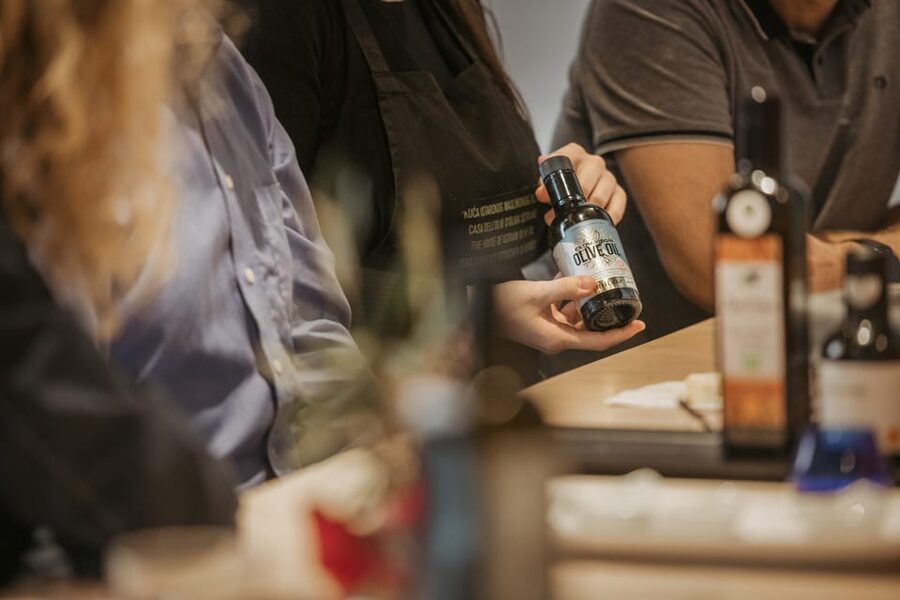
- Taste five Istrian extra virgin oils: Compare aroma, flavor, texture, and appearance in a guided setting.
- See how Romans made and exported oil: The museum connects Pula’s past with an ingredient still central to Istrian cooking.
- Watch two short films: One covers traditional production, while the other explains how olive oil is made today.
- Learn to spot poor-quality oil: A supermarket comparison makes the differences easier to understand.
- Finish with dessert and oil: A sweet pairing shows that olive oil belongs in more than savory dishes.
- Browse regional goods: The shop carries Istrian oils, brandies, truffles, lavender cosmetics, and souvenirs.
Why this small Pula museum matters
Pula is best known for Roman monuments, especially the great amphitheater. At the House of Istrian Olive Oil, you get a different view of the region’s Roman past. The subject is everyday food, trade, and production, not just emperors and stone ruins.
The museum explains how Romans made olive oil and where it was exported. That gives the tasting useful context. You are not sampling an isolated local product. You are learning about an ingredient with a long place in Istria’s economy and daily meals.
I like this approach because it keeps the visit grounded. Olive oil can seem simple at the table, but its quality depends on how it is made and how it tastes. The museum gives you a set of ideas to carry into a restaurant, a market, or a shop elsewhere in Croatia.
The visit is located in central Pula, so it is easy to fit around other sightseeing. It also makes sense on a wet afternoon. You can spend time indoors, learn something practical, and leave with a better idea of what to buy.
A few more museum visits around Croatia worth comparing
- Split: Olive museum Klis with Olive Oil Tasting
★ 4.9 · 51 reviews - Dubai: Old Town, Creek, Museums, Souks, & Street Food Tour
★ 4.8 · 10,816 reviews - Choco-Story Brussels: Chocolate Museum Entrance with Tasting
★ 4.3 · 4,883 reviews
Entering the House of Istrian Olive Oil in central Pula
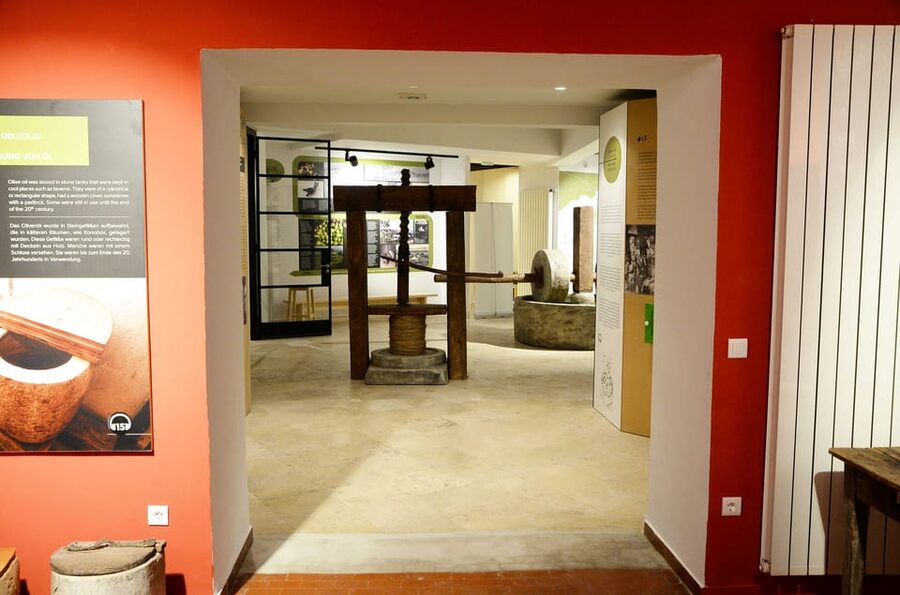
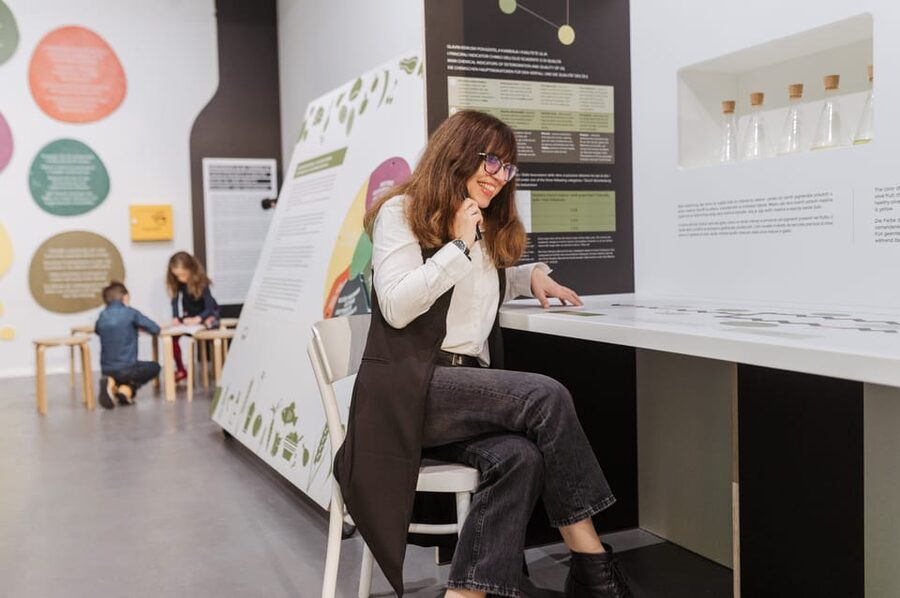
The experience begins with the museum exhibits. Their purpose is to explain olive oil in a way that is accessible rather than technical. You learn about production, trade, and the place of oil in Istrian life before sitting down to taste it.
An audio guide is available in 12 languages, which is useful if you prefer to explore the displays at your own pace. The guided tasting itself is offered in English and German. If you need another language for the spoken tasting, check the available arrangement before booking, since the supplied tour information lists English and German for the guided portion.
The staff member praised in the available feedback could speak some German and was described as friendly and willing to answer questions. No guide name is provided, so I would not plan around a particular person. The important point is that the format allows questions, which matters during a tasting where small differences can be hard to identify at first.
Do not expect a huge museum. The value comes from the explanation and the tasting rather than from spending hours among large collections. This is a focused stop. That can be a benefit in Pula, where you may want to combine it with the amphitheater, the old center, or another museum.
Roman presses, old trade routes, and two short films
The historical section looks at how olive oil was made in Roman times and where it went after production. That export detail is especially useful. It shows that olive oil was not only a household item but also a product that moved through the wider Roman economy.
You then watch two short films. One presents the traditional olive oil-making process. The other explains modern production. Seeing the two methods side by side helps you understand what has changed and what remains important.
The films are a practical bridge between the displays and the tasting room. If you know little about pressing, harvesting, or production, they give you a basic framework before you taste. If you already enjoy olive oil, they add a historical and technical layer without turning the visit into a lecture.
I would not book this expecting a working olive grove or a live mill demonstration. The provided details describe museum exhibits and films, not a farm tour. That distinction matters. You are coming for interpretation and tasting in Pula’s center, not for a trip into the countryside.
The tasting table: five oils and one supermarket comparison
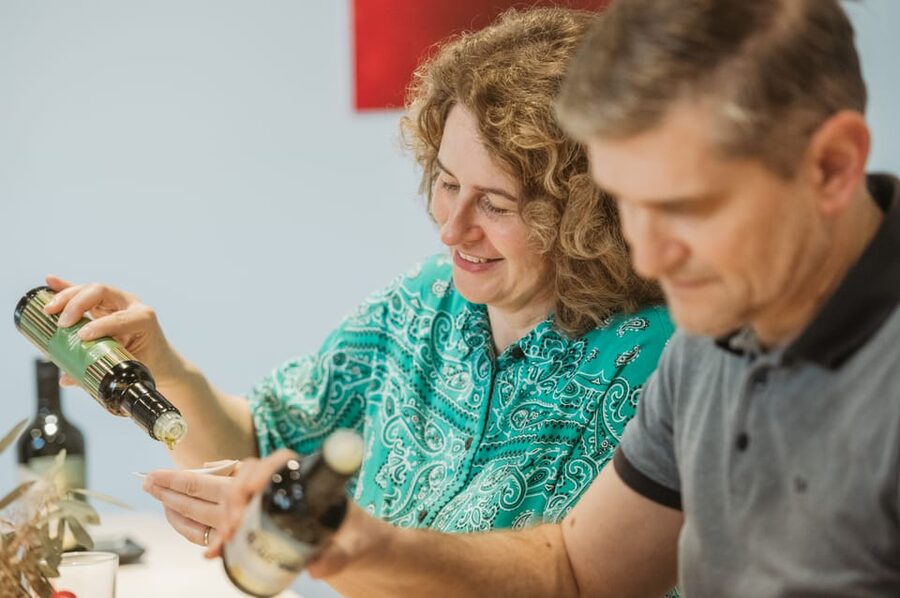
The main event is the guided tasting of five extra virgin olive oils from Istria. You examine each oil through its taste, aroma, texture, and appearance. The point is not to pick a favorite quickly. It is to notice how oils can differ even when all are labeled extra virgin.
You also taste an oil typical of what you might find in a supermarket. This comparison is one of the most useful parts of the experience. It gives you a reference point rather than asking you to judge each Istrian oil in isolation.
The lesson is about recognizing good and bad qualities in olive oil. You learn the positive and negative attributes, which is more practical than simply being told that one product is better. The method helps you form your own judgment.
Pay attention to how the oil smells before you taste it. Then notice how it feels and finishes in your mouth. The session is designed to make those details easier to identify. You may find that the most obvious difference is not color or appearance, but the aroma and flavor.
One important point is that appearance can mislead you. The tasting includes appearance as one part of the process, but quality cannot be judged by looks alone. Use the full set of senses and listen to the guide’s explanation of positive and negative traits.
The supplied feedback gives special weight to this part of the visit. The guide was praised for answering questions with enthusiasm, and the tasting was described as insightful and delicious. That suggests the experience works best when you participate actively. Ask why an oil tastes a certain way. Ask what makes an oil faulty. The more you engage, the more useful the tasting becomes.
Same city, a completely different collection:
- Blue Lagoon & Underwater Museum from Split with Lunch & Drinks
★ 4.5 · 1,122 reviews - Zagreb: Skip-the-Ticket-Line Museum of Broken Relationships
★ 4.5 · 847 reviews - Zagreb: Nikola Tesla Technical Museum Ticket
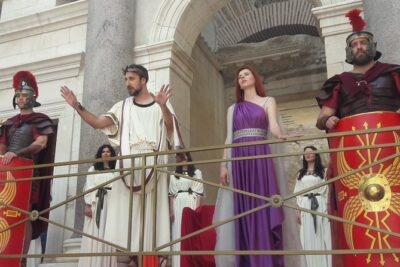
★ 4.5 · 520 reviews - SPLIT-PRIVATE Walking Tour of Diocletian’s Palace & Old Town
★ 5.0 · 467 reviews
A sweet dessert with olive oil
The final food pairing is a sweet dessert served with a selected olive oil. This is a small detail, but it gives the tasting a fresh angle. Many people think of olive oil only with bread, salad, fish, or vegetables. A dessert pairing shows how aroma and texture can work in a sweet setting too.
I like this ending because it moves beyond memorizing production terms. You get a simple food example that may change how you use olive oil at home. It also brings some lightness after the more instructional tasting.
The dessert pairing is included in the $35 price. Since the tasting covers five extra virgin oils as well, the cost is easier to justify if you enjoy local food and expect to ask questions. If you only want a quick sample before shopping, the price may feel high for a short museum visit. The value depends on how much you want to learn, not just how much you consume.
What you can buy in the shop
The shop gives you a chance to continue the experience after the tasting. Its selection includes Istrian extra virgin olive oils, brandies, truffles, lavender-based cosmetics, and souvenirs.
This is useful if you want a food gift that connects directly to the region. Olive oil is also easier to understand after the tasting. You can compare labels and styles with a better sense of what you are looking for.
The shop may be the most tempting part for anyone who enjoys bringing home edible souvenirs. Still, you are not required to buy anything to benefit from the museum and tasting. Treat the store as an optional final stop, not as part of the cost you must recover.
I would keep the tasting in mind while browsing. Rather than choosing only by bottle design, think back to the aromas and flavors you preferred. The lesson is most valuable when it affects your buying decisions later.
Is $35 a fair price?
At $35 per person, this is not the cheapest food stop in Pula. You could certainly buy an inexpensive bottle or sample local products for less. The fee pays for more than the oil itself, though.
You receive museum interpretation, an audio guide option, two short films, a guided tasting of five extra virgin oils, a supermarket comparison, and a dessert pairing. You also get an explanation of how to identify quality. That last part gives the visit lasting value because it can help you shop with more confidence after leaving Pula.
The price makes the most sense for people who enjoy food education and want a structured tasting. It is also a sensible rainy-day choice, especially if you have already seen some of Pula’s outdoor sights and want a change of pace.
The price may feel less attractive if your main goal is a farm setting, a long meal, or a large historical museum. None of those is promised here. This is a compact, focused experience built around olive oil.
Who should book this Pula experience?
I would recommend it to anyone who wants to understand Istrian food beyond simply ordering it in a restaurant. It suits couples, solo visitors, and small groups who enjoy tastings and do not mind learning a few useful basics along the way.
It is also a good choice for a rainy day. One available assessment specifically described it as a strong wet-weather tip in Pula, and the central location makes it easy to add to an urban sightseeing plan.
Food lovers will get the most from the visit, but you do not need previous olive oil experience. The comparison with a supermarket oil gives beginners a clear starting point. You can learn the vocabulary as you go.
Families may find the films and tasting interesting, though the provided information does not give an age recommendation or a special children’s format. I would check suitability for young children before booking if that is important to your group.
The experience is less suitable if you want a rural outing, a full meal, or a long production tour. The information provided describes a museum, films, guided tasting, and shop in central Pula.
Timing, language, and booking details
The experience is available with an audio guide in 12 languages. The guided tasting is listed in English and German. Since no duration is provided, leave enough flexibility in your Pula schedule rather than planning another timed activity immediately afterward.
You can reserve and pay later, which helps if your route through Istria is still changing. Cancellation is allowed up to 24 hours in advance for a full refund. Those terms are useful for a trip with uncertain weather, especially since this is an indoor activity.
The provider is Idea Istra d.o.o. The experience has a 4.9 rating from 35 reviews, a strong signal that the format has worked well for many people. I would still judge it by your interests: the high rating does not turn a museum tasting into a countryside excursion.
Should you book the House of Istrian Olive Oil?
Book it if you want a practical introduction to Istrian olive oil, especially if you enjoy tasting local products and want to know how to spot quality. The five-oil comparison, supermarket sample, and dessert pairing give the $35 price a clear purpose.
Skip it if you are looking for a working olive farm, a full meal, or a long outdoor tour. For a central Pula stop that combines Roman trade history with a guided food lesson, it is a smart choice, with the added benefit of being well suited to rainy weather.
FAQ
Where is the House of Istrian Olive Oil?
It is located in the center of Pula, in Istria County, Croatia.
How much does the experience cost?
The price is $35 per person.
How many olive oils are included in the tasting?
The guided tasting includes five extra virgin olive oils.
Is a supermarket olive oil included?
Yes. You compare the Istrian oils with an olive oil typically found in a supermarket.
What languages are available?
An audio guide is available in 12 languages. The guided tasting is listed in English and German.
Is dessert included?
Yes. A sweet dessert paired with a selected olive oil is included.
What will I learn about olive oil?
You will learn about olive oil’s history in Istria, Roman production and export, traditional and modern production methods, and how to recognize positive and negative qualities.
Can I buy products after the tasting?
Yes. The shop sells Istrian extra virgin olive oils, brandies, truffles, lavender-based cosmetics, and souvenirs.
Can I cancel the booking?
Yes. You can cancel up to 24 hours in advance for a full refund. You can also reserve and pay later.
Just added around Croatia
- Toast to the Morning After: Zagreb Museum of Hangovers Visit★ 4.0 · 39 reviews
- Split: Blue Lagoon Underwater Museum Tour w/Lunch & Drinks★ 4.7 · 338 reviews
- Split: Olive museum Klis with Olive Oil Tasting★ 4.9 · 51 reviews
- Split: Museum of Illusions Entrance Ticket★ 4.2 · 254 reviews
- Split: Blue Line Sightseeing to Trogir, Klis & Olive Museum★ 4.3 · 197 reviews
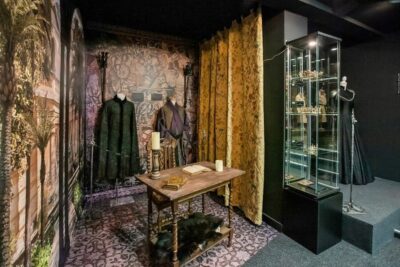
- Split: Game of Thrones Museum Entrance Ticket★ 3.8 · 385 reviews
- Split: Underwater Museum, Trogir & Blue Lagoon Half-Day Tour★ 4.2 · 31 reviews
- Dubrovnik: Red History Museum Regular Ticket★ 4.6 · 134 reviews
Museum Tours in Croatia, compared.

Blue Lagoon & Underwater Museum from Split with Lunch & Drinks
Read our review →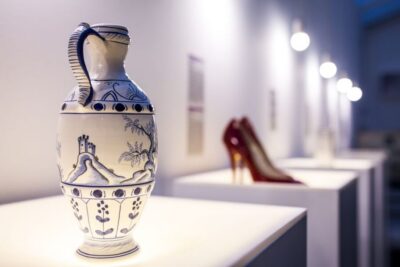
Skip-the-Ticket-Line Museum of Broken Relationships
Read our review →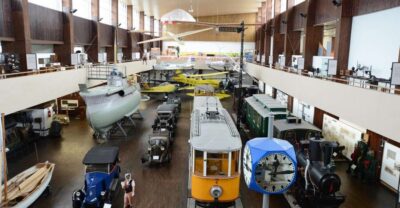

Blue Lagoon Underwater Museum Tour w/Lunch & Drinks
Read our review →
Klis Fortress GOT and Olive Museum Entry Tickets
Read our review →
Browse the lists this tour appears in