
Review · CROATIA
Split: Olive museum Klis with Olive Oil Tasting
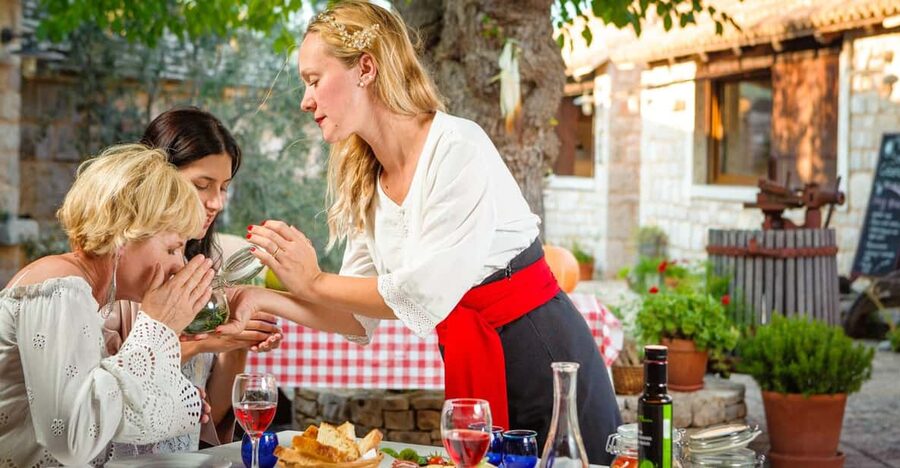
The best part of this Stella Croatica visit is the olive oil tasting. You do not just sip and nod politely. You learn how to smell and taste oil like a professional, then compare two oils labeled extra virgin. I especially like the practical lesson and the chance to see how figs, almonds, oranges, lavender, and Dalmatian herbs become local products.
I also like the small family-estate setting and the 500-species botanical collection. The tour gives you more than a museum room: you see food being packed, learn how essential oils become cosmetics, taste traditional sweets, and have time to browse the shop. The main caution is simple: there are no olive groves or broad olive fields at the site, and one museum guide may feel less lively than the tasting instructor.
Key points
- Learn to judge olive oil: Smell and taste two oils while learning the basic signs of quality.
- See local production: Watch traditional products made from figs, almonds, oranges, and lavender.
- Visit a 500-species botanical collection: Learn how familiar Dalmatian plants are used in food, cosmetics, and daily life.
- Explore an award-recognized museum: The Olive Oil Museum was a finalist for the European Museum of the Year Award in 2023.
- Good value at $18: The price includes entry, guiding, sweets, cosmetic testing, and the olive oil workshop.
- Leave time for the shop and park: You can buy handmade products at factory prices, then continue exploring or have a traditional lunch at your own expense.
A Family Estate Above the Klis Area
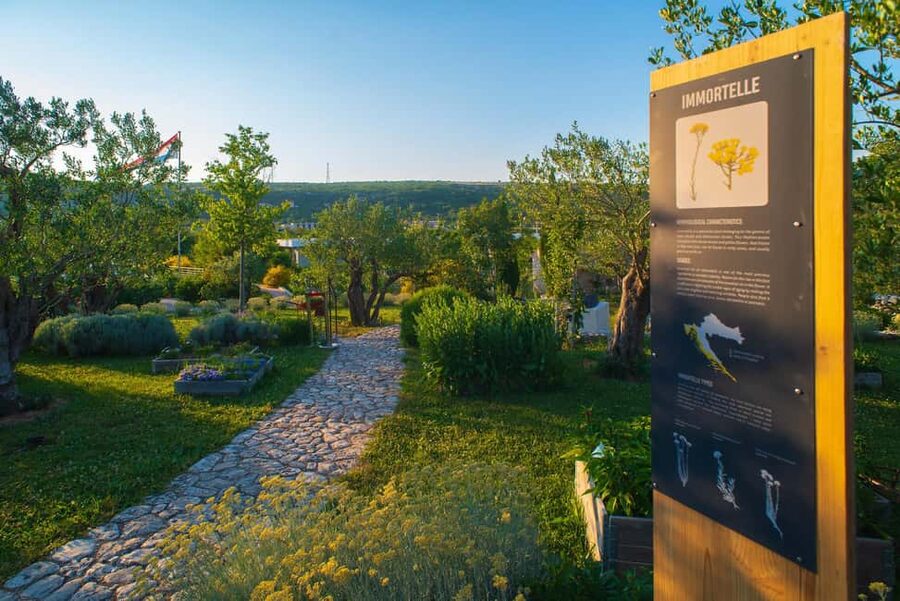
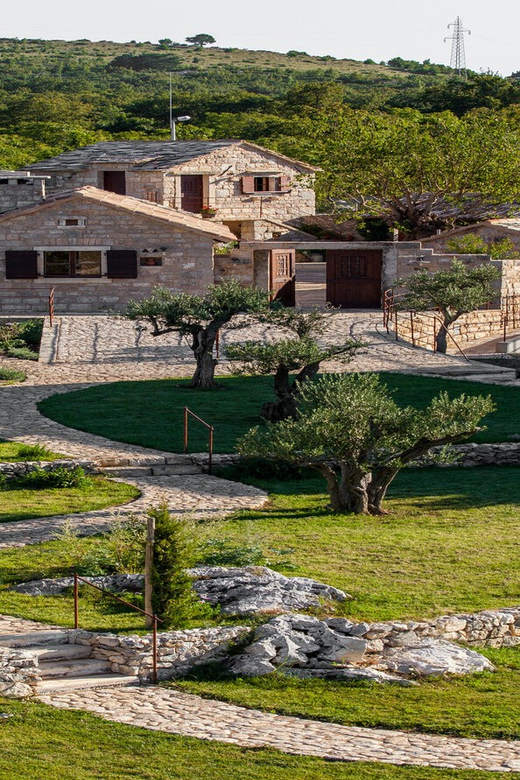
Stella Croatica presents Dalmatian rural life through food, herbs, cosmetics, and olive oil. It is a working family estate rather than a single-purpose museum, so the visit moves through several short experiences instead of placing all the weight on one exhibit.
You begin at the main building. Follow the signs from the main road, enter the building, and wait for your English-speaking host. The activity both begins and ends here, which keeps the visit simple if you are arranging your own transport.
At $18 per person, the outing is priced as an affordable cultural stop. Your ticket covers the estate, the Olive Oil Museum, the guided tour, traditional sweets, natural cosmetic testing, and the two-oil tasting. Food and drinks beyond the included tastings cost extra.
The tour has earned a 4.9 rating from 51 reviews, with particularly strong praise for the clear explanations, the workshop, and the friendly staff. That high score fits the price, especially if you like small food museums and hands-on demonstrations more than grand monuments.
A few more museum visits around Croatia worth comparing
- Pula: House of Istrian Olive Oil Museum and Guided Tasting
★ 4.9 · 35 reviews - Dubai: Old Town, Creek, Museums, Souks, & Street Food Tour
★ 4.8 · 10,816 reviews - Choco-Story Brussels: Chocolate Museum Entrance with Tasting
★ 4.3 · 4,883 reviews
From Figs and Lavender to Packaged Dalmatian Goods
One of the more useful early stops shows local women making and packing traditional products. The ingredients include figs, almonds, oranges, and lavender, all strongly tied to Dalmatian kitchens and gardens.
This part gives the estate a working feel. You see that the products are not simply displayed as souvenirs after the fact. They are prepared and packed as part of the estate’s business, which helps connect the tasting room and shop to actual local production.
The products are also practical for a souvenir. A jar or packaged sweet is easier to carry than fragile food bought from a market, and the concept store lets you sample before deciding what, if anything, you want to purchase. You can buy the handmade goods at factory prices.
The included traditional sweets add a pleasant local-food element, though you should not expect a full meal from the tasting. Keep that distinction in mind if you arrive hungry.
Dalmatian Herbs and Natural Cosmetics
Next, you learn how essential oils are extracted from typical Dalmatian herbs. Those oils are then used to make natural cosmetics, bringing another part of the estate’s work into the tour.
You also get to test the cosmetics. This is a small detail, but it makes the stop more useful than a display of labeled bottles. You can connect the herbs with their scent and see how the raw material becomes a finished product.
The explanation is most valuable for visitors who enjoy botanical products, soaps, creams, and scented oils. It also gives children a hands-on moment before the more technical olive oil lesson. The experience is offered in English, and the clear explanations have been one of its strongest features.
Do not expect a laboratory visit or a long production demonstration. The supplied details describe how the oils are extracted and used, but not a full manufacturing session with every stage shown.
A 500-Species Botanical Collection
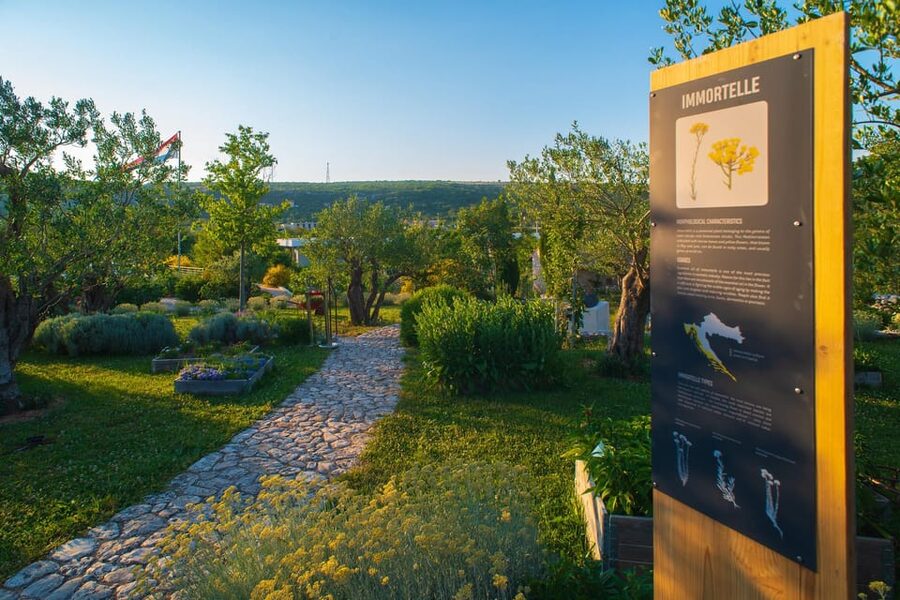
The botanical collection contains 500 species. You walk through the garden with the guide and learn what some of the plants can be used for, including food, scent, and natural products.
I like this stop because it slows the pace of the visit. After the indoor production area, the garden gives you room to look, smell, and connect the products in the shop with the plants that inspire them.
The garden is described as cute but small, so set your expectations accordingly. It is not a large botanical park that will occupy half a day. Instead, it works as a compact outdoor section of the estate, with enough variety to make the herb and cosmetics demonstrations easier to understand.
If you are hoping to see rows of olive trees or working olive fields, this is not the right place to count on that. The site itself does not have olive groves, which is the clearest drawback for anyone expecting a classic olive-farm visit.
Same city, a completely different collection:
- Blue Lagoon & Underwater Museum from Split with Lunch & Drinks
★ 4.5 · 1,122 reviews - Zagreb: Skip-the-Ticket-Line Museum of Broken Relationships
★ 4.5 · 847 reviews - Zagreb: Nikola Tesla Technical Museum Ticket
★ 4.5 · 520 reviews - SPLIT-PRIVATE Walking Tour of Diocletian’s Palace & Old Town
★ 5.0 · 467 reviews
Inside the Olive Oil Museum
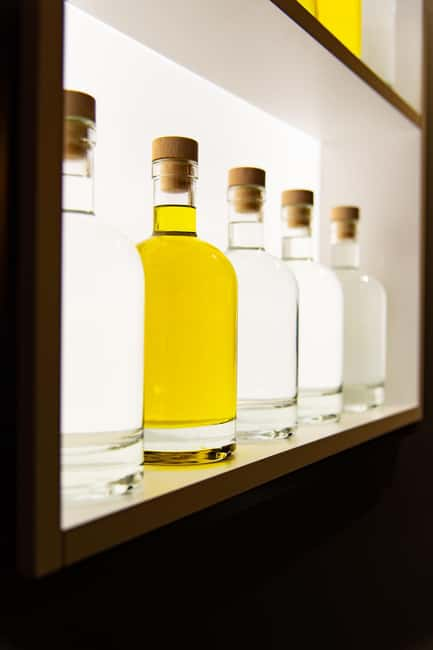
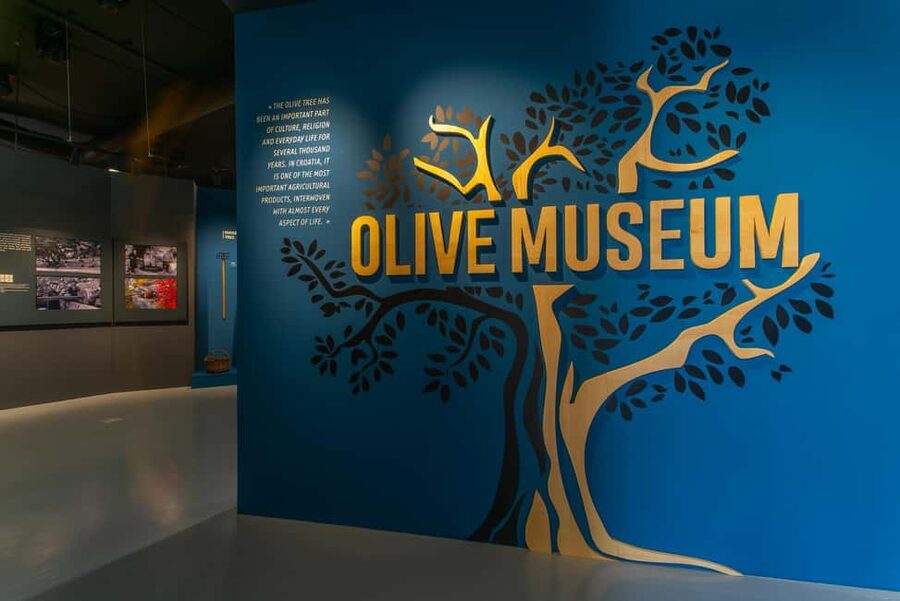
The Olive Oil Museum explains what Croatia calls its liquid gold. Olive oil has an important place in Dalmatian food and agriculture, and the museum provides context before you taste the product yourself.
The museum was a finalist for the European Museum of the Year Award in 2023. That is an impressive credential, but it does not guarantee that every visitor will find the presentation exciting. One part of the museum tour has been described as dull and lacking energy, so your enjoyment may depend on how much you like display-based interpretation.
The museum is best viewed as preparation for the tasting rather than the entire reason to visit. You learn the background, then put some of that information to work in the tasting room. The connection between those two parts is what gives the visit its value.
Allow yourself time to look around at your own pace after the guided portion. The flexible time is useful because you can revisit displays, browse the shop, or explore the garden without feeling rushed.
The Two-Oil Tasting Lesson
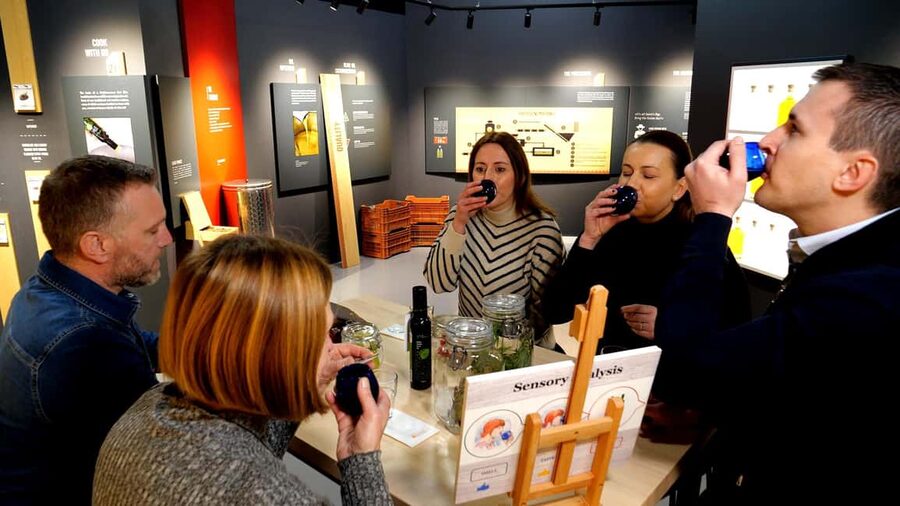
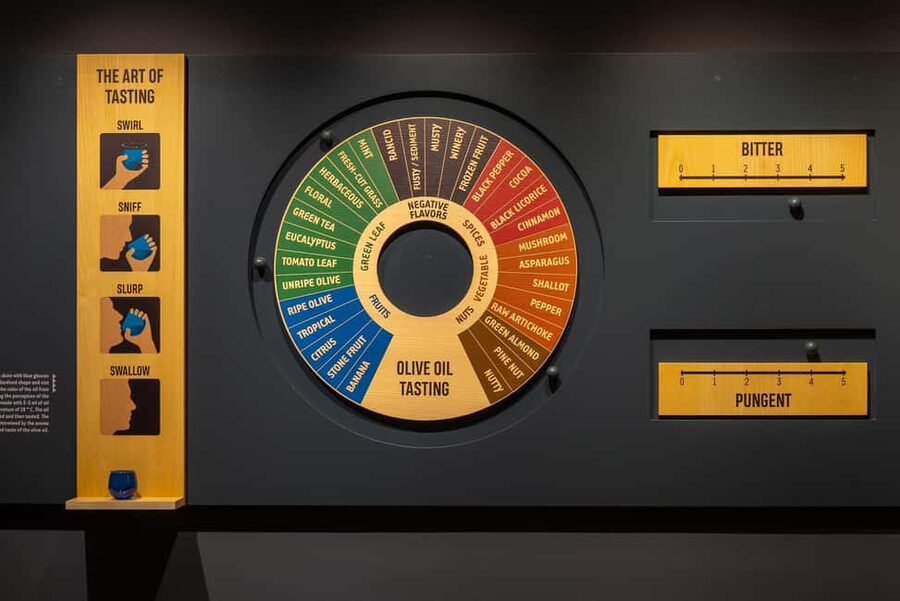
The tasting room is the strongest part of the experience for most people who want a useful skill to take home. Your host explains how to recognize extra virgin olive oil through an interactive lesson, then serves two different oils. Both are labeled extra virgin, so the point is not simply to compare an obviously poor oil with a premium one.
You learn the basics of professional tasting: smell the oil, assess its character, and notice the differences on the palate. The lesson compares qualities in a way that helps you understand why a bottle can carry the extra virgin label yet still vary in taste and quality.
This is not a formal sommelier qualification, but it gives you a practical starting point. Afterward, you should have a better idea of what to look for instead of choosing oil only by its label, bottle shape, or price.
The tasting instructor has been praised for being friendly and clear. That matters here, since olive oil tasting can feel overly serious if the instructor uses too much technical language. The workshop is designed to make the process approachable, and it has also worked well for families. A nine-year-old visitor was able to follow the explanations and take part in the tasting.
You should not expect unlimited food or drink. The included tasting is limited to two olive oils, and extra food and drinks are not part of the price. Food and drinks are also not allowed during the activity, so save your snacks for later.
The Concept Store and Time to Wander
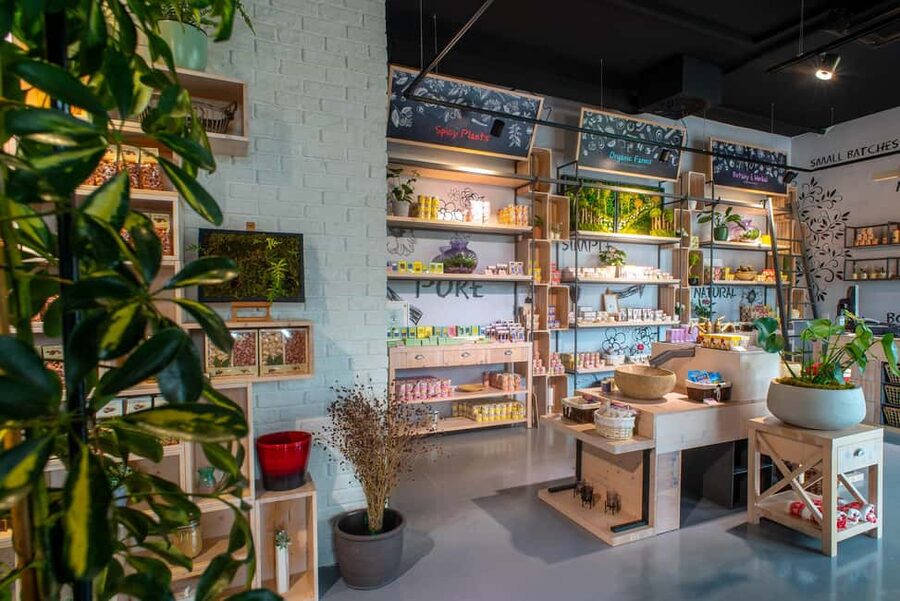
After the main tour and tasting, you have time to explore the park and look around the concept store. The shop carries olive oils and other handmade products from the estate, including traditional foods and natural cosmetics.
The opportunity to sample products before buying is helpful. You can decide based on taste and scent instead of guessing from packaging. Factory prices also make the store more appealing than a shop that simply marks up local goods for tourists.
This is a good place to pick up a small reminder of the visit, but you do not need to buy anything to enjoy the activity. The tasting and demonstrations are included, and browsing is part of the experience.
You can also use the free time for a traditional lunch, though lunch is not included. Since no meal details are provided, check what is available on the day rather than assuming a restaurant service is guaranteed.
What the $18 Price Really Buys
The $18 price is strong value if you want several short activities in one stop. You receive entry to the estate and museum, a guided tour, traditional sweets, natural cosmetic testing, and a focused olive oil workshop with two tastings.
The value is less obvious if you want a dramatic farm setting or a long olive harvest experience. There are no olive groves at the site, and the botanical garden is small. The museum section may also feel quiet or dry if you prefer outdoor sights and lively storytelling.
Still, the price leaves little financial risk. You are paying less for a single museum admission and more for a compact food-and-culture lesson with several parts. The experience is especially worthwhile if you are already visiting the Klis area and want an easy add-on that does not require a full-day commitment.
The rating of 4.9 from 51 reviews supports the idea that the activity delivers what it promises. Just keep the promise in focus: this is a family estate with an olive oil museum and tasting, not a walk through extensive olive orchards.
Who Will Enjoy This Visit Most
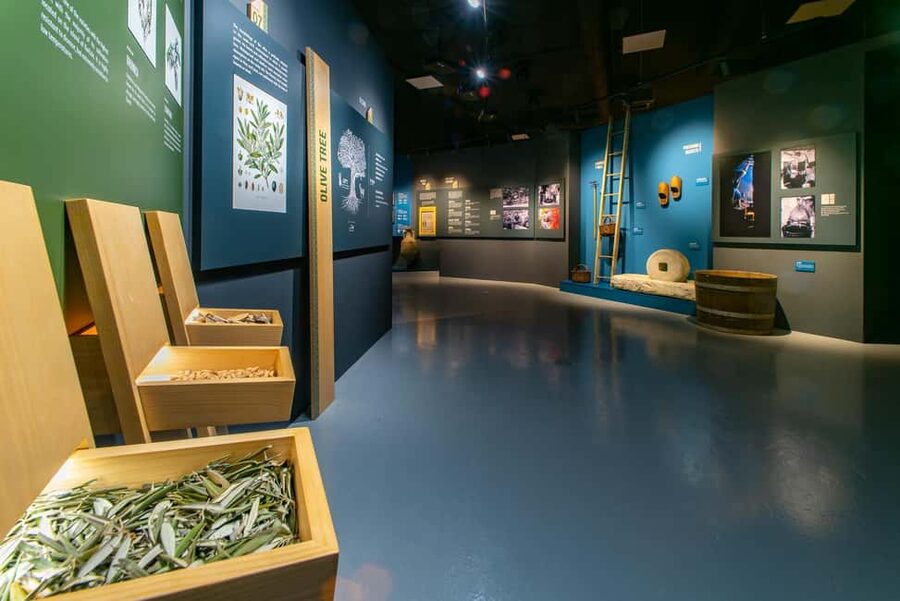
I would recommend Stella Croatica to you if you enjoy food traditions, small museums, botanical gardens, and practical tastings. It suits couples, families, and anyone who wants to understand a local product rather than simply purchase it.
Families should find the mix of activities helpful. Children can watch products being packed, smell herbs, explore the garden, taste sweets, and take part in a simple sensory lesson. The nine-year-old who joined the workshop was able to follow along, though each child’s interest will vary.
The experience also fits visitors who have limited time. The itinerary covers production, herbs, a museum, a garden, sweets, cosmetics, and olive oil without requiring a separate day for each subject.
I would be more cautious if your main goal is to visit a working olive farm. The absence of olive fields is a real limitation, and the museum may not hold your attention if you prefer outdoor scenery. In that case, the tasting can still be worthwhile, but the full estate visit may feel optional rather than essential.
Practical Details Before You Go
Follow the signs from the main road to Stella Croatica. Enter the main building and wait for your host. The activity ends back at the same meeting point.
The tour is offered in English. Food and drinks are not allowed during the activity, and video recording is not allowed, so plan to put your camera away during the visit. You can take your time exploring after the guided portion, with room for the park, shop, and possibly a traditional lunch.
You can reserve now and pay later, which helps if your schedule around Klis is still changing. Cancellation is allowed up to 24 hours in advance for a full refund.
Should You Book the Stella Croatica Experience?
Book it if you want an inexpensive, well-organized introduction to Dalmatian products and olive oil. The olive oil workshop is the main reason to go, while the sweets, cosmetics, botanical collection, and shop make the $18 price feel generous.
Skip it if you need olive groves, a large garden, or a highly theatrical museum presentation. The site is compact, and one museum section may feel slow. For most people, though, the practical tasting makes the visit more than a standard gift-shop stop. You leave with a better sense of how extra virgin olive oil should smell and taste, which is a useful lesson long after the bottle of Croatian oil is gone.
FAQ
Where does the Stella Croatica olive oil experience take place?
It takes place at Stella Croatica in the Klis area of Dalmatia, Croatia. Follow the signs from the main road, enter the main building, and wait for your host.
What is included in the $18 price?
The price includes entry to Stella Croatica and the Olive Oil Museum, a guided tour, tasting of two olive oils, traditional sweets, and testing of natural cosmetics.
How many olive oils will I taste?
You will taste two different olive oils. Both are labeled as extra virgin, and the workshop explains how to compare their qualities.
Is the activity available in English?
Yes. The tour and explanations are offered in English.
Can children take part?
Yes. The workshop is suitable for families, and the activity has been interesting for a nine-year-old participant.
Are food and drinks included?
Traditional sweets are included, but additional food and drinks are not. You may have a traditional lunch afterward, at your own expense.
Can I cancel or pay later?
You can reserve and pay later, and you may cancel up to 24 hours in advance for a full refund.
Just added around Croatia
- Toast to the Morning After: Zagreb Museum of Hangovers Visit★ 4.0 · 39 reviews
- Split: Blue Lagoon Underwater Museum Tour w/Lunch & Drinks★ 4.7 · 338 reviews
- Split: Museum of Illusions Entrance Ticket★ 4.2 · 254 reviews
- Split: Blue Line Sightseeing to Trogir, Klis & Olive Museum★ 4.3 · 197 reviews
- Split: Game of Thrones Museum Entrance Ticket★ 3.8 · 385 reviews
- Split: Underwater Museum, Trogir & Blue Lagoon Half-Day Tour★ 4.2 · 31 reviews
- Dubrovnik: Red History Museum Regular Ticket★ 4.6 · 134 reviews
- Pula: House of Istrian Olive Oil Museum and Guided Tasting★ 4.9 · 35 reviews
Museum Tours in Croatia, compared.

Blue Lagoon & Underwater Museum from Split with Lunch & Drinks
Read our review →
Skip-the-Ticket-Line Museum of Broken Relationships
Read our review →


Blue Lagoon Underwater Museum Tour w/Lunch & Drinks
Read our review →
Klis Fortress GOT and Olive Museum Entry Tickets
Read our review →
Browse the lists this tour appears in