
Review · ITALY
Olive Oil Museum: Extravirgin school – Food & wine tasting
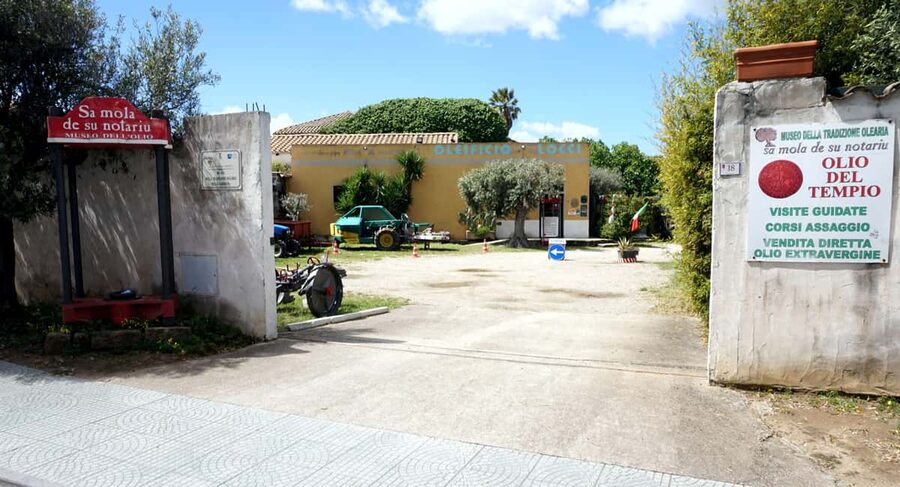
The most useful part of this Sardinian experience is not simply tasting oil. It is learning how to tell good extra virgin olive oil from the ordinary bottle on a supermarket shelf. At Olio del Tempio, Francesco Locci connects modern production with more than 400 years of family tradition, then puts the lesson to work over food, wine, and several distinctive oils.
I like two things here. First, the class gives you a skill you can use long after Sardinia: recognizing fruitiness, bitterness, and peppery heat in quality oil. Second, the small museum, with its old lamps and underground cistern, gives the tasting a genuine local setting instead of making it feel like a simple shop sample.
The main consideration is time. The full visit lasts about one hour, so the museum tour and tasting are compact rather than slow and extensive. At $60.35 per person, it offers good value if you care about food culture and plan to buy oil, but it may feel expensive if you want only a quick snack.
Key points to know before you go
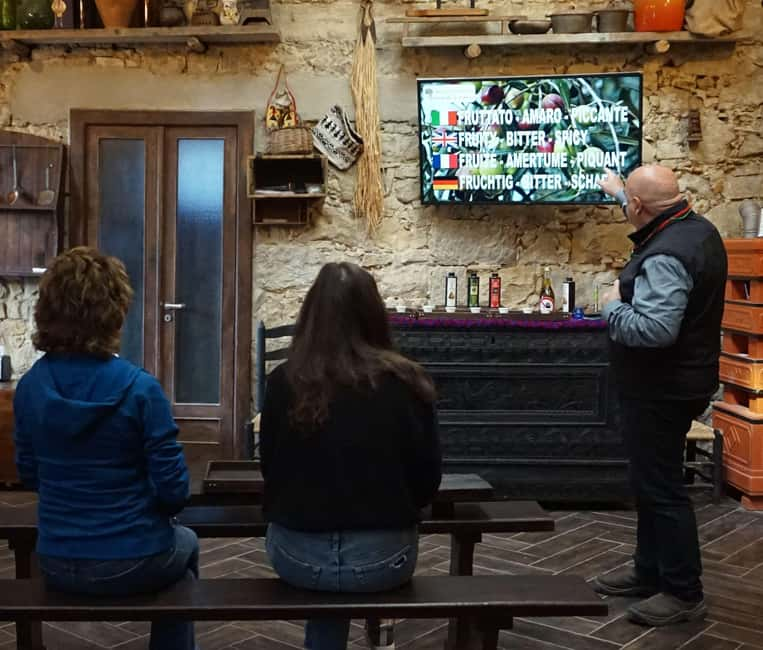
- A practical oil lesson: Learn to identify fruitiness, bitterness, and spiciness in extra virgin olive oil with slides and guided tasting.
- Two very different settings: See a state-of-the-art mill, then enter Sa Mola de Su Notariu, a museum filled with old oil lamps and equipment.
- Distinctive flavored oils: Try Limolio, made with organic olives and lemons, and Rogo del Tempio, a spicy oil blended with nine traditional Sardinian herbs.
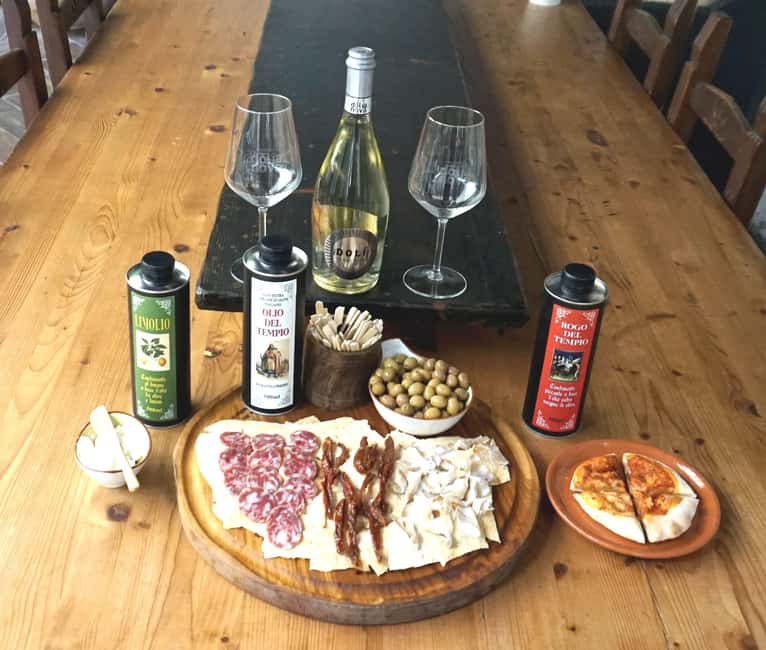
- A proper Sardinian plate: Expect cured meats, natural olives, carasau bread, local foods, water, and fresh sparkling wine.
- Easy access from Cagliari: Free parking is available, and bus line 108 takes about 54 minutes from central Cagliari.
- A useful souvenir stop: Guests receive special discounts on the producer’s oils, which helps offset the cost if you want to take bottles home.
Why this one-hour visit is more than an oil tasting
Olive oil is part of daily life in Sardinia, but it is easy to treat it as background scenery. You drizzle it over bread, salad, or grilled food and move on. This experience asks you to slow down and pay attention to what is actually in the glass.
The visit covers production, local tradition, tasting technique, and food pairing in a short format. That makes it a good choice for a morning or afternoon when you want something more focused than a standard sightseeing stop.
Francesco Locci is the named experience provider, and the visit is offered in English, French, and Italian. The strong personal element matters here because olive oil can sound technical when explained badly. A clear guide can make simple points memorable: good oil has character, and bitterness or a peppery finish are not automatically faults.
The class also gives you a way to shop more carefully later. You learn to notice the oil’s fruitiness, bitterness, and spiciness rather than choosing only by bottle design or vague claims on a label.
A few more museum visits around Italy worth comparing
- Porto: Cálem Cellar Tour, Interactive Museum & Wine Tasting
★ 4.5 · 4,113 reviews - Porto: The Wine Experience, Best Wine Museum in the World
★ 4.7 · 621 reviews - Bordeaux Wine and Trade Museum Admission Ticket with Wine Tasting
★ 4.5 · 599 reviews
Inside Olio del Tempio’s modern mill
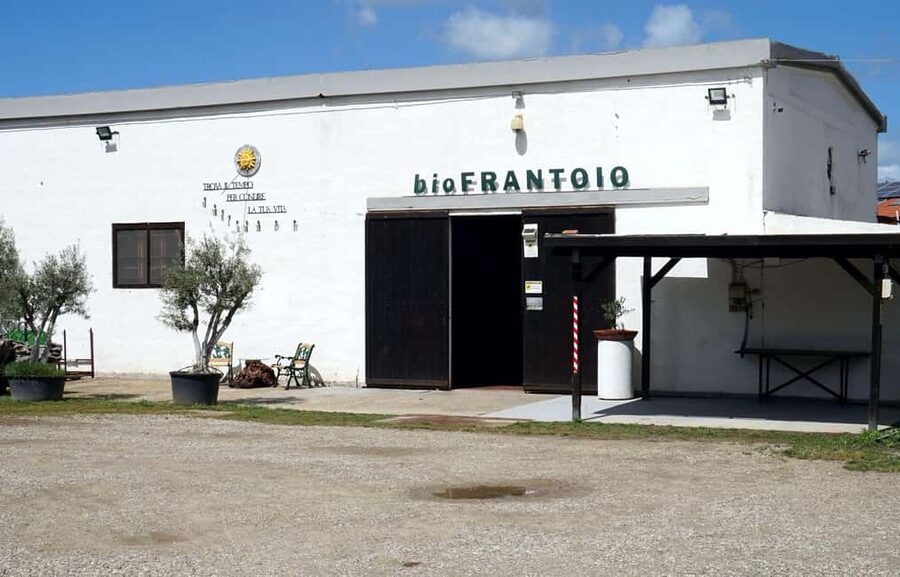
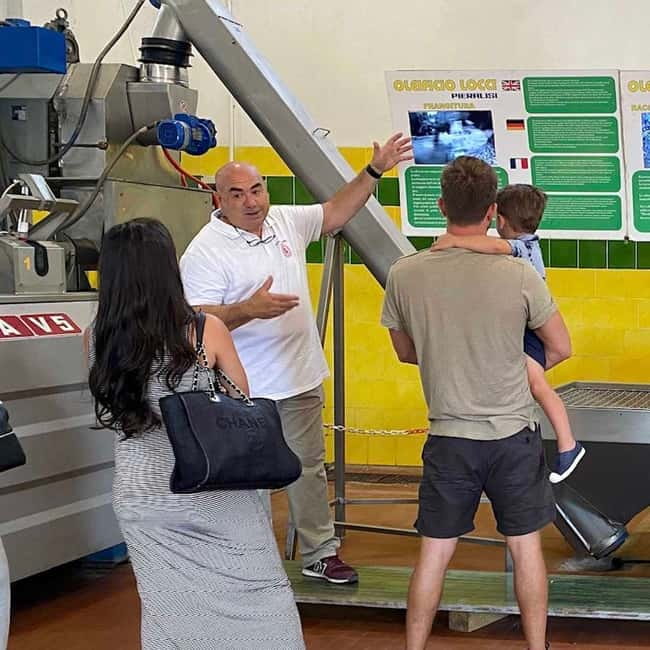
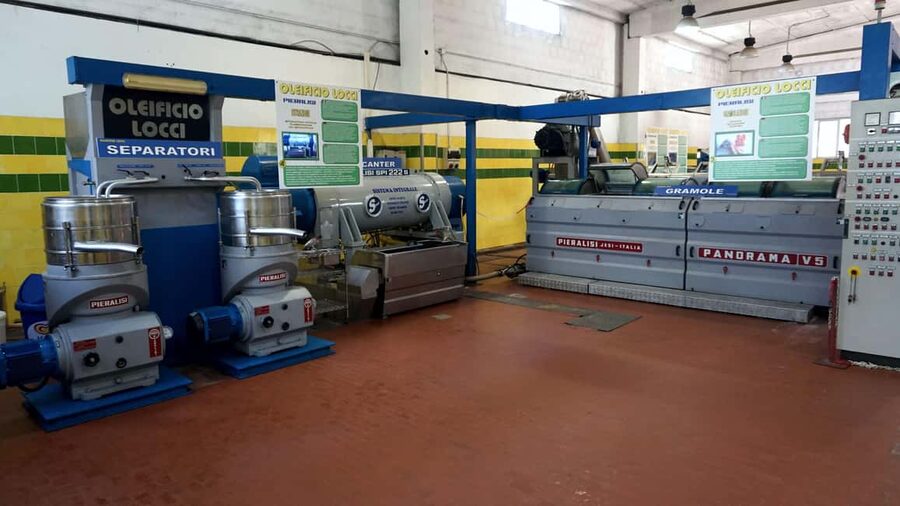
The first part takes place at the oil mill, Olio del Tempio, where you get an introduction to present-day extra virgin olive oil production. The mill is described as state-of-the-art, and video presentations show the stages of harvesting and processing.
This is useful context before the tasting. Instead of sampling a finished product with no explanation, you see how the olives move through the production process and why timing and handling matter. The guided portion is short, about 10 minutes, so expect an overview rather than a technical factory tour lasting half a day.
That concise format works well for most people. You get the basic framework without spending the whole visit among machinery. If you are especially interested in agricultural engineering or harvest operations, you may want to treat this as an introduction rather than the main event.
The modern mill also creates a useful contrast with the museum that follows. Sardinia’s oil tradition is not presented as something frozen in the past. You see the old tools and customs, then the equipment and methods used today.
Sa Mola de Su Notariu and its old oil lamps
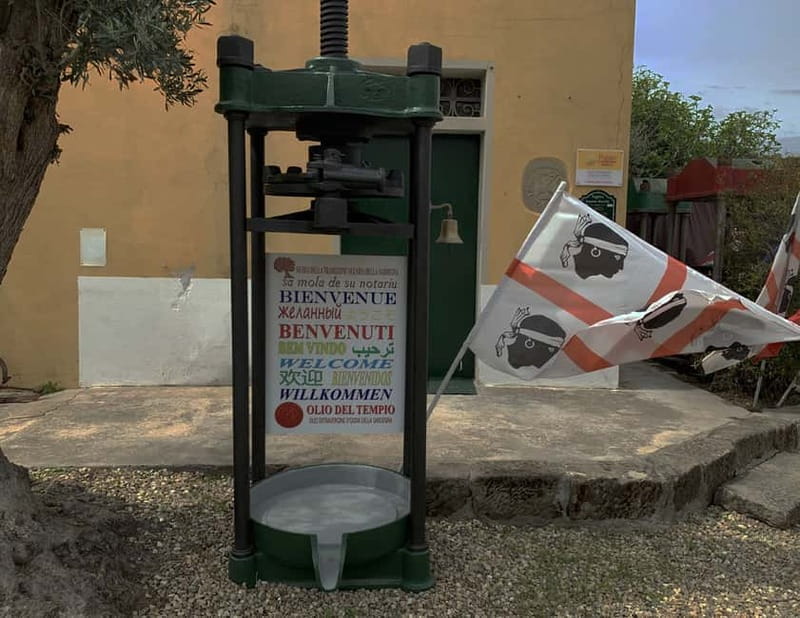
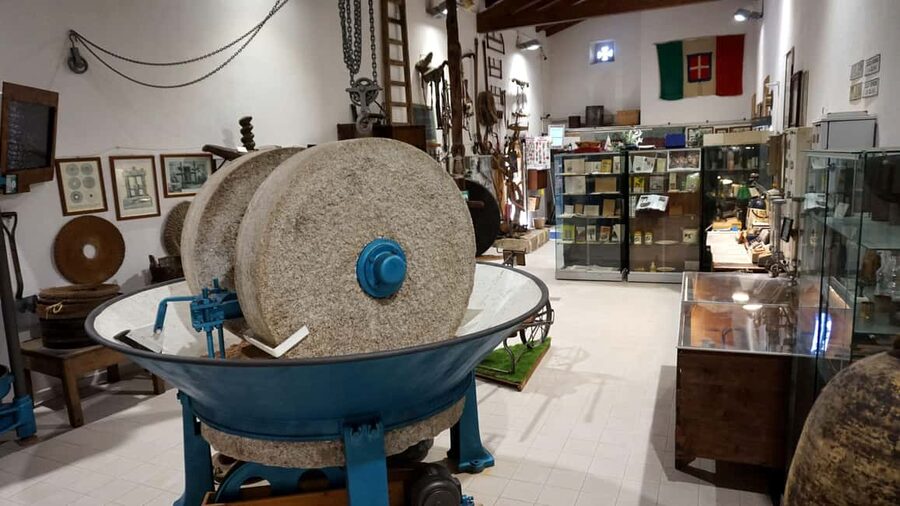
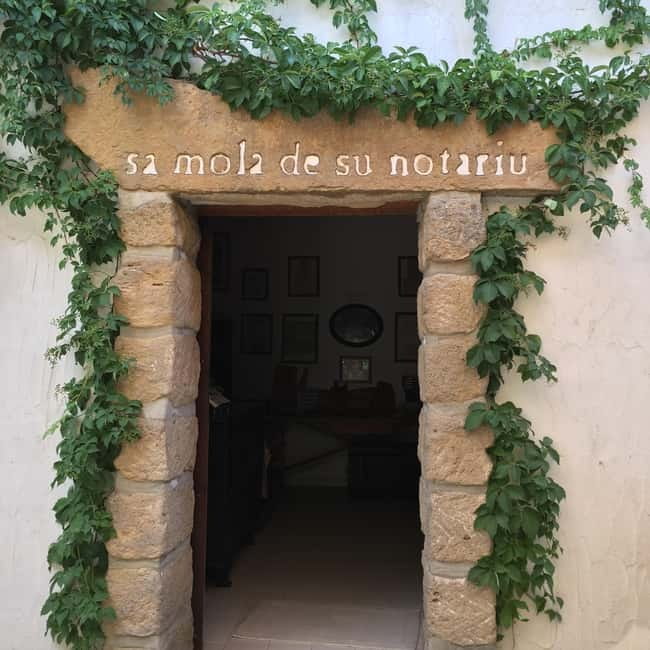
Next comes the Oil Museum, called Sa Mola de Su Notariu. The museum focuses on the long role of olive oil in Sardinian life, with old equipment, stories, and a collection of ancient oil lamps.
The most unusual part is the chance to descend into an old underground cistern. This gives the museum a stronger sense of place than a simple room of labeled objects. The cistern is connected to the history of oil storage and use, and it holds artifacts tied to oil across the centuries.
I like this part because it explains why olive oil is more than a regional ingredient. Oil provided food, light, and household utility. The lamps make that practical connection visible, while the old equipment shows the labor behind a product that now arrives in a neat glass bottle.
The museum visit is included in the price, and it takes place at the same location as the mill and shop. That makes the hour easy to follow. You do not waste time moving between separate attractions.
The museum is also likely to appeal to people who are less interested in tasting technique. A partner who does not care about judging olive oil still has old objects, local stories, and the underground space to enjoy.
The lesson: fruitiness, bitterness, and peppery heat
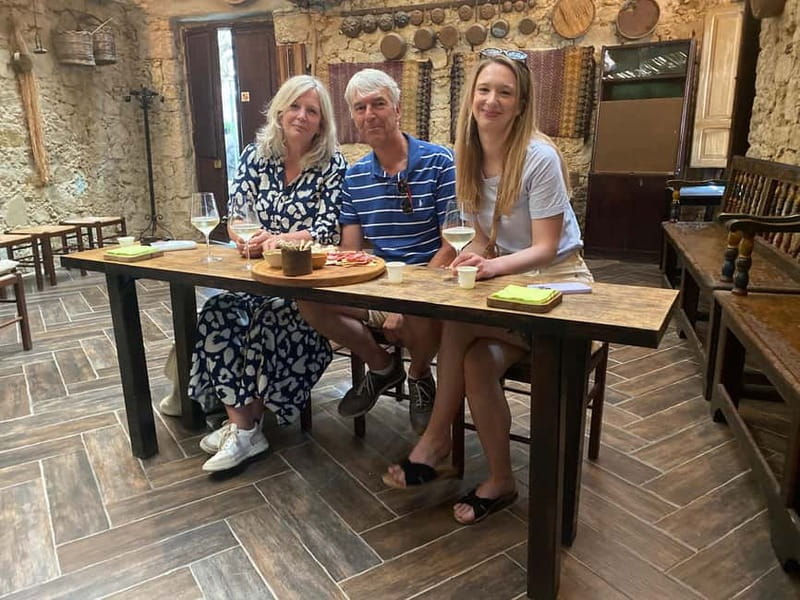
The tasting class is the heart of the visit. Francesco guides you through the qualities that help separate high-quality extra virgin olive oil from a flat or poorly made product. Informative slides support the lesson, then you taste the oils yourself.
You will focus on three main sensations:
- Fruitiness, which gives the oil its fresh olive character
- Bitterness, a natural quality that can signal well-made oil
- Spiciness, often felt as a peppery finish in the throat
The point is not to memorize a list of fancy tasting terms. It is to notice how the oil behaves. A good tasting lesson gives you confidence to compare oils rather than accepting the first one as typical.
The supplied information does not specify the number of plain oils sampled, so you should expect a guided selection rather than a large formal competition-style flight. The tasting lasts about 20 minutes, which keeps it approachable but limits the time for extended discussion.
This is also where the experience earns much of its value. A meal can show you that an oil tastes good, but a lesson helps you understand why. That skill can guide future purchases in Sardinia or at home.
Same city, a completely different collection:
- Vatican: Museums & Sistine Chapel Entrance Ticket
★ 4.5 · 144,003 reviews - Vatican Museums, Sistine Chapel & St. Peter’s Basilica Tour
★ 4.3 · 73,970 reviews - Vatican Museums, Sistine Chapel & St Peter’s Basilica Guided Tour
★ 4.5 · 39,149 reviews - Florence: Skip-The-Line Uffizi Gallery Timed Entry Ticket
★ 4.5 · 27,832 reviews
Limolio and Rogo del Tempio: two flavored oils
The tasting includes unusual oils that move beyond standard dipping and dressing.
Limolio is made with organic olives and lemons. It is suggested for salads and fish, where the lemon note can bring freshness without requiring a separate squeeze of citrus. It is the sort of product that makes sense as a take-home bottle if you enjoy simple cooking and want an easy way to change a familiar dish.
Rogo del Tempio takes a different route. It is a spicy oil made with a blend of nine traditional Sardinian herbs, designed to suit meat and baked dishes. Its stronger profile makes it a better match for food that can handle heat and seasoning.
These oils are not merely novelty samples. The pair shows how one producer uses local flavor ideas in different ways. Limolio is bright and suited to lighter dishes, while Rogo del Tempio has a fuller, hotter profile for heartier food.
You should ask questions during this part if you want to recreate the pairings at home. The experience gives suggested uses, but the greatest benefit comes from paying attention to how each oil changes the food on the plate.
Cured meats, carasau bread, olives, and sparkling wine
The food portion lasts about 20 minutes and turns the lesson into lunch-sized hospitality. You are served a platter with cured meats, natural olives, carasau bread, and regional foods, along with water and fresh sparkling wine.
Carasau bread is one of Sardinia’s best-known foods. It is thin, crisp, and easy to use as a carrier for oil and cured meat. It also gives you a plain base for comparing the oils, which is important. Strong toppings can hide subtle flavors, while bread lets the oil speak more clearly.
The cured meats and olives make the tasting feel generous rather than overly formal. You can try the oils with simple ingredients, then consider which ones work best with salt, meat, fish, or bread.
The sparkling wine adds a celebratory touch, but this is not presented as a full winery visit or a wine-focused meal. If wine is your main interest, the oil and museum content will take center stage. If you simply want a glass with local food, it fits nicely.
The food also helps make the price easier to judge. You are not paying only for a sample at a retail counter. The fee covers a guided lesson, museum admission, production introduction, food, wine, and the chance to buy products at a special rate.
Is $60.35 a fair price?
At $60.35 per person, this is not a bargain snack stop. It is a compact cultural activity with a tasting built in. I think the value is strongest for anyone who likes regional food, wants a useful lesson, or plans to purchase oil afterward.
The price includes free parking, the mill presentation, the oil-quality class, museum entry, sparkling wine, food, water, and tasting samples. Guests also receive special discounts on the producer’s premium oils. Those discounts may help if you are already considering bottles to take home, though the exact savings are not provided.
The hour-long format keeps the activity from taking over your day. You can fit it between other stops in southern Sardinia, but you should not expect a leisurely multi-hour meal or a long harvest demonstration.
For a family or group with mixed interests, the value depends on everyone’s appetite for food culture. Olive oil enthusiasts will likely get the most from it. People seeking a broad Sardinian cooking class may find the session too brief.
Getting there from Cagliari and what the timing means
You can park in the museum’s large lot at no charge. That is the simplest option if you have a car, especially since the visit ends where it begins.
Without a car, bus line 108 connects the center of Cagliari with the museum area in about 54 minutes. The bus ride takes nearly as long as the experience itself, so check the schedule carefully and allow enough time around the booked start. Starting times vary, and availability needs to be checked when you reserve.
The activity returns to the original meeting point. That makes planning easier than a tour that drops you somewhere else, and it lets you leave any purchases in your car if needed.
Transfers from locations across southern Sardinia may be available, but they are not included. You should treat transport as a separate arrangement and confirm the details before relying on it.
The visit is wheelchair accessible, and the operator welcomes dogs. A water bowl is available for dogs, which is a thoughtful practical detail for anyone touring with a pet. Free Wi-Fi is also provided, though the food and museum are the real reasons to come.
Who will enjoy this experience most
I would recommend this to you if you enjoy food experiences that teach something rather than simply hand you a plate. The oil lesson is the strongest reason to book. You leave with a better sense of what to look for when buying extra virgin olive oil.
It also suits:
- Couples looking for a short cultural stop
- Food-focused visitors based in or near Cagliari
- People who want Sardinian products to take home
- Families with older children interested in tasting and local traditions
- Visitors who appreciate a mix of modern production and historic objects
- Drivers who value free parking and a same-place return
It may be less suitable if you want a long, slow meal, a full winery tour, or a large-scale agricultural tour. The one-hour schedule is efficient, but it does not leave much room for wandering or repeated tastings.
The dog-friendly policy and wheelchair accessibility make the stop easier for some groups, but the information provided does not explain every detail of the underground cistern’s access. If that area is essential for you, ask the operator about the route when booking.
What I would buy at the end
The shop is part of the experience, but you do not need to buy anything to benefit from the class. The special guest pricing makes it a sensible place to purchase a bottle if you have found a flavor you genuinely like.
I would pay attention to the intended use. Limolio suits salads and fish, while Rogo del Tempio is aimed at meat and baked dishes. A plain extra virgin oil may be the more flexible choice for everyday cooking, while a flavored oil can make a better gift or finishing oil.
Bring enough room for bottles if you are driving. The supplied information does not state shipping options, so do not assume the producer can send purchases home for you.
Final verdict: should you book it?
Book this experience if you want a focused Sardinian food stop with real local context. The combination of a working modern mill, the Sa Mola de Su Notariu museum, an underground cistern, a practical tasting lesson, and traditional snacks gives the hour a clear purpose.
I especially like that Francesco Locci’s presentation connects the past with the present. You see old lamps and equipment, then learn how modern oil is made and how to judge what is in your glass. That balance makes the visit more useful than a simple retail tasting.
At $60.35, the price is fair for the complete package, particularly if you value the museum, food, sparkling wine, and included parking. Skip it if your interest in olive oil is minimal or if you want a much longer meal. For food lovers, curious cooks, and anyone wanting a well-priced local souvenir, it is a smart addition to a southern Sardinia itinerary.
FAQ
How long does the olive oil experience last?
The experience lasts one hour. Starting times vary, so check availability when booking.
Where does the activity begin and end?
It begins and ends at Museo dell’Olio Sa Mola de Su Notariu, also associated with Olio del Tempio.
Is parking available?
Yes. Free parking is available in the museum’s large parking lot.
Can I reach the museum by public transportation?
Yes. Bus line 108 runs from central Cagliari, and the journey takes about 54 minutes.
Which languages are available?
The live guide is available in English, French, and Italian.
What food and drinks are included?
The tasting includes cured meats, natural olives, carasau bread, regional foods, water, and fresh sparkling wine.
Are flavored olive oils included?
Yes. The tasting includes Limolio, made with organic olives and lemons, and Rogo del Tempio, a spicy oil made with nine traditional Sardinian herbs.
Is the activity wheelchair accessible and dog-friendly?
Yes. The activity is wheelchair accessible and dogs are welcome. A water bowl is available for dogs.
More Food in Italy
- Munich: Beer and Food Tour with Dinner & Oktoberfest Museum
★ 4.7 · 1,086 reviews - Picasso Museum and Walking Tour Plus Optional Wine & Food Tasting
★ 5.0 · 596 reviews - Tenerife: Wine Museum Ticket with Local Wines & Food Tasting
★ 4.5 · 393 reviews - Malmö: Disgusting Food Museum Entrance Ticket
★ 4.5 · 234 reviews
More Food & Drink in Italy
- Oil Museum and Mill in Tuscany: interactive tour and tasting
★ 4.9 · 29 reviews - Parmesan and Balsamic Food Tour with Ferrari Museum
★ 4.8 · 25 reviews - Oil museum and oil mill in Tuscany: tour and tasting
★ 5.0 · 16 reviews - Dubai: Old Town, Creek, Museums, Souks, & Street Food Tour
★ 4.8 · 10,816 reviews
Just added around Italy
- Oil museum and oil mill in Tuscany: tour and tasting★ 5.0 · 16 reviews
- Enchanted Castle of Sciacca – Museum Tickets★ 3.5 · 63 reviews
- Torino: FIAT Historic Museum and Lingotto District Tour★ 4.9 · 14 reviews
- Torino: The Car Museum Skip-The-Line Tour★ 4.7 · 22 reviews
- Timed Entry Ticket to the Uffizi Gallery★ 4.5 · 498 reviews
- Florence: Accademia Gallery Entry Ticket with Audio Guide★ 4.1 · 88 reviews
- Vatican City: Sistine Chapel, Museums, Basilica Private Tour★ 4.8 · 158 reviews
- Rome: Capitoline Museums and Centrale Montemartini Tickets★ 4.4 · 328 reviews
Museum Tours in Italy, compared.
Vatican: Museums & Sistine Chapel Entrance Ticket
Read our review →
Vatican Museums, Sistine Chapel & St. Peter’s Basilica Tour
Read our review →
Vatican Museums, Sistine Chapel & St Peter’s Basilica Guided Tour
Read our review →
Skip-The-Line Uffizi Gallery Timed Entry Ticket
Read our review →
Vatican Museums, Sistine Chapel and Basilica Tour
Read our review →
Vatican Museums & Sistine Chapel Skip-the-Line Entry Ticket
Read our review →
Vatican Museums, Sistine Chapel & Basilica Tour
Read our review →
Browse the lists this tour appears in