
Review · THE USA
9/11 Museum Workshop: 100 Images and Artifacts “Hands-On”
The most unusual part of this 9/11 experience is that you can hold selected recovery artifacts while listening to the stories behind them. Instead of walking through a huge public memorial complex, you enter a small workshop-style museum in Manhattan’s Meatpacking District, where Gary Marlon Suson’s photographs and audio accounts focus on the people and work behind the headlines.
I especially like the 100 BOSE audio stories, which give the photographs more weight than labels alone, and the chance to see rare images taken by Suson, the official photographer granted round-the-clock access to Ground Zero. The main drawback is location: this is not at the World Trade Center, and the museum can be hard to find in a regular apartment-style setting.
Key points before you book
- A small, personal setting: The workshop is in Manhattan’s Meatpacking District, not at the World Trade Center site.
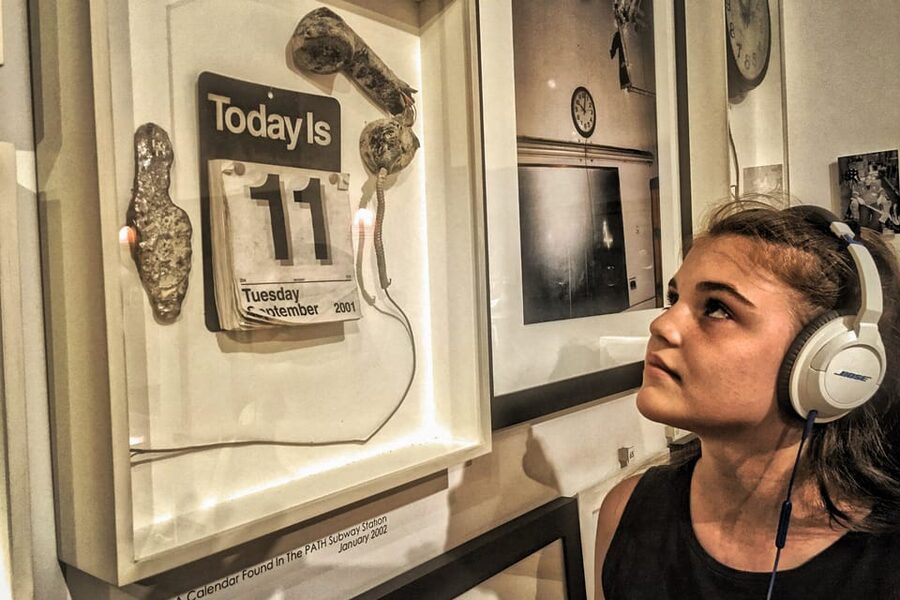
- 100 audio stories: A BOSE headset and audio wand connect photographs and artifacts to individual accounts from the recovery effort.
- Rare Ground Zero photography: Images by official photographer Gary Marlon Suson include areas such as the dangerous subway tunnels beneath the site.
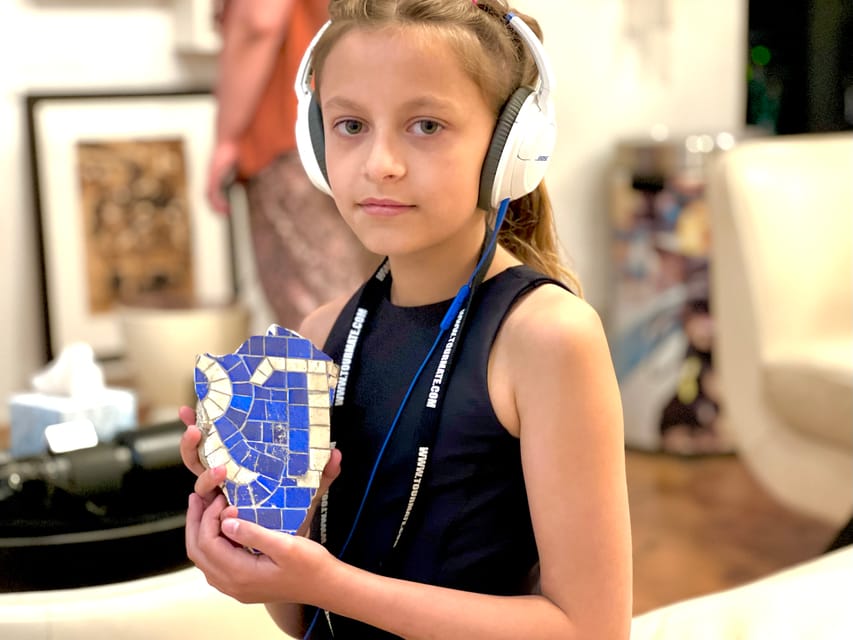
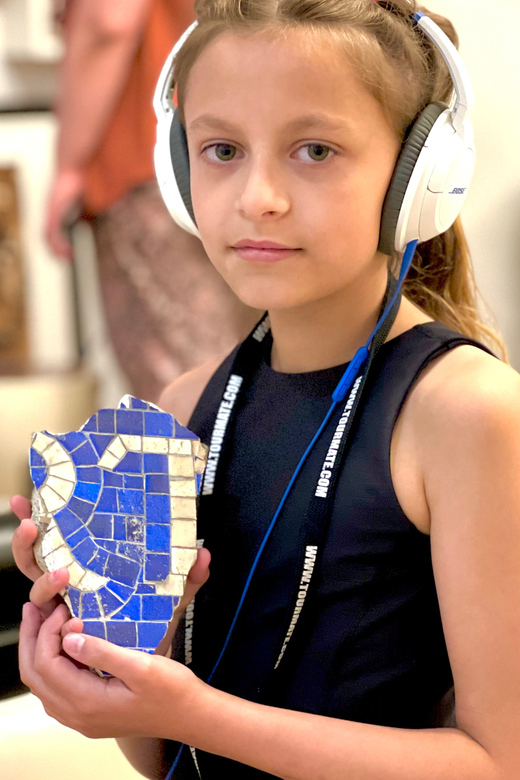
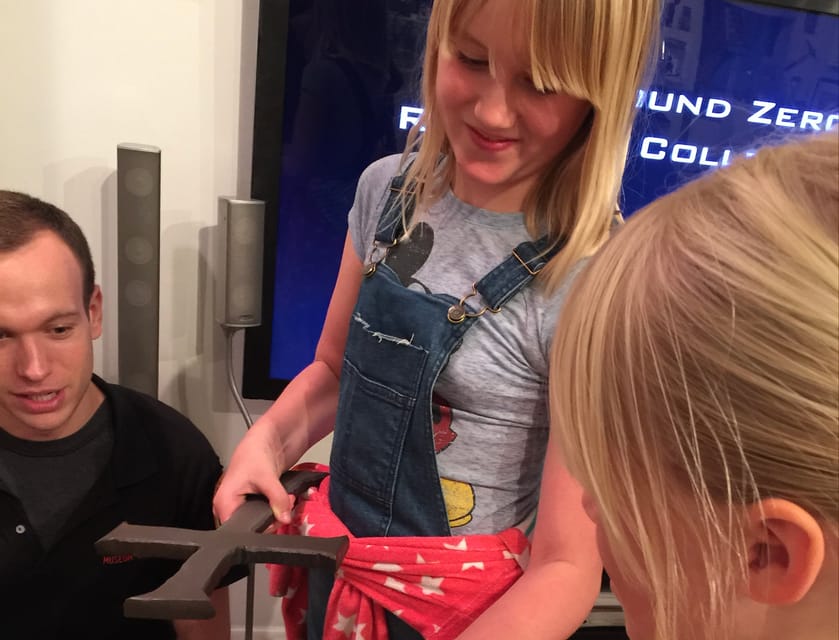
- Hands-on exhibits: With staff approval, you can hold selected objects, including pieces of window glass and steel.
- Family-friendly format: The audio equipment and short film give younger visitors a clear way into a difficult subject.
- Allow extra time if needed: The advertised visit lasts 90 minutes, but listening to every audio story can take about two hours.
A different way to learn about September 11
This is not the large National September 11 Memorial and Museum at the World Trade Center. That distinction matters. The workshop is in the Meatpacking District, reached from the 14th Street stations on the A, C, E, or 1, 2, and 3 subway lines.
The setting feels smaller and more private than a major city museum. One visitor found the location difficult to identify because it is in a normal apartment-style building. I would allow a few extra minutes to locate the entrance, especially if you are coming from another part of Manhattan.
That modest setting shapes the whole visit. You do not get grand architecture or a wide collection of institutional displays. Instead, you get photographs, personal objects, and audio accounts placed close together. The focus is on what happened during the nine-month effort to recover victims and clear the site.
The experience is also careful in tone. September 11 is painful material, and the workshop presents it respectfully rather than turning it into spectacle. Some accounts are upsetting, so parents should judge the subject according to their children’s age and temperament. Still, the audio format gives families control over pace and content.
A few more museum visits around the USA worth comparing
- Savannah: Cocktail Class at American Prohibition Museum
★ 4.9 · 110 reviews - Vienna: Chocolate Workshop in Chocolate Museum w/ Tasting
★ 4.5 · 1,802 reviews - Brussels: Chocolate Museum Visit with Workshop
★ 4.6 · 1,474 reviews
The 12-minute film sets the tone
The visit begins with a 12-minute film on a large screen. This gives you a basic frame for the material before you start using the audio equipment.
That short introduction is useful because the workshop contains many individual stories. Without some context, 100 photographs and artifacts could feel scattered. The film helps you understand that the central subject is not only the attack itself, but also the long, dangerous recovery operation that followed.
I like this short opening because it does not ask you to spend the first part of the visit figuring out what you are looking at. After the film, staff provide the audio equipment and explain how the self-guided portion works.
The film is brief enough to hold a child’s attention, but do not expect it to provide the full story. The main substance comes later, through the photograph and artifact stations.
Gary Marlon Suson’s photographs are the heart of the visit
Gary Marlon Suson served as the official photographer at Ground Zero. The material presented here comes from his unusually broad access to the World Trade Center site, including areas that were dangerous and normally closed to the public.
The photographs are not simply general views of the towers or familiar news images. They document the recovery work and the conditions faced by those working below and around the site. The reference to subway tunnels is especially striking because it points to parts of Ground Zero most people never saw.
You will also encounter images that appeared in international news coverage. Their value here comes from the accompanying audio. A photograph can show dust, steel, damaged interiors, or workers, but the narration helps explain the human situation around it.
I find this approach more personal than a display of images with short captions. The photographs give you something concrete to look at, while the audio supplies the surrounding story. That combination is one reason the workshop can feel more intimate than a conventional exhibit.
Do not rush this section. If you listen only to a few recordings, you will miss the main point of the visit. The workshop is designed around the number of stories, not just the number of objects.
The BOSE audio tour lets you choose your pace
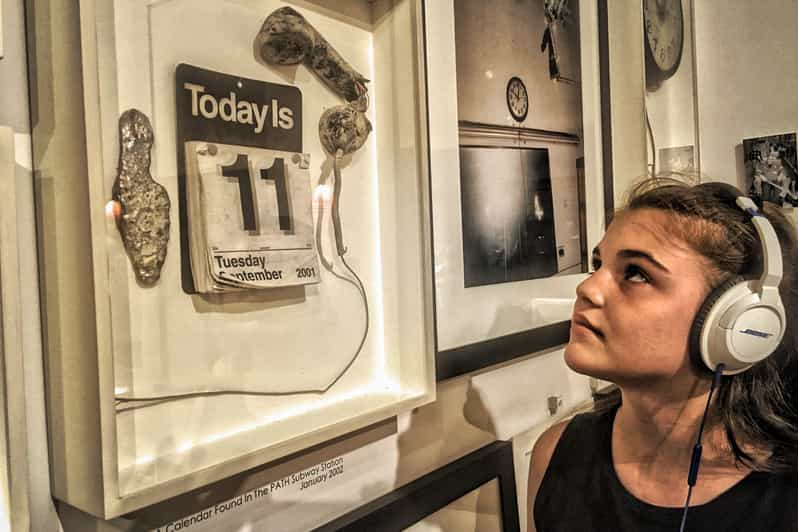
Each visitor receives a BOSE audio system and headset, with access to 100 stories. An audio wand links different parts of the exhibit to their narration.
The recordings are available in English, Spanish, French, and Italian. That makes the visit easier for mixed-language groups and for anyone who prefers hearing a difficult subject in a familiar language.
You can move from image to image at your own speed. I like this format because it avoids the pressure of staying with a group or keeping up with a guide. You can spend longer with an account that matters to you, then move on when you are ready.
The listed duration is 90 minutes, which is a sensible target for a normal visit. If you want to hear all 100 recordings, plan on staying longer. One especially attentive visit lasted about two hours because the visitor listened to every audio story.
That difference is important when planning your day. If you have a tight schedule, choose a selection of recordings instead of trying to complete the entire set. If this is your main 9/11 visit, give yourself room to listen without watching the clock.
The audio works well for families because children can operate the equipment and follow the stories in short segments. Parents should still preview the tone for younger children. Family-friendly here means the format is approachable, not that the subject is light.
Same city, a completely different collection:
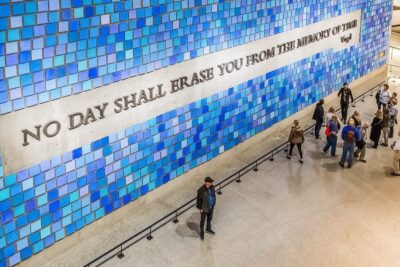
- NYC: 9/11 Memorial & Museum Timed-Entry Ticket
★ 4.8 · 31,428 reviews - NYC: Empire State Building Tickets – Observatory & Museum
★ 4.7 · 25,757 reviews - New York City: American Museum of Natural History Ticket
★ 4.5 · 15,447 reviews - NYC: Museum of Modern Art (MoMA) Entry Ticket
★ 4.6 · 12,540 reviews
Handling artifacts adds a physical connection

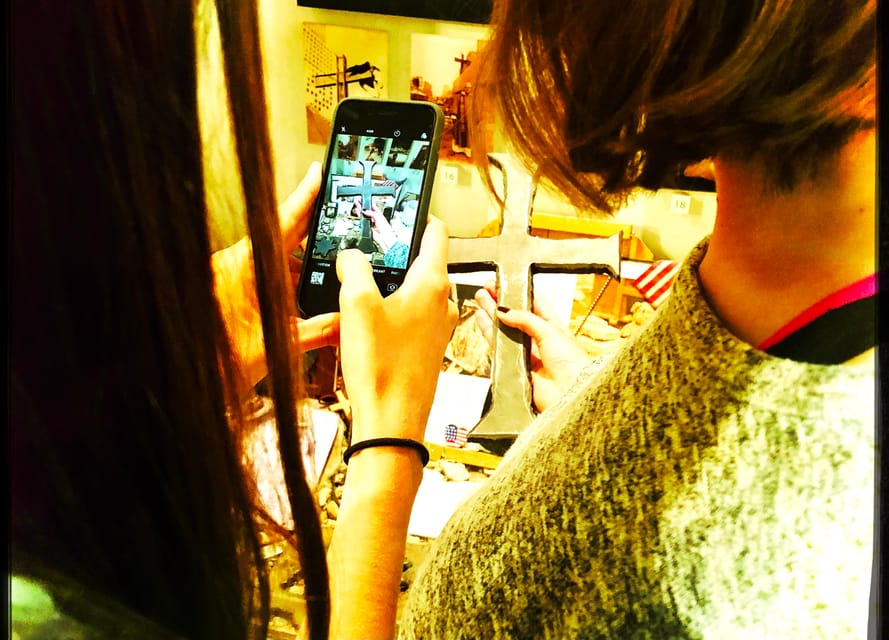
The workshop includes objects donated by survivors and family members, along with items connected to the recovery effort. With staff approval, you may hold selected artifacts.
This is a rare feature. Most museums protect objects behind glass, and for good reason. Here, the chance to handle certain pieces gives you a physical sense of the work and damage described in the audio. The items include rare pieces of World Trade Center window glass and steel.
You should follow staff instructions and ask before picking anything up. The hands-on element is not an invitation to handle every display. It is a controlled part of the visit, and the staff member on site can tell you what is permitted.
For children, this may be the part that makes the exhibit understandable. A piece of steel or glass is not an abstract photograph on a wall. It is a real object connected to a specific place and recovery effort.
For adults, the personal objects donated by families may carry more emotional weight than the larger structural pieces. These objects bring attention back to individual lives and the aftermath faced by survivors and relatives.
The workshop format has clear strengths and limits
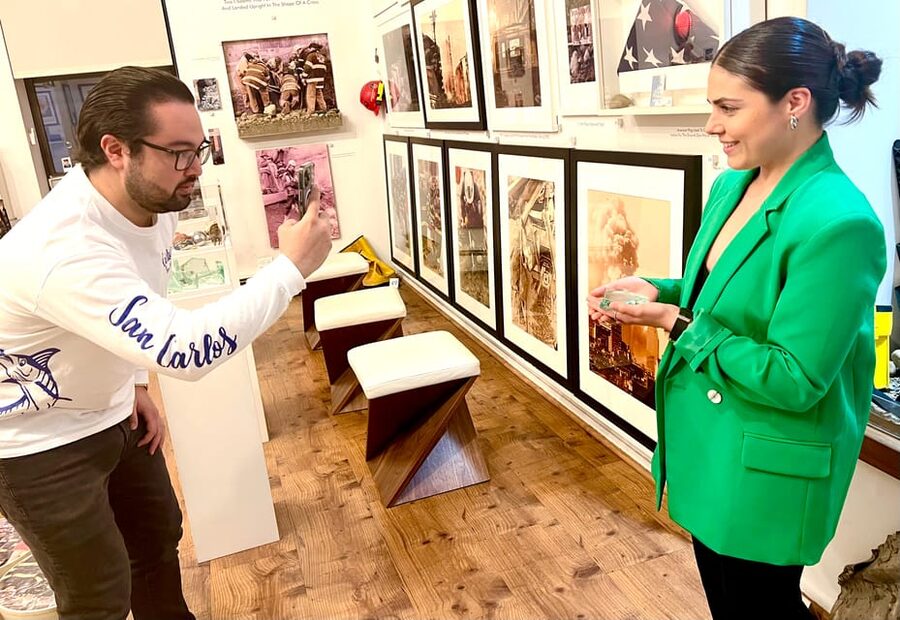
The biggest strength is focus. You are not trying to cover every political, historical, and social question surrounding September 11 in one visit. You are concentrating on photographs, recovery work, and personal accounts.
That focus can make the experience moving and easier to follow. It also explains why some people prefer this workshop to the larger 9/11 museum. The atmosphere is more intimate, and the audio stories keep returning to people and events rather than only presenting broad historical panels.
The limit is scale. If you want a full account of the attacks, the memorial, the emergency response, and the years that followed, this workshop alone will not cover everything. It should be treated as a specialized experience, not a replacement for every other 9/11 site.
The setting may also feel less polished than a major museum. The location is in the Meatpacking District and can resemble a normal apartment interior, which may surprise you if you expect a formal museum entrance. That is a practical inconvenience, but it also helps explain the close, workshop-like feel.
The audio equipment is another tradeoff. It gives you freedom, but it places responsibility on you to choose what to hear. A guided tour would provide a fixed narrative and perhaps more opportunity for questions along the way. Here, an on-site guide is available to answer questions, but the main visit remains self-guided.
How the visit fits into a day in Manhattan
The Meatpacking District makes this easy to combine with other downtown plans. The location is accessible from the 14th Street subway stations served by the A, C, E, and 1, 2, and 3 trains.
Do not assume you can simply walk from the World Trade Center memorial in a few minutes. This workshop is not located there. If you are planning both experiences, treat them as separate stops and allow time for the subway or a cross-town trip.
The 90-minute schedule is useful for planning, but I would not book another fixed activity immediately afterward. The audio collection is large, and the subject deserves a little breathing room. Listening to every story can add roughly 30 minutes or more beyond the advertised visit.
Photography rules need attention. The information provided says cameras and video recording are not allowed, while also stating that photos are allowed and video photography is not permitted. Because those instructions are inconsistent, confirm the current policy at the entrance and follow staff directions. In all cases, do not record video.
Each party receives one free 5 by 7 museum mini-print. It is a small extra, but it gives you something tangible to take home without turning the visit into a gift-shop experience.
Is $36 a fair price?
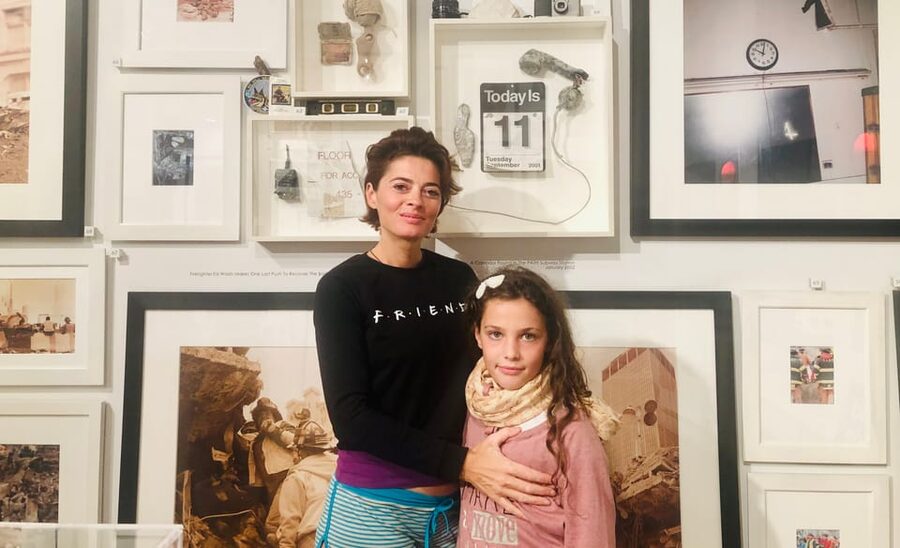
At $36 per person, this is not a cheap quick stop. The value depends on how much of the material you use.
If you watch the film, listen to a broad selection of recordings, examine the photographs carefully, and handle approved artifacts, the price pays for a substantial 90-minute program. If you listen to all 100 stories and stay closer to two hours, the cost becomes easier to justify.
The strongest value comes from the combination of access and interpretation. You are not paying only to see a few pieces of glass or steel. You are paying for the audio collection, Suson’s photographs, the film, the staff support, and the chance to connect physical objects with the recovery effort.
The price may feel high if you want only a brief overview or if you already plan to spend several hours at the main 9/11 museum. In that case, compare the two experiences by purpose. The workshop offers a smaller, personal collection and hands-on objects. The World Trade Center museum provides a larger museum setting and a wider account of the events.
For families, the audio devices may improve the value because they give children something active to do. For adults who prefer a docent-led tour, the self-guided format may feel less satisfying.
Who should book this experience?
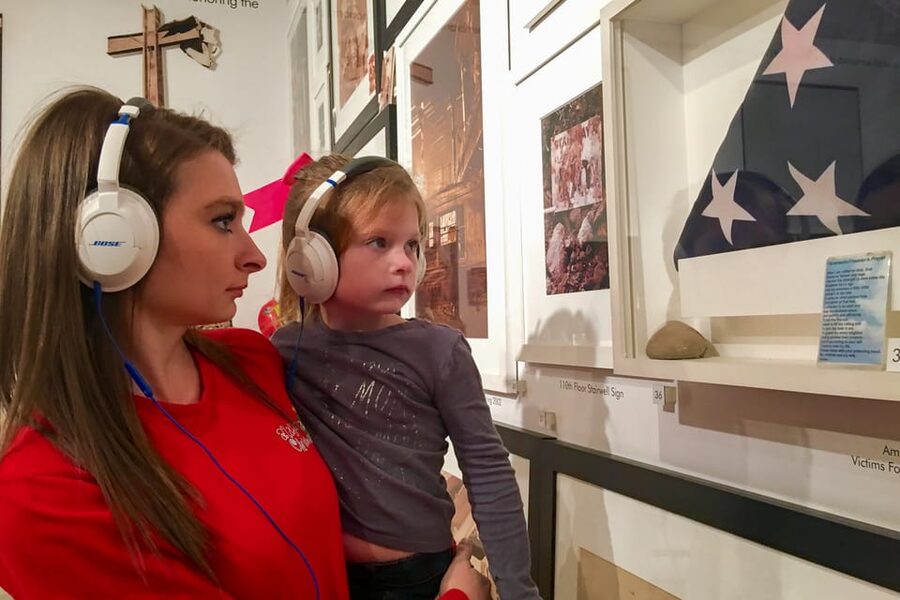
I would choose this workshop if you want a focused account of the Ground Zero recovery effort, especially through photography and personal audio. It suits you if you prefer a small setting, want to set your own pace, or have children who may respond better to equipment and short recordings than to long wall texts.
It is also a good choice for visitors who have already seen the memorial and want another angle on September 11. The rare photographs and access to certain objects provide material that feels different from simply viewing the names and major memorial spaces.
You may want to skip it if your schedule is very tight, if you strongly prefer a large formal museum, or if you are looking for a complete overview of the attacks and their aftermath. The location can be awkward to find, and the emotional content is not light entertainment.
The audio is available in four languages, and the workshop is wheelchair accessible. Those details make it practical for a wider range of visitors, though the entrance and layout are still worth confirming if you have specific mobility needs.
Should you book the 9/11 Museum Workshop?
Book it if you want the personal side of the recovery effort, rare photographs by Gary Marlon Suson, and the unusual chance to handle approved artifacts. Give yourself at least 90 minutes, and preferably longer if you want to hear many of the 100 recordings.
I would not use this as your only 9/11 site unless you specifically want a compact, emotional workshop rather than a broad museum visit. But as a focused addition to a Manhattan itinerary, it offers a thoughtful and tangible look at what happened after the news cameras moved on.
FAQ
Is the 9/11 Museum Workshop located at the World Trade Center?
No. It is located in Manhattan’s Meatpacking District, not at the World Trade Center site.
How long does the experience last?
The stated duration is 90 minutes. If you listen to all 100 audio stories, you may need closer to two hours.
What languages are available for the audio tour?
The audio tour is available in English, Spanish, French, and Italian.
Can I handle the artifacts?
Selected artifacts may be handled with staff approval. Ask the on-site guide before touching any object.
Is the workshop wheelchair accessible?
Yes, the activity is listed as wheelchair accessible.
Can I cancel or pay later?
You can cancel up to 24 hours in advance for a full refund. A reserve-now-and-pay-later option is also available.
Just added around the USA
- Museum of Ice Cream Austin★ 3.5 · 85 reviews
- Admission to Richard Nixon Presidential Library and Museum Ticket★ 5.0 · 123 reviews
- The Turquoise Museum Curator’s Tour★ 5.0 · 12 reviews
- Turquoise Museum Visit★ 4.5 · 194 reviews
- Orlando: Titanic Artifact Exhibition Ticket★ 4.5 · 246 reviews
- The St. Augustine Old Jail Museum Guided Tour★ 4.6 · 68 reviews
- San Diego: San Diego Natural History Museum Ticket★ 4.7 · 33 reviews
- The Museum of Fine Arts, Houston Entry Ticket★ 4.6 · 82 reviews
Museum Tours in the USA, compared.
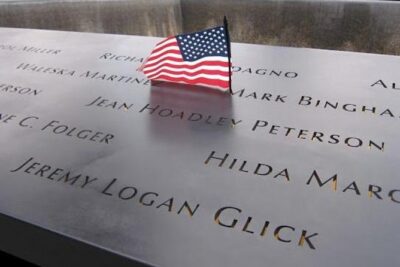
9/11 Memorial, Ground Zero Tour with Optional 9/11 Museum Ticket
Read our review →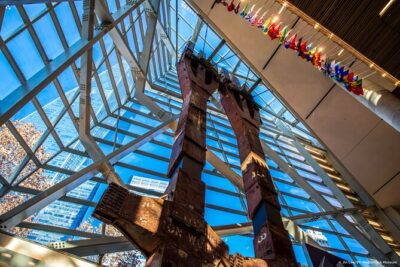
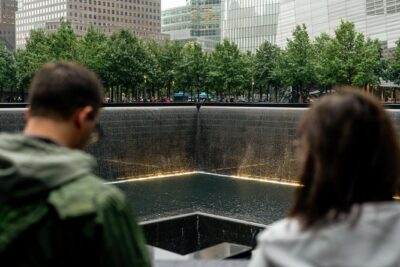
All-Access 9/11: Ground Zero Tour, Memorial and Museum, One World Observatory
Read our review →
Browse the lists this tour appears in