
Review · THE USA
San Diego: San Diego Natural History Museum Ticket
San Diego’s Natural History Museum turns a museum visit into a trip through 75 million years of Southern California. You can move from dinosaurs and megalodons to living scorpions, Baja islands, desert plants, and the city’s own scientific past, all under one roof in Balboa Park.
I especially like the mix of serious science and hands-on appeal. Fossil Mysteries gives the museum its big prehistoric hook, while The Backyard gives very young children a place to play. The daily giant-screen films are another good value, since they come with admission rather than costing extra.
The main drawback is size. Four floors and many exhibitions can feel like a lot in one visit, especially with small children or limited mobility. One visitor also had trouble with the elevator doors, so anyone who depends on the lift should take a little extra care.
Key points to know before you go

- The $12 ticket includes the giant-screen films, with daily showings such as T. REX, Wild San Diego, and Ocean Oasis.
- Four floors cover both ancient and modern nature, from dinosaurs and mastodons to live scorpions and nocturnal lizards.
- Fossil Mysteries is the main draw for anyone interested in dinosaurs, megalodons, and Southern California’s prehistoric past.
- Expedition Baja connects the museum to the region, showing the peninsula’s mountains, deserts, and isolated islands.
- The Backyard is designed for ages 0 to 5, giving preschool children a place to play while adults explore nearby exhibits.
- Your ticket is valid for one day, and admission includes all exhibitions and films.
Starting in Balboa Park with 75 million years of nature
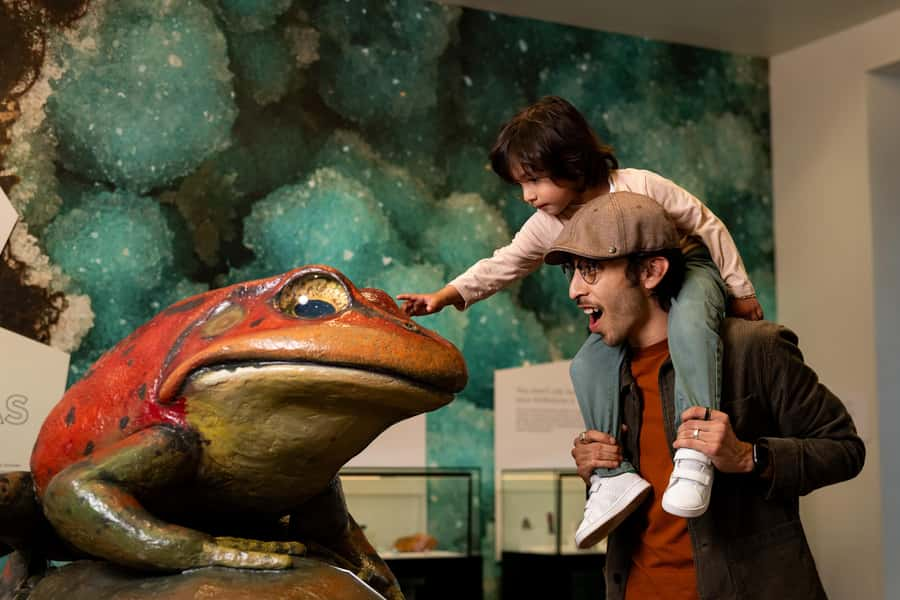
The San Diego Natural History Museum, often called The Nat, is the oldest museum in San Diego and one of Balboa Park’s main cultural institutions. Its focus is the natural world of Southern California and Baja California, so the experience feels tied to the place you are visiting rather than like a general collection of faraway specimens.
That regional focus gives the museum a clear purpose. You are not simply looking at isolated fossils or animals. You are learning how coast, inland valleys, mountains, and deserts support different forms of life, and how the nearby Baja California Peninsula fits into the same wider natural system.
You can use the museum as a short two-hour stop or spend most of a day here. The $12 admission is especially useful if you plan to see one of the films, since access to the giant-screen theater is included. At that price, the museum is a sensible rainy-day plan, a family stop, or a change of pace from Balboa Park’s gardens and art museums.
A printed voucher is required, and the ticket is valid for one day. You should check availability for the starting time shown when you book. There is an English-speaking host or greeter, and the museum is wheelchair accessible.
More natural history museums in the USA:
- New York City: American Museum of Natural History Ticket
★ 4.5 · 15,447 reviews - American Museum of Natural History Admission Ticket
★ 4.0 · 1,931 reviews - Chicago: Field Museum of Natural History Ticket or VIP Tour
★ 4.7 · 717 reviews
Fossil Mysteries and Southern California’s ancient past
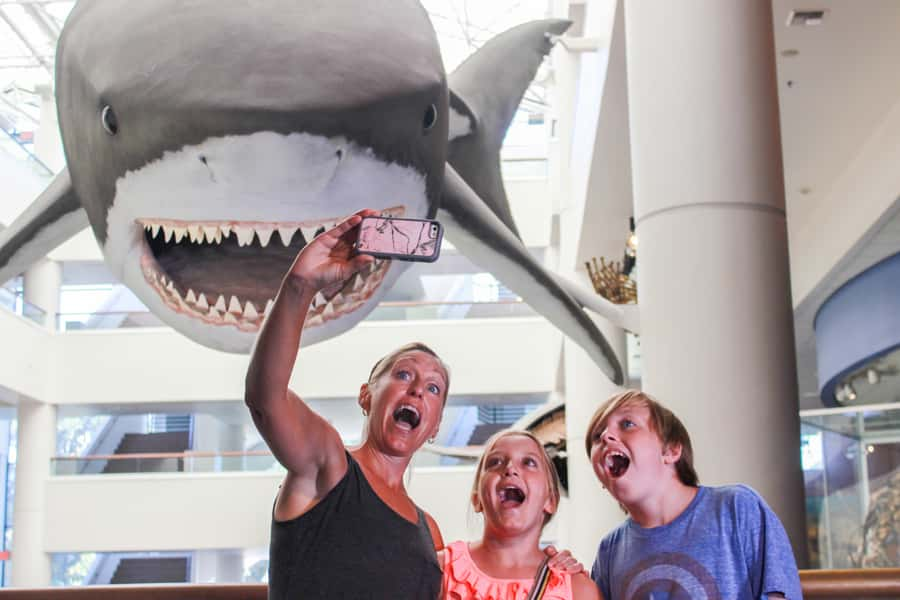
If you have limited time, begin with Fossil Mysteries. This exhibition covers 75 million years of fossil history in Southern California and Baja California, with subjects ranging from dinosaurs to megalodons and mastodons.
The appeal is not only the size of the animals. The exhibition gives you a sense of how much the region has changed over time. Modern San Diego may bring to mind beaches and city life, but the fossils point to a far older world with creatures that are difficult to picture in today’s surroundings.
Children usually connect quickly with the largest prehistoric animals, while adults may appreciate the regional link. This is not just a dinosaur display placed in San Diego. The exhibition asks you to think about the ground beneath the city and the long record preserved across the area.
The title can make this sound like a purely child-focused section, but the time span gives it weight. If you enjoy fossils, this is likely the part of the museum that will stay with you after the visit. If dinosaurs are not your main interest, spend less time here and move on to the living collections and regional exhibits.
Coast to Cactus, from the shore to the desert
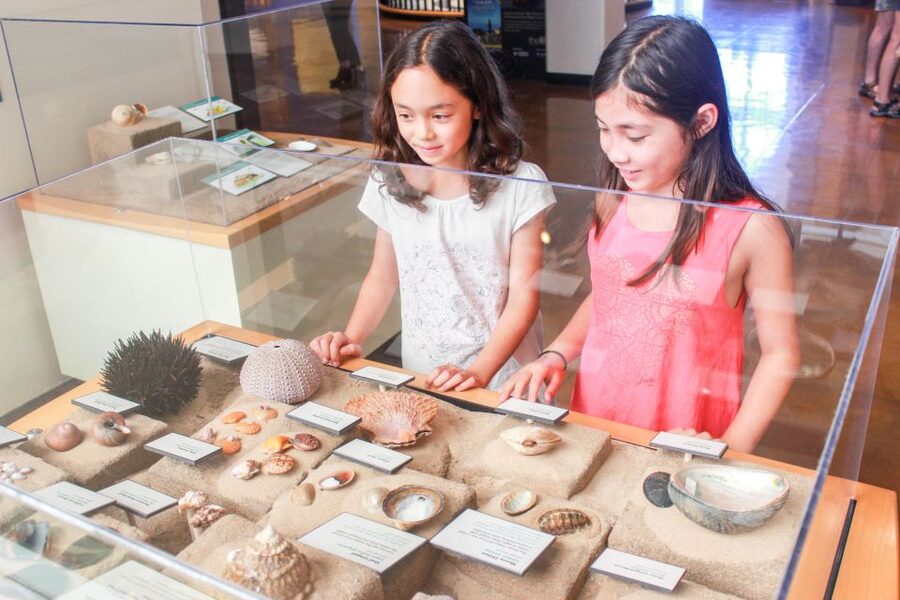
Coast to Cactus in Southern California takes you through the area’s major natural regions: coast, inland valleys, mountains, and deserts. It is one of the best places to understand the museum’s main idea, that Southern California contains several very different environments within a relatively compact region.
You can think of this exhibition as a geographic walk. The coast presents one set of conditions, while the inland valleys, mountains, and deserts bring their own plants and animals. The value comes from seeing these environments as connected parts of one region rather than separate destinations.
This section should suit anyone who wants more context for a San Diego visit. You do not need a background in biology to follow it. The broad regional approach makes it accessible, and it helps explain why the area supports such varied wildlife.
It is also a useful counterpoint to Fossil Mysteries. One exhibit reaches far back into time, while Coast to Cactus helps you understand the natural world you can see around San Diego today.
Expedition Baja and a neighboring world

Baja California is close to San Diego, yet its mountains, desert flats, and isolated islands create a very different experience. Expedition Baja focuses on this peninsula and follows researchers working to protect its wild areas.
I like this exhibit because it adds a cross-border view to the museum. Southern California’s natural story does not stop at the international boundary. The peninsula’s geography gives scientists a place to study unusual habitats and isolated wildlife, and the exhibit connects those places to conservation work.
The island setting is especially important. Isolated islands can support species and natural communities that develop differently from those on the mainland. You might find that this section feels less instantly familiar than the dinosaur galleries, but it gives the museum a wider regional purpose.
Allow time here if you care about wildlife protection or want to understand Baja beyond beaches and road trips. It is also a good place to slow down after the more dramatic fossil displays.
A few more museum visits around the USA worth comparing
- Guided African American History Tour with Reserved Museum Entry
★ 4.5 · 1,180 reviews - Field Museum of Natural History Admission Tickets
★ 4.5 · 489 reviews - Los Angeles: Natural History Museum of LA Entry Ticket
★ 4.7 · 457 reviews - Smithsonian Museum of Natural History – Exclusive Guided Tour
★ 5.0 · 446 reviews
Living Lab brings the animals close
The Living Lab features more than 20 live animals, including stinging scorpions and nocturnal lizards. This is where the museum shifts from preserved specimens and photographs to living creatures.
The animals are not all conventionally cute, and that is part of the point. Scorpions and nighttime lizards may not be the first creatures you would choose for a family attraction, but they show how much of the natural world is overlooked because it is small, secretive, or active after dark.
For children, this section can make science feel immediate. For adults, it adds a useful reminder that biodiversity is not limited to large mammals or colorful birds. You should expect the Living Lab to appeal most to visitors who enjoy observing unusual animals rather than looking for a petting-zoo experience.
The exhibit also breaks up the museum’s long time scale. After millions of years of fossils, living animals bring the subject back to the present.
The Backyard gives preschoolers room to play
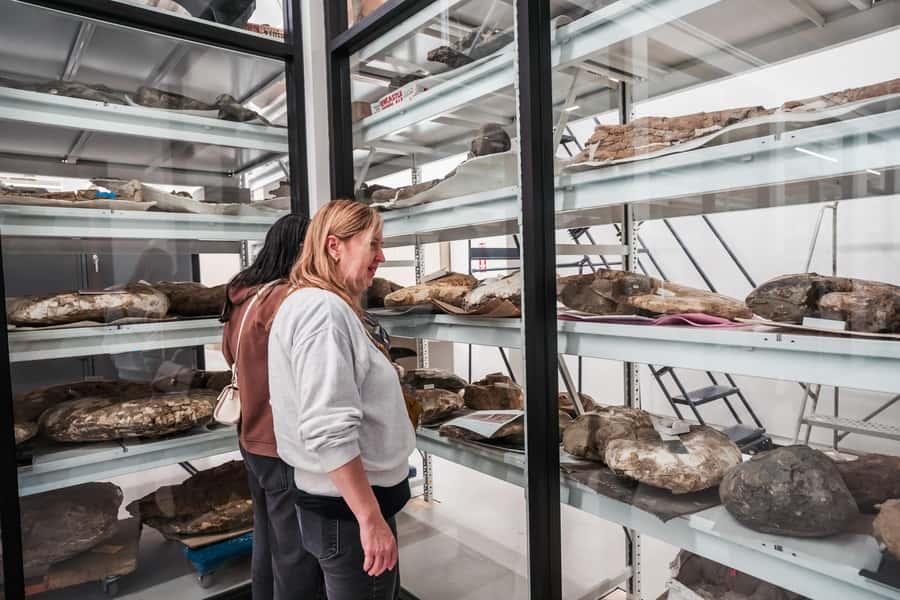
Families with children from birth to age five should make time for The Backyard. It is designed around play, with a shade tree, a wooden fence hiding small secrets, and a cozy potting shed where children can read.
This is not simply a smaller version of the adult galleries. It gives very young children a place to explore at their own pace while introducing the idea that nature can be found close to home. That matters when a four-floor museum might otherwise feel too formal or tiring.
Older children may move through quickly, but that is fine. The Backyard is aimed at ages 0 to 5, so it works best as a reset point for preschoolers rather than a major stop for the whole family.
If you are visiting with a child who expects every museum to be hands-on, plan your route around this area. It can make the rest of the visit easier by giving young children a change from display cases and written information.
Archives, storage, and the people behind science
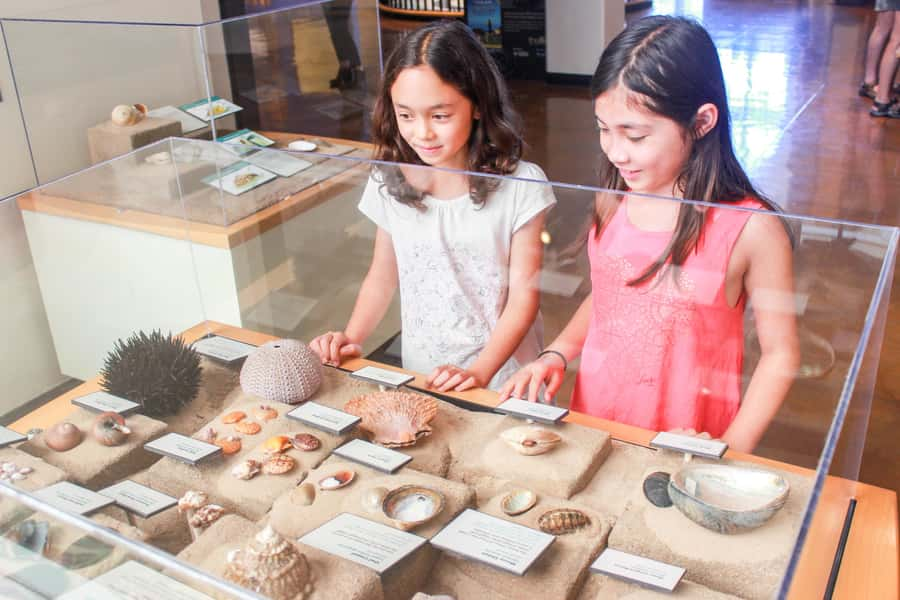
The museum’s 150th anniversary exhibition, Action from the Archives: The Nat at 150, uses photographs and objects to show the institution’s past. Its focus on regional conservation success stories connects museum history with the protection of local nature.
This is a quieter exhibition than the fossil galleries, but it adds useful background. Museums are not only places that hold objects. They also record how people have studied, photographed, collected, and protected the natural world over time.
Unshelved: Cool Stuff from Storage offers another behind-the-scenes angle. It gives you a look at specimens from the museum’s storage areas, including objects chosen for their beauty and oddness.
That combination makes this part appealing if you enjoy unusual museum material. You may not recognize every specimen, but the exhibit encourages you to notice the variety of things a natural history museum preserves. It also helps explain why storage collections matter, even when they are not always on display.
Citizen science makes the museum feel current
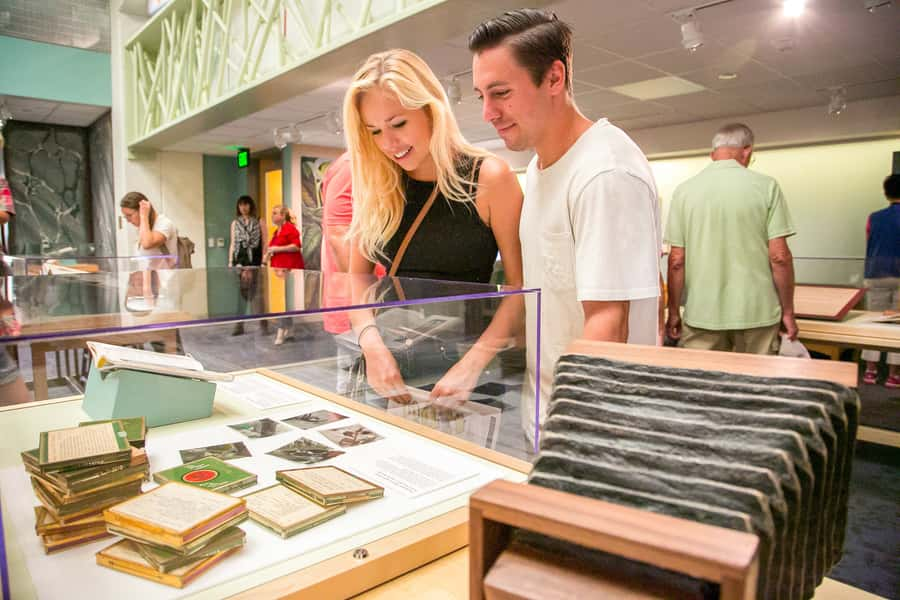
Extraordinary Ideas from Ordinary People: A History of Citizen Science looks at how members of the public have contributed to scientific work. It uses rare books, art, photographs, and historical documents to trace the idea through the past, present, and future.
This exhibit is valuable because it widens the definition of who can take part in science. You do not need to be a museum scientist to pay attention to nature, record observations, or help build a larger understanding of the world.
It also balances the museum’s specimen-based displays. Fossils and preserved objects tell you what has been found, while citizen science asks how information is gathered and who gets to contribute.
Give this section time if you enjoy history, books, or the human side of research. It may be less immediately exciting for young children, but older children and adults can find it a thoughtful pause between the larger visual displays.
The Foucault pendulum and four floors of exhibits
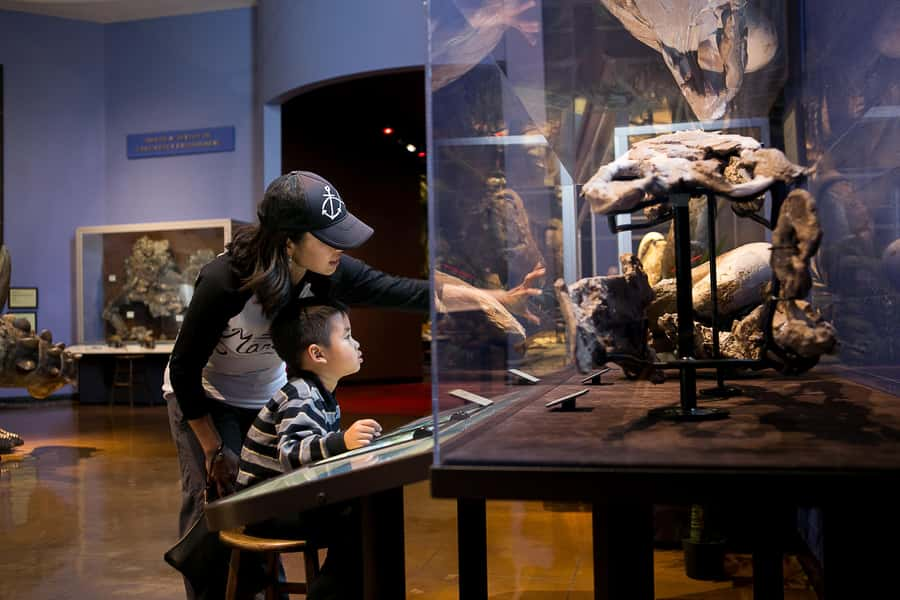
The museum has four floors of exhibition space, so a little planning helps. You can wander, but it is easy to lose track of time when the fossils, live animals, regional displays, and films all compete for attention.
The museum also has San Diego’s only Foucault pendulum. It is a simple but memorable way to see the rotation of Earth represented through a physical demonstration. It gives the building a scientific centerpiece beyond the animal and fossil collections.
I would not try to see every panel in one pass. Choose two or three main interests, then let the remaining time go to the exhibits that catch your eye. A family might focus on Fossil Mysteries, Living Lab, and The Backyard. An adult interested in regional science might prefer Coast to Cactus, Expedition Baja, and the citizen-science display.
The building is wheelchair accessible. Still, one visitor described a worrying experience with the elevator doors and had difficulty using the stairs because of an ankle problem. That does not establish a general problem, but it is sensible to take care around the elevators and ask staff for help if you need the lift.
Giant-screen films add real value to the ticket
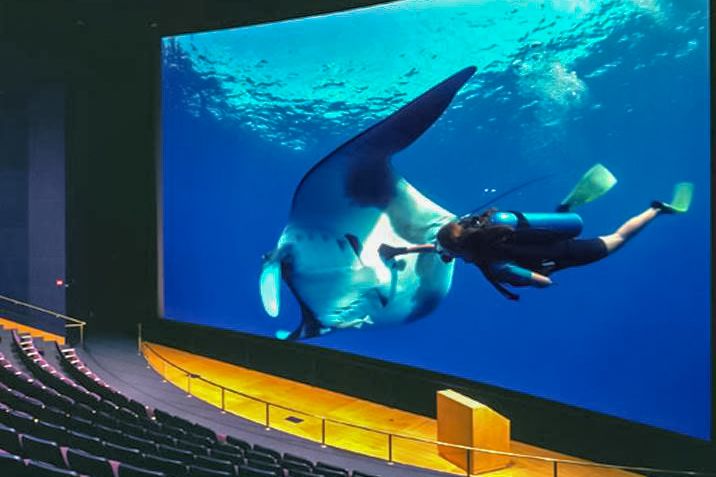
The 300-seat, stadium-style theater is one of the strongest reasons to consider this admission. The giant-screen experience is included, and films are shown daily.
Current film choices include T. REX, Wild San Diego, and Ocean Oasis. The titles give you three different ways into the museum’s subject: prehistoric animals, local wildlife, and marine environments.
A film can also provide a welcome break from walking and reading. If you are visiting with children, sitting down in a large theater may help keep the day enjoyable. Check the available showing times so you can fit a film into your museum route rather than treating it as an afterthought.
Because the ticket includes both exhibitions and films, the theater improves the value of the $12 price. If you only want to spend an hour inside, you may not get the full benefit. If you plan to stay for several hours, the film makes the admission easier to justify.
Food and shopping without leaving the museum
When you need a break, The Craft Taco offers something tasty on site. Gold Leaf sells distinctive gifts, giving you a chance to take home something connected to nature and science rather than a generic souvenir.
These additions matter because they let you keep the museum as the center of your Balboa Park visit. You do not have to abandon the exhibits simply because you need food or want to browse for a present.
The information provided does not specify the menu, prices, or opening times for The Craft Taco, so check those details on the day. The same applies to the shop if you are planning your visit around a particular purchase.
Who will get the most from this $12 visit
I would recommend The Nat to families, fossil fans, science-minded adults, and anyone looking for a thoughtful indoor stop in Balboa Park. The mix of large prehistoric animals, live creatures, regional ecology, and films gives different age groups something to follow.
It is also a good fit for couples. One couple used the museum for an anniversary outing and had a good time, which makes sense given the range of exhibits and the theater. You can move at your own pace, split up briefly if your interests differ, then meet for a film or a break.
The museum may be less satisfying if you want a small, quick attraction with one clear subject. Four floors can feel demanding, and some displays require reading and patience. Visitors with mobility concerns should plan ahead and be cautious with the elevator.
The $12 price is strong for a full-day ticket that includes all exhibitions and films. You get more value if you stay long enough to see at least one film and several major galleries. The flexible cancellation policy also helps: you can cancel up to 24 hours ahead for a full refund, and you can reserve now while paying later.
Should you book the San Diego Natural History Museum?
Book it if you want more than a quick dinosaur display. Fossil Mysteries supplies the big visual appeal, but the museum becomes more worthwhile when you add Coast to Cactus, Expedition Baja, Living Lab, and a giant-screen film.
Families should use The Backyard as part of the plan, not as an optional extra. Adults who enjoy regional conservation and museum collections should allow time for the archives, storage, and citizen-science exhibits.
At $12, this is an easy value choice for a half-day or full-day Balboa Park visit. Skip it only if your schedule is too tight for four floors, or if you want a very small attraction with little walking and no reading. For everyone else, bring the printed voucher, check the film times, and give yourself enough room to follow your curiosity.
FAQ
How much does admission to the San Diego Natural History Museum cost?
The listed price is $12 per person.
How long is the ticket valid?
The ticket is valid for one day. You should check availability for the starting times offered.
What does general admission include?
General admission includes access to all exhibitions and films at the museum.
Are giant-screen films included?
Yes. The giant-screen theater is included with admission, with daily films such as T. REX, Wild San Diego, and Ocean Oasis.
What exhibitions can I see?
Exhibits include Fossil Mysteries, Expedition Baja, Living Lab, The Backyard, Coast to Cactus in Southern California, Unshelved: Cool Stuff from Storage, Action from the Archives: The Nat at 150, and Extraordinary Ideas from Ordinary People: A History of Citizen Science.
Is the museum suitable for young children?
Yes. The Backyard is designed for children ages 0 to 5, with play areas, a wooden fence, a shade tree, and a cozy potting shed.
Is the museum wheelchair accessible?
Yes, the museum is wheelchair accessible.
Is a printed voucher required?
Yes. You need a printed voucher for admission.
Can I cancel the booking?
You can cancel up to 24 hours in advance for a full refund. Reserve now and pay later is also available.
Just added around the USA
- Museum of Ice Cream Austin★ 3.5 · 85 reviews
- Admission to Richard Nixon Presidential Library and Museum Ticket★ 5.0 · 123 reviews
- The Turquoise Museum Curator’s Tour★ 5.0 · 12 reviews
- Turquoise Museum Visit★ 4.5 · 194 reviews
- Orlando: Titanic Artifact Exhibition Ticket★ 4.5 · 246 reviews
- The St. Augustine Old Jail Museum Guided Tour★ 4.6 · 68 reviews
- The Museum of Fine Arts, Houston Entry Ticket★ 4.6 · 82 reviews
- The Met Museum Guided Tour with Skip-the-Line Entry★ 4.4 · 149 reviews
Museum Tours in the USA, compared.



9/11 Memorial, Ground Zero Tour with Optional 9/11 Museum Ticket
Read our review →

All-Access 9/11: Ground Zero Tour, Memorial and Museum, One World Observatory
Read our review →

Browse the lists this tour appears in