
Review · THE USA
The National WWII Museum Campus Pass plus 4-D Film
The most memorable part of this New Orleans experience may be the 4D Beyond All Boundaries film, where vibrating seats, moving scenery, fog, lighting, sound, and layered projection bring the war story into the theater. Your ticket also gives you access to five museum pavilions across a six-acre downtown campus.
I like the freedom to enter before your timed film and build the day around your own interests. I also like the museum’s broad view of the war, including the experiences of women, Black Americans, Native Americans, political leaders, and people from several countries. The main drawback is simple: this is a lot of walking and reading, and four hours may only cover part of it.
Key points to know before you go
- The film time controls your schedule: Choose a screening time, then arrive early enough to see museum exhibits before it begins.
- The campus is much larger than a single gallery: Plan for five pavilions and a full day if you want to read and watch much of the material.
- The film uses physical effects: Expect loud sounds, flashing lights, fog, sudden chair movement, and vibrating seats.
- The subject matter is serious: Images and stories about combat, persecution, death camps, and wartime suffering can be upsetting.
- The pass is best for history-minded visitors: It suits adults, older children, teenagers, and anyone willing to spend hours with detailed displays.
- The ticket is flexible before the film: You may enter the museum at any time before your selected screening, during the museum’s 9 a.m. to 5 p.m. opening hours.
A six-acre museum, not a quick stop
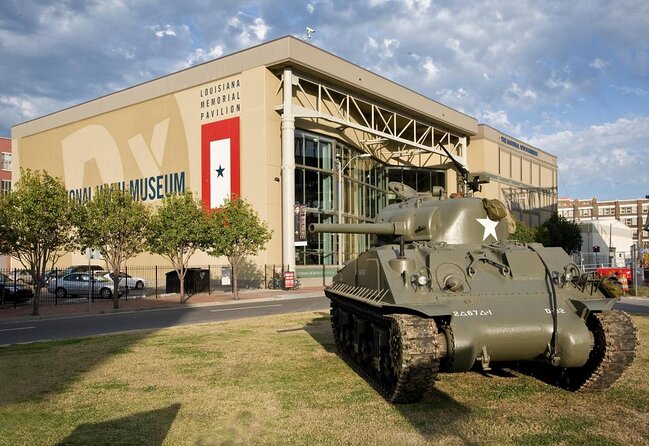
New Orleans is known for music, food, and old neighborhoods, but this museum asks you to set aside a different kind of day. The National World War II Museum occupies a six-acre campus in the downtown area and serves as the official United States museum of World War II.
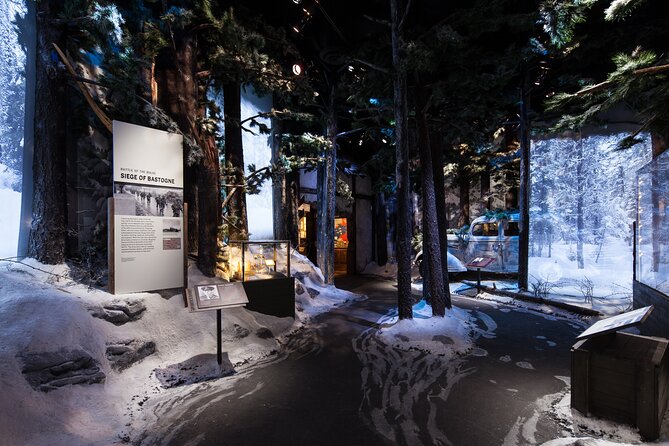
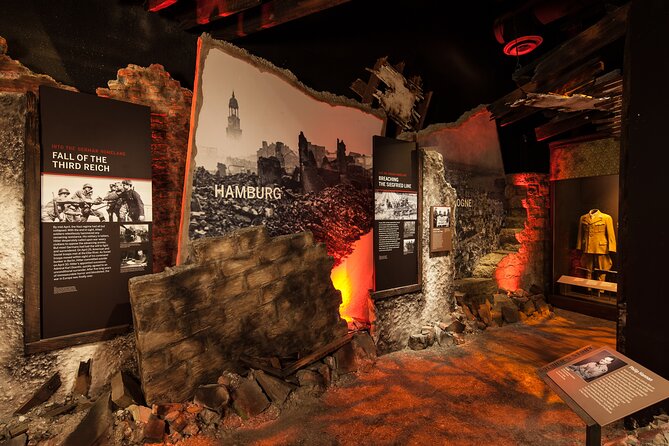
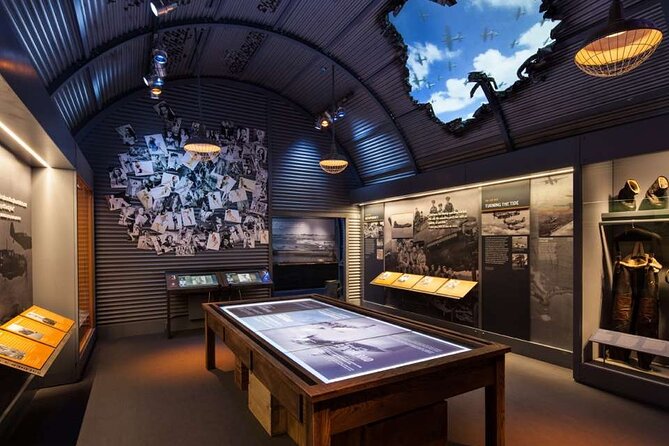
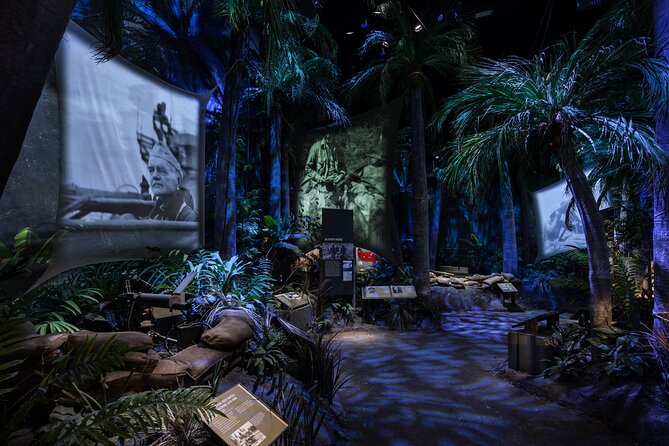
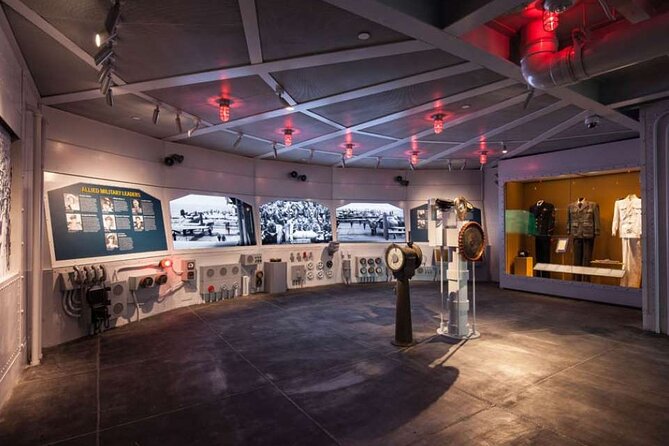
That size matters. You are not walking into one room with a few cases and leaving after an hour. The campus includes five separate pavilions, and the displays move from the years before the war through the conflict and into its aftermath. You will find filmed testimony, visual material, audio, explanatory text, and interactive kiosks.
I would allow at least half a day for a quick visit, and a full day if you want to read carefully. Several people have spent five to eight hours here and still felt they had more to see. One useful way to think about this pass is as a museum day with a film attached, not as a film ticket with a museum attached.
The museum can feel emotionally heavy. It deals with military action, civilian suffering, the Holocaust, forced marches, and the human cost of war. That seriousness is part of its value, but you should not treat it like a light family attraction between lunch and another sightseeing stop.
A few more museum visits around the USA worth comparing
- NYC: 9/11 Memorial & Museum Timed-Entry Ticket
★ 4.8 · 31,428 reviews - NYC: Empire State Building Tickets – Observatory & Museum
★ 4.7 · 25,757 reviews - New York City: American Museum of Natural History Ticket
★ 4.5 · 15,447 reviews
Plan your arrival around the film time
The time you select is for Beyond All Boundaries, not for museum entry. You can enter the museum earlier, begin touring, and then make your way to the Solomon Victory Theater for the screening.
That arrangement is useful because the museum itself does not force you into a short guided route. You can arrive when the doors open at 9 a.m., start with the sections that interest you most, and keep an eye on the clock for the film. The museum is open daily from 9 a.m. to 5 p.m.
I would not schedule the film near the end of the day unless you plan to see only a small part of the campus. The museum contains so much material that a morning screening can give you a clear pause in the middle of the visit, while an early afternoon screening can work well after several hours of exhibits.
Give yourself time to reach the theater without rushing. The campus is spread out, and the whole point of this ticket is to let you combine the film with the museum rather than squeeze both into a narrow window.
What the five pavilions offer
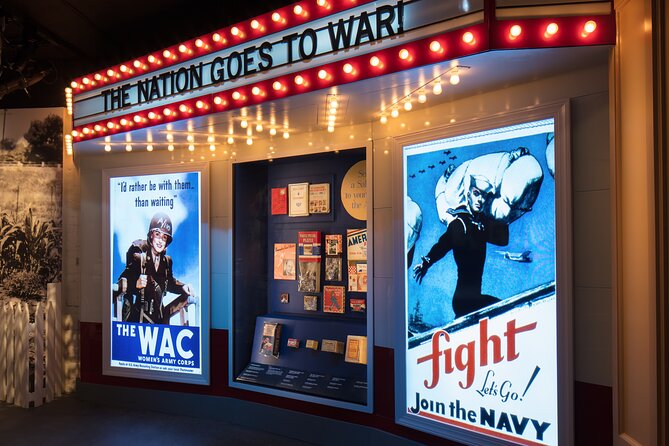
The exhibits cover the war from several angles instead of presenting only a battlefield timeline. You will encounter material about the European and Pacific theaters, military service, political decisions, life during wartime, and the period after the fighting ended.
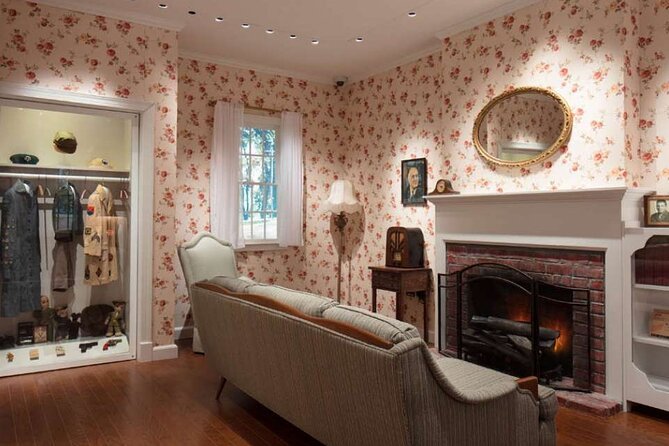
The museum also gives space to people who are often left at the edges of a traditional military story. Displays and filmed accounts include women, Black Americans, Native Americans, political leaders, and voices from different countries. That wider view helps explain how the war affected an entire society, not only the soldiers shown in combat footage.
The presentation is largely self-guided. You will find staff available to help, but there is no tour guide included with this pass. I like that independence for visitors who want to stop often, read at their own pace, or follow one subject through several buildings. If you prefer a guide to connect the displays and add background as you go, this ticket will feel less personal.
The amount of text is significant. Bring your glasses if you need them, since many of the details are written rather than delivered only through screens. The displays reward patience, but they can tire you out. I would rather see three buildings thoughtfully than race through all five while absorbing very little.
Interactive kiosks add variety to the reading. The Follow a Soldier dog tag experience can give your visit a personal thread by letting you follow an individual through the museum. It is a useful choice if a child, teenager, or first-time history visitor needs one story to connect the larger events.
The Solomon Victory Theater and Beyond All Boundaries
The film is narrated by Tom Hanks and uses the Solomon Victory Theater as more than a normal cinema. The presentation combines projection, sound, lighting, moving props and scenery, atmospheric effects, and seats that vibrate or move.
This makes the film a strong addition to the museum, especially if you want a broad overview before returning to specific exhibits. It gives the war a large-scale presentation, while the galleries let you slow down and examine individual people, events, and decisions.
The effects are not subtle. You may encounter loud noises, flashing lights, fog, and sudden chair movements. If you have a medical condition that could be aggravated by those effects, ask at the Visitor Services desk about stationary seating. Assisted listening devices are available for people with hearing loss, but the film is not closed captioned.
You should also think about the film’s emotional force. The museum’s subject matter is difficult, and the theater presentation can make it feel even more immediate. Earplugs may help if you are sensitive to loud sound, though you will want to balance that with your ability to follow the narration and soundtrack.
For many people, the film is the reason to choose this package rather than ordinary museum admission. I think it is worth adding if you respond well to theater effects and want a concentrated overview. If you dislike moving seats, sudden noise, or sensory effects, the museum itself may be enough, and stationary seating is worth arranging before the screening.
Same city, a completely different collection:
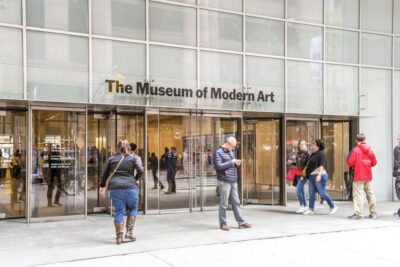
- NYC: Museum of Modern Art (MoMA) Entry Ticket
★ 4.6 · 12,540 reviews - 9/11 Memorial, Ground Zero Tour with Optional 9/11 Museum Ticket
★ 5.0 · 6,381 reviews - 9/11 Memorial Museum Admission Ticket
★ 4.5 · 6,376 reviews - All-Access 9/11: Ground Zero Tour, Memorial and Museum, One World Observatory
★ 5.0 · 4,886 reviews
How long should you allow?
The official duration is one day, and that is the right way to plan it. You can see selected sections in three or four hours, especially if you skim text and include the film. You will need much longer if you want to read the displays, watch the films, use the interactive stations, and move through all five pavilions.
A practical plan looks like this:
- Arrive in the morning and begin with one or two pavilions.
- Take a break for the timed 4D film.
- Eat and rest before continuing through the remaining buildings.
- Keep the final hour for sections you missed or want to revisit.
There is a place to eat on campus, which helps since leaving for a meal would cost time. Still, plan for plenty of standing and walking. The experience is not physically extreme, but the combination of distance, reading, video screens, and emotional concentration can make the day feel longer than expected.
A second day can make sense for serious history enthusiasts. Some visitors have used an additional second-day pass for $15, but that option is not stated as part of this package, so check current museum terms before relying on it.
Price and overall value at $49.35
At $49.35 per person, this pass is not a cheap museum add-on. Its value depends on how much of the campus you plan to see.
If you spend only two hours in the galleries and treat the film as the main event, the price may feel high. If you spend five to eight hours moving through the pavilions, watching the displays, and using the included film, the cost becomes easier to justify. The campus is large enough that a half-day or full-day visit gives you more value than a quick stop.
The mobile ticket also saves you from buying admission at the ticket line. The bigger benefit, though, is the reserved film time. Beyond All Boundaries is a popular part of the museum, and choosing a screening in advance helps you build a workable day.
I would compare this pass with your own interest level, not with the price of an ordinary attraction. If you love military history, documentary film, and careful museum displays, you are likely to use the ticket fully. If your New Orleans plans are packed with short stops, a smaller museum visit may fit your schedule better.
Who will appreciate this museum most?
This pass works especially well for adults, couples, solo visitors, and families with older children or teenagers who already show interest in history. A 13-year-old with a strong interest in military history could find plenty to follow, especially through a personal soldier story or the interactive kiosks.
Young children may struggle with the amount of reading and the serious subject matter. The museum is educational, but it is not built around constant hands-on play. Parents should prepare older children for loud theater effects and difficult images.
The museum also suits visitors with a family connection to World War II. One person may want to look for a relative’s branch of service, follow a particular campaign, or visit a commemorative brick. Those personal links can give the broad exhibits more meaning.
International visitors and anyone unfamiliar with the American role in the war can also gain a lot here. The displays include several national and cultural perspectives, rather than treating the conflict as a story belonging only to the United States. Still, the museum’s purpose is specifically tied to the American World War II experience, so the emphasis is strongest there.
Practical details that affect your day
Your confirmation arrives at booking, and the mobile ticket is convenient for getting started. The museum is near public transportation, and most people can take part. Service animals are allowed.
Because the film is not closed captioned, people who need captions should consider that limitation before booking. Assisted listening devices are available, and stationary seating can help if the moving theater seats are a concern.
The package has free cancellation up to 24 hours before the experience start time. Changes or cancellations within 24 hours are not accepted for a refund. The stated policy also says that if poor weather causes cancellation, you will be offered another date or a full refund, even though most of the visit takes place indoors.
I would wear comfortable shoes, carry water, and avoid placing another major attraction immediately afterward. You can take breaks, but the museum rewards a patient pace.
Should you book the National WWII Museum pass?
Book it if you want a serious, full museum day and have enough time to use it. The combination of five pavilions and the Tom Hanks narrated 4D film gives you both careful historical detail and a large-scale theater presentation.
I would choose the pass for history buffs, older families, and visitors with a personal or academic interest in World War II. I would skip it for a rushed itinerary, very young children, or anyone who finds loud effects and wartime images distressing.
The best approach is to enter early, treat the film as the day’s anchor, take a proper break, and accept that you will not read everything in one visit. At this museum, seeing less with attention is better than racing through the campus just to say you saw it all.
FAQ
What does the National WWII Museum Campus Pass include?
The pass includes admission to the National World War II Museum and timed entry to the Beyond All Boundaries 4D film in the Solomon Victory Theater.
Can I enter the museum before my film time?
Yes. You may enter the museum at any time before your selected film screening during the museum’s opening hours.
How long is the experience?
The pass is intended for a one-day visit. You can spend several hours or most of the day exploring the five pavilions and seeing the film.
What time does the museum open?
The museum is open Monday through Sunday from 9 a.m. to 5 p.m.
Does the film use moving seats and special effects?
Yes. The film includes vibrating seats, sudden chair movements, loud noises, flashing lights, fog effects, moving props and scenery, lighting, sound effects, and layered projection.
Can I cancel for a refund?
You can cancel at least 24 hours before the experience start time for a full refund. Cancellations or changes made less than 24 hours before the start time are not refunded or accepted.
Just added around the USA
- Museum of Ice Cream Austin★ 3.5 · 85 reviews
- Admission to Richard Nixon Presidential Library and Museum Ticket★ 5.0 · 123 reviews
- The Turquoise Museum Curator’s Tour★ 5.0 · 12 reviews
- Turquoise Museum Visit★ 4.5 · 194 reviews
- Orlando: Titanic Artifact Exhibition Ticket★ 4.5 · 246 reviews
- The St. Augustine Old Jail Museum Guided Tour★ 4.6 · 68 reviews
- San Diego: San Diego Natural History Museum Ticket★ 4.7 · 33 reviews
- The Museum of Fine Arts, Houston Entry Ticket★ 4.6 · 82 reviews
Museum Tours in the USA, compared.
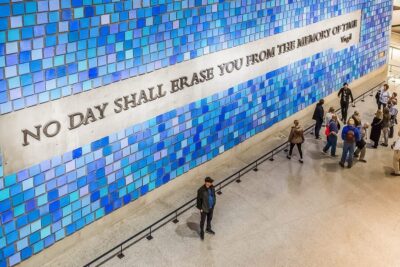


9/11 Memorial, Ground Zero Tour with Optional 9/11 Museum Ticket
Read our review →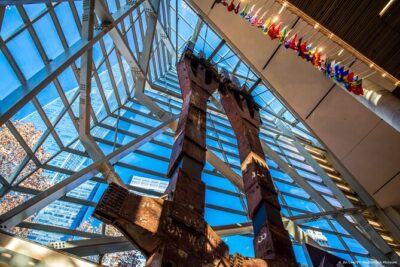

All-Access 9/11: Ground Zero Tour, Memorial and Museum, One World Observatory
Read our review →
Browse the lists this tour appears in