
Review · SPAIN
Sigüenza: Sigüenza Cathedral & Diocesan Museum Entry Ticket
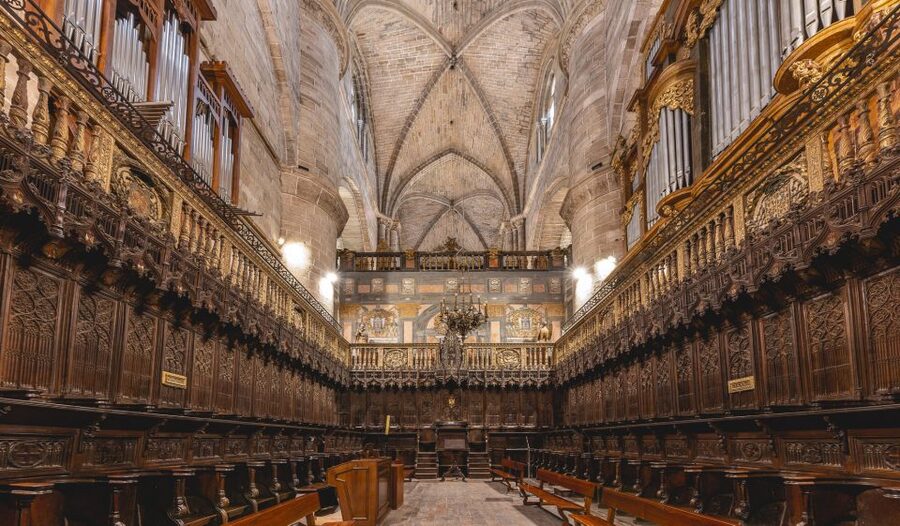
Sigüenza’s cathedral is the main event: a huge 15th-century church-fortress that gives the town its shape and mood. Inside, you’ll see Gothic architecture mixed with later Baroque and neoclassical work, then continue to the Diocesan Museum for antique religious art in a former palace. I like the way one modest ticket joins architecture and art history, and I like that the experience can include an audio guide and virtual headset to make the visit easier to follow. The main drawback is timing: a wedding or other church event can limit how much of the cathedral you see.
Key points at a glance
- A cathedral built like a fortress: See an imposing religious building whose size and defensive character help explain Sigüenza’s historic importance.
- Several centuries in one interior: Look for the meeting of 15th-century design with Baroque and neoclassical additions.
- The famous open-eyed knight: The cathedral visit includes the chance to learn about the celebrated tomb sculpture known as the Knight of the Open Eyes.
- A second historic building: Continue to the Diocesan Museum, housed in a 16th-century neoclassical palace.
- Useful modern guidance: An audio guide and virtual headset can add explanations about the town, cathedral, art, and local history.
- Good value at $9: One ticket covers both sites for one day, with cancellation allowed up to 24 hours before the visit.
Why Sigüenza Cathedral deserves your first look
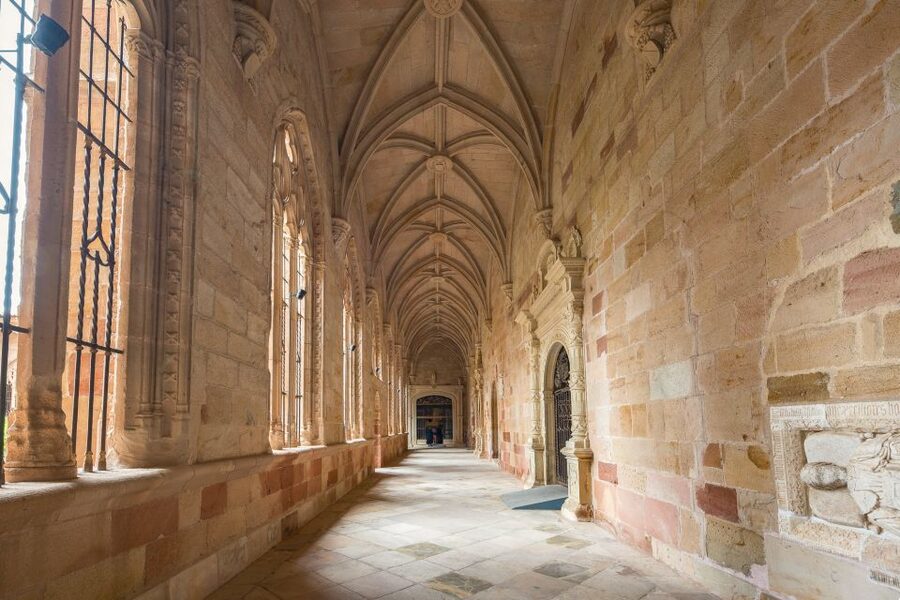
The cathedral is not a polite little parish church tucked into a side street. It has real presence. Its scale and fortress-like form give the center of Sigüenza much of its character, and the building is tied closely to the town’s history and architecture.
That church-fortress design is the first detail I would pay attention to. From outside, the cathedral feels solid and defensive, with the strength you expect from a major medieval building. It was also an important religious center, so its size reflects both spiritual status and civic importance.
You do not need to be an architecture specialist to appreciate the exterior. Look at the whole shape first, then notice how the building combines the severe character of a fortified monument with the more decorative language of a cathedral.
The visit is especially useful if you want more than a quick photograph. The cathedral gives you a clear sense of place before the museum adds objects and artworks that fill out the story.
More basilicas and cathedrals in Spain:
- Santiago: Cathedral & Museum Tour + Pórtico of Glory Option
★ 4.7 · 2,116 reviews - Santiago de Compostela Cathedral and Museum Guided Tour
★ 4.6 · 511 reviews - Santiago de Compostela: Cathedral, Museum, and Old Town Tour
★ 4.8 · 382 reviews
Inside the 15th-century cathedral
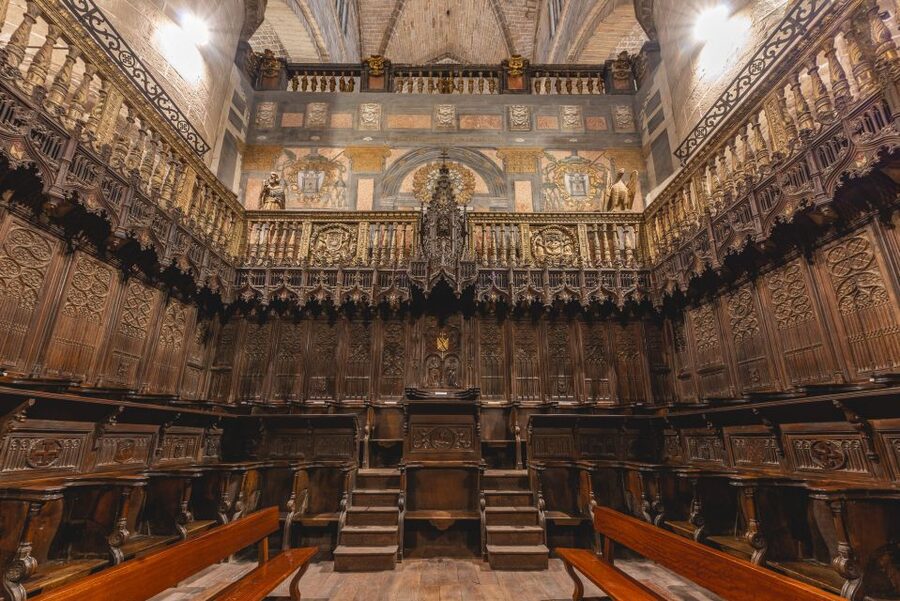
Once inside, the main pleasure is seeing different periods gathered in one building. The cathedral’s core belongs to the 15th century, but later work added Baroque and neoclassical features. That mixture is normal in a building used and altered over hundreds of years, and here it gives the interior more depth.
Try not to judge the cathedral only by one style. Look for the contrast between older Gothic structure and later decorative changes. The result is not a perfectly uniform monument. It is a building that records changing tastes, religious needs, and ideas about how a grand church should look.
The interior also provides the setting for some of Sigüenza’s best-known religious art. One detail singled out for attention is the Knight of the Open Eyes, a famous tomb sculpture. It is the sort of work that rewards a slower look. Rather than treating it as one more object in a large church, take time to notice the unusual expression and the way the sculpture connects a person to the cathedral’s history.
The cathedral’s size matters here. Details can be easy to miss when you simply walk through, especially if you are visiting with children or trying to read labels at the same time. The audio guide can help give the important pieces a place in the larger story.
A virtual headset may also be part of the experience. It offers a more modern way to explain the town and cathedral, which can be helpful when the building’s long history feels like a pile of dates. The technology will not replace looking carefully at the stone, sculpture, and decoration, but it can make the visit more approachable.
Antique religious art in the Diocesan Museum
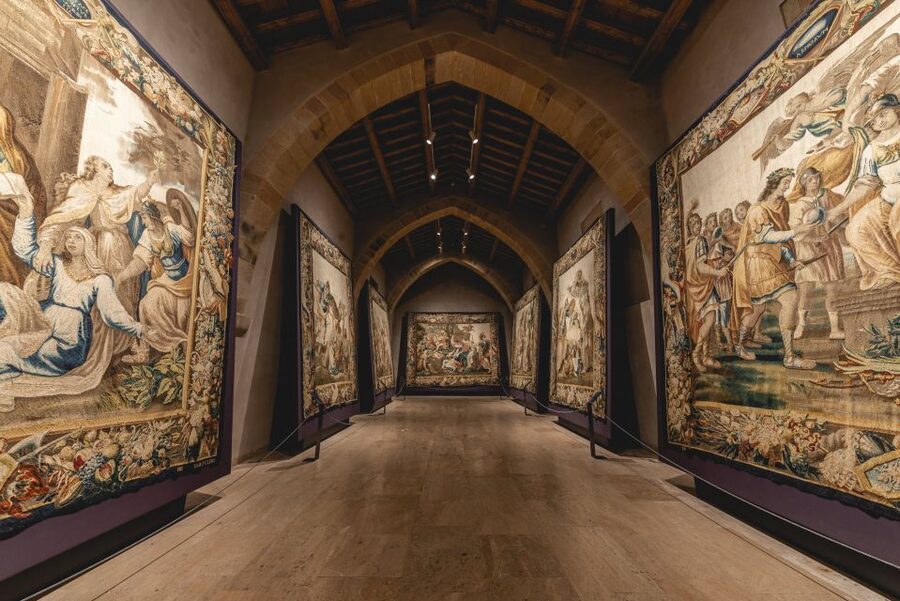
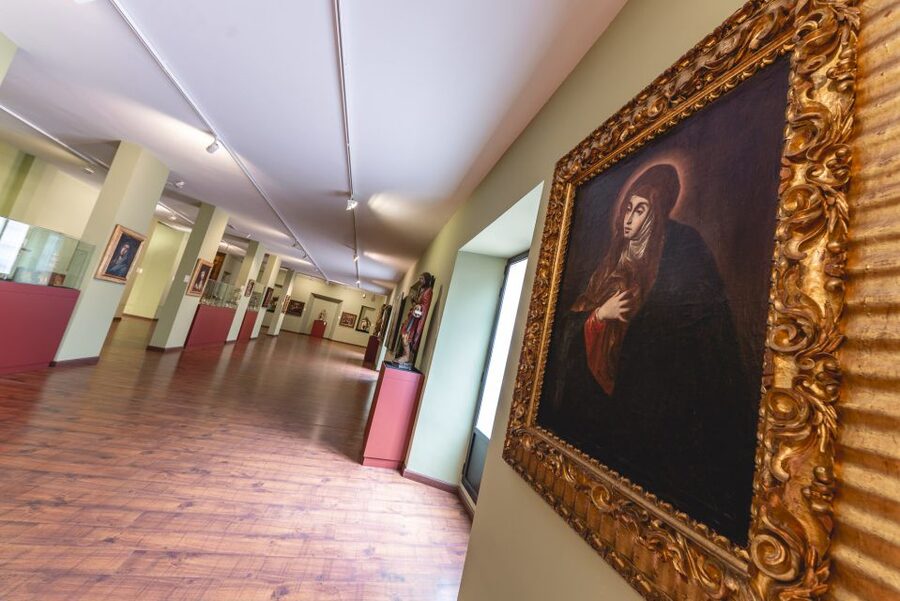
The Diocesan Museum gives the ticket a second strong reason to buy. It is located in a 16th-century neoclassical palace, so you are not moving from a historic cathedral into an ordinary modern gallery. The building itself is part of the experience.
The museum began as a small exhibition and later expanded through the whole building. That growth tells you how much material there is to present, although the exact displays can change. You should expect antique religious art rather than a general art museum with many unrelated subjects.
This is a good companion to the cathedral. In the church, you experience the setting: vast spaces, architectural forms, tombs, and devotional objects. In the museum, you can focus more directly on individual works and the tradition of religious art behind them.
I would give the museum enough time to avoid turning it into a hurried add-on. The cathedral has the bigger visual impact, but the museum helps explain how religious art was made, displayed, and valued in this part of Spain.
The two sites also create a useful rhythm. First, you see the major monument that shapes Sigüenza. Then, you move into a more contained setting where art becomes the main subject. For a $9 ticket, that combination feels more substantial than a cathedral-only admission.
How the audio guide changes the visit
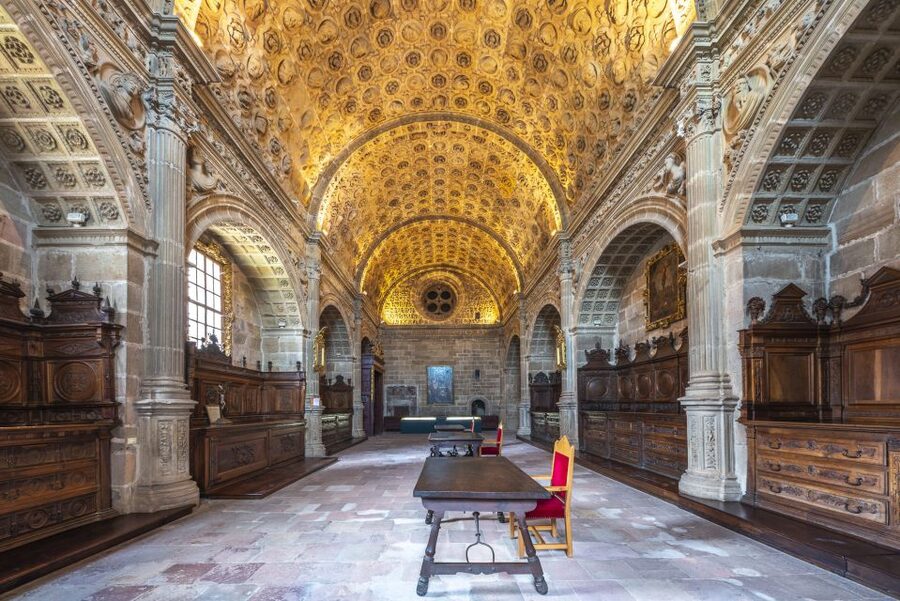
The audio guide is worth using if you want context rather than a silent walk through the rooms. It can explain the history of the town and point out details that are easy to overlook, including the cathedral’s art and the open-eyed knight.
The virtual headset adds another layer. This is a nice touch for families because it gives younger visitors something active to follow while adults take in the architecture. It also helps if you do not already know much about Sigüenza.
I would still use the technology as a supplement, not as the whole visit. Start by looking at the building and its main artworks without distraction. Then listen to the explanations and return to details that catch your attention.
The supplied information does not identify individual guides, so you should not expect a named personal guide. The experience is centered on entry to the two sites, with audio and virtual assistance available as part of the interpretive experience rather than a clearly described private tour.
A few more museum visits around Spain worth comparing
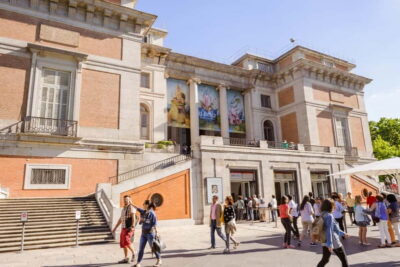
- Madrid: Prado Museum Entry Ticket
★ 4.6 · 20,699 reviews - Barcelona: FC Barcelona Museum “Barça Immersive Tour” Ticket
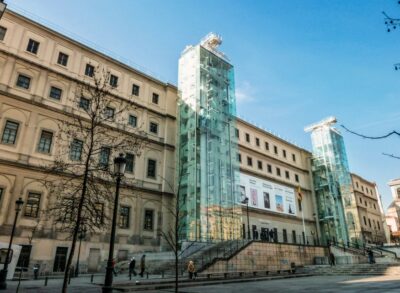
★ 4.4 · 10,944 reviews - Madrid: Reina Sofía Museum Entrance Ticket
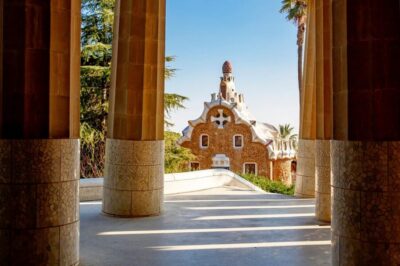
★ 4.5 · 8,788 reviews - Barcelona: Park Güell and Gaudí House Museum Entry Ticket
★ 4.5 · 6,326 reviews
What the $9 ticket really buys you
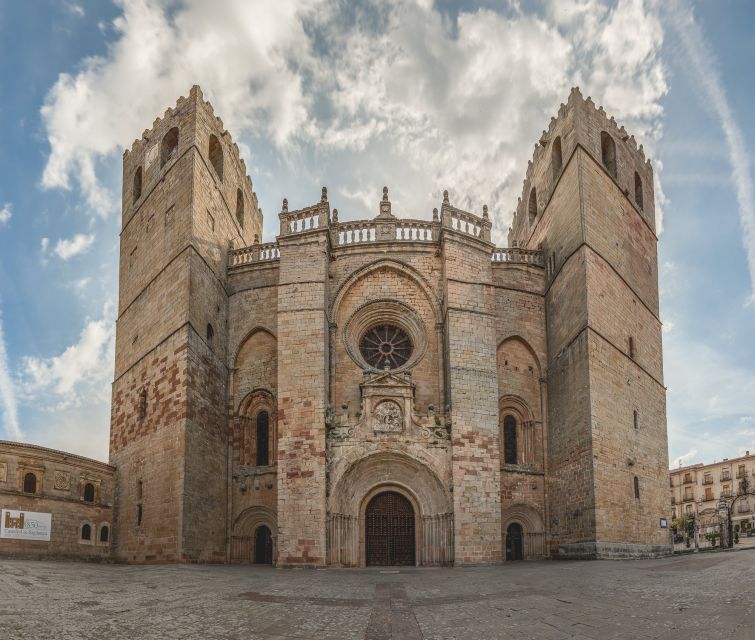
At $9 per person, the price is reasonable for two major cultural sites in one historic town. You are paying for entry to both the cathedral and Diocesan Museum, and the ticket is valid for one day.
The value depends on how you visit. If you only glance at the cathedral exterior and rush through the museum, the ticket will feel less useful. If you spend time with the architecture, the tomb sculpture, the later additions, and the museum collection, the cost is easy to justify.
The combined admission also saves you from having to choose between church history and art. You get both in a compact visit. That makes it a practical pick for a day in Sigüenza, especially if you want a cultural stop that does not require a full guided excursion.
There is also some booking flexibility. You can reserve now and pay later, and cancellation is available up to 24 hours before the visit for a full refund. The activity lasts one day, but the exact starting times depend on availability.
Do check the available time before you set your schedule. The cathedral is an active religious building, not just a museum. A wedding or service can affect access, and one booking was unable to see the cathedral in full because of a wedding. That is the clearest practical caution with this experience.
A sensible way to plan your visit
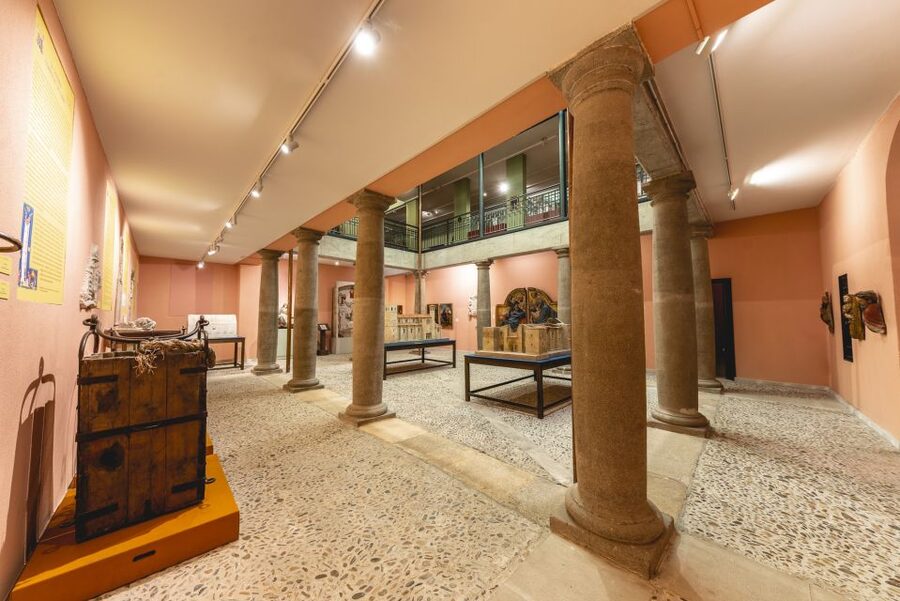
Start with the cathedral exterior. Walk around it slowly enough to understand its fortress character before heading inside. The outside prepares you for the building’s scale and helps you see why it has such a strong effect on Sigüenza.
Inside, begin with the overall space. Notice how the 15th-century structure feels different from the later Baroque and neoclassical work. Once you have the broad picture, use the audio guide to focus on the details.
Give special attention to the Knight of the Open Eyes. It is one of the most distinctive details associated with the visit, and it gives the cathedral a human point of focus after the grandeur of the architecture.
Continue to the Diocesan Museum while the cathedral’s religious art is still fresh in your mind. The move from a large church to a palace setting helps you compare art in context with art displayed for closer study.
If you are visiting with family, the audio guide and virtual headset may help keep the experience moving. The cathedral’s size can be impressive but difficult for children to follow without a story. The museum then provides a quieter second stage.
Because the ticket is valid for one day, you have some freedom in how you arrange the visit. Still, do not assume that any time will work equally well. Church events can interfere, so checking the available start time is sensible.
Who will enjoy this experience most
I would recommend this ticket to anyone interested in Spanish religious architecture, medieval towns, sculpture, or antique art. It is also a strong choice if you want a self-guided cultural stop rather than a long organized tour.
Families may find the modern audio and virtual elements useful. They give the visit more structure and can make the cathedral’s history easier to grasp. The open-eyed knight also offers a memorable detail for children and adults alike.
Art lovers should appreciate the pairing of the cathedral and museum. You get major architecture first, followed by a collection devoted to antique religious art. Neither site has to carry the whole experience by itself.
This may be less suitable if you are looking only for a quick photo stop or if you dislike religious museums. The experience is firmly focused on church history, sacred art, and the buildings that housed them. It is not a broad survey of all of Sigüenza’s attractions.
You should also be comfortable with some uncertainty around access to the cathedral. A wedding or religious event can change what you are able to see. That does not make the ticket poor value, but it does make timing important.
Is the cathedral and museum ticket worth booking?
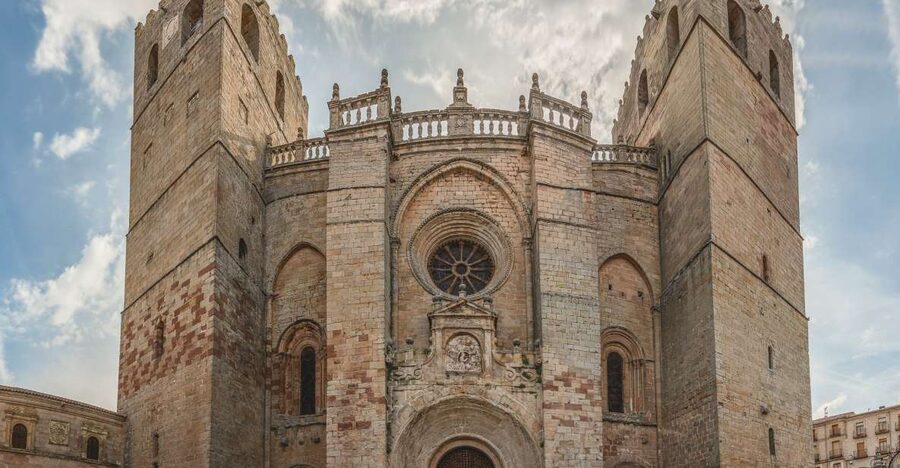
Yes, for most people spending time in Sigüenza. At $9, the ticket gives you access to a major 15th-century cathedral and a Diocesan Museum in a historic palace. The combination offers architecture, sculpture, religious art, and local history in one compact experience.
Book it if you want to understand why the cathedral shapes the town, see the Knight of the Open Eyes, and use an audio guide or virtual headset to add context. It is particularly useful for families and for anyone who prefers exploring at their own pace.
Think twice only if your schedule is tight or if a church event might interfere with access. Check the available time, and remember that the ticket is best treated as a full cultural visit rather than a five-minute stop.
FAQ
Where is the cathedral and museum experience located?
It is located in Sigüenza, in the Castile-La Mancha region of Spain.
What does the ticket include?
The ticket includes entry to Sigüenza Cathedral and the Diocesan Museum.
How much does the experience cost?
The listed price is $9 per person.
How long is the ticket valid?
The ticket is valid for one day.
What type of building is Sigüenza Cathedral?
The cathedral is a large church-fortress with a 15th-century core.
What architectural periods can you see inside?
You can see the original 15th-century cathedral along with later neoclassical and Baroque additions.
What is displayed in the Diocesan Museum?
The museum presents antique religious art.
Where is the Diocesan Museum housed?
The museum is located in a 16th-century neoclassical palace.
Is an audio guide available?
An audio guide can be part of the experience, along with a virtual headset that adds information about the town, cathedral, and artworks.
Can you cancel the booking?
Yes. You can cancel up to 24 hours in advance for a full refund. You can also reserve now and pay later.
Just added around Spain
- Girona, Figueres, Dalí Museum and Cadaqués Tour from Barcelona★ 4.5 · 36 reviews
- Erotic Museum Admission Ticket with Audioguide★ 5.0 · 527 reviews
- Dali Museum and Costa Brava Small Group Day Trip from Barcelona★ 5.0 · 77 reviews
- Football Club Barcelona Museum Immersive Tour Guided Visit★ 3.5 · 52 reviews
- Madrid by High-Speed Train with Prado Museum Private Tour★ 4.0 · 33 reviews
- Guitar Legends Hall: Entrance to the Immersive Rock Museum★ 5.0 · 25 reviews
- White Rabbit Museum: The Best Immersive Experience in Catalonia★ 5.0 · 538 reviews
- Private Dali Museum, Besalú & Girona Tour from Barcelona★ 5.0 · 15 reviews
Museum Tours in Spain, compared.
Park Güell and Gaudí House Museum Entry Ticket
Read our review →
Puro Flamenco Show with Optional Museum Ticket
Read our review →
Moco Museum Barcelona: Modern & Contemporary Art
Read our review →
Girona & Dali Museum Small Group Tour with Pick-up from Barcelona
Read our review →
Valencia: Oceanogràfic, Hemisfèric & Science Museum Combo
Read our review →Browse the lists this tour appears in