
Review · THE USA
SF: San Francisco Museum of Modern Art (SFMOMA) Entry Ticket
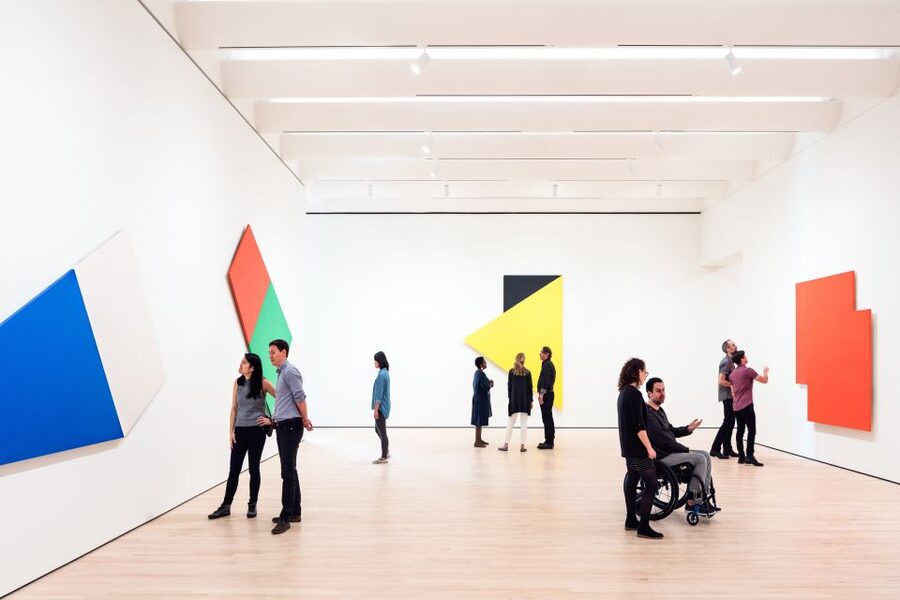
SFMOMA puts a lot under one roof: seven floors, 170,000 square feet, and more than 33,000 modern and contemporary artworks. I like the full floor devoted to photography and the range of work, from Warhol lithographs and Jackson Pollock splatters to sculpture, neon, short films, and interactive displays. I also like that your $15 ticket includes the main museum, six art-filled terraces, and the public Roman steps.
The main drawback is scale. Seven floors can feel like too much if you try to see every room, and one recent visitor found the route a little confusing. Special exhibitions cost extra at the ticket desk, so the advertised price is not always the final price if you want every gallery.
Key points to know before you go
- Seven floors of modern art: Plan for paintings, sculpture, photography, neon installations, short videos, and interactive displays.
- A major photography collection: One complete floor is dedicated to photography, making this a strong choice for photo lovers.
- A good $15 value: Your ticket covers the main SFMOMA collection for one day, with special exhibitions available for an added fee.
- Six outdoor terraces: These art-filled terraces give you places to pause between galleries.
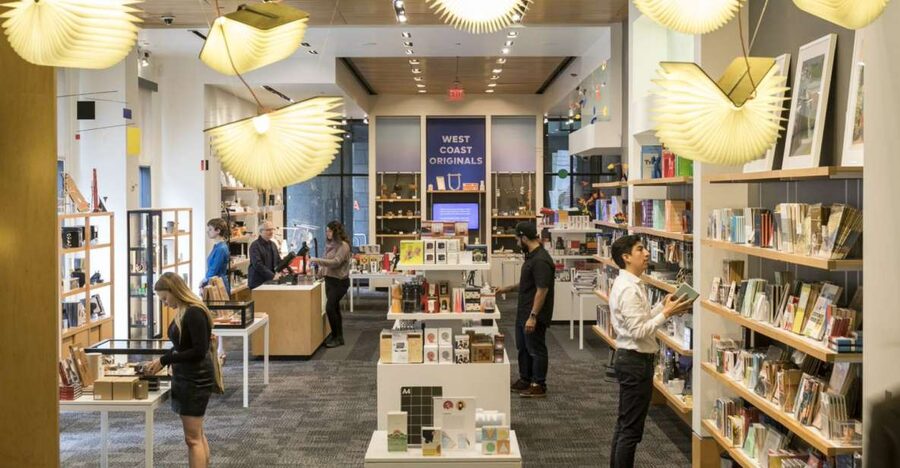
- Food and shopping on site: Choose from Cafe 5, In Situ, and Sightglass Coffee Bar, then browse art books, jewelry, toys, and home goods.
- Easy arrival options: Enter from Third Street or the newer Howard Street entrance, and bring a passport or ID card.
Seven floors inside SFMOMA
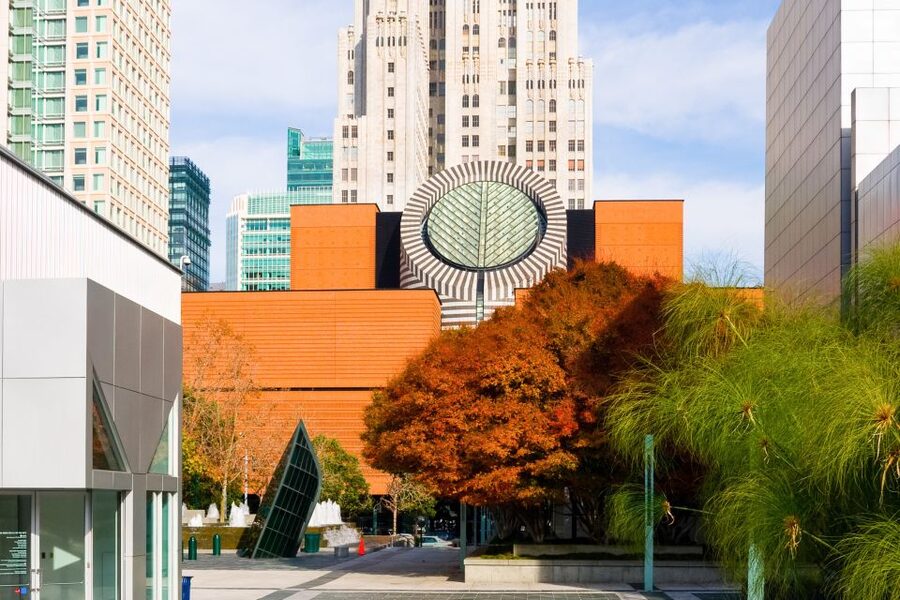
SFMOMA is not a small, quick museum stop. The building gives you seven floors of galleries and public areas, so I would treat the ticket as a half-day or full-day option rather than a one-hour visit.
The collection covers modern and contemporary art by artists such as Alexander Calder, Frida Kahlo, and Julie Mehretu. You will also find holdings by artists whose work is shown across different periods of their careers, especially in the Painting and Sculpture collection. That matters because you are not limited to a single famous image or one well-known phase of an artist’s work.
The museum includes paintings, sculpture, photography, neon installations, and short videos. You might also find interactive displays that change the pace of the visit. Some rooms ask you to look closely at a painting, while others use light, motion, sound, or unusual materials to make the work feel more immediate.
There is no guide or guided route included with this ticket. You can set your own pace, skip rooms that do not hold your attention, and return to a work later. That freedom is useful, but it also means you should not expect someone to explain how the collection fits together.
More modern and contemporary art in the USA:
- NYC: Museum of Modern Art (MoMA) Entry Ticket
★ 4.6 · 12,540 reviews - The Museum of Modern Art Admission Ticket
★ 4.5 · 735 reviews - Moco Museum Barcelona: Modern & Contemporary Art
★ 4.6 · 3,229 reviews
Warhol, Pollock, Kahlo, and Calder
The best-known names give you a useful starting point. Warhol lithographs offer a clear look at his printed approach to repetition and popular imagery. Jackson Pollock’s splattered paintings bring a very different kind of energy, with paint movement and chance taking center stage.
Alexander Calder adds sculpture and motion to the mix, while Frida Kahlo gives the collection a strong figurative and personal voice. Julie Mehretu represents a more recent side of modern and contemporary art, helping show how the museum reaches beyond the classic names.
I like this range because it prevents the visit from becoming a parade of only familiar masterpieces. You can begin with artists you already know, then give yourself permission to spend time with work that needs more thought. At a museum this large, the most rewarding room may not be the one you planned to find.
The collection also includes work by individual artists across their careers. That kind of presentation can help you notice changes in style, subject, and technique. It is more useful than seeing a single isolated work with no sense of what came before or after it.
The photography floor deserves its own time
SFMOMA’s entire photography floor is one of the clearest reasons to choose this museum over a smaller general art stop. If photography is your main interest, you can spend a substantial part of the day here without feeling that you have simply passed through a side gallery.
The photography collection sits within a museum that also shows painting, sculpture, film, and video. That setting lets you compare how different artists handle framing, light, scale, movement, and the idea of a finished image.
I would not rush this floor. Photography can look quick to view because each work is often smaller than a large painting, but the details may reward a slower look. Give yourself time to notice how the images are arranged and how your attention changes from one work to the next.
If you are visiting with friends or family who prefer different kinds of art, the photography floor also makes a useful meeting point. One person can spend more time with photographs while another explores sculpture or painting nearby.
Terraces, stairs, and places to pause
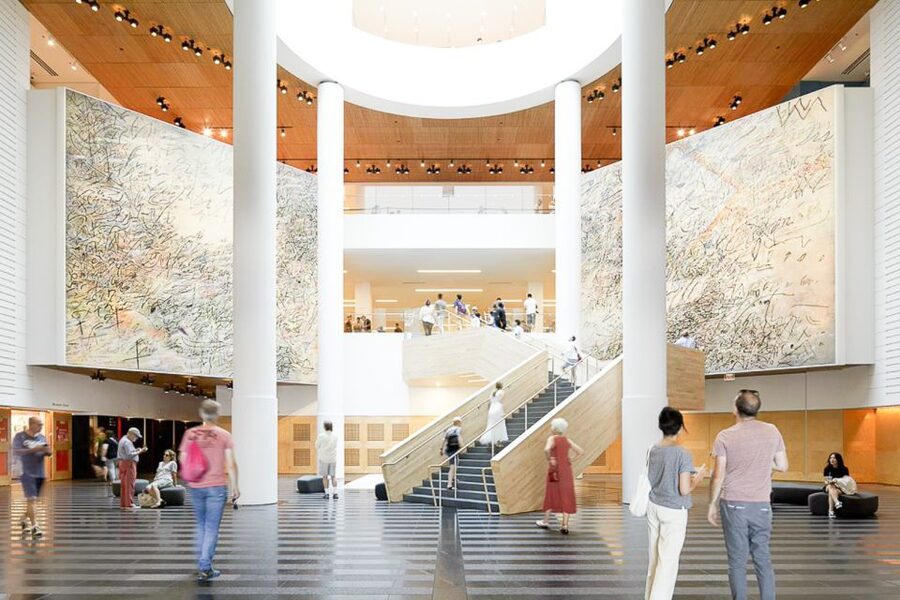
Large museums need breathing room, and SFMOMA provides six art-filled terraces. These are not just practical exits from the galleries. They give you a change of pace and a chance to think about what you have seen before taking on another floor.
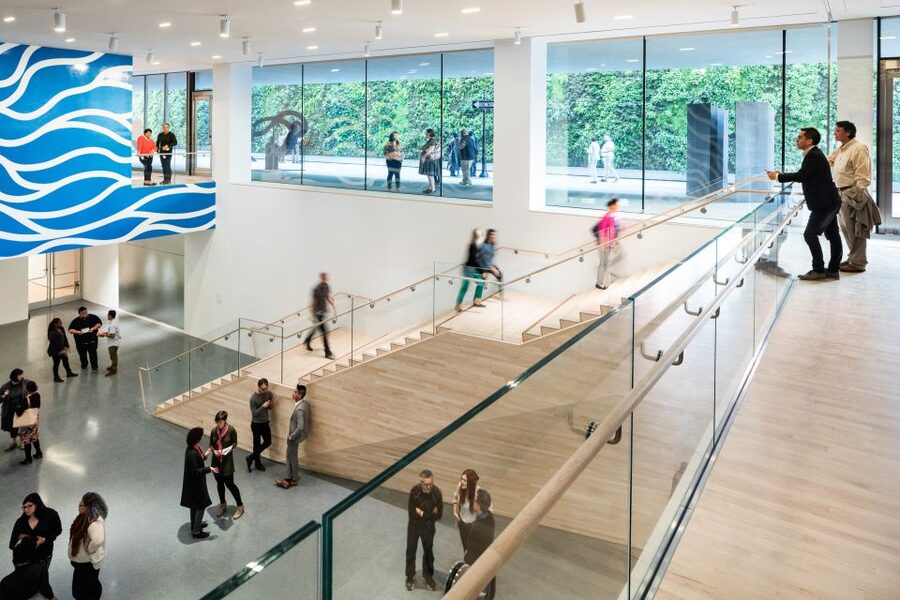
The museum also features a sculptural staircase and Roman steps where people can gather. These areas add a more public, open feeling to the visit. You can use them as landmarks when the building begins to feel confusing, or as a simple place to sit and regroup.
That break matters because the museum’s size can work against you. Trying to see 170,000 square feet without stopping is a poor plan. I would use the terraces and steps to divide your visit into smaller sections: perhaps photography first, painting and sculpture next, then video, neon, or interactive work.
The recent comment about the route feeling a little disordered is worth taking seriously. The galleries are extensive, and the building may not always present itself as one simple path. Do not worry about missing a room on your first pass. Choose a floor or collection, follow your interest, and accept that this ticket allows you to return to areas later during the same day.
A few more museum visits around the USA worth comparing
- NYC: 9/11 Memorial & Museum Timed-Entry Ticket
★ 4.8 · 31,428 reviews - NYC: Empire State Building Tickets – Observatory & Museum
★ 4.7 · 25,757 reviews - New York City: American Museum of Natural History Ticket
★ 4.5 · 15,447 reviews - 9/11 Memorial, Ground Zero Tour with Optional 9/11 Museum Ticket
★ 5.0 · 6,381 reviews
Food at Cafe 5, In Situ, and Sightglass
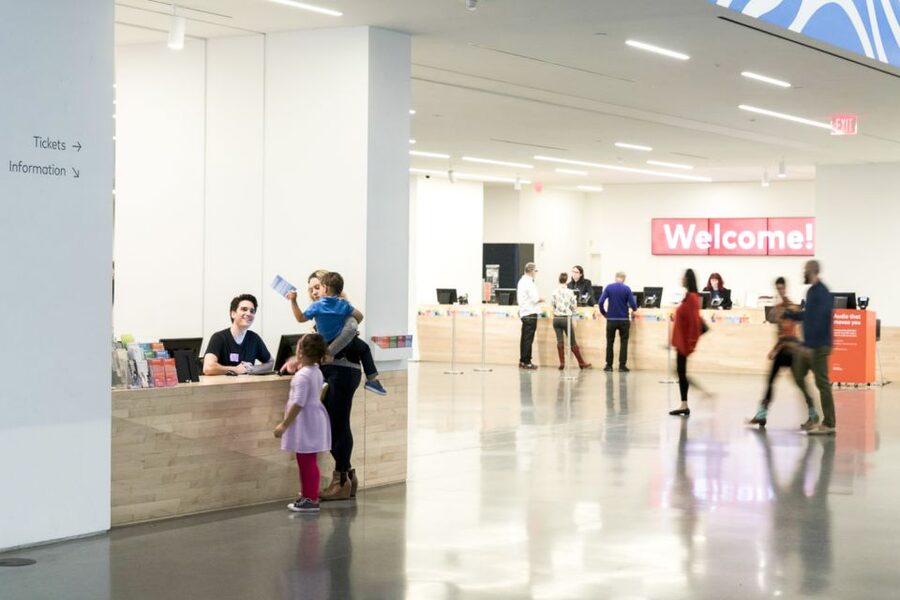
You do not have to leave the museum when you need food or coffee. Cafe 5, In Situ, and Sightglass Coffee Bar give you several ways to take a break without losing time to a separate restaurant stop.
Sightglass Coffee Bar is the natural choice for a quick pause. It can help you reset between galleries without turning lunch into a major part of the day. Cafe 5 offers another on-site dining option, while In Situ gives you a more substantial restaurant experience.
The practical advantage is flexibility. You can keep the museum as the main event, stop for coffee when your attention fades, or plan a proper meal before returning to the galleries. I would not assume that everyone in your group wants to eat at the same time, so having several options helps.
Food is not included in the $15 admission. Still, on-site dining adds value if you want to spend much of the day at SFMOMA rather than treating it as a quick stop between other San Francisco sights.
The Museum Store is part of the visit
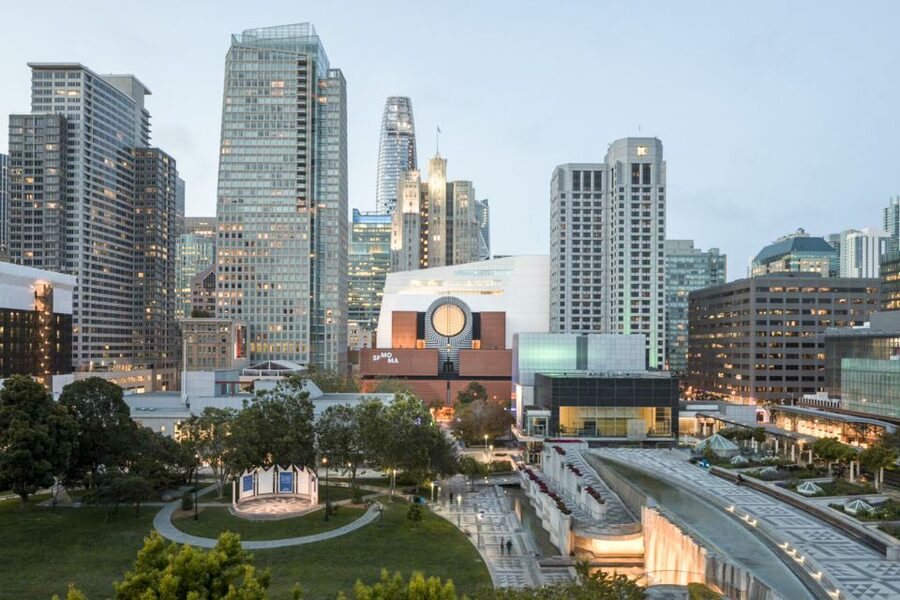
The Museum Store sells art books, home accessories, jewelry, toys, and other gift items. It is a useful final stop because it gives you a chance to take home something connected to the art without buying an original work.
Art books are the strongest choice if you want to continue thinking about a particular artist or collection after leaving. Jewelry, toys, and home items make the store more approachable for people who do not want a book or a traditional museum souvenir.
You do not need to shop to enjoy the museum, and purchases are not part of admission. But the store is worth a look if you are seeking a San Francisco gift that feels more thoughtful than a standard tourist item.
What the $15 ticket actually gives you
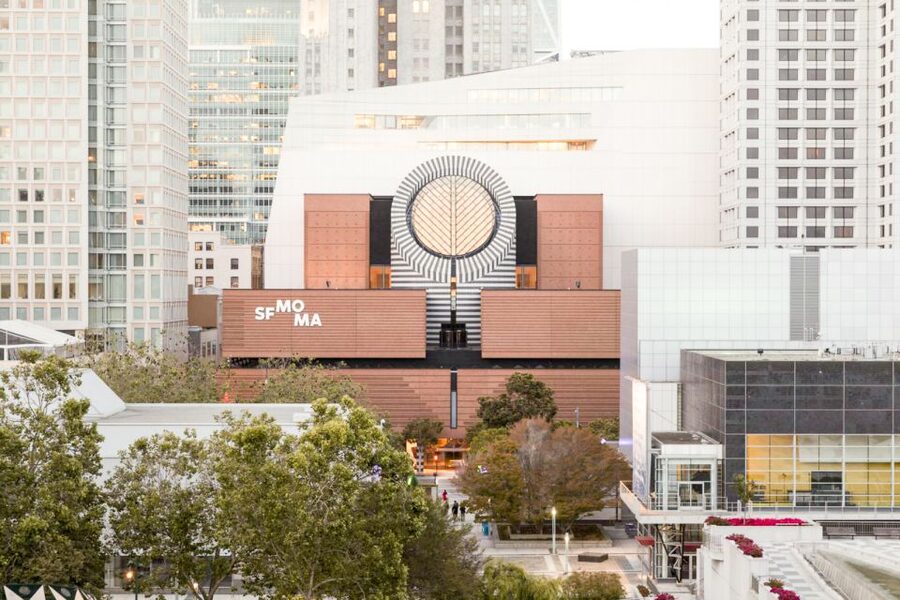
At $15 per person, the ticket is a strong value for the amount of museum space and the number of collections available. You receive entry to SFMOMA for one day, including the main holdings of more than 33,000 modern and contemporary artworks.
The value depends on how long you stay. If you only have time for a quick walk through two or three rooms, the price is still modest, but you will not get the full benefit of the building. If you can give the museum several hours, the ticket becomes much easier to justify.
Special exhibitions may be added at the ticket desk for a nominal fee. Check the current options when you arrive, especially if a particular temporary show is the main reason for your visit. The base ticket and the special-exhibition price are separate, so budget for both if you want the complete program.
The ticket also includes access to the museum’s public architectural features, including the terraces, sculptural staircase, and Roman steps. These spaces are part of what makes SFMOMA feel like more than a set of white-walled galleries.
Arrival, timing, and accessibility

SFMOMA is located in San Francisco, California. You can enter on Third Street or use the newer entrance on Howard Street. Check availability for the starting time when you book, since the ticket is valid for one day rather than being an open-ended admission with no time details.
Bring a passport or ID card. Limited bicycle parking is available on-site, which is useful if you are moving around San Francisco by bike, though spaces are limited.
The museum is wheelchair accessible. That makes the seven-floor layout more practical for visitors who need accessible routes, although the size of the building still means you should allow time and plan regular pauses.
Free cancellation is available up to 24 hours in advance for a full refund. You can also reserve now and pay later, which helps if your San Francisco plans may shift.
Who will get the most from SFMOMA
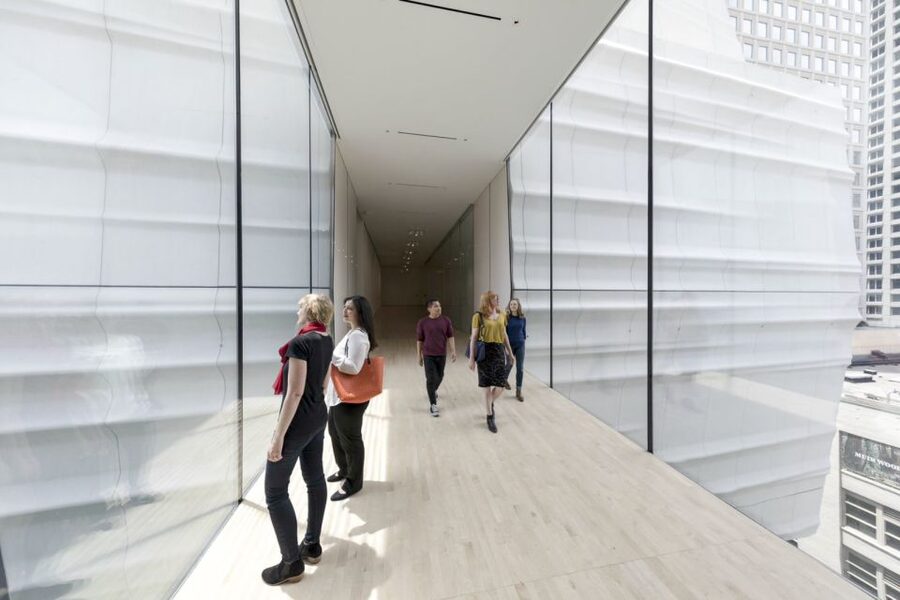
I would recommend this ticket to you if you enjoy choosing your own route and want a broad look at modern and contemporary art. It is especially suitable for people interested in photography, painting, sculpture, or major twentieth-century artists such as Warhol and Pollock.
It also works well for a mixed group. One person can focus on photography, another can look for sculpture or interactive work, and everyone can meet at the Roman steps, a terrace, or one of the food spots.
Families may appreciate the variety of formats, including neon, short videos, and interactive displays. The museum is not limited to paintings that require quiet concentration, though younger children may still find seven floors tiring.
I would be more cautious if you want a small, tightly organized museum with one clear route. SFMOMA’s scale is part of its appeal, but it can also feel disordered. Go in with a short list of priorities rather than trying to see everything.
Should you book the SFMOMA ticket?
Book it if you want a substantial art stop in San Francisco and can spare at least several hours. The $15 price gives you access to a large collection, a full photography floor, six terraces, public gathering spaces, and several types of media.
The strongest reasons to go are the range of artists and the chance to shape your own day. The main caution is the size of the museum, plus the extra cost for special exhibitions. Pick two or three priorities before you enter, use the terraces to rest, and let the rest of the collection come to you.
FAQ
How much does the SFMOMA entry ticket cost?
The entry ticket costs $15 per person.
How long is the ticket valid?
The ticket is valid for one day.
What does the ticket include?
It includes entry to the San Francisco Museum of Modern Art and access to its main collection, galleries, public spaces, and art-filled terraces.
Are special exhibitions included?
Special exhibitions are not necessarily included. They can be added at the ticket desk for a nominal fee.
Where do I enter SFMOMA?
You can enter on Third Street or use the newer entrance on Howard Street.
Is SFMOMA wheelchair accessible?
Yes, the museum is wheelchair accessible.
What should I bring?
Bring a passport or ID card.
Can I cancel the ticket?
Yes. You can cancel up to 24 hours in advance for a full refund. You can also reserve now and pay later.
Just added around the USA
- Museum of Ice Cream Austin★ 3.5 · 85 reviews
- Admission to Richard Nixon Presidential Library and Museum Ticket★ 5.0 · 123 reviews
- The Turquoise Museum Curator’s Tour★ 5.0 · 12 reviews
- Turquoise Museum Visit★ 4.5 · 194 reviews
- Orlando: Titanic Artifact Exhibition Ticket★ 4.5 · 246 reviews
- The St. Augustine Old Jail Museum Guided Tour★ 4.6 · 68 reviews
- San Diego: San Diego Natural History Museum Ticket★ 4.7 · 33 reviews
- The Museum of Fine Arts, Houston Entry Ticket★ 4.6 · 82 reviews
Museum Tours in the USA, compared.


9/11 Memorial, Ground Zero Tour with Optional 9/11 Museum Ticket
Read our review →

All-Access 9/11: Ground Zero Tour, Memorial and Museum, One World Observatory
Read our review →

Browse the lists this tour appears in