
Review · THE USA
San Diego: Maritime Museum of San Diego Admission
San Diego’s Maritime Museum turns the waterfront into a walk-through time machine. You can move from a Victorian steam ferry to a Cold War submarine, then step aboard a full-size galleon replica and the movie-famous H.M.S. Surprise. Few museums let you study history with your feet planted on the actual decks.
I especially like the chance to explore Star of India, the world’s oldest active ship, and the practical, hands-on look inside USS Dolphin, the submarine built for extreme underwater work. The main drawback is physical: expect steep ladders, narrow passages, and frequent climbing. This is not a comfortable choice for anyone with limited mobility.
Key points to know
- The 1898 Berkeley starts the visit: Tour this Victorian-era steam ferry and its below-deck galleries before moving through the rest of the fleet.
- USS Dolphin feels tight and real: See how sailors lived and worked inside the submarine associated with the world’s deepest underwater voyage.
- Star of India offers the broadest historic experience: Explore three decks and exhibits covering the great Age of Sail.
- H.M.S. Surprise connects museum history with film: Visit the restored upper main deck and below-deck exhibition areas from the ship featured in Master and Commander and Pirates of the Caribbean.
- Optional boat rides add time and cost: Narrated Bay trips on the pilot boat and PCF 816 Swift boat may be available for a small extra charge.
- Plan around the 4 p.m. cutoff: The ticket booth closes at 4 p.m., and the last museum entry is also at 4 p.m.
Start with Berkeley, the museum’s Victorian gateway
Your visit begins at the Maritime Museum ticket booth, where you receive a map of the fleet and its below-deck exhibits. Keep it handy. The ships sit together along the waterfront, but each one has its own route, ladders, and display areas.
The first major stop is Berkeley, an 1898 Victorian-era steam ferry. It gives you an immediate sense of the museum’s approach: history is not sealed behind glass. You walk through the vessel, inspect its spaces, and see how a working ferry was arranged.
Below deck, the galleries cover naval and commercial fishing history. You’ll also find displays on navigational exploration, vintage photographs, artwork, military artifacts, and yacht models. The collection reaches beyond famous warships, showing the practical work of moving people, catching fish, finding routes, and operating vessels.
I would give Berkeley proper time instead of treating it as a quick introduction. The ferry’s age and working purpose make it a useful starting point. It helps you understand that maritime history is not only about grand battles or heroic captains. It is also about transport, trade, tools, and daily labor.
A few more museum visits around the USA worth comparing
- NYC: 9/11 Memorial & Museum Timed-Entry Ticket
★ 4.8 · 31,428 reviews - NYC: Empire State Building Tickets – Observatory & Museum
★ 4.7 · 25,757 reviews - New York City: American Museum of Natural History Ticket
★ 4.5 · 15,447 reviews
USS Dolphin shows the cramped side of ocean travel
From Berkeley, you make your way to USS Dolphin. The route includes a gangway described as going underwater toward the submarine, which adds a memorable transition from the ferry to the naval vessel.
Inside, the submarine gives you a close look at life at sea. You can see where sailors lived and worked, and the confined interior makes the demands of submarine service clear without needing much explanation. The vessel is associated with the world’s deepest underwater voyage, giving the visit added technical and naval interest.
This is one of the stops where comfortable clothing matters. You may need to climb up or down ship ladders and move through compact spaces. People who dislike tight quarters may find this part less enjoyable, but the restriction is also what makes the visit useful. A submarine looks very different from the outside. Inside, its limited space becomes the main story.
Do not rush through the passageways. Look at the layout and notice how little room there is for movement. The museum’s strength here is scale. You are not just reading about submarine crews; you are seeing the setting in which they lived and worked.
Meet a Swift boat, a royal yacht, and an active pilot boat
The fleet then shifts between military, royal, and working vessels. PCF 816 is a Vietnam-era Swift boat, a smaller craft with a very different purpose from Berkeley or USS Dolphin. Its presence helps broaden the museum’s coverage of 20th-century naval history.
Next comes Medea, a 1904 royal steam yacht. The yacht offers another change of pace, with a vessel built for a very different kind of travel and life aboard. The museum places these contrasting ships close together, so you can compare their design and purpose without traveling across San Diego.
You can also visit the 1914 pilot boat, described as the nation’s oldest active working pilot boat. A pilot boat’s job is tied to navigation and harbor operations, making this a useful complement to the museum’s displays on exploration and ship handling.
The pilot boat and PCF 816 Swift boat may offer narrated Bay tours for a small additional cost. Availability can vary, so ask at the ticket booth when you arrive. If the rides are operating and you have room in your schedule, they add an on-water view of the harbor to an otherwise dockside visit.
Keep the extra fare and time in mind. General admission includes vessel visits and exhibits, but the narrated rides are not part of the $24 ticket. The boat trips are best for people who want more than ship interiors and would like to hear narration while seeing the waterfront from the water.
San Salvador brings the 16th century to the dock
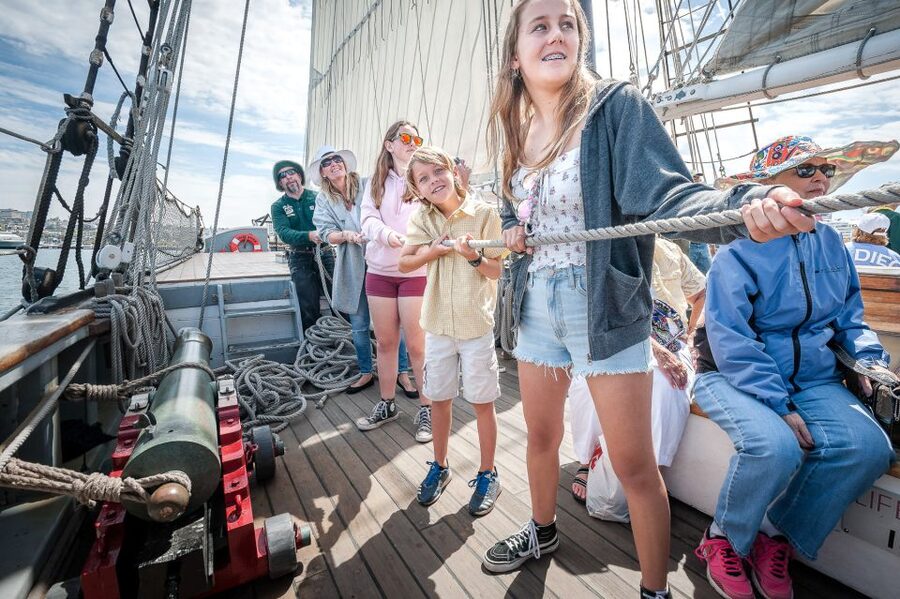
The museum also includes San Salvador, a replica of the 16th-century galleon sailed into San Diego in 1542 by Spanish explorer Cabrillo. A replica cannot give you the same information as an original vessel, but it can make the scale and appearance of early ocean voyages easier to picture.
Touring the ship dockside gives you a physical sense of the vessel’s form and working spaces. It also connects San Diego to the early European exploration of the Pacific coast. This is an important part of the museum’s Pacific focus, and it contrasts nicely with the steam-powered and naval vessels elsewhere in the collection.
The galleon is one of the stops that rewards a slower pace. Take time to compare its design with Berkeley and the later ships. The differences in propulsion, shape, and purpose show how quickly maritime technology changed across the centuries.
Same city, a completely different collection:
- NYC: Museum of Modern Art (MoMA) Entry Ticket
★ 4.6 · 12,540 reviews - 9/11 Memorial, Ground Zero Tour with Optional 9/11 Museum Ticket
★ 5.0 · 6,381 reviews - 9/11 Memorial Museum Admission Ticket
★ 4.5 · 6,376 reviews - All-Access 9/11: Ground Zero Tour, Memorial and Museum, One World Observatory
★ 5.0 · 4,886 reviews
Californian offers a chance for a longer sailing day
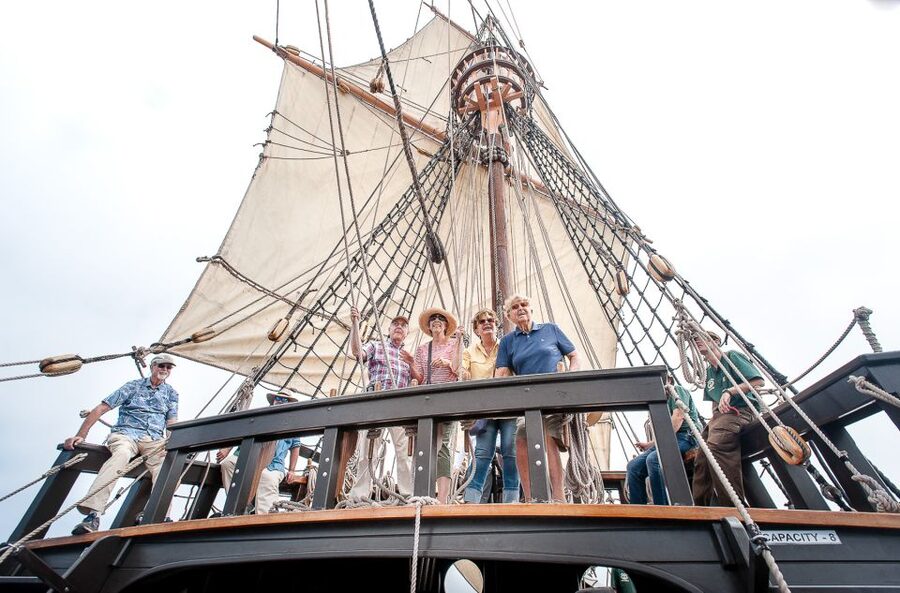
The Californian is a topsail schooner and the official tall ship of California. You can tour it dockside with general admission, giving you another view of traditional sailing vessel design.
On most weekends, the Californian and San Salvador sail. If you have the time and can pay for the added ticket, a four-hour adventure sail may be available. This is a separate experience from the museum admission, so check the schedule and price before building your day around it.
A sailing trip changes the rhythm of the visit. General admission is mainly a self-guided exploration of historic vessels and galleries. The sailing option turns the museum into a longer outing on San Diego Bay. I would choose it only if you can spare several hours, since the four-hour duration may leave less time for the rest of the fleet.
For a first visit, I would usually tour the ships before deciding on the sail. That lets you see how much time you want to spend on the museum itself. If the waterfront setting appeals to you and you enjoy traditional sailing, the added trip may be worth the extra cost.
Star of India carries the biggest story
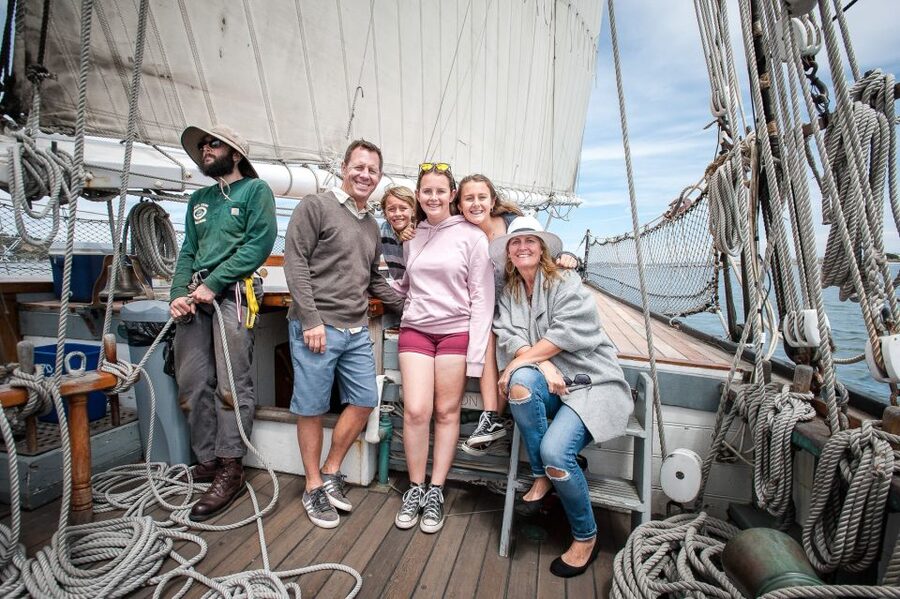
Star of India is the museum’s signature ship for many visitors. It is the world’s oldest active ship, and general admission lets you roam three decks filled with exhibits and gallery space.
The ship offers a broad look at the Age of Sail. Rather than focusing on one narrow topic, it lets you move through several levels and encounter the working and living spaces of a large historic vessel. The three-deck layout also gives the visit a stronger sense of scale than a small boat or compact gallery.
I like Star of India because it is both a ship and an exhibition space. You can study the vessel itself while also learning through the displays placed throughout it. That combination makes it a good centerpiece for your visit, especially if you want one ship that conveys the size and complexity of long-distance sailing.
The ship’s active status is also worth noting. You are looking at a functioning historic vessel, not simply a static object. That makes the preservation work easier to appreciate, even if you are not already interested in maritime technology.
H.M.S. Surprise connects history with Hollywood
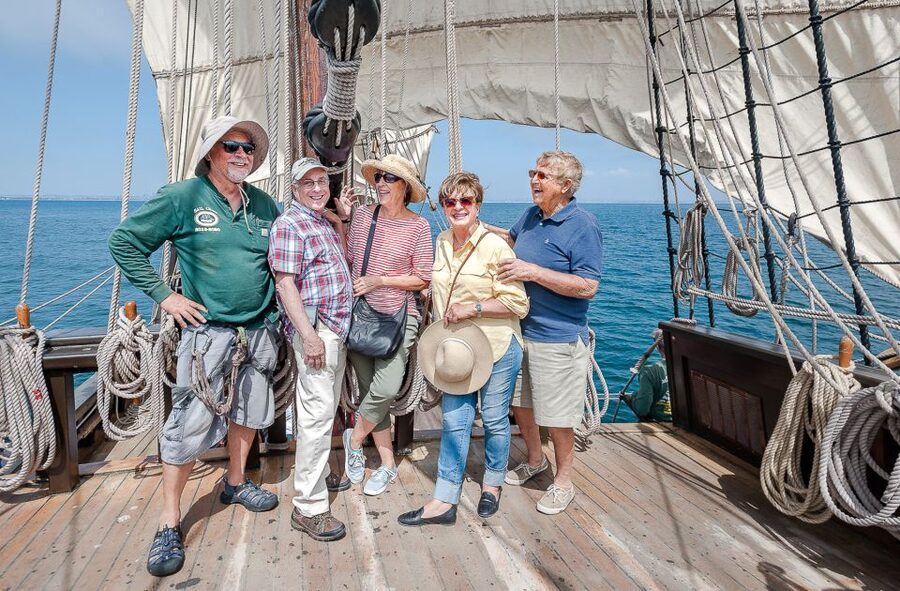
The H.M.S. Surprise is a replica Royal Navy frigate and one of the museum’s most recognizable ships. It appeared in Master and Commander and in a Pirates of the Caribbean film, so movie fans have an obvious reason to seek it out.
The upper main deck has reopened and can be visited. You can also see restored areas on the main deck and below deck, along with exhibition spaces. The ship works best when you look past its film role and study how the replica presents a naval frigate to the public.
The movie connection adds fun, but it should not be the only reason you visit. The vessel gives you another way to think about naval life, ship design, and the difference between a working sailing ship and a modern naval craft. It also provides a strong contrast with Star of India, San Salvador, and the smaller boats.
If you are visiting mainly for the film connection, set aside time for both the upper deck and the below-deck areas. The open deck gives you the visual appeal, while the lower exhibits provide more context. Conditions can change during restoration work, but the reopened upper main deck is currently part of the visit.
San Diego Bay views make the museum feel open
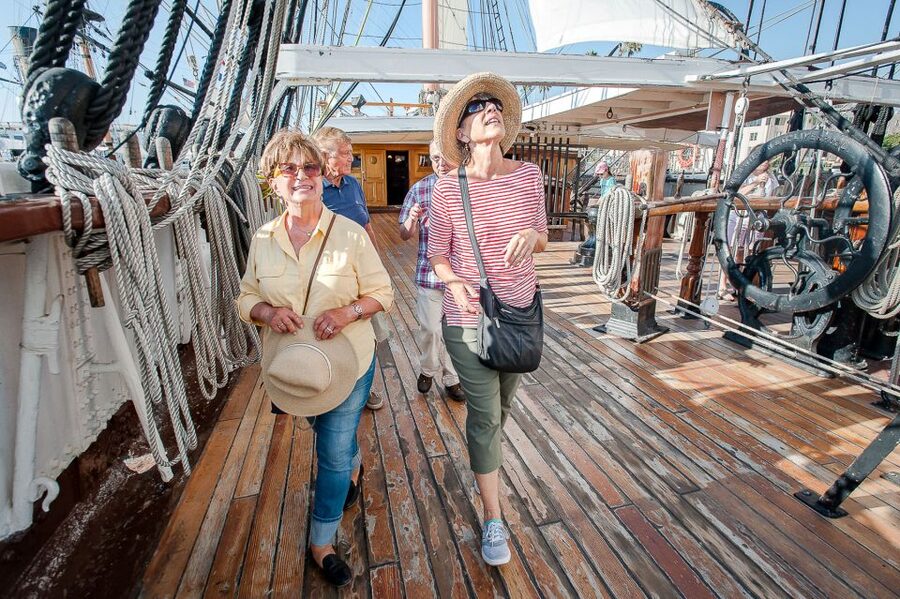
The museum’s waterfront setting is not a minor detail. Between ship visits, you can look out across San Diego Bay and see the setting that gives the collection its meaning. These are not ships displayed in an indoor hall. They are gathered beside the water, where navigation, trade, fishing, and naval work all make sense.
The views also give you breathing space after the tighter vessels. USS Dolphin and the ship ladders can feel confined, while the docks and bay open the experience back up. I would use these pauses to check the map, plan your next vessel, and avoid trying to rush through the entire fleet.
The museum includes dozens of galleries and exhibits below deck. That makes the experience longer than a simple walk around the outside of several boats. You can spend a full day here if you read the displays and inspect each vessel carefully.
Still, your pace will depend on your interest. Someone who only wants the famous ships could finish sooner, while a visitor who studies the photographs, artwork, models, and military artifacts may use most of the day. The one-day validity gives you room to spread the visit across the day, but entry ends at 4 p.m.
What the $24 admission covers
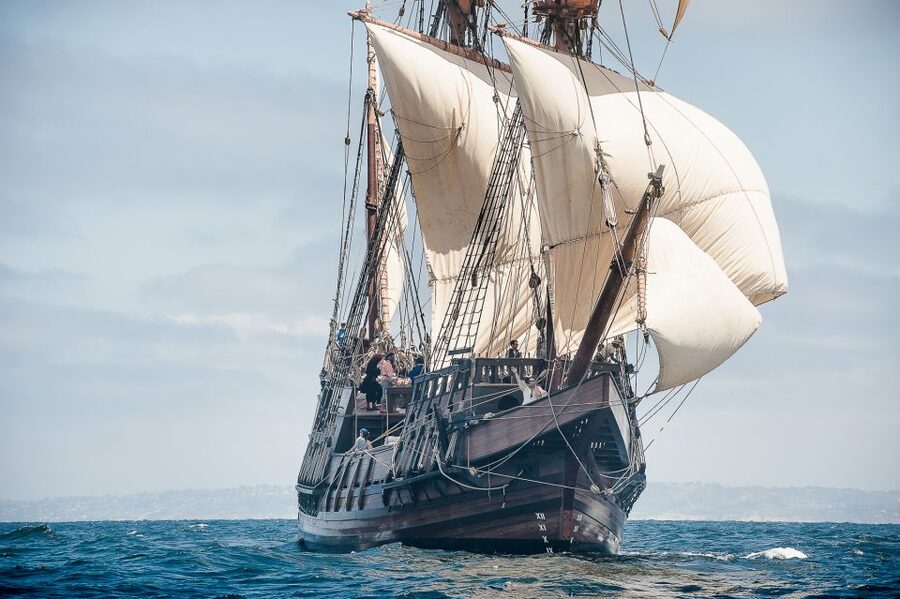
At $24 per person, admission includes the museum entry, all vessel visits, and the included exhibits. For a waterfront collection with a submarine, a historic ferry, a three-deck sailing ship, a galleon replica, and a movie-famous frigate, the price offers solid value if you plan to spend several hours.
The value is weaker if you only want a quick photo stop. The museum is built for exploration, and much of its interest comes from moving through the ships and reading the exhibits. You get more for your money when you give yourself time for Berkeley, USS Dolphin, Star of India, H.M.S. Surprise, and the smaller vessels.
Optional boat rides and sailing trips cost extra. Ask about availability for the pilot boat and Swift boat tours when you arrive, and check the schedule for the four-hour sails on San Salvador and Californian. These additions can turn a museum visit into a full harbor outing, but they are not necessary to enjoy the admission ticket.
The booking terms are useful if your schedule may shift. You can cancel up to 24 hours in advance for a full refund, and a reserve-now, pay-later option is available. Treat those as planning conveniences, not reasons to book without checking the day’s operating details.
Who will enjoy this visit most
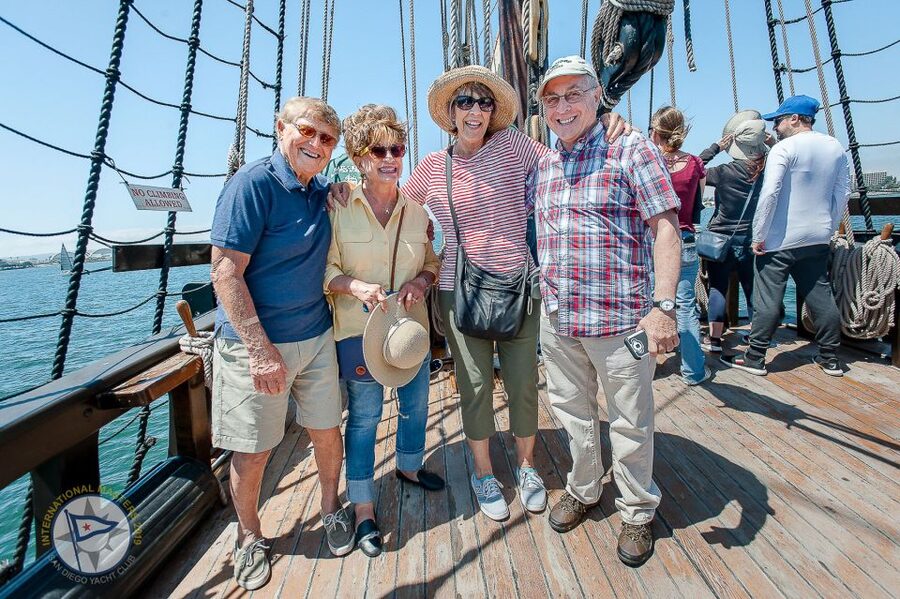
I would recommend the Maritime Museum to families with older children, ship enthusiasts, history fans, film fans, and anyone who enjoys museums that require movement. It is especially good for people who prefer seeing how things work rather than only viewing objects in cases.
It is less suitable for anyone with mobility impairments. You need to climb on and off ship decks and move up and down ladders. Wear comfortable shoes and clothing, since the visit involves uneven routes and repeated climbing.
Unaccompanied minors are not permitted. Food and drinks are also not allowed inside the museum, so plan accordingly before entering. The ticket booth and final entry close at 4 p.m., so arriving late can leave you with too little time for the fleet.
The activity is conducted in English. Small-group availability is listed, but the supplied details do not identify individual guides or promise a guided tour for every admission ticket. Expect the map and the vessels themselves to guide much of your visit, with narration available on certain optional boat trips.
Should you book the Maritime Museum of San Diego?
Book it if you want a substantial waterfront activity with several distinct ships, not just one attraction. The combination of Berkeley, USS Dolphin, Star of India, San Salvador, Californian, and H.M.S. Surprise gives you a useful range of maritime design and history for one $24 admission.
Give it a miss if ladders, narrow interiors, or long periods on your feet will make the day difficult. Also think twice if you have only a short window before 4 p.m., since the collection rewards time.
For the best value, arrive early enough to explore the included ships without rushing, then ask about the Swift boat, pilot boat, and weekend sailing options. If the added rides fit your budget, they can round out the day. If not, the regular admission still provides plenty to see, especially aboard Star of India and H.M.S. Surprise.
FAQ
How much does admission to the Maritime Museum of San Diego cost?
Admission costs $24 per person.
How long is the admission valid?
The admission is valid for one day.
What does the admission ticket include?
It includes museum admission, visits to all included vessels, and the exhibits.
Can I visit Star of India with general admission?
Yes. General admission includes access to Star of India, including its three decks of exhibits and gallery space.
Are boat rides included in the admission price?
No. Narrated Bay tours on the pilot boat and PCF 816 Swift boat cost a small additional amount, when available.
Are sailing trips available?
San Salvador and Californian sail on most weekends. A four-hour adventure sail may be available for an added ticket.
What time is the last entry?
The ticket booth closes at 4 p.m., and the last entry into the museum is at 4 p.m.
Is the museum suitable for people with mobility impairments?
The experience is not suitable for people with mobility impairments because you may need to climb on and off decks and use ship ladders.
Just added around the USA
- Museum of Ice Cream Austin★ 3.5 · 85 reviews
- Admission to Richard Nixon Presidential Library and Museum Ticket★ 5.0 · 123 reviews
- The Turquoise Museum Curator’s Tour★ 5.0 · 12 reviews
- Turquoise Museum Visit★ 4.5 · 194 reviews
- Orlando: Titanic Artifact Exhibition Ticket★ 4.5 · 246 reviews
- The St. Augustine Old Jail Museum Guided Tour★ 4.6 · 68 reviews
- San Diego: San Diego Natural History Museum Ticket★ 4.7 · 33 reviews
- The Museum of Fine Arts, Houston Entry Ticket★ 4.6 · 82 reviews
Museum Tours in the USA, compared.




9/11 Memorial, Ground Zero Tour with Optional 9/11 Museum Ticket
Read our review →

All-Access 9/11: Ground Zero Tour, Memorial and Museum, One World Observatory
Read our review →
Browse the lists this tour appears in