
Review · TOKYO
Private Edo-Tokyo Open Air Architectural Museum Tour
Tokyo’s architectural story comes into focus at the Edo-Tokyo Open Air Architectural Museum, where homes, shops, a bathhouse, and public buildings from different periods have been moved into a leafy park. You’ll see how Japan shifted from samurai-era traditions to Meiji Western influence and then to modern design, with Kunio Maekawa’s wartime home providing one of the tour’s most striking stops.
I like the way the private format lets your guide adjust the conversation to your interests. Yuichi has tailored tours toward tea rooms and gardens, while Yuki has helped visitors understand both the buildings and the train and bus journey to the museum. I also like that the trip turns Tokyo’s public transport into part of the experience, rather than treating the museum as an isolated attraction.
The main consideration is cost. At $193 per person, plus roughly 700 yen each way for transport, this is not a bargain museum visit. It makes the most sense if you want a personal architectural lesson, help navigating Tokyo, and a flexible conversation rather than simply entry to the site. Also, this is not a trip to the Ghibli Museum.
Key details at a glance
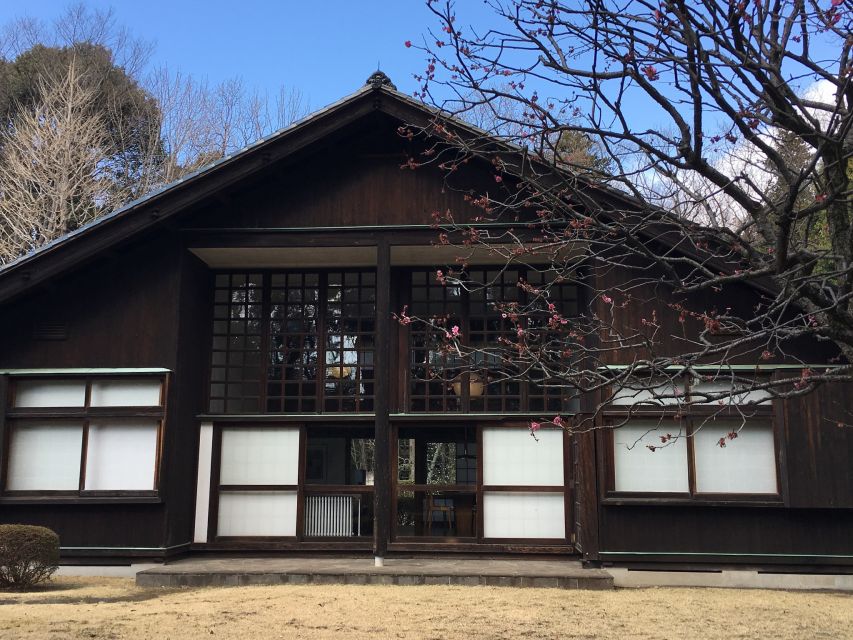
- Maekawa’s wartime home: See how a Japanese architect shaped modern design after working with Le Corbusier and Antonin Raymond.
- Horiguchi’s 1925 residence: Find Dutch influence, Art Deco touches, and De Stijl compositions alongside Japanese rooms.
- Mitsui family interiors: Step into the polished world of one of Japan’s wealthiest families.
- Shitamachi atmosphere: Walk through an old Tokyo district recreated with buildings that recall Studio Ghibli settings.
- Private English guidance: Guides such as Yuichi and Yuki can shape the discussion around architecture, gardens, tea rooms, or Tokyo’s development.
- Five hours by train, bus, and foot: Transportation is not included, and easy slip-on shoes are a smart choice.
Why this museum tells Tokyo’s story so well
The museum is more than a collection of old houses. Its value comes from the way the buildings are grouped together, allowing you to move through several stages of Japanese life and design in one visit.
You can begin with traditional residences, then see how foreign ideas entered Japan during the Meiji period and after. Later buildings show how Japanese architects borrowed from Europe without simply copying it. That mix gives the tour a useful question to follow: what does Japanese architecture keep, and what does it change?
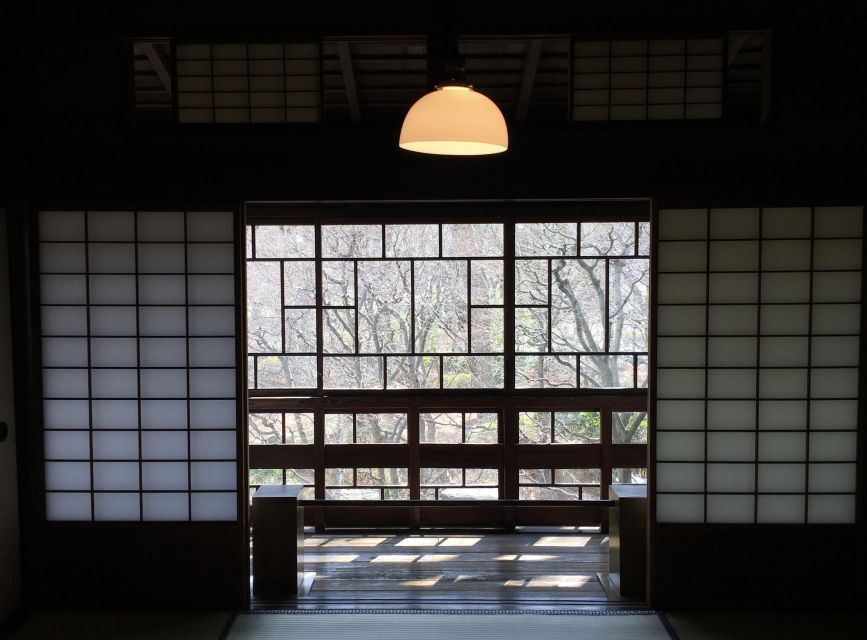
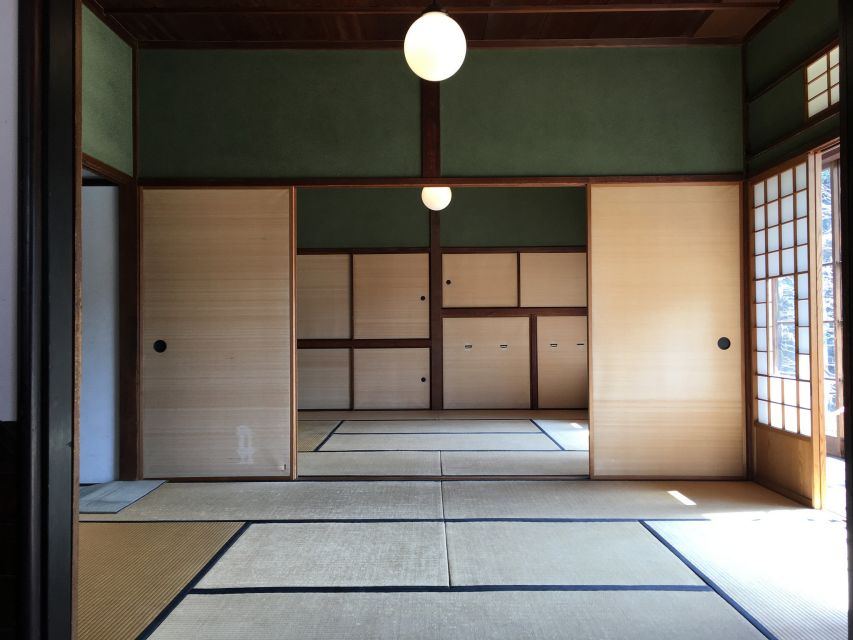
A private guide helps here because the details are easy to miss on your own. A room may look simple until someone explains the placement of its tatami mats, the purpose of a garden view, or the way a foreign design style was adapted to Japanese habits.
The five-hour schedule includes the journey from central Tokyo, the museum visit, and the return trip. That means your actual time among the buildings is not five full hours. Still, the slower pace can be an advantage. You are not racing from one structure to the next, and you can ask why a building matters instead of collecting quick photographs.
More Museum Tours in Tokyo
- Tokyo: teamLab Planets TOKYO Digital Art Museum Entry Ticket
★ 4.6 · 9,779 reviews - Tokyo: Samurai Ninja Museum Guided tour and Experience
★ 4.6 · 1,010 reviews - Ninja Experience (Family Friendly) at Samurai Ninja Museum TOKYO
★ 5.0 · 441 reviews
Maekawa’s house and the birth of modern Japanese design
One of the strongest early stops is the home designed by Kunio Maekawa. Maekawa worked under Le Corbusier and Antonin Raymond, two major figures in modern architecture, and later helped shape modern architecture in Japan.
The house was built during the Second World War, a period when materials and resources were limited. Against that setting, the design feels especially thoughtful. It shows how a Japanese architect could work with international modernism while responding to local needs and conditions.
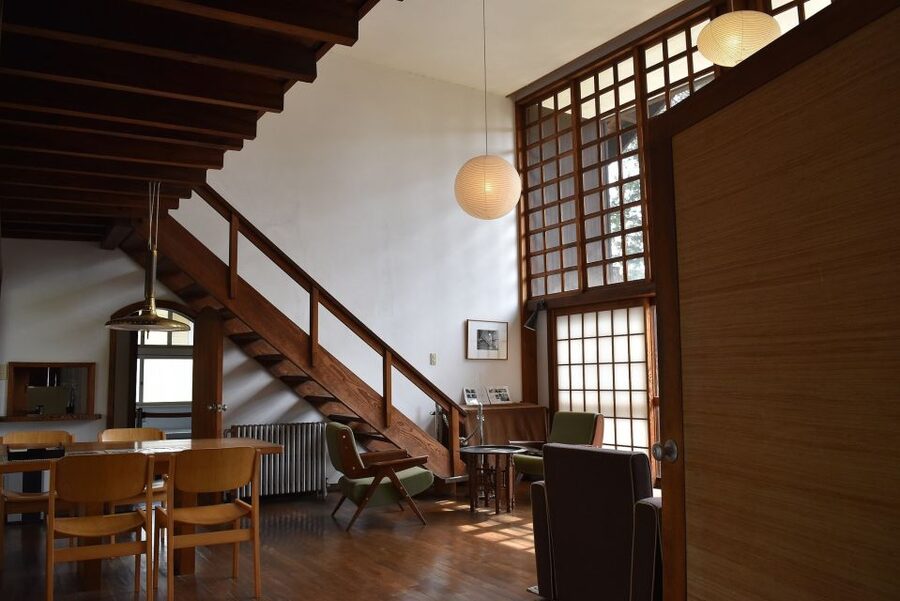
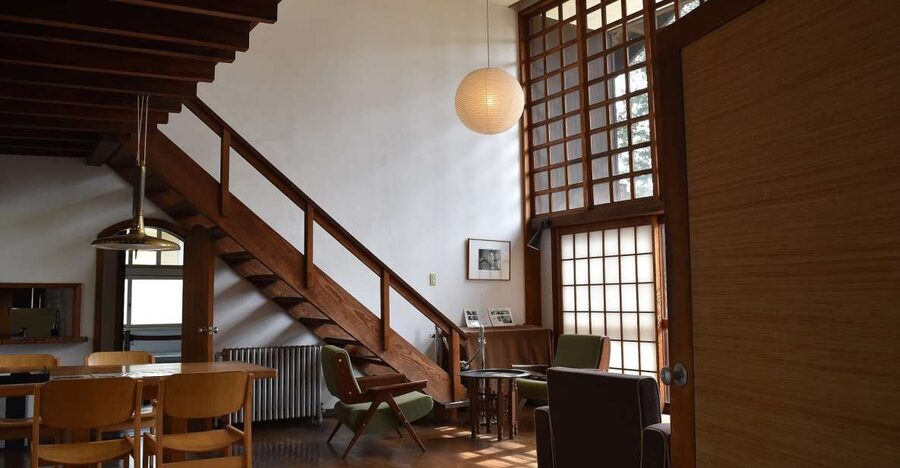
This is a good place to pay attention to structure rather than decoration. You’ll see how the house handles light, space, movement, and the relationship between private rooms and shared areas. Your guide can help connect Maekawa’s work to the wider changes taking place in Japan.
I find this stop particularly useful for visitors who think Japanese architecture means only wooden temples, sliding screens, and tatami rooms. Maekawa’s house adds another chapter. Japan was not turning away from its past, but it was testing new ways to live and build.
Because the home attracts many visitors, the guide’s explanation matters more than simply walking through it. Ask about Maekawa’s time with Le Corbusier and Raymond, and how those influences were adapted in Japan. That conversation is one reason the private tour can offer more than a standard museum visit.
Horiguchi’s 1925 house brings Europe into a Japanese room
The next major architectural shift appears in the residence designed by Sutemi Horiguchi. Built in 1925 after Horiguchi returned from Europe, the house reflects his interest in Dutch architecture.
Horiguchi is especially interesting because his work does not separate European ideas from Japanese tradition. Art Deco and De Stijl, also known as The Style, appear in the composition of the house, yet traditional Japanese rooms remain part of the experience.
That combination is the point. You may notice geometric lines, carefully arranged surfaces, and a more modern visual order, but the home still works with Japanese room types and customs. It is a reminder that architectural change rarely happens in a clean break. New design arrives, then gets adjusted to fit local life.
Your guide can make this stop easier to read. Without context, De Stijl may simply look like a collection of shapes and colors. With an explanation of Horiguchi’s European trip and his design choices, you can see how the house connects international trends with Japanese domestic architecture.
This is one of the best stops for anyone interested in the exchange between Japan and Europe. It also gives the tour a welcome change of mood after Maekawa’s modernist house. Maekawa’s building reflects the pressures of wartime Japan, while Horiguchi’s home reflects the excitement of new ideas arriving from abroad.
The Mitsui residence shows another side of old Tokyo
The Mitsui family residence provides a look at wealth, ceremony, and polished domestic design. The Mitsui family was regarded as one of the richest in Japan, and the interior decoration reflects that status.
Here, look for the contrast between grand presentation and the practical details of a home. The residence is not just an impressive display. It helps explain how powerful families lived, received visitors, and expressed their position through rooms and furnishings.
This stop adds social context to the architecture. A house tells you about its owners, but it also tells you about the society that allowed certain families to build on such a scale. After seeing more modest traditional homes, the Mitsui residence gives you a clear sense of the gap between ordinary domestic life and elite life.
The interior is also a reminder to slow down. Japanese rooms can appear spare to visitors used to heavily decorated European interiors, but their details often sit in proportions, materials, views, and placement. A guide who pays attention to these features can turn a quiet room into a readable design.
More open-air museums in Japan:
- Cappadocia: Small-Group Red Tour, Open Air Museum with Lunch
★ 4.8 · 862 reviews - Full-Day Tour in Cappadocia with Open Air Museum
★ 5.0 · 87 reviews - Red Tour with open air Museum
★ 5.0 · 63 reviews - Cappadocia Red Tour (with zelve Open Air Museum and Paşabağ)
★ 5.0 · 50 reviews
Shitamachi feels like old Tokyo on a film set
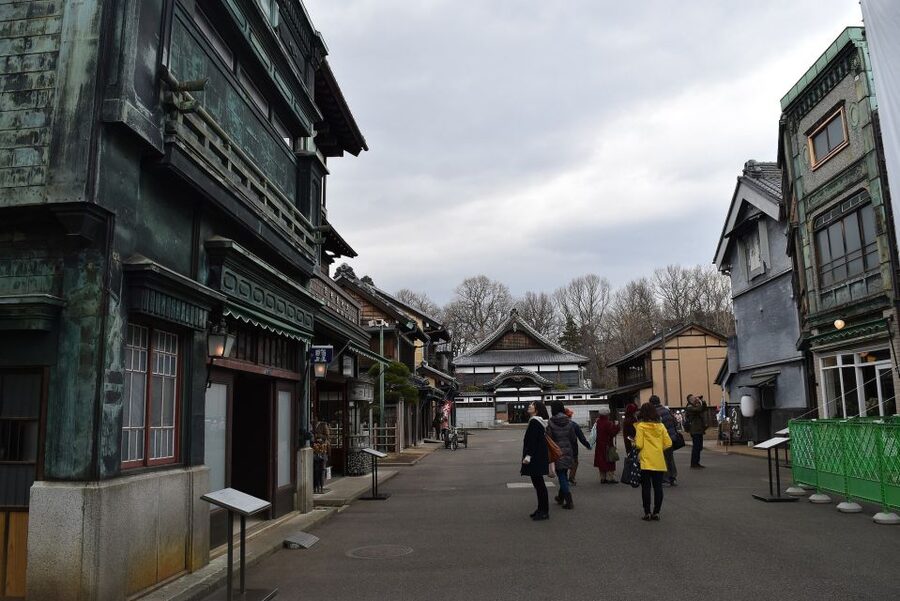
The latter part of the tour moves into the museum’s Shitamachi area. Shitamachi refers to the older eastern part of Tokyo, and the recreated streets have the feel of a neighborhood rather than a row of unrelated exhibits.
This is the section most likely to appeal to Studio Ghibli fans. The buildings and streets can look as if they belong in an animated film, with an atmosphere shaped by old shops, traditional structures, and the feeling of everyday Tokyo from another era.
Keep expectations clear: you are not visiting the Ghibli Museum, and the tour does not include admission there. The connection is visual and atmospheric. You are seeing real architectural forms that may remind you of the worlds created in Japanese animation.
The appeal goes beyond film references. Shitamachi helps you imagine how Tokyo once looked and felt at street level. Instead of focusing only on grand residences or famous architects, this area suggests ordinary routines, neighborhood commerce, and the built setting of daily life.
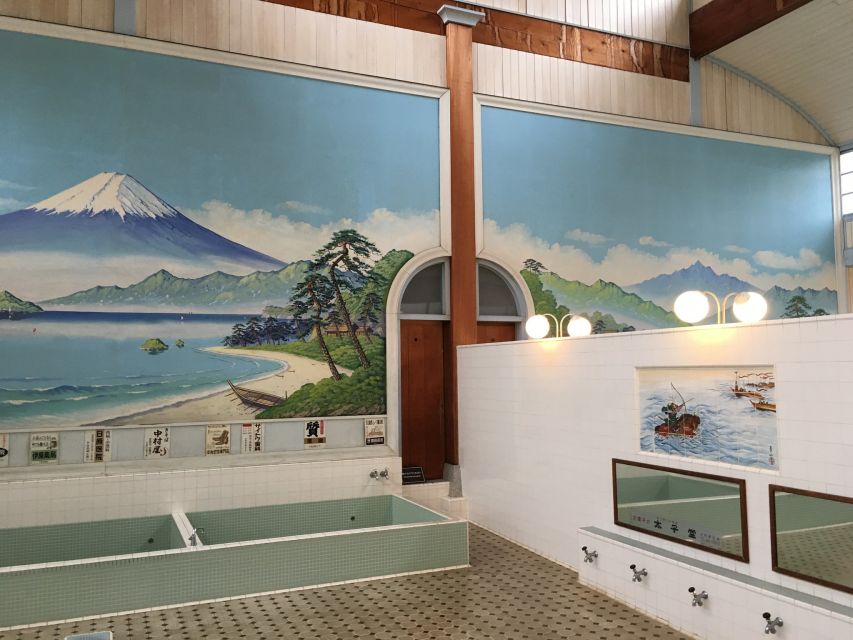
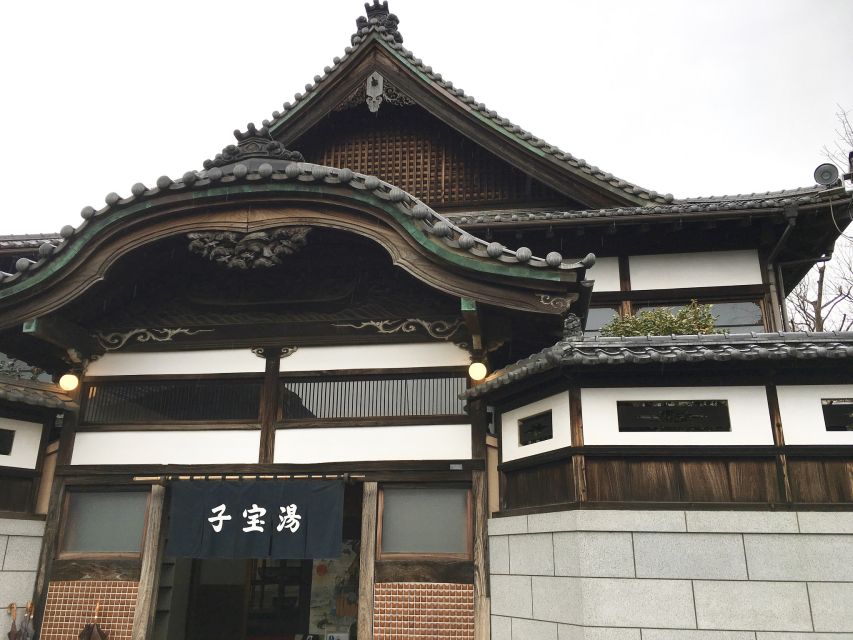
You’ll also see a beautiful traditional bathhouse and an old train that once ran through Tokyo. These are memorable because they broaden the tour beyond private homes. The bathhouse points to shared public life, while the train brings transport and urban growth into the story.
The train and bus ride is part of the lesson
Transportation to Tatemono-en is not included in the $193 price. The listed estimate is about 700 yen each way, and the tour uses trains and buses.
For first-time visitors to Tokyo, this can be useful rather than troublesome. Your guide meets you at the agreed station meeting point and accompanies you through the journey. That removes much of the stress of working out a new route while trying to watch the clock.
The meeting information identifies Tokyo Station’s Marunouchi Front Plaza as a meeting point. After leaving through the Marunouchi Central Gates, head toward the center of the station building and look for the carriage porch with Japanese flags. The guide carries a bag marked with an illustration of the Nakagin Capsule Tower.
The activity information also refers to pickup at JR Shinjuku Station or JR Tokyo Station, so confirm the exact meeting place when booking. Do not assume that a car will collect you from your hotel. The journey is by public transport, and that is an important part of the plan.
I like this arrangement because you see a little more of present-day Tokyo before entering the museum’s older world. The ride also gives your guide time to explain the city, answer questions, and learn what you want from the visit.
What the private format adds
This is a private group experience with a live English-speaking guide. That matters most if you already have a clear interest, such as modern architecture, traditional houses, gardens, tea rooms, or the link between Japanese and European design.
Yuichi has been praised for excellent English, kindness, and careful attention to personal interests. He has also helped with difficult situations, including escorting an unwell participant to a hospital after the tour had to end early. Yuki has been praised for explaining the subway and buses while connecting the buildings to wider stories about Tokyo.
Those details point to the real strength of the experience: the guide is not just there to point at buildings. You can ask why a room is arranged in a certain way, how a European style entered Japan, or what changed between the end of the samurai era, the Meiji Restoration, and the Showa period.
The private setting also lets you control the emphasis. If you care more about tea rooms than modernism, say so early. If Maekawa’s work is your main reason for booking, ask for extra context there. The tour works best when you treat it as a conversation rather than a fixed lecture.
Is $193 per person good value?
The price is high for a museum visit, especially once you add around 1,400 yen for the round-trip transport. You are paying for the guide’s time, private group format, English explanations, transit help, and a five-hour experience, not just admission.
For two people with a strong interest in architecture, the price may feel justified. You get personal attention and can ask questions that would not be practical in a large group. The guide can also help you connect separate buildings into one clear story about Tokyo.
For a casual visitor who simply wants to see old Japanese houses, the cost is harder to defend. The museum itself may be enough, especially if you are comfortable navigating Tokyo and reading the displays at your own pace.
The strongest value comes when you want all three of these things:
- A private English conversation about architecture
- Help with the train and bus journey
- A guided explanation of how Japanese design changed over time
The tour also offers free cancellation up to 24 hours before the start and a reserve-now, pay-later option. Those policies make it easier to fit into a changing Tokyo schedule, though the practical details of the meeting point should still be confirmed.
Small practical tips before you go
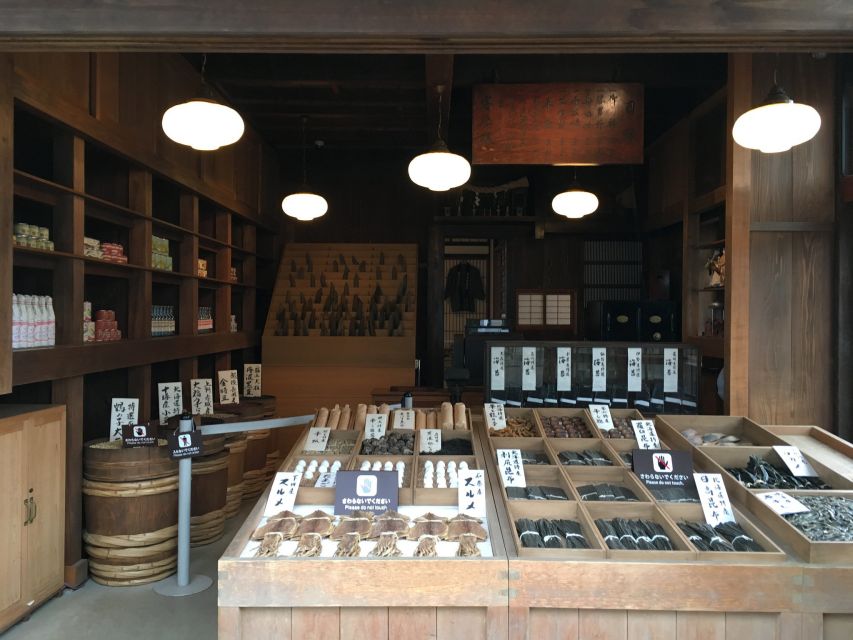
Wear shoes that slip on and off easily. Many historic buildings require you to remove your shoes, so complicated laces or tall boots will become annoying after the first few stops.
Allow for walking, standing, and public transport. The museum visit is not simply a series of rooms. You’ll move between structures and spend time outdoors in the museum grounds.
Bring your own architectural questions. Ask about Maekawa’s modernism, Horiguchi’s Dutch influence, the Mitsui family, traditional gardens, or the old bathhouse. The more specific your interests, the more useful the private format becomes.
Keep the Ghibli connection in the right place. The Shitamachi area may remind you of animation, but there is no visit to Ghibli Museum. If that museum is your main goal, this is the wrong booking.
Should you book this Tokyo architecture tour?
Book it if you want to understand Tokyo through buildings, not just photograph them. The tour is especially well suited to architecture fans, repeat visitors to Japan, and first-time visitors who would value personal help with public transport.
It is also a good choice if your interests are specific. Tell the organizer if you care about tea rooms, gardens, modern architecture, or European influence, and a guide such as Yuichi or Yuki can shape the conversation around those subjects.
Skip it if you want a cheap, self-guided museum visit or if you expect a trip to the Ghibli Museum. The added transport cost and five-hour commitment make the experience best for people who want context and company.
For the right person, this is a thoughtful way to see Tokyo’s past and present in one morning or afternoon. You’ll leave with more than a collection of beautiful rooms. You’ll have a clearer sense of how Japanese architects borrowed, adapted, and reshaped ideas from home and abroad.
FAQ
How long does the private Edo-Tokyo architectural tour last?
The tour lasts five hours, including the journey by train and bus to and from Tatemono-en.
Does the tour visit the Ghibli Museum?
No. The tour visits the Edo-Tokyo Open Air Architectural Museum. The Shitamachi area may remind you of Studio Ghibli films, but Ghibli Museum is not included.
Is transportation included in the price?
No. The transportation fee to and from Tatemono-en is separate and costs approximately 700 yen each way. The tour uses trains and buses.
Where is the meeting point?
The stated meeting point is Tokyo Station’s Marunouchi Front Plaza. After exiting the Marunouchi Central Gates, head toward the center of the station building and look for the carriage porch with Japanese flags. Confirm your exact meeting point, since JR Shinjuku Station is also listed as a possible pickup location.
Is the tour private?
Yes. It is a private group tour with an English-speaking licensed guide.
What should I wear?
Wear comfortable shoes that are easy to remove and put back on. Several historic buildings require you to take off your shoes before entering.
Just added around Japan
- Skip the lines Basic Ticket at SAMURAI NINJA MUSEUM TOKYO★ 5.0 · 470 reviews
- Private Tour Through the Tokyo National Museum & Ukiyo-e★ 4.7 · 17 reviews
- Tokyo: Mt. Fuji, Owakudani, Hakone Shrine, & Open-Air Museum★ 4.7 · 25 reviews
- Samurai Ninja Museum Asakusa: Kid-Friendly Ninja Training★ 4.7 · 67 reviews
- Tokyo National Museum Private Tour★ 4.9 · 28 reviews
- Tokyo: Art Aquarium Museum GINZA Entry Ticket★ 4.5 · 278 reviews
- Tokyo: Kichijoji Gourmet Tour with Lunch★ 4.5 · 40 reviews
- Samurai Ninja Museum Asakusa: Samurai Sword Lesson & Tour★ 4.8 · 306 reviews
Museum Tours in Tokyo, compared.
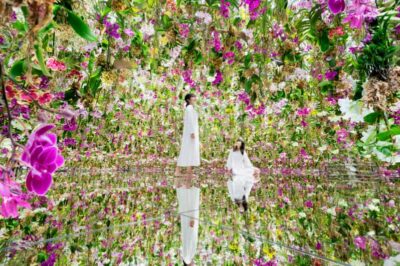
teamLab Planets TOKYO Digital Art Museum Entry Ticket
Read our review →
Samurai Ninja Museum Guided tour and Experience
Read our review →
Ninja Experience (Family Friendly) at Samurai Ninja Museum TOKYO
Read our review →
Tokyo Studio Ghibli Museum and Ghibli Film Appreciation Tour
Read our review →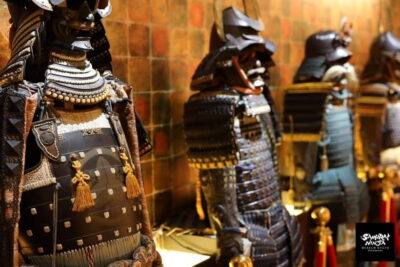
Samurai Ninja Museum Asakusa: Samurai Sword Lesson & Tour
Read our review →
Samurai Ninja Museum Asakusa: Kid-Friendly Ninja Training
Read our review →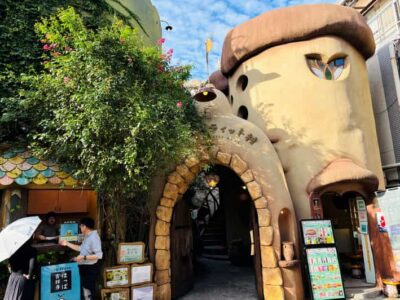
Browse the lists this tour appears in