
Review · PORTUGAL
Porto: Cork Museum: Immersive and Perfect for Families
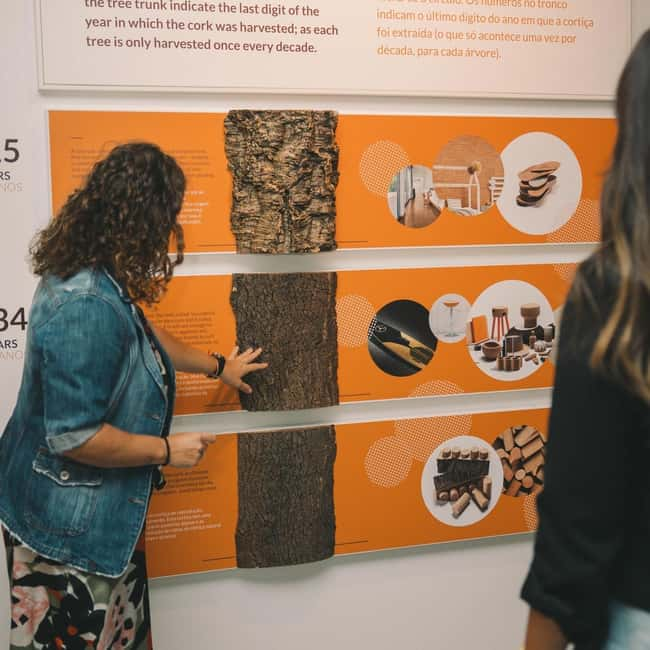
Cork is far more than the plug in your wine bottle. At Planet Cork, you can handle raw bark, smell the material, and see how the same light, flexible substance is used in architecture, car design, and aerospace. The museum turns a familiar object into a surprising story about science, industry, and nature.
I like the way the visit uses touch and smell, not just wall text, and I like its clear family appeal. Children can interact with displays while adults learn why Portugal produces about half the world’s cork. The main drawback is that the audio guide and cork-personalizing machine may not always work smoothly, and staff may not be present throughout the visit.
Key points to know before you go
- Cork reaches far beyond wine bottles: See how it is used in buildings, vehicles, and space technology.
- Sensory exhibits make the subject easy to grasp: You can touch and smell raw cork while following its production.
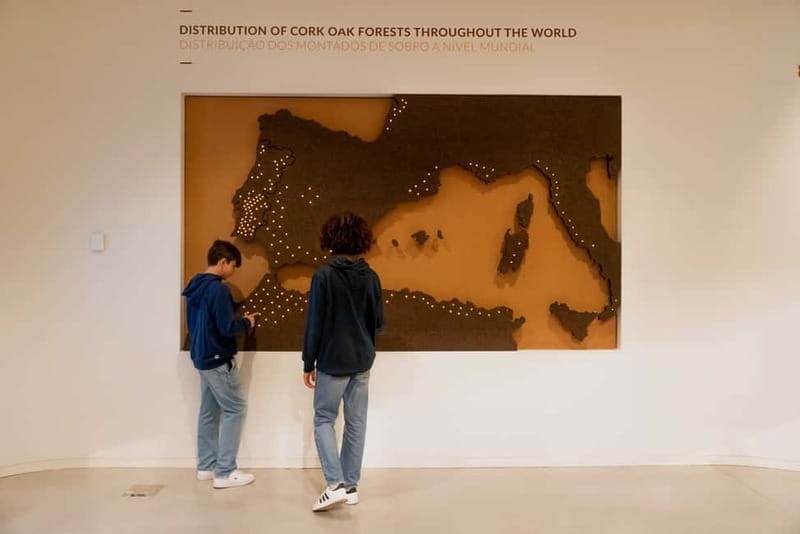
- Portugal is central to the cork trade: Learn why the country accounts for roughly half of global cork production.
- The museum explains the forest as well as the product: Cork oak habitats support wildlife, insects, and microorganisms.
- Ninety minutes is a useful visit length: It fits neatly into a day in the Norte Region without taking over your schedule.
- The personalized stopper is a nice extra: It may be available to mark your visit, but check whether the machine is working.
Why a cork museum belongs on your Portugal itinerary
Planet Cork offers a useful change of pace from churches, river views, and grand old streets. You enter expecting a lesson about wine stoppers and leave with a broader picture of material science, forest care, manufacturing, and Portuguese industry.
The subject works because cork is easy to recognize but easy to underestimate. You have probably held a cork stopper, but you may not have considered why cork floats, bends, resists moisture, insulates against heat and sound, and can be removed from a tree without cutting the tree down.
That mix gives the visit a clear purpose. You are not simply looking at old tools or finished souvenirs. You are following one material from the cork oak forest to modern products. The displays also connect Portugal’s cork industry with wider environmental questions, which gives the museum more weight than a simple product showroom.
I would especially consider it if you are visiting with children. The topic has a built-in hands-on quality, and the museum does not depend only on long blocks of reading. Adults who enjoy design, engineering, sustainability, or Portuguese exports should also find enough substance here for a worthwhile stop.
A few more museum visits around Portugal worth comparing
- Porto: Cálem Cellar Tour, Interactive Museum & Wine Tasting
★ 4.5 · 4,113 reviews - Lisbon: Luz Stadium Tour & SL Benfica Museum Entry
★ 4.7 · 4,102 reviews - FC Porto: Museum & Tour
★ 4.6 · 3,807 reviews
Starting with the cork oak and Portugal’s role
The visit introduces the cork oak and the regions where it grows around the world. Portugal receives special attention because it produces about half of the world’s cork and cares for thousands of hectares of cork forest.
That fact helps you understand why cork matters to the country. It is not just a small craft product tied to wine. It is a major natural resource and an important part of Portugal’s rural economy.
The tree itself is central to the story. Cork is harvested from the outer bark, allowing the tree to continue growing. The museum uses this process to explain why cork production can work with the forest instead of requiring the forest to be cleared.
You will also see why the cork oak habitat matters beyond the trees. Cork forests support wildlife, insects, and microorganisms, all of which contribute to the health of the surrounding environment. This gives the museum an ecological angle without losing sight of the product you came to see.
One useful point to keep in mind is that natural does not automatically mean simple. Cork production still involves harvesting, processing, transport, and manufacturing. Planet Cork’s value is that it shows the full chain rather than presenting cork as a magic material with no industrial side.
Touching, smelling, and understanding raw cork
The sensory section is one of the strongest parts of the visit. You can touch raw cork and use your sense of smell as you learn how the material changes from tree bark into useful products.
That matters because cork can be difficult to understand from photographs alone. Its texture, weight, and flexibility are part of the reason it works so well. A child may remember pressing a piece of cork far more easily than remembering a paragraph about its cellular structure.
The hands-on displays also make this a good stop for mixed-age groups. One person can read about production while another explores the material. You do not need a specialist background to follow the basic ideas.
The experience is designed to involve several senses, but you should not expect a workshop in which you make a finished cork item from start to end. The information provided describes sensory activities and interactive displays, not a full craft class.
The calm setting can also appeal to adults. One French-language visitor described the museum as peaceful and restful as well as educational. That is a useful expectation: this is not a loud, crowded attraction built around constant action. It is a slower visit with room to look, touch, and take in the information.
From forest bark to finished products
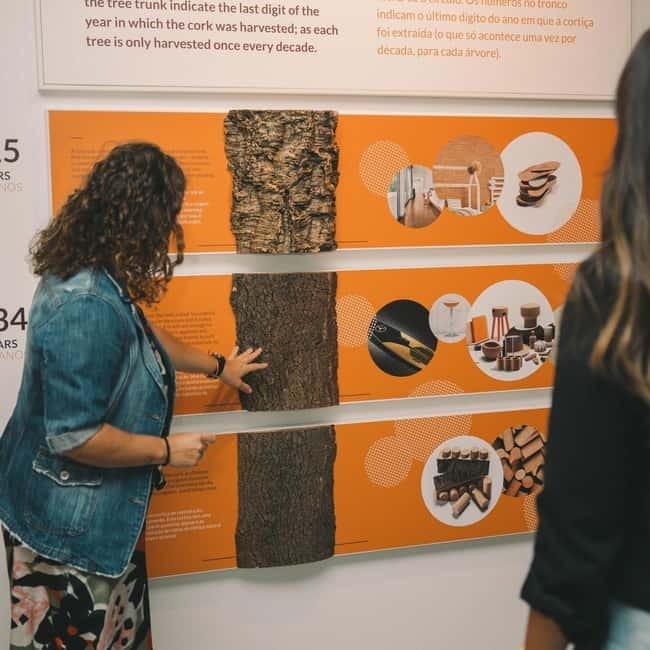
The museum follows the stages of cork production, beginning with the tree and showing how harvested cork is prepared and transformed. The exact presentation uses interactive exhibitions and multimedia displays, so you should expect a mix of visual information and hands-on elements rather than a standard guided walk.
The most familiar use is the bottle stopper. That is your starting point, not the end of the story. From there, the exhibits show how cork can be adapted for a wide range of products and technical purposes.
The material’s useful qualities explain this range. Cork is light, flexible, and suited to insulation. Those traits help account for its use in interiors, architecture, car-related applications, and other designed products.
You will also encounter examples linked to automotive engineering and aerospace. The reference to space shuttles gives the subject a strong surprise factor. It shows how a humble natural material can appear in demanding technical settings.
The museum’s presentation has been praised for being innovative and creative. That is important here because the subject could easily become dry. When the displays connect a tree in Portugal with a car component or aerospace use, the story becomes easier to remember.
Still, keep your expectations in check. The experience lasts about 90 minutes, so it gives you an accessible overview rather than a full technical course in materials engineering. If you want detailed manufacturing data or a large collection of historical objects, you may find the visit lighter than a specialist museum.
Same city, a completely different collection:
- Lisbon: National Tile Museum Entry Ticket
★ 4.6 · 868 reviews - Porto: The Wine Experience, Best Wine Museum in the World
★ 4.7 · 621 reviews - Lisbon: MAAT Gallery and MAAT Central Entry Tickets
★ 4.0 · 559 reviews - Lisbon: Banksy Museum Permanent Exhibition Entry Ticket
★ 4.7 · 506 reviews
Cork forests and the carbon question
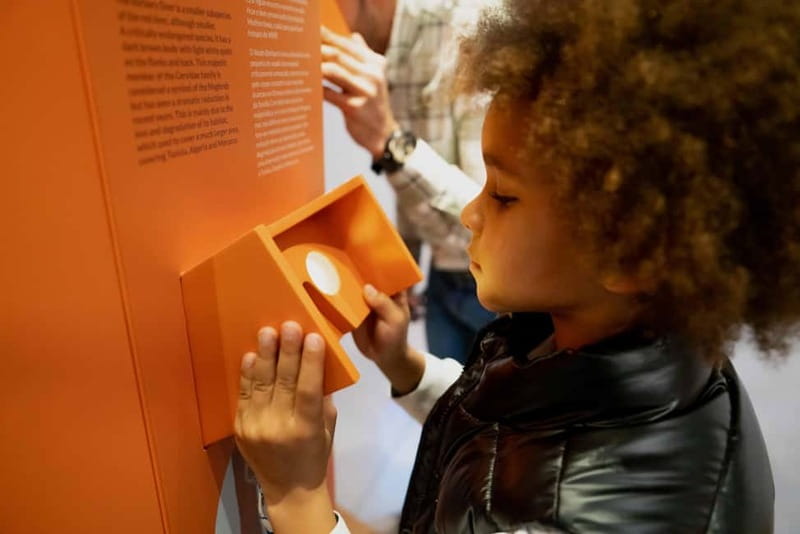
The environmental section is one of the reasons I would not treat this as a simple novelty stop. You learn why cork oak forests support many forms of life, including wildlife, insects, and microorganisms.
You also hear that cork production is one of the few truly carbon-negative industries. That is a striking claim, but it is best understood in context. The museum is explaining the overall role of cork forests and cork production in absorbing and storing carbon, not suggesting that every stage of every cork product has no environmental cost.
For you, the practical value is the connection between a finished object and the place it came from. A bottle stopper can seem disposable and ordinary. The museum asks you to see the forest behind it and to consider how responsible harvesting can preserve a productive habitat.
This section should work well for families because it gives children a clear environmental lesson without requiring an abstract discussion. You can connect the material in your hand with a living tree and a wider forest system.
The museum’s ecological message also helps explain why cork is still relevant. It is not presented only as an old Portuguese tradition. It is shown as a material with possible value in a world looking for lighter and more renewable options.
Interactive screens and the audio guide
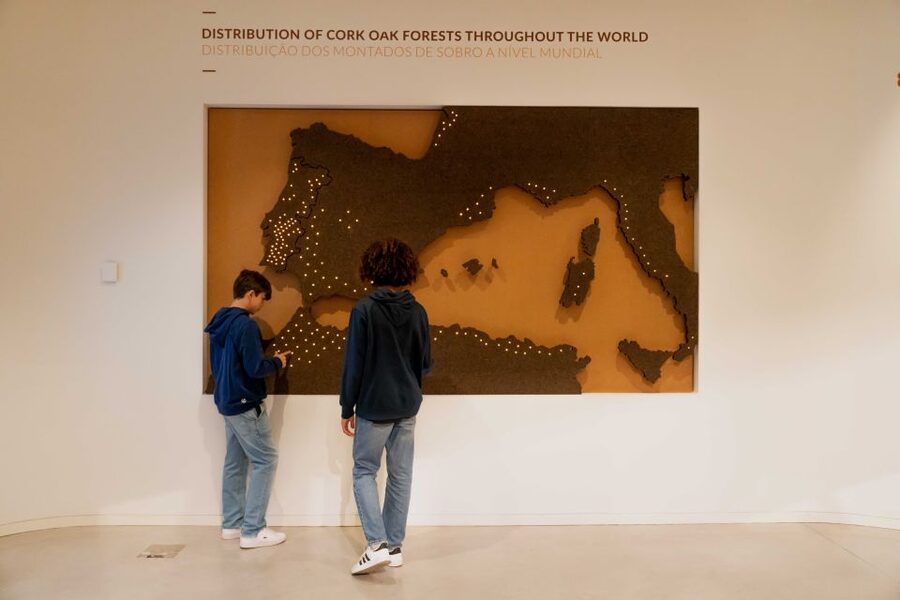
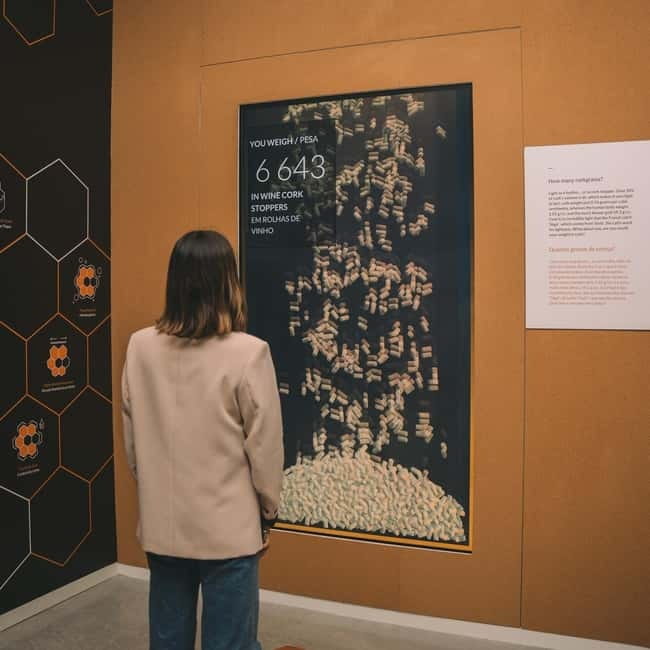
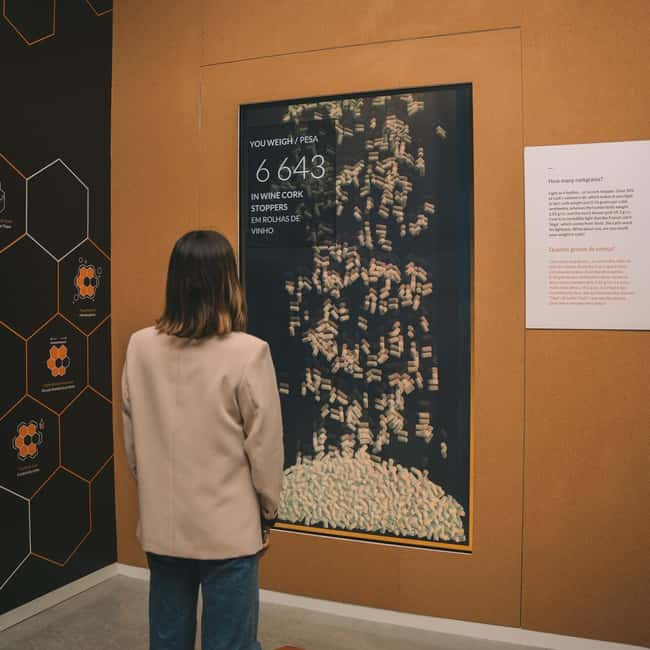
The multimedia displays add variety to the visit. Instead of reading every fact from printed panels, you can use interactive material to see how cork is used and why its properties matter.
The quality of this part depends partly on how the equipment is working during your visit. One visitor needed help getting the audio guide started and had to call for assistance because nobody was present throughout the museum. That is worth knowing before you arrive.
I would treat the audio guide as a useful extra rather than the only way to understand the museum. If it starts properly, it can add structure and detail. If it does not, the interactive exhibitions and physical samples still provide the main experience.
Because the museum is open throughout the day, you can choose a quieter time if your schedule allows. The stated opening hours are 10:00 in the morning until 7:00 in the evening, with last entry at 7:00. Bank holiday hours can change, so check before setting out.
You may use your ticket at any time on the selected date during opening hours. That flexibility is helpful if you are combining Planet Cork with other sights in the Norte Region.
The personalized cork stopper
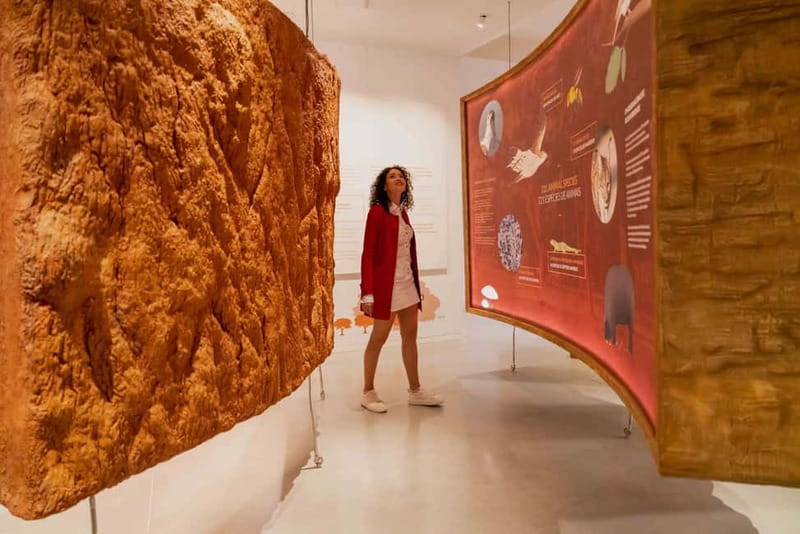
A small but memorable feature is the chance to take home a cork stopper personalized to mark the visit. It gives the museum experience a physical ending and makes a more distinctive souvenir than a standard postcard.
The machine has not always been reliable. A January 2026 visit found it out of service, so you should see the personalized stopper as a possible extra, not a guaranteed part of the admission.
That limitation does not weaken the main museum visit, but it matters if you are booking mainly for the souvenir. Families may want to explain this to children in advance. The activity is worth choosing for the exhibits, not only for the final object.
What $23 means in practical value
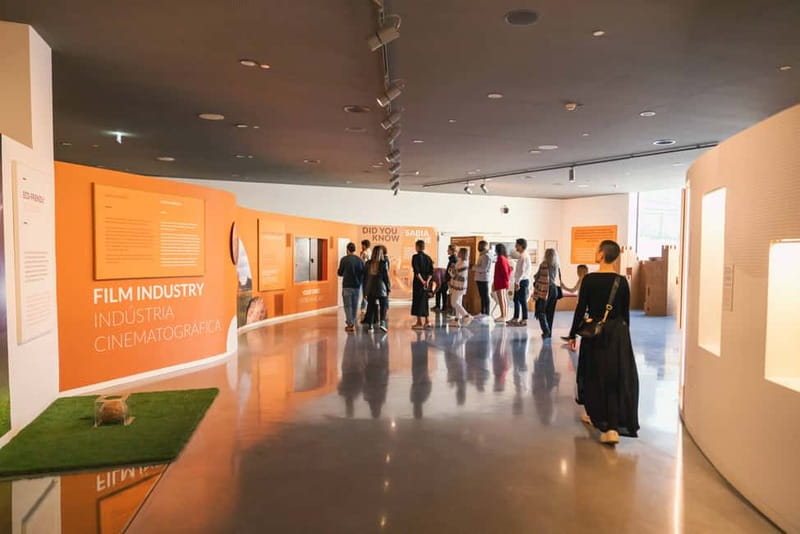
At $23 per person, Planet Cork is not the cheapest short museum visit you could find. The 90-minute duration means you are paying for a focused experience rather than a full-day attraction.
I think the price makes the most sense when you value interaction. You are not paying only to look at displays. Your admission includes access to multimedia exhibits and sensory activities involving raw cork, touch, and smell.
The visit also earns its keep through its range. In 90 minutes, you cover Portuguese production, cork oak ecology, manufacturing, product design, automotive applications, architecture, and aerospace. That is a lot of ground for a short stop.
Families should also consider the cost of keeping different ages interested. A museum that gives children something to touch while adults follow the wider story can be better value than a beautiful but text-heavy attraction that leaves part of the group restless.
For a solo visitor focused only on traditional art or Portuguese history, the price may feel less compelling. For anyone curious about design, nature, sustainability, or an unusual side of Portuguese culture, the activity offers a clear reason to pay the admission.
Who will enjoy Planet Cork most
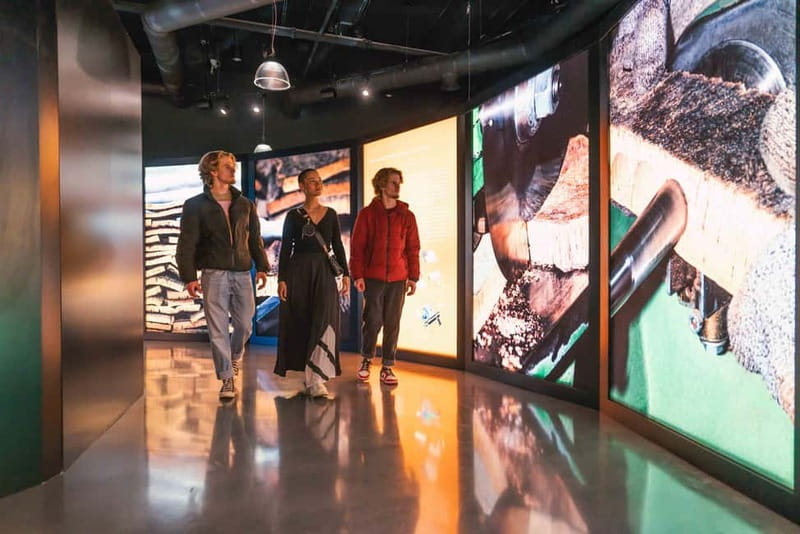
I would put this museum high on the list for families with school-age children. The subject is easy to introduce, and the physical displays give young visitors something concrete to do.
It also suits adults who like unusual museums. Cork is a practical subject with links to wine, forests, industry, architecture, cars, and space technology. You do not need to be an engineer to enjoy the connections.
It is a good fit for a rainy day or for a break from outdoor sightseeing. The visit takes only 90 minutes, so you can add it to a larger day without giving up an entire afternoon.
You may want to choose another activity if you need a fully guided experience with a person beside you at every stage. The supplied information does not name a guide, and one visitor found that help was not available throughout the museum. This is primarily a self-directed museum experience supported by interactive content and an audio guide.
Wheelchair users can also consider it, since the museum is wheelchair accessible.
Timing, access, and small practical points
Planet Cork is open daily from 10:00 AM to 7:00 PM, with last entrance at 7:00 PM. You can enter at any time on your selected date during those hours, which makes it easy to fit around meals and other plans.
Bank holiday hours may vary. Check the official website before you go, especially if your visit falls on a public holiday.
At the entrance, show your ticket directly at Planet Cork. Hotel pickup and drop-off are not included, so you need to arrange your own way to the museum.
The booking terms are flexible. You can cancel up to 24 hours before the activity for a full refund, and you can reserve now and pay later. Those terms are useful if your Norte Region plans are still changing.
The listed overall rating is 4.2 from 54 reviews. That points to a generally strong experience, with the main cautions focused on equipment and support rather than the subject or presentation.
Should you book Planet Cork?
Book it if you want a short, family-friendly museum that explains an everyday material in an unexpected way. The best reasons are the tactile displays, the creative multimedia presentation, and the link between Portuguese cork forests and modern engineering.
I would also book it if you are curious about sustainable materials but do not want a long academic visit. In 90 minutes, you get enough context to understand why cork matters without making it the only plan for your day.
Think twice if you are seeking a traditional guided tour, a large historical collection, or a guaranteed personalized souvenir. The audio guide may need help, staff may not be present throughout, and the stopper machine can be out of service.
For most families and curious adults, the $23 price is fair because the visit combines science, nature, Portuguese industry, and hands-on learning in one compact stop. Go for the cork story itself, and treat the personalized stopper as a bonus.
FAQ
Where is Planet Cork located?
Planet Cork is in Portugal’s Norte Region. You show your ticket directly at the museum entrance.
How long does the visit take?
The stated duration is 90 minutes.
What are Planet Cork’s opening hours?
Planet Cork is open daily from 10:00 AM until 7:00 PM, with last entry at 7:00 PM. Bank holiday hours may vary.
Can I enter at any time during the day?
Yes. You can use your ticket at any time on the selected date during the museum’s opening hours.
Is Planet Cork wheelchair accessible?
Yes, the museum is wheelchair accessible.
What does admission include?
Admission includes entry to Planet Cork, access to interactive exhibitions and multimedia displays, and sensory activities involving touch, smell, and raw cork.
Is hotel pickup included?
No. Hotel pickup and drop-off are not included.
Can I cancel my booking?
Yes. You can cancel up to 24 hours in advance for a full refund. You can also reserve now and pay later.
Just added around Portugal
- Museum Heist Escape Game★ 5.0 · 28 reviews
- Tavira Total Tuk Tuk Tour: Tavira Tour & Tuna Museum Visit★ 4.9 · 21 reviews
- Lisbon: Benfica Museum Tour with Souvenir Scarf★ 4.8 · 27 reviews
- Madeira: Signature Wine Tasting, Skywalk & Nature Expedition★ 4.7 · 49 reviews
- Porto: Taylor’s Port Cellar Tour & WOW Museum Pack★ 4.7 · 24 reviews
- Porto: National Museum Soares dos Reis E-Ticket & City Tour★ 4.0 · 18 reviews
- Portimao: 3D Fun Art Museum Entry Ticket★ 4.7 · 106 reviews
- Porto Region Museum: a Thousand Years Of History★ 4.2 · 22 reviews
Museum Tours in Portugal, compared.

Cálem Cellar Tour, Interactive Museum & Wine Tasting
Read our review →

The Wine Experience, Best Wine Museum in the World
Read our review →

Banksy Museum Permanent Exhibition Entry Ticket
Read our review →
Belem, Jeronimos Monastery, and Coach Museum Tour
Read our review →Browse the lists this tour appears in