
Review · THE USA
Phoenix: World’s Only Global Musical Instrument Museum
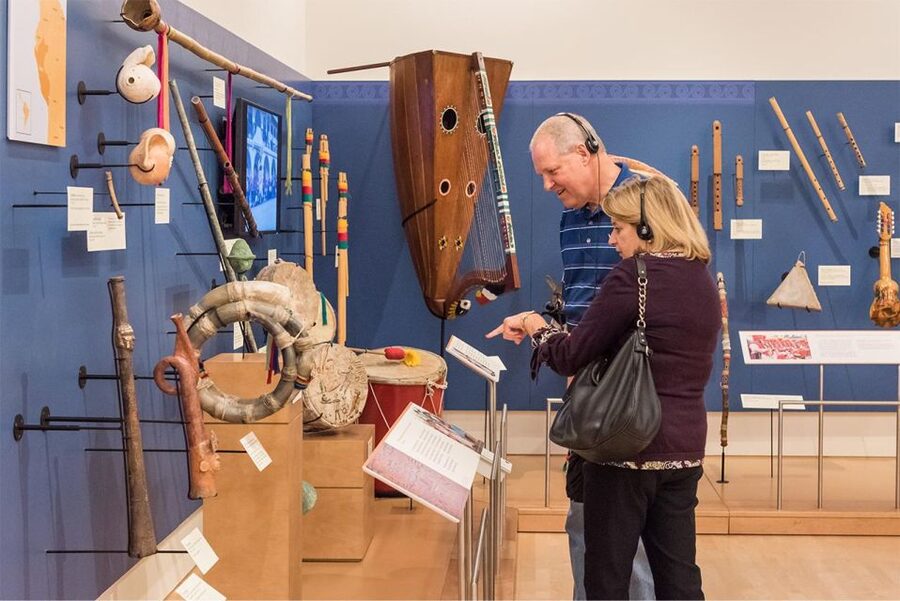
Phoenix’s Musical Instrument Museum brings 6,000 years of musical history under one roof, with instruments from more than 200 countries and regions. You can hear the music, watch performers, and see how instruments connect to ceremonies, daily life, and local traditions.
I like the guidePORT audio system, which lets you hear music played on many of the displayed instruments instead of viewing silent objects behind glass. I also like the Experience Gallery, where you can touch and play selected instruments yourself.
The main drawback is time. This is not a quick one-hour stop. With 4,300 instruments, six major world regions, videos, and listening stations, you can easily need most of the day, especially if you stop for Café Allegro or have children with you.
Key points to know before you go
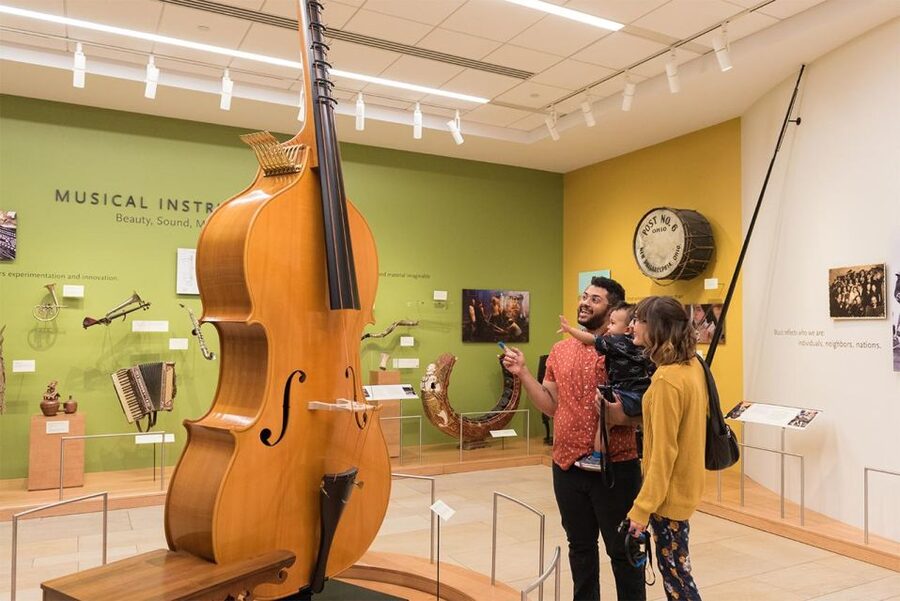
- More than 4,300 instruments: See rare, historically important, and culturally distinctive instruments from across the globe.
- Six major regions: Explore Africa, the Middle East, Asia and Oceania, Latin America, Europe, and the United States and Canada.
- Music you can actually hear: Use the English guidePORT system to listen to performances connected to the objects on display.
- A hands-on Experience Gallery: Touch and play selected instruments rather than only looking at them.
- A full-day value at $20: General admission covers the museum and audio guide, though concerts and special exhibitions cost extra.
- Easy Phoenix access: Free parking is available from the Mayo Boulevard entrance, just south of Loop 101.
Why this Phoenix museum is more than a collection of instruments

Many museums ask you to admire objects. MIM asks you to listen.
That difference matters. A drum, flute, stringed instrument, or electronic device can look strange when removed from its setting. The guidePORT system helps put each item back into use. You can hear how it sounds, watch it being played, and connect it with the people and ceremonies that give it meaning.
The museum covers musical traditions from more than 200 countries and regions. That makes the visit feel less like a display of old objects and more like a trip across cultures, with music as the common thread.
You will see instruments from a long span of time, from ancient traditions to modern electronic music. Some are rare examples. Others are valued because of their design, their role in a particular culture, or their place in musical history.
I find that this approach works well for people who are not music experts. You do not need to know the names of instruments or understand musical theory. Pick up the audio guide, listen to a performance, and let your ears do much of the work.
A few more museum visits around the USA worth comparing
- NYC: 9/11 Memorial & Museum Timed-Entry Ticket
★ 4.8 · 31,428 reviews - NYC: Empire State Building Tickets – Observatory & Museum
★ 4.7 · 25,757 reviews - New York City: American Museum of Natural History Ticket
★ 4.5 · 15,447 reviews
Starting with the six world regions
The museum organizes its main displays by major world regions:
- Africa
- The Middle East
- Asia and Oceania
- Latin America
- Europe
- The United States and Canada
This layout gives you a clear way to explore a very large collection. You can move from one region to another, compare instruments, and notice how different societies use music for ceremonies, entertainment, work, and community life.
The regional structure is also useful if you have limited time. You can focus on the parts that interest you most instead of trying to treat every object equally. If you have a full day, you can take a slower route and return to displays that caught your attention.
Do not rush past the videos. They help explain how an instrument functions in its original context. A display becomes far more memorable when you can see the performer, hear the sound, and understand the setting.
The collection includes all genres of music and performers. That broad reach means the museum is not limited to folk instruments or historical objects. You will also find examples connected to modern music and electronics, which can be especially appealing if you play an instrument or enjoy the technical side of sound.
Using the guidePORT system
The English guidePORT audio guide is included with general admission. It is designed to work with the displays, allowing you to listen to music and watch videos related to the instruments in front of you.
This is one of the strongest reasons to spend time here. Without sound, an instrument museum could become a long line of shapes, materials, and labels. With guidePORT, you get a better sense of what each object does and why it matters.
I suggest listening selectively rather than trying to hear every available track. Choose the instruments that catch your eye, then give each one enough time to make sense. You will get more from a few complete musical examples than from racing through dozens of short entries.
The system is in English, so it is easiest for English-speaking visitors. The experience includes an audio guide, but it is not described as a live guided tour. You should expect to explore at your own pace rather than follow a named guide or fixed group.
The Experience Gallery is worth planning around
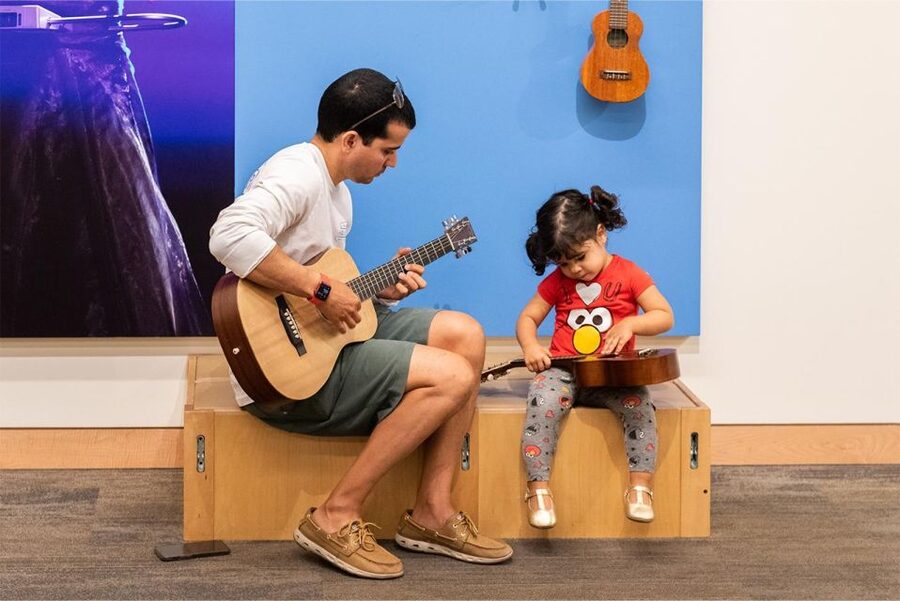
The Experience Gallery changes the rhythm of the visit. After looking at instruments and watching performances, you can interact with selected instruments yourself.
That hands-on time is valuable for families, curious adults, and anyone who learns better by trying things. You may not become a musician in one afternoon, but you can understand the physical side of music more clearly when you touch an instrument and produce a sound.
It also gives children a useful break from reading labels. The gallery lets them participate, rather than simply being told to look but not touch.
The information provided does not identify every instrument available in the Experience Gallery, so you should treat it as a selection of hands-on stations, not a promise that you can play every object in the museum.
Same city, a completely different collection:
- NYC: Museum of Modern Art (MoMA) Entry Ticket
★ 4.6 · 12,540 reviews - 9/11 Memorial, Ground Zero Tour with Optional 9/11 Museum Ticket
★ 5.0 · 6,381 reviews - 9/11 Memorial Museum Admission Ticket
★ 4.5 · 6,376 reviews - All-Access 9/11: Ground Zero Tour, Memorial and Museum, One World Observatory
★ 5.0 · 4,886 reviews
How much time should you allow?
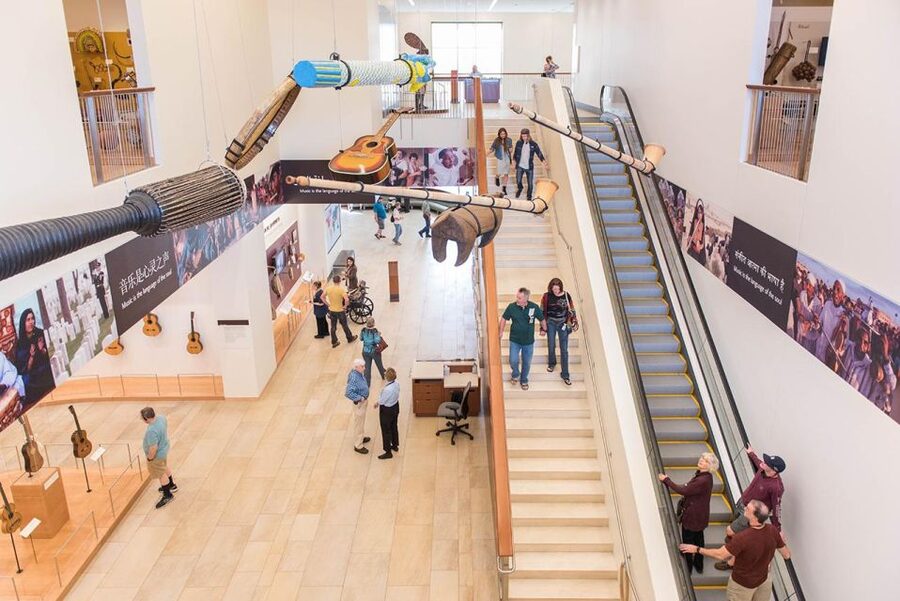
Your admission is valid for one day, and that is helpful because this museum can easily fill a morning or much longer.
A quick visit could focus on a few regions and the Experience Gallery. A slower visit would include several audio selections, videos, and time to compare instruments across different cultures. One recent birthday visit included a granddaughter who was a musician and found plenty of displays that held her interest, including electronic exhibits.
That detail is useful if you are deciding between a short stop and a full day. The museum is not aimed only at specialists or people who play traditional instruments. Modern electronics and a wide range of musical styles are part of the visit too.
I would allow at least several hours if the museum is a main reason for your Phoenix outing. If you want to hear many performances and take a meal break, plan for most of the day. The museum’s own one-day admission gives you the freedom to set your pace without trying to squeeze everything into a short timed entry.
The value of a $20 admission
At $20 per person, general admission is fairly easy to justify if you use the audio system and spend several hours inside.
You are not paying only to look at a static collection. The price includes entry, the English guidePORT audio guide, and a map brochure. The combination of objects, sound, videos, and hands-on stations gives you several ways to engage with the material.
The value is strongest for people with a real interest in music, culture, instruments, or design. It is also a good choice for families who want an indoor activity with something for both adults and children.
A short visit makes the price less attractive. If you only want to glance at a few displays, you may not get the full benefit. But if you have time to explore multiple regions and use the audio guide, $20 buys a substantial museum visit.
Concert admission and special exhibitions are not included. Check those separately if you want more than the general museum collection.
A practical stop at Café Allegro
Café Allegro gives you a place to take a break during a long visit. This matters because the museum can occupy most of a day, and a meal or drink break can keep the pace comfortable.
Food and beverages are not allowed in the museum, and even outside water is not permitted inside. You need to use the café for refreshments rather than carrying them through the galleries.
A recent birthday visit included positive praise for the café staff, which is useful to know if you plan to stop for lunch or a break. Still, the key practical point is the museum’s strict food and drink rule. Finish or store refreshments before entering the galleries, and plan your visit around Café Allegro if you need a pause.
Getting there and handling your belongings
The complimentary parking lot entrance is on Mayo Boulevard, just south of Loop 101. That makes driving to the museum straightforward, and you do not need to budget for parking.
There are some limits on what you can bring inside. Backpacks, purses, and bags larger than 18 by 18 inches must be checked at Guest Service. Non-stroller baby carriers, umbrellas, tripods, selfie sticks, and similar items also need to be checked.
Baby wearing is allowed only with a sling or carrier worn on the front of your body. Pack lightly if you can. A small personal bag is easier than arriving with equipment and larger items that must be stored.
Weapons and sharp objects are not allowed. The museum also prohibits outside food and drinks. These rules are simple, but knowing them ahead of time will save you a delay at the entrance.
Who will enjoy this museum most?
I would recommend MIM to anyone who likes music, museums, cultural traditions, or well-designed exhibits. You do not need to play an instrument. The audio and video material provides enough context for a first-time visitor.
It is especially well suited to:
- Families looking for an indoor activity with hands-on elements
- Musicians who want to see instruments from many traditions
- Adults interested in ceremonies and cultural practices
- Visitors who enjoy taking their time with museum displays
- Anyone seeking a Phoenix attraction beyond the usual sightseeing stops
The museum can also work well for a mixed group. One person can focus on rare instruments, another can listen to performances, and a child can spend time in the Experience Gallery.
The least suitable visitor is someone who dislikes audio guides, reading, or spending several hours indoors. The museum gives you plenty to do, but it rewards attention rather than a fast walk-through.
Accessibility and visit planning
The museum is wheelchair accessible. That makes it a practical choice for visitors who need step-free access, though you should still allow time for a large collection and a full museum day.
General admission is valid for one day. Starting times depend on availability, so check the schedule when booking. The host or greeter and audio guide are in English.
Free cancellation is available up to 24 hours in advance for a full refund. You can also reserve now and pay later, which helps if your Phoenix plans are still changing.
My verdict: should you book the Musical Instrument Museum?
You should book this museum if you want a thoughtful, hands-on cultural visit and have several hours available. The combination of 4,300 instruments, regional galleries, videos, and guidePORT audio makes the $20 admission good value for a full visit.
I would be less keen if you only have enough time for a quick stop, or if you want a live concert rather than a museum visit. Concerts and special exhibitions are separate purchases.
For most people, the best plan is simple: arrive with a light bag, use the audio guide, spend time in the Experience Gallery, and leave room for Café Allegro. If you are visiting with a musician, a curious child, or someone who enjoys hearing the story behind an object, this is one of Phoenix’s more rewarding indoor attractions.
FAQ
Where is the Musical Instrument Museum located?
The museum is in Phoenix, Arizona. The parking lot entrance is on Mayo Boulevard, just south of Loop 101.
How much does admission cost?
General admission costs $20 per person.
How long is the visit?
The admission is valid for one day. You can make a shorter visit, but the collection is large enough to occupy several hours or most of a day.
What is included with admission?
General admission, the English guidePORT audio guide, and a brochure with a map are included.
Is a live guide included?
No live guide is specified. An English audio guide is included, along with a host or greeter who speaks English.
How many instruments are on display?
The museum collection includes about 4,300 instruments.
How many countries and regions are represented?
The exhibits cover musical instruments and traditions from more than 200 countries and regions.
Can I play any of the instruments?
Yes. The Experience Gallery gives you the chance to touch and play selected instruments.
Are concerts included with general admission?
No. Concert admission is not included.
Can I bring food and drinks inside?
No. Food and beverages, including water, are not permitted inside the museum. Café Allegro is the designated place for food and drinks.
Is the museum wheelchair accessible?
Yes. The museum is wheelchair accessible.
What bags and items must be checked?
Backpacks, purses, and bags larger than 18 by 18 inches must be checked. Non-stroller baby carriers, umbrellas, tripods, selfie sticks, and similar items must also be checked at Guest Service.
Is parking available?
Yes. Parking is complimentary.
Can I cancel my booking?
Yes. You can cancel up to 24 hours in advance for a full refund.
Can I reserve now and pay later?
Yes. The reserve-now, pay-later option lets you hold your plans without paying immediately.
Just added around the USA
- Museum of Ice Cream Austin★ 3.5 · 85 reviews
- Admission to Richard Nixon Presidential Library and Museum Ticket★ 5.0 · 123 reviews
- The Turquoise Museum Curator’s Tour★ 5.0 · 12 reviews
- Turquoise Museum Visit★ 4.5 · 194 reviews
- Orlando: Titanic Artifact Exhibition Ticket★ 4.5 · 246 reviews
- The St. Augustine Old Jail Museum Guided Tour★ 4.6 · 68 reviews
- San Diego: San Diego Natural History Museum Ticket★ 4.7 · 33 reviews
- The Museum of Fine Arts, Houston Entry Ticket★ 4.6 · 82 reviews
Museum Tours in the USA, compared.




9/11 Memorial, Ground Zero Tour with Optional 9/11 Museum Ticket
Read our review →

All-Access 9/11: Ground Zero Tour, Memorial and Museum, One World Observatory
Read our review →

Browse the lists this tour appears in