
Review · THE USA
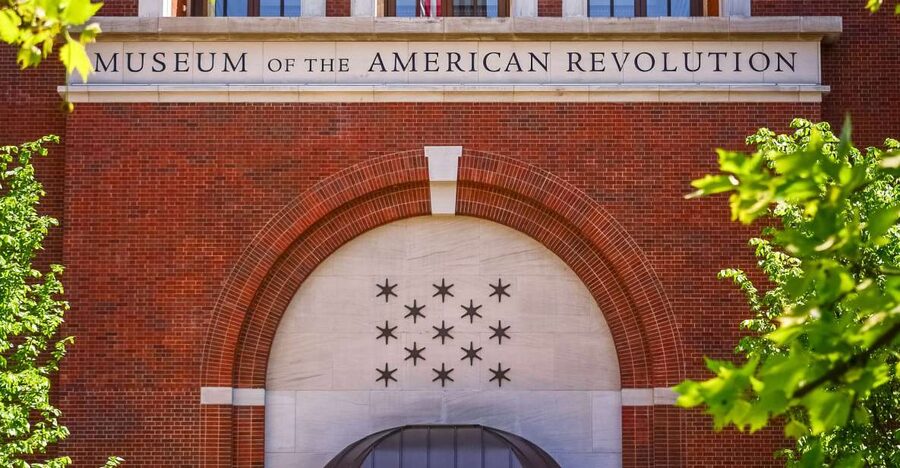
Philadelphia: Museum of the American Revolution Entry
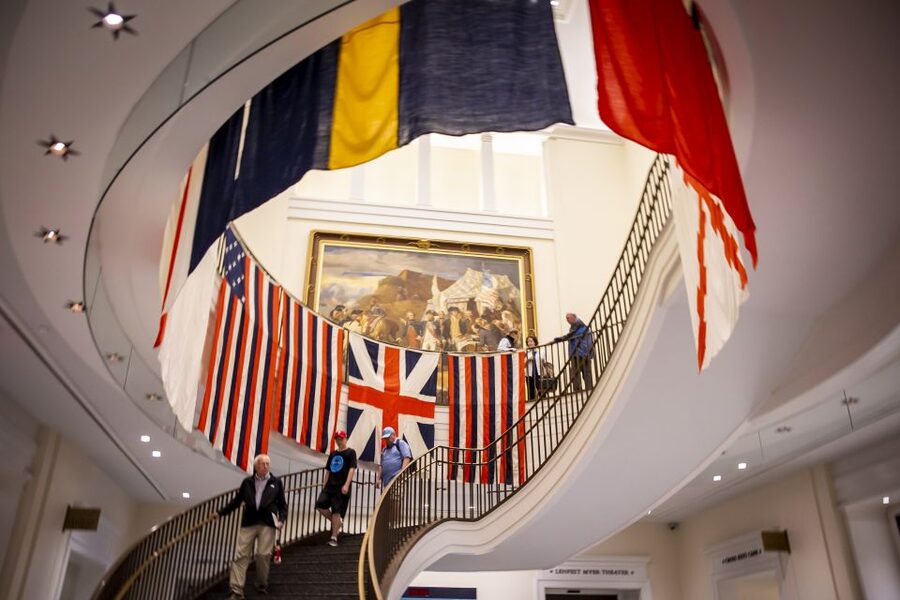
The most striking part of this museum is its focus on people, not just famous leaders. You move from the unsettled years before the Revolution through the war and its aftermath, meeting the era through ordinary household objects, local currency, weapons, and personal papers. The presentation is clear enough for newcomers, yet detailed enough to reward history fans.
I like the two-day entry, which gives you room to pause instead of racing past long text panels. I also like the strong film program, especially the 12-minute presentation about George Washington’s war tent. The main drawback is simple: this is not a quick 45-minute stop. Plan on at least three hours if you want to read, watch the films, and use the interactive displays properly.
Key Points at a Glance
- Washington’s actual war tent: See the centerpiece of a short feature film about the headquarters tent used during the Revolutionary War.
- A people-first story: Follow the lives of ordinary citizens before, during, and after the conflict.
- Two consecutive days: Leave and return without buying another ticket, useful when paired with nearby historic sites.
- Films and interactive displays: Start with the 15-minute Revolution orientation film and explore at your own pace.
- Language help: Printed guides are available in English, Spanish, French, German, Mandarin, Japanese, and Vietnamese.
- Convenient Old City location: The museum is just steps from Independence Hall and other major Philadelphia sights.
Why This Museum Matters in Philadelphia
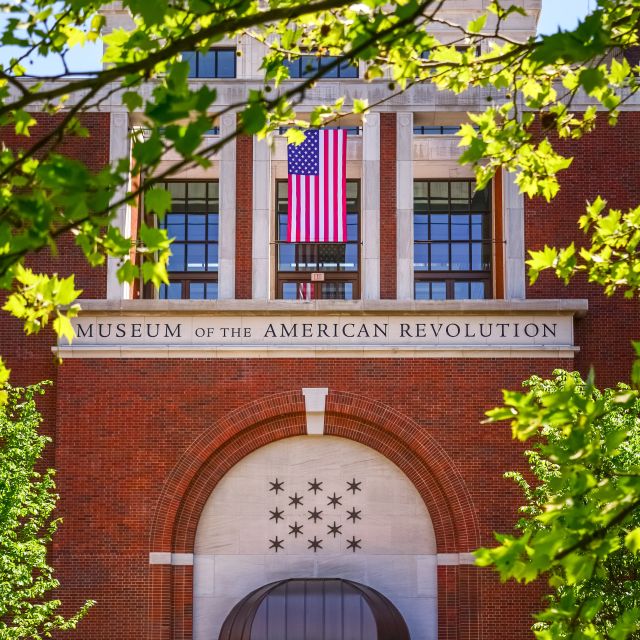
Philadelphia is packed with Revolutionary-era landmarks, but those sites often give you only one piece of the story. Independence Hall shows where political decisions took place. The Museum of the American Revolution helps explain what those decisions meant for soldiers, families, workers, enslaved people, and communities caught in the middle.
I find that contrast useful. You can visit the famous buildings first, then come here to put them into context. The museum is not simply a display of old weapons. It asks you to consider how a revolution changed daily life, who supported it, who opposed it, and what happened once the fighting ended.
Its location makes planning easy. The museum is just steps from Independence Hall, so you can combine it with a day in Philadelphia’s historic district. You will not need a separate tour vehicle or a complicated transfer. Start at the museum, then continue on foot to nearby landmarks.
A few more museum visits around the USA worth comparing
- NYC: 9/11 Memorial & Museum Timed-Entry Ticket
★ 4.8 · 31,428 reviews - NYC: Empire State Building Tickets – Observatory & Museum
★ 4.7 · 25,757 reviews - New York City: American Museum of Natural History Ticket
★ 4.5 · 15,447 reviews
Begin With the 15-Minute Revolution Film
Your visit starts with a 15-minute orientation film called Revolution. This is a smart first stop because it gives you a basic timeline before you face the larger galleries.
If you arrive with only a general idea of the American Revolution, the film helps you get your bearings fast. If you already know the main dates and names, it still sets up the museum’s wider focus on competing ideals and human choices.
After the film, you make your own way through the exhibitions. There is no named guide leading the entire visit, so the pace belongs to you. That works well for a museum with a lot of written material. You can move quickly through familiar sections, then slow down when an object or story catches your attention.
Printed museum booklets are available in English, Spanish, Mandarin, French, German, Japanese, and Vietnamese. An optional audio guide is offered in English, French, and Spanish when that option is selected with your ticket.
Follow the Revolution Through Everyday Life
The museum’s best feature is its broad view of the period. You are not shown only portraits of founders and battle scenes. The galleries examine life for ordinary citizens before, during, and after the war.
That choice gives the museum more weight. A musket can tell you about combat, but a household item may tell you how political change reached the kitchen, workshop, or shop counter. Local currency helps show how unstable the period could be. Personal belongings and documents make the period feel less distant.
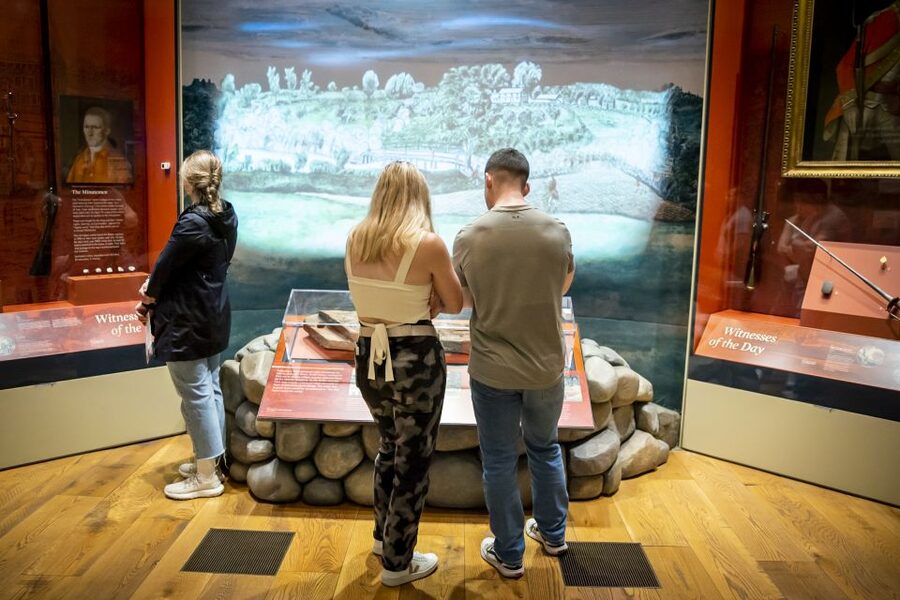
You will see a large collection of Revolutionary-era weapons, personal objects, papers, and works of art. The variety matters because no single object can explain a revolution. The museum brings several kinds of evidence together, then lets you compare them.
Expect plenty to read. One visitor specifically advised allowing three hours or more, and that is sound advice if you want to take in the films, displays, and text. The museum can still work in a shorter visit, but rushing will reduce it to a string of cases and quick glances.
The Galleries Turn History Into a Story

The galleries use immersive settings, theater experiences, and digital features to give the subject a clear sequence. That approach is useful for families and first-time students of the Revolution because it turns a long period into a series of manageable chapters.
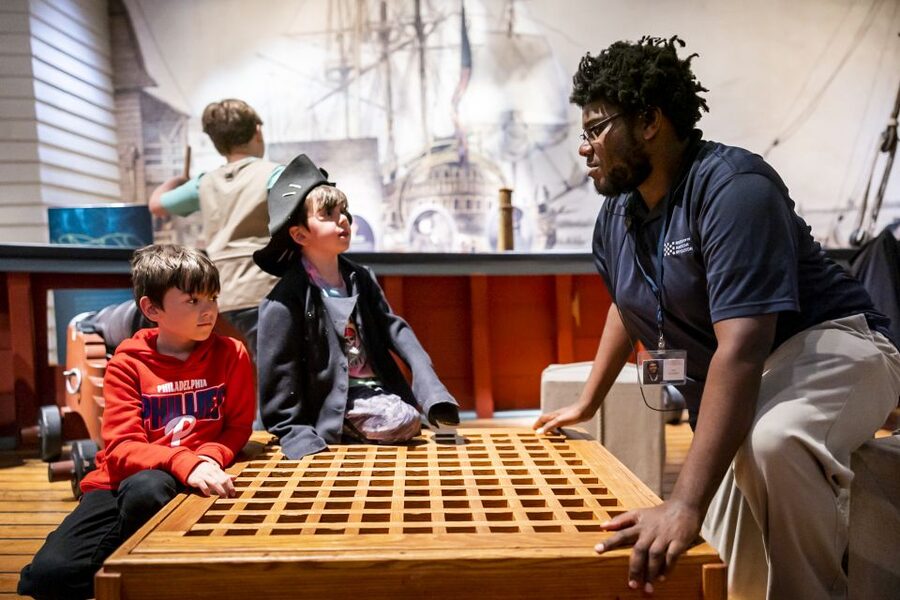
The interactive elements also give you a break from reading. You can examine objects, watch short presentations, and use digital displays rather than moving from one static case to another. The result is lively without losing the serious side of the subject.
Still, the museum asks for attention. This is not a ride or a purely visual attraction. You will get the most from it if you are willing to read labels and listen to the explanations. The presentation is accessible, but the subject is complicated. A short visit may leave you with strong images but less understanding of how the events fit together.
I especially like that the museum gives space to the period after the war. The Revolution did not end when the fighting stopped. The choices made afterward shaped the new nation, and the museum helps you consider that longer arc.
Same city, a completely different collection:
- NYC: Museum of Modern Art (MoMA) Entry Ticket
★ 4.6 · 12,540 reviews - 9/11 Memorial, Ground Zero Tour with Optional 9/11 Museum Ticket
★ 5.0 · 6,381 reviews - 9/11 Memorial Museum Admission Ticket
★ 4.5 · 6,376 reviews - All-Access 9/11: Ground Zero Tour, Memorial and Museum, One World Observatory
★ 5.0 · 4,886 reviews
Washington’s War Tent Is the Main Event
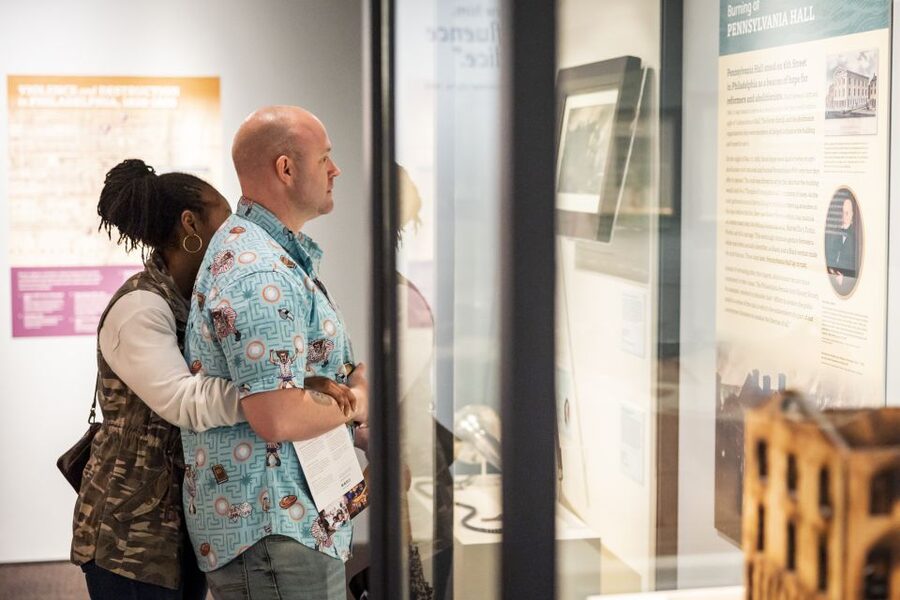
Do not skip the 12-minute feature film Washington’s War Tent. It centers on George Washington’s war headquarters tent, one of the most memorable objects in the museum.
The tent matters because it connects a famous leader to the practical conditions of military command. It was not a grand monument. It was a working headquarters, linked to the long, difficult business of directing an army.
The film gives the object a strong presentation, and the reveal is intentionally theatrical. If you prefer quiet displays with no dramatic staging, you may find the treatment a little overdone. Even so, it is worth your time. The film helps explain why the tent matters instead of leaving you to admire the fabric and shape without context.
Plan to watch it during your first visit, then return if you use the second day. The film is short enough to fit around other historic sites, but it is important enough to deserve a place in your schedule.
How the Two-Day Ticket Changes Your Visit
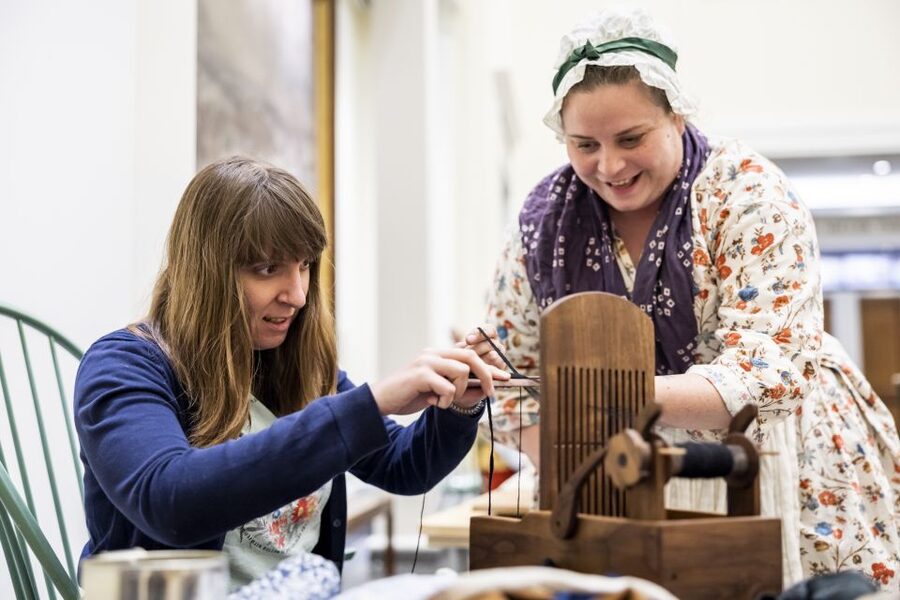
At $27 per person, the ticket is a fair buy if you plan to spend several hours in the museum. The value improves because admission is valid for two consecutive days and allows you to leave and return.
That flexibility is more useful than it may sound. Philadelphia’s historic district has several major attractions close together, and a full day of museums can become tiring. You can spend a morning here, walk to Independence Hall, take a break, and return later or the following day.
You might also split the museum into two visits. On the first day, watch the orientation film and move through the main galleries. On the second, revisit the sections that require more reading and catch the war tent film if you missed it.
If your schedule allows only one day, do not worry. You can still make the ticket worthwhile. Set aside at least three hours, begin with Revolution, and make a point of seeing Washington’s War Tent. Then give priority to the objects and sections that interest you most.
The price does not include food or drinks, so plan your break outside the museum. That is easy to manage because of the Old City location, but you should include the pause when building your day.
A Practical Visit Plan
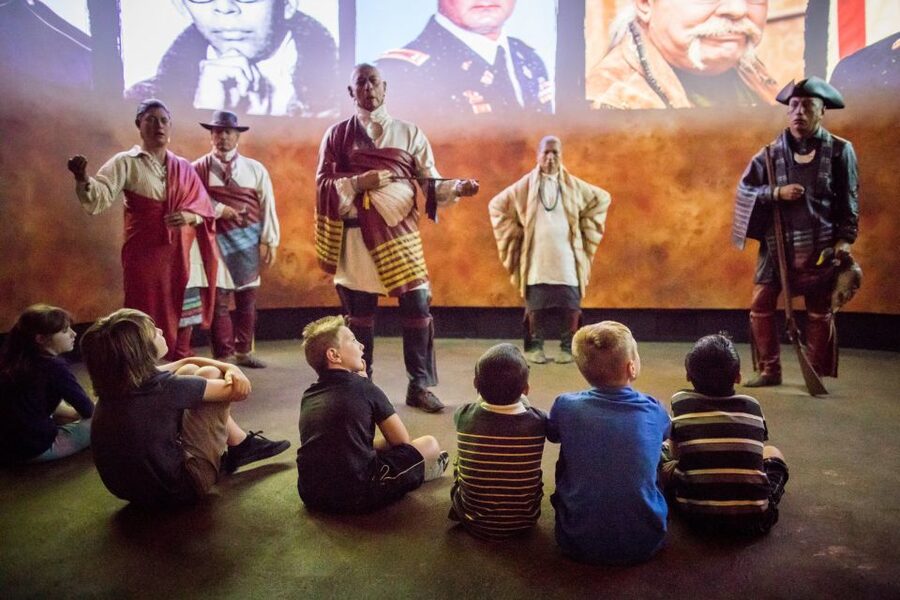
Here is the way I would organize the experience:
- Start with the 15-minute Revolution film.
- Read the introductory material so you understand the museum’s timeline.
- Move through the galleries at a steady pace, giving extra time to the personal objects and documents.
- Use the printed booklet or optional audio guide if you want more help.
- Watch Washington’s War Tent, which runs for 12 minutes.
- Take a break outside if you need food or a rest.
- Return to the sections you skimmed, using the second day if your schedule permits.
The museum allows you to make the visit as focused or as broad as you like. A history fan can spend much longer with the objects and written material. A family with limited patience can choose the films, major displays, and interactive features.
The ticket also includes special exhibitions when applicable. Since these can change, check what is being shown when you book rather than assuming a particular temporary display will be available.
Who Will Enjoy It Most
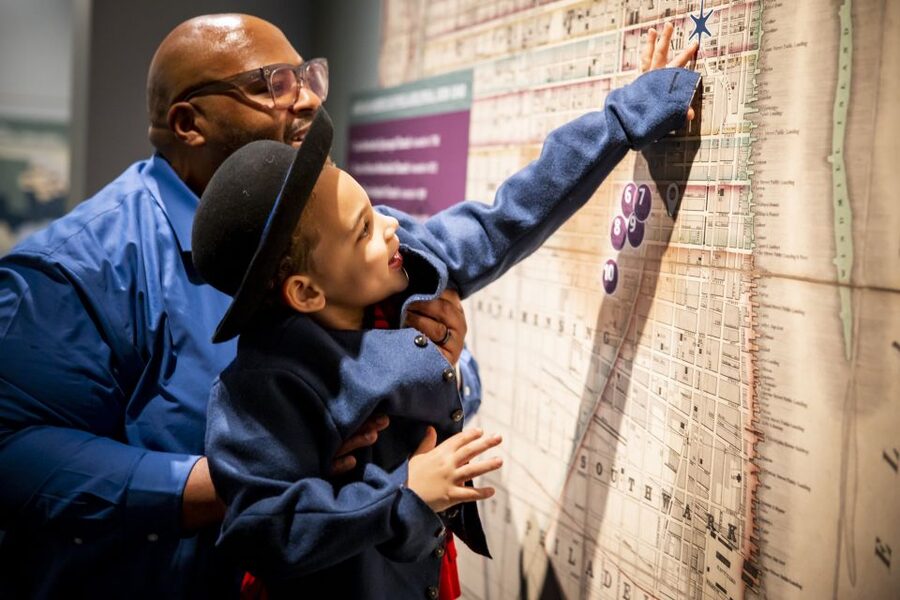
This is a strong choice for anyone who wants more than a quick look at Philadelphia’s famous buildings. It suits history fans, families, school-age children, and adults who want a clear introduction to the Revolutionary period.
The interactive features should help younger visitors stay involved, while the objects and explanations give adults plenty to think about. The language booklets make the museum more useful for international visitors and for anyone who prefers reading history in a language other than English.
It is also a good choice for repeat visitors to Philadelphia. You may have already seen Independence Hall, the Liberty Bell area, or a historic walking route. The museum adds background and human detail to those places.
The museum is wheelchair accessible. Selfie sticks, tripods, and monopods are not permitted, and flash photography is prohibited. These rules are easy to follow, but they matter if you are planning to photograph objects.
Where It Fits Among Philadelphia Tours
A walking tour of Old City will give you streets, landmarks, and a guide’s running commentary. This museum gives you more time with objects, films, and written explanations. The two experiences work well together rather than competing.
If you want a broad overview of Philadelphia, a hop-on hop-off bus tour covers more ground. If you want a focused look at the city’s Revolutionary role, this museum is the better choice.
The museum also pairs well with a guided tour about the founders. Take the tour for the city setting and stories, then use the museum to slow down and examine the evidence. An evening tour or electric cart ride offers another view of Philadelphia, but neither replaces the museum’s detailed treatment of the Revolution.
What Could Be Better
The main weakness is the amount of material. The museum is clean, well organized, and easy to follow, but it is not lightweight. You may feel worn out if you try to read every panel in one stretch.
The theatrical presentation of Washington’s tent may also feel a little overdone if you prefer a more restrained museum style. That is a matter of taste, not a serious problem, and the film remains one of the visit’s key moments.
The surrounding downtown area may also feel untidy at times, especially from Friday through Monday. That does not affect the museum’s indoor displays, but it is worth keeping in mind when planning a full day on foot in central Philadelphia.
The strongest praise for this experience centers on its clarity, interactive design, quality objects, and ability to make the American Revolution understandable. Those are exactly the areas where the museum earns its admission price.
Should You Book This Museum Ticket?
Book it if you want a serious but accessible look at the American Revolution, especially if you are already visiting Independence Hall. The two-day entry is a real advantage, and the $27 price is reasonable for a museum that can fill three hours or more.
I would not choose it if you want a very short stop or dislike reading and historical films. But if you want to understand how the Revolution affected real people, see rare period objects, and view George Washington’s war tent, this is one of Philadelphia’s most useful history visits.
FAQ
Where is the Museum of the American Revolution?
The museum is in Philadelphia, Pennsylvania, just steps from Independence Hall in the city’s historic district.
How much does admission cost?
Admission costs $27 per person.
How long is the museum ticket valid?
The ticket is valid for two consecutive days and includes in-and-out entry privileges during that period.
How long should I plan for the visit?
Plan on at least three hours if you want time for the films, galleries, interactive displays, and written material.
Is an orientation film included?
Yes. Admission includes the 15-minute orientation film Revolution.
Is the Washington war tent film included?
Yes. Admission includes the 12-minute feature film Washington’s War Tent.
Are audio guides available?
An optional audio guide is available in English, French, and Spanish if you select that option.
What printed language guides are available?
Printed information booklets are available in English, Spanish, Mandarin, French, German, Japanese, and Vietnamese.
Is the museum wheelchair accessible?
Yes, the museum is wheelchair accessible. Flash photography, tripods, monopods, and selfie sticks are not permitted.
Just added around the USA
- Museum of Ice Cream Austin★ 3.5 · 85 reviews
- Admission to Richard Nixon Presidential Library and Museum Ticket★ 5.0 · 123 reviews
- The Turquoise Museum Curator’s Tour★ 5.0 · 12 reviews
- Turquoise Museum Visit★ 4.5 · 194 reviews
- Orlando: Titanic Artifact Exhibition Ticket★ 4.5 · 246 reviews
- The St. Augustine Old Jail Museum Guided Tour★ 4.6 · 68 reviews
- San Diego: San Diego Natural History Museum Ticket★ 4.7 · 33 reviews
- The Museum of Fine Arts, Houston Entry Ticket★ 4.6 · 82 reviews
Museum Tours in the USA, compared.


9/11 Memorial, Ground Zero Tour with Optional 9/11 Museum Ticket
Read our review →

All-Access 9/11: Ground Zero Tour, Memorial and Museum, One World Observatory
Read our review →

Browse the lists this tour appears in