
Review · CANADA
Toronto: Bata Shoe Museum Entrance Ticket
The Bata Shoe Museum turns an everyday object into a window on human life. Inside its light-filled, shoebox-shaped building, you’ll see footwear spanning 4,500 years, from practical shoes shaped by climate and work to striking designs made for status, fashion, and ceremony. The museum’s founder, Sonja Bata, built the collection from shoes gathered around the world.
I especially like the permanent All About Shoes exhibition and the way the museum connects footwear with social history. I also like the compact scale: you can see a lot in one to two hours without giving up half a day. The main drawback is that most interpretation is in English, and some visitors would prefer audio or app support. The washrooms are in the basement, too, which may be inconvenient during a longer visit.
Key points to know before you go
- Four gallery spaces: Rotating exhibitions give repeat visitors a reason to return, while the permanent displays provide the museum’s historical backbone.
- 4,500 years of footwear: The collection reaches well beyond modern fashion, with shoes tied to work, climate, belief, ceremony, and social rank.
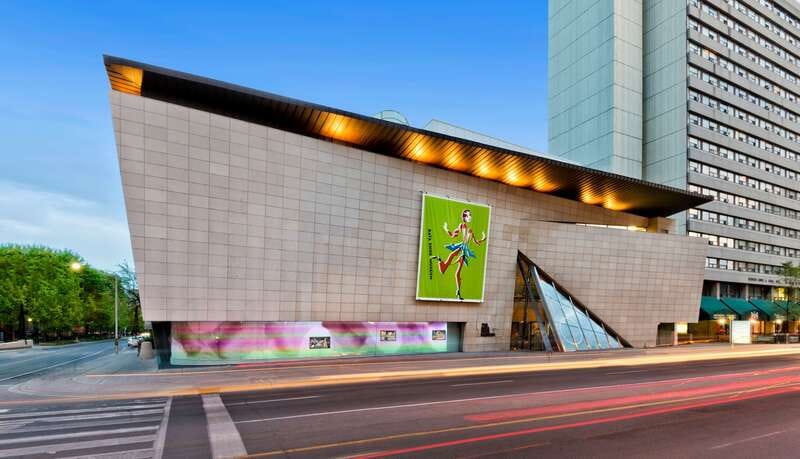
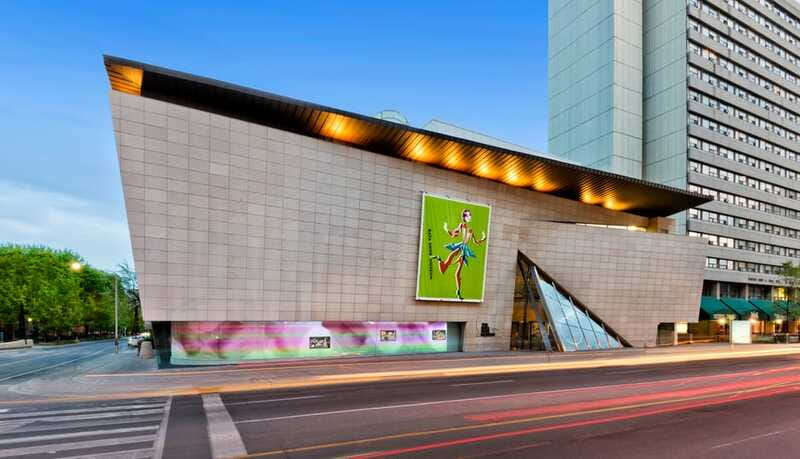
- A memorable building: Canadian architect Raymond Moriyama designed the museum to resemble a shoebox, with a bright and spacious interior.
- Good value at $11: The ticket is modest for a central Toronto cultural attraction, especially if you spend one or two hours exploring carefully.
- Easy downtown access: The museum is at 327 Bloor Street West and can be reached by subway, car, or Uber.
- Free WiFi and wheelchair access: These useful basics make the visit easier, though information is primarily in English.
Why footwear makes such a good museum subject
Shoes tell stories that a general history book can miss. They show what people could afford, what work they did, how far they walked, what materials grew in their region, and how they presented themselves to others.
That is the strength of the Bata Shoe Museum. You are not simply looking at old shoes lined up in cases. You are seeing how footwear responds to daily needs and social pressure. A shoe can protect a foot, mark a ceremony, signal wealth, or reflect a local tradition.
The collection grew from Sonja Bata’s interest in footwear from different parts of the world. That global reach gives the museum a wider purpose than a fashion display. You can move from familiar modern styles to examples connected with northern climates, traditional clothing, formal occasions, and changing ideas about beauty.
I find this approach useful because it gives context to objects that might otherwise seem strange or decorative. Even if you arrive mainly because you like fashion, you’ll leave with a better sense of how shoes fit into ordinary life.
A few more museum visits around Canada worth comparing
- Toronto: Royal Ontario Museum Admission Ticket
★ 4.6 · 1,237 reviews - Toronto: Art Gallery of Ontario General Admission Ticket
★ 4.6 · 251 reviews - Quebec City: MNBAQ National Fine Arts Museum Entry Ticket
★ 4.6 · 63 reviews
Entering the shoebox-shaped museum on Bloor Street
The building itself sets the tone. Designed by Canadian architect Raymond Moriyama, it has the shape of a shoebox, but the interior is contemporary, spacious, and filled with light.
The museum sits at 327 Bloor Street West, a practical location for a Toronto sightseeing day. You can reach it by subway, car, or Uber from downtown. Street parking and paid parking may be available within walking distance, but spaces are not guaranteed, so public transit is worth considering if you want a simpler arrival.
Once inside, give yourself a moment to look at the building before rushing toward the displays. The architecture is playful without turning the museum into a gimmick. The shoe shape helps you remember where you are, while the airy interior keeps the visit from feeling cramped.
The museum is wheelchair accessible. Smoking is not permitted. Free WiFi is available on-site, a small but useful touch if you want to check exhibition details or coordinate the rest of your Toronto plans.
Starting with All About Shoes
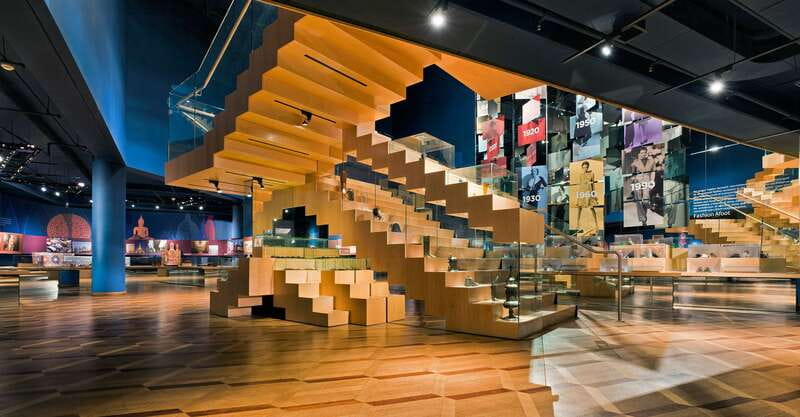
The permanent exhibition All About Shoes is the best place to begin. It provides the broad story, taking you through thousands of years of footwear and showing how shoes change with culture, technology, climate, and fashion.
Plan to spend time with the older historical material, particularly the displays on the lower level. This section gives the visit its strongest sense of movement through time. You can see how footwear developed from basic protection into objects that carried meaning far beyond the foot.
The oldest pieces are valuable not only because of their age. They help you understand the limits and choices faced by people in different places and periods. Materials, construction, and shape all reveal something about the world that produced the shoe.
The museum also includes replicas alongside original pieces. That is useful because replicas can show forms that would be too fragile, rare, or difficult to display as originals. Look closely at the labels and consider how the design works, not only how unusual it looks.
The lower-level exhibition has been especially appreciated for explaining how modern footwear developed. I would allow more time here than a quick pass through the cases. It is the part most likely to answer the basic question behind the museum: how did shoes get from simple protection to the enormous range of styles we know today?
Four galleries and changing exhibitions
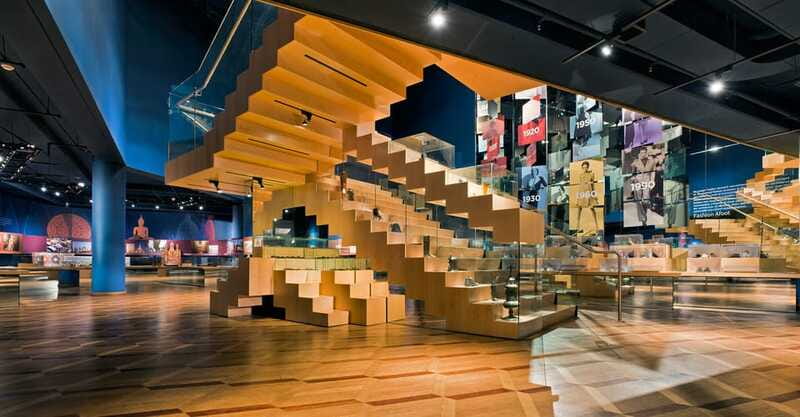
The museum has four innovative gallery spaces, with rotating artifacts and exhibitions. This is where the visit can change from one trip to the next.
A temporary exhibition may focus on a designer, a type of footwear, a region, or a wider social subject. Past displays have included an exhibition of Manolo Blahnik designs, which gave the museum a chance to show footwear as both fashion and art. The changing program also helps connect the permanent collection to current interests.
You should check what is on display when you plan your visit, especially if a particular designer or theme is the reason you want to go. The ticket includes general admission, but the exact exhibition mix changes over time.
The rotating galleries are also useful for repeat visits. On a first visit, you’ll probably focus on the permanent history display. On a later visit, the temporary galleries can provide a different route through the collection and show how footwear can be studied through design, social customs, and identity.
The displays are visually strong, with shoes in many colors, materials, and shapes. Still, this is not just a place to admire attractive objects. The best moments come when an unusual shoe is paired with enough explanation to show why it exists.
Same city, a completely different collection:
- Royal Ontario Museum Admission
★ 4.5 · 411 reviews - Britannia Mine Museum General Admission
★ 5.0 · 233 reviews - Ottawa: Canadian War Museum Admission
★ 4.7 · 232 reviews - Gatineau: Canadian Museum of History Admission
★ 4.8 · 230 reviews
Footwear, clothing, and life above the Arctic Circle
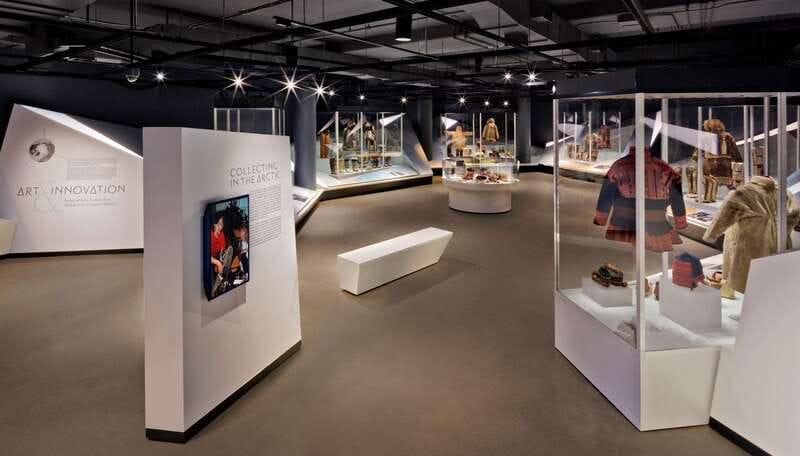
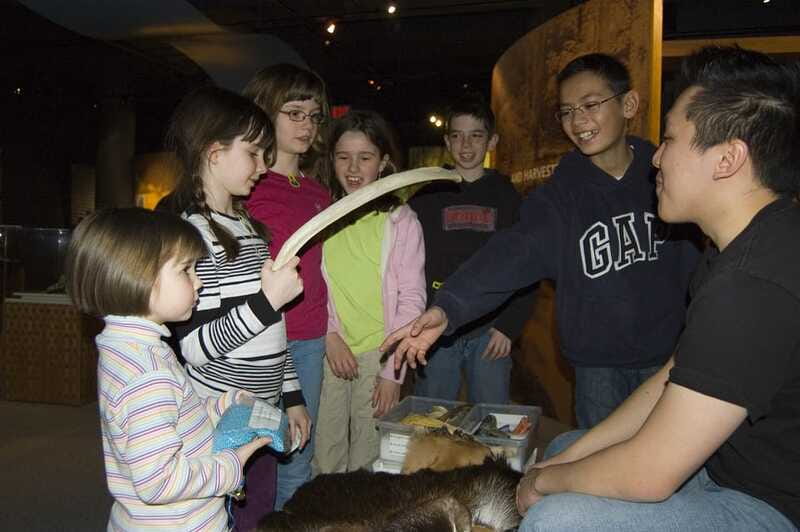
One particularly worthwhile thread is the relationship between footwear and traditional clothing in northern regions. Displays connected with communities living above the Arctic Circle show how clothing and shoes must respond to harsh conditions.
This section broadens the museum beyond fashionable footwear. It reminds you that a shoe is often a technical answer to a local problem. Warmth, movement, available materials, and protection matter as much as appearance.
If you have an interest in traditional clothing, the museum offers more than its name suggests. Footwear is shown as part of a larger system of dress and daily life. That makes this section useful for anyone interested in world cultures, not just shoe collectors.
I also appreciate the chance to compare practical footwear with ceremonial or status-driven designs. The contrast helps explain why people have always made shoes more elaborate than basic survival requires.
How long to allow for the visit
The museum is valid for one day, but most people can make a satisfying visit in one to two hours. That timing works well with other central Toronto stops and keeps the museum from becoming an exhausting all-day commitment.
You can move quickly through the galleries in about an hour if you mainly want to see the collection. For a more thoughtful visit, allow closer to two hours, especially if you read the labels and spend time in the basement exhibition.
There is no guide-led tour included. The activity is presented as general admission, with an English-speaking host or greeter available. You should expect to set your own pace rather than follow a fixed route or group schedule.
The lack of a dedicated audio or visual presentation may matter to you. One visitor specifically wished for an audio-visual option, and that is a fair point. An app could make the museum easier to follow for people who prefer listening to reading. At present, you should plan on using the written information and your own judgment about how much detail you want to absorb.
The museum’s compact size is still an advantage. You can pause at the displays that interest you and move on from those that do not without losing track of a large tour group.
Is the $11 ticket good value?
At $11 per person, the admission is reasonably priced for Toronto. The value depends on your pace and interests, but the museum offers enough material to justify an hour or two, particularly if you take time with the permanent display.
I would call it a strong choice for a rainy afternoon, a short cultural stop, or a break from larger attractions. You are paying for access to a substantial international collection, not just a small novelty exhibit.
The ticket becomes even better value if you already enjoy design, fashion, social history, traditional clothing, or museum collections with an unusual focus. If shoes do not interest you at all, the visit may feel more limited, though the cultural and historical material gives it more substance than the subject first suggests.
Some Toronto attraction combinations may offer a better deal if you plan to visit the Textile Museum of Canada and the Gardiner Museum as well. That makes the Bata Shoe Museum easy to include in a broader museum day, but you do not need a package to enjoy it on its own.
Who will enjoy this museum most?
I would recommend the Bata Shoe Museum to several kinds of visitors:
- Design and fashion fans: The rotating displays can include major designers and visually striking footwear.
- History-minded visitors: All About Shoes connects objects to long-term changes in work, culture, and technology.
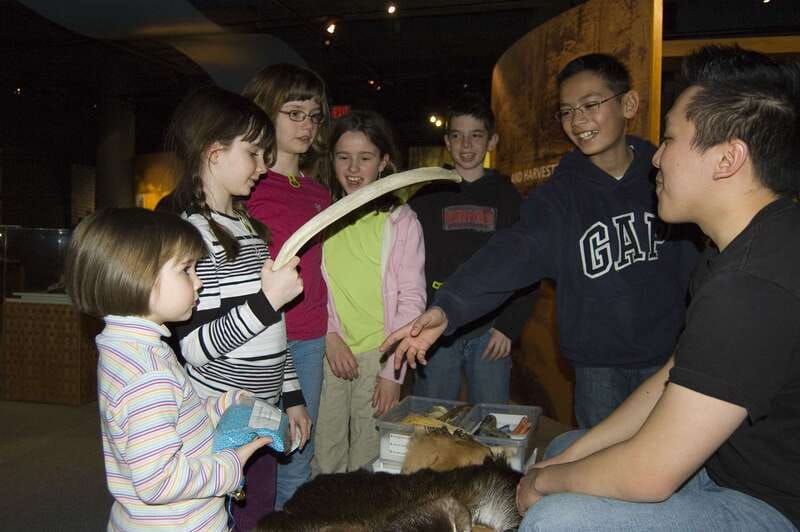
- Families and parent-child outings: The subject is approachable, colorful, and easy to discuss together.
- Visitors interested in global traditions: The collection reaches across regions and includes footwear tied to traditional clothing.
- Museum regulars: Rotating exhibitions give you a reason to return.
- Short-stay visitors: The museum can fit neatly into a one to two-hour window.
It is less suitable if you want a guided performance, extensive multimedia interpretation, or information in several languages. English is the stated language, and French descriptions are not guaranteed.
Practical details that affect your visit
Admission is for one day, and you can reserve now while keeping payment for later. Cancellation is available up to 24 hours before the visit for a full refund, which helps if your Toronto schedule is still changing.
Check availability for the starting time when you book. The ticket is general admission rather than a scheduled guided tour, but the available time information still matters for planning your day.
The museum is wheelchair accessible. Washrooms are located in the basement, so keep that in mind if you need frequent access or are traveling with young children.
Parking may be available on the street or in paid lots within walking distance, but the details can change. The subway, car, or Uber are all listed ways to reach the museum from downtown.
Should you book the Bata Shoe Museum?
Yes, if you want an affordable Toronto museum with a distinctive subject and enough historical context to make the collection meaningful. The permanent All About Shoes exhibition is the main reason to go, while the four rotating galleries add variety and give repeat visits some purpose.
I would book it as a one to two-hour stop, not as a full-day attraction. The $11 price is easy to justify, especially for anyone interested in design, clothing, global traditions, or unusual museums.
Skip it only if you strongly prefer guided tours or multimedia interpretation. Otherwise, the Bata Shoe Museum offers a smart, manageable introduction to 4,500 years of footwear, all inside a memorable building on Bloor Street.
FAQ
Where is the Bata Shoe Museum located?
The museum is at 327 Bloor Street West in Toronto, Ontario.
How much does admission cost?
The listed general admission price is $11 per person.
How long is the ticket valid?
The ticket is valid for one day. You should check availability for the starting time when booking.
How long should I plan to spend at the museum?
Allow about one to two hours for a comfortable visit, especially if you want to read the displays and spend time with the permanent exhibition.
What can I see at the Bata Shoe Museum?
You can explore four gallery spaces, rotating exhibitions, and All About Shoes, a permanent exhibition covering 4,500 years of footwear history.
Is the museum wheelchair accessible?
Yes. The Bata Shoe Museum is wheelchair accessible.
Is WiFi available?
Yes. Complimentary WiFi is available on-site.
Can I cancel my booking?
Yes. You can cancel up to 24 hours in advance for a full refund.
Just added around Canada
- Toronto: Museum of Illusions Entry Ticket★ 4.0 · 31 reviews
- Toronto: Royal Ontario Museum Special Exhibits Voucher★ 4.7 · 65 reviews
- Sydney: Highland Village & Bell Museum Cruise Excursion★ 4.7 · 20 reviews
- Royal B.C. Museum in Victoria: Full-Day Admission Ticket★ 4.3 · 17 reviews
- Quebec City: MNBAQ National Fine Arts Museum Entry Ticket★ 4.6 · 63 reviews
- Ottawa: Canadian War Museum Admission★ 4.7 · 232 reviews
- Ottawa: Canadian Museum of Nature Admission★ 4.6 · 226 reviews
- Montreal: Museum of Illusions Entry Ticket★ 4.6 · 25 reviews
Museum Tours in Canada, compared.
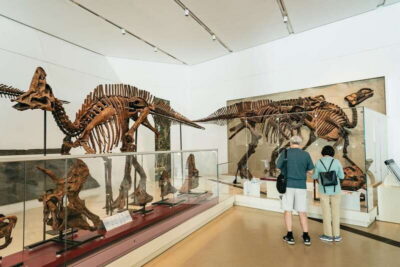
Art Gallery of Ontario General Admission Ticket
Read our review →
Calgary: 3.5-Hour Bus City Tour with Gasoline Alley Museum
Read our review →Browse the lists this tour appears in