
Review · CANADA
Toronto: Art Gallery of Ontario General Admission Ticket
Toronto’s Art Gallery of Ontario is much more than a quick stop for famous paintings. You can move from The Marchesa Casati by Augustus John to Indigenous and Canadian art, then pause beneath Frank Gehry’s sweeping architecture or study tiny ship models made across 350 years. At $21, general admission gives you plenty of room to set your own pace.
I especially like the wide range of collections and the fact that the AGO can fill two hours or an entire day. I also like that you can pair the galleries with lunch at AGO Bistro, a coffee at AGO Espresso Bar, and a browse through shopAGO. The catch is that special exhibitions cost extra, and a voucher may still need to be exchanged at the entrance kiosk, so advance purchase may not save much time.
Key points before you go
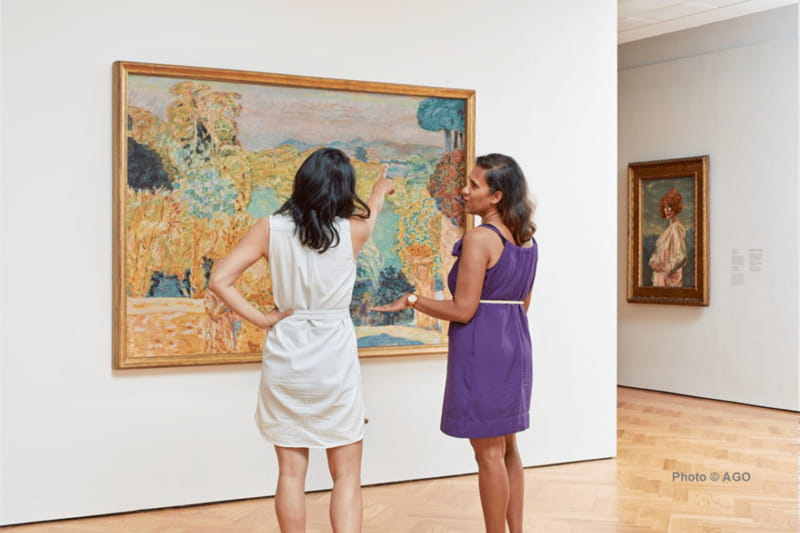
- See The Marchesa Casati: Augustus John’s striking portrait is one of the AGO’s most beloved works.
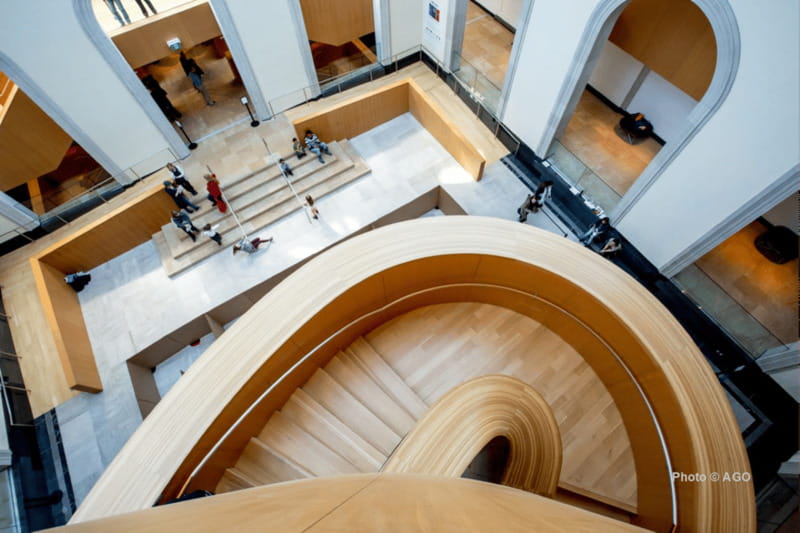
- Walk Frank Gehry’s spiral staircase: The building itself is part of the visit, not just a container for art.
- Set aside at least two to three hours: Four floors and more than 120,000 works can easily occupy half a day.
- Make room for Indigenous and Canadian art: These collections give the gallery a strong local identity.
- Study the Thomson ship models: The detailed collection covers 350 years of shipbuilding craft.
- Check what your ticket covers: General admission does not include special exhibitions.
Starting at the AGO entrance in downtown Toronto
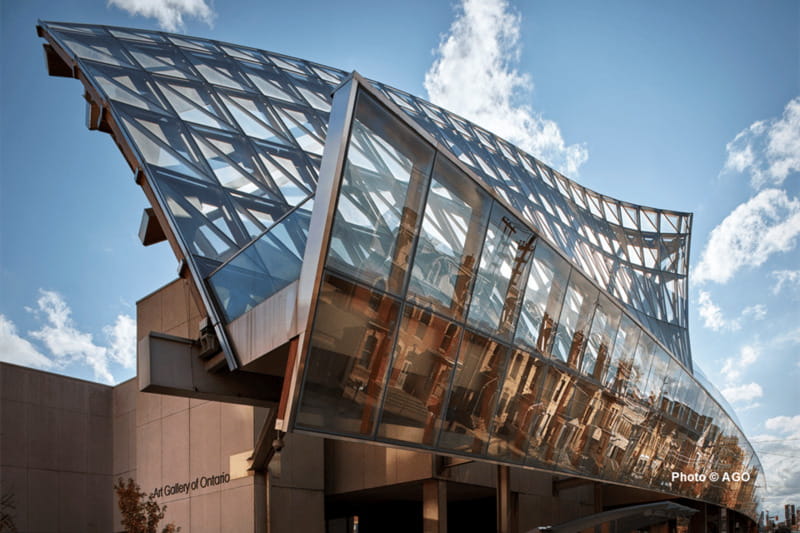
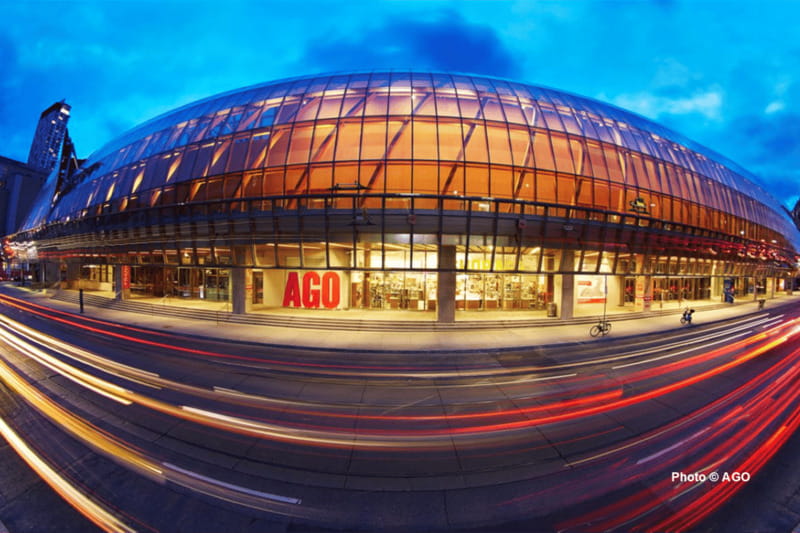
The AGO sits in the heart of downtown Toronto, making it an easy cultural stop if you are already exploring the city centre. Once you arrive, go directly to the entrance kiosk and show your digital or physical voucher. You may be given an admission ticket there.
That last step matters. Some past booking arrangements required visitors to exchange a mobile voucher for a ticket, which meant joining the same line as people buying admission on site. The $21 price can still be good value, but do not assume a prepaid voucher guarantees a fast-track entrance.
The gallery is wheelchair accessible, and the building welcomes first-time art visitors as well as people who could spend hours with a single painting. You can use the visit as a focused two-hour museum stop, or plan it as a full downtown day.
The practical rules are simple. Food and drinks stay out of the gallery spaces, large bags and luggage are not permitted, and tripods are not allowed. A coat check is available for items that cannot enter the galleries. Assistance dogs are allowed, but other pets are not.
A few more museum visits around Canada worth comparing
- Toronto: Royal Ontario Museum Admission Ticket
★ 4.6 · 1,237 reviews - Toronto: Bata Shoe Museum Entrance Ticket
★ 4.7 · 133 reviews - Quebec City: MNBAQ National Fine Arts Museum Entry Ticket
★ 4.6 · 63 reviews
Frank Gehry’s architecture sets the tone
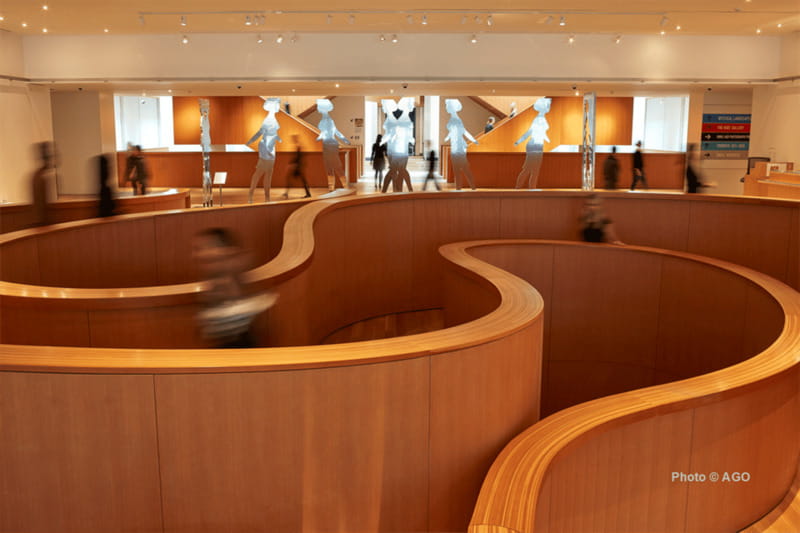
The AGO’s architecture deserves attention before you settle into the collection. The iconic spiral staircase, designed by Frank Gehry, gives the visit a strong visual opening and provides a memorable way to move through the building.
I would not rush up the stairs simply to reach the art. Look at the curves, the changing views, and the way the structure makes ordinary movement feel theatrical. The building itself is one of the reasons this works well for visitors who are not sure how much they enjoy museums. You have something to look at even between galleries.
The architecture also gives the AGO a strong sense of place. This is not a neutral white box where the building disappears. Gehry’s design becomes part of your experience, and the route between collections can feel like a small piece of Toronto design culture.
Still, the scale can be a little confusing on a first visit. One visitor wished for clearer guidance about which route to follow. I agree with the practical concern: with four floors and many rooms, it helps to decide early if you want highlights, Canadian art, contemporary work, or a slower sweep through everything.
Finding the AGO’s most memorable artworks
The collection covers more than 120,000 works, so you cannot see everything carefully in one day. That is not a flaw, but it does change how you should plan. Treat the admission as permission to choose, not as a test you have to complete.
Start with a short list of priorities. The Marchesa Casati by Augustus John deserves a place near the top. Its unusual subject and strong presence make it the kind of portrait that can hold your attention even if you did not come to the AGO with a favorite painter in mind.
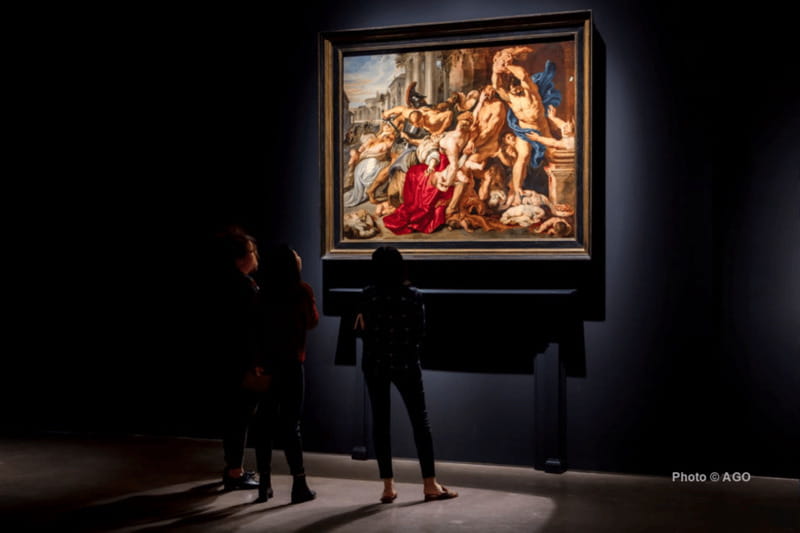
The gallery also presents renowned European masterpieces alongside contemporary works. That mix gives you a broad visit rather than a narrow tour of one period. You might spend a few rooms with older European art, then shift to a modern installation or a work that asks for a different kind of attention.
Photography for personal use is permitted except where signs say otherwise. Do not touch the art, keep a safe distance, and remember that food and drinks are not allowed in gallery spaces. These rules are ordinary, but they matter in rooms with delicate works and crowded paths.
The best approach is to slow down for a few pieces rather than skim every wall. One visitor wanted to spend a full day returning to individual works, and that instinct makes sense here. The AGO rewards attention more than speed.
Canadian and Indigenous art give the visit its identity
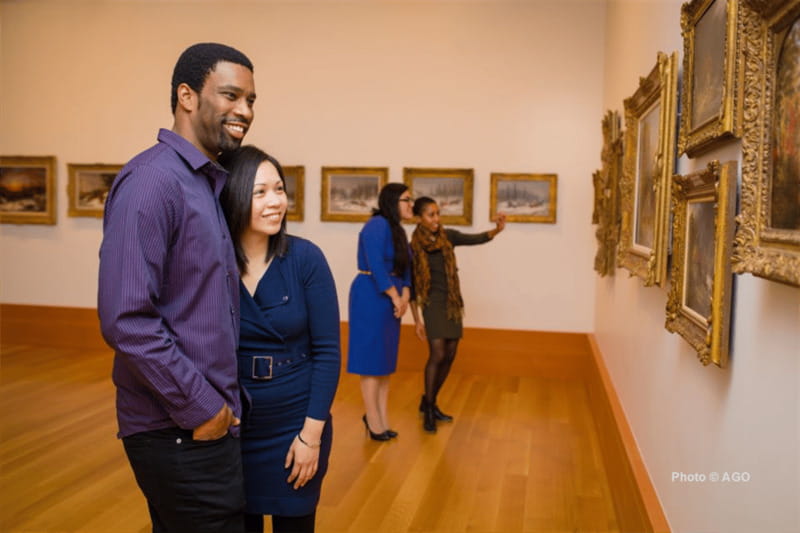
The AGO’s Indigenous and Canadian collections are among its strongest reasons to visit. They give you a chance to understand art connected to the country you are visiting, rather than spending the whole afternoon with European names familiar from textbooks.
Plan extra time here. Canadian and Indigenous art can be easy to treat as one section on a checklist, but the collection deserves a more patient look. You might find paintings, objects, and works that speak to place, identity, colonial experience, and changing ideas of national culture. The supplied information does not promise a fixed display, so the exact rooms and works can change.
The collection also helps balance the gallery’s international reputation. You can see European masterpieces, but you can also focus on artists and perspectives rooted in Canada. For a first visit to Toronto, that local focus gives the museum more meaning than a standard greatest-hits collection.
If you want a clear route through these rooms, ask staff at the entrance kiosk for current directions. The layout and displays can change, and a quick question may save you from wandering past a collection you specifically came to see.
Same city, a completely different collection:
- Royal Ontario Museum Admission
★ 4.5 · 411 reviews - Britannia Mine Museum General Admission
★ 5.0 · 233 reviews - Ottawa: Canadian War Museum Admission
★ 4.7 · 232 reviews - Gatineau: Canadian Museum of History Admission
★ 4.8 · 230 reviews
The Thomson Collection of Ship Models
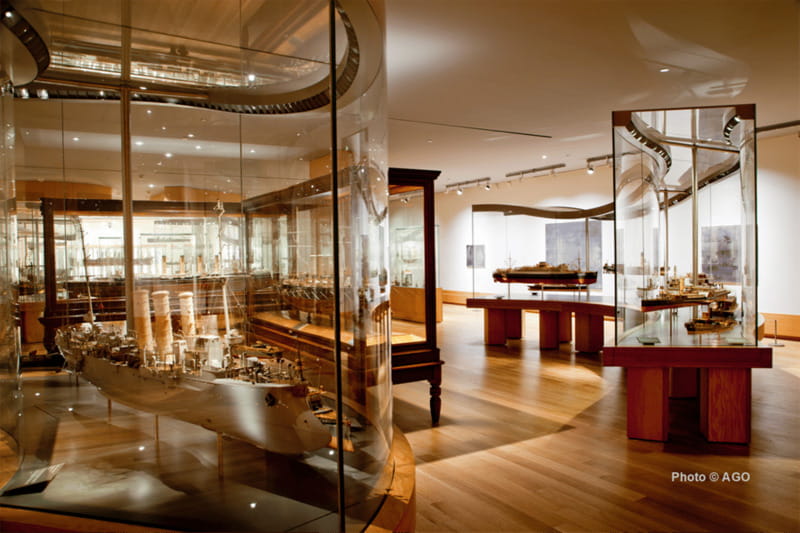
The Thomson Collection of Ship Models is an excellent change of pace. It spans 350 years of craftsmanship, and the small scale encourages the kind of close viewing that large paintings do not always provide.
You can study construction, rigging, decoration, and the many details packed into each model. This is a good section for families and for anyone who enjoys design, engineering, maritime history, or careful handwork. You do not need to be a ship expert to appreciate the patience behind the objects.
The models also break up a long museum visit. After several rooms of paintings, the collection gives your eyes a different task. Instead of standing back from a large canvas, you move closer and inspect tiny parts. That change can keep the afternoon fresh.
Give this section more than a quick glance. The craft is the point, and you will miss much of it if you walk through as though it were a corridor between major painting galleries.
How long should you plan at the AGO?
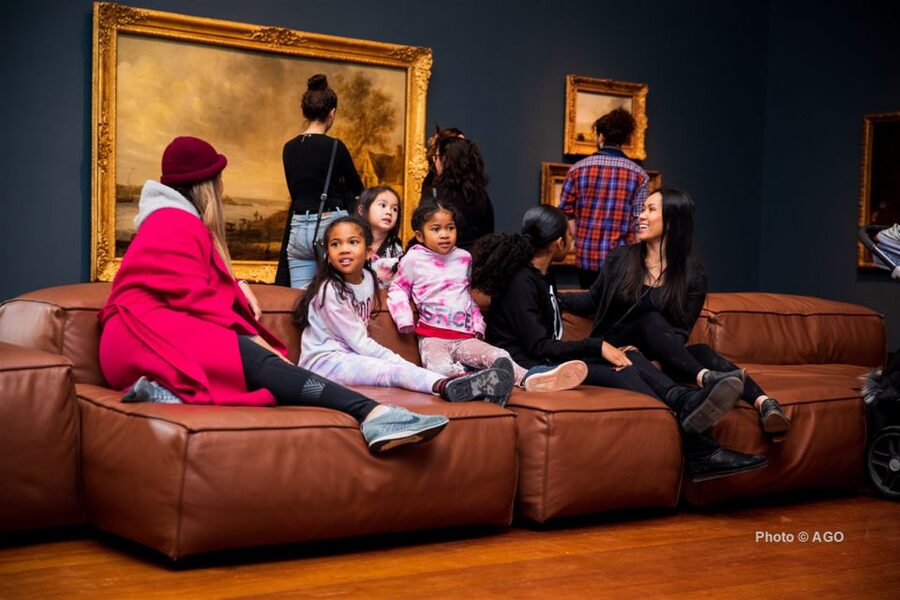
The official advice is to allow at least two to three hours. I consider that a sensible minimum, not a fixed finish time.
Two hours works if you want the Gehry staircase, a selection of major artworks, Canadian and Indigenous collections, and the ship models. You will need to keep moving, and you should accept that many rooms will receive only a quick look.
A half-day gives you a better balance. You can choose several sections, stop for a drink, and spend real time with works that catch your eye. This is the right plan for most people who want to feel they saw the gallery without turning the visit into an endurance event.
A full day suits art lovers and repeat museum visitors. The collection is large enough that you can return to favorite rooms after lunch and still find more to see. One practical advantage is that the visit can be paced around your own interests rather than a guide’s schedule.
Check the re-entry policy at the entrance if you plan to leave for lunch elsewhere and return later. Re-entry has been possible on past visits, but it is not clearly guaranteed in the admission details, so ask before leaving.
Food, coffee, and a useful mid-visit break
AGO Bistro provides seasonal, locally inspired food, while AGO Espresso Bar is the simpler choice for coffee or a quick pause. Food and drinks cannot enter the gallery spaces, so use these areas as a proper break rather than trying to snack between rooms.
The bistro makes the AGO easier to treat as a day visit. A meal inside the museum means you do not have to abandon the collection just when your attention starts to fade. It also gives you a chance to sit down and decide which rooms deserve the rest of your time.
You should still check current opening details when planning around a meal, since the provided admission information does not list restaurant hours or menus. If you have a tight schedule, do not assume the café will fit perfectly into your visit without checking.
ShopAGO is another worthwhile stop before you leave. The shop carries art books, unique gifts, and designed souvenirs. For a museum visit, an art book can be a more useful memento than a generic city trinket, especially if one collection or artist made an impression on you.
Is $21 good value for general admission?
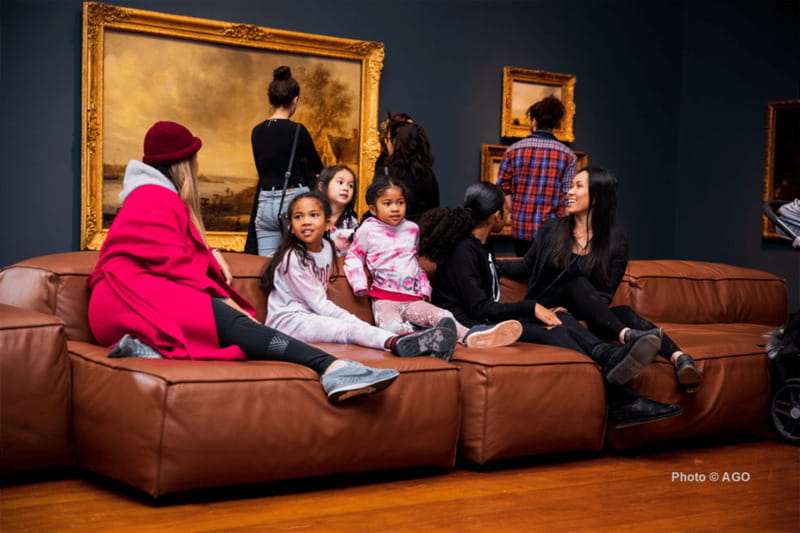
At $21 per person, the admission is fair value if you plan to spend at least two or three hours inside. The number of works, the Canadian and Indigenous collections, the architecture, and the ship models give you several different reasons to stay.
The value improves if you make it a half-day or full-day visit. A quick 45-minute stop would make the price feel less attractive, particularly if you also pay for a separate special exhibition. General admission does not cover those temporary or special displays, so check the ticket terms before you arrive.
Ontario residents aged 24 and under can enter free, according to the provided information. If that applies to you, visit ago.ca for the current details before booking a paid ticket.
The flexible cancellation policy also reduces some booking risk. You can cancel up to 24 hours in advance for a full refund, and the reserve now, pay later option lets you hold a place without paying immediately. These policies are useful if your Toronto plans may shift, but they do not change what the ticket includes.
Who will get the most from this visit?
The AGO suits you if you want choice. Art lovers can spend hours with individual works, while first-time museum visitors can follow a short list of highlights and still see striking architecture and Canadian art.
It is also a good match for families with mixed interests. The ship models, Gehry staircase, contemporary art, and changing exhibitions offer different entry points. A teenager may respond more to contemporary work than to older European painting, while another member of the group may prefer portraits or Canadian art.
You should think twice if your schedule allows only a very short stop or if you mainly want a special exhibition. General admission excludes special exhibitions, and the gallery is too large to understand fully in a rushed visit.
Staff can help with directions, but do not expect this admission to function like a guided tour. No guide is included, and you set the route yourself. If you want expert explanation, ask about current gallery programs or tours directly through the AGO before visiting.
What to know before booking
Use the entrance kiosk when you arrive and keep your voucher ready on your phone or in printed form. Allow extra time for the possibility of exchanging the voucher for a ticket, especially during a busy period.
Leave large luggage elsewhere if possible. The coat check can take items that are not allowed inside, but you should not arrive expecting to bring oversize bags through the galleries.
Wear comfortable shoes. Two to three hours is the minimum suggested visit, and a longer stay involves a lot of standing and walking across four floors. The building is wheelchair accessible, but if you need a particularly specific access arrangement, confirm it with the AGO in advance.
Finally, choose a loose plan. Pick three or four priorities, such as The Marchesa Casati, the Gehry staircase, Canadian and Indigenous art, and the ship models. Then let the rest of the afternoon unfold around the works that hold your attention.
Should you book the AGO general admission ticket?
Book it if you want a substantial art stop in downtown Toronto and can spare at least two hours. The $21 price is strongest when you use the ticket for a half-day, take time with Canadian and Indigenous art, and add the ship models, architecture, or a café break.
Skip or rethink it if you have only a few minutes or are mainly interested in a special exhibition, since that requires separate admission. Also, do not buy solely for a promised fast entrance. The kiosk may still require a ticket exchange.
For most visitors, this is a worthwhile and flexible museum visit. Plan your priorities, accept that you cannot see all 120,000 works in one day, and give yourself permission to linger. That is how the AGO works best.
FAQ
What does the AGO general admission ticket include?
It includes general admission to the Art Gallery of Ontario for one day. Special exhibitions are not included.
How much does admission cost?
The listed price is $21 per person.
How long should I spend at the AGO?
Allow at least two to three hours. You can stay longer if you want to explore more of the collection at a slower pace.
Is the AGO wheelchair accessible?
Yes. The activity is wheelchair accessible.
Can I bring food or drinks into the gallery?
No. Food and drinks are not allowed in gallery spaces. You can use AGO Bistro or AGO Espresso Bar for refreshments.
Can I take photographs inside the AGO?
Photography for personal use is allowed except where the gallery indicates otherwise.
What items are not allowed inside?
Large bags, luggage, oversize luggage, pets, and tripods are not allowed. Assistance dogs are permitted, and a coat check is available for items that cannot enter the gallery.
Just added around Canada
- Toronto: Bata Shoe Museum Entrance Ticket★ 4.7 · 133 reviews
- Toronto: Museum of Illusions Entry Ticket★ 4.0 · 31 reviews
- Toronto: Royal Ontario Museum Special Exhibits Voucher★ 4.7 · 65 reviews
- Sydney: Highland Village & Bell Museum Cruise Excursion★ 4.7 · 20 reviews
- Royal B.C. Museum in Victoria: Full-Day Admission Ticket★ 4.3 · 17 reviews
- Quebec City: MNBAQ National Fine Arts Museum Entry Ticket★ 4.6 · 63 reviews
- Ottawa: Canadian War Museum Admission★ 4.7 · 232 reviews
- Ottawa: Canadian Museum of Nature Admission★ 4.6 · 226 reviews
Museum Tours in Canada, compared.


Calgary: 3.5-Hour Bus City Tour with Gasoline Alley Museum
Read our review →
Browse the lists this tour appears in